
















September 03, 2025
Air to Water Heat Pump 101: The Complete Guide to Efficient Heating
Share my #SolaXStory


As traditional fossil fuel boilers are phased out by stricter environmental regulations and rising gas prices, the air to water heat pump (ATW) has emerged as the clear frontrunner in the future of heating.
According to the International Energy Agency (IEA), heat pump sales have seen record-breaking double-digit growth globally in recent years, becoming the central technology in the push for net-zero emissions.
Whether you are building a new energy-efficient home, or seeking a large-scale commercial heating solution, understanding how this technology works is the first step.
In this comprehensive guide, we will explore everything you need to know about air to water heat pump system. Let's drive in.
What is Air to Water Heat Pump?
An air to water heat pump is a highly efficient device that extracts thermal energy from ambient outdoor air and transfers it into water. This heated water is then circulated throughout your home to provide three main functions:
Underfloor heating: Delivering even and comfortable radiant heat.
Radiators: Compatible with both traditional and modern low-temperature radiators.
Domestic hot water (DHW): Supplying hot water for showers, baths, and daily use.
Why is it considered a renewable energy device?
Unlike traditional gas or oil boilers that burn fossil fuels to create heat, an air to water heating system simply moves existing heat from the environment. It only uses a minimal amount of electricity to run its compressor.
For every 1 unit of electricity it consumes, it captures 3 to 4 units of free, renewable heat from the outside air—making it a low-carbon, highly sustainable solution for modern homes.
Key Components of an Air to Water Heating System
The key components of an air to water heating system include the Evaporator, Compressor, Condenser, Expansion Valve, and the Control Unit.
Outdoor Unit (Evaporator Unit): The outdoor unit houses the evaporator coil and fan, which absorb heat energy from ambient air—even in temperatures as low as -25°C.
Compressor: The compressor is the heart of the system, pressurizing refrigerant to increase its temperature.
Heat Exchanger (Condenser): The heat exchanger transfers thermal energy from the hot refrigerant to the water circuit.
Expansion Valve: The expansion valve regulates refrigerant flow and reduces pressure before the evaporation cycle begins.
Water Circuit and Buffer Tank: The water circuit distributes heated water to radiators, underfloor heating, or domestic hot water tanks. A buffer tank stores thermal energy, reducing compressor cycling and extending equipment lifespan.
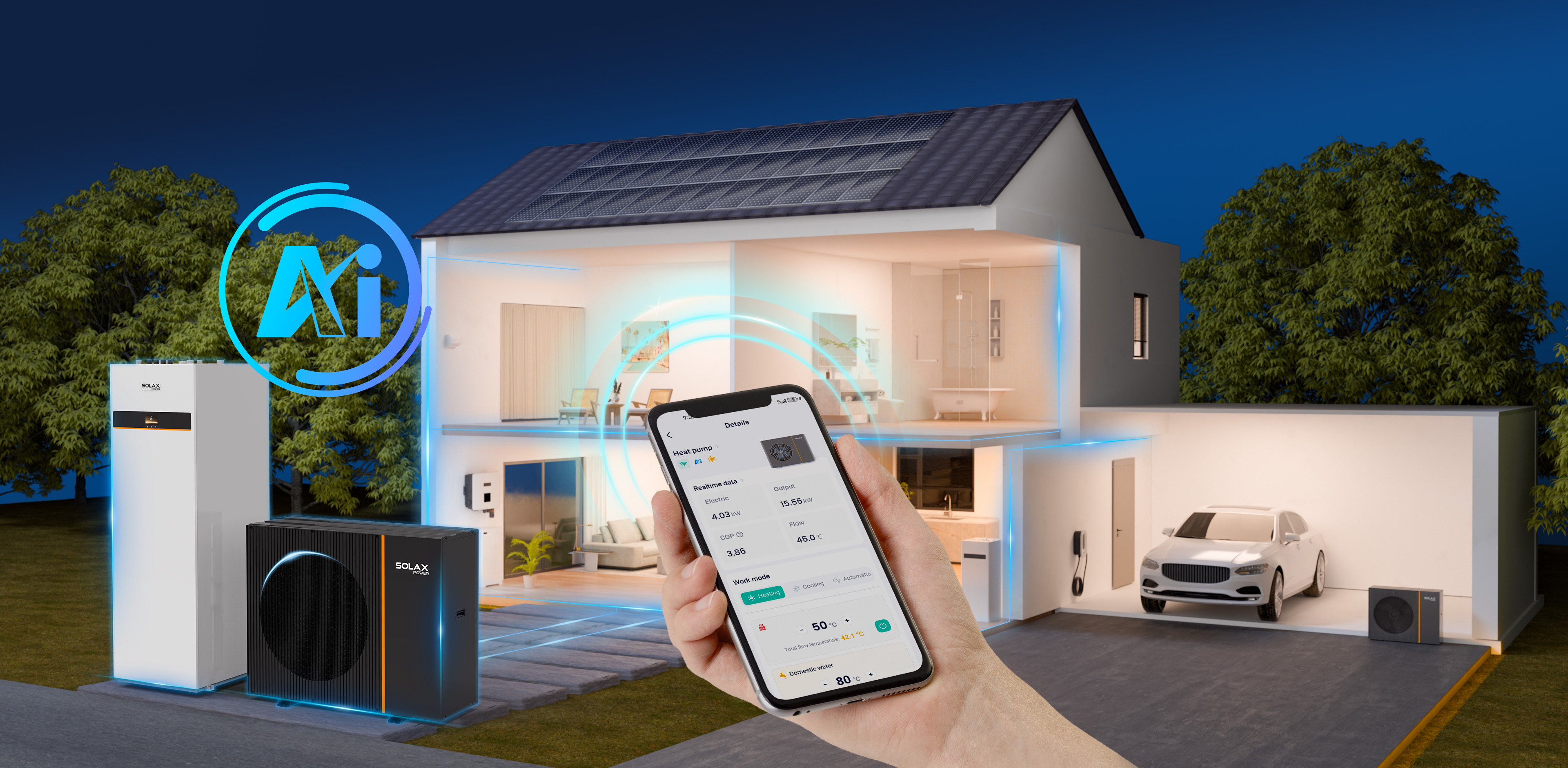
Control System: Modern systems feature smart controls with weather compensation, scheduling capabilities, and remote monitoring via smartphone apps, like SolaXCloud.
How does an Air to Water Heat Pump Work?
An air to water heating system operates by extracting renewable thermal energy from the outdoor air and transferring it into water for indoor use. Unlike traditional boilers that burn fossil fuels, this system uses electricity to power a highly efficient thermodynamic cycle. If you want a broader overview of the basic principle, see our guide on how does a heat pump work.
The process functions effectively as a combination heat pump water heater and air conditioner, managing your home's climate through four key stages:
Absorption (Evaporation): A fan draws outdoor air over a heat exchanger containing a refrigerant. The refrigerant absorbs the heat and turns into a gas, even in cold temperatures.
Compression: The compressor increases the pressure of the gaseous refrigerant, raising its temperature significantly.
Heat Exchange: This hot gas passes through a heat exchanger (condenser), transferring its thermal energy to the water circulating in your home’s heating system (radiators or underfloor piping) or hot water cylinder.
Expansion: The refrigerant cools down, passes through an expansion valve to lower its pressure, and turns back into a liquid to restart the cycle.
To ensure this cycle runs efficiently year-round, professional air to water heat pump service is essential. Regular maintenance keeps the compressor and heat exchanger optimized for long-term reliability and energy savings.
Types of Air to Water Heat Pump Systems
Air to water heat pumps can be categorized by their physical design and their water output temperature. Choosing the right type depends on your property’s space, climate, and existing heating setup.
By Design: Monobloc vs. Split Systems
Monobloc (Integrated) Systems
All components (compressor, heat exchanger) are housed in a single outdoor unit. Water pipes run directly from this unit into your home.
Pros: Space-saving indoors; easier and cheaper to install (no specialized refrigerant handling required).
Cons: Outdoor water pipes need strict freeze protection in extremely cold climates.
Split Systems
Divided into an outdoor unit (captures heat) and an indoor unit (transfers heat to water), connected by refrigerant pipes.
Pros: Zero risk of water freezing outdoors; highly efficient in freezing climates.
Cons: Requires indoor space for the hydro-box; must be installed by an F-gas certified professional.
By Temperature: Low-Temperature vs. High-Temperature
Low-Temperature Heat Pumps (35°C–55°C)
Ideal for newly built or heavily insulated homes. They work perfectly with modern underfloor heating or oversized radiators, which require lower temperatures to keep the house warm.
High-Temperature Heat Pumps (65°C–80°C)
Crucial for older houses and boiler replacements. Older properties often have poorer insulation and traditional small radiators designed for hot gas boilers. A high-temperature system (like those using R290 refrigerant) can heat water up to 80°C, allowing you to upgrade to a heat pump without needing to replace your existing radiators or retrofit your entire home.
Pros and Cons of Air to Water Heat Pumps
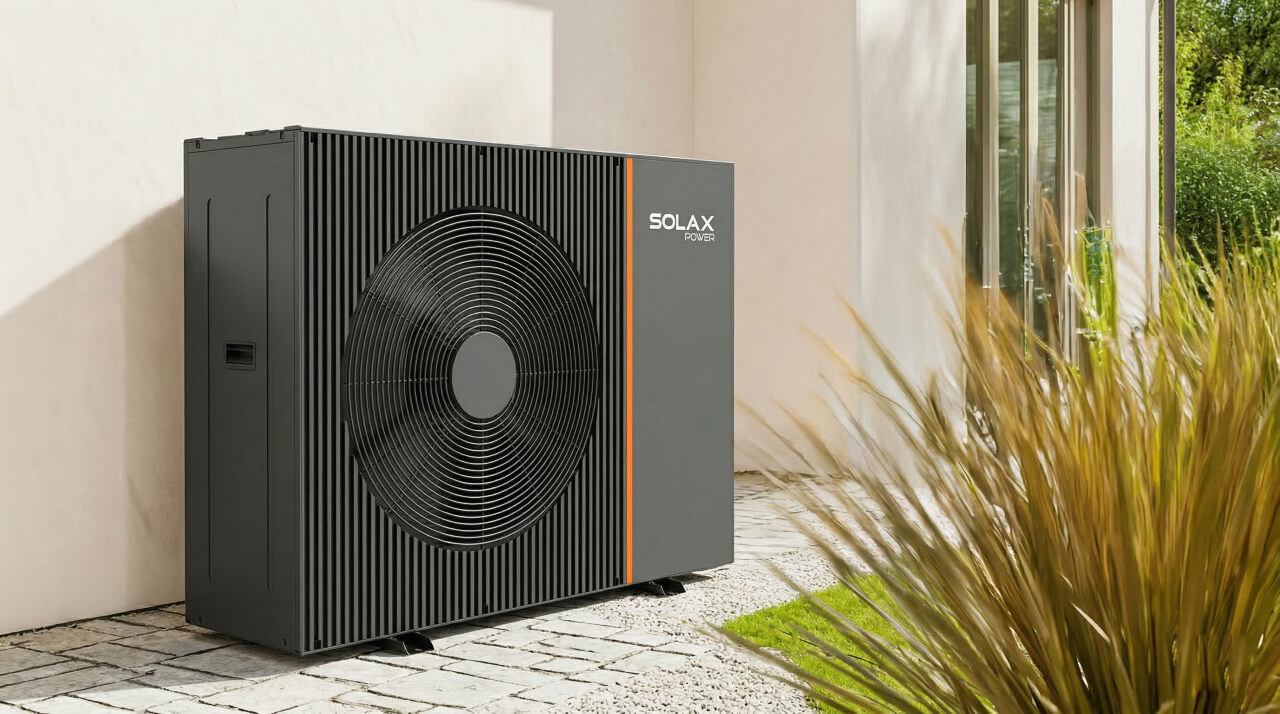
A residential air to water heat pump can be an efficient and lower-carbon alternative to traditional boilers, but its performance depends on the property, climate, and system design.
Pros
Uses renewable heat from the air to provide heating and hot water
Lower energy use than many conventional heating systems
Can support underfloor heating, radiators, and domestic hot water
Helps reduce carbon emissions and fossil fuel dependence
Works well with solar PV and smart energy management
These are some of the main advantages of air source heat pumps for modern homes, especially where energy efficiency is a priority.
Cons
Higher upfront cost than some conventional systems
Works best in well-insulated homes with properly sized emitters
Older homes may need radiator upgrades or a high-temperature model
Efficiency can vary depending on outdoor temperature and installation quality
Understanding both the benefits of air source heat pump systems and the air to water heat pump disadvantages can help homeowners choose a solution that matches their real heating needs.
Air to Water Heat Pump vs. Other Heating Systems
When upgrading your home's climate control, it is essential to understand how an air to water heat pump compares to other popular alternatives on the market.
Air to Water vs. Ground Source Heat Pump
While both use renewable energy, the main differences between ASHP and GSHP lie in installation complexity and upfront cost.
Installation & Space: Ground source systems require extensive land excavation (deep boreholes or wide trenches) to lay underground pipes. Air to water units only need a small outdoor space for the fan unit.
Cost vs. Efficiency: Ground source pumps are slightly more efficient in extreme winters but come with massive upfront installation costs.
The Verdict: Because it requires no digging and has a much lower initial cost, the air to water system is the most practical and cost-effective choice for the vast majority of residential homes.
Air to Water Heat Pump vs. Gas Boiler
Running Costs & Emissions: Gas boilers rely on burning fossil fuels, making them vulnerable to fluctuating energy prices and generating high carbon emissions. An air to water system runs on electricity and extracts free heat from the air, drastically lowering both your carbon footprint and long-term energy bills.
Future Trends: With global environmental policies actively phasing out traditional gas and oil boilers in new builds, switching to a heat pump future-proofs your home and keeps you ahead of changing regulations.
Air to Water vs. Air to Air Heat Pump
Comfort Level: Air-to-air systems (like standard split air conditioners) blow warm air directly into a room, which can cause drafts and dry air. An air to water system circulates heat through radiators or underfloor heating, providing a much gentler, even, and comfortable radiant heat.
Domestic Hot Water (DHW): The biggest advantage of an air-to-water system is that it can heat the water for your taps, showers, and baths. Most air-to-air systems can only manage room temperature, meaning you would still need a separate water heater.
Common Applications of Air to Water Heating System
Thanks to their high efficiency and flexible installation, air to water heating systems are highly versatile and can be tailored to fit almost any building type or energy requirement.
Residential Homes & Villas
For single-family homes and luxury villas, an air to water heat pump acts as a complete 3-in-1 climate hub. It provides cozy underfloor heating in the winter, refreshing space cooling in the summer, and a reliable, year-round supply of domestic hot water (DHW).
Retrofit Projects (Boiler Replacements)
Perfect for modernizing older properties. With the advancement of high-temperature heat pumps, homeowners can now seamlessly replace aging, carbon-heavy gas or oil boilers. You don't need to tear up floors or pipes to go green.
Commercial Buildings & Hotels
For large-scale demands in offices, schools, and hotels, ATW systems offer exceptional scalability. Through intelligent Cascade Control, multiple heat pump units can be connected in parallel. This commercial-grade setup dynamically adjusts its output to meet massive, fluctuating heating and hot water requirements while keeping operational costs low.
PV + ESS + Heat Pump Integration (The Future of Smart Energy)
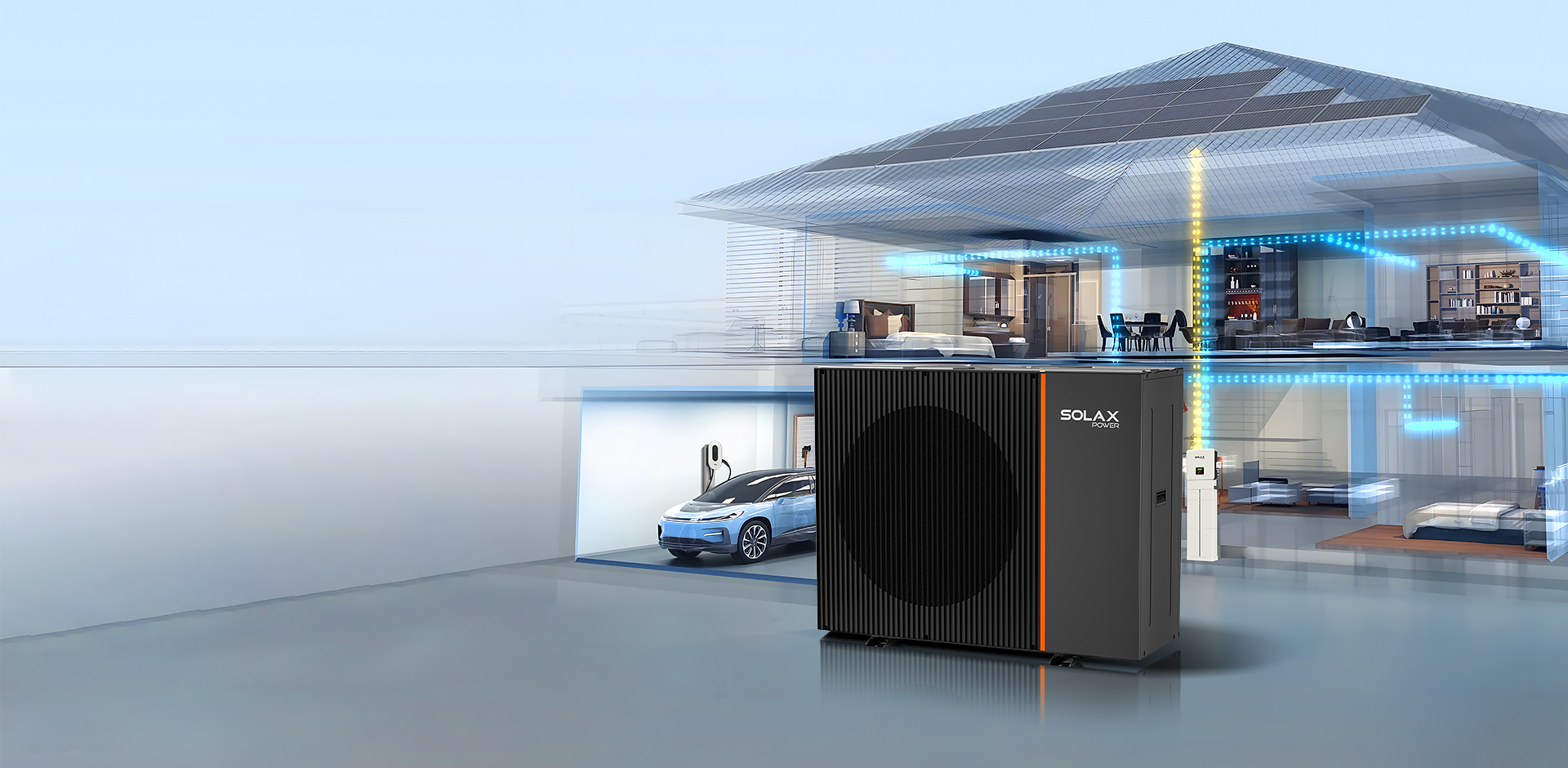
The ultimate trend in sustainable living is full energy synergy: combining Solar Panels (PV), an Energy Storage System (ESS), and an air to water heat pump.
Industry leaders like SolaX pioneer this integration, allowing your heat pump to intelligently communicate with your solar inverter. During the day, the heat pump can run on free, surplus solar energy or draw from your battery storage at night. This smart ecosystem maximizes your self-consumption of green energy and lowers your heating bills.
Air to Water Heat Pump Costs and Savings
Investing in an air to water heat pump is a financial commitment, but to understand its true value, you must look beyond the initial price tag and consider the long-term return on investment (ROI).
Factors Affecting Upfront Costs
The initial cost of purchasing and installing an air to water heating system varies widely from property to property. The total investment usually depends on:
System Capacity (Size): Larger homes require heat pumps with higher kilowatt (kW) outputs, which naturally cost more than compact units.
System Type: Whether you choose a Monobloc or a Split system, or whether you need a specialized high-temperature heat pump to work with older radiators.
Installation Complexity: Retrofitting an older home (which may involve upgrading pipework or adding a new domestic hot water cylinder) requires more labor than installing a system in a new build with existing underfloor heating.
Factors Affecting Running Costs
Once installed, heat pumps are incredibly cheap to run compared to gas or oil. Your actual monthly running costs will be influenced by:
System Efficiency (COP): The Coefficient of Performance determines how much heat you get per unit of electricity. A higher COP means lower electricity bills.
Home Insulation: A well-insulated home retains heat better, meaning the pump doesn't have to work as hard or run as often.
Solar PV Integration: If you pair your heat pump with solar panels, you can power your heating system using free, renewable energy, driving your running costs down to lower one.
Long-Term Savings and Government Subsidies
Switching from a fossil fuel boiler to an air to water heat pump guarantees substantial long-term savings. According to data from the IEA, heat pumps are typically three to five times more energy-efficient than the most efficient natural gas boilers. This massive leap in efficiency translates directly into drastically reduced monthly energy bills.
Furthermore, because heat pumps are a critical technology for achieving global net-zero emissions, many local and national governments offer substantial financial subsidies, tax credits, and green energy rebates. These incentives are designed to heavily offset the initial installation costs, making the transition to renewable heating more affordable and significantly shortening your payback period.
Best Air to Water Heat Pump Brands: What to Look For
When comparing manufacturers, it is more useful to focus on performance, reliability, and system intelligence than on brand names alone. In our guide to best heat pump brands, we explain the key factors buyers should evaluate before making a decision.
A strong air to water heat pump brand should offer:
Natural refrigerants such as R290 for lower environmental impact
Low-noise design for better comfort in residential areas
Smart controls and app-based monitoring for easier energy management
Reliable heating performance in cold climates
Compatibility with solar PV and battery storage systems for whole-home energy optimization
Professional service and long-term product support
These features are increasingly important as homeowners and businesses look for heating systems that are not only efficient, but also future-ready. Brands that combine heating, cooling, hot water, and smart energy integration stand out in today's market.
Why Should You Choose the SolaX Thermal R290 Heat Pump System?
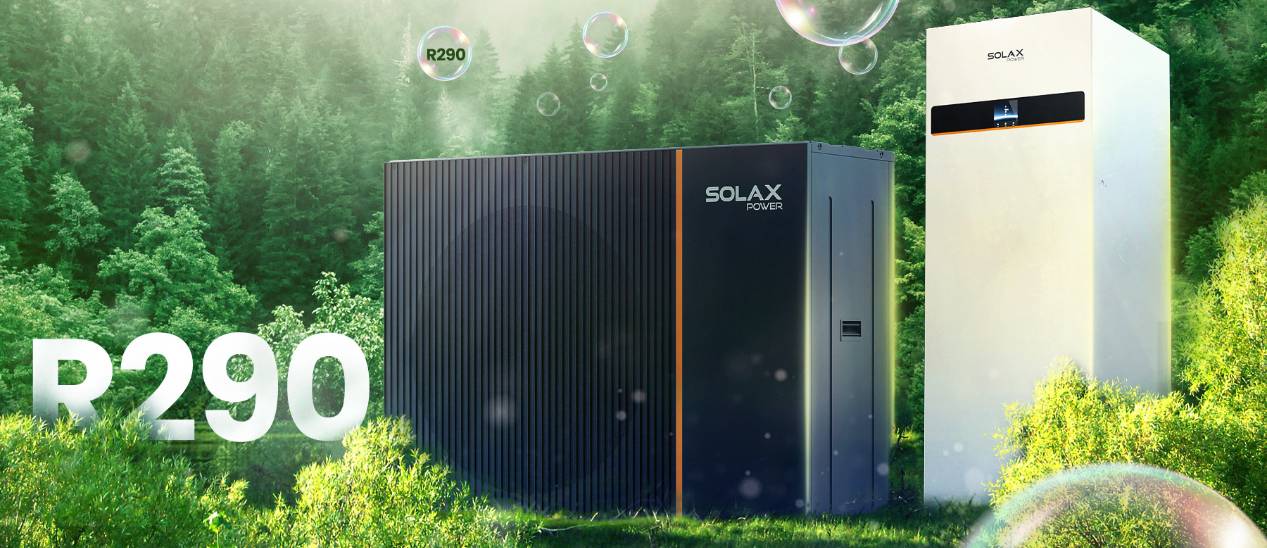
The SolaX Thermal R290 Series is a premium air source heat pump designed for both residential and commercial applications. Featuring a modern, European-style vertical design with a premium grey finish, this series is available in single-phase and three-phase models with capacities ranging from 8kW to 16kW. It combines high heating performance with intelligent control to offer a future-proof energy solution.
Comprehensive 3-in-1 Climate Control
The system serves as a central hub for Heating, Cooling, and Domestic Hot Water (DHW), designed to integrate seamlessly with Photovoltaic (PV) and Energy Storage Systems (ESS).
Operating Ranges: Delivers heating between 25–80°C, hot water up to 70°C, and cooling from 5–25°C.
Multi-Zone Comfort: Supports 3 independent temperature zones, allowing precise climate control for different rooms or floors.
Energy Linkage: Enables full-house energy synergy by connecting the heat pump directly to solar power generation.
Extreme Performance & Commercial Scalability
Engineered for versatility, the SolaX R290 is capable of maintaining high flow temperatures even in freezing conditions, making it suitable for retrofits and modern builds.
High Temperature Output: Achieves water temperatures of up to 80°C, even when outdoor temperatures drop to -25°C.
Scalable Cascade Control: Supports the parallel connection of up to 8 units.
Commercial Capacity: A cascade setup can deliver a maximum heating power of 128 kW, ideal for large commercial buildings.
Source Compatibility: Compatible with diverse external heat sources, including solar water heaters and gas boilers.
AI-Driven Energy Management & Connectivity
This series utilizes AI algorithms to optimize power consumption based on usage patterns and solar availability.
Smart Scheduling: The SolaX Smart Schedule and intelligent PV allocation ensure the heat pump runs when energy is cheapest or greenest.
Complete Ecosystem: Offers device interconnection, unified platform monitoring, and centralized control via the SolaXCloud.
Remote Control: Full support for App-based monitoring, remote operation, and OTA (Over-the-Air) automatic updates.
Top-Tier Efficiency with R290 Natural Refrigerant
SolaX prioritises environmental sustainability without compromising on efficiency.
Eco-Friendly: Uses R290 refrigerant (Propane), which has a Global Warming Potential (GWP) of just 3 and an Ozone Depletion Potential (ODP) of 0.
High Efficiency Rating: Achieves the highest ERP rating level with a seasonal efficiency (SCOP) of A+++ at both 35°C and 55°C flow temperatures.
Cost Savings: Real-world energy savings range from 22% to 35%, significantly reducing long-term operational costs.
Ultra-Quiet Operation & User Comfort
Designed for installation in noise-sensitive areas like residential gardens, the unit employs advanced acoustic engineering.
Noise Reduction Tech: Features a compressor acoustic shield, dual-slope air ducts, and biomimetic fan blades to minimize turbulence.
Silent Performance: Optimized airflow and vibration control result in an ultra-low noise level of <39 dB(A).
Proven Reliability & Visualized Monitoring
The system is built on 100% in-house manufacturing and rigorous R&D testing to ensure durability.
Visualized Data: Users can view real-time power consumption, temperature data, and fault alerts via a multi-language local interface or the cloud.
Rigorous Testing: The unit has passed over 10,000 hours of durability testing, including IPX4 360° rain tests, extreme temperature cycling (-25°C to +48°C), and defrosting performance tests.
Skilled Installation of Air to Water Heat Pump
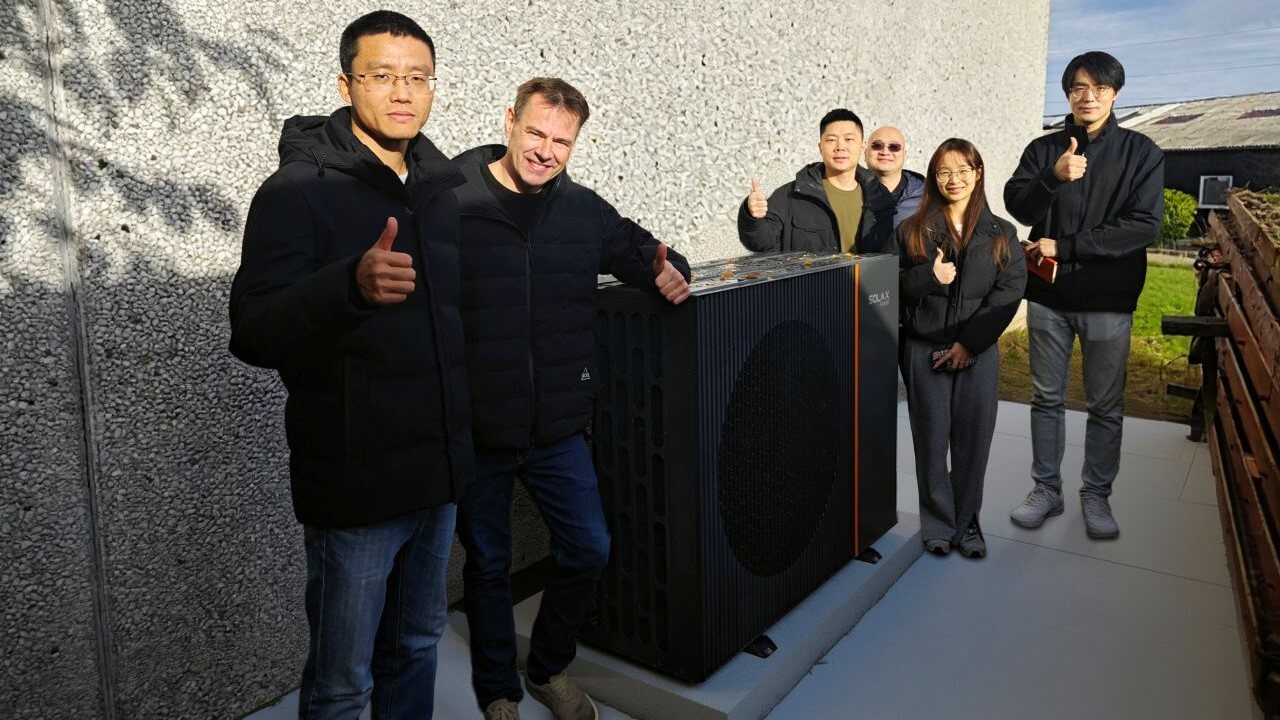
SolaX has many air to water heat pump installation case studies. Our professional certified technicians will assess the piping system, insulation measures, and energy requirements before installing the equipment. They will also ensure the system is integrated with existing heating systems (such as radiators or underfloor heating systems). After installation, regular maintenance of the air source heat pump ensures efficient operation, durability, and a consistently comfortable experience.
Conclusion
The air to water heat pump is a future-ready heating solution offering lower running costs, high efficiency, and reduced carbon emissions. With options ranging from residential air to water heat pump units to full-scale air pump hot water systems, homeowners can enjoy sustainable comfort year-round. By evaluating your needs, choosing reputable brands such as SolaX, and ensuring expert installation and service, you can make the switch to cleaner, smarter heating today.
FAQ
Table of Contents
Latest News
Explore expert insights, practical guides, and the latest news on SolaX Power.



To the Latest Newsletter
Stay Ahead with the Latest SolaX Updates!
Subscribe
I have read and agree to Privacy Policy and User Terms