











April 03, 2026
Distributed Energy Resources (DERs): Types, Benefits and Grid Management
Share my #SolaXStory


The global energy industry is rapidly shifting from traditional, centralized power plants to a more flexible, decentralized model. At the center of this transformation are Distributed Energy Resources (DERs).
As the demand for clean energy and grid resilience grows, generating and storing power closer to where it is consumed has never been more important. Distributed energy resources are now essential for a reliable and sustainable power grid.
In this complete guide, we will break down exactly what these resources are, explore real-world examples, highlight their core benefits, and explain the technologies used to manage them.
What Are Distributed Energy Resources?
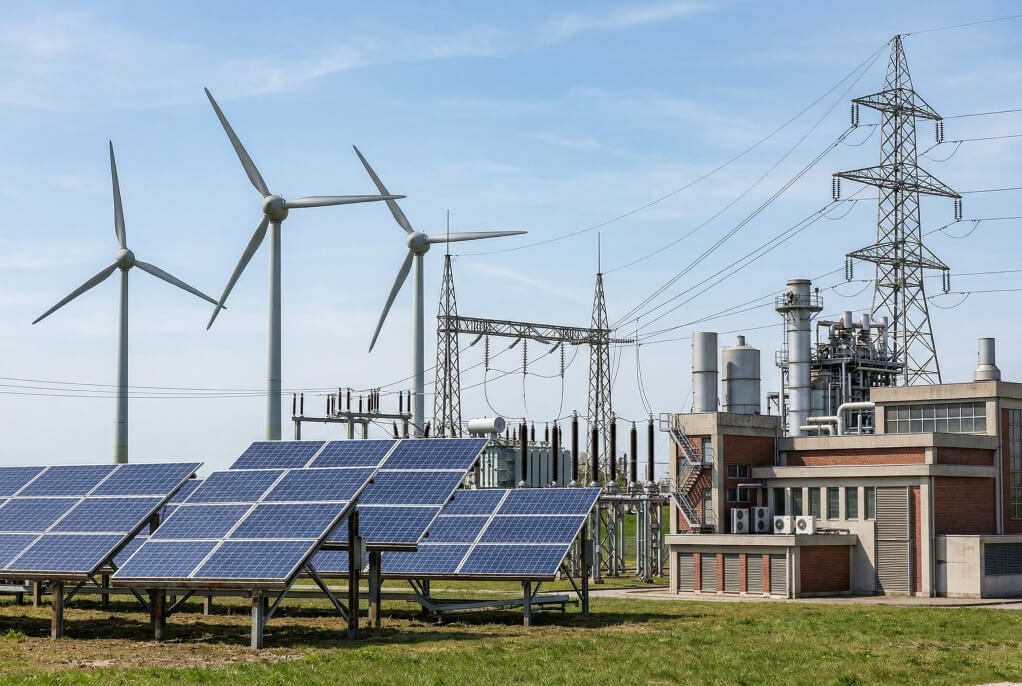
To define distributed energy resources (DERs) simply: they are small-scale, decentralized energy assets located close to where electricity is actually consumed. Unlike massive, centralized power plants located miles away, DERs are installed at or near homes, businesses, and industrial facilities.
These localized systems are incredibly versatile. They can generate electricity, store excess power for later use, or actively manage and reduce energy loads during peak demand times.
Distributed Energy Resources vs Distributed Generation: What's the Difference?
In the energy industry, people often use the terms "DERs" and "distributed generation" interchangeably, but they are not exactly the same thing. While they are closely related, one is a much broader concept.
Distributed Energy Generation refers specifically to the production of electricity near the point of use. Its primary function is simply to create power (for example, rooftop solar panels or small wind turbines).
Distributed Energy Resources, on the other hand, act as an umbrella term. It includes generation, but it also encompasses energy storage (like battery systems), electric vehicles (EVs), and demand response technologies (like smart thermostats) that manage how and when power is used.
To make it easier to understand, here is a quick comparison:
Feature | Distributed Energy Generation | Distributed Energy Resources |
Primary Function | Power production only. | Generation, storage, and load management. |
Scope of Concept | Narrower (Focuses on making electricity). | Broader (An umbrella term for modern grid assets). |
Common Examples | Solar panels, small wind turbines, fuel cells. | Solar panels, battery storage (BESS), EVs, smart thermostats. |
Grid Interaction | Supplies power to the user or the grid. | Can supply power, store excess energy, or reduce usage dynamically. |
Ultimately, while all distributed generation technologies are DERs, not all DERs generate power.
Types and Examples of Distributed Energy Resources
The types of distributed energy resources lie in three main categories based on their core functions: generation, storage, and thermal management.
Power Generation Assets
This category focuses on producing electricity at or near the point of consumption. A significant portion of these systems rely on distributed renewable energy sources, making them crucial for lowering carbon footprints and reducing reliance on fossil fuels.
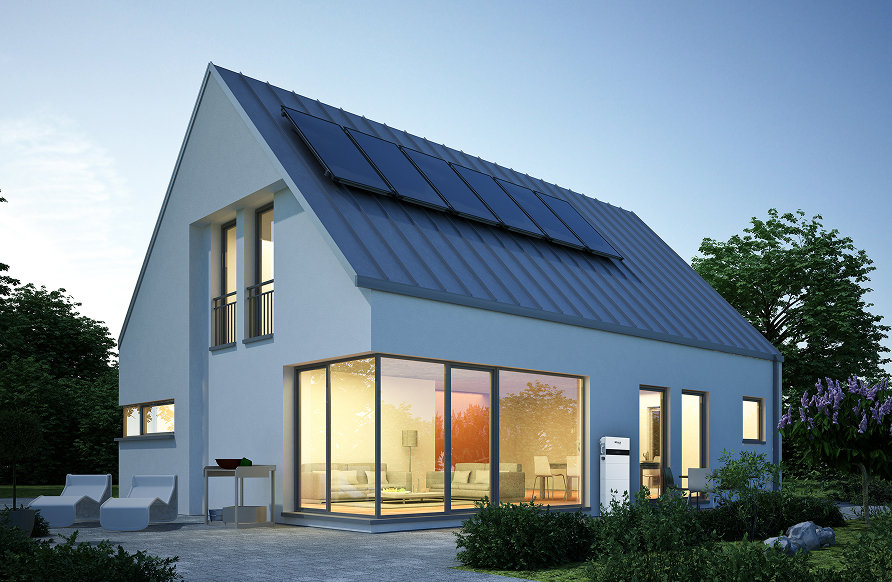
Solar Photovoltaic (PV) Systems: The most popular DER. This includes everything from residential rooftop solar panels to larger solar arrays on top of warehouses.
Small Wind Turbines: Typically installed in rural, agricultural, or industrial areas to harness local wind power and generate clean electricity.
Fuel Cells: Devices that generate electricity through a chemical reaction (often using hydrogen or natural gas) with very low emissions.
Energy Storage Systems
Because renewable energy can be intermittent (the sun doesn't always shine, and the wind doesn't always blow), capturing and holding that energy is essential.
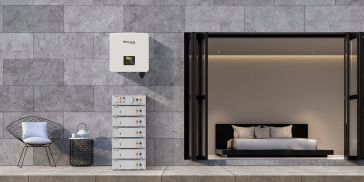
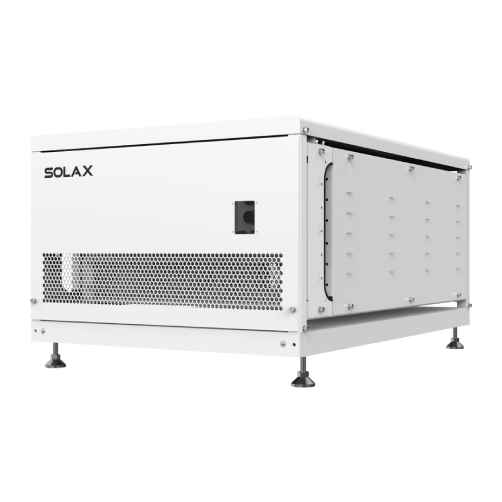
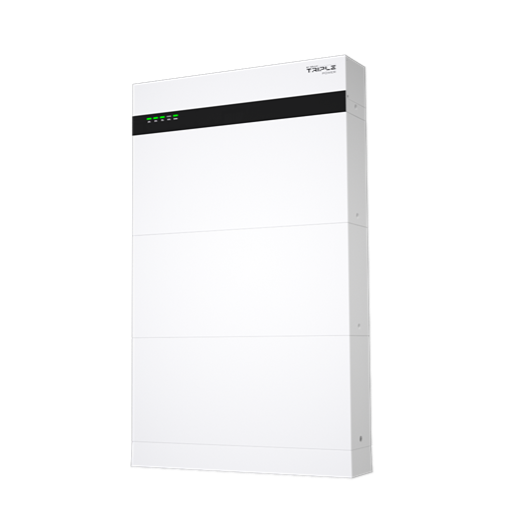
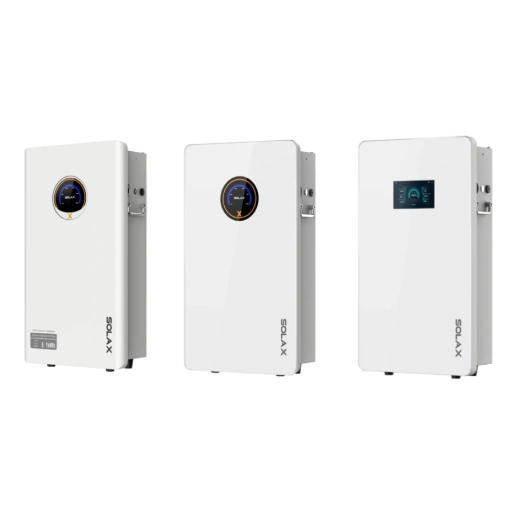
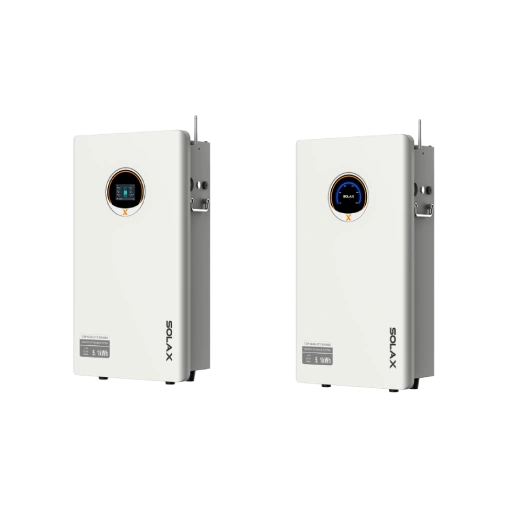
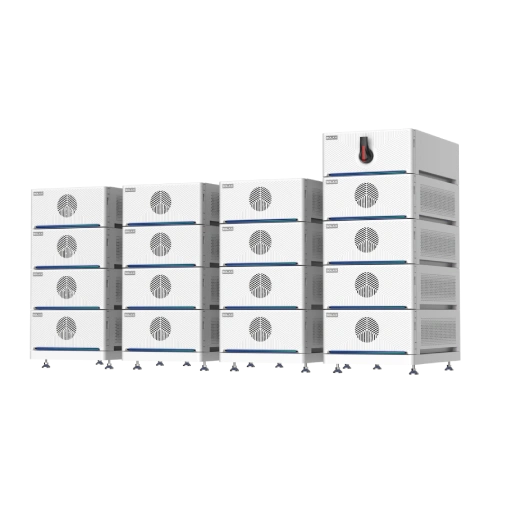
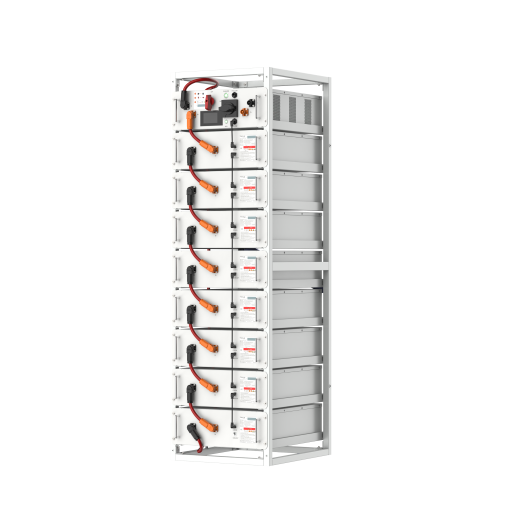
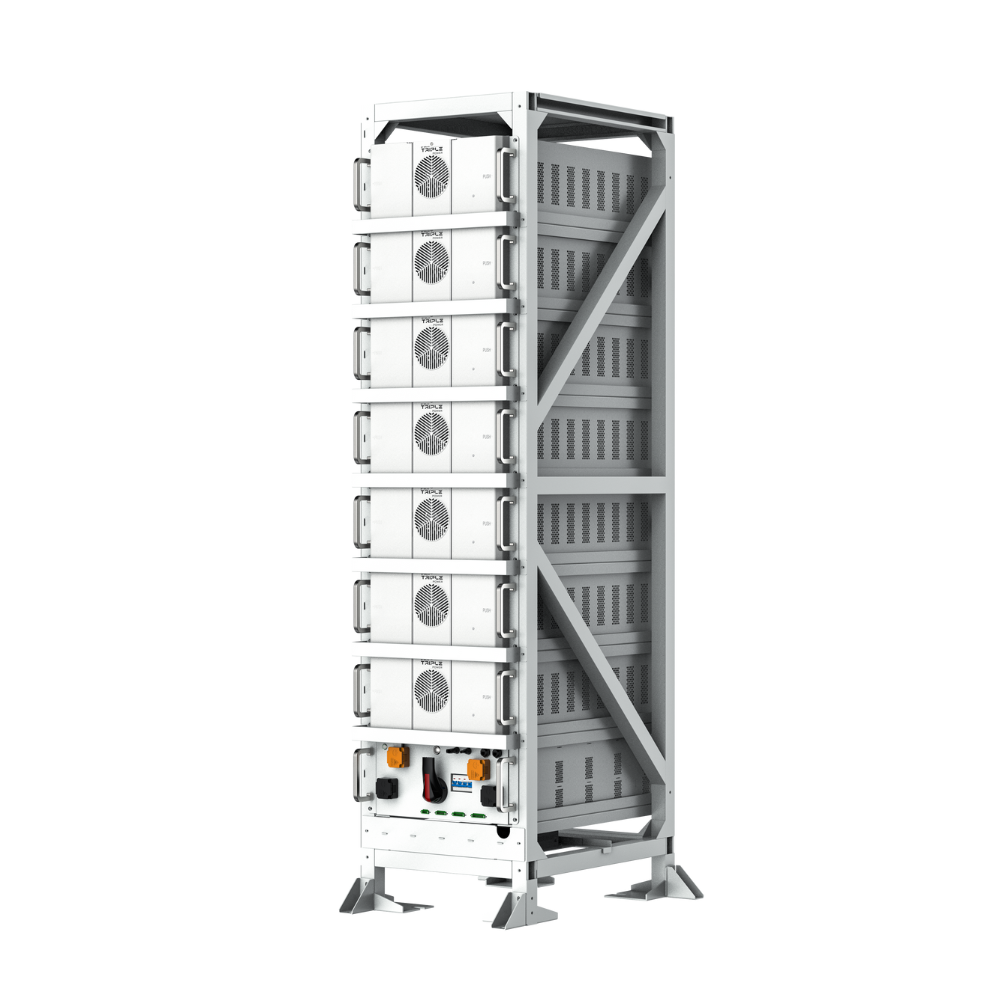
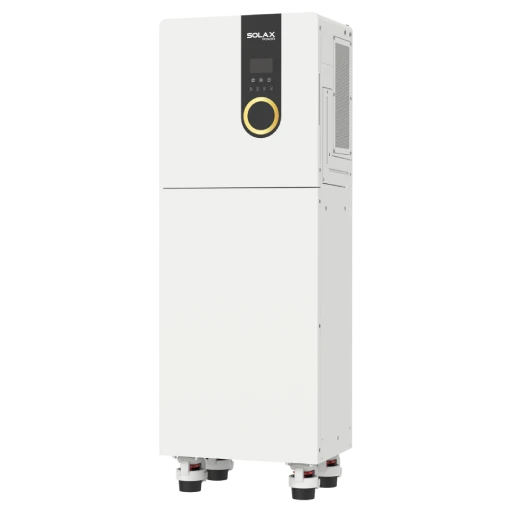
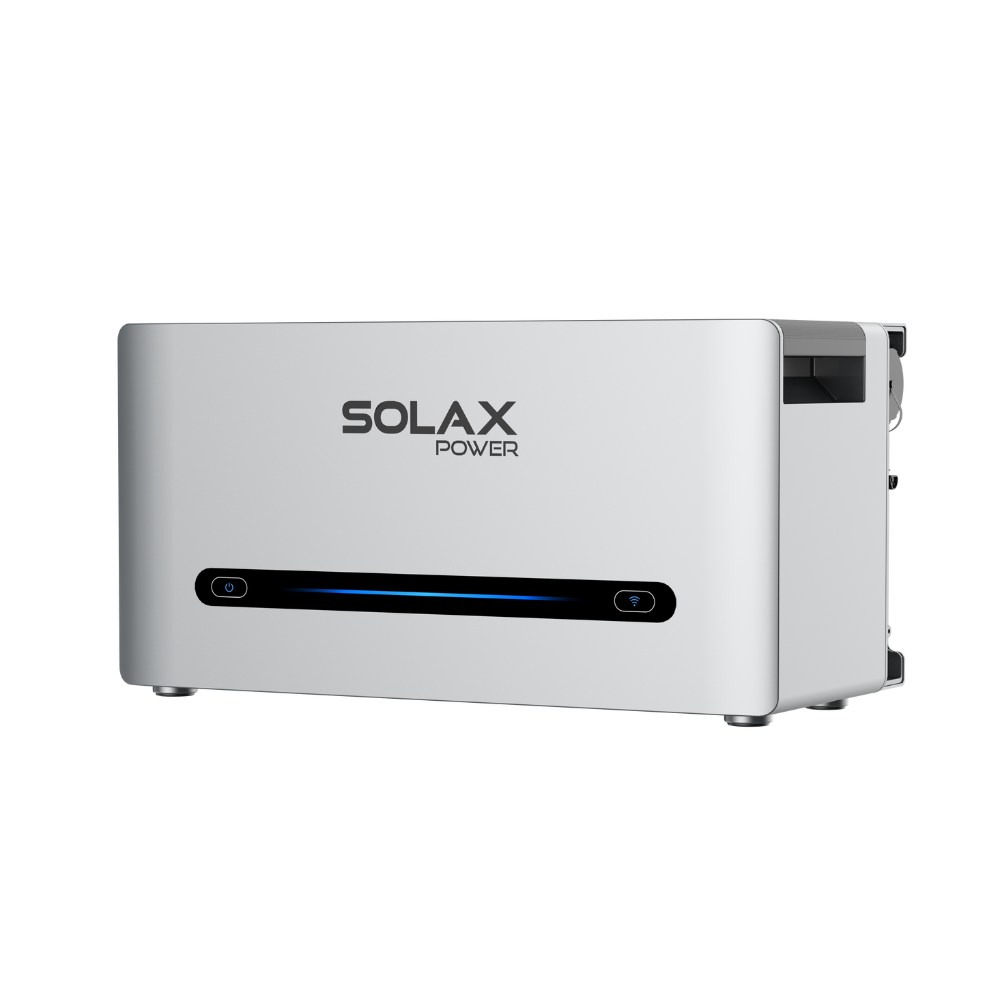
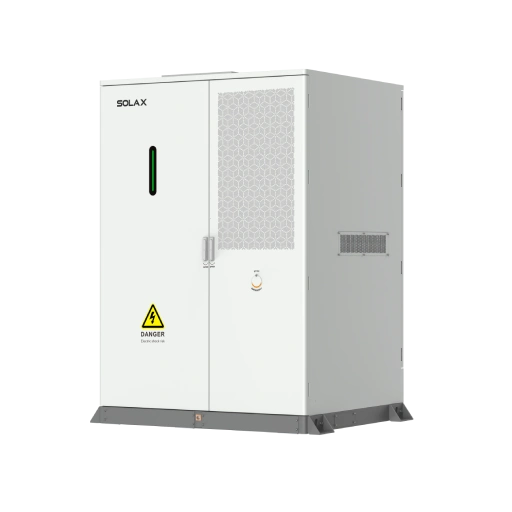
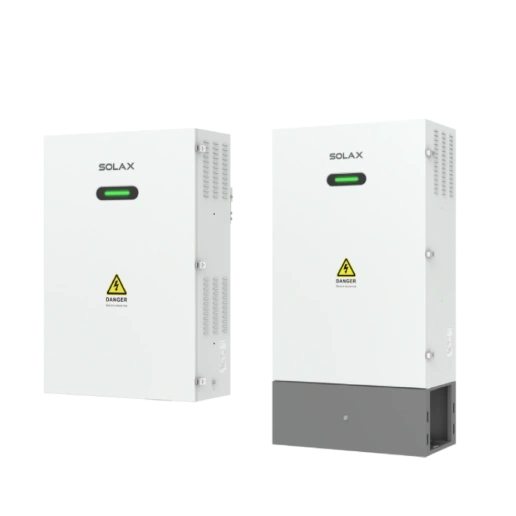
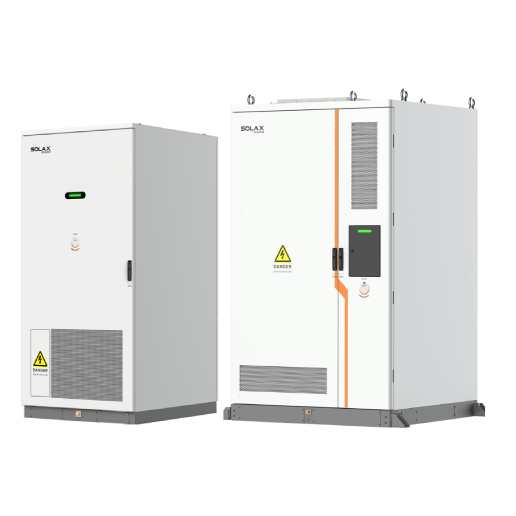
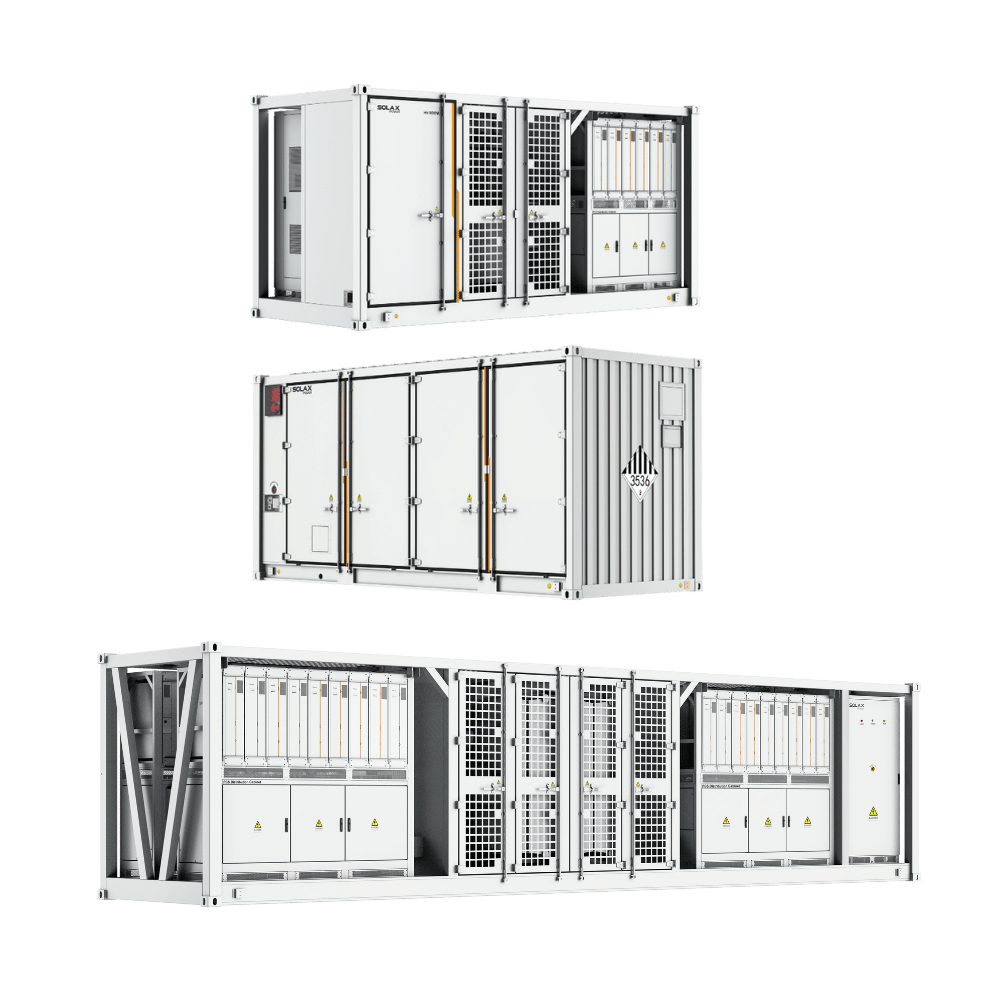
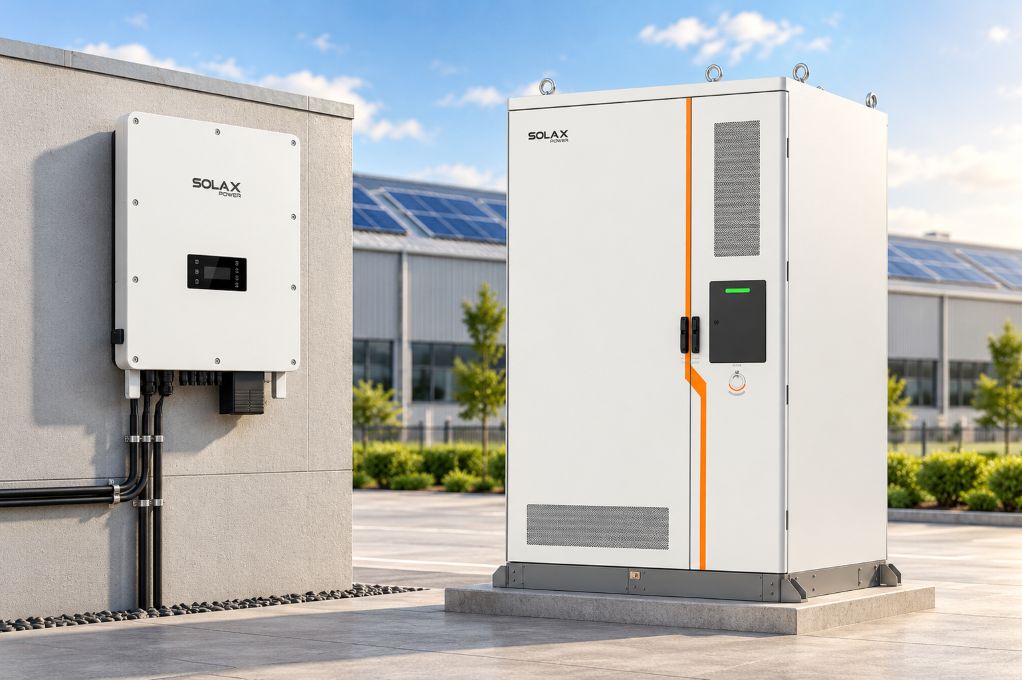
Battery Energy Storage Systems (BESS): Ranging from small home batteries (like the SolaX residential batteries) to massive shipping-container-sized lithium-ion setups for commercial buildings. They store excess energy during the day and discharge it when demand is high.
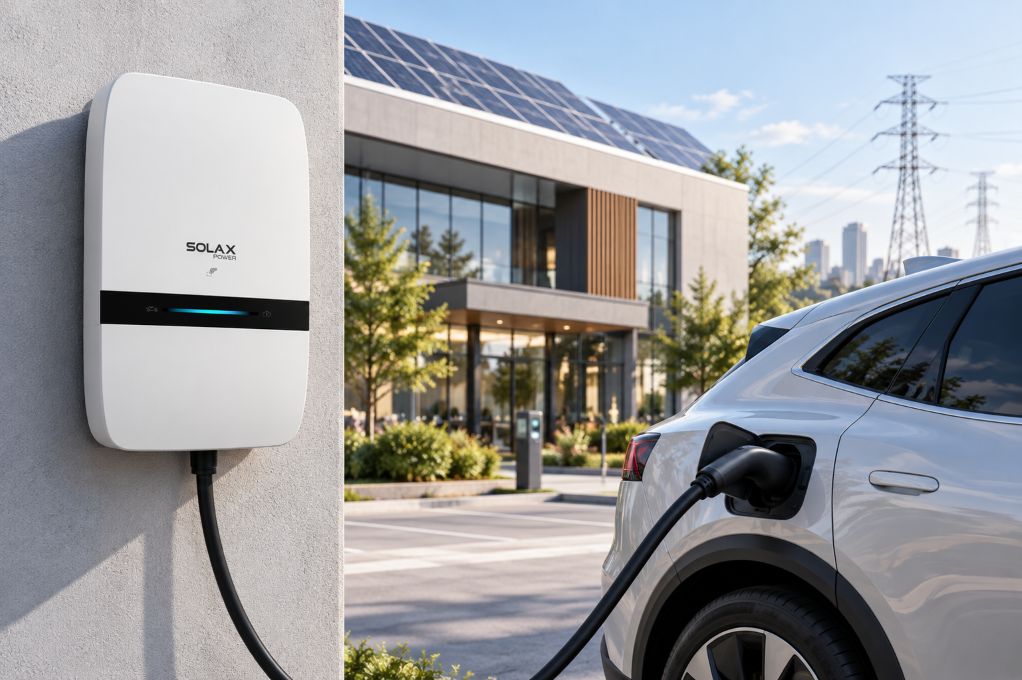
Electric Vehicles (EVs): EVs aren't just for transportation. With bidirectional charging (Vehicle-to-Grid technology), plugged-in EVs can act as mobile batteries, feeding unused power back into a home or the local grid.
Thermal and Cogeneration Systems
These DERs focus on maximizing energy efficiency by repurposing waste heat that would otherwise be lost.
Combined Heat and Power (CHP): Also known as cogeneration, CHP systems generate both electricity and useful thermal energy (heat) from a single fuel source. They are highly efficient and commonly used in hospitals, universities, and industrial plants.
Smart Electric Water Heaters: These can act as "thermal batteries," storing energy as heat and reducing electricity draw during peak hours.
The Core Benefits of Distributed Energy Resources
Distributed energy resources create value across environmental, economic, and grid reliability dimensions. As more homes, businesses, and utilities adopt localized energy systems, the benefits of DERs become increasingly clear.
Environmental Sustainability (Lowering Carbon Footprints)
One of the most significant advantages of DERs is their positive impact on the planet. By replacing coal and gas generation with clean energy, DERs lower greenhouse gas emissions and play a critical role in helping businesses and governments achieve their net-zero carbon targets.
Economic Value (Cost Savings and Revenue Generation)
Investing in DERs makes strong financial sense. By producing their own power, businesses and consumers can drastically reduce their dependence on the main grid, leading to significantly lower monthly utility bills.
Furthermore, DERs can transform consumers into "prosumers" (producers + consumers). Through utility programs like net metering, DER owners can actually generate new revenue streams by selling their excess stored or generated electricity back to the local grid.
Grid Resilience and Energy Security
Because DERs are located close to where electricity is used, they can improve reliability during grid disruptions. Solar-plus-storage systems, CHP units, and microgrids can provide backup power when outages occur. They also reduce transmission losses by generating electricity nearer to demand, making the overall energy system more efficient and resilient.
How DERs Connect to the Grid: Smart Grids, Microgrids, and VPPs?
While individual DERs can generate, store, or manage energy locally, their full value depends on how they are connected and coordinated within the broader power system. This is where distributed energy infrastructure plays a key role.
Behind the Meter vs. Front of the Meter
DERs can be deployed either behind the meter (BTM) or in front of the meter (FOM).
Behind-the-meter systems, such as rooftop solar panels and home batteries, primarily serve on-site energy needs, with excess electricity either stored or exported to the grid.
Front-of-the-meter systems, by contrast, are typically utility-scale or community-level assets designed to support broader grid operations.
Smart Grids
To integrate these resources effectively, modern power systems rely on smart grids, which enable real-time communication and bidirectional energy flow between DERs and the traditional grid. Within this framework, DERs can be organized in different ways.
Microgrids
Microgrids are localized energy networks that combine distributed resources, storage, loads, and intelligent controls. They can operate independently during outages, providing enhanced resilience for critical facilities and communities.
Virtual Power Plants (VPPs)
Virtual power plants (VPPs) use software platforms to aggregate dispersed DERs across multiple locations and coordinate them as a single flexible resource for grid services and energy markets.
Together, smart grids, microgrids, and VPPs help unlock the full potential of distributed energy resources by improving resilience, flexibility, and overall system efficiency.
Managing the Grid: Distributed Energy Resource Management
Distributed energy resource management has become a critical discipline as the rapid surge of solar panels, batteries, and other decentralized assets creates significant challenges for traditional grid infrastructure.
Why is a DERMS crucial for utility providers? Because manually coordinating thousands of dispersed energy units is impossible at scale. Instead, automated software platforms provide the necessary visibility and control to maintain reliability while integrating renewable sources.
A modern DERMS software typically delivers three core capabilities:
Real-Time Monitoring: Aggregating data from millions of endpoints to detect issues instantly;
Predictive Analytics: Forecasting intermittent renewable output based on weather and consumption trends;
Dynamic Scheduling: Balancing supply and demand automatically through real-time dispatch decisions.
By leveraging advanced DERMS utility frameworks, grid operators can transform their networks into flexible, intelligent systems ready for the future of clean energy.
Conclusion
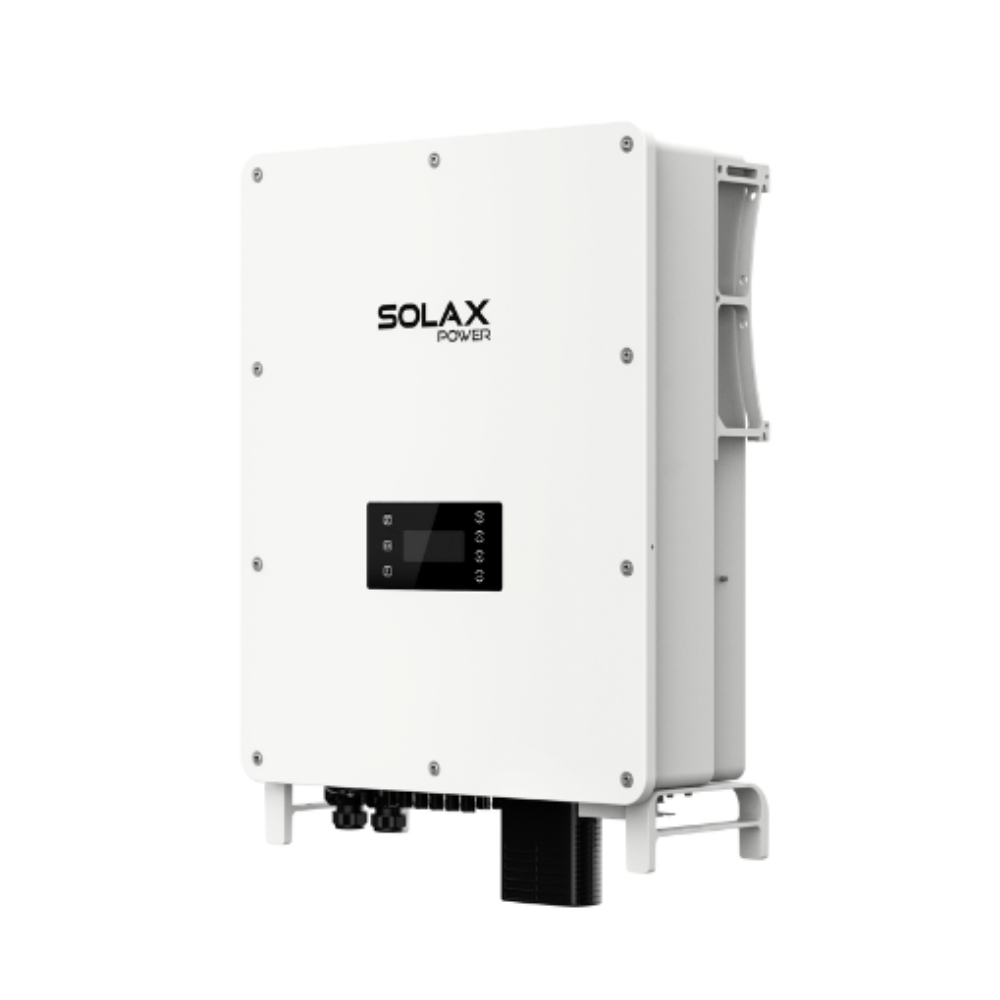
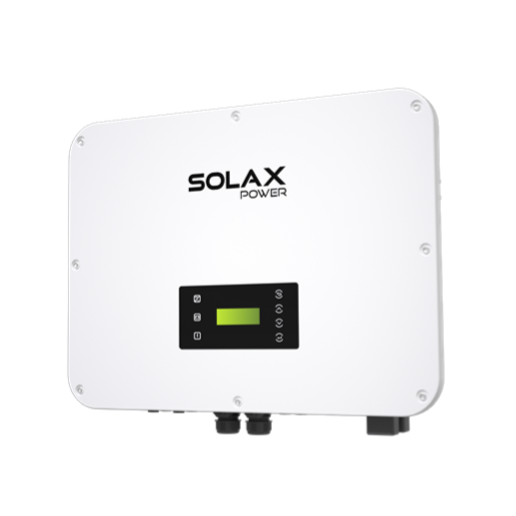
The ultimate vision of the modern energy network lies at the intersection of robust hardware infrastructure and intelligent energy management system. While physical assets like solar inverters, battery storage, and wind turbines provide the essential foundation, their true potential is realized only through sophisticated control systems.
Leading innovators such as SolaX demonstrate this paradigm shift, offering comprehensive smart energy management solutions that bridge the gap between hardware capabilities and real-world needs.
In conclusion, a resilient future grid depends on this synergy, where physical assets are continuously empowered by digital intelligence, to deliver a cleaner, more efficient, and truly decentralized energy ecosystem.
FAQ
Table of Contents
Latest News
Explore expert insights, practical guides, and the latest news on SolaX Power.

To the Latest Newsletter
Stay Ahead with the Latest SolaX Updates!
Subscribe
I have read and agree to Privacy Policy and User Terms