













May 20, 2026
Avoid Compliance Headaches: A Solar Solution Supplier That Keeps Export Limits Reliable
Share my #SolaXStory


Export-limit reliability should be your first buying test
Export caps look simple on paper, yet they can break project economics fast when the control stack is weak. A solar energy system may generate plenty of power, but if the inverter, meter, battery, and monitoring platform do not react together, you can end up with curtailment losses, failed inspections, or endless call-backs after handover. That is why export-limit reliability is often the real first test when comparing solar energy companies for a residential solar system, a commercial solar system, or a broader utility scale solar rollout.
With SolaX Power, the useful buying lens is not just panel size or inverter nameplate output. You need to check how the full solar power system controls grid injection, shifts excess solar PV into battery storage, and keeps visibility after installation. The sections below focus on that workflow: what a compliant solar energy setup must control, which modules reduce risk fastest, how to compare suppliers without drowning in specs, and what mistakes usually cause trouble.
What must a compliant solar energy system actually control?
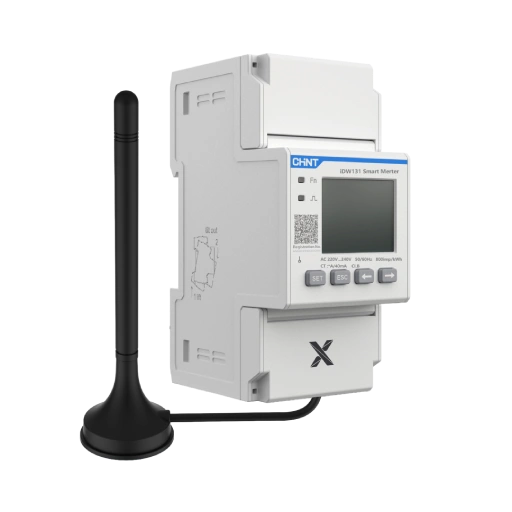
A compliant solar energy system does more than convert DC to AC. It must measure site demand correctly, limit export in real time, and decide whether surplus production should be curtailed, stored, or moved into flexible loads. SolaX states that both the on-grid inverter and hybrid inverter platforms support export control, and that correct meter or CT setup is required for the function to work reliably. The company also documents zero-injection logic in which the meter reports consumption and the inverter limits output to match the load.

Key terms to clarify first
Export limit control: the rule that caps how much of a solar power system's output can flow to the grid.
Curtailment: reducing inverter output when on-site loads and battery storage cannot absorb surplus generation.
Hybrid inverter logic: how a hybrid solar inverter balances PV, battery, loads, and grid exchange.
Metering point: the physical place where the system measures import and export.
Data latency: The delay between measurement, control decision, and inverter response.
Core system elements involved
Solar inverter or string inverter: controls conversion and power export.
Solar battery storage: absorbs surplus energy instead of sending it to the grid.
Smart energy management platform: gives installers and owners visibility into behavior over time.
Monitoring accessories: meters, CTs, and controllers that keep control decisions accurate.
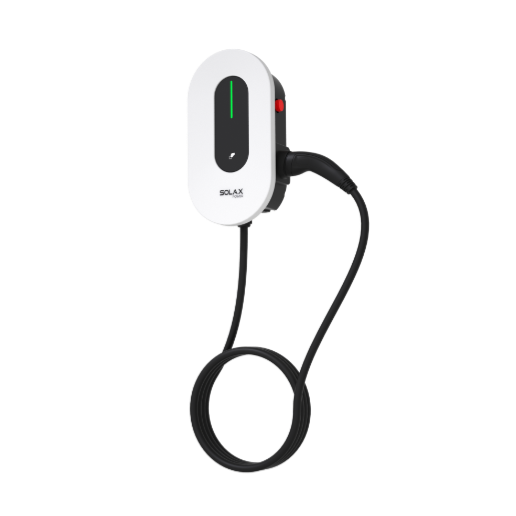
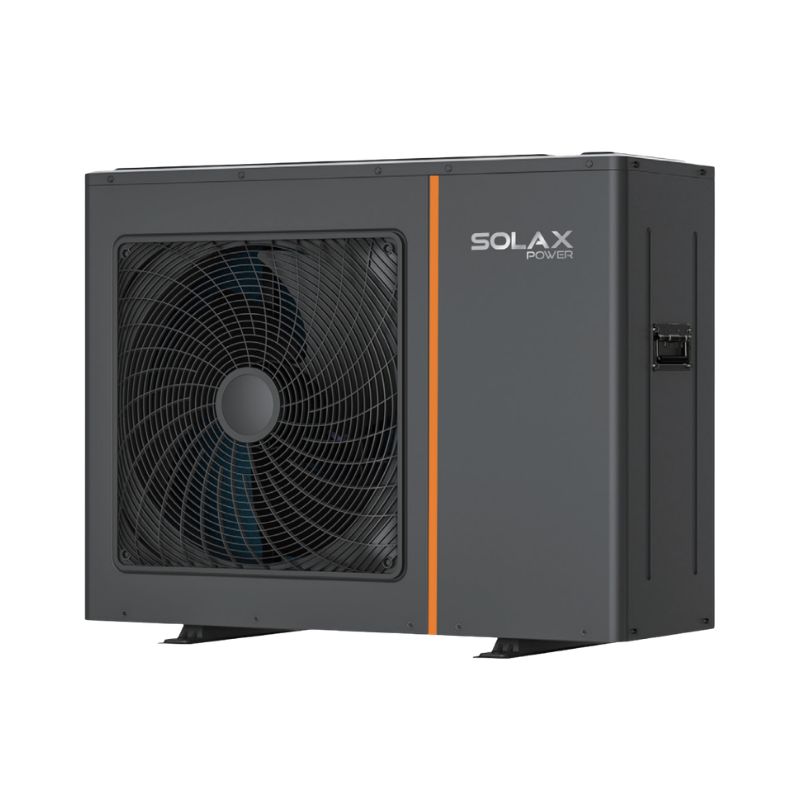
Flexible loads: devices like a solar EV charger or heat pump that can use extra solar energy on site.
Which solution modules reduce compliance risk fastest?
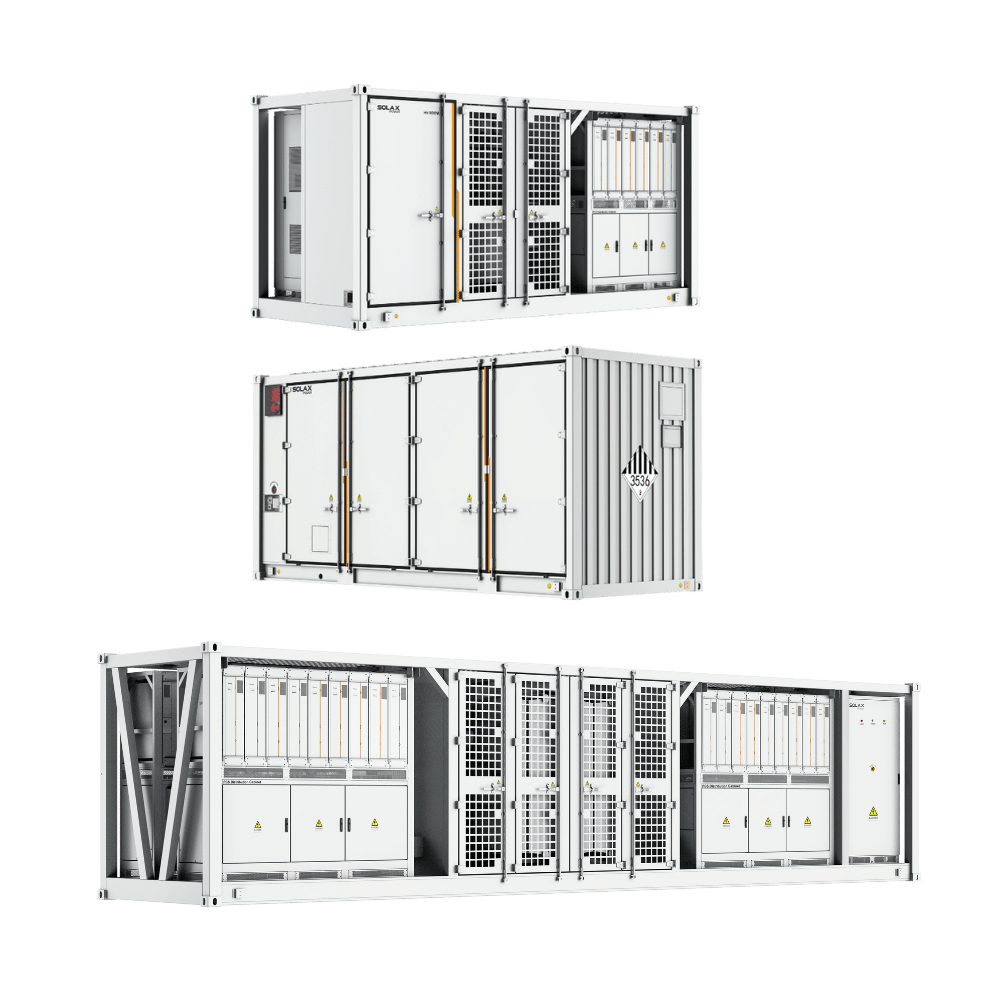
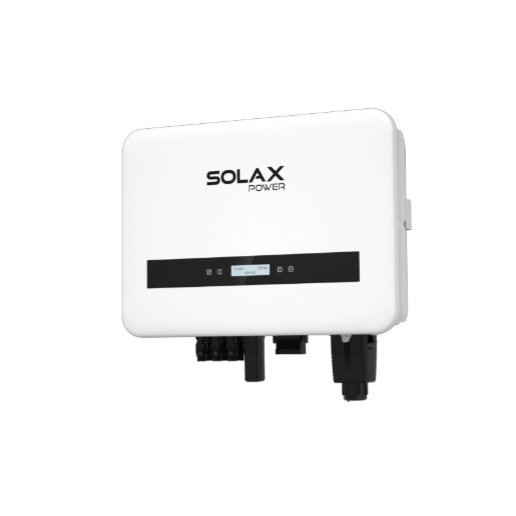
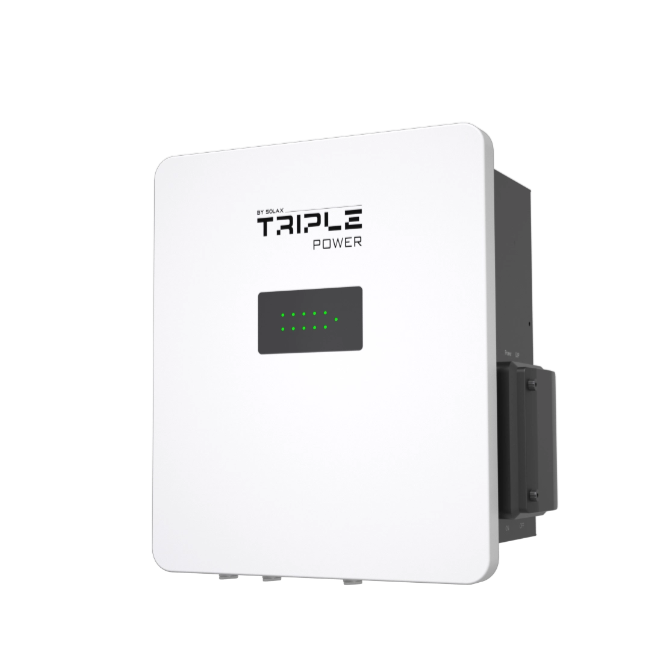
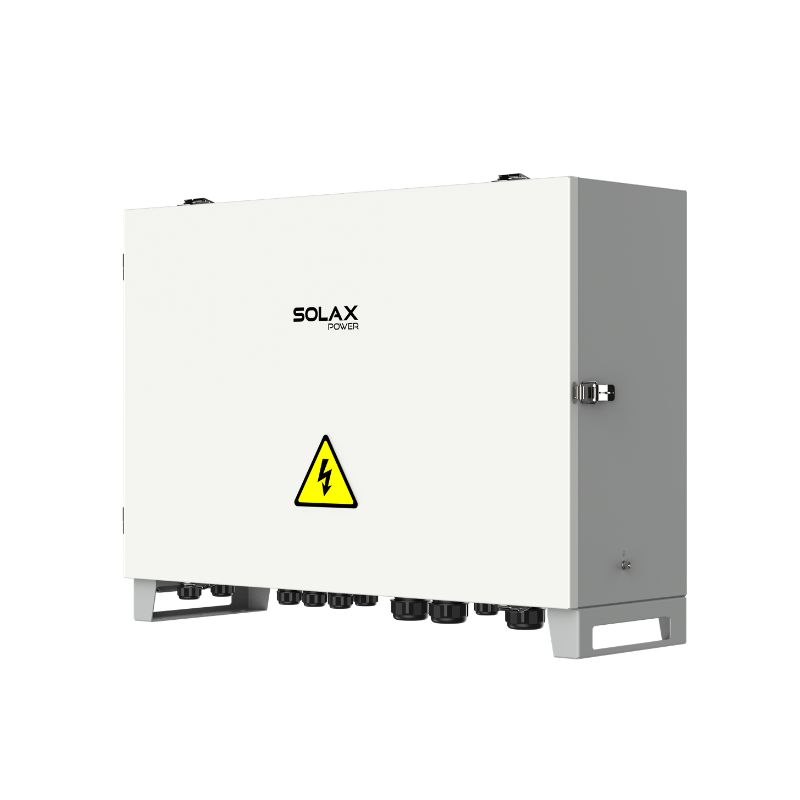
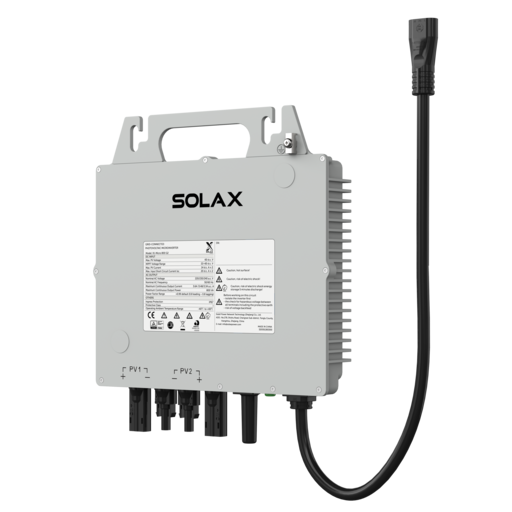
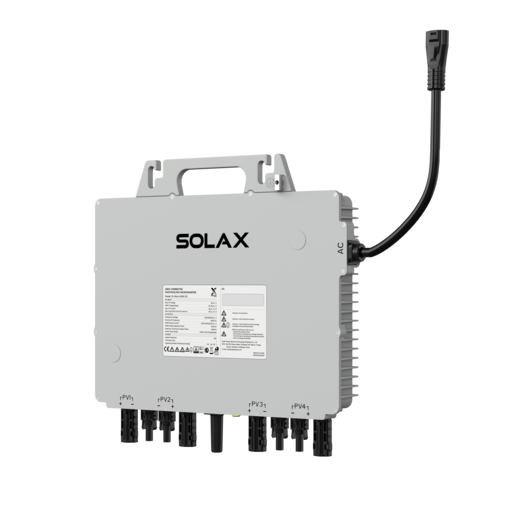
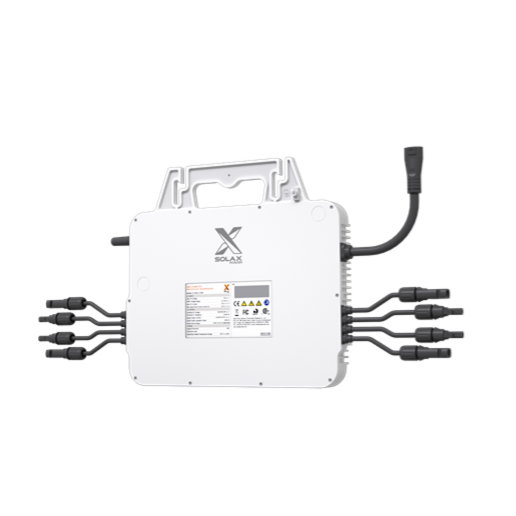
The safest route is to design the solar energy system around export rules from day one. SolaX’s portfolio is broad enough to do that across home, C&I, and utility workflows, with residential energy storage inverters, string inverter lines, solar battery products, EV chargers, monitoring devices, micro inverter options, all-in-one ESS, and SolaXCloud-based smart energy management. That matters because export-limit performance is usually a systems issue, not a single-box issue.
Residential path: raise self-consumption before curtailment
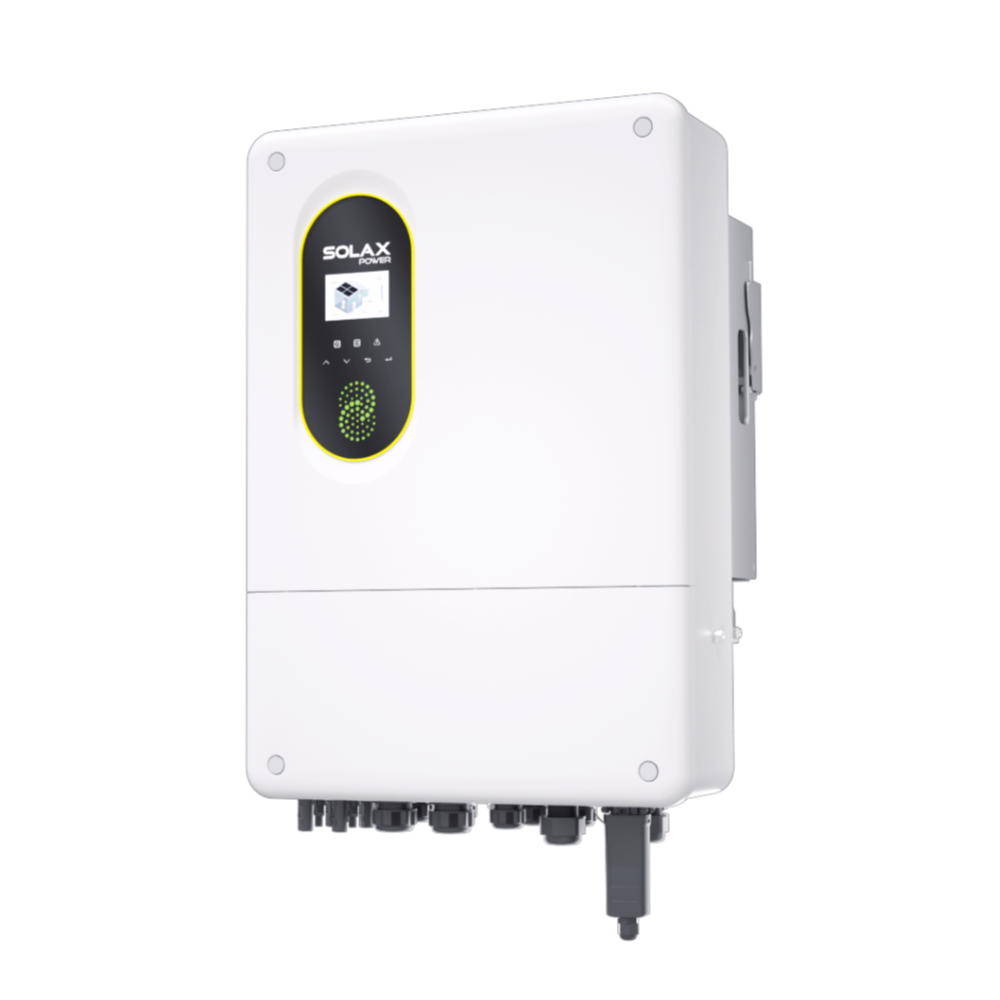
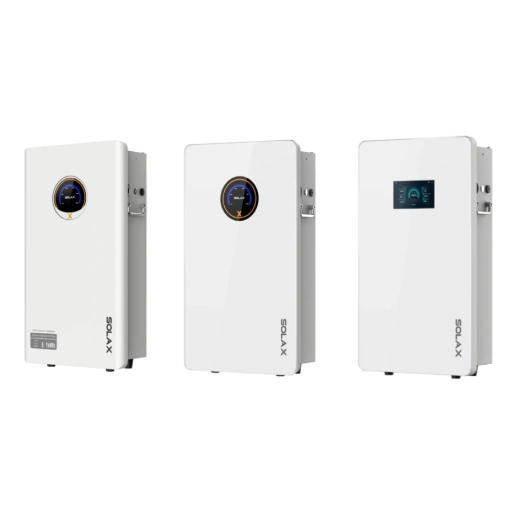
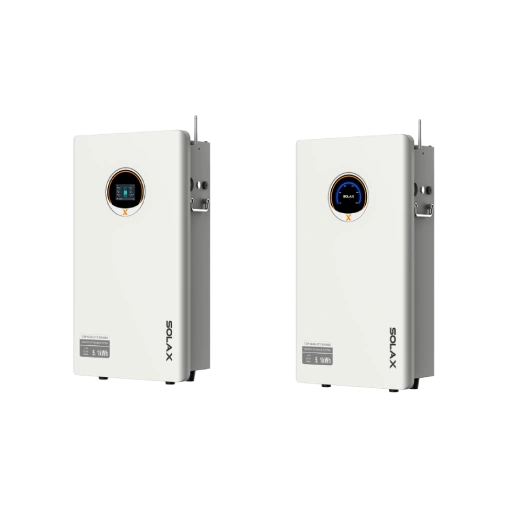
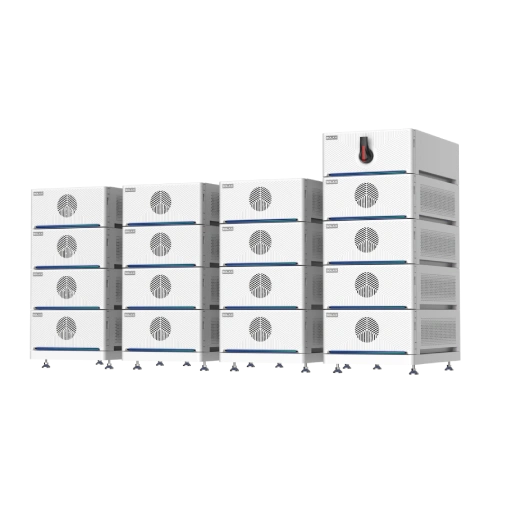
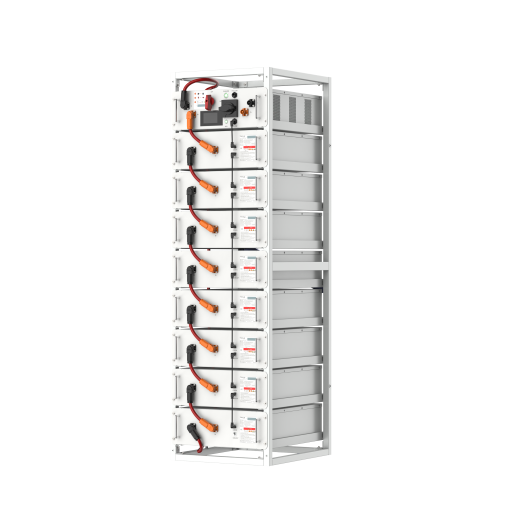
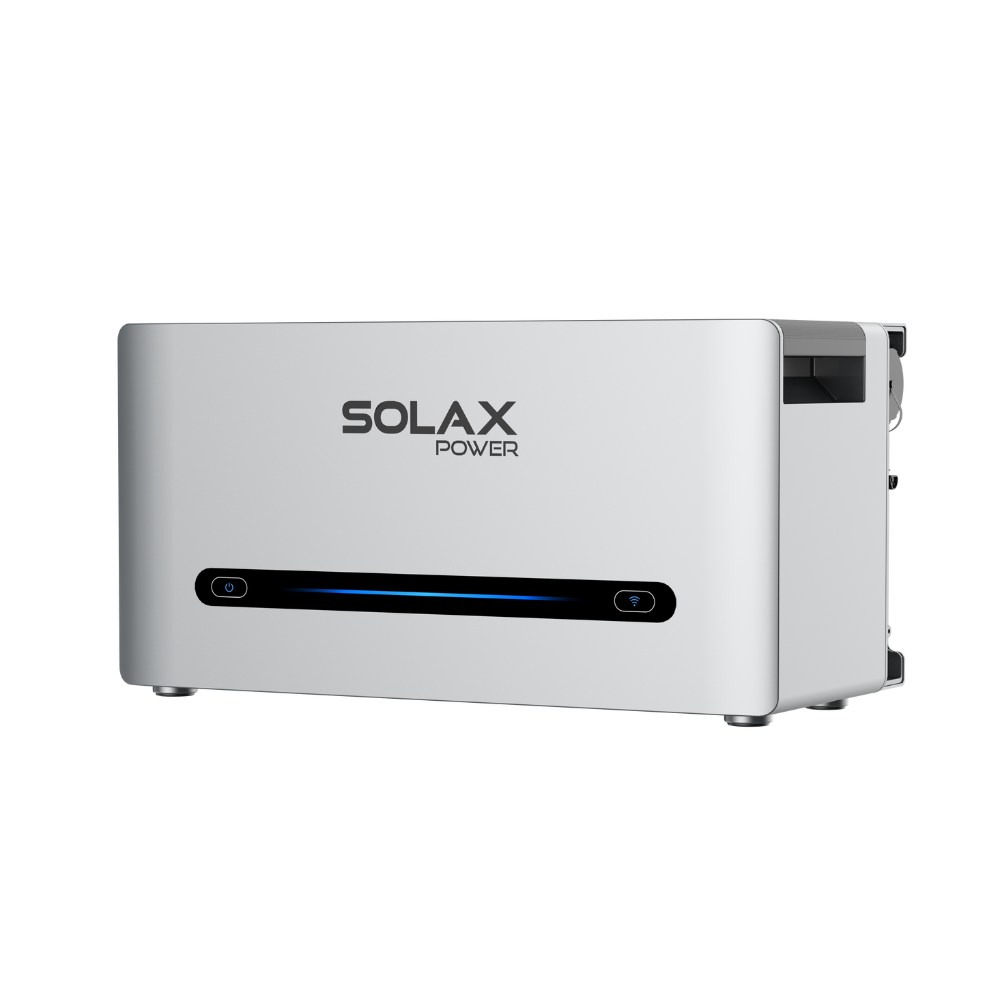
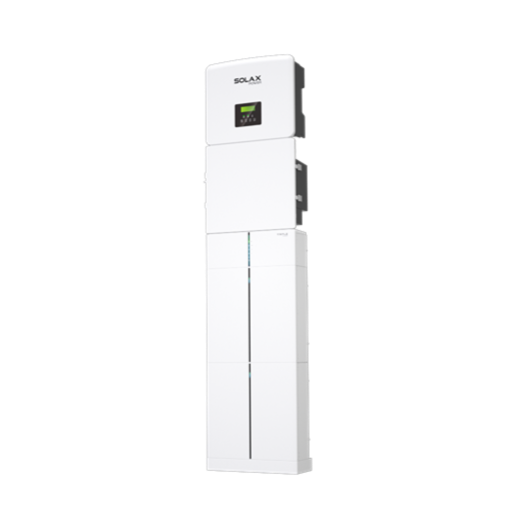
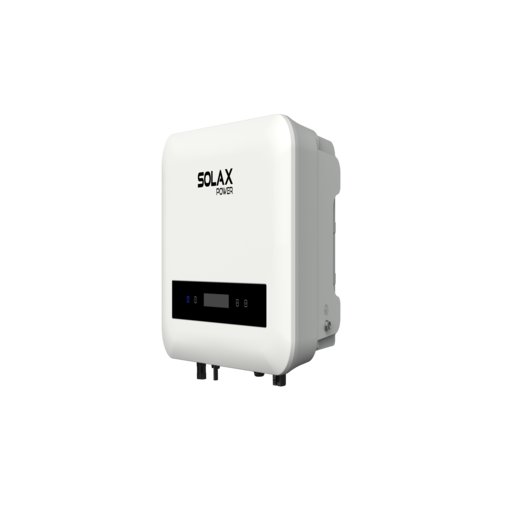
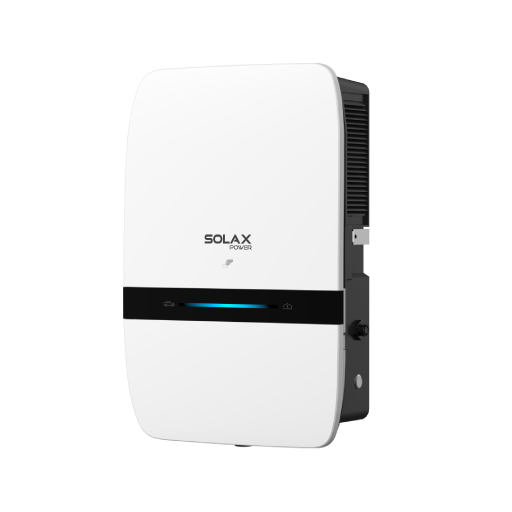
For homes, the practical starting point is a [X1-Hybrid G4] paired with [T-BAT H 5.8 V3] battery storage for home use. The X1-Hybrid G4 line spans 3.0-7.5 kW, supports 2 MPPTs, allows up to 200% PV oversizing, and lists switchover time below 10 ms. The T-BAT H 5.8 V3 uses LFP chemistry, supports up to 90% depth of discharge, and claims more than 6,000 cycles. That combination gives a residential solar system more ways to keep energy on site instead of pushing it to the grid.
Pair a hybrid inverter with a solar battery.
Use real-time monitoring in SolaXCloud.
Shift charging and heavy appliances into solar hours.
Plan for future EV or heat pump demand before final sizing.
C&I path: stabilize bigger and more variable loads
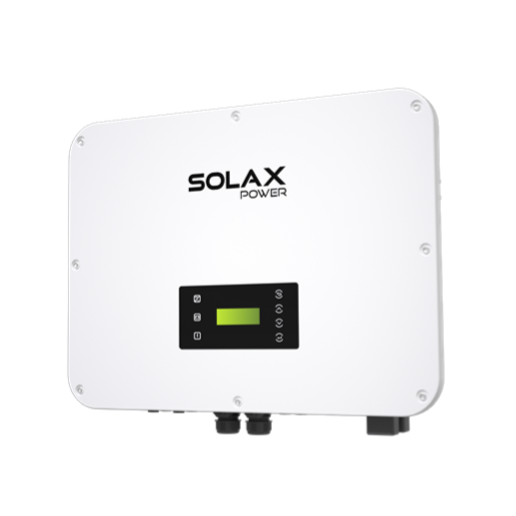
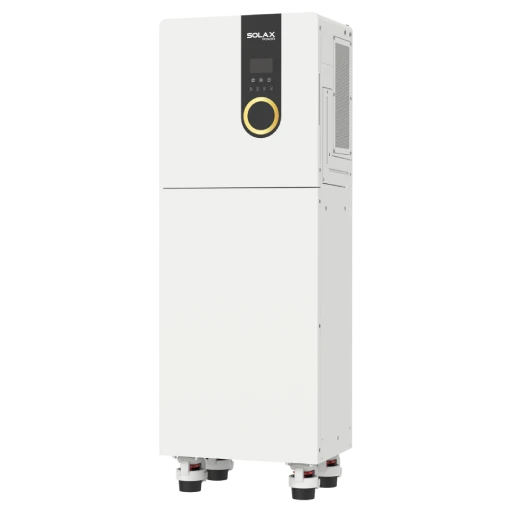
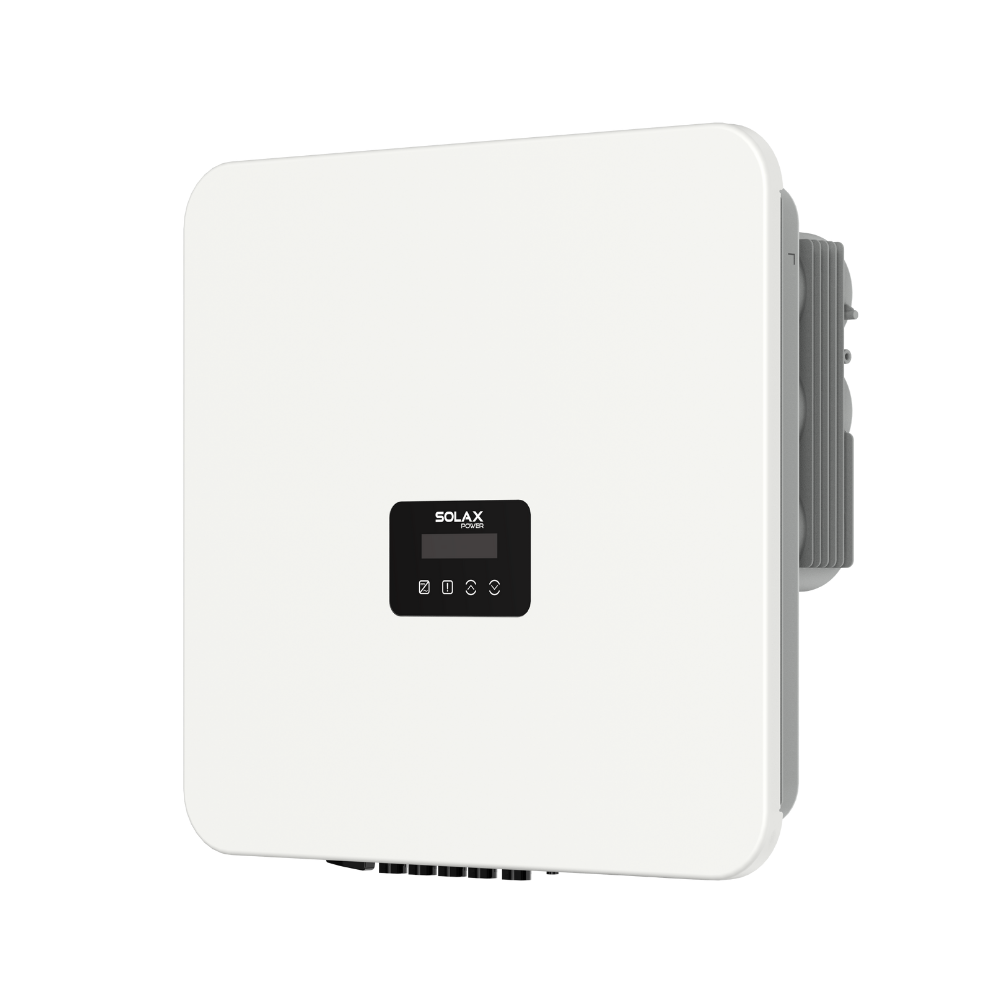
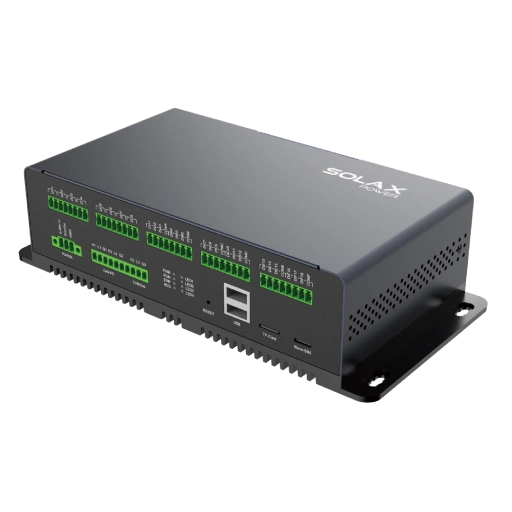
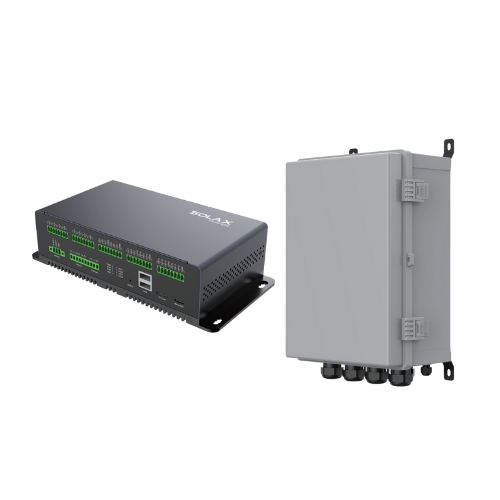
Commercial solar systems usually need more flexible architecture. The [X3-HYB G4 PRO] runs from 4-15 kW and adds three MPPTs, 20 A DC input per tracker, a 110-950 V MPPT range, wireless meter compatibility, and VPP-ready functions. For larger fleets, SolaX also offers the EMS1000 PRO monitoring device, which supports up to 120 connected inverters through RS485, Ethernet, and 4G. That is useful when export limits must stay stable across multiple inverters, changing load windows, and staged battery dispatch.
Use scalable inverter architecture rather than isolated boxes.
Add an energy storage system where peaks are hardest to control.
Centralize alerts, logs, and commissioning checks.
Coordinate chargers and major loads with the export rule.
Utility-facing path: think fleet control, not just hardware
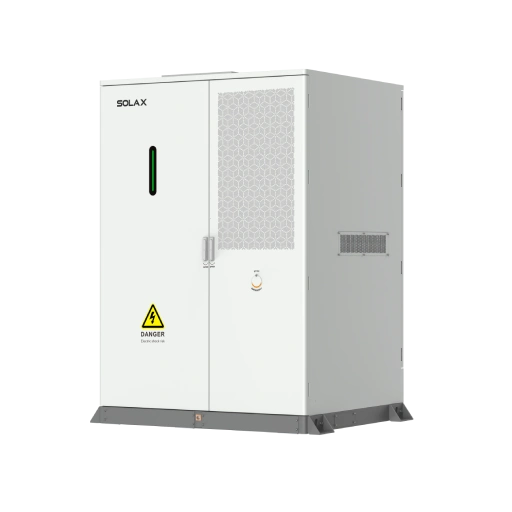
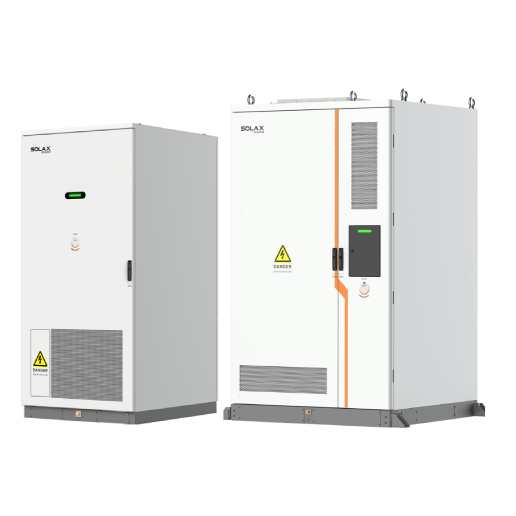
Once you move toward utility scale solar or aggregator models, the control question gets bigger than one site. SolaX positions SolaXCloud and its Virtual Power Plant platform as tools for intelligent energy control, grid response, and third-party integration. Its utility pages also frame solar and storage as part of a broader grid-aware platform. If your roadmap includes aggregation, flexible dispatch, or portfolio-wide visibility, this software layer becomes part of supplier selection, not an optional extra.
How do you compare solar energy companies without getting lost in specs?
Brochure specs are easy to compare, but compliance reliability comes from how those specs work together. A useful buying framework is to judge the supplier on control accuracy, integration depth, and support after commissioning. SolaX is stronger when viewed through that lens because the brand spans inverter battery products, solar batteries, monitoring devices, smart EV charging, microinverter solutions, and cloud software across residential, C&I, and utility scenarios.
Decision factors that matter most
Factor | What to check | Why it matters |
Control stack | Meter/CT, inverter, cloud logic | Export limiting fails if measurement is weak |
Battery readiness | Native hybrid inverter support | Better than retrofitting battery storage later |
Monitoring depth | Alerts, history, remote settings | Helps catch drift after installation |
Product breadth | Inverter, battery, EV, software | Reduces integration gaps |
Serviceability | Installer enablement and support | Commissioning quality affects compliance |
Questions to ask each solar company
How is export control configured, and which meter architecture is required?
What happens if communications fail between the meter, inverter, and cloud layer?
How does the inverter battery logic prioritize self-consumption versus curtailment?
Can the same supplier support residential solar, commercial solar power, and utility workflows?
What tools help a solar installer verify settings after handover?
As distributed solar keeps growing, these questions matter more, not less. The IEA projects almost 4,600 GW of renewable power additions between 2025 and 2030, with solar PV making up nearly 80% of that expansion and distributed applications representing 42% of PV growth. The same trend increases the need for flexible control, because the IEA also notes that higher solar penetration is bringing more curtailment and negative-price events in many markets.
What to do next before choosing a solar solution supplier
If export limits are part of your project, compare suppliers as control-platform providers, not just hardware vendors. Look for a solar inverter range that supports export control, a solar battery storage path that fits your load shape, monitoring devices that keep the site visible, and software that helps your team maintain compliance over time. For buyers who want one brand across Residential Solutions, commercial solar systems, and utility scale solar use cases, SolaX offers a broad smart energy portfolio that lines up well with that requirement.
FAQ
Table of Contents
Latest News
Explore expert insights, practical guides, and the latest news on SolaX Power.






To the Latest Newsletter
Stay Ahead with the Latest SolaX Updates!
Subscribe
I have read and agree to Privacy Policy and User Terms