











May 14, 2026
How Long Do Solar Inverters Last? (The Complete Guide to Inverter Lifespan)
Share my #SolaXStory


Did you know? While solar panels can easily last over 25 years, your entire solar system might not. The inverter acts as the hardworking "heart" of your setup, making it the most vulnerable component. In fact, data shows that inverter issues account for over 43% of all solar maintenance calls.
So, how long do solar inverters last?
Generally, the average solar inverter lifespan is 10 to 15 years for standard string inverters, and 20 to 25 years for microinverters. Read on to discover what affects their longevity and how to maximize your investment.
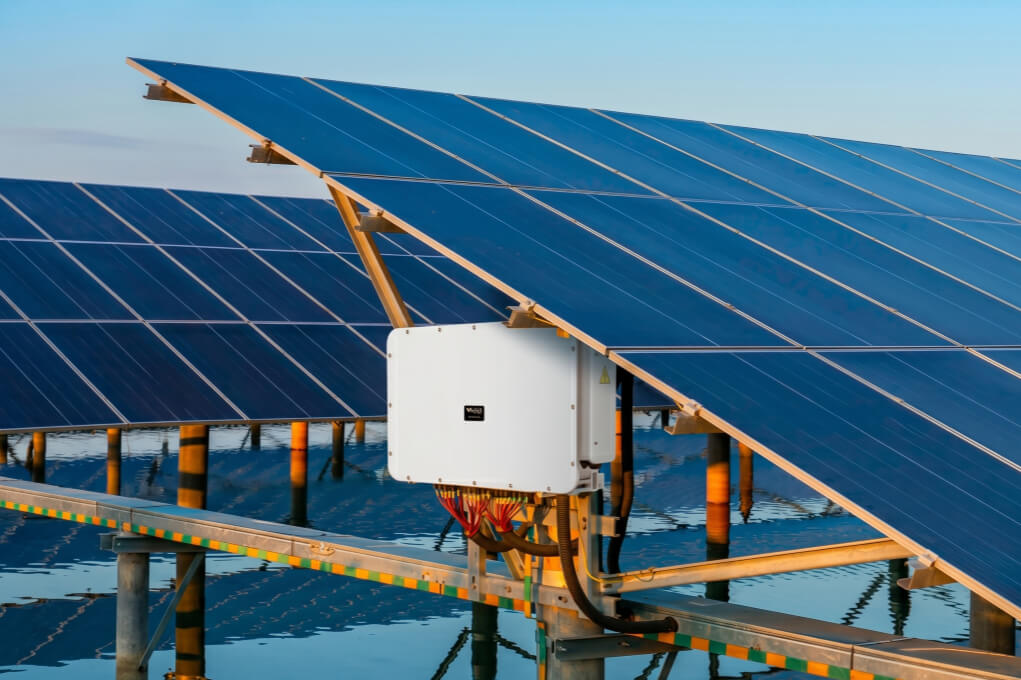
How Long Do Inverters Last? (By Inverter Type)
The answer depends on the type of inverter installed in your solar system. Different designs handle voltage, heat, and workload differently, which directly affects their durability and overall solar panel inverter lifespan.
Below is a breakdown by inverter type.
String Inverters
Lifespan: 10–15 years
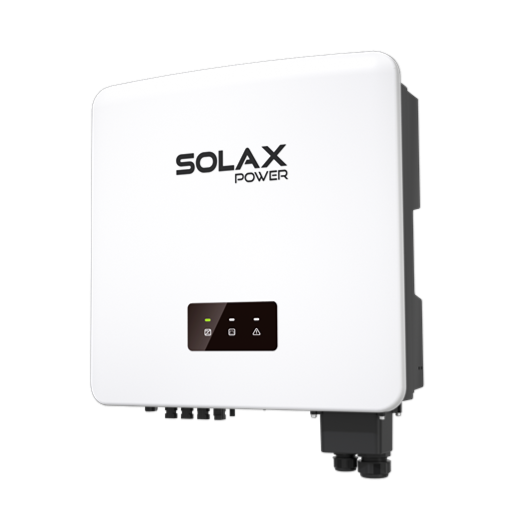
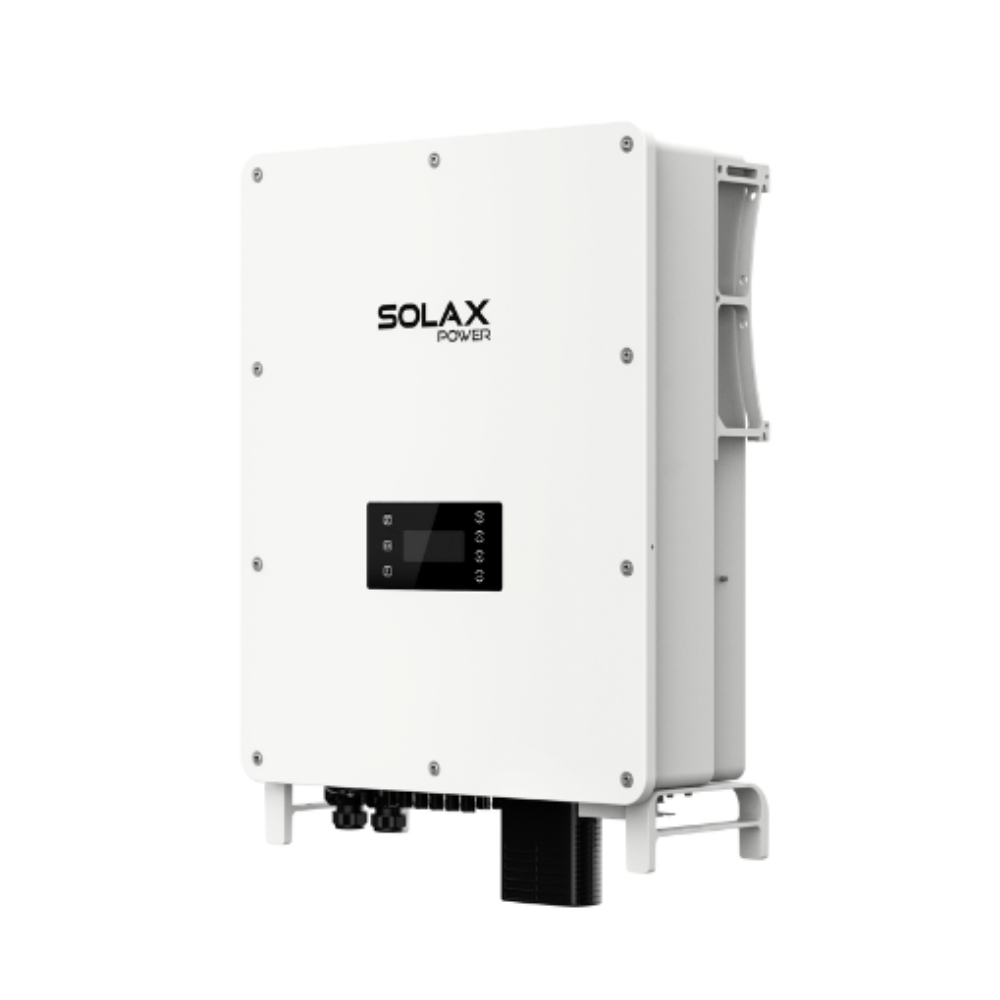
String inverters are the most commonly used type in residential and commercial solar systems. They connect multiple solar panels in a series and convert high-voltage DC electricity into AC power in one central unit.
Because string inverters:
Handle high combined voltage
Operate continuously at higher power loads
Generate more heat in a single location
They tend to have a shorter inverter lifespan, typically between 10 and 15 years. Most homeowners will need to replace a string inverter at least once during the 25–30 year lifespan of their solar panels.
Microinverters
Lifespan: 20–25 years
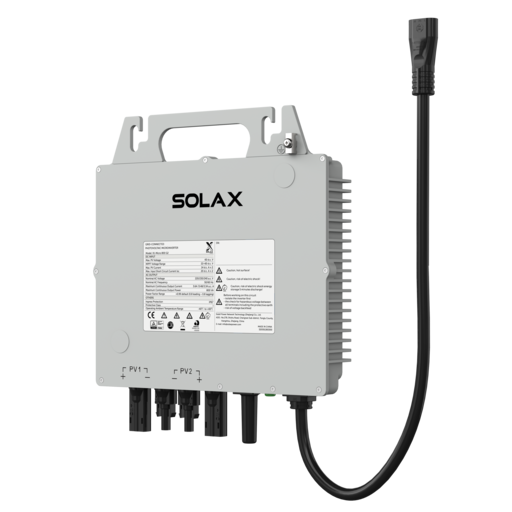
Microinverters are installed underneath each individual solar panel. Instead of converting power centrally, each panel operates independently.
Their longer solar panel inverter lifespan is due to:
Lower voltage per unit
Smaller power load per inverter
Distributed heat instead of centralized heat buildup
Because microinverters work at panel-level and experience less electrical stress, they often last 20 to 25 years, similar to the lifespan of the solar panels themselves. Many manufacturers even offer 20–25 year warranties.
Hybrid Inverters
Lifespan: 10–15 years
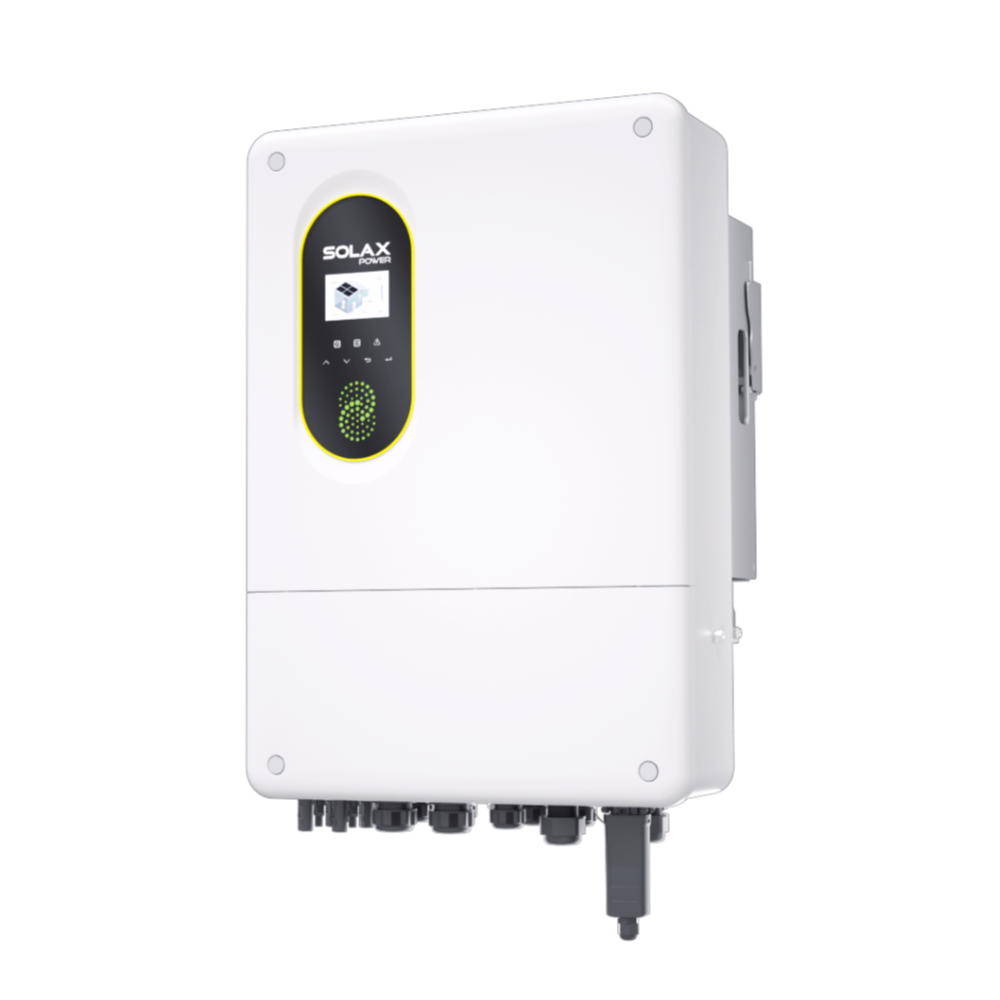
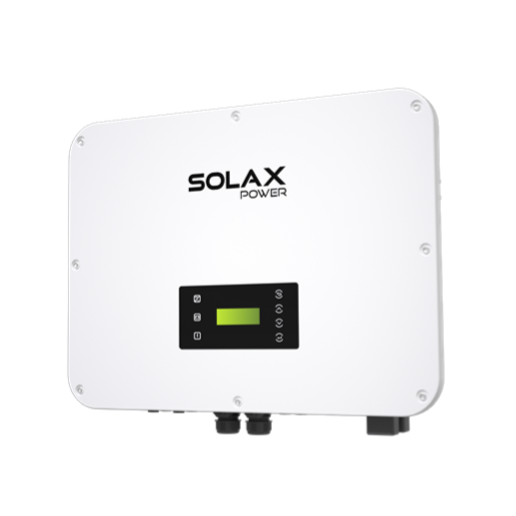
Hybrid inverters combine solar conversion and battery management in one system. They handle:
Solar panel input
Battery charging and discharging
Grid interaction
Since hybrid inverters manage multiple energy flows and higher operational complexity, they experience more thermal and electrical stress. As a result, their average inverter lifespan is generally 10–15 years, similar to traditional string inverters.
However, proper installation, ventilation, and maintenance can help extend their operational life.
Key Factors That Affect Solar Inverter Lifespan
Why do some inverters fail after just 8 years while others run perfectly for 15? Here are the four key factors that dictate how long your inverter will survive.
Heat and Temperature
Excessive heat is the number one killer of your solar inverter lifetime. Electronic components naturally degrade much faster when they are forced to operate in extreme temperatures.
Installation Location
Where your inverter lives matters. A unit installed indoors (like in a cool garage) or in a shaded, well-ventilated area will always outlast one mounted outdoors in direct, scorching sunlight.
Maintenance and Cleaning
Over time, dust, cobwebs, and debris can build up on the cooling fans or heat sinks. This blocks airflow and traps heat inside, causing the inverter to overwork and eventually fail.
Grid Quality
If your local electrical grid experiences frequent voltage fluctuations or power surges, the inverter has to constantly work harder to regulate the power. Over time, this electrical stress damages its internal circuitry.
How to Tell If an Inverter is Going Bad?
Even with perfect maintenance, your equipment won't last forever. As your system reaches the end of its expected inverter lifespan, it will usually give you a few clear warning signals.
Look out for these four red flags.
Significant Drop in Energy Production
If the weather is sunny but your solar monitoring app shows a sudden, unexplained drop in power output—or your electric bill suddenly spikes—your inverter is failing to convert energy efficiently.
Error Codes or Warning Lights
This is the most obvious sign. If the LED status light on your unit turns from green to solid or flashing red, or your smartphone app sends you fault codes, the inverter is crying for help.
Unusual Noises
A healthy inverter should only make a quiet, low hum. If you start hearing loud buzzing, clicking, or grinding noises, it usually means the cooling fans or internal capacitors are struggling.
Out of Warranty
Standard string inverters typically come with a 10 to 12 year warranty. If your unit has passed this milestone and is officially out of warranty, it has essentially maxed out its expected lifespan. It's smart to start budgeting for a replacement soon.
How to Maximize Your Inverter Life Expectancy
While you can't control the weather, you have absolute control over how you maintain your system. Following a few best practices can add years to your inverter life expectancy and save you thousands in premature replacement costs.
Install in a Cool, Well-Ventilated Area: Never install an inverter in direct sunlight. Keep it in a shaded outdoor spot, a cool garage, or a basement where air can circulate freely around the heat sinks.
Keep It Clean: Check your unit every few months. Gently wipe away dust, dirt, and cobwebs from the cooling fans and air vents to prevent it from overheating.
Schedule Annual Inspections: Have a certified solar technician perform a routine checkup once a year. They can spot loose wiring, software glitches, or voltage issues before they fry the system.
Invest in Brands with Extended Warranties: The easiest way to secure your investment is to buy from reputable tier-1 brands that offer easily upgradable warranties (10+ years).
Example: SolaX Inverter Warranty Policies
A great example of a brand offering strong, upgradable warranties is SolaX. By simply connecting to their cloud monitoring system, many of their models receive massive warranty extensions for free.
Here is a quick breakdown of SolaX warranties by inverter type:
Inverter Type | Models | Warranty Policy | Warranty Extensions |
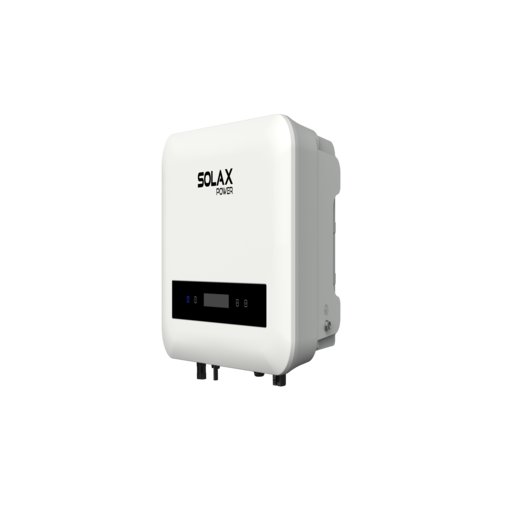
String Inverters | X1-MINI G4; X1-SMART G2; | 5 Years Standard | / |
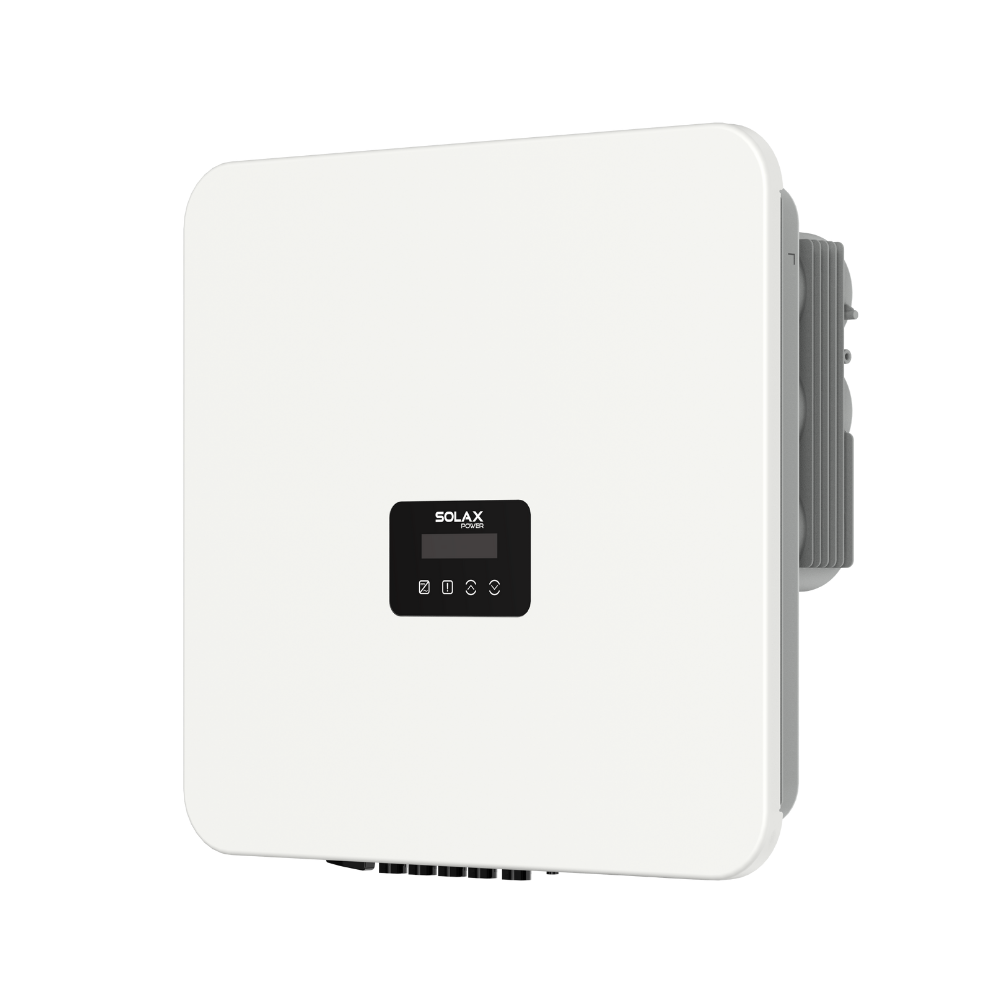
Hybrid Inverters | X1/X3-Hybrid-G4; X1/X3-Fit-G4; X1/X3-IES; X3-ULTRA; X3-HYB-G4 PRO; X1-VAST; | 5 Years Standard | Free upgrade to 10 Years if connected to SolaX Cloud and generating data. |
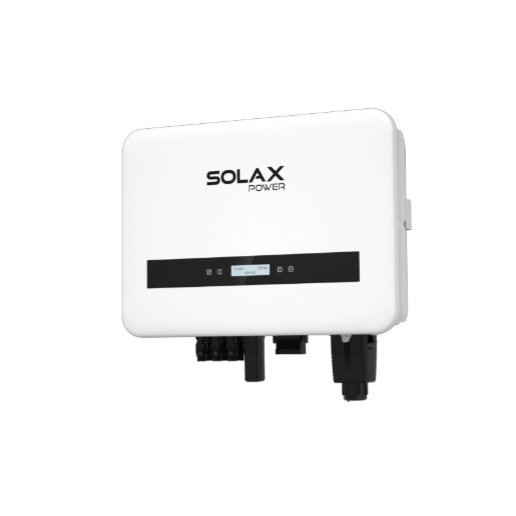
Microinverters | X1-Micro 2 in 1; X1-Micro 4 in 1 | 7 Years Standard | Free upgrade to 12 Years if connected to SolaX Cloud and generating data. |
Conclusion
Now you know solar panels can easily run for 25 years, your inverter works much harder.
When investing in solar, you should always factor an inverter replacement into your budget around the 10 to 15-year mark to ensure uninterrupted power and an accurate ROI.
Suspect your inverter is failing? Don't wait for a total system shutdown. Contact our solar experts today for a professional inspection to keep your energy flowing safely!
FAQ
Table of Contents
Latest News
Explore expert insights, practical guides, and the latest news on SolaX Power.

To the Latest Newsletter
Stay Ahead with the Latest SolaX Updates!
Subscribe
I have read and agree to Privacy Policy and User Terms