







May 27, 2026
High-Efficiency Solar Inverter: The Complete Efficiency Guide
Share my #SolaXStory


Premium solar panels are useless if your inverter wastes that hard-earned power as heat. To stop this energy leak and maximize your system's output, upgrading to a high efficiency solar inverter is essential.
But how efficient does it actually need to be? And do inverters secretly drain your battery even when you aren't using them? In this guide, we will break down how inverter efficiency works, expose the truth about hidden power consumption, and show you exactly how to choose the best one for your setup.
What is a High-Efficiency Solar Inverter?
At its core, a solar inverter acts as the gateway of your solar system. Its primary job is to convert the direct current (DC) generated by your solar panels into alternating current (AC) that your home appliances can actually use.
However, this DC-to-AC conversion process is never 100% perfect—some energy is inevitably lost in the form of heat. But what do these percentages actually look like in the real world?
How efficient is an inverter? (Typical vs. High-Efficiency)
If you are wondering exactly how efficient is an inverter on the market today, the answer depends heavily on the grade of the equipment you buy.
For older or budget-friendly off-grid models, the typical inverter efficiency generally hovers around 85% to 90%. This means you are sacrificing up to 15% of your generated solar power just to make it usable.
In contrast, a true high-efficiency model changes the game. Modern, high-quality solar inverters should consistently operate at an efficiency rating between 95% and 98%, with some premium-tier models peaking above 99%.
While jumping from a 90% typical rating to a 97% high-efficiency rating might seem like a small leap on paper, that 7% difference translates to massive amounts of saved electricity and money over the 15- to 20-year lifespan of your solar system.
Types of Inverter Efficiency: Peak vs CEC vs Euro
Now that you know how to calculate the loss, be careful which efficiency number you use from the manufacturer's manual. You will typically see three different terms:
Peak Efficiency: This is the absolute highest efficiency the inverter can reach under perfect laboratory conditions. It looks great in marketing, but your inverter rarely operates at "Peak" all day.
CEC Efficiency: Standardized by the California Energy Commission, this is a weighted metric that calculates how the inverter performs across various real-world power loads. It is the most accurate benchmark for users in North America.
European Efficiency: Similar to the CEC standard, but the mathematical weighting is adjusted to reflect the typical sunlight and weather conditions found in Europe.
Pro Tip: When doing your calculations, always use the CEC or European efficiency ratings rather than the "Peak" rating to get a realistic expectation of your daily energy output.
Inverter Loss Calculation Explained
Solar inverter manufacturers love to highlight impressive percentages on their spec sheets, but how do you actually measure the real power you are losing?
To figure this out, you only need two simple formulas:
Efficiency Formula: Efficiency = (AC Output ÷ DC Input) × 100
Loss Factor Formula: Loss = 1 − Efficiency
A Quick 5kW System Example
Let's do a practical inverter loss calculation to see what this looks like in the real world.
Imagine you have a 5kW solar array on your roof operating at full capacity. Your inverter has a stated pv inverter efficiency of 95% (which means the Loss factor is 1 - 0.95 = 0.05).
Usable AC Output: 5000W (DC Input) × 0.95 (Efficiency) = 4750W
Power Lost as Heat: 5000W × 0.05 (Loss) = 250W
In this scenario, 250 Watts of power is constantly being lost just to keep the conversion process running. If your inverter had a lower efficiency of 85%, that loss would jump to a staggering 750 Watts!
How Much Power Does an Inverter Consume?
When discussing efficiency, there is a second, often-ignored factor that affects your system's overall efficiency: the power the inverter uses just to keep itself running.
Many beginners often ask: does inverter consume more electricity than it should? The reality is that an inverter is an active electronic device. Aside from the conversion loss, power is required to run the internal cooling fans, LED display screens, and heavy-duty transformers. If you are wondering how much power does inverter ac consume to maintain that stable output, it typically ranges from 10W to 50W continuously, depending on the size and build quality of the unit.
Do inverters drain battery when not in use?
The short answer is: Yes, absolutely. This is the silent killer of off-grid solar systems, commonly known as "idle draw" or "no-load draw."
If you leave your inverter turned ON, even with zero appliances plugged into it, it is still pulling power from your battery to keep its internal circuits "awake" and ready to supply AC power instantly.
To put this in perspective: if your inverter has an idle draw of just 20 Watts, leaving it on 24/7 will waste 480 Watt-hours (Wh) every single day. That is enough to drain nearly half of a standard 12V 100Ah lithium battery—all while doing absolutely nothing!
To truly maximize your system's efficiency, always turn your inverter OFF when you aren't using your AC appliances.
String vs. Micro vs. Hybrid: Finding the Most Efficient Inverter
Achieving the highest solar power inverter efficiency means matching the right technology to your specific environment. To find the most efficient inverter for your setup, here is a quick breakdown of the three main types:
String Inverters
String inverters typically offer the highest lab-rated efficiency (97–99%). They are ideal for large, unshaded systems where all panels receive similar sunlight. However, if one panel is shaded, the performance of the entire string drops.
Microinverters
On paper, microinverter efficiency is slightly lower (95–97%), but they optimize each panel independently. This means shading on one panel does not reduce the output of the others. For shaded or complex roofs, microinverters often deliver higher real-world energy production.
Hybrid Inverters
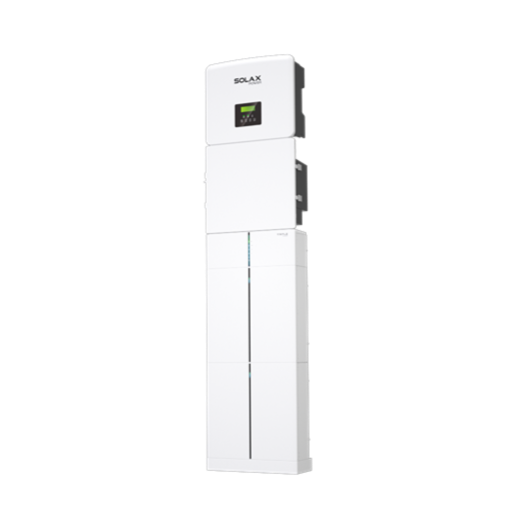
Hybrid inverters combine solar conversion with battery management. With efficiency around 96–98%, they are best for homes with energy storage or off-grid systems. Their strength lies in flexibility rather than absolute peak efficiency.
Inverter Type | Typical Efficiency | Best Use Case |
String | 97 - 99% | Large, unshaded residential or commercial systems |
Micro | 95 - 97% | Shaded roofs, complex angles, or future expansions |
Hybrid | 96 - 98% | Systems with battery storage and off-grid setups |
Top Features of a High Efficiency Power Inverter (Buying Checklist)
To ensure you are buying a truly high efficiency inverter that won't waste your energy or damage your appliances, use this ultimate buying checklist:
Real-World Efficiency >97%
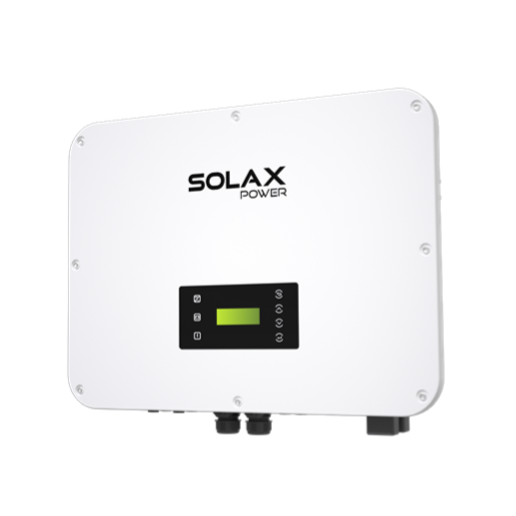
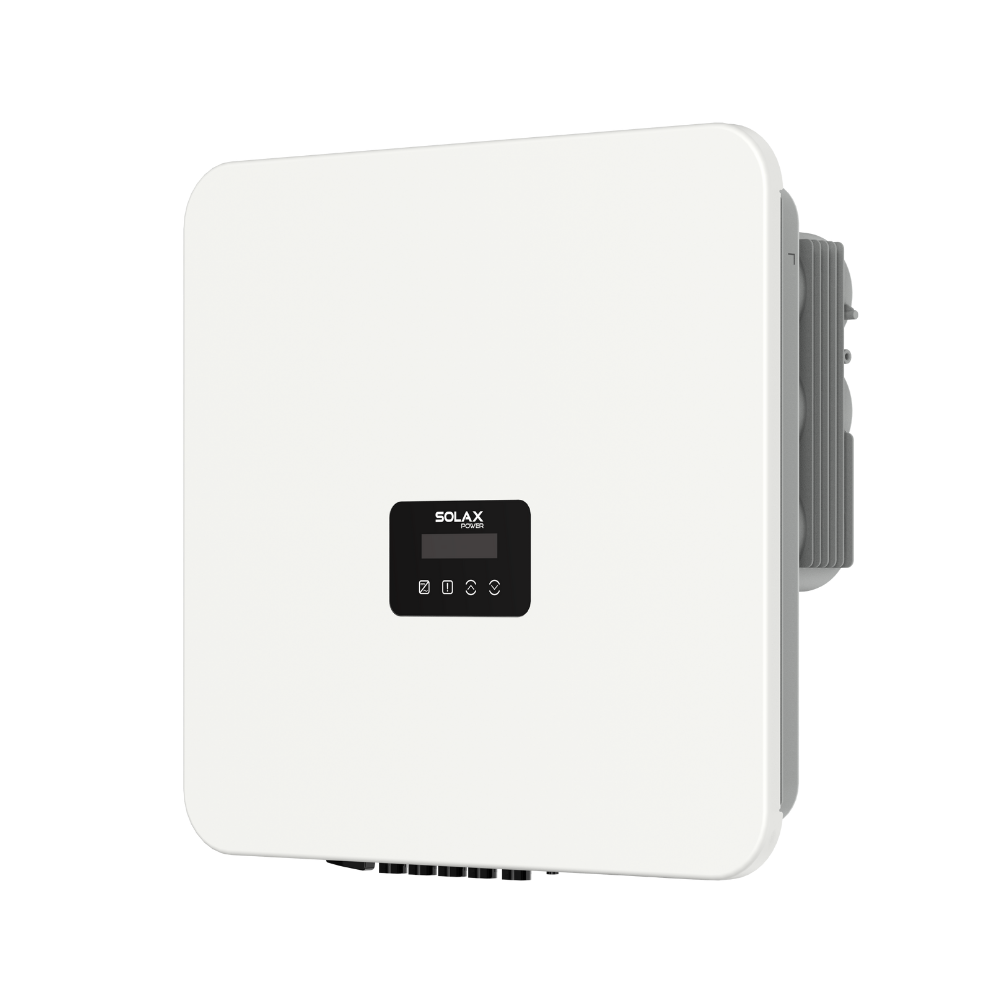
Ignore the "Peak" rating. Look for CEC or European efficiency ratings of 97% or higher for guaranteed daily performance. For instance, the SolaX X3-ULTRA features a maximum efficiency of 98.0%, but more importantly, it delivers a European Efficiency of 97.7%, comfortably exceeding the threshold for reliable, real-world performance.

Low Idle Consumption
The best inverters feature an "Eco-mode" or have an incredibly low standby power draw to prevent silent battery drain when no appliances are running.
Dual MPPT Technology
Maximum Power Point Tracking acts as the brain of the inverter, extracting the maximum possible power from your panels as the sun moves. Dual MPPT is essential if your panels are facing two different directions (like the east and west sides of a roof).
Pure Sine Wave Output
Never settle for a modified sine wave. Pure sine wave technology ensures your motors, refrigerators, and sensitive electronics run smoothly, safely, and without overheating.
Wide Voltage Range & Smart Cooling
Heat is the enemy of efficiency. Look for advanced thermal designs (like fanless heatsinks or smart variable-speed fans). Additionally, a wide operating voltage range means the inverter will "wake up" earlier in the morning and stay on later into the evening.
≥10-Year Warranty
Sustained high efficiency requires premium internal components (like high-grade capacitors). A solid warranty of 10 years or more proves the manufacturer stands behind their build quality.
5 Pro Tips to Maximize Your Solar Inverter Efficiency
Even the best inverter in the world will underperform if it is installed or maintained poorly. Follow these 5 actionable tips to squeeze every drop of usable power out of your solar setup:
1. Keep it Cool and Ventilated
Heat is the ultimate enemy of electronic efficiency. When an inverter gets too hot, it protects itself by automatically reducing its power output—a process known as thermal derating. Always install your inverter in a shaded, well-ventilated area away from direct sunlight or heat sources.
2. Clean Dust Regularly
Over time, dust and debris will accumulate on the inverter’s cooling fins and air vents. This acts like an insulating blanket, trapping heat inside the unit. Make it a habit to wipe down the exterior and gently vacuum the vents every few months to ensure optimal airflow.
3. Right-Size Your Capacity
Don't buy a massive 5000W inverter if you only have a 1000W solar array. Inverters operate most efficiently when running at 30% to 80% of their rated capacity. If you run a heavily oversized inverter for a tiny load, the conversion overhead will drag down your overall system efficiency.
4. Minimize Cable Length
Long wires create electrical resistance, meaning your hard-earned solar energy is lost as heat before it even reaches the inverter. Keep the DC cables connecting your panels, battery, and inverter as short and thick (proper AWG wire gauge) as safely possible to prevent voltage drop.
5. Turn It Off When Not in Use
As we discussed earlier, idle draw is a silent battery killer. If you are living off-grid, traveling in an RV, or running a backup system and aren't actively powering any AC appliances, simply switch the inverter off. This single habit can save hundreds of watt-hours a day!
SolaX Best High Efficiency Pure Sine Wave Inverters List
If you are running appliances with heavy-duty motors (like refrigerators, air conditioners, and heat pumps) or sensitive electronics (like computers and medical devices), you cannot compromise on power quality. That is why investing in a high efficiency pure sine wave inverter is an absolute necessity.
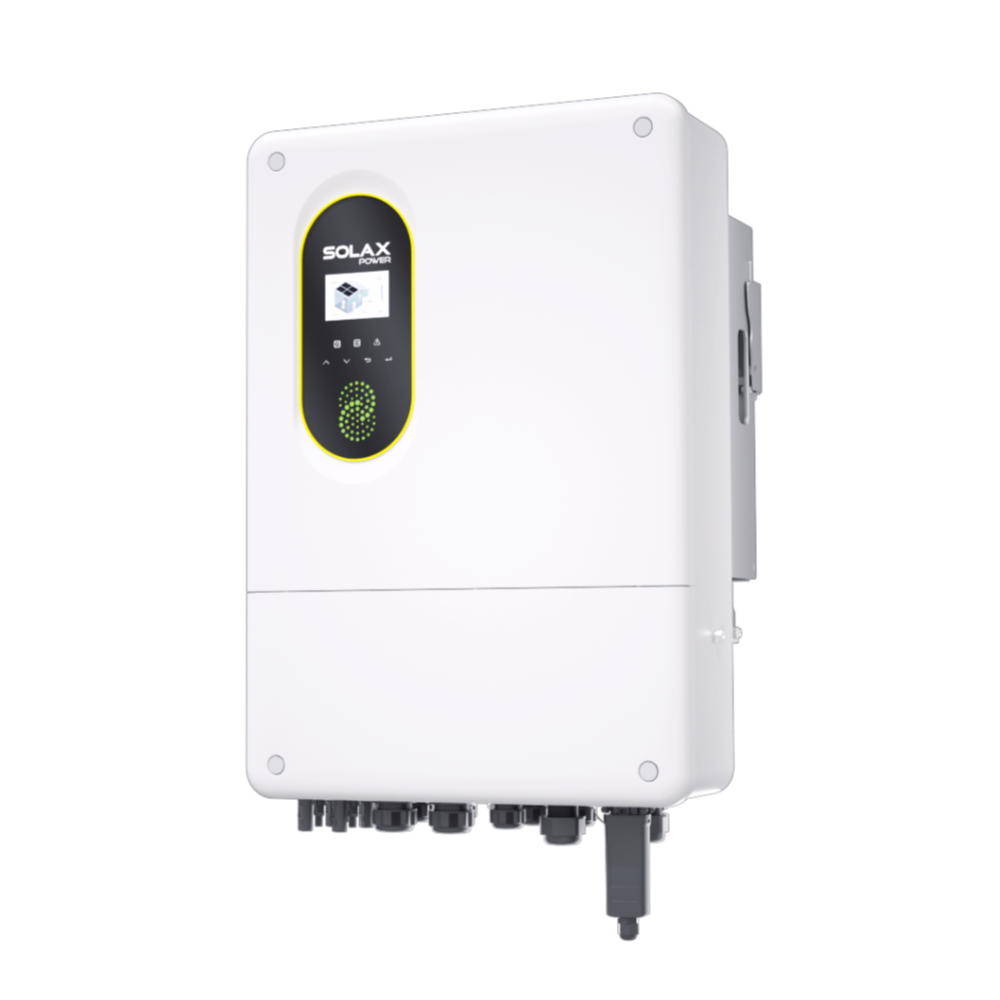
At SolaX, we engineer our inverters to deliver world-class efficiency, ultra-low standby power consumption, and perfectly clean power output. Whether you are building an off-grid residential setup or a massive commercial solar project, here is our top-performing lineup:
SolaX Inverter Efficiency Guide
Category | Application | Model & Power Range | Efficiency |
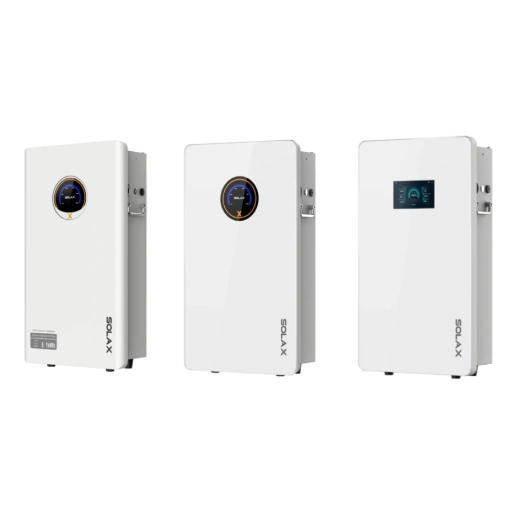
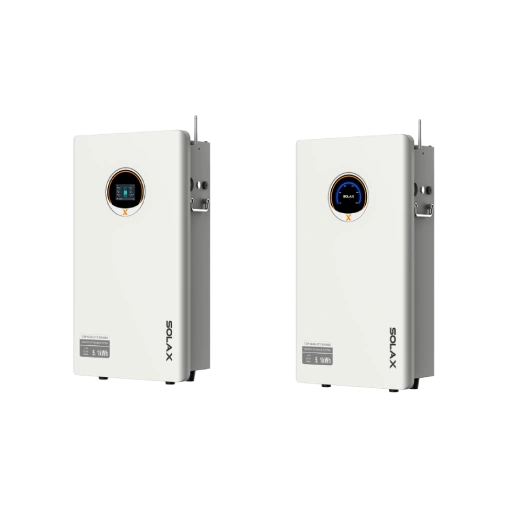
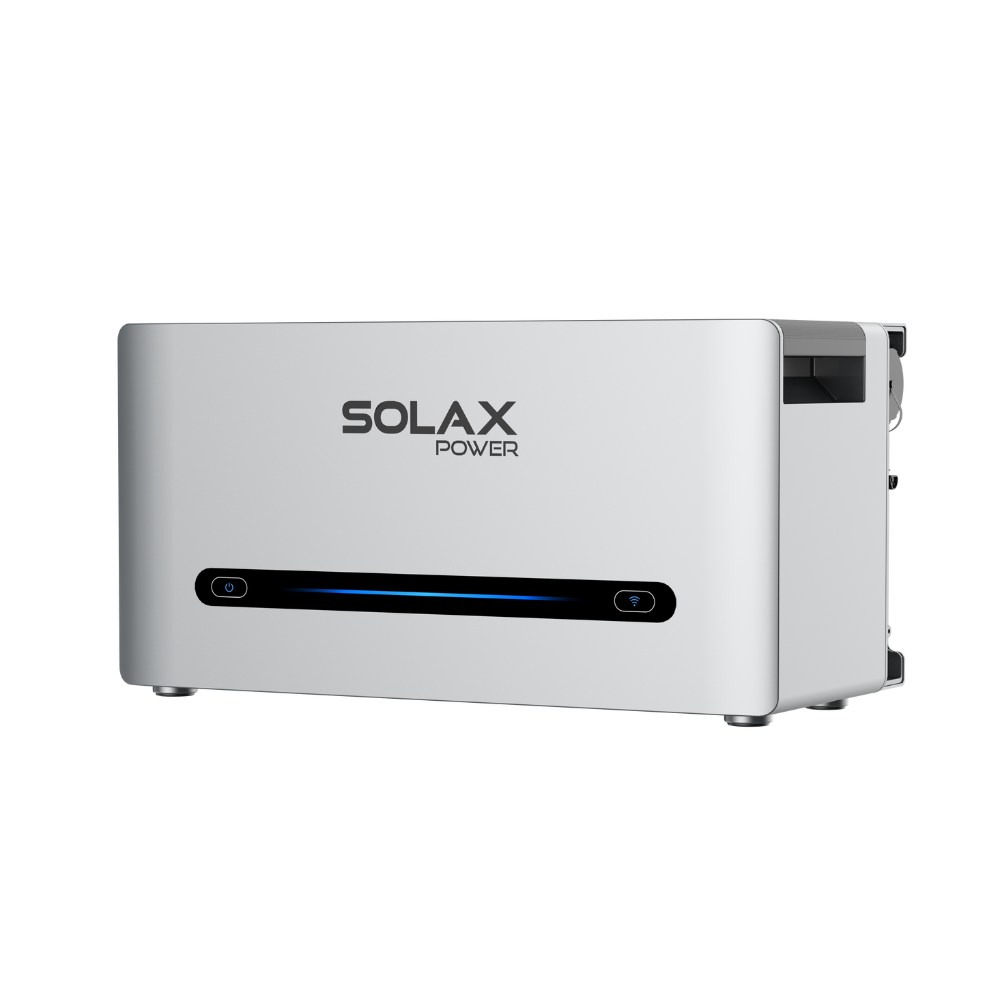
Hybrid Inverter | Residential (Off-Grid) | OG SERIES (5kW / 6kW) | Max. Efficiency: 96.5% |
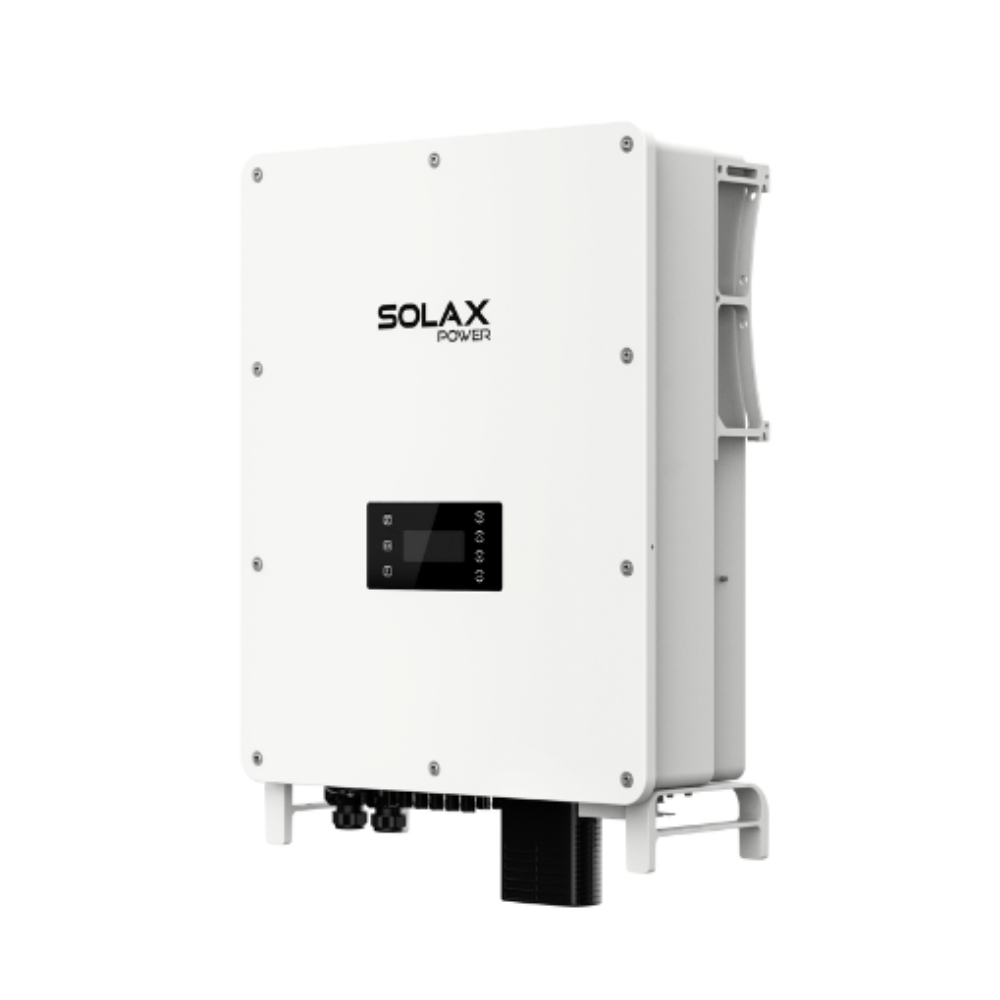
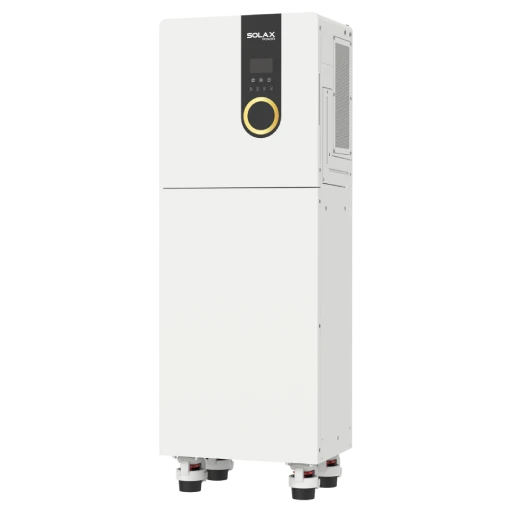
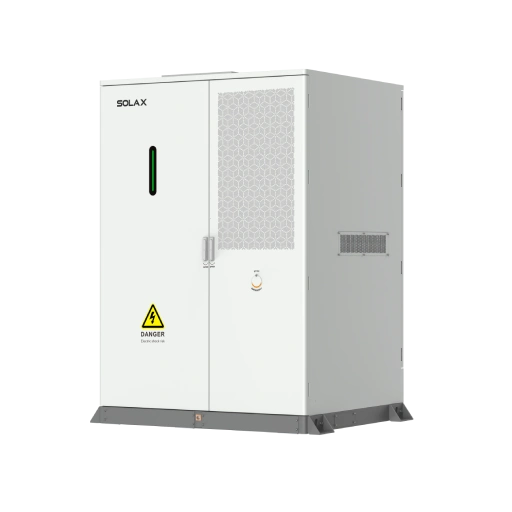
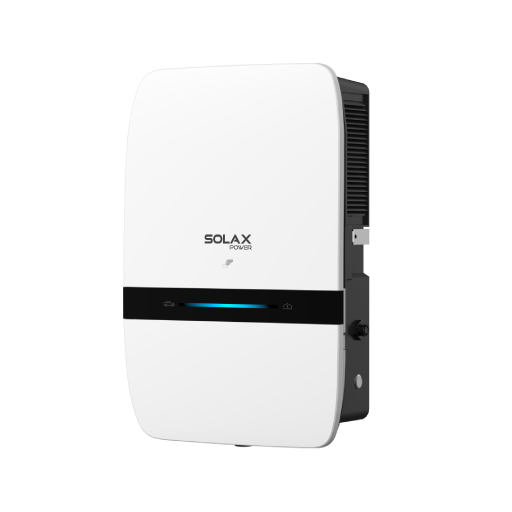
Hybrid Inverter | Commercial & Industrial | X3-ULTRA (15kW - 30kW) | Max. Efficiency: 98.0%; European Efficiency: 97.7% |
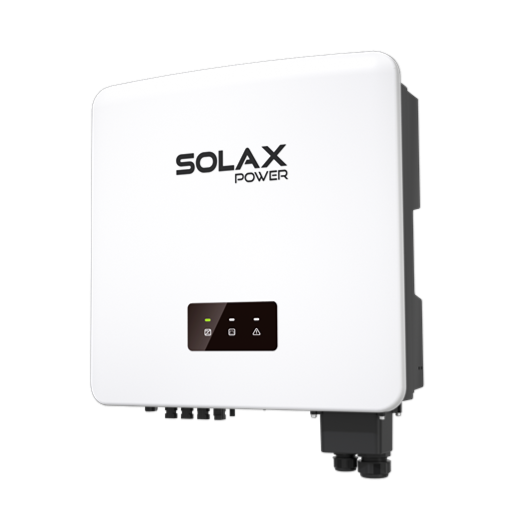
String Inverter | Residential (Three Phase) | X3-MIC G2 (3kW - 15kW) | Max. Efficiency: 98.3%; European Efficiency: 97.8% |
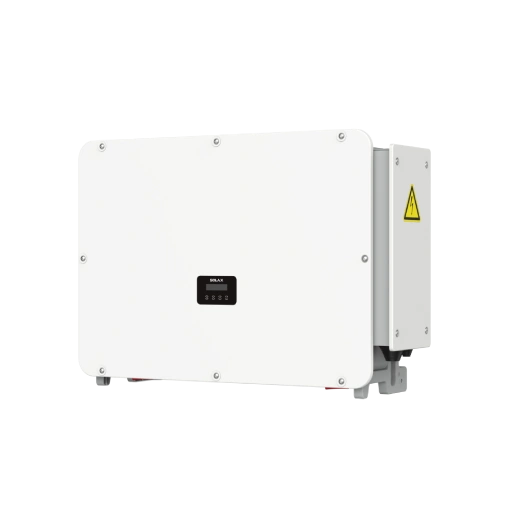
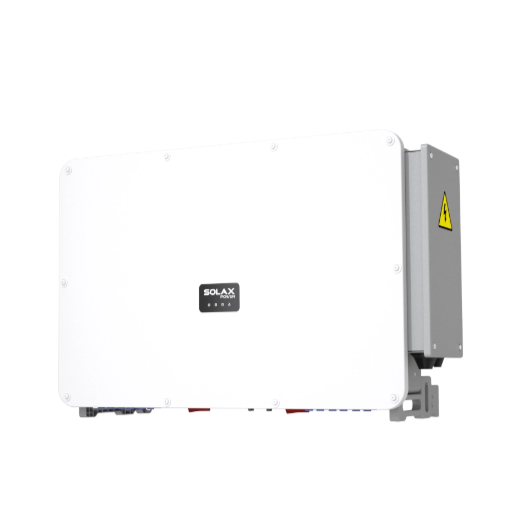
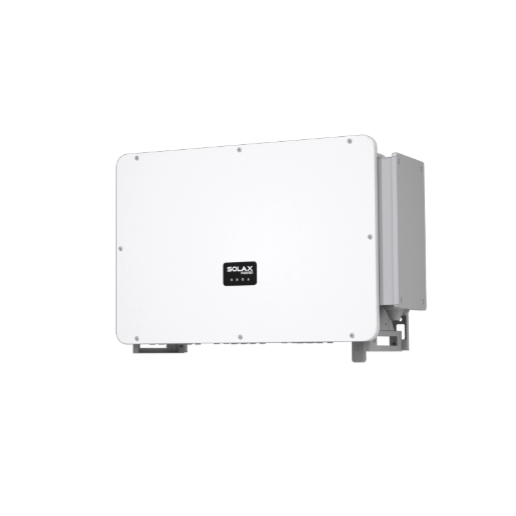
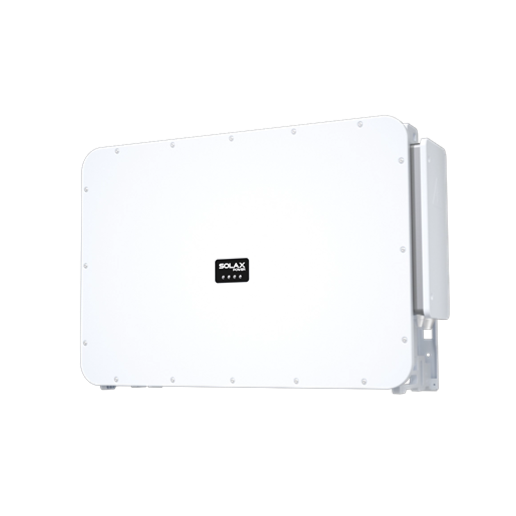
String Inverter | Commercial & Industrial | X3-FORTH (75kW - 125kW) | Max. Efficiency: 98.6%; European Efficiency: 98.3% |
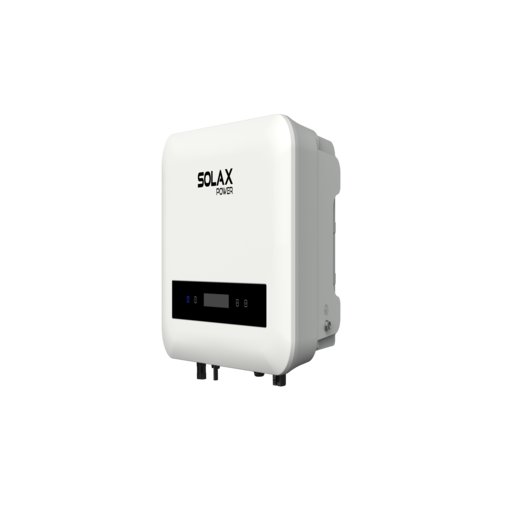
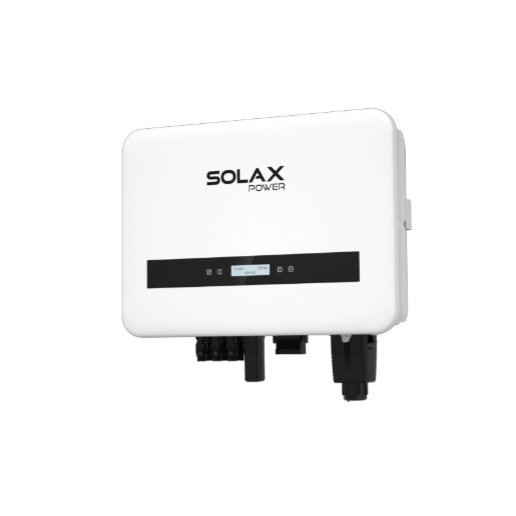
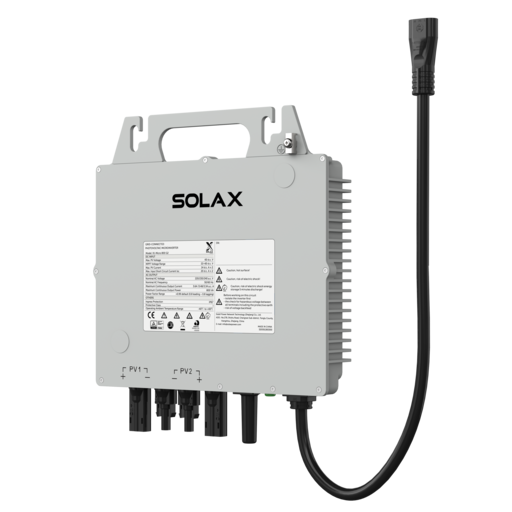
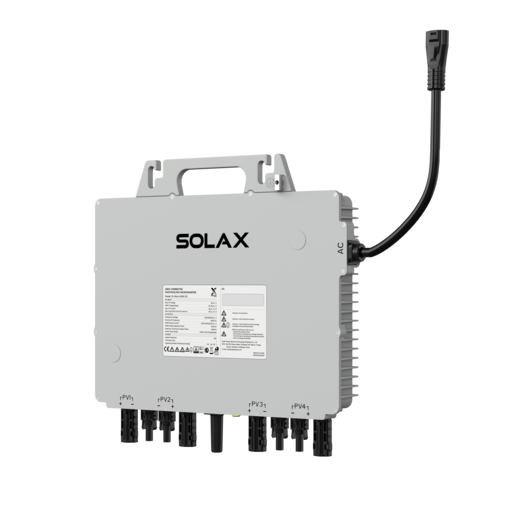
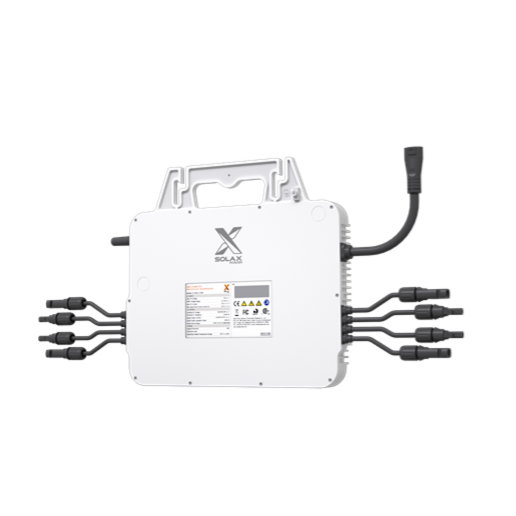
Microinverter | Residential (Complex Roofs) | X1-Micro 2 in 1 G2 (800W / 1000W / 1200W) | Max. Efficiency: 97.00%; MPPT Efficiency: 99.90%; Night Power Draw: 40 mW |
FAQ
Table of Contents
Latest News
Explore expert insights, practical guides, and the latest news on SolaX Power.

To the Latest Newsletter
Stay Ahead with the Latest SolaX Updates!
Subscribe
I have read and agree to Privacy Policy and User Terms