












May 29, 2026
Converter vs Inverter: What's the Difference?
Share my #SolaXStory


If you are upgrading a camper, building an off-grid cabin, or setting up a solar backup for your home, you have probably hit a wall with electrical jargon.
So, what is difference between converter and inverter?
Here is the short, simple answer: The basic difference between an inverter and a converter is the direction the electricity flows.
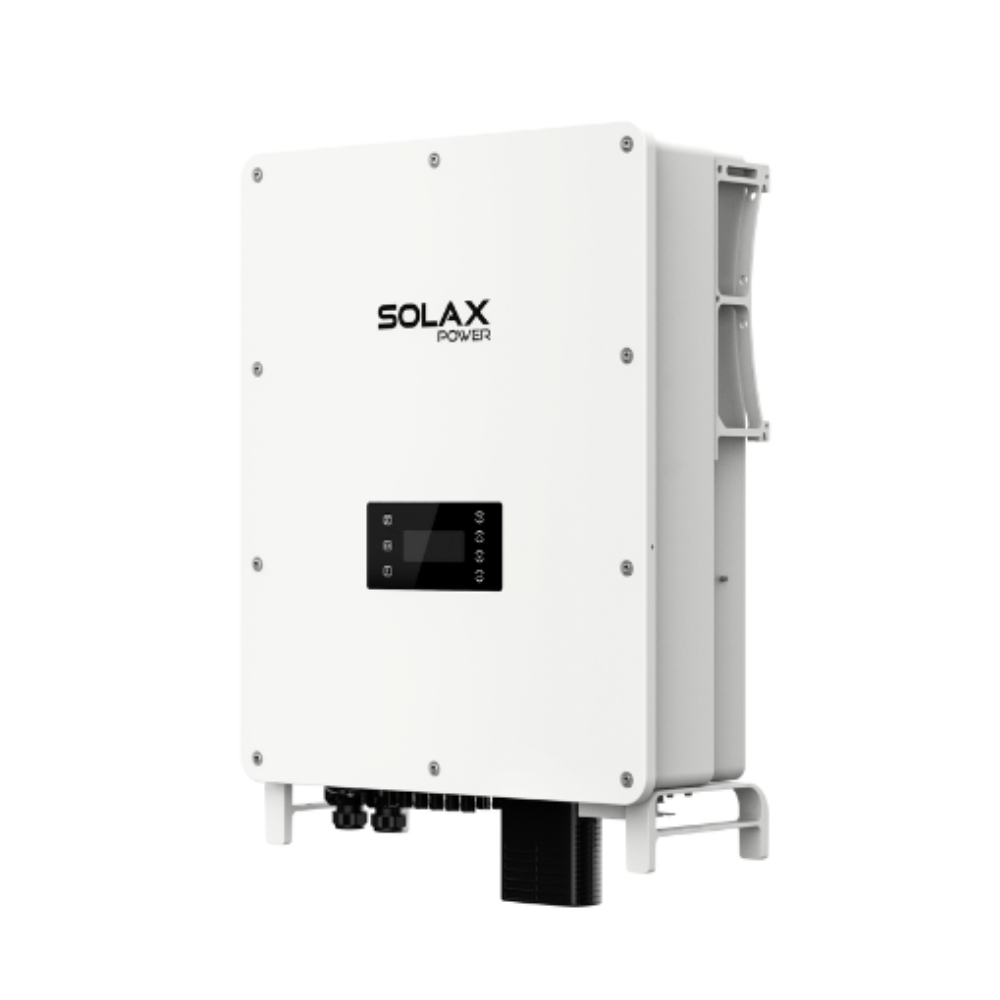
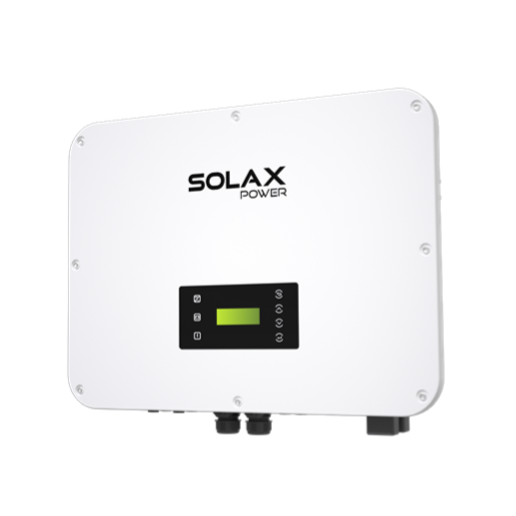
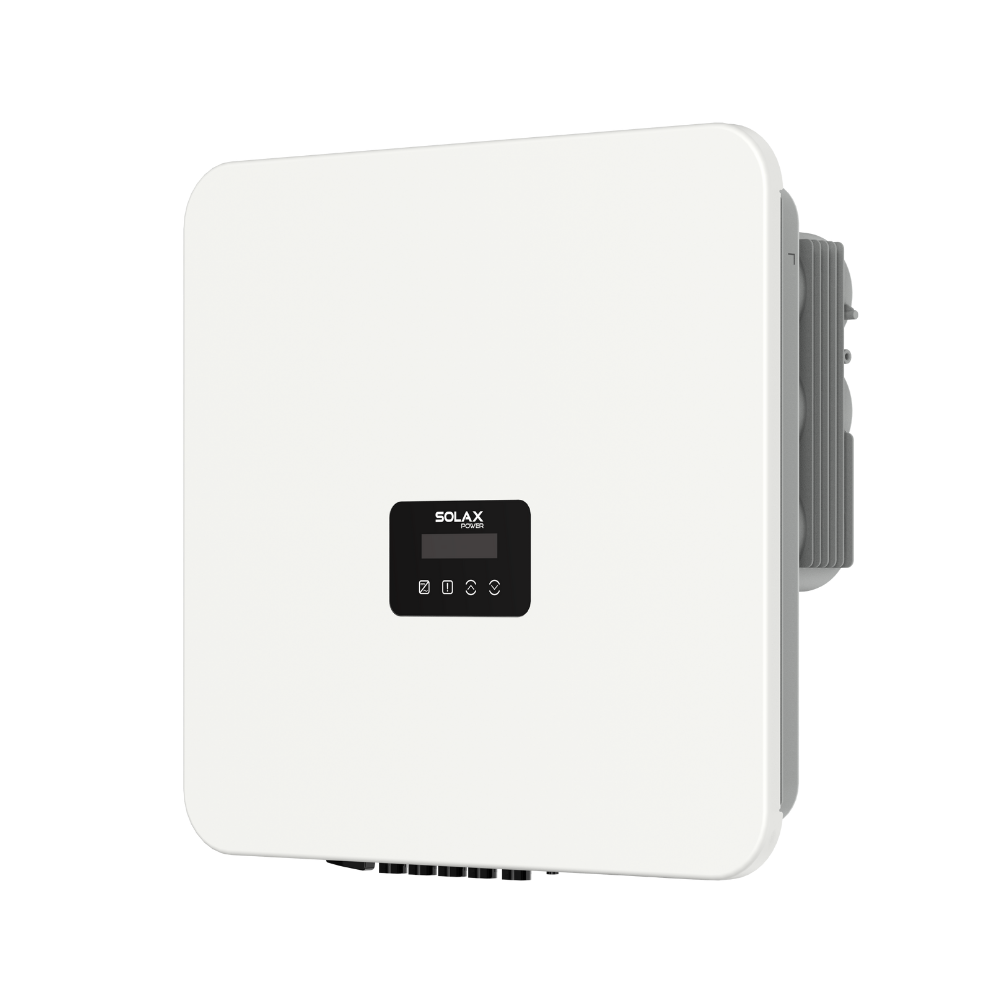
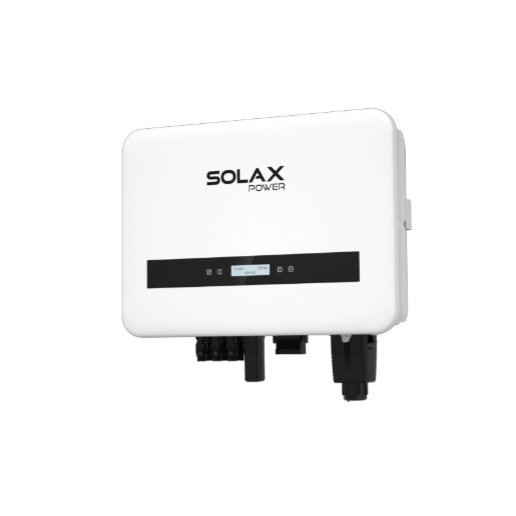
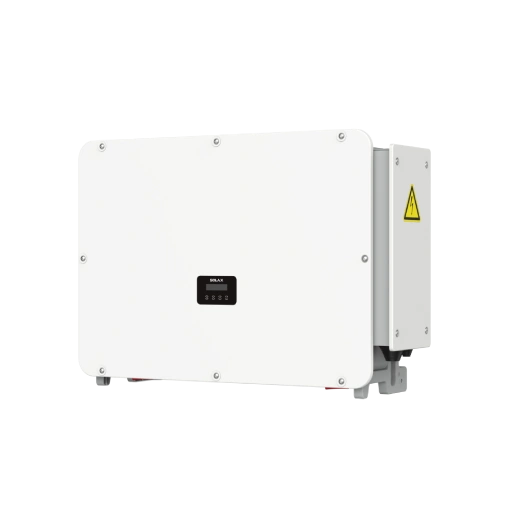
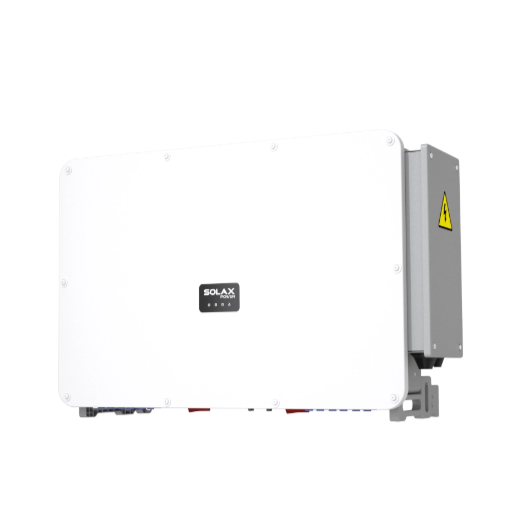
Inverter: Converts DC power into AC power
Converter: Converts AC power into DC power
Buy the wrong one, and you'll either drain your batteries flat or fry your electronics. In this guide, we're cutting out the confusing textbook physics. Instead, we'll look at real-world examples to help you understand the converter vs inverter difference and choose exactly what you need.

The Basics: AC vs. DC Power
In the converter vs inverter debate, the confusion usually starts with AC and DC. The world runs on two types of electricity:
Alternating Current (AC): This is the heavy-duty stuff. It's what comes out of the wall sockets in a normal house. You need AC to run hungry appliances like microwaves, air conditioners, TVs, heat pumps and coffee makers.
Direct Current (DC): This is stored energy. Batteries and solar panels produce DC. It's perfect for low-voltage gear like your RV's ceiling lights, water pump, and USB phone chargers.
AC and DC speak completely different languages. If you plug an AC television directly into a DC battery, nothing happens. You need a translator. That's where our two devices come in.
What is an Inverter? (DC to AC)
An inverter's job is to let you use standard household appliances when you are completely off the grid. It takes the 12-volt (or 24V/48V) DC power sitting in your battery and inverts it into 120-volt AC power.
Real Example of Inverter
You are camping in the middle of the woods, far from any power lines. You wake up and want to use your electric coffee maker. Your battery only has DC power. You turn on your inverter, which magically translates that battery juice into AC power. Your coffee maker turns on just like it would in your kitchen at home.
Note: always look for a Pure Sine Wave inverter. It produces clean power that won't damage sensitive electronics like laptops or CPAP machines.
What is a Power Converter? (AC to DC)
When looking at a power converter vs inverter, the converter is simply doing the reverse job. It takes high-voltage AC electricity from the grid (or a gas generator) and converts it down to low-voltage DC power.
Real Example of Converter
You actually use mini-converters every single day. That bulky block on your laptop charger? That is a converter. It takes the aggressive AC power from your wall and steps it down to a smooth DC trickle so your laptop battery doesn't explode.
Difference Between Power Inverter and Converter
Here is a quick breakdown to highlight the difference between power inverter and converter:
Feature | The Inverter | The Converter |
What does it do? | Changes DC to AC | Changes AC to DC |
Where does power come from? | Batteries or Solar Panels | The Grid, Generators, or Shore Power |
What does it run? | TVs, microwaves, AC units, laptops | Battery chargers, 12V lights, water pumps |
When do you use it? | When you are off-grid (boondocking) | When you are plugged into the grid |
Converter vs Inverter RV Setups: Which Do You Need?
When folks search for converter vs inverter RV advice, they usually just want to know how to wire their rig so things stop breaking. The truth is, most modern RVers actually use both.
Here is how a typical camping trip works:
At the Campground (Using the Converter): You are plugged into shore power. Your converter is doing the heavy lifting, taking that unlimited AC grid power, running your 12V fridge, and charging your house batteries so they are full when you leave.
Boondocking (Using the Inverter): You drive out to the desert and unplug. Now you have no grid power. To watch a movie on your TV tonight, you switch on your inverter. It pulls power from the batteries you just charged and runs the TV.
Note: If you hate the idea of wiring two separate metal boxes, you can buy an Inverter/Charger combo. It's a smart, all-in-one unit that automatically acts as a converter when you are plugged in, and switches to an inverter when you unplug.
Conclusion
To clearly understand the difference between an inverter and a converter, focus on two things: where the power comes from and what you want to run.
Keep this golden rule in mind: an inverter is responsible for drawing power from a battery to supply home appliances, whereas a converter is responsible for utilizing utility power (from a wall outlet) to charge a battery. Once you have clearly defined your power requirements and identified the specific electrical devices you need to operate, you will be able to determine—with absolute precision—which of these devices constitutes the essential component for your system configuration.
FAQ
Table of Contents
Latest News
Explore expert insights, practical guides, and the latest news on SolaX Power.


To the Latest Newsletter
Stay Ahead with the Latest SolaX Updates!
Subscribe
I have read and agree to Privacy Policy and User Terms