











January 06, 2026
The Ultimate Guide to Off-Grid Solar Systems: Meaning and Components
Share my #SolaXStory


With the global off-grid solar market projected to surpass $5.8 billion by 2031, energy independence is no longer just a niche concept for remote adventurers—it is a rapidly growing reality for modern homeowners. As utility rates climb and grid instability becomes more frequent, switching to an off-grid solar power system offers the ultimate solution: complete financial and energetic autonomy.
From understanding essential components and calculating costs to selecting the best battery storage, this guide explores everything you need to know to cut the cord confidently and power your life on your own terms.
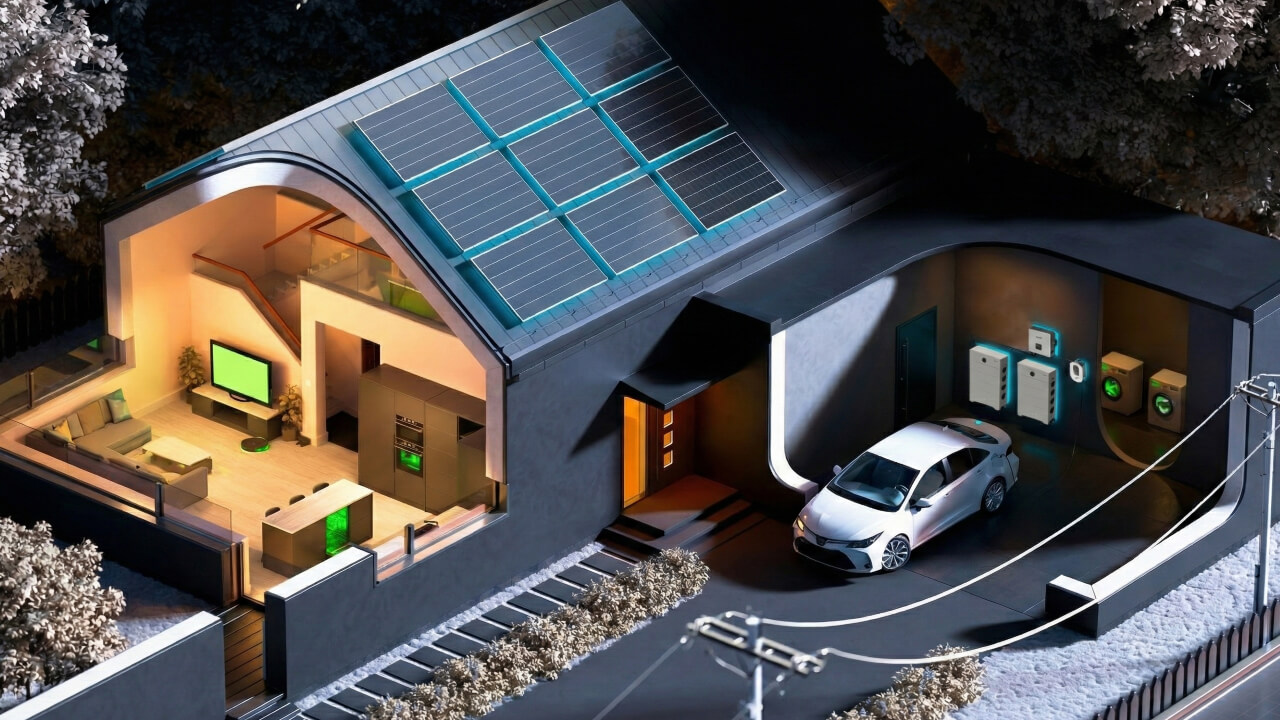
What is an off-grid Solar System?
An off-grid solar system (also known as a standalone power system) is a self-sustaining energy solution. By combining high-efficiency solar panels with robust battery storage, you generate, store, and use 100% of your own electricity.
However, total independence also means you are solely responsible for:
Generating enough electricity to meet your daily peak demand.
Storing sufficient backup power in batteries to last through nights and consecutive cloudy days.
Managing your consumption habits and system maintenance to ensure a continuous power supply.
While once considered a niche choice for remote cabins, rapid advancements in lithium-ion battery technology and solar efficiency have made off-grid living a viable, reliable, and sustainable option for modern homeowners seeking true energy autonomy.
Benefits of Using an Off-Grid Power System
Switching to off-grid solar power systems offers more than just a reduced carbon footprint; it provides absolute freedom from utility providers. Instead of renting electricity, you own the entire production cycle, permanently insulating your household from rising rates and unpredictable billing.
Beyond the savings, you gain tangible lifestyle advantages:
Guaranteed energy security so your lights stay on during storms and grid failures when neighbors go dark.
Location independence allowing you to build in remote, scenic areas where running utility lines is prohibitively expensive.
Financial predictability by eliminating monthly bills and avoiding inflation-driven electricity price hikes.
While the initial setup requires careful planning, installing an off-grid solar system for home use delivers a level of self-sufficiency and peace of mind that public utility companies simply cannot match.
On Grid vs Off Grid Solar System
The primary difference between an off-grid and on-grid solar system lies in how you manage access to electricity when the sun isn’t shining. On-grid systems stay tied to the utility infrastructure to draw power when needed, while off-grid systems operate as self-sustaining islands.
Choosing between them dictates your equipment, costs, and reliability:
On-Grid: You enjoy lower upfront costs and "net metering" credits, but your power goes out when the public grid fails.
Off-Grid: You achieve total energy independence and security, but you must invest heavily in battery banks.
You are choosing between the financial convenience of the grid versus the autonomy of self-storage.
Core Components of Off-grid power solutions
Many homeowners begin their journey with pre-configured off grid solar kits, which provide a matched set of components designed to work together seamlessly from day one.
To build a truly functional system, you need to understand these four essential pillars:
Off Grid Solar Panels
These are your primary energy generators. High-efficiency off grid solar panels capture sunlight and convert it into DC (direct current) electricity. Their placement and angle are critical for maximizing harvest during shorter winter days.
Off Grid Inverter
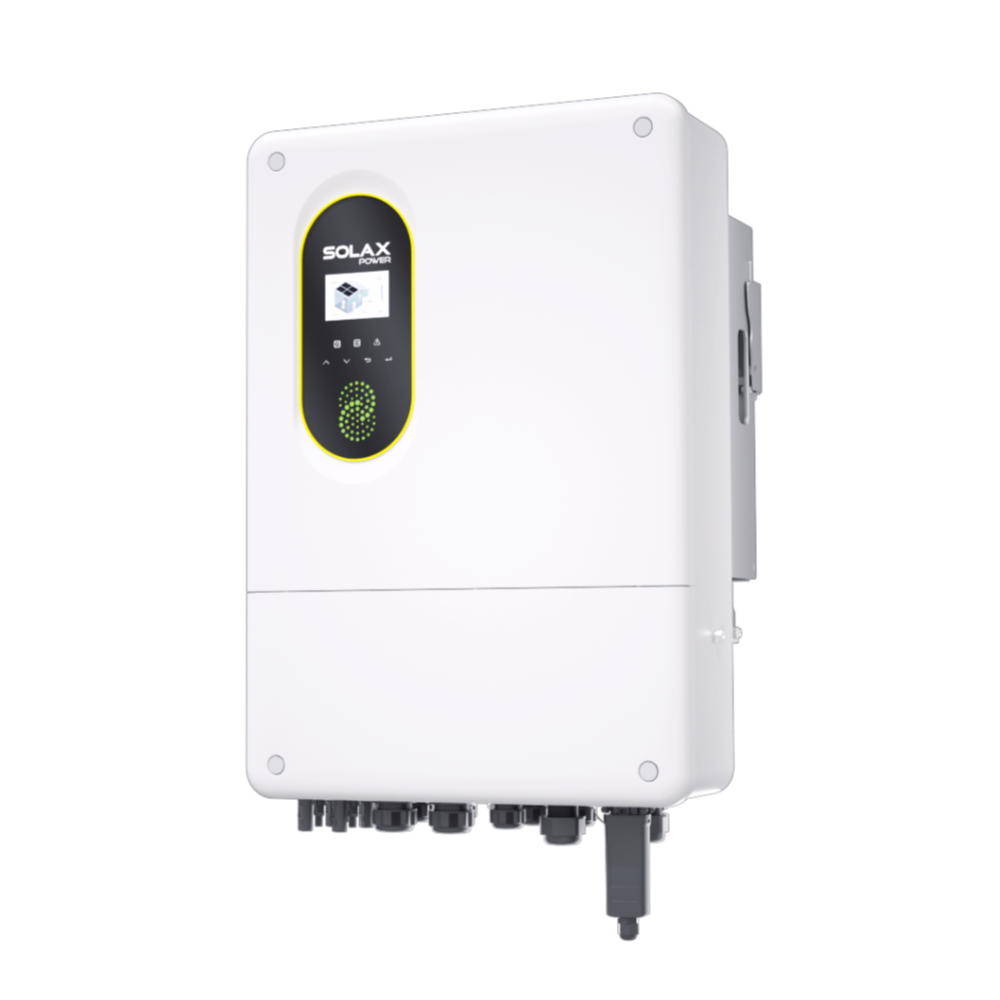
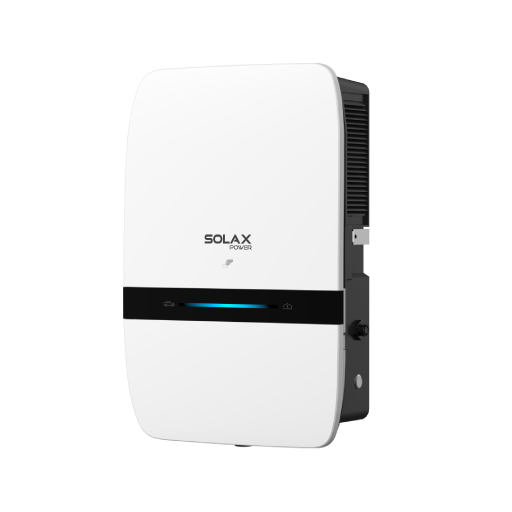
Often called the "brain" of the system, the off grid inverter converts the DC electricity stored in your batteries into AC electricity to power your household appliances.
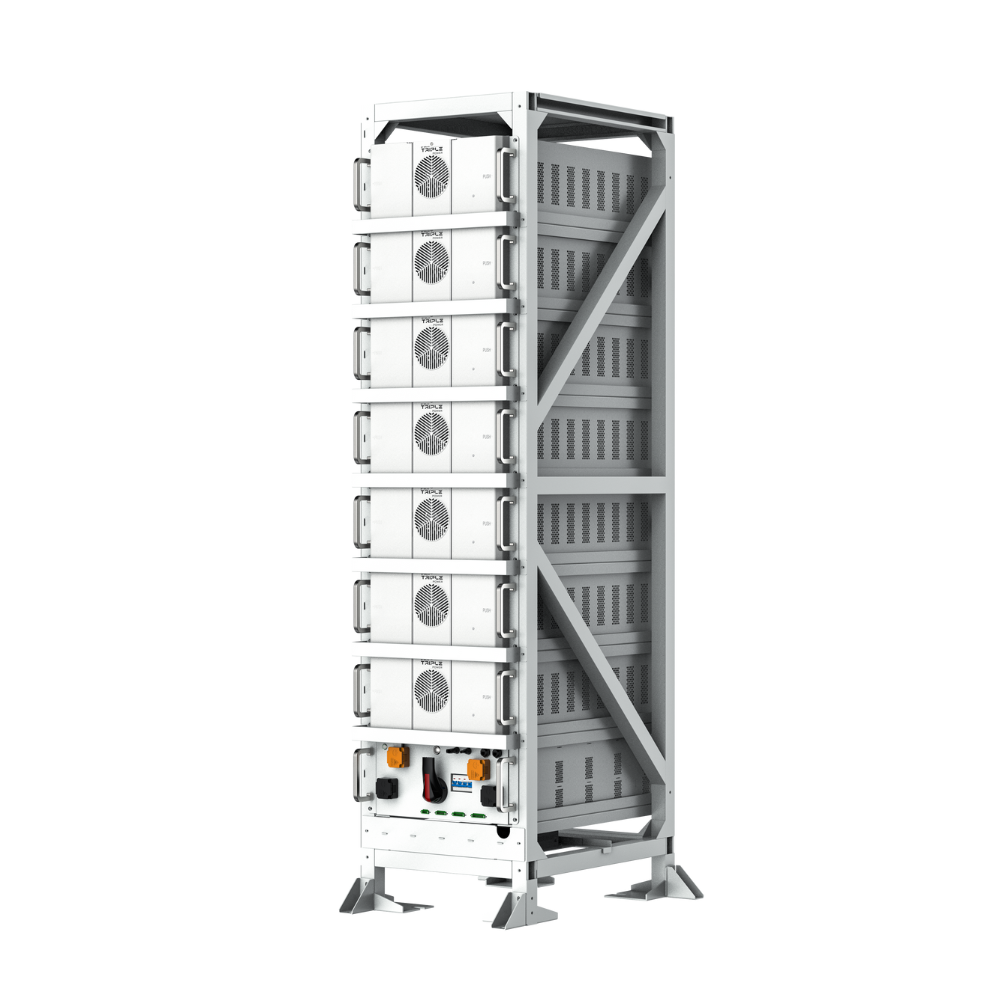
Off Grid Solar Batteries
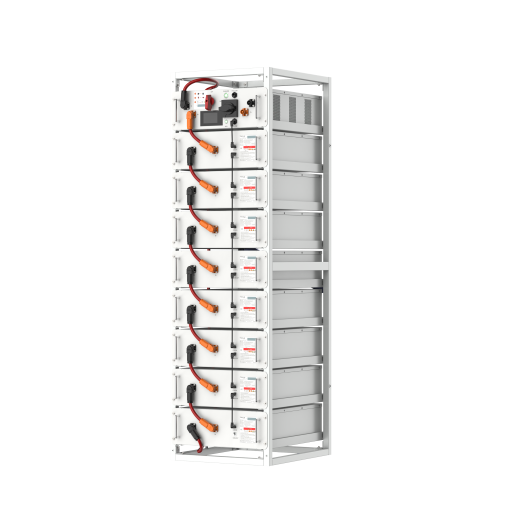
These units act as your energy reservoir. Off grid solar batteries collect the excess energy produced during the day so you can keep the lights on throughout the night.
Charge Controller + Monitoring System
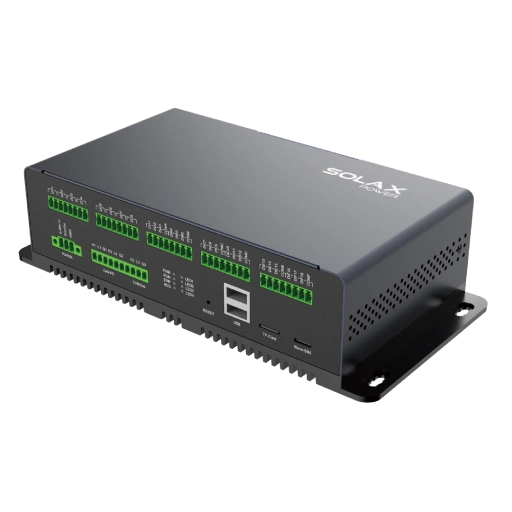
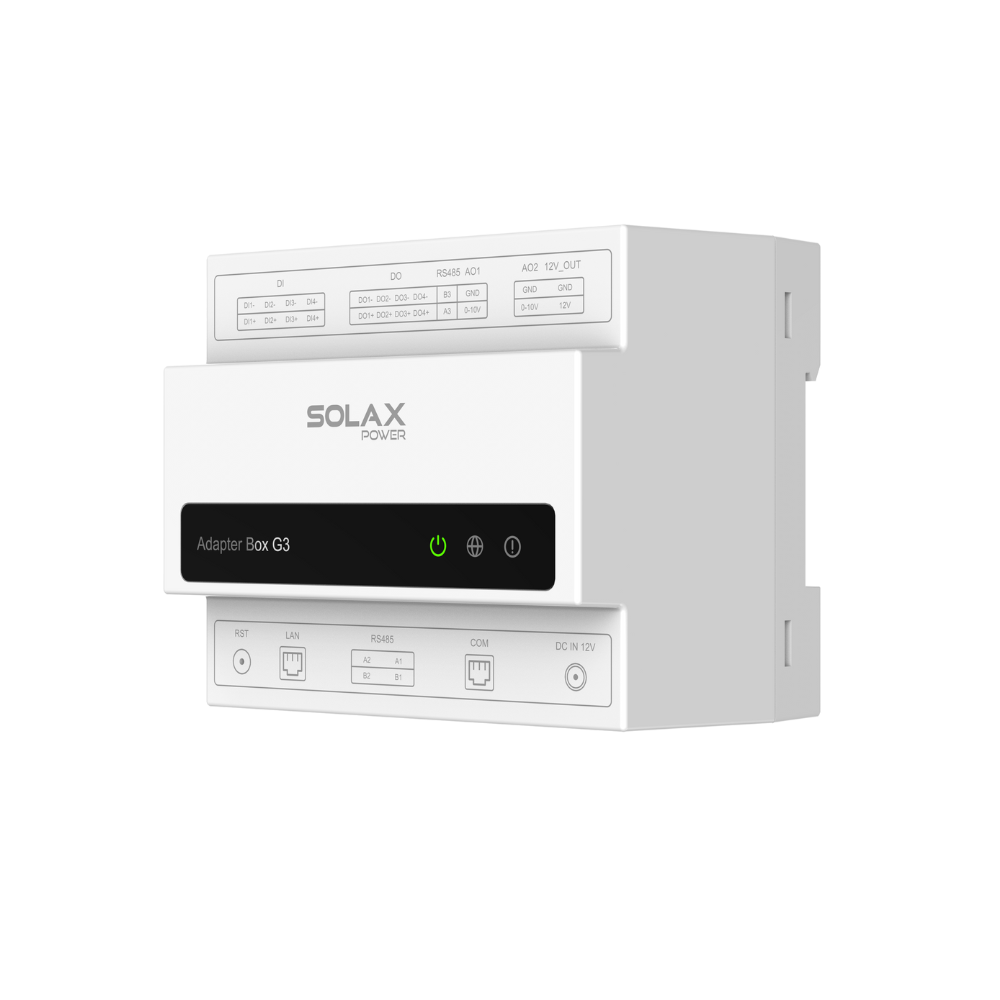
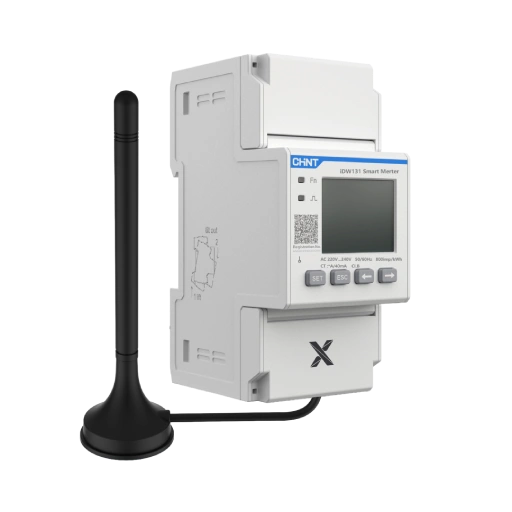
These components act as the "protector" and "interface." The charge controller prevents your batteries from overcharging, while the monitoring system provides real-time data on energy production, battery health, and consumption levels.
How Does an Off-Grid Solar System Work?
Simply put, an off-grid solar system acts like your own personal power station. It operates independently from the public utility grid, relying on a complete loop to turn sunlight into electricity you can actually use.
To make it easy to understand, we can break the process down into four simple steps:
1. Collecting Energy (Solar Panels)
It all starts on your roof or ground mount with the solar panels. When sunlight hits the panels, the photovoltaic effect creates Direct Current (DC) electricity. You can think of your solar panels as a "funnel," designed to capture as much sunlight as possible and pour it into the system as raw power.
2. Regulating Flow (Charge Controller)
The electricity generated doesn't flow directly into your batteries, as that could cause damage. It must first pass through a Solar Charge Controller.
Think of this device as a "traffic cop" or a "smart valve." It regulates the voltage and current, ensuring your batteries charge smoothly and preventing them from overcharging. This is crucial for extending the lifespan of your system.
3. Storing Power (Battery Bank)
This is the biggest difference between off-grid and grid-tied systems. The regulated power is sent to a battery bank for storage.
This acts as your "energy warehouse." Since the sun doesn’t shine at night, and power generation drops on cloudy days, you need this reservoir to store energy during the day so you can keep the lights on after dark.
4. Converting Power (Inverter)
The final step is vital. The energy stored in your batteries is DC, but most of your home appliances (like your fridge, TV, and washing machine) run on AC.
This is where the inverter comes in. It acts like a "translator," converting the DC power from the batteries into standard household AC power, allowing your appliances to run normally.
In summary, the entire process is a simple cycle: capture, regulate, store and convert. As long as there is sunlight, this system allows you to achieve energy independence in even the most remote locations.
How much does an off-grid electrical system cost?
Understanding the off grid solar system price is crucial before making this significant investment. Costs typically range from $12,000 to $70,000, making it challenging to prepare an accurate budget without knowing what factors influence the final price.
Key Factors That Affect Off Grid Solar System Price
The total cost of your off-grid system depends on several important variables:
Power source type – Solar, wind, or hybrid systems
System size and output capacity – Based on your daily energy needs
Battery storage requirements – How much backup power you need
Number of solar panels – Determined by your consumption patterns
Equipment quality – Higher-quality components cost more upfront but offer better longevity
Detailed Cost Breakdown
To give you a clearer picture of the off grid solar system price, here's an estimated breakdown:
Equipment Costs
Solar panel array (10 kW): At least $5,000
Inverter with built-in charge controller: At least $4,000
Battery system (20 kWh): At least $20,000
Installation and Labor Costs
Professional installation typically costs $3,200 to $4,600. This accounts for approximately 7% of the total project price.
Additional Overhead Expenses
Engineering and design fees
Logistics and transportation
Permits and inspections
These can account for up to 40% of total project costs. Total estimated off grid solar system price is about $45,000 – $65,000.
Hidden and Ongoing Costs to Consider
When calculating your off grid solar system price, don't overlook these potential expenses:
Battery replacement (typically every 10-15 years)
Regular solar panel cleaning and maintenance
Generator maintenance (if using a backup generator)
Inverter repairs or replacement
System monitoring equipment
Please note that you don't have to pay for everything out of pocket. Many local and state governments offer subsidies for installing solar equipment. Some utility companies also provide additional incentives. Before purchasing, be sure to research the programs available in your area.
Why SolaX is Your Top Choice for the Best Off-Grid Solar System?
When investing in energy independence, selecting the right partner is just as critical as selecting the right hardware. SolaX Power has established itself as a global leader in energy storage, and for home owners seeking the best off grid solar system, SolaX offers the reliability, innovation, and support needed to live completely self-sufficiently.
Here is why thousands of homeowners trust SolaX for their off-grid living needs.
Global Experience, Local Expertise
Founded in 2010, SolaX Power has grown into a recognized industry giant, serving customers in over 100 countries. While there are many off-grid solar companies in the market, few possess the diverse climate experience of SolaX. Whether you are powering a remote cabin in the mountains, a rural farm, or an island property, SolaX understands the unique engineering required to build systems that stand the test of time.
Seamless Off-Grid Solar System Packages with Batteries
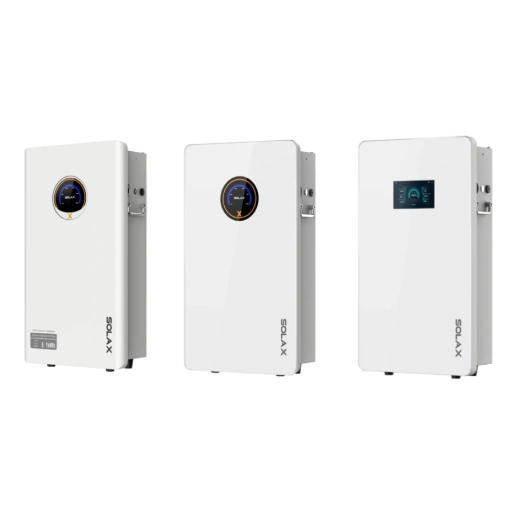
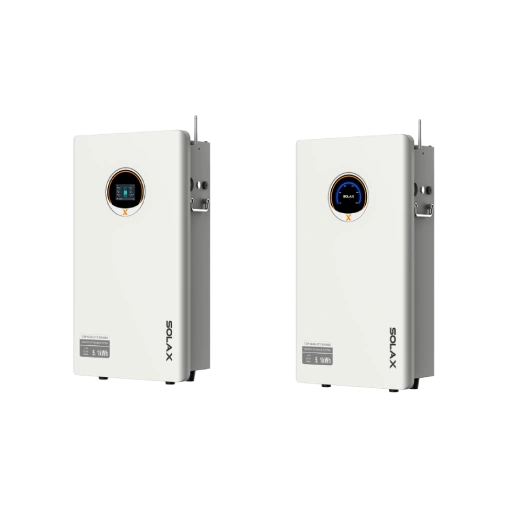
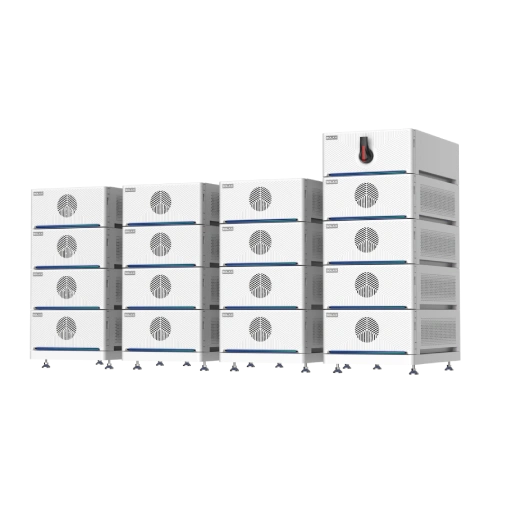
One of the biggest challenges in going off-grid is compatibility. Instead of piecing together mismatched components, SolaX provides a complete off-grid solar system with batteries. This "all-in-one" approach ensures:
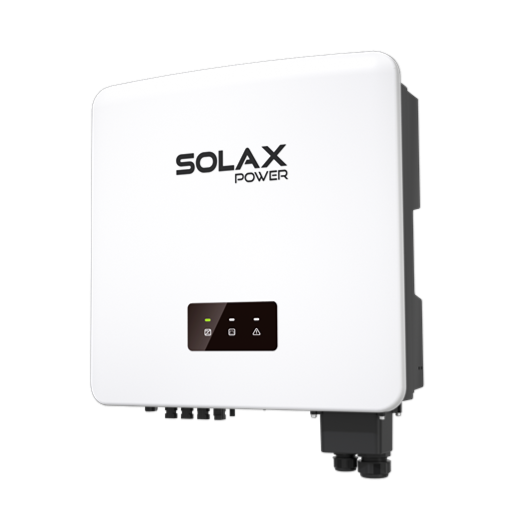
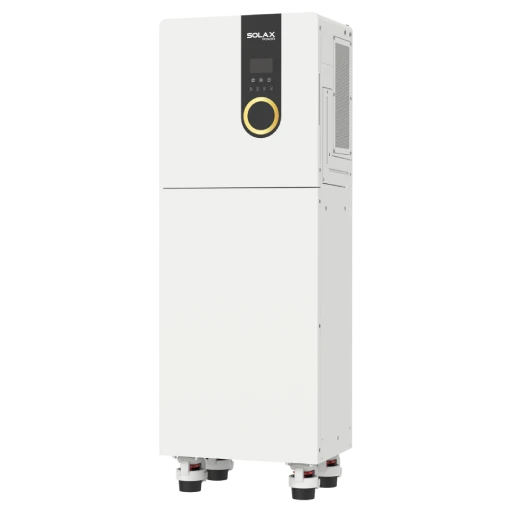
High-Efficiency Hybrid Inverters: Smart management of power flow between solar, battery, and home loads.
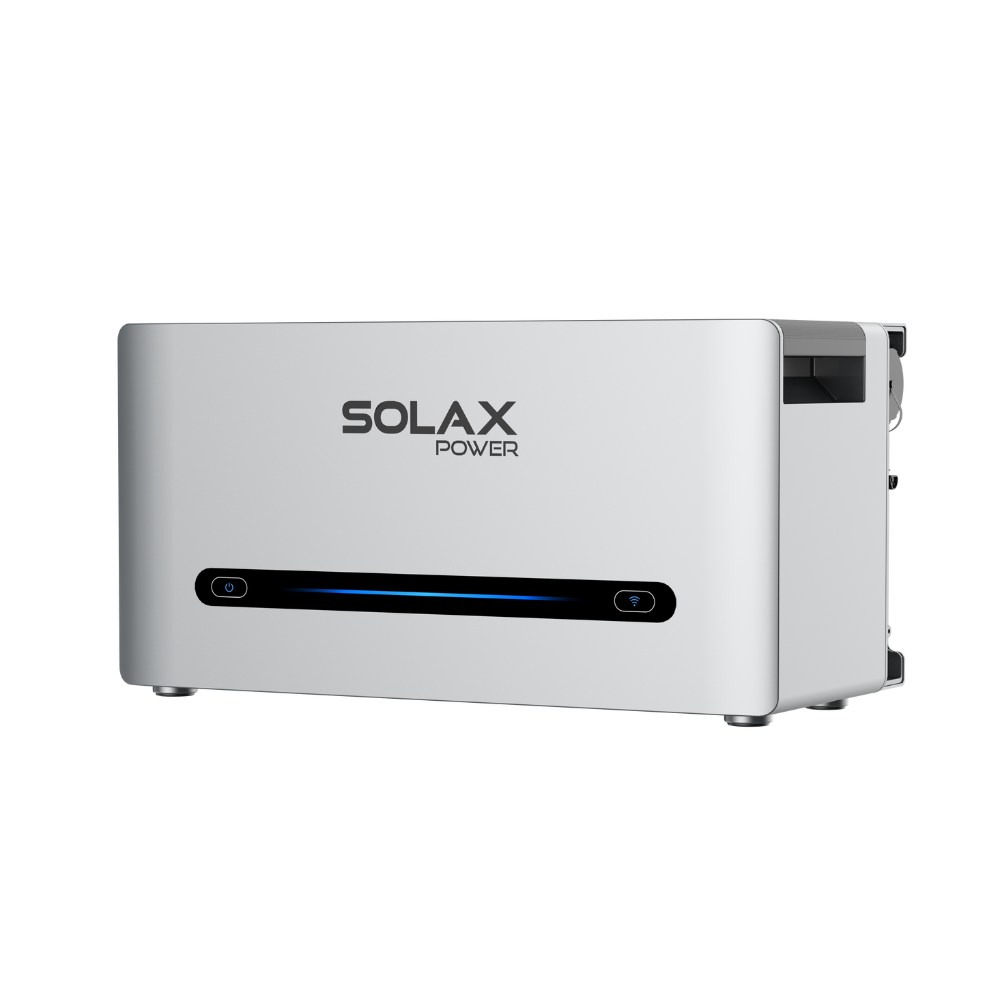
Advanced Home Battery Storage: High-capacity lithium solutions for maximum autonomy.
Intelligent Monitoring: Real-time tracking via the SolaXCloud.
Trusted, Certified, and Valuable
SolaX products deliver premium performance at a competitive price point, ensuring you don't have to sacrifice quality for affordability. Our systems meet rigorous international standards, including:
TÜV, CE, and IEC certifications
CEC approval (Australia)
UL listing (North America)
FAQ
Table of Contents
Latest News
Explore expert insights, practical guides, and the latest news on SolaX Power.


To the Latest Newsletter
Stay Ahead with the Latest SolaX Updates!
Subscribe
I have read and agree to Privacy Policy and User Terms