












November 09, 2026
How to Size a Solar + Battery System for Your Shop, Office, Warehouse, or Restaurant
Share my #SolaXStory


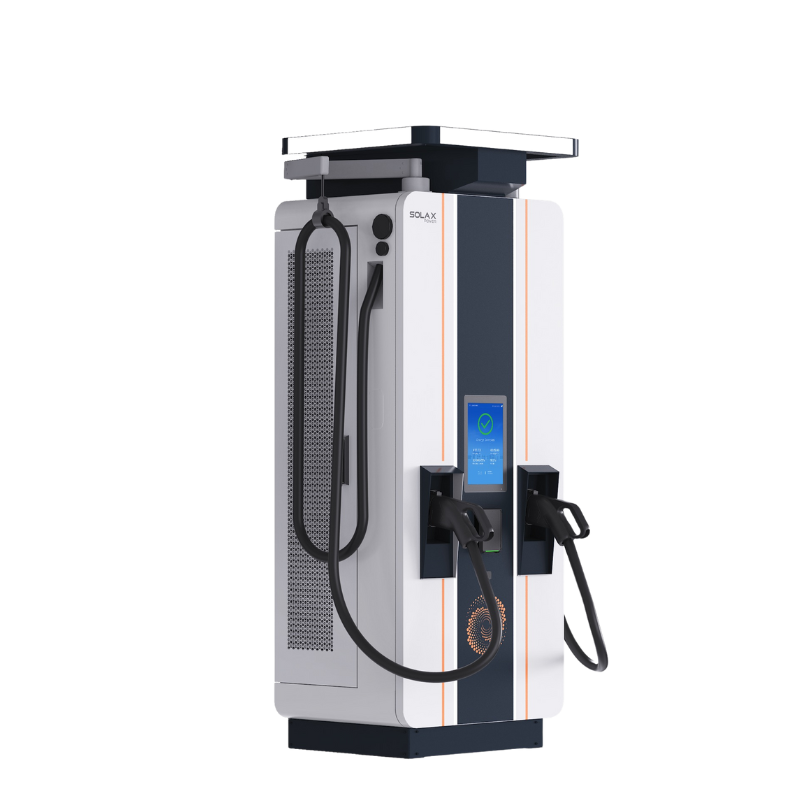
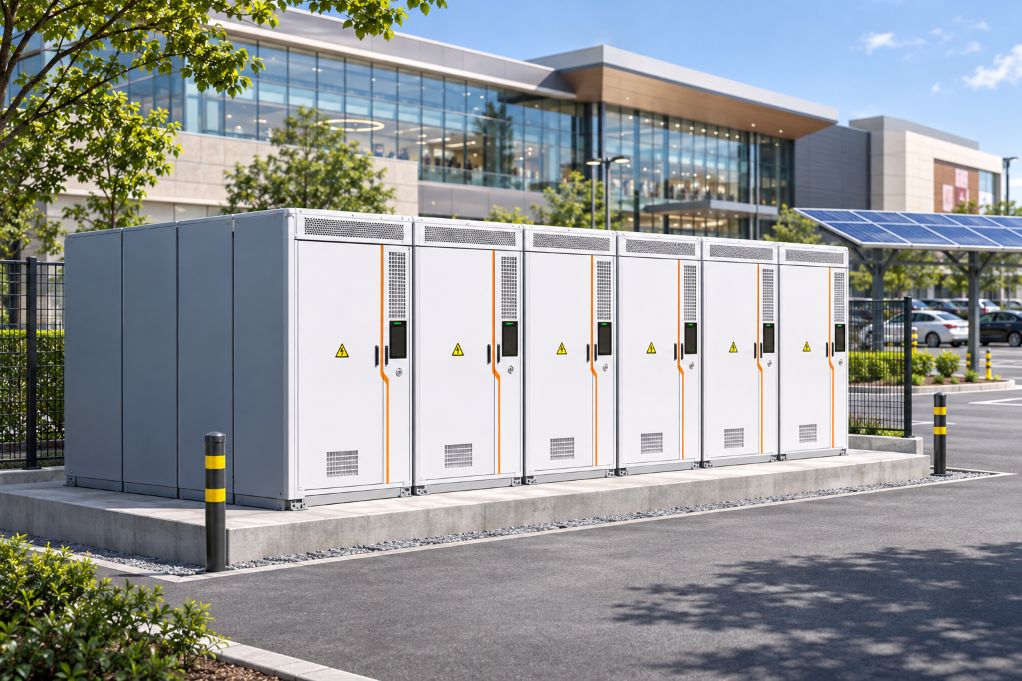
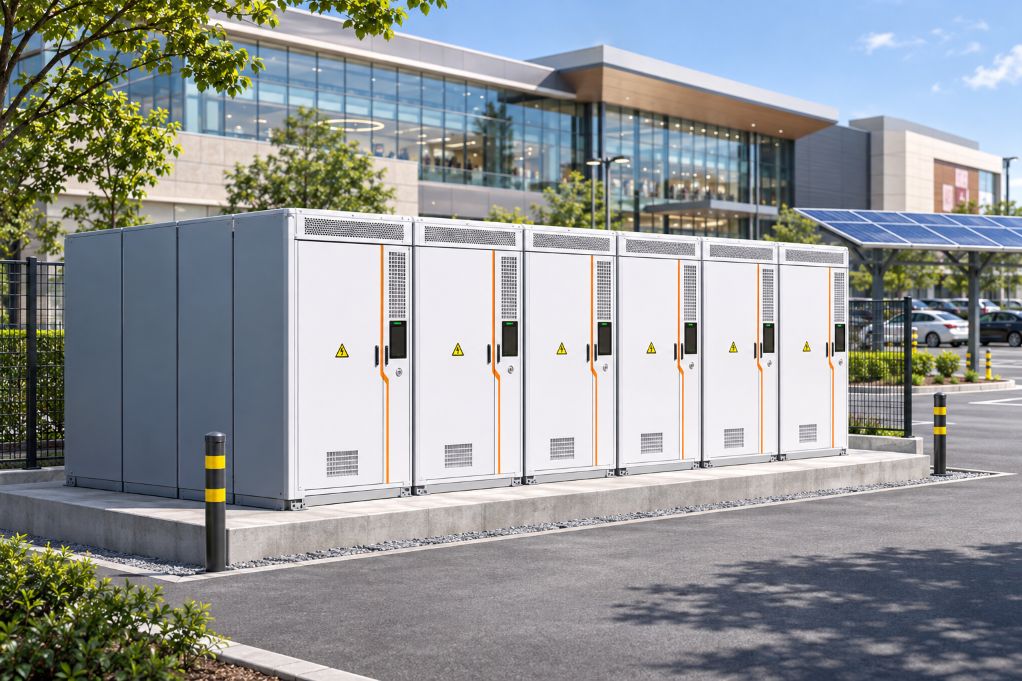
A commercial solar power project should be sized around your daytime load, demand peaks, tariff periods and critical circuits—not an annual bill alone. SolaX Commercial & Industrial Solutions combine solar PV, an energy storage system, monitoring and optional EV charging, allowing you to define each part of the solar and battery system against a practical business need.
PV capacity, solar inverter output, battery power and solar battery capacity answer different questions. Begin with measured data, then ask a qualified installer to complete the electrical design, network application and commissioning.
Find more: Commercial Industrial Solutions
Define What Your Commercial Solar Power System Must Achieve
Choose the operational outcome before selecting equipment. An office may prioritise weekday self-consumption; a warehouse may have ample roof area but variable machinery loads; a restaurant may need battery storage through evening refrigeration, extraction and cooking peaks.
Separate the four sizing decisions
Solar PV (kWp): daytime generation potential and usable roof area.
Solar inverter (kW): conversion capacity matched to PV design and site supply.
Battery power (kW): how quickly the inverter battery can reduce a short import peak.
Battery energy (kWh): how long the battery can support selected loads.
A larger solar battery is not automatically the answer. Brief, high peaks often require more discharge power rather than additional stored energy.
Gather Load and Tariff Data Before Sizing Commercial Solar Power
Obtain 12 months of bills and, ideally, half-hourly interval data. Annual consumption cannot show whether solar energy is available when your business uses it, or whether battery discharge will coincide with costly imports.
Prepare a preliminary brief
Monthly kWh consumption and highest import intervals
Opening hours, shift patterns and seasonal closures
Time-of-use tariff windows and demand charges
Major loads: HVAC, refrigeration, kitchen equipment, machinery and EV chargers
Planned extensions, new plant or fleet charging
For UK small-business installations, the installer may need to notify or apply to connect with the Distribution Network Operator; applicable G99 or G100 applications must be made before installation where required by GOV.UK.
Size Solar PV for Usable Daytime Demand
Compare daytime consumption with roof orientation, shading, structure, export limits and lease plans. This avoids treating maximum panel count as the correct solar power system size when the site may export heavily at midday.
Limit or phase the PV array when necessary
Export would exceed the agreed network allowance.
The site is mostly closed in daylight hours.
Roof works or expansion plans affect available space.
Battery storage is intended mainly for peak reduction.
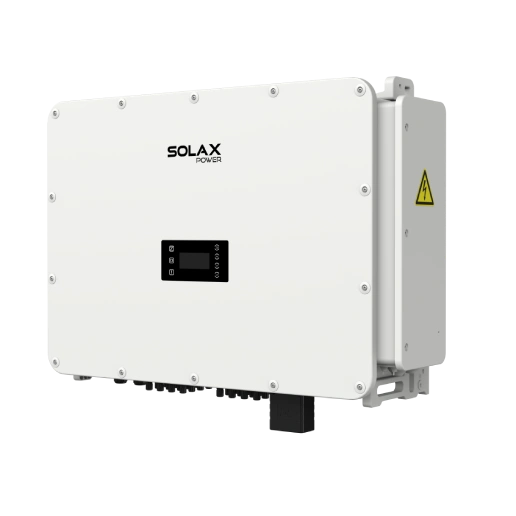
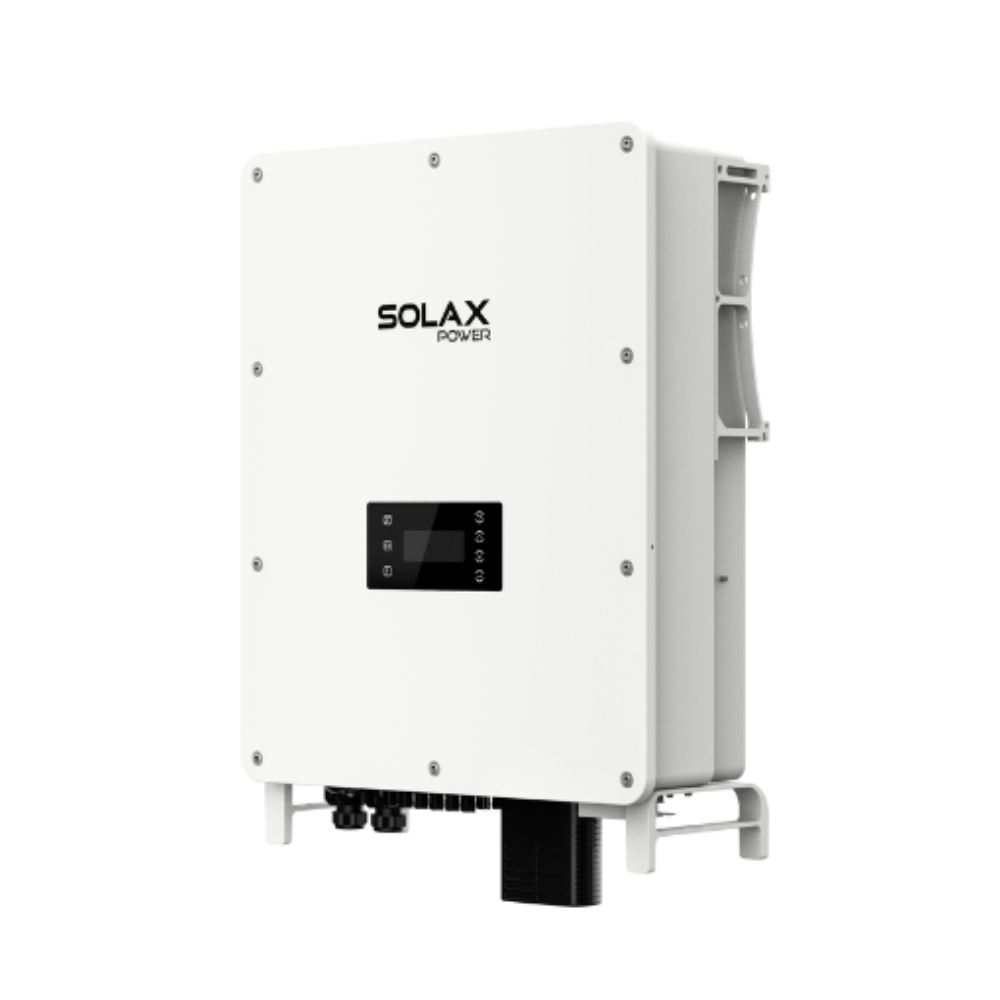
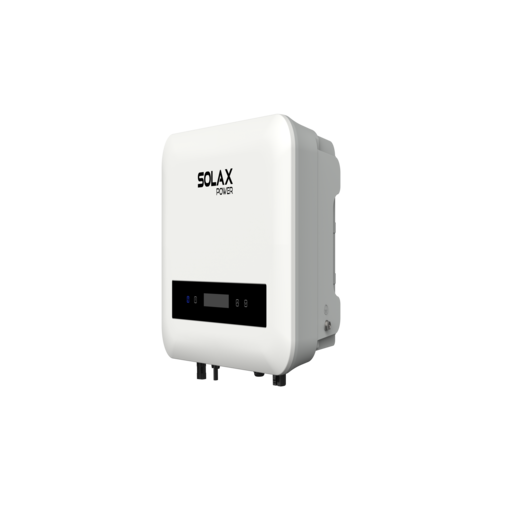
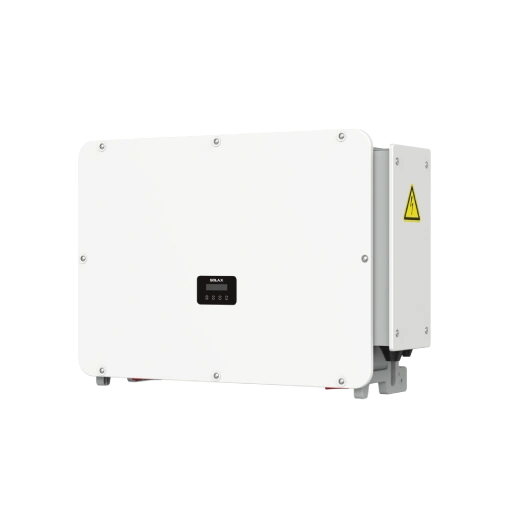
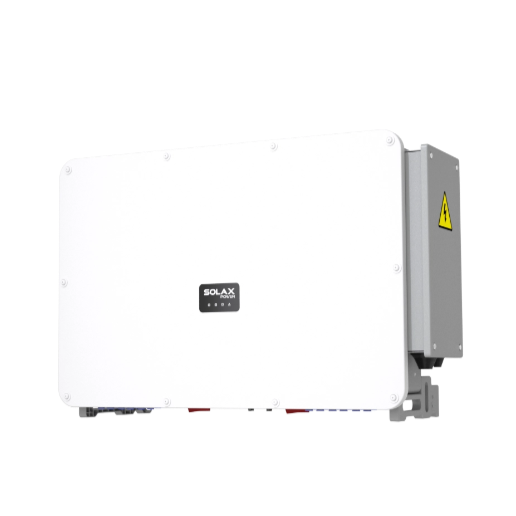
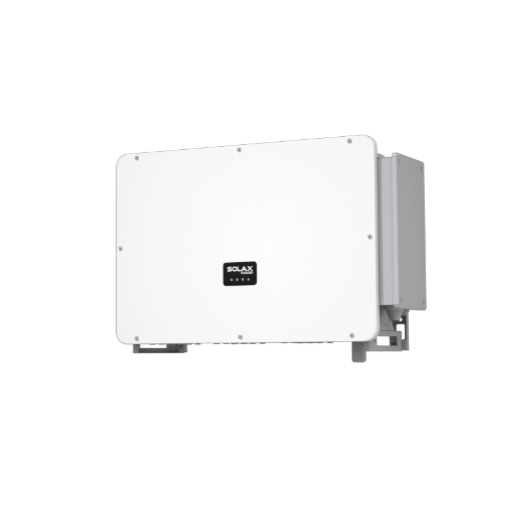
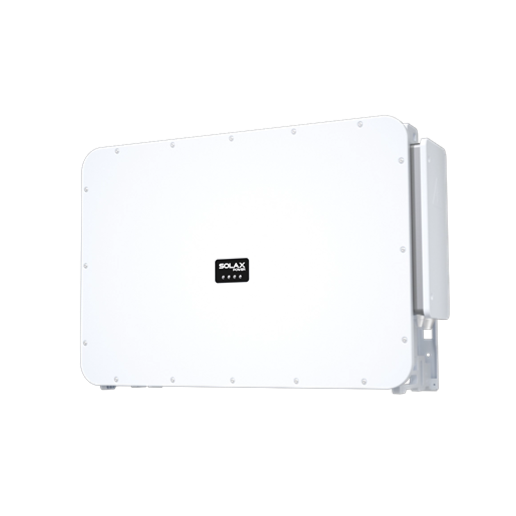
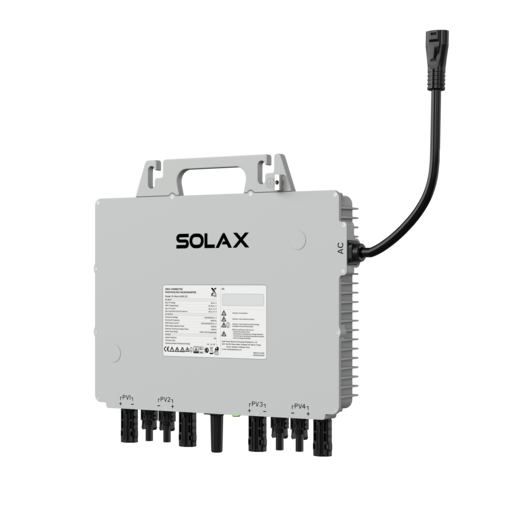
For PV-first projects, the SolaX C&I Products range includes the FORTH G3 three-phase string inverter, available from 80 kW to 125 kW. It supports up to 10 units in parallel without an external EMS, which can suit phased commercial solar power deployment.
Size Battery kWh and kW Separately
Set battery energy against a specific period you want to shift, such as surplus lunchtime solar energy into an evening restaurant peak. Use this early-stage calculation:
Target battery energy (kWh) = selected load (kW) × support time (hours)
Then examine the highest import intervals. Battery power must be sufficient to affect the relevant peak, particularly where cooling plant, lifts, kitchen equipment or EV chargers start together.
Match the hybrid inverter route to the measured load
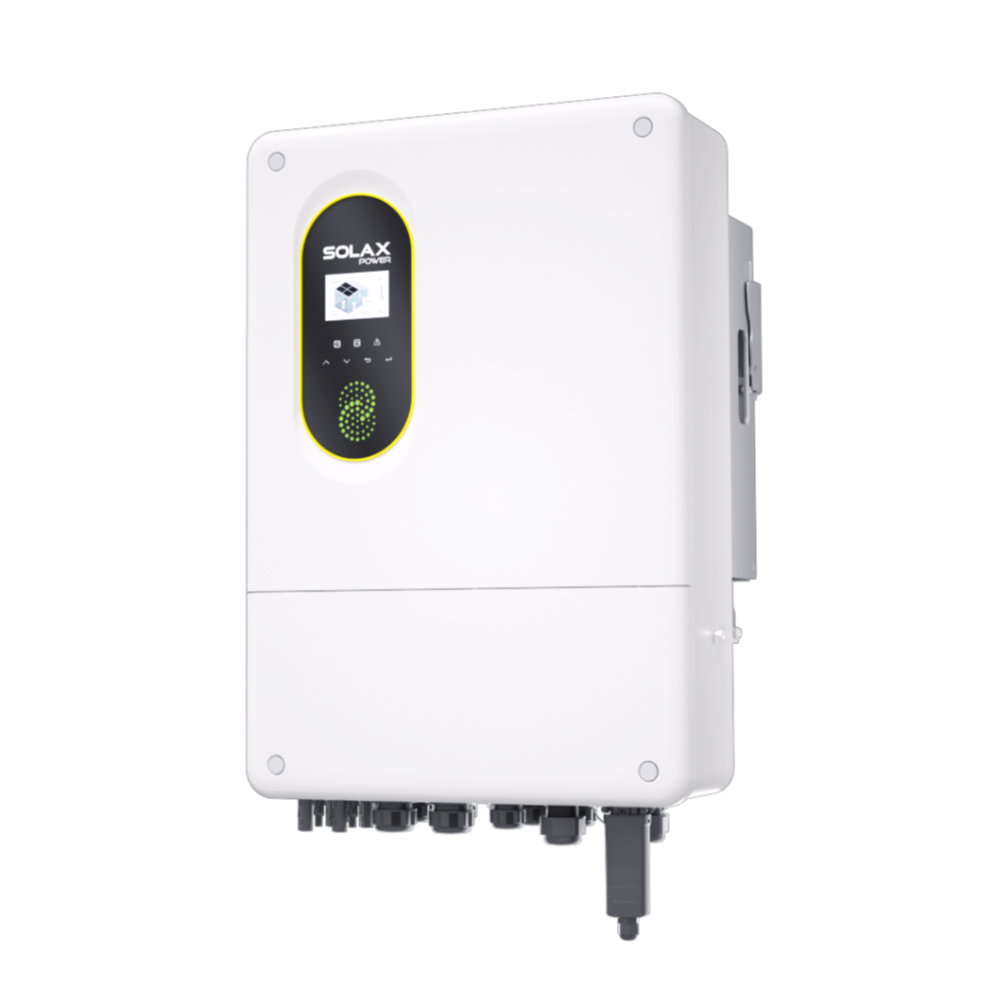
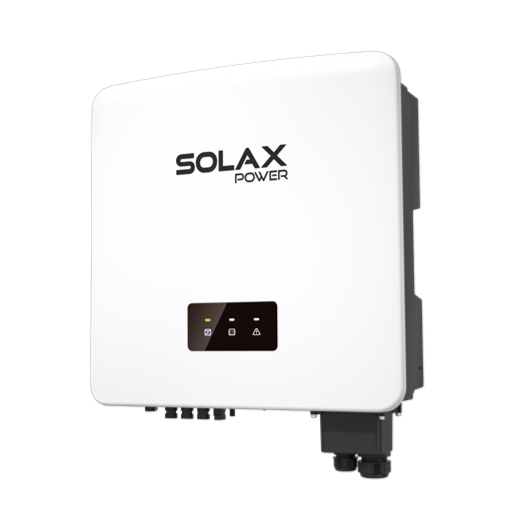
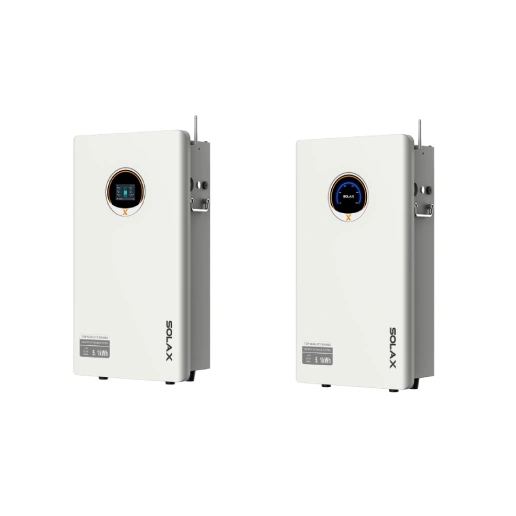
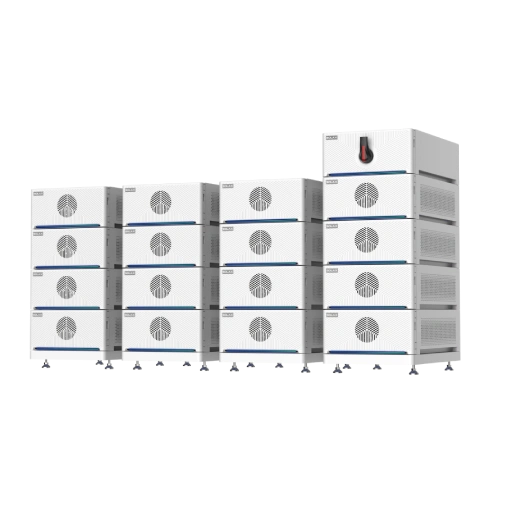
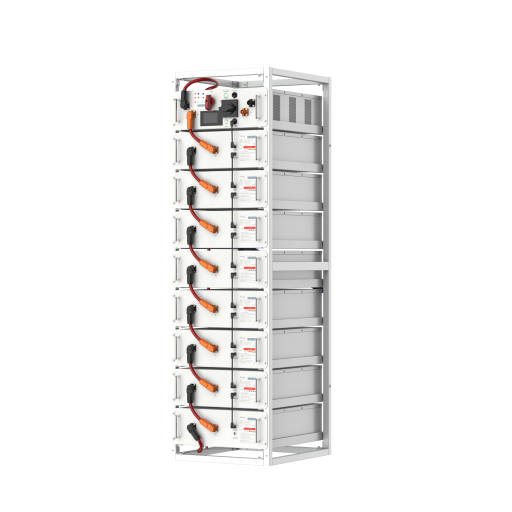
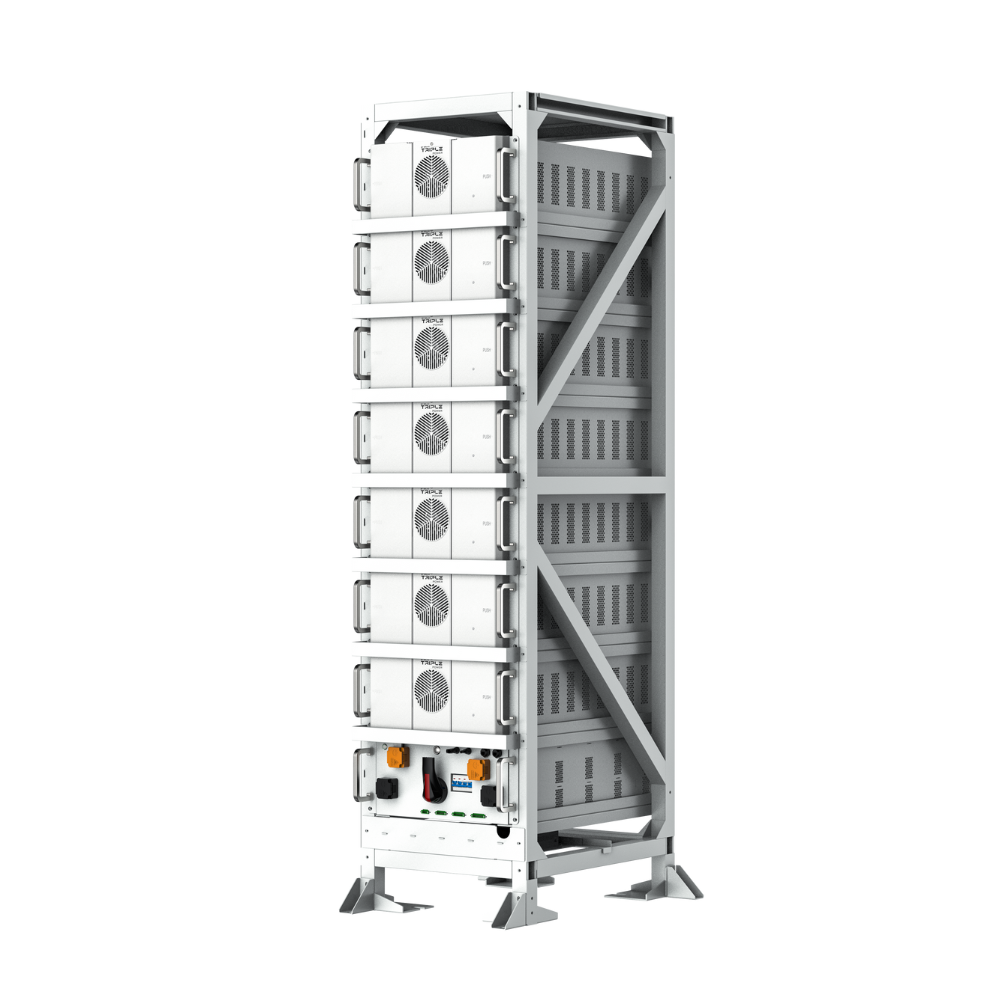
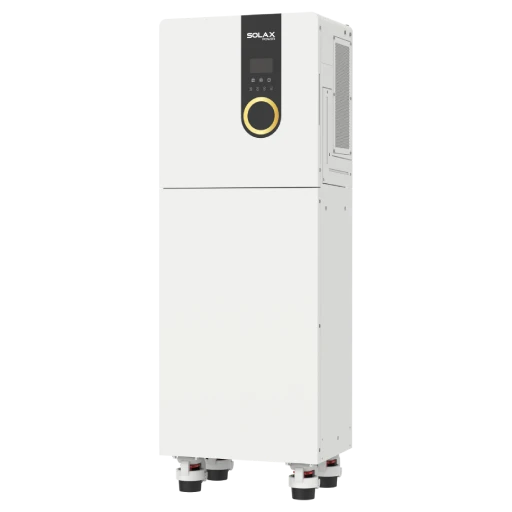
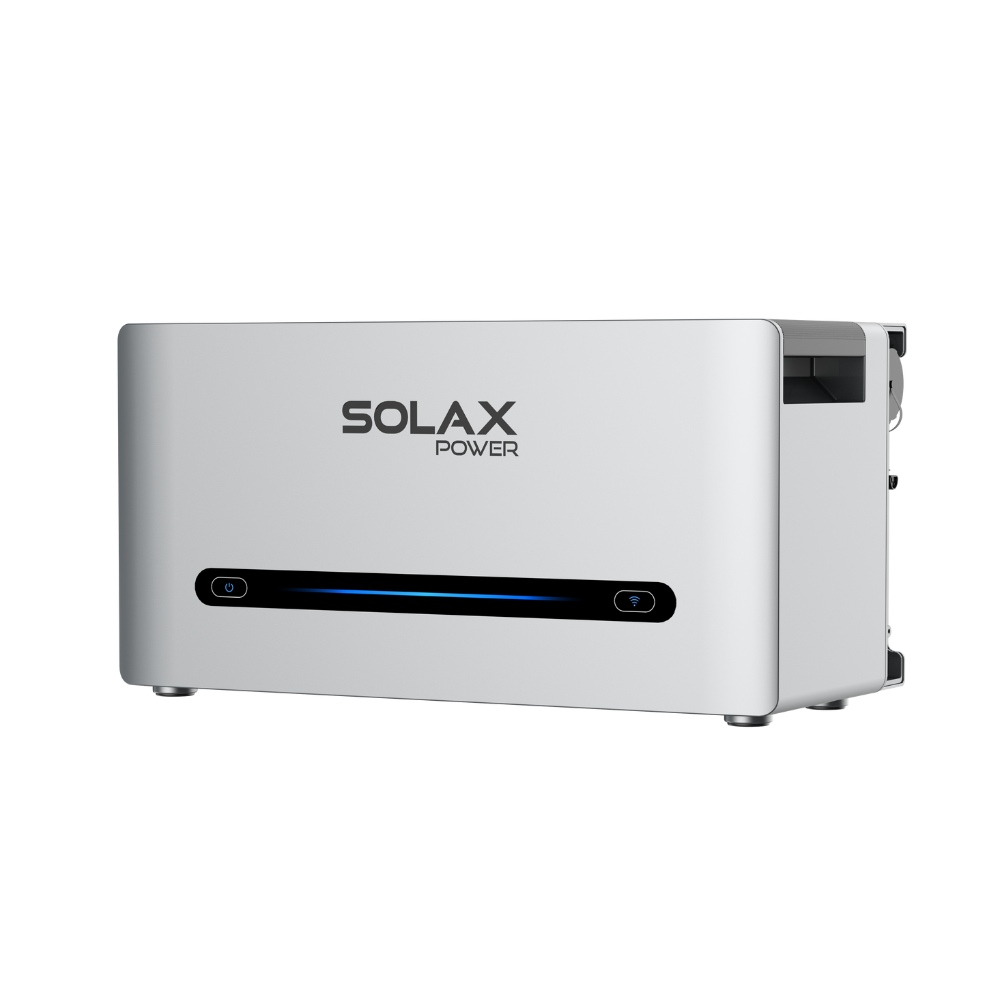
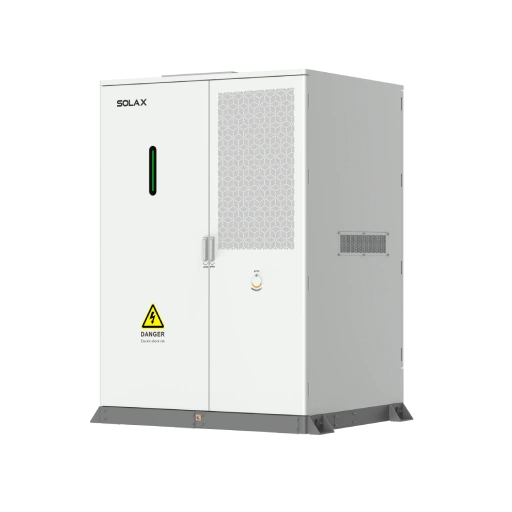
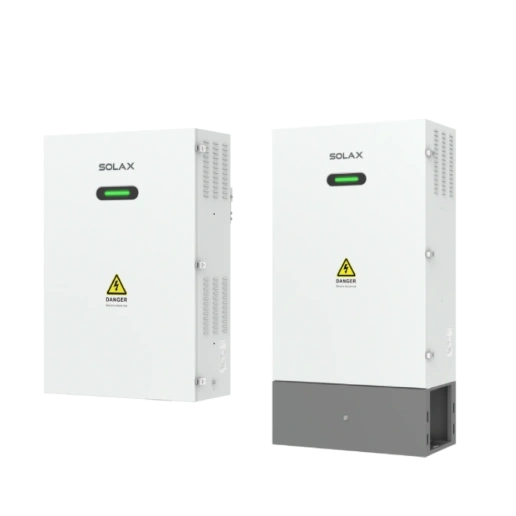
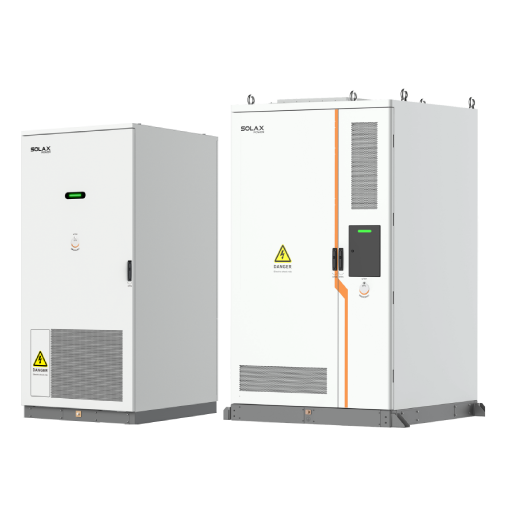
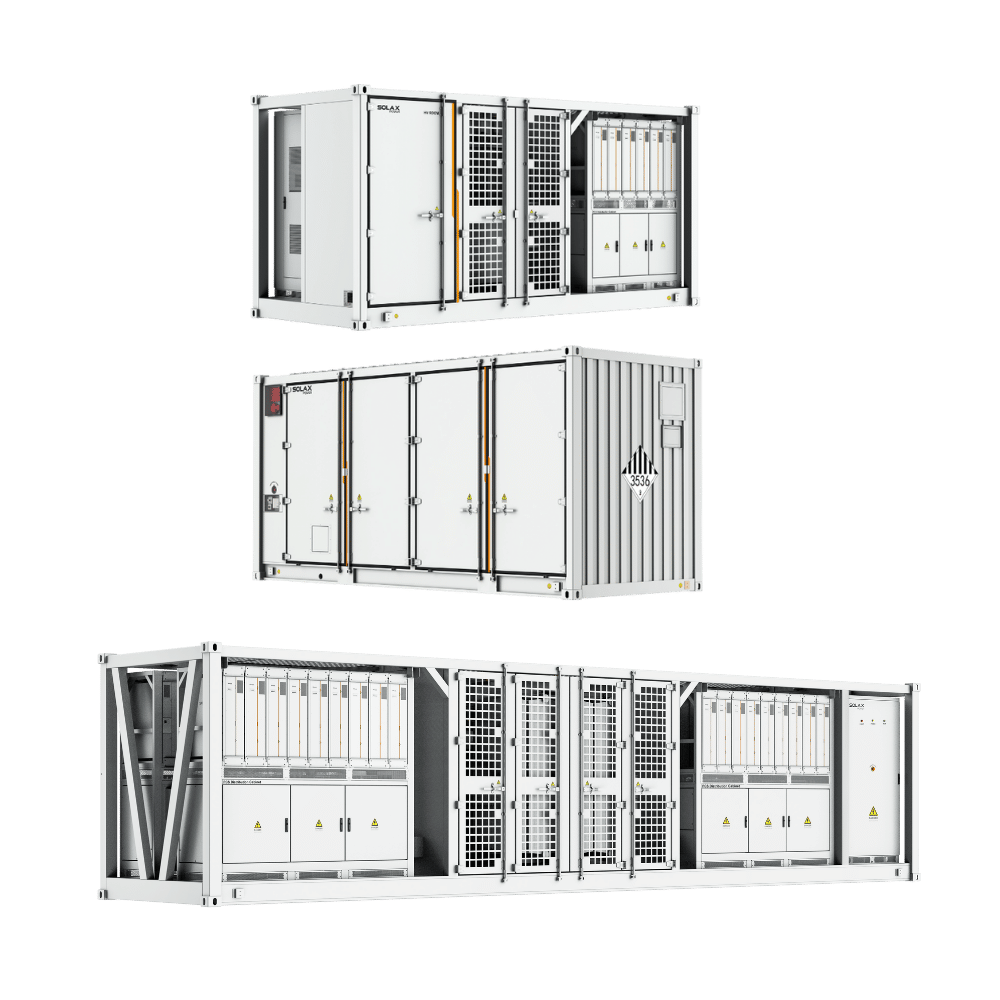
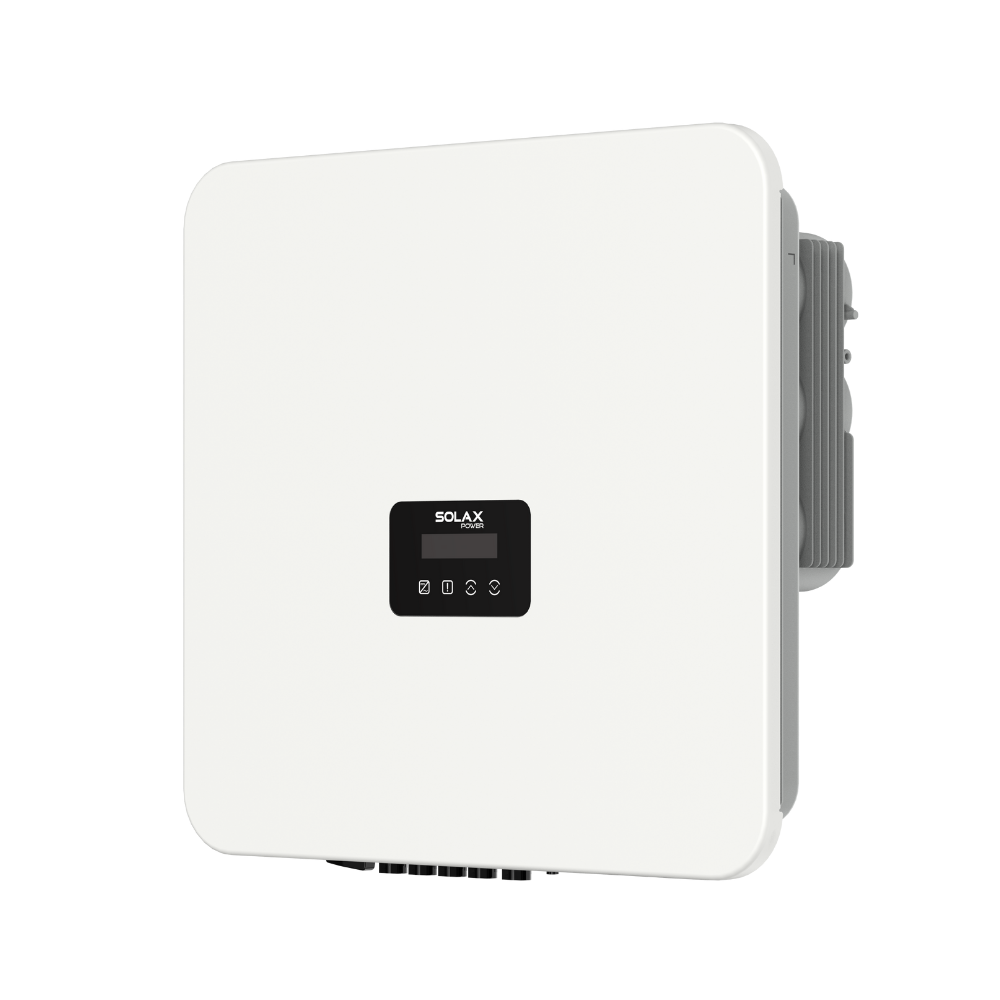
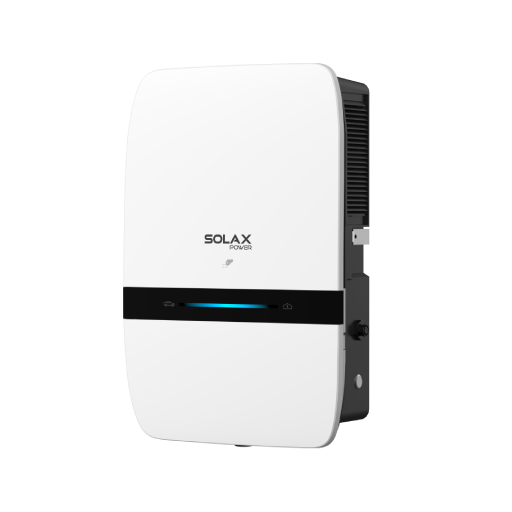
The Commercial Industrial Energy Storage Inverters range provides useful scale references. X3-ULTRA covers 15–30 kW, while X3-AELIO covers 36–61 kW; both are commercial hybrid inverter pathways that should be matched to recorded site demand. For larger modular ESS designs, X3-TRENE 125K is rated from 125–1,250 kW and pairs with HS160-PA batteries.
Programme Smart Energy Management Around Operations
A correctly sized solar energy system can still underperform if its dispatch rules ignore your tariff or trading hours. SolaX For C&I includes SolaXCloud functions such as Smart Schedule, Smart Scene and 24/7 TOU for monitoring and automated energy-use schedules.
Set practical control rules
Prioritise solar self-consumption during trading hours.
Charge from surplus PV or agreed lower-cost periods.
Reserve battery capacity for defined critical loads.
Use separate weekday, weekend and seasonal schedules.
Review peak imports and battery dispatch monthly.
Validate Safety, Network and Expansion Needs
Before procurement, have a qualified commercial installer check switchgear, roof loading, access, battery location, fire strategy, export conditions and maintenance access. The Health and Safety Executive states that battery energy storage operators and designers must manage relevant electrical, fire and explosion risks under UK health and safety law.
Problem | Likely cause | Fix |
High imports remain | Incorrect TOU schedule | Recheck tariff and peak intervals |
Battery empties early | Insufficient usable kWh | Reduce load or assess expansion |
Short peaks persist | Insufficient discharge kW | Review demand profile |
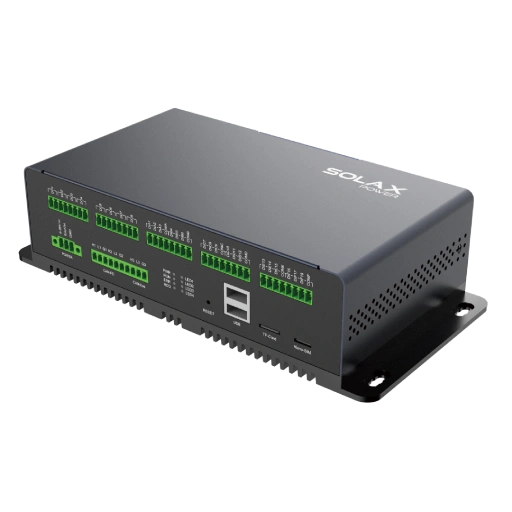
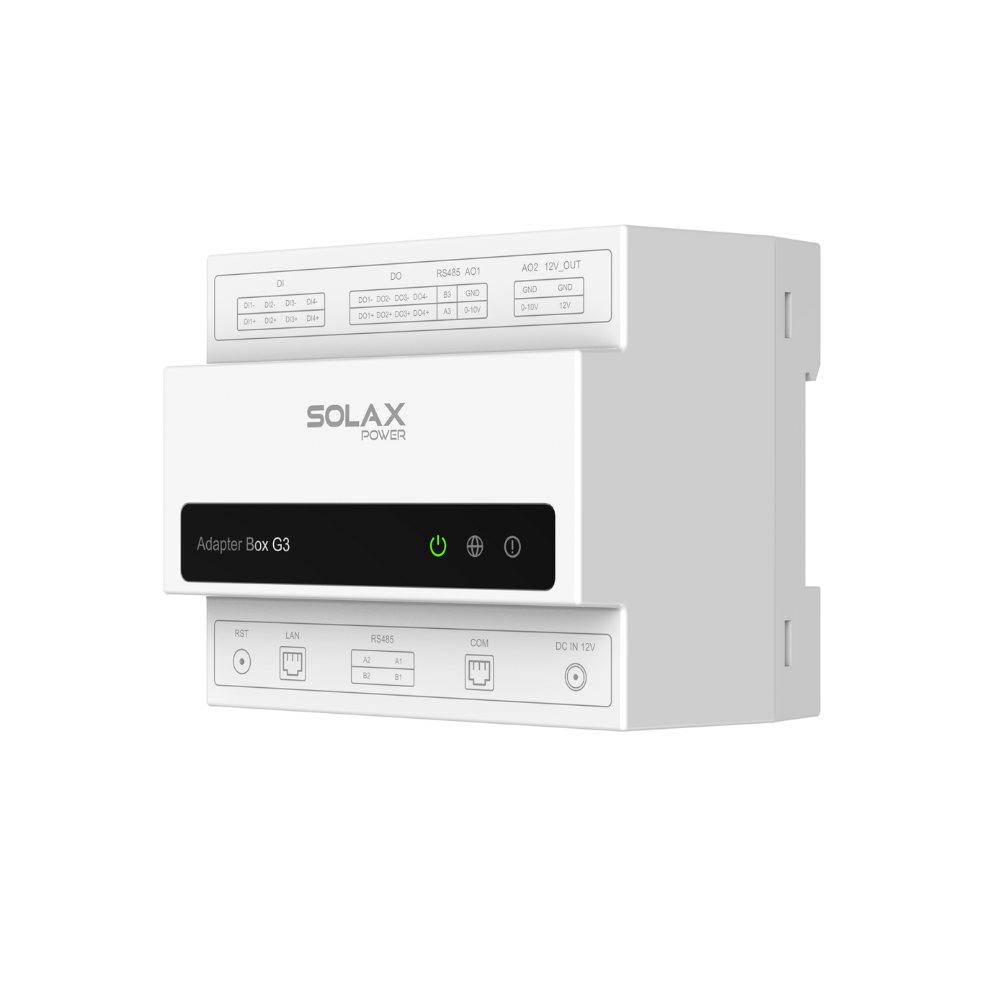
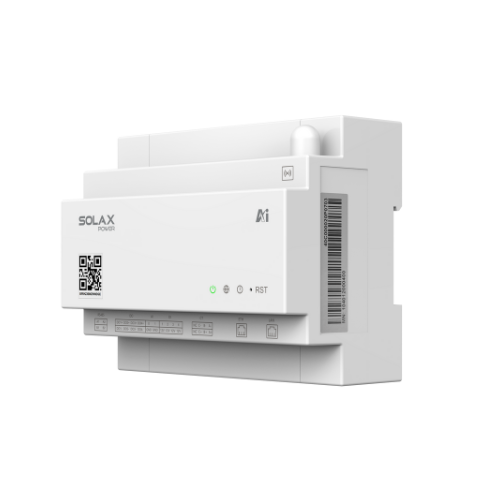
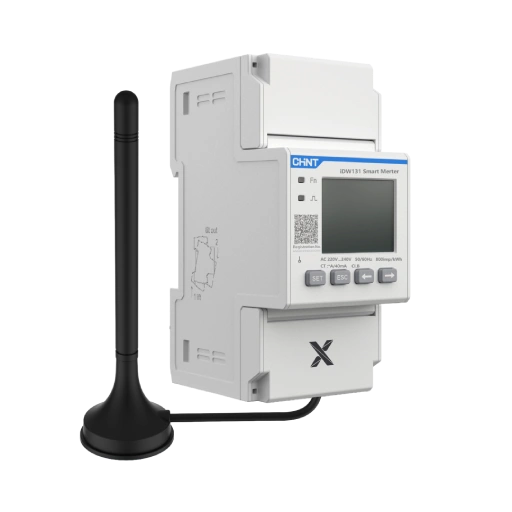
Missing monitoring data | Meter or gateway fault | Verify configuration and connectivity |
FAQ
Table of Contents
Latest News
Explore expert insights, practical guides, and the latest news on SolaX Power.


To the Latest Newsletter
Stay Ahead with the Latest SolaX Updates!
Subscribe
I have read and agree to Privacy Policy and User Terms