











November 10, 2026
Vietnam Pushes Rooftop Solar and Battery Storage as Power Security Takes Priority
Share my #SolaXStory


Vietnam is stepping up efforts to expand rooftop solar and battery storage, setting new deadlines for local authorities as the country works to meet rising electricity demand and ease pressure on its power system.
Under Government Office Dispatch No. 10790/VPCP-CN, issued on October 22, 2026, provinces and municipalities must introduce support policies for residential rooftop solar by the end of December. The measures are intended to strengthen electricity supply security between 2027 and 2030, particularly in northern Vietnam, where power supply constraints remain a concern.
The direction is clear, although much of the detail is still to come. Vietnam wants more electricity generated close to where it is consumed, with battery storage taking on a larger role in managing when that electricity is used.
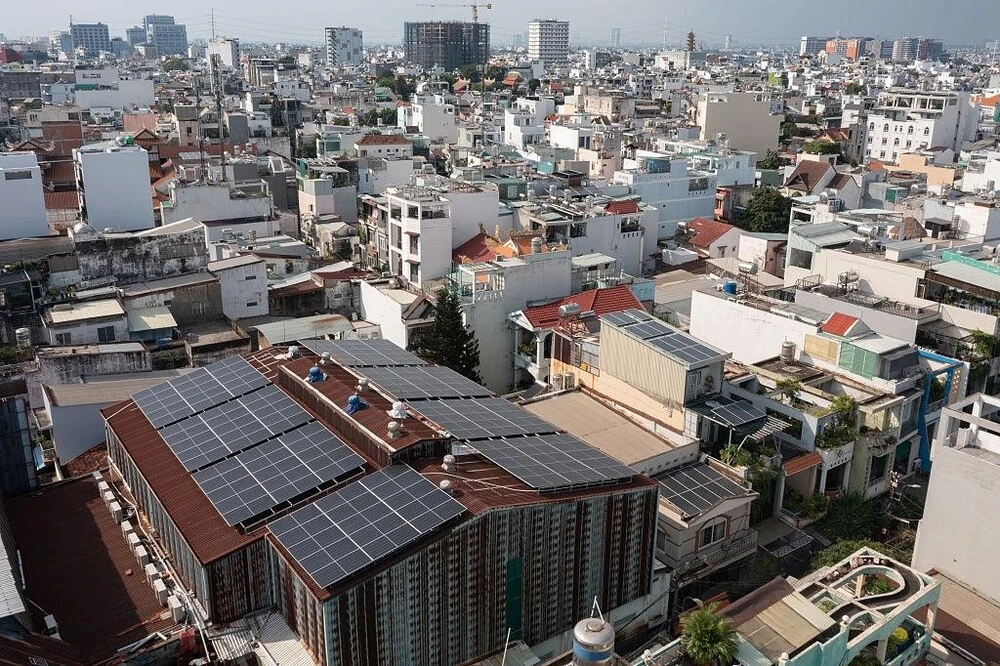
Rooftop Solar Gets a Policy Push, but Local Details Still Matter
The Ministry of Industry and Trade (MOIT) was instructed to propose rooftop solar installation targets and commissioning schedules for individual provinces and cities by October 30. Local authorities, meanwhile, have until the end of December to establish measures supporting households that install rooftop PV primarily for self-consumption.
Importantly, the government has not announced a uniform national subsidy. Under Article 22 of Vietnam's Electricity Law, provinces are expected to develop their own support arrangements, leaving the form and value of incentives to be decided locally.
For homeowners and installers, this means investment conditions may vary considerably between provinces. Local incentives, electricity tariffs and grid connection requirements will all influence the economics of a residential rooftop solar installation.
Implementation is another challenge.
By September 2026, only Bac Ninh and Lai Chau had introduced the required household support policies, according to MOIT. That is just two of Vietnam's 34 provinces and municipalities.
Nevertheless, Vietnam already has a substantial rooftop solar market. Figures from Vietnam Electricity (EVN) show that the country had 134,410 rooftop solar installations by the end of August 2026, representing more than 11.45 GW of capacity.
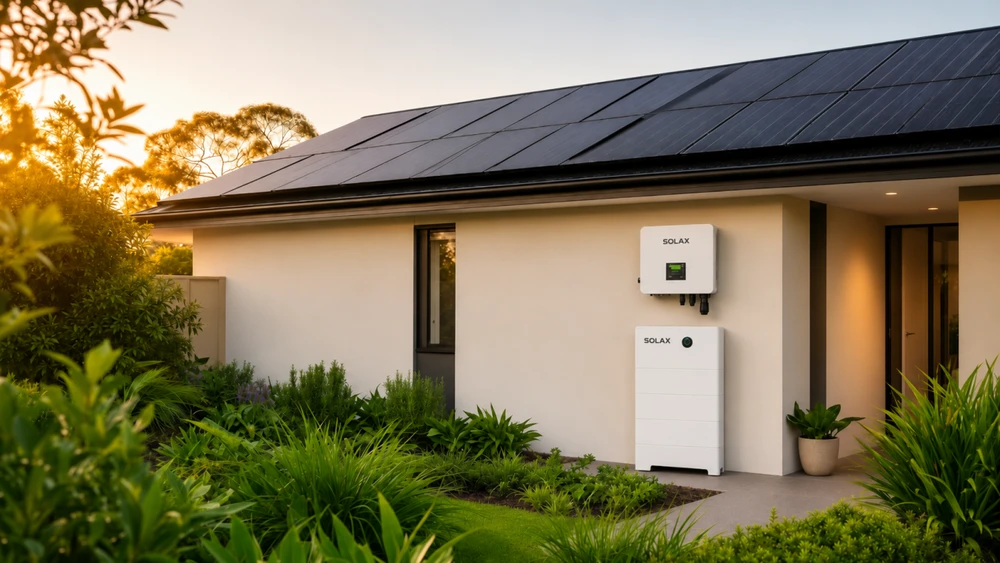
The question now is how quickly the new policy deadlines will translate into additional rooftop solar installations in Vietnam, particularly where grid capacity and investment costs remain obstacles.
More Flexibility for Surplus Solar Electricity
Changes to Vietnam's surplus electricity regulations could also affect the economics of rooftop solar.
Decree No. 243/2026/ND-CP, which took effect on June 26, raised the standard limit for selling eligible surplus rooftop solar electricity from 20% to 50% of eligible generation. Higher proportions may be negotiated under specified conditions, subject to local grid capacity and operating requirements.
The decree also allows eligible surplus electricity discharged from batteries charged by rooftop solar systems to be sold to the grid.
This matters because solar generation and electricity consumption rarely follow the same pattern.
A household may generate more electricity than it needs around midday, then consume considerably more in the evening when solar production has stopped. Without battery storage, surplus electricity must either be exported, where permitted, or go unused.
A battery allows some of that electricity to be stored and consumed later, reducing the need to purchase power from the grid.
The revised rules may improve the financial case for solar-plus-storage systems, although actual returns will depend on local electricity tariffs, export arrangements and installation costs.
More importantly, they acknowledge that stored solar electricity can contribute to the wider power system rather than serving only individual consumers.
Why Battery Energy Storage Systems (BESS) Is Moving Up the Agenda
There is a practical reason behind Vietnam's growing interest in energy storage.
Solar panels produce electricity when sunlight is available, not necessarily when electricity demand is highest. Adding more rooftop capacity can help meet daytime consumption, but it does not automatically address evening demand or local grid constraints.
Battery energy storage systems (BESS) can help bridge that gap.
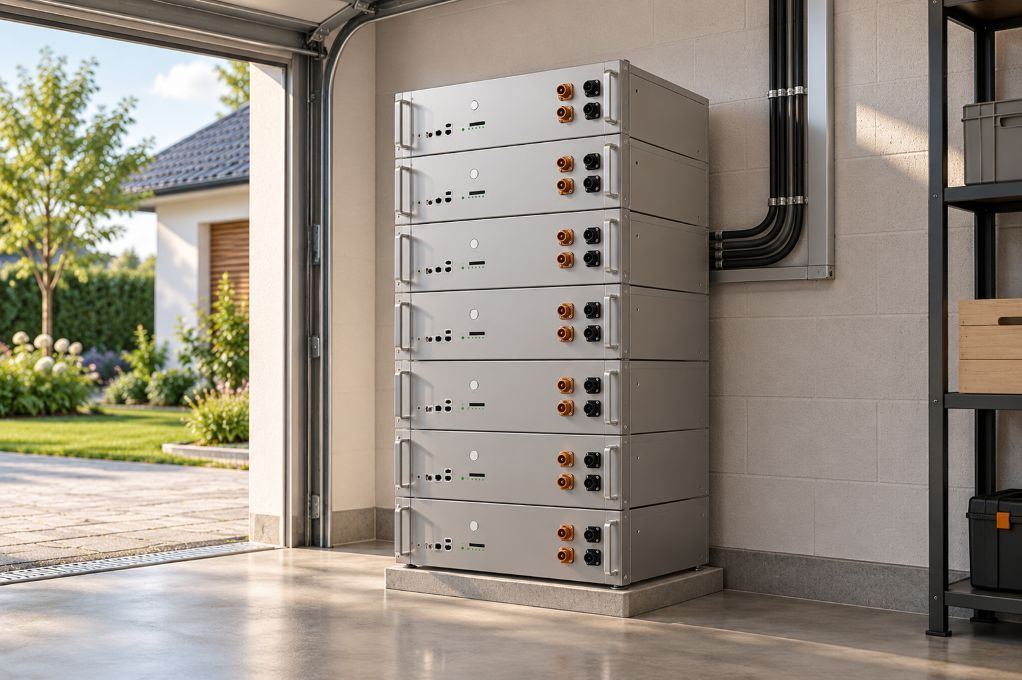
By storing excess solar electricity and releasing it later, batteries allow homes and businesses to make more effective use of their solar generation. Depending on system configuration, they can also reduce peak grid imports and provide backup electricity during outages.
These capabilities are particularly relevant in northern Vietnam, where industrial development and electricity supply pressures have increased the importance of reliable power.
The government has therefore instructed MOIT, working with other relevant ministries, to develop policies and guidance supporting faster BESS deployment by December 2026.
Industrial parks and industrial clusters have been identified as priority areas for rooftop solar paired with battery storage.
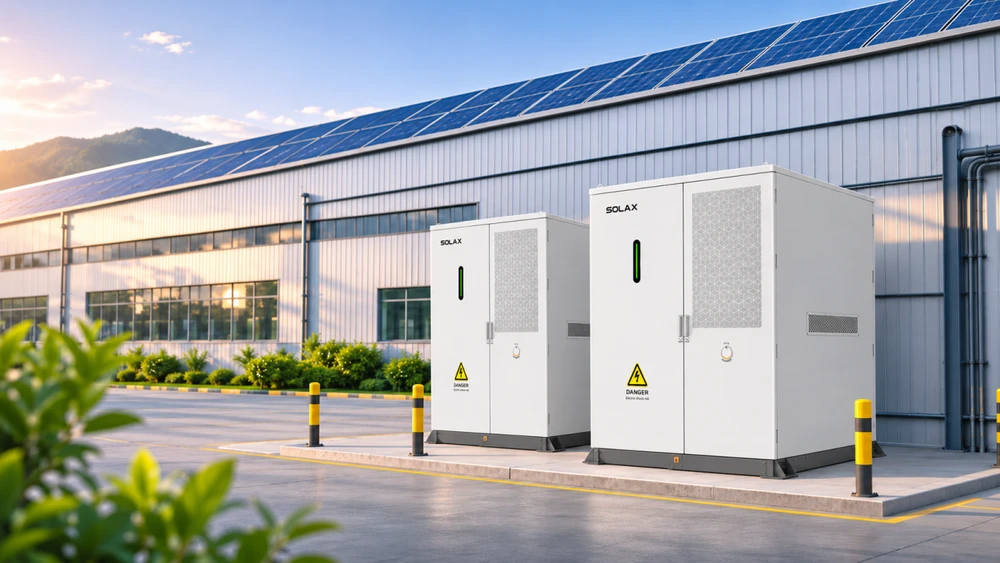
For factories and commercial facilities, the benefits extend beyond renewable electricity consumption. Commercial and industrial energy storage systems can help manage demand fluctuations, reduce exposure to certain peak electricity charges and support critical operations during power interruptions.
Still, batteries are not a universal solution. Their value depends on electricity consumption patterns, system sizing, operating strategy and local tariffs.
A poorly matched energy storage system may add cost without delivering the expected savings. This makes intelligent energy management increasingly important as Vietnam expands distributed solar deployment.
How SolaX Energy Storage Solutions Fit Vietnam's Changing Energy Landscape
As Vietnam moves to encourage rooftop solar self-consumption and battery storage, attention is likely to shift from simply installing solar panels to making better use of the electricity they produce.
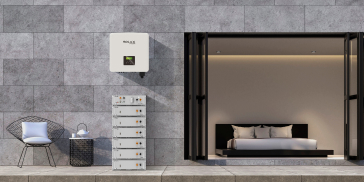
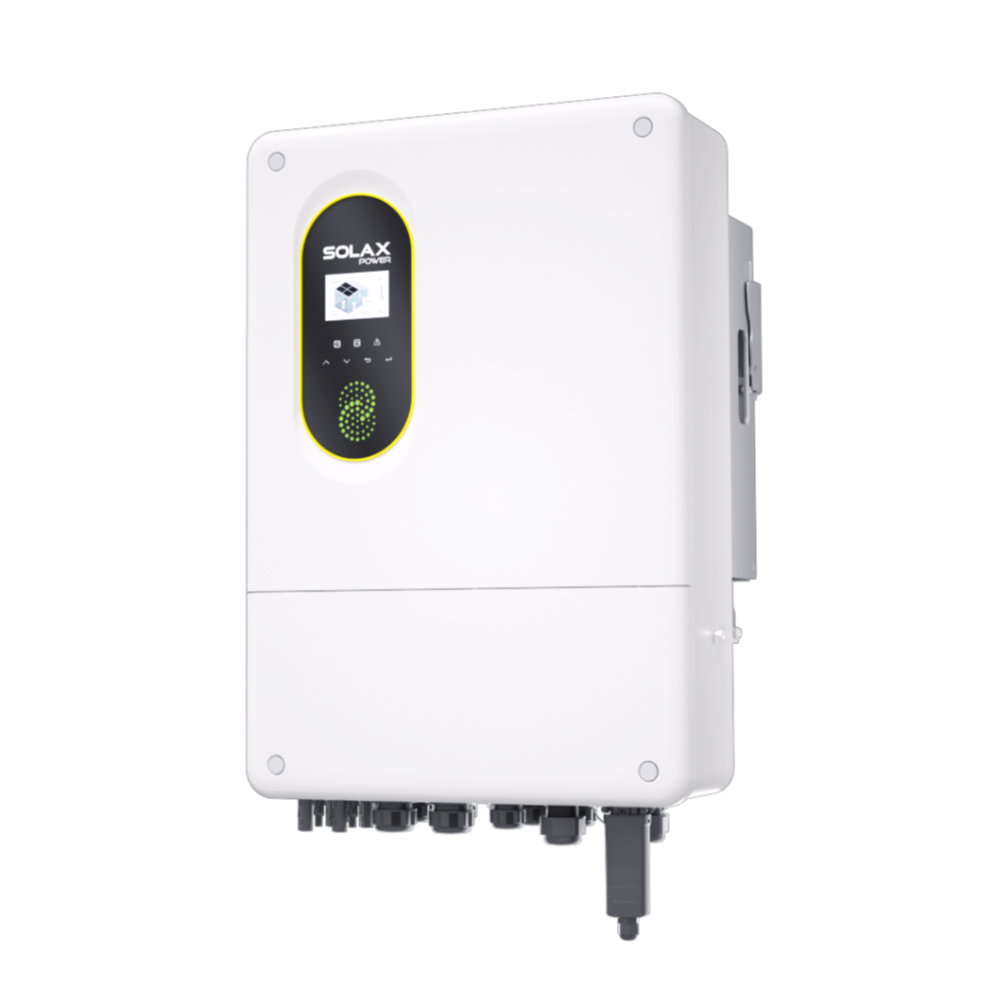
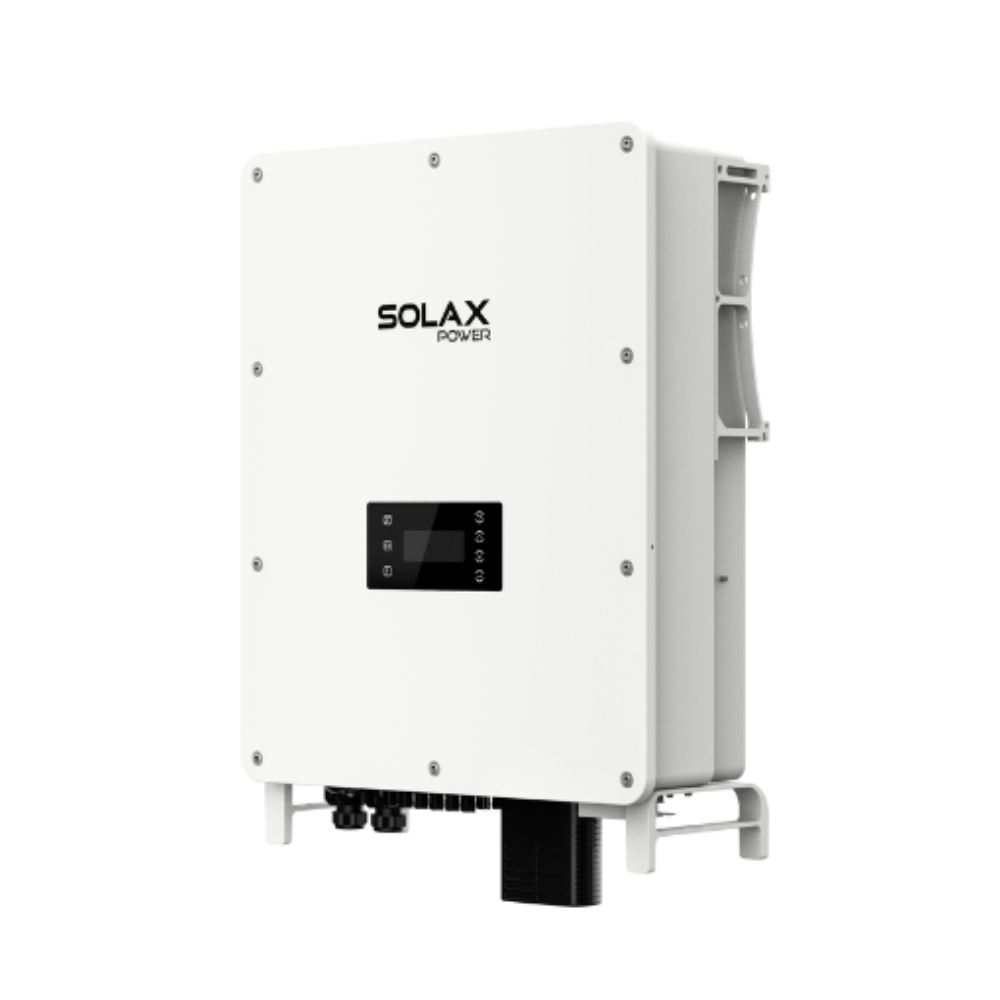
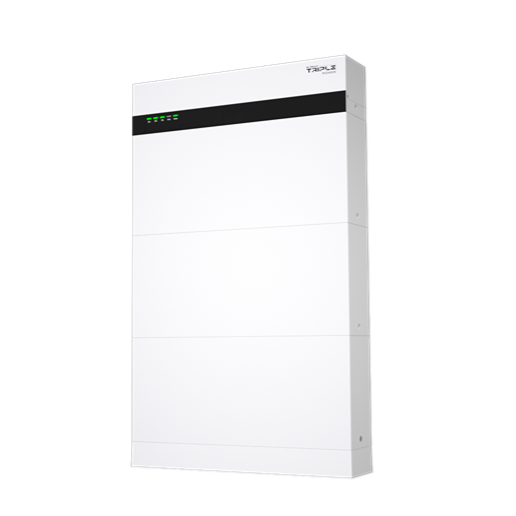
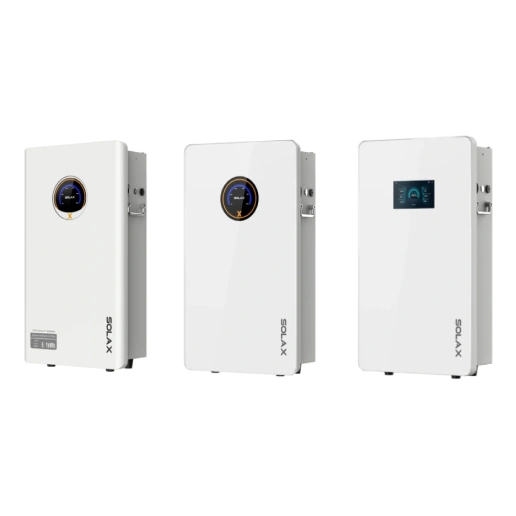
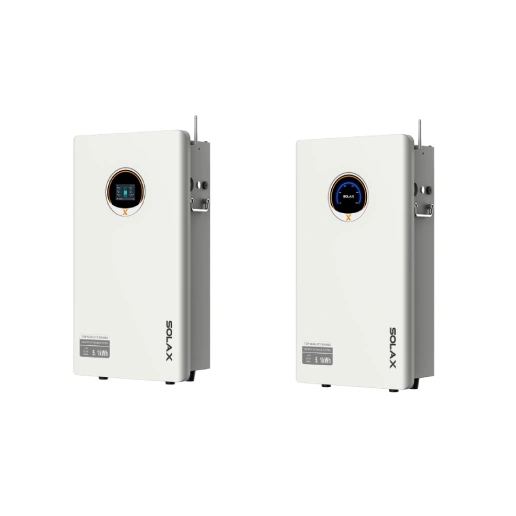
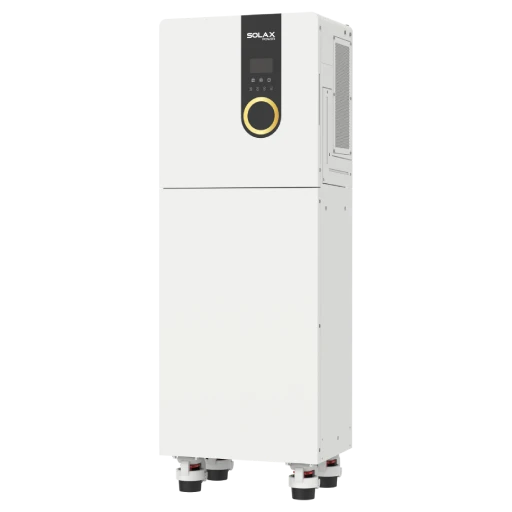
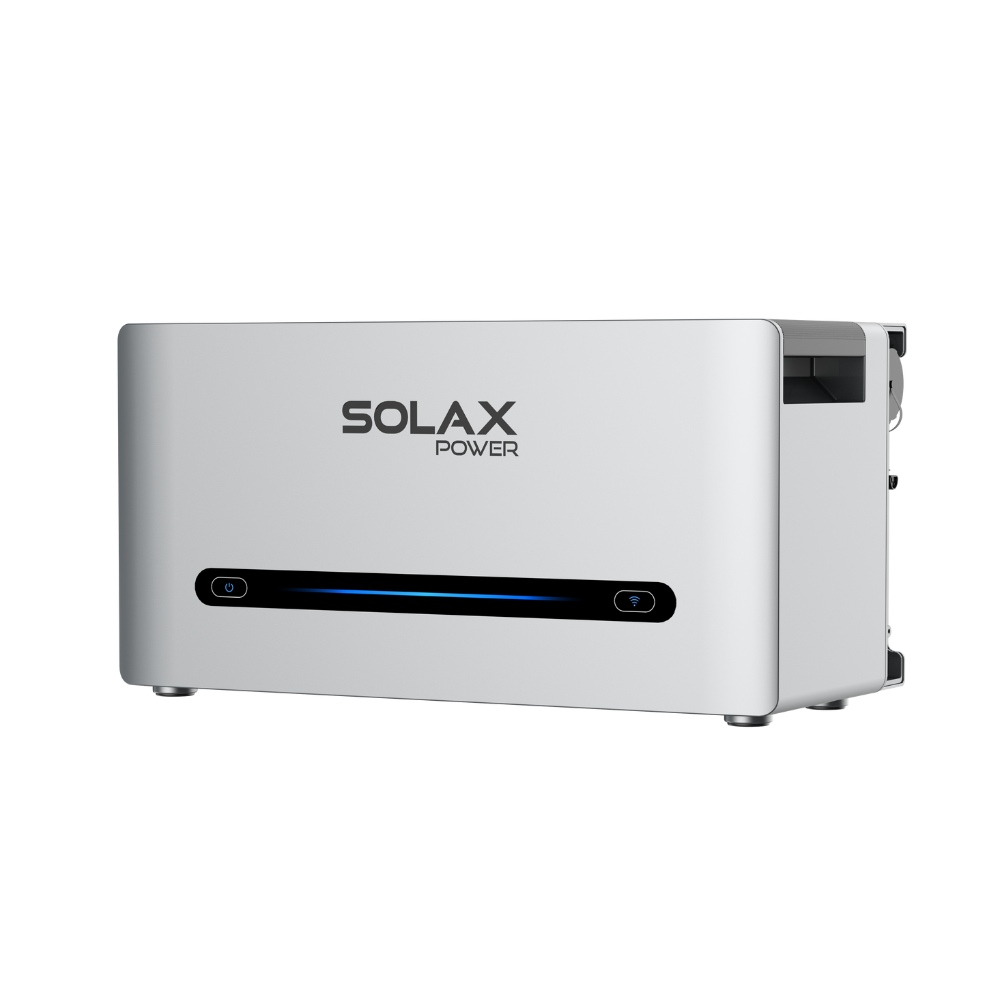
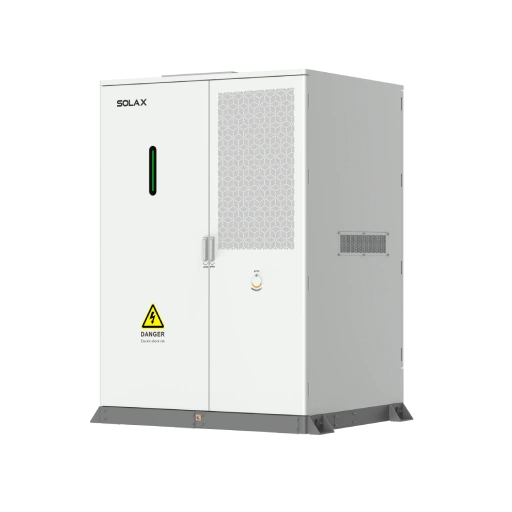
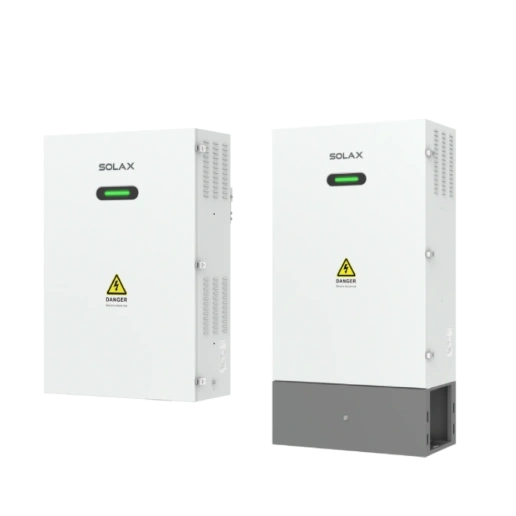
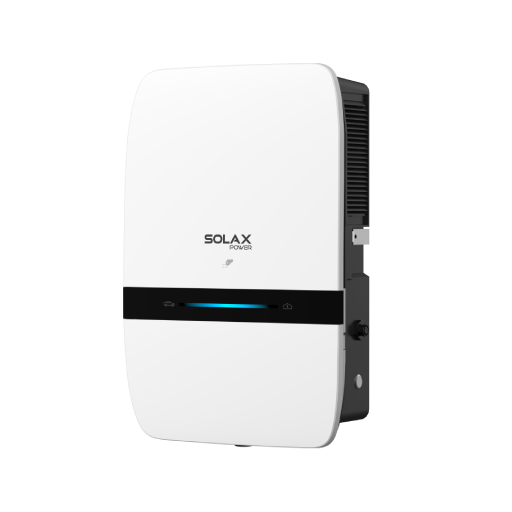
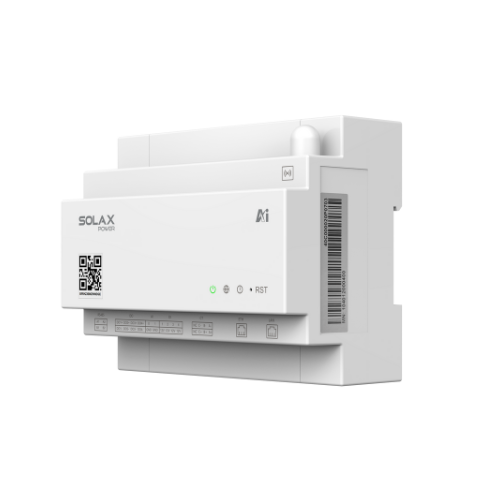
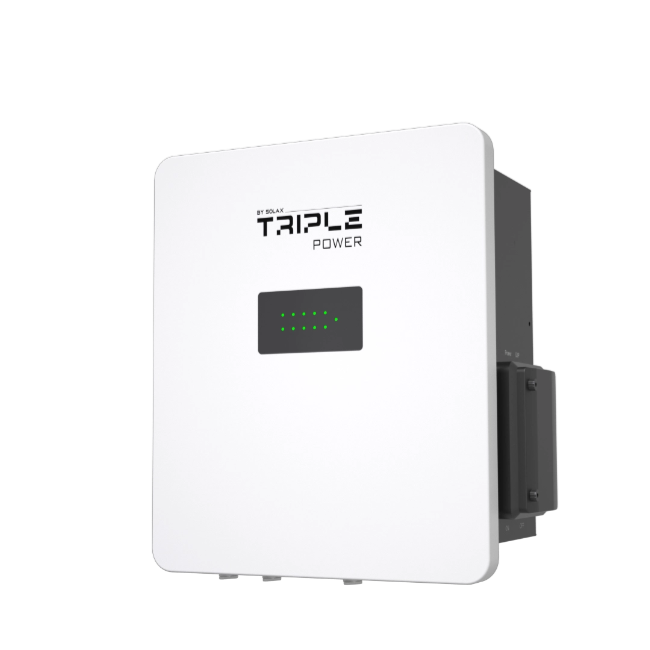
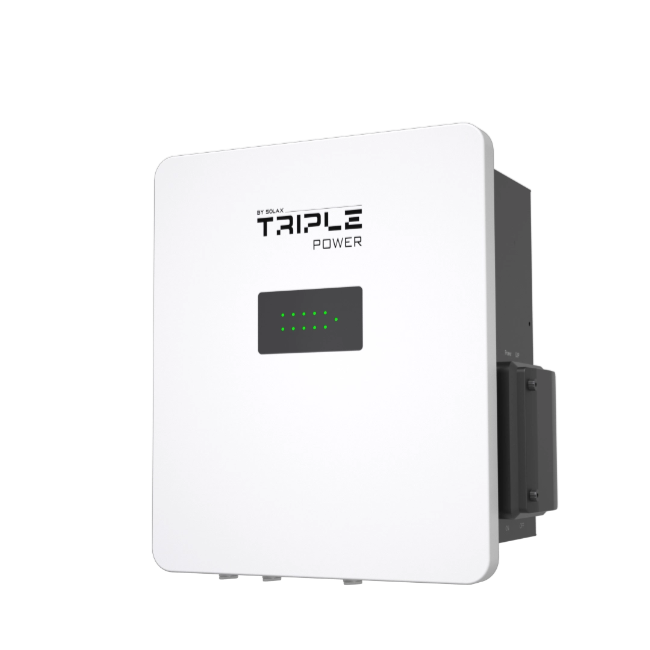
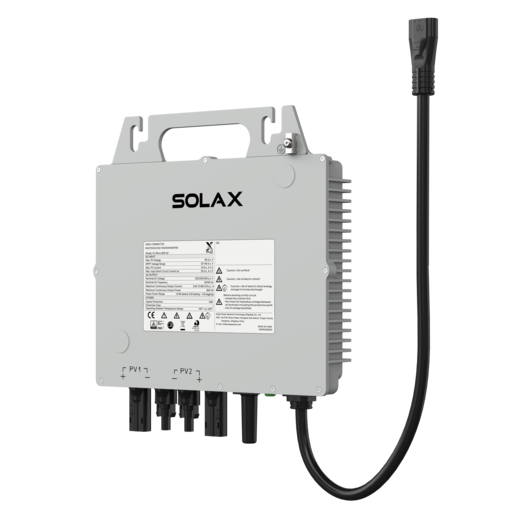
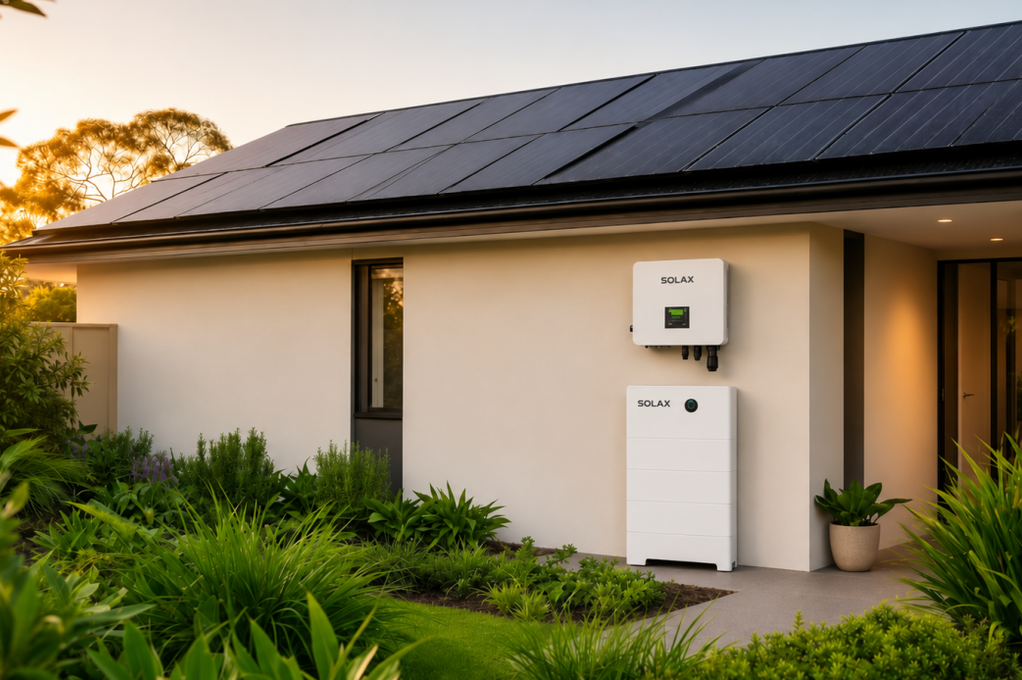
For households, this means storing surplus daytime generation for use in the evening rather than relying entirely on the grid. SolaX residential energy storage solutions support this approach by integrating solar generation, battery storage and intelligent energy management, helping homeowners increase self-consumption and access backup power when appropriately configured.
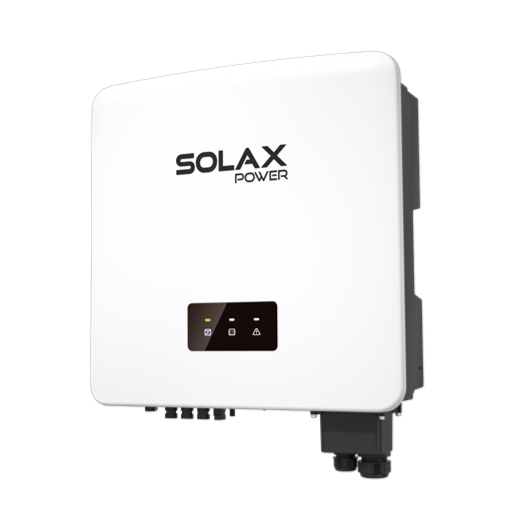
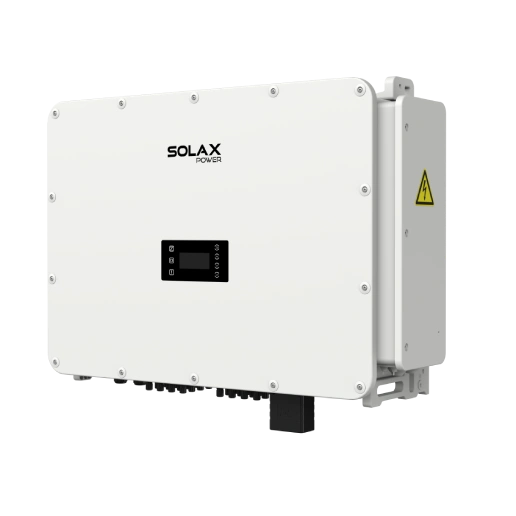
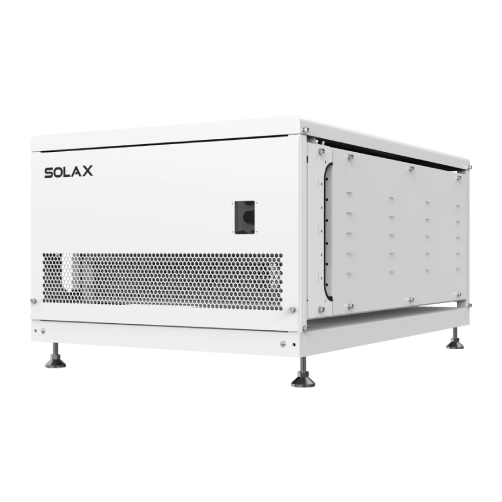
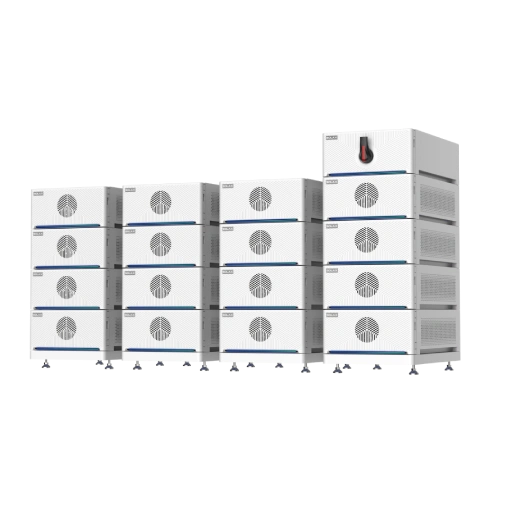
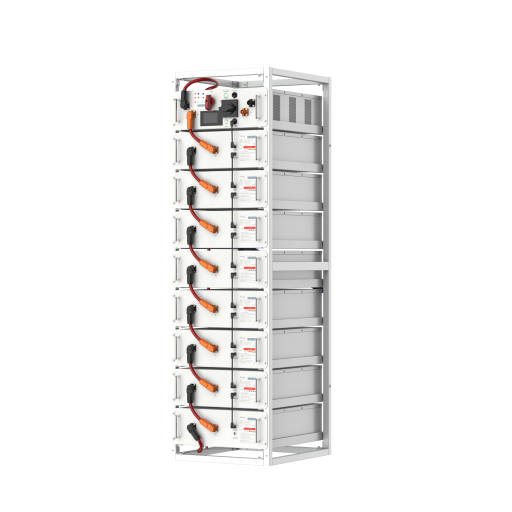
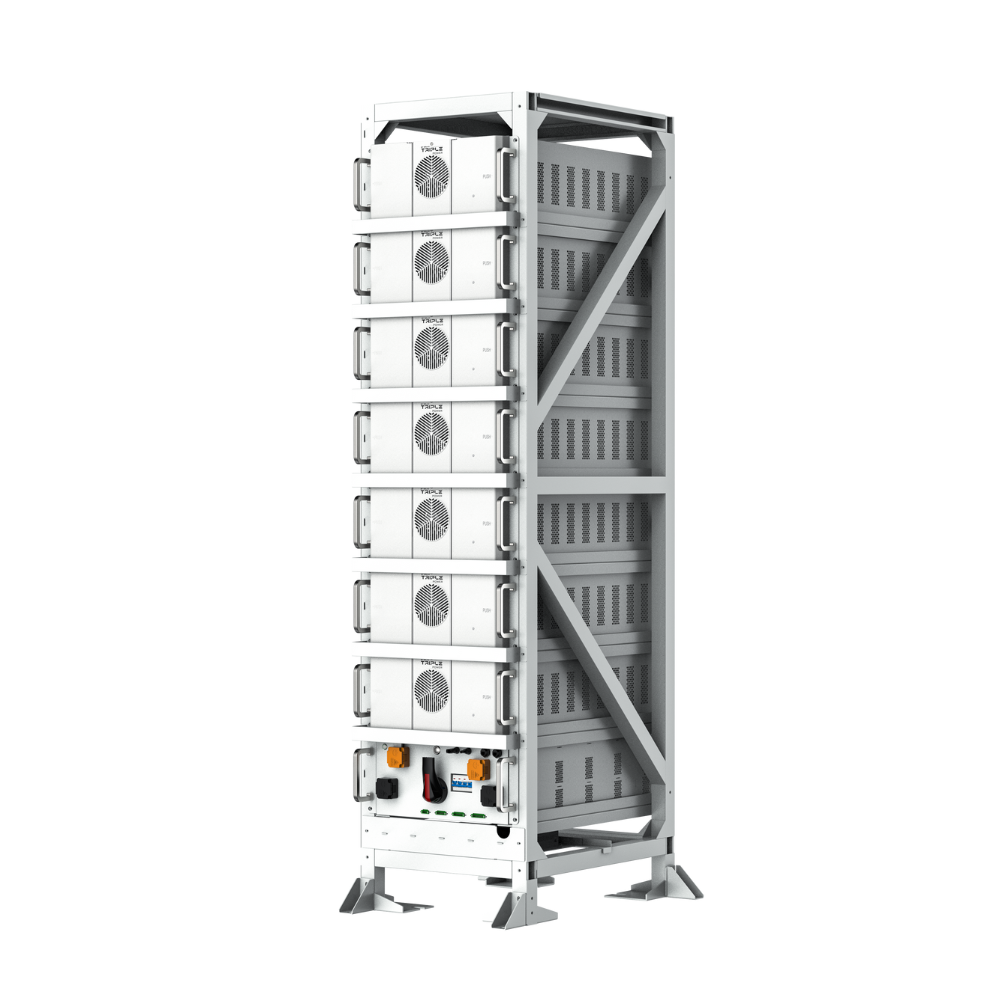
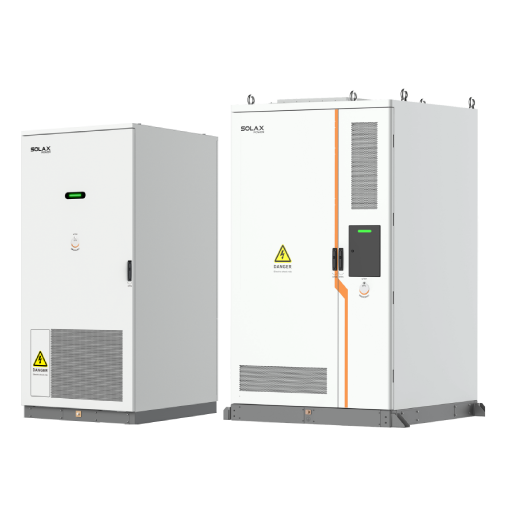
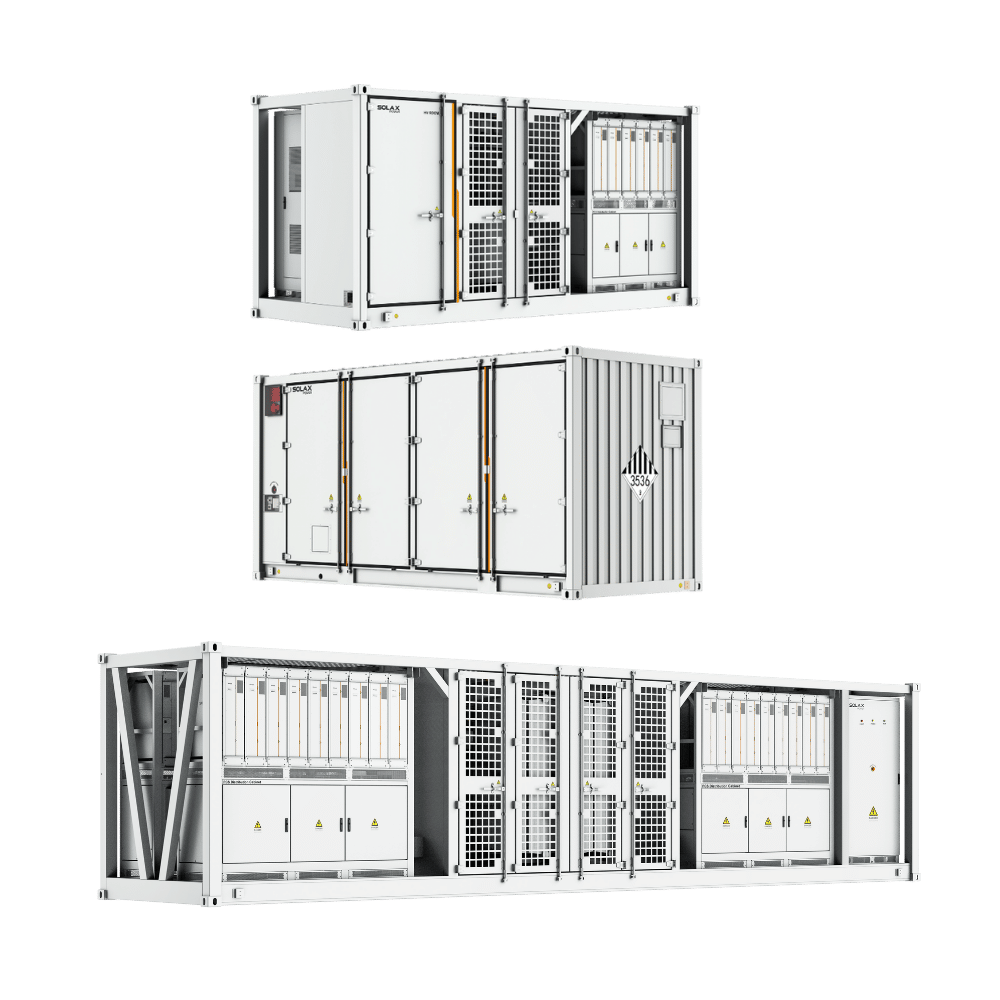
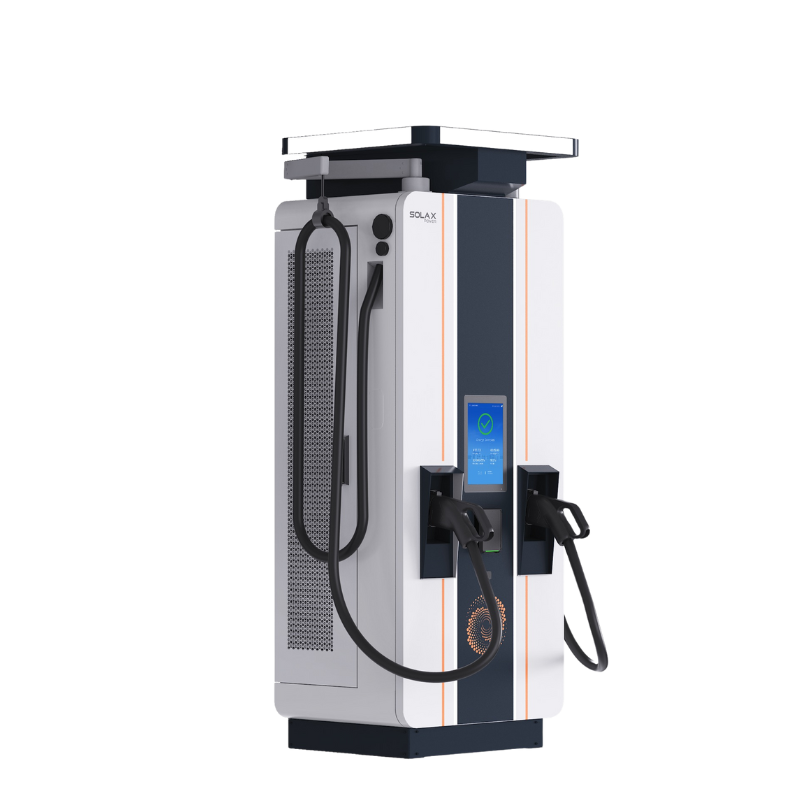
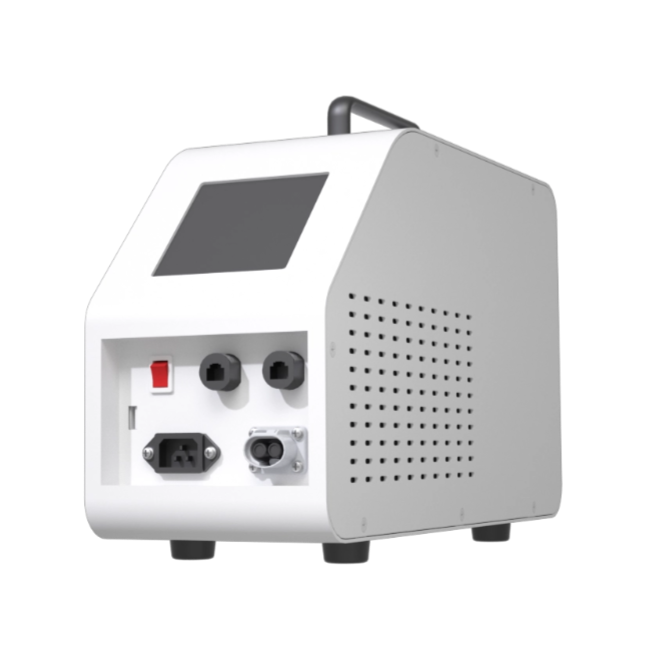
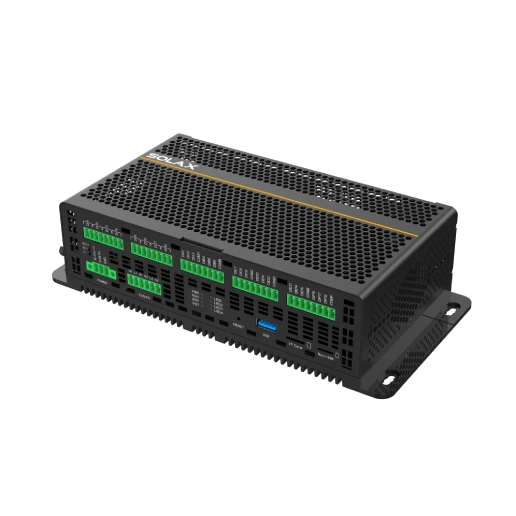
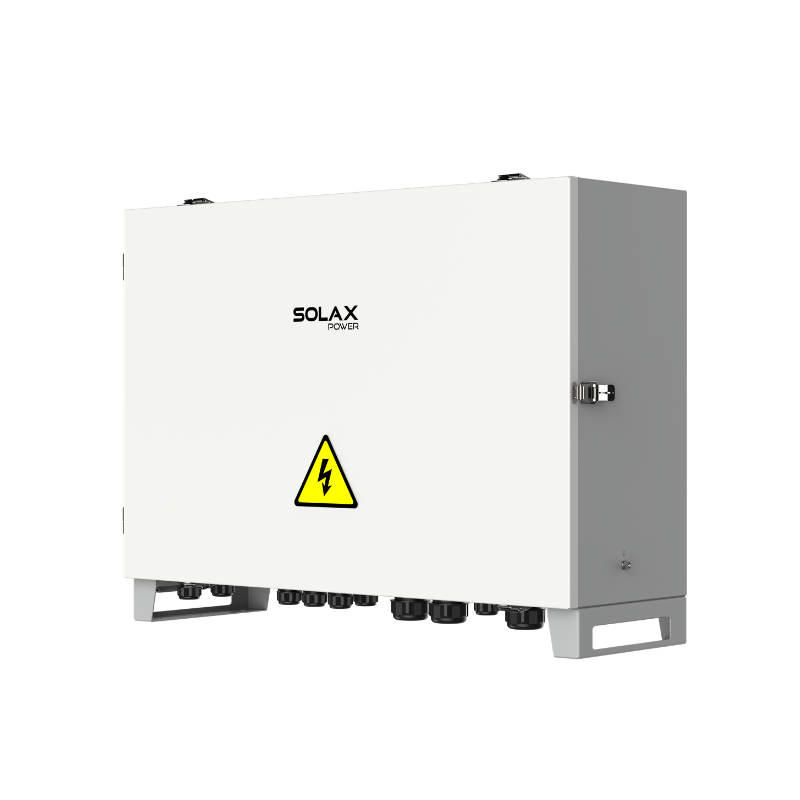
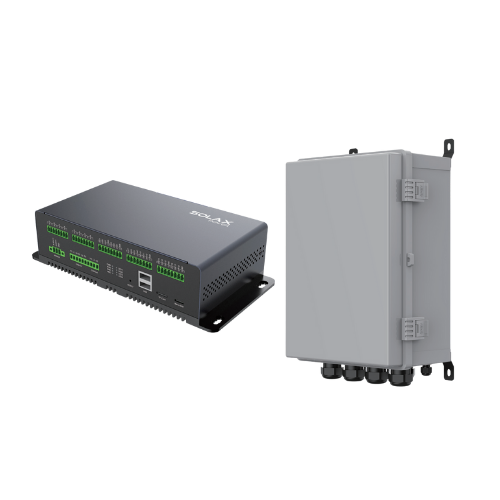
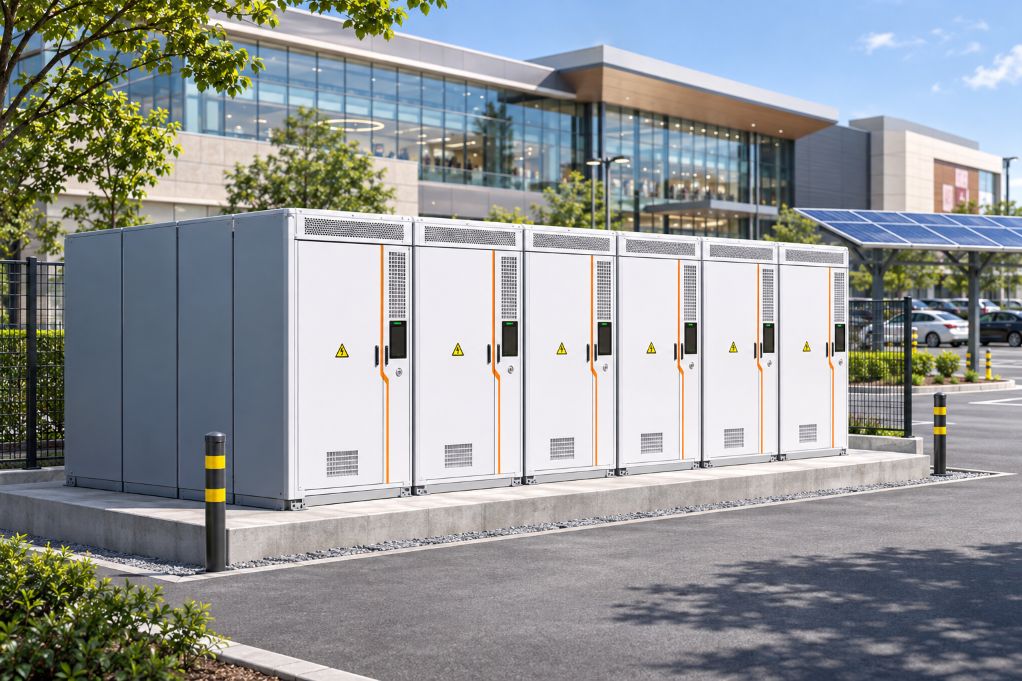
The same principle applies to businesses, although their needs are often more complex. For industrial parks and commercial facilities facing fluctuating demand or supply constraints, SolaX commercial and industrial energy storage solutions can help manage peak demand, make better use of on-site solar generation and improve power supply resilience.
As local rooftop solar policies take shape, solutions that respond to actual electricity consumption patterns may prove more valuable than simply adding generation capacity.
Beyond Installed Capacity: What Comes Next for Vietnam's Solar Energy Market?
Vietnam's latest policy direction reflects a challenge that is becoming familiar across solar markets: installing more generation capacity does not necessarily mean electricity will be available when it is needed.
For years, rooftop solar growth has largely been measured in installed megawatts. That figure remains important, but it says relatively little about how effectively the electricity is used.
As distributed solar expands, the timing of generation, local network limitations and the ability to shift consumption matter increasingly.
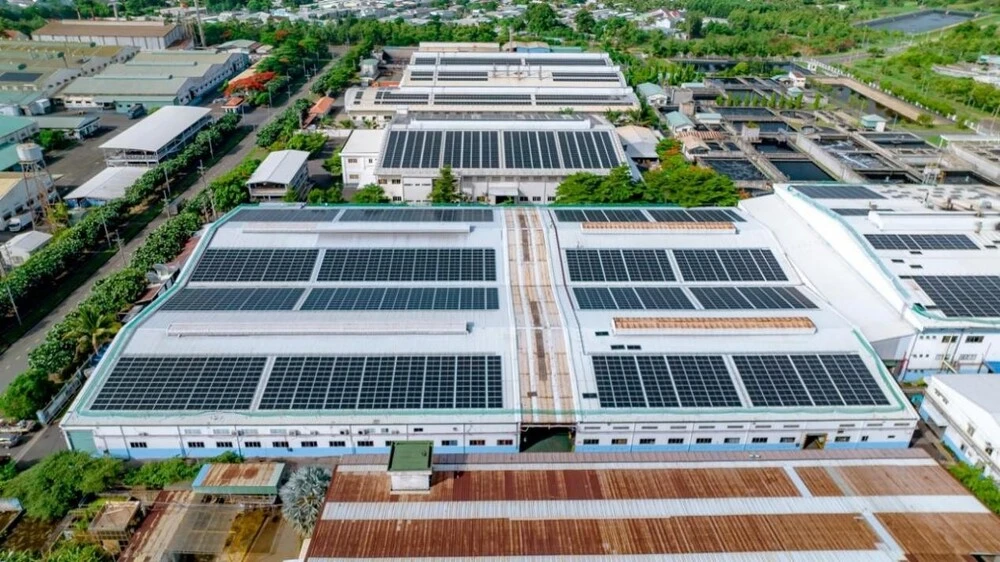
Energy storage can help connect periods of abundant solar generation with periods of higher demand. But technology alone will not solve the problem. Local regulations, sensible system design and grid investment must develop alongside it.
There is also a risk in focusing too heavily on installation targets. Rapid deployment without sufficient attention to grid conditions and long-term operating costs could limit the benefits of new solar capacity.
The more meaningful measure of progress may be not how much solar capacity Vietnam installs, but how much useful electricity that capacity delivers over time.
For Vietnam, the immediate challenge is turning national directives into workable local policies. Longer term, the opportunity lies in building an electricity system where solar generation, storage and demand work together rather than independently.
At SolaX, we believe the value of solar energy should extend beyond the hours when the sun is shining. Helping homes and businesses decide when to store, consume and manage their electricity is an important part of making renewable energy more practical.
Ultimately, the next stage of Vietnam's energy transition may be defined less by the number of panels installed and more by how intelligently the electricity they produce is used.
Table of Contents
Latest News
Explore expert insights, practical guides, and the latest news on SolaX Power.



To the Latest Newsletter
Stay Ahead with the Latest SolaX Updates!
Subscribe
I have read and agree to Privacy Policy and User Terms