












November 19, 2026
Export Limit Settings Keep Resetting? A Handbook to Choosing Reliable Hybrid Inverters
Share my #SolaXStory


Why a solar installer network matters after commissioning
Commissioning means proving that the solar power system is safely configured and operating as designed. Remote monitoring means reviewing generation, consumption, battery status and device communications without immediately sending an engineer. Warranty administration is the recorded process for collecting evidence, escalating an eligible fault and arranging the next action.
Support must cover the whole solar energy system
A modern solar energy system may combine solar PV. Confirm that the installer supports every installed component, not only the panels.
Commissioning: settings, safety checks, app access and handover records.
Remote diagnostics: checking alerts, connectivity and operating data before a visit.
Warranty support: clear responsibility for product faults and installation workmanship.
Local coverage: a named contact and a practical service area.
In the UK, MCS requirements cover the supply, design, installation, commissioning and handover of solar PV and battery storage installations within the scheme's scope. MCS also requires in-scope installations to be registered with an MCS certificate.
How to assess a solar installer network before you appoint one
Price and a fast sales response are useful, but neither shows how the installer will manage a fault six months after handover. Ask for evidence of technical capability and written process ownership before signing a contract.
Check that training is practical and current
Technicians should have product-specific training for inverter installation, battery storage for home, system isolation, commissioning and software set-up. For a SolaX solar energy system, ask whether the installer uses the available training materials and knowledge-base guidance for the exact equipment being fitted.
Ask these questions:
Which training level has each technician completed?
Does the training cover hybrid inverter and solar battery commissioning?
How are firmware and configuration updates controlled?
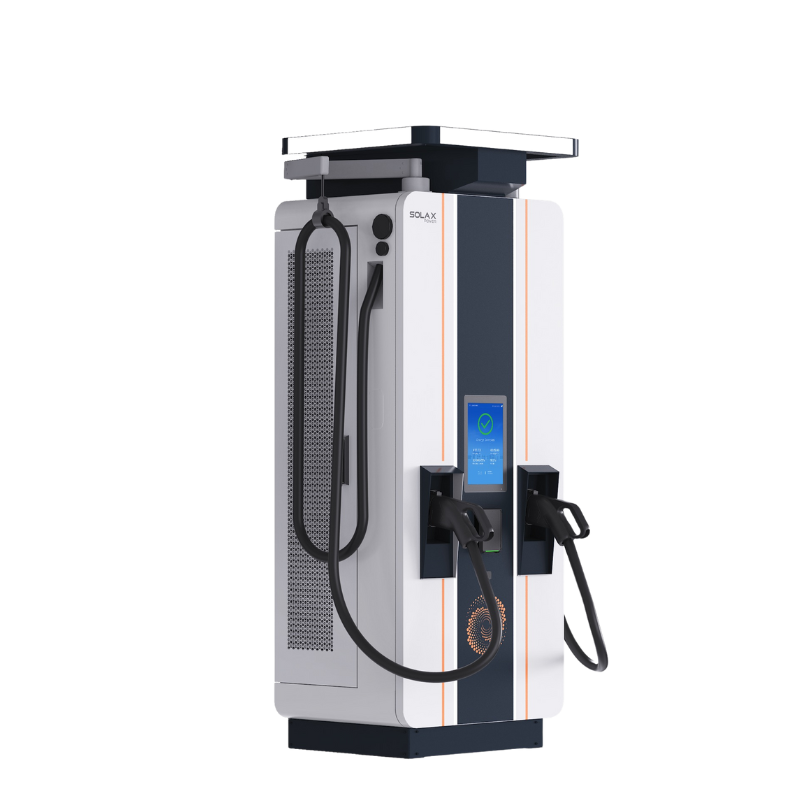
Can the team support a later battery, heat pump or EV-charger expansion?
Inspect the warranty journey, not only the warranty period
A warranty duration does not explain how quickly a case will move. Request a written workflow that identifies who logs the fault, what photographs or serial numbers are needed, when remote checks happen and who coordinates replacement equipment or labour. SolaX warranty tools enable owners and installers to check warranty information by device serial number, which makes accurate handover records especially important.
Keep a handover file containing the installation contract, commissioning record, serial numbers, monitoring-account details and warranty certificate. Separate the installer's workmanship responsibility from the manufacturer's product warranty.
Measure response quality rather than a promised speed
An acknowledgement is not the same as a technical response. Ask what happens during the first working day: who reviews the alert, which remote checks are completed, and what condition triggers an on-site visit. SolaXCloud gives authorised installer accounts tools for plant and device visibility; eligible installer access can also support remote firmware management for compatible equipment and settings.
Remote access should reduce avoidable visits, not replace electrical safety work. Availability varies by equipment, account permissions, partner tier and location, so confirm the local service terms in writing.
Match solar installer support to the project type
The more connected equipment a site has, the more structured its support plan should be.
Residential solar systems
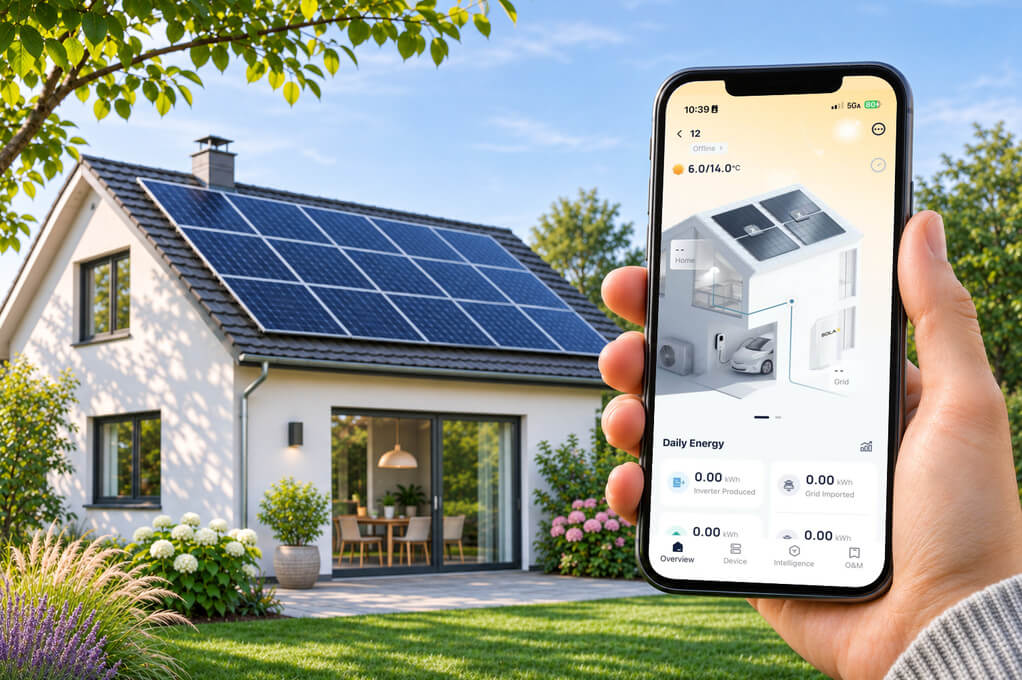
For residential solar, battery storage and a smart EV charger, prioritise clear app access, simple fault reporting and a handover that explains normal, backup and charging modes. Test monitoring access before the installer leaves.
Commercial solar systems
Commercial solar systems need named technical contacts, monitoring permissions, planned maintenance and agreed escalation targets. Procurement teams should request examples of comparable solar installation work and a responsibility matrix for the inverter, energy storage system and site electrical infrastructure.
Multi-site energy storage systems
Organisations managing several sites should require consistent firmware procedures, portfolio monitoring and incident escalation. SolaXCloud can support connected asset monitoring, while Virtual Power Plant functions may be relevant where the local grid arrangement and project requirements allow.
Choose a network that can support the full system
Select a solar installer network that can show current technical training, a traceable warranty route, meaningful remote diagnostics and named response responsibilities. Before appointing a local installer, use SolaX training, support and monitoring resources to verify that the intended solar energy solutions can be commissioned and supported throughout their working life.
FAQ
Table of Contents
Latest News
Explore expert insights, practical guides, and the latest news on SolaX Power.





To the Latest Newsletter
Stay Ahead with the Latest SolaX Updates!
Subscribe
I have read and agree to Privacy Policy and User Terms