












November 17, 2026
Which Solar Storage Systems Automatically Follow Your Electricity Tariff?
Share my #SolaXStory


How solar battery storage shifts energy around tariff periods
A time-of-use tariff charges different rates at different times. The household or installer confirms off-peak, standard and peak periods; the inverter battery then directs solar energy, stored electricity and grid imports according to the selected operating rules. SolaXCloud provides monitoring and tariff control for compatible, online devices.
Tariff shifting: charging during a lower-price period for later use.
Self-consumption: using solar energy in your home rather than exporting it.
State of charge (SOC): the battery energy remaining, expressed as a percentage.
Backup reserve: capacity protected for an outage rather than normal daily use.
The Energy Saving Trust notes that batteries and EVs can help households shift use under smart time-of-use tariffs. However, automation should follow the actual schedule configured for your account, not assumed price patterns.

Which SolaX home configurations fit different tariff needs?
PV plus battery for routine peak avoidance
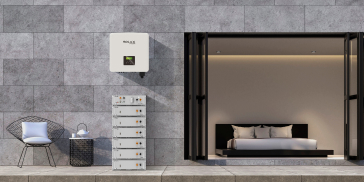
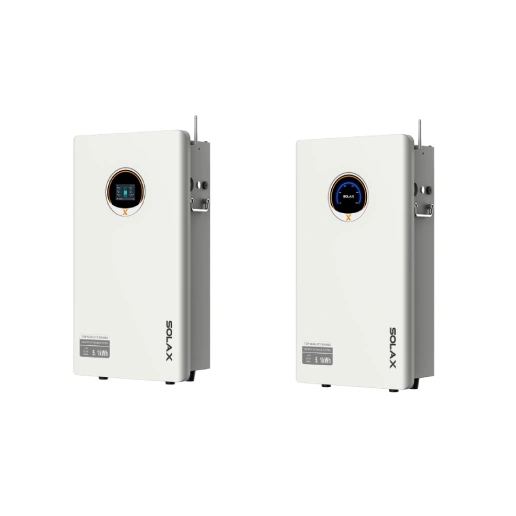
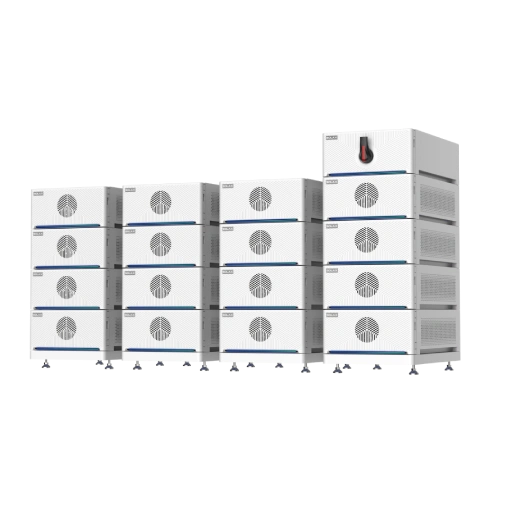
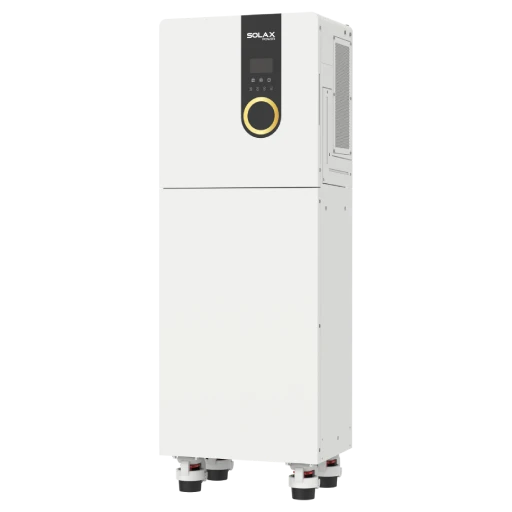
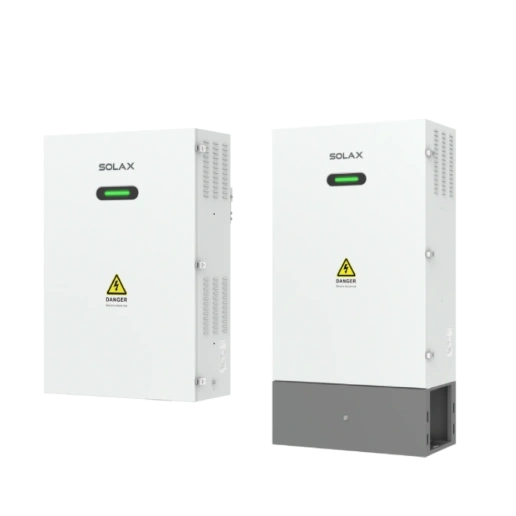
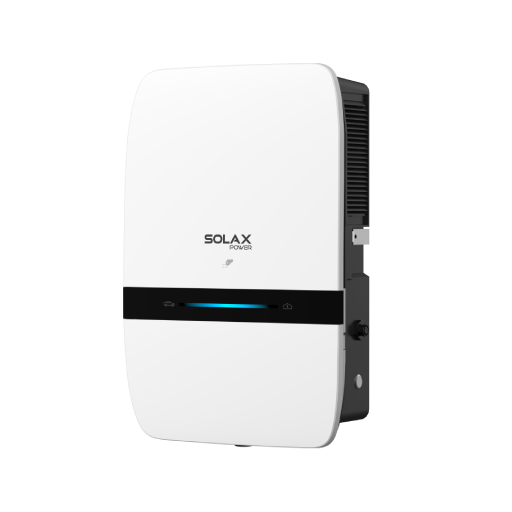
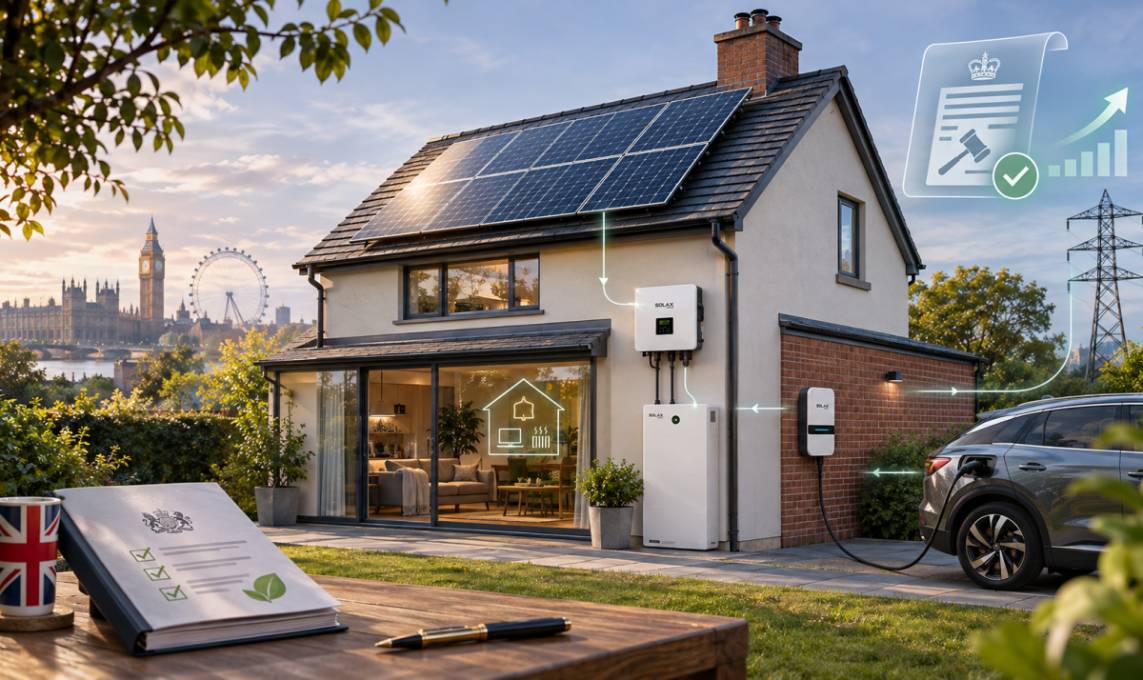
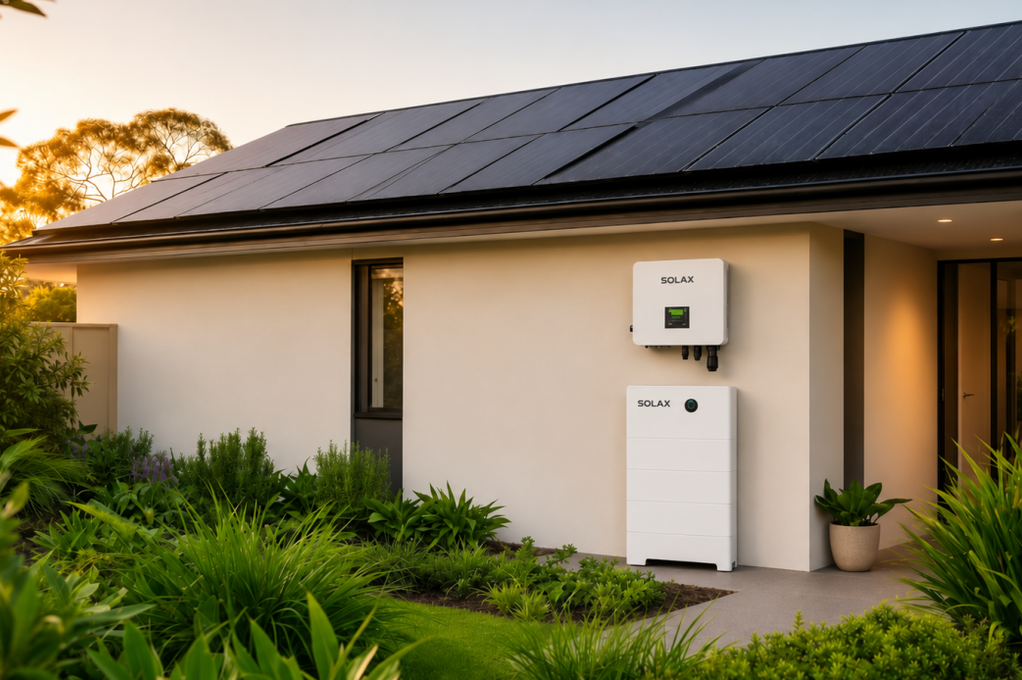
SolaX Residential Solutions includes Home Energy Storage Systems for homes adding a solar energy storage system to existing or new solar PV. This approach suits evening demand and high-price periods, provided the battery storage for home is sized around the loads you want to cover. It can also support a planned backup strategy during outages.
PV, battery and EV charging for flexible loads
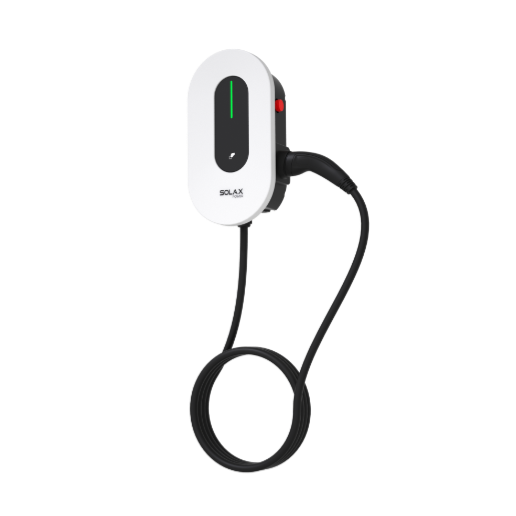
SolaX For Home combines residential solar systems, batteries. An EV is a flexible load: you may schedule charging in lower-cost windows or prioritise surplus solar energy. That does not guarantee lower bills, because charging limits, tariff rules and household demand still matter.
A hybrid-inverter-led design for three-phase properties
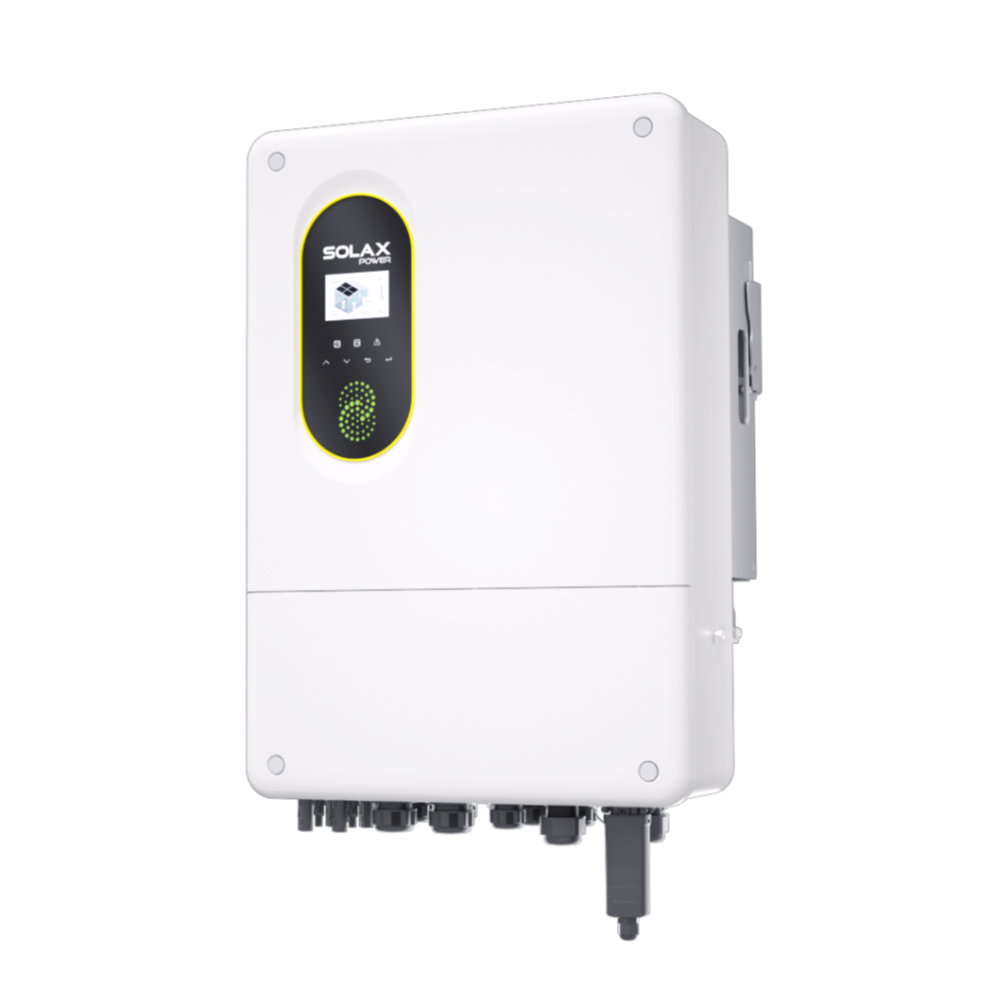
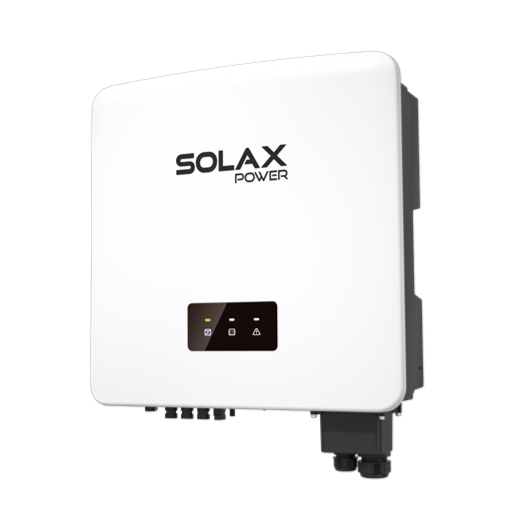
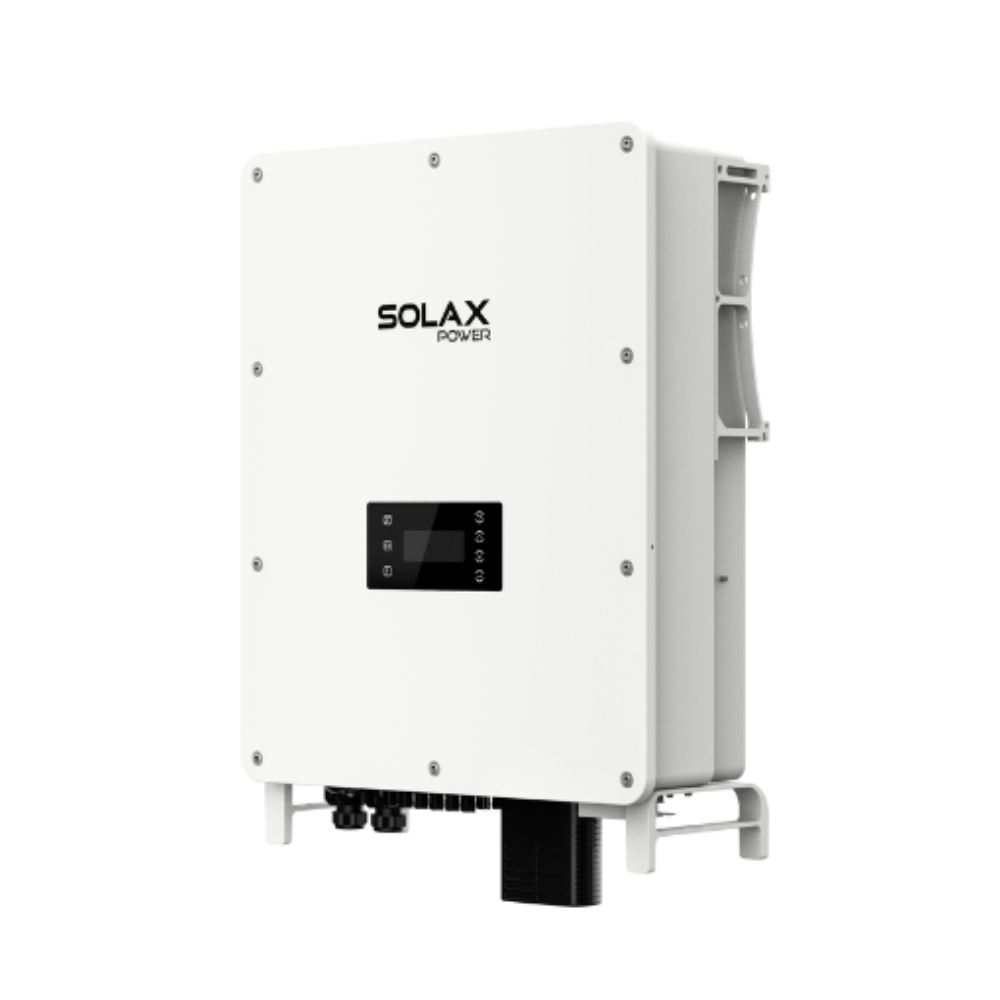
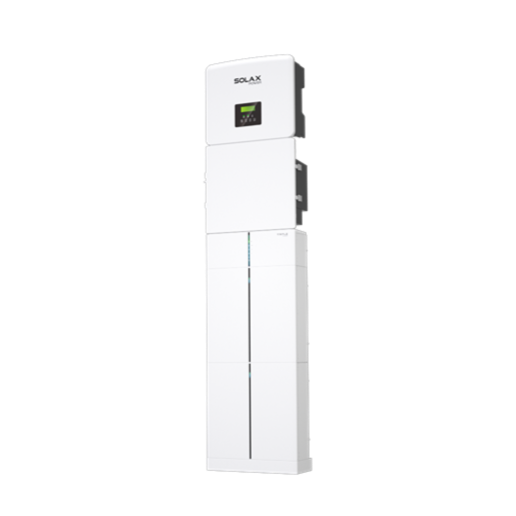
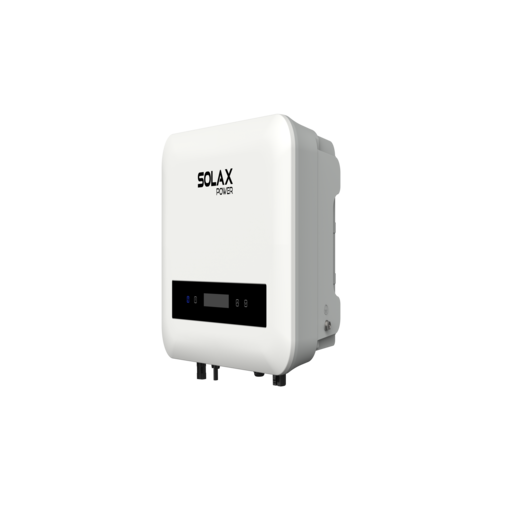
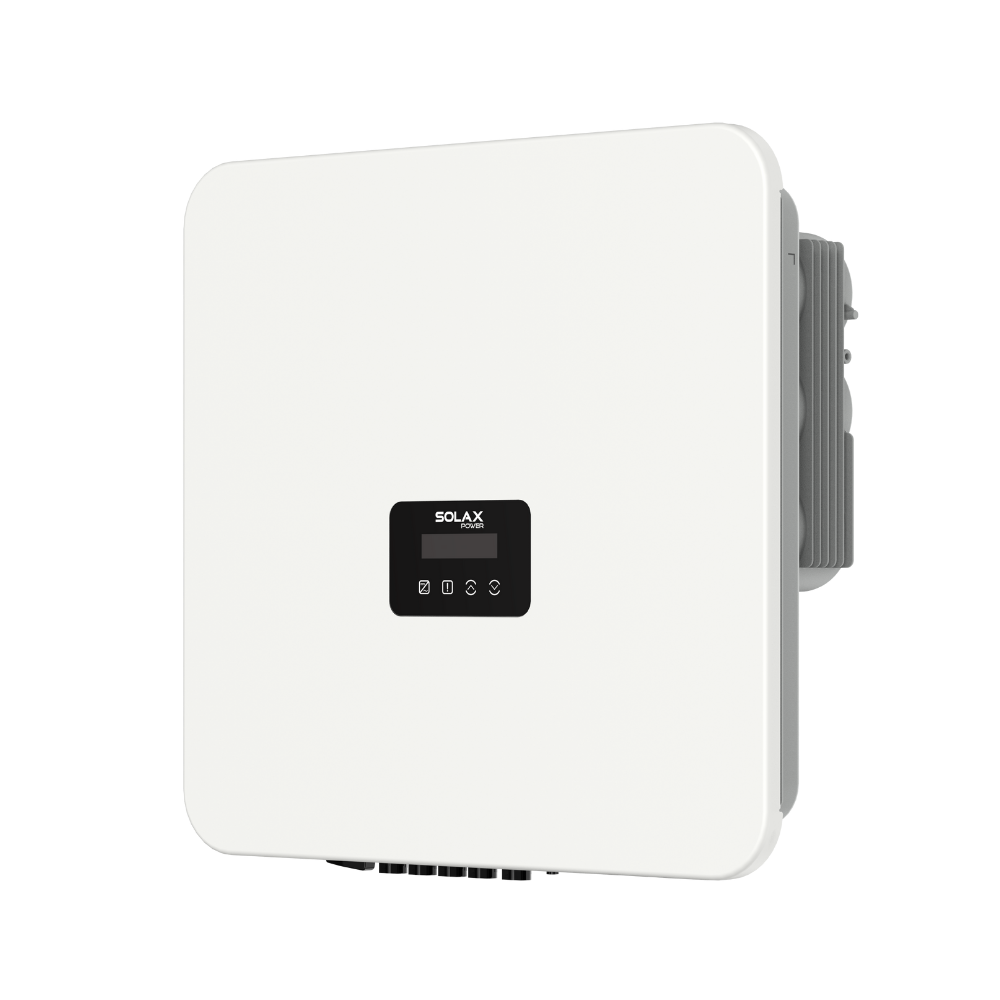
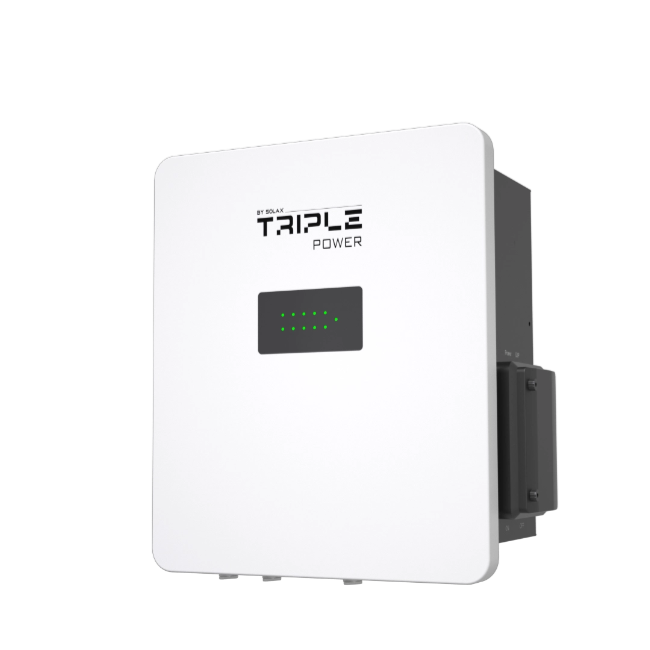
For suitable three-phase residential solar systems, the SolaX X3-NEO-LV hybrid inverter range runs from 5 kW to 20 kW. Confirm phase type, local grid requirements, battery architecture and essential-load design with a qualified installer before specification.
The solar battery storage checks that prevent poor automation
Match controls to the actual tariff
Battery storage is not a set-and-forget substitute for commissioning. A useful solar power system combines tariff scheduling, monitoring access, appropriate load design and an inverter configuration that matches the property.
Enter every import-price window, including weekday and weekend differences.
Keep enough backup reserve for likely outages.
Review seasonal changes to tariff schedules.
Check import and export terms before enabling grid charging.
Test the recorded charge and discharge pattern after commissioning.
The UK Government notes that smart charging, solar PV and battery storage can be combined with time-of-use tariffs to optimise on-site electricity use. GOV.UK also stresses that there is no single approach suitable for every site.
Size storage around the evening load profile
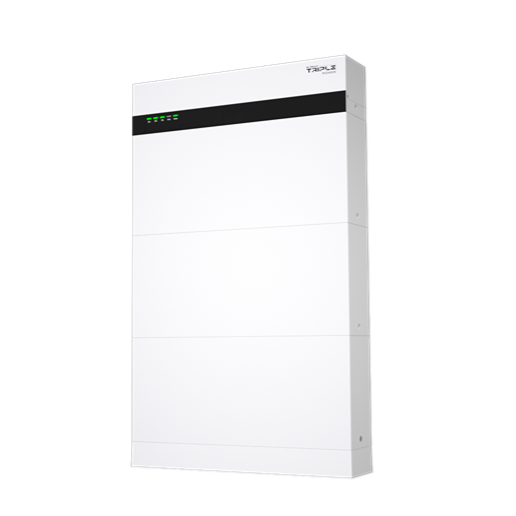
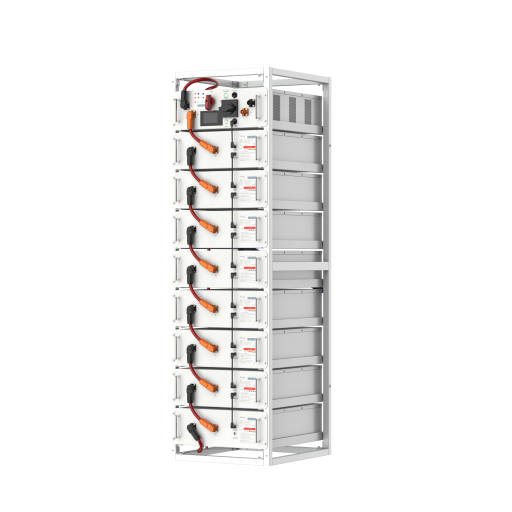
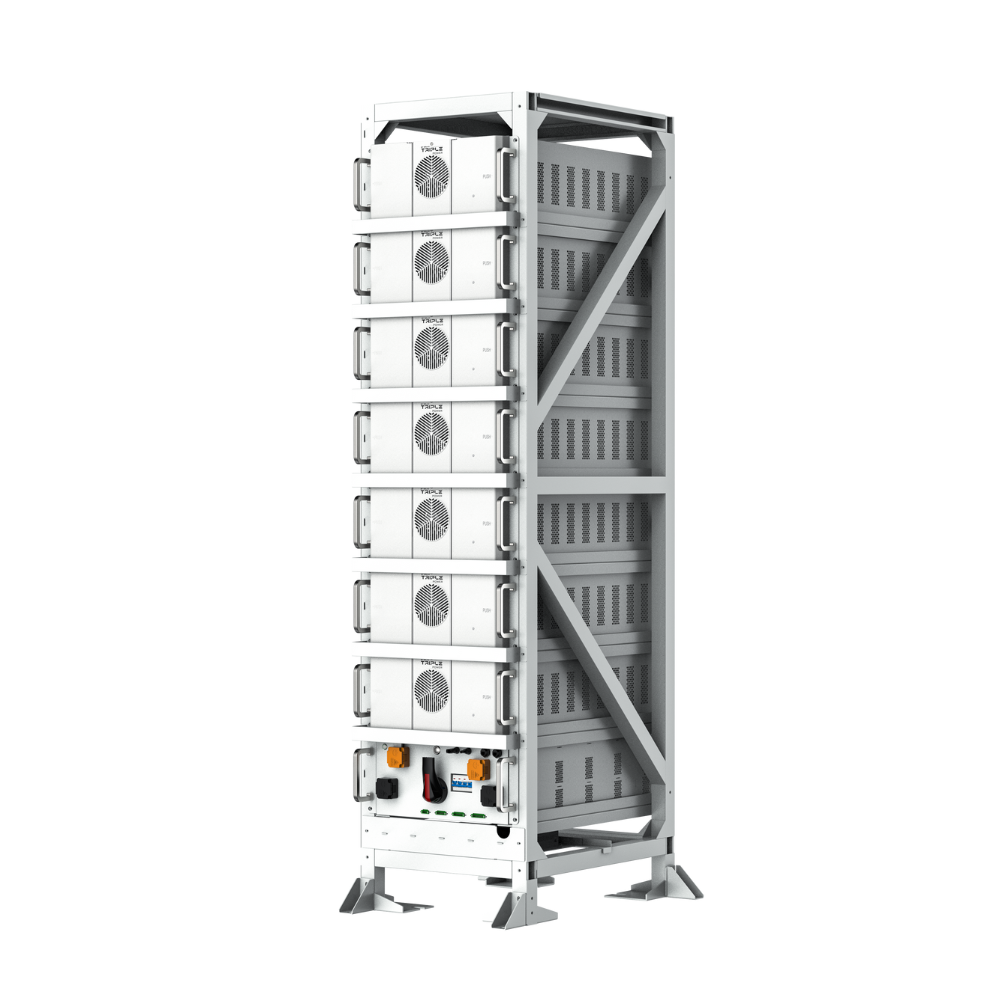
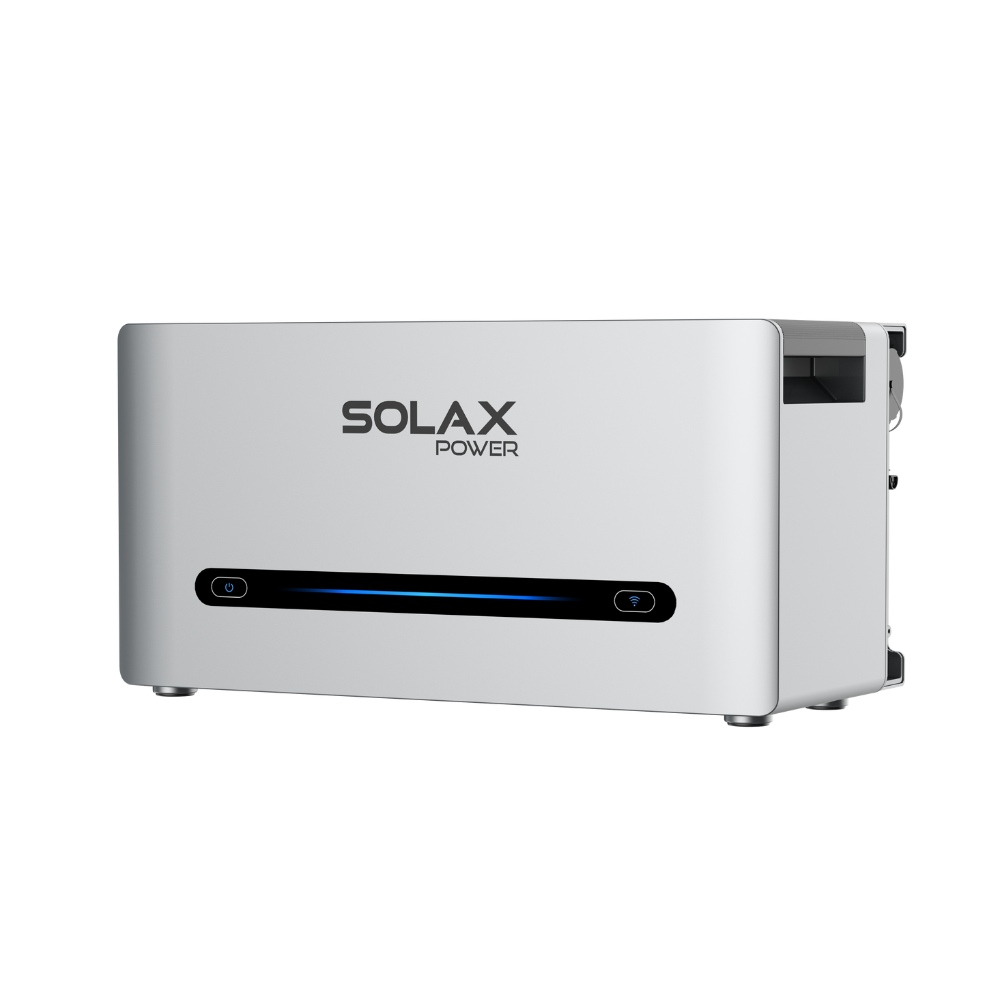
Choose an inverter battery around the electricity you use in costly hours, not nominal capacity alone. The SolaX HS50E is a modular residential battery range from 5.1 kWh to 30.7 kWh, but that range is not automatically appropriate for every home. Consider evening consumption, charging power, expected solar generation and the protected SOC reserve.
Practical setup habits and avoidable mistakes
Do
Confirm tariff periods before activation and after supplier changes.
Retain a backup reserve that matches your resilience needs.
Review SolaXCloud monitoring data monthly for unexpected grid imports.
Do not
Assume every tariff changes automatically in the app.
Fully deplete solar batteries before a likely outage.
Alter inverter or grid-connected settings without installer guidance.
Battery, hybrid solar inverter and grid settings should be installed and changed only in line with local electrical requirements and installer instructions.
The practical route to automated tariff response
A tariff-responsive solar energy system needs coordinated battery capacity, hybrid inverter controls, accurate tariff schedules and ongoing monitoring. Give a qualified SolaX installer a recent electricity bill and half-hourly usage data, then confirm the suitable For Home configuration and commissioning plan.
FAQ
Table of Contents
Latest News
Explore expert insights, practical guides, and the latest news on SolaX Power.



To the Latest Newsletter
Stay Ahead with the Latest SolaX Updates!
Subscribe
I have read and agree to Privacy Policy and User Terms