

















November 17, 2026
UK Energy Independence Bill: A Turning Point for Smart Battery Storage?
Share my #SolaXStory


Britain's proposed battery rules could change how home energy storage is designed and sold. As flexibility gains importance, manufacturers face a new challenge: making batteries work better with solar, EV charging and household energy demand.
Britain wants more from home batteries than the ability to store electricity.
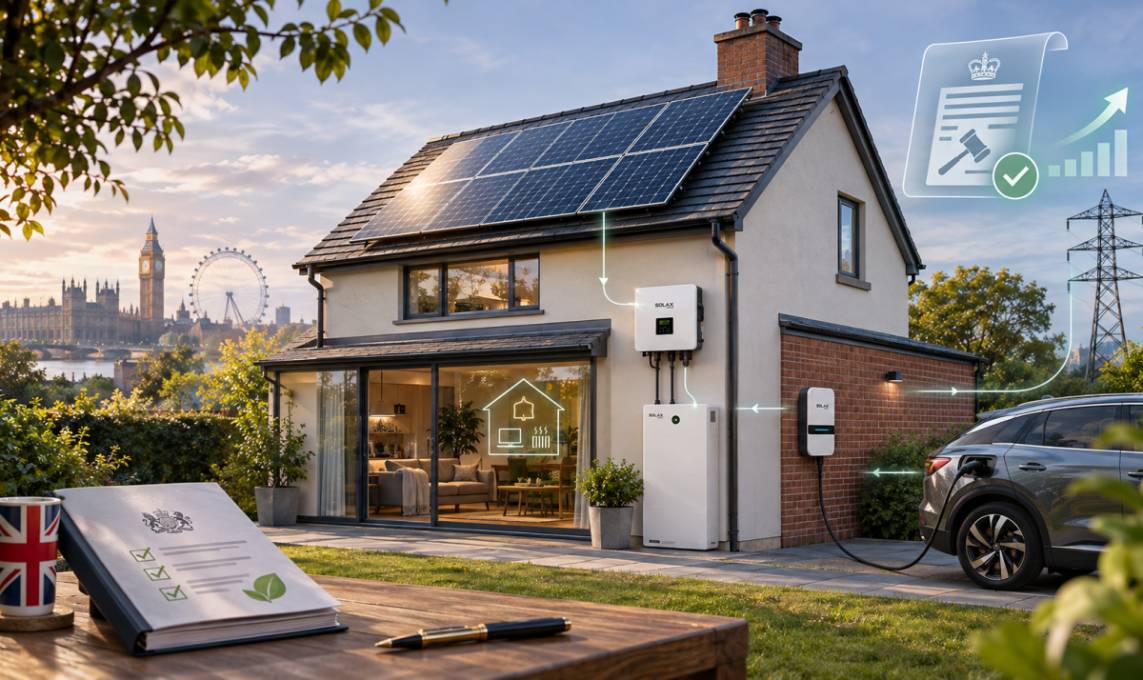
On 4 November 2026, the Department for Energy Security and Net Zero outlined plans to extend smart energy requirements to battery energy storage systems (BESS).
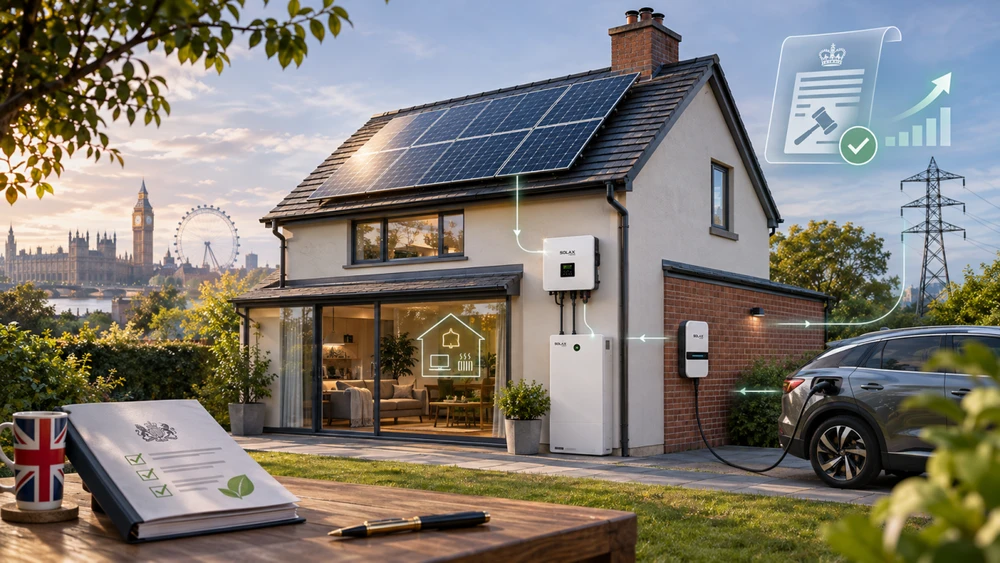
Under the Energy Independence Bill, ministers would gain powers to introduce mandatory smart functionality for batteries sold in Great Britain.
The proposal does not introduce an immediate mandate. Technical requirements and implementation dates would depend on future regulations.
Still, it sends a clear signal. As the UK's battery storage market expands, the ability to control when electricity is stored and used may become as important as storage capacity itself.
Why the UK is looking at smart battery storage
The government is already developing smart appliance regulations for EV chargers, heat pumps and certain heating equipment. Bringing batteries into the same framework would help connect technologies that increasingly share the same electricity supply.
The reasoning is practical.
Solar panels generate electricity during daylight hours, while household demand often peaks in the evening. Wind generation varies with weather conditions. This leaves periods of surplus electricity followed by times when supply is tighter.
Smart battery storage systems can help close that gap.
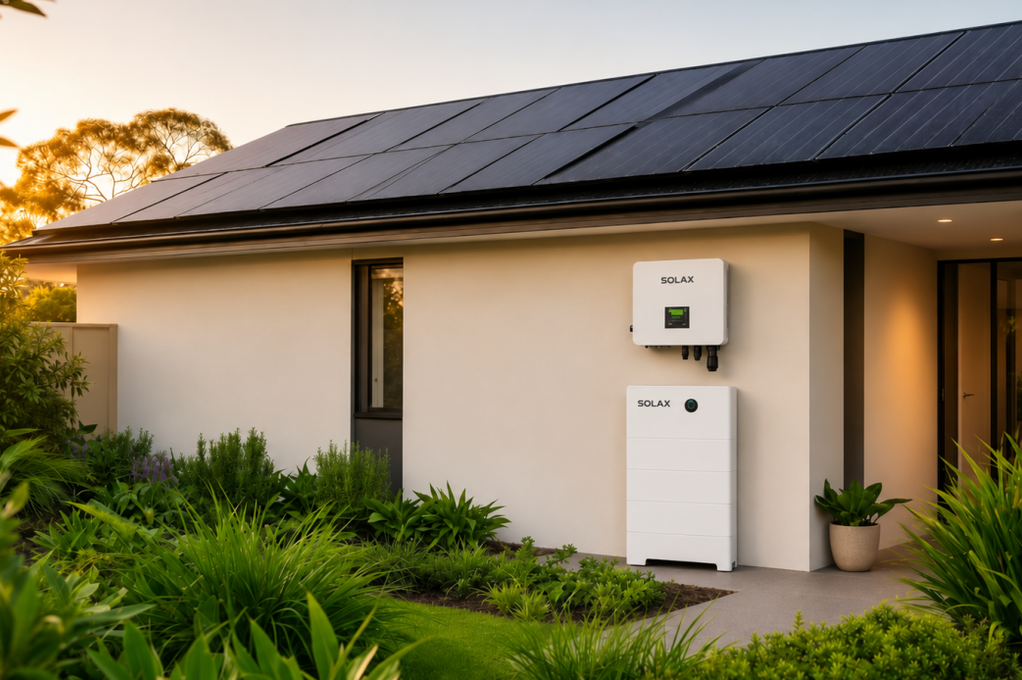
A home battery can store surplus solar power for evening use. With suitable controls and tariffs, it can also charge from the grid when electricity is cheaper and discharge when prices rise.
This is part of what the UK calls consumer-led flexibility (CLF). Instead of building infrastructure solely to meet peak demand, the electricity system can also encourage consumers to shift when they use power.
Consumers would retain the option to disable smart functions.
There is also a regulatory motive. In 2025, the government confirmed it would seek new powers if smart capabilities were not becoming widespread quickly enough.
The Energy Independence Bill gives ministers that option, potentially paving the way for future UK battery storage regulations.
Whether they use it will depend partly on how the market develops. But manufacturers now have a clearer indication of what policymakers expect from smart home energy storage systems.
A growing UK home battery storage market with new opportunities
The timing matters.
Britain's battery storage market is expected to grow through 2030. As more households install batteries, their combined charging patterns could have a meaningful impact on electricity demand.
The government's Clean Power 2030 Action Plan identifies 10–12 GW of potential consumer-led flexibility.
That figure covers flexible demand across several technologies, not home batteries alone. Nevertheless, it shows why flexibility is attracting policy attention.
Moving electricity demand away from peak periods could reduce the need for additional generation and grid infrastructure.
Households may benefit too.
Government analysis suggests that households which generally avoid peak-time electricity use could save more than £200 annually by switching from a price-capped tariff to a dynamic electricity tariff.
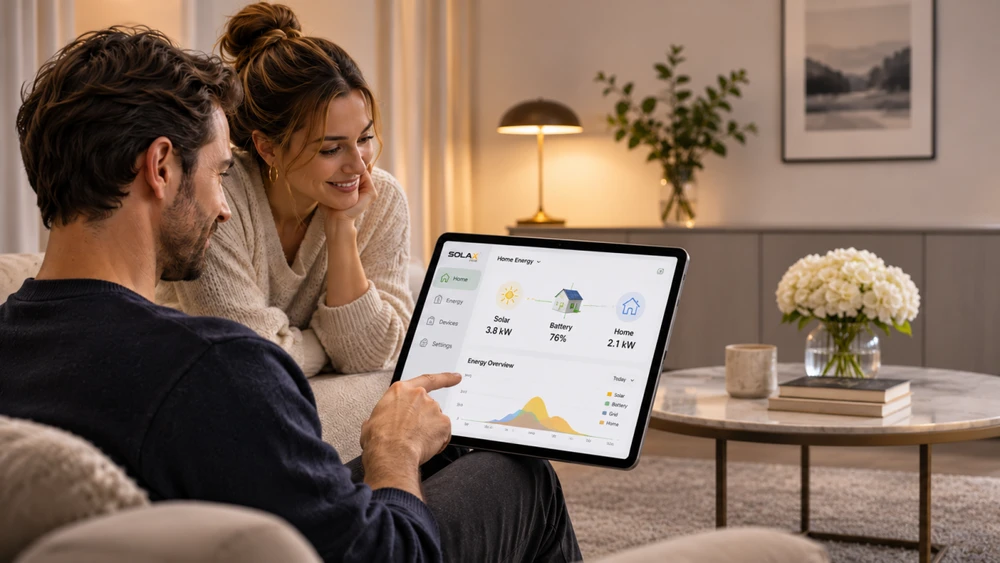
That is not a guaranteed saving from battery ownership. Actual returns depend on electricity tariffs, consumption patterns, equipment costs and system performance.
But it highlights a change in the business case for residential battery storage in the UK.
Traditionally, homeowners have judged batteries by capacity, backup capability and solar self-consumption. These remain important. Yet a battery that charges at expensive times may deliver less value than one with a well-managed charging schedule.
For installers, this puts greater weight on smart battery management software, dynamic tariff compatibility and system communication.
For manufacturers, the challenge is making these features useful without adding unnecessary complexity.
Why integrated home energy systems are gaining ground
A household with solar panels, battery storage, an EV charger and a heat pump has several ways to produce, store and consume electricity.
The difficulty is getting them to work together.
Consider a sunny winter afternoon. Solar generation is high, but the heat pump is running. The EV needs charging before morning, while electricity demand will rise again in the evening.
If each device operates independently, the household may export surplus solar power only to buy electricity later at a higher price.
An integrated home energy management system can reduce these missed opportunities.
It can direct available solar electricity towards household loads, battery charging, heating or EV charging. Where supported, it can also schedule energy use around electricity prices.
This matters as homes become more electrified.
Adding a battery or heat pump is one decision. Managing several connected devices efficiently is another.
For installers, compatibility between components is becoming an increasingly important part of system design.
How SolaX is responding to the shift towards smart home battery storage
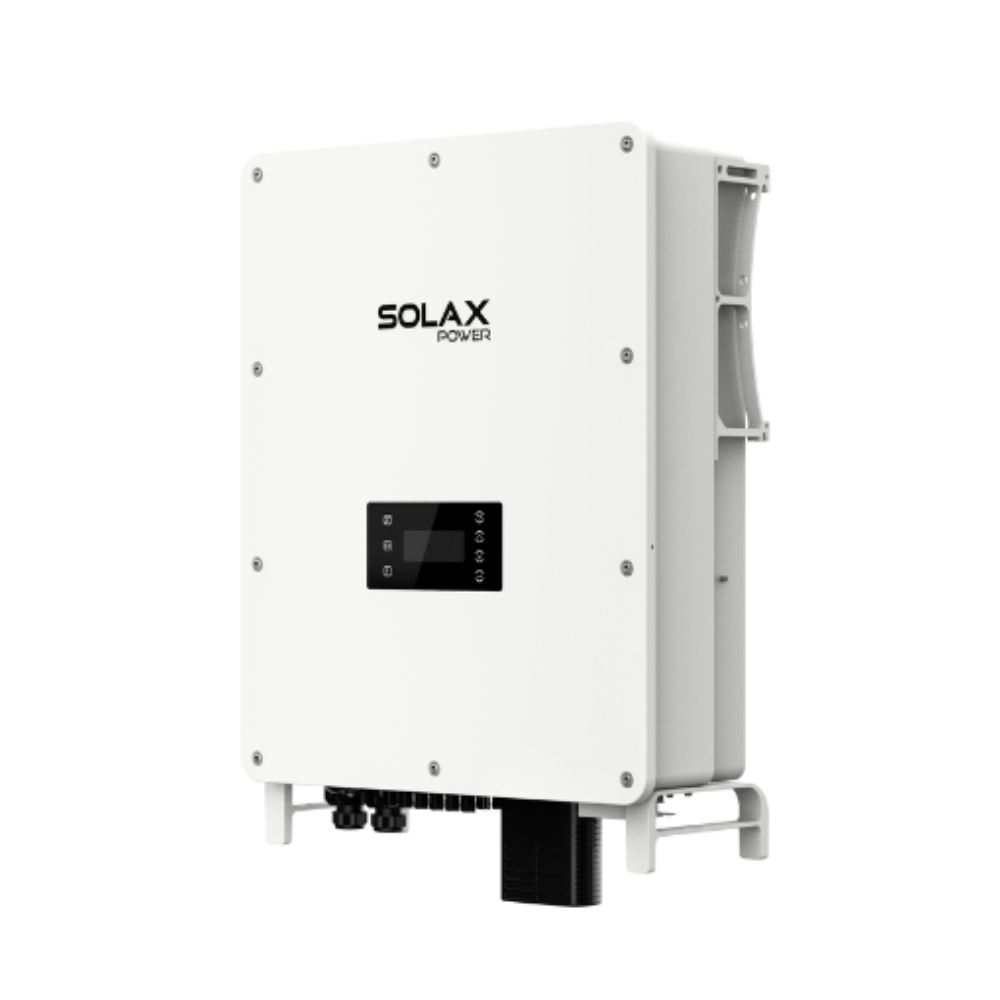
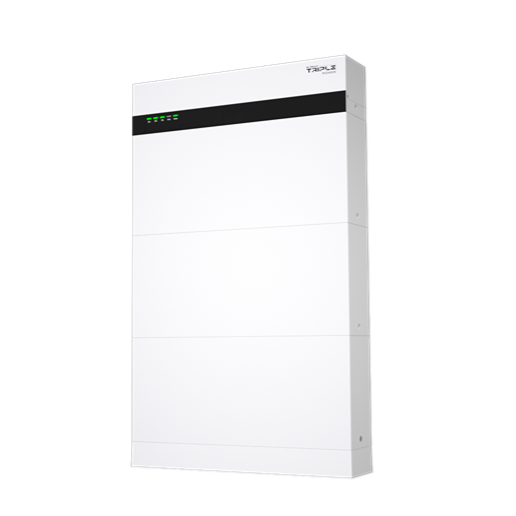
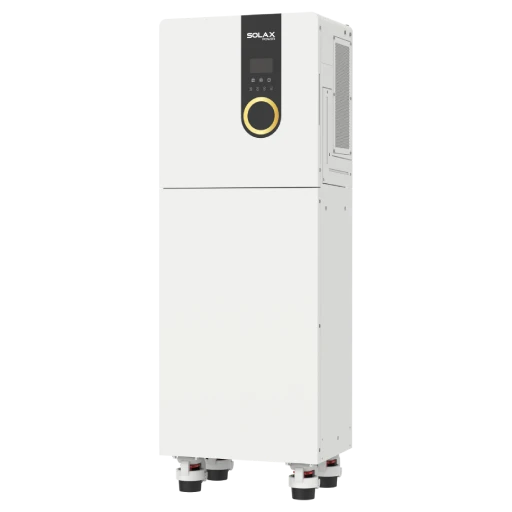
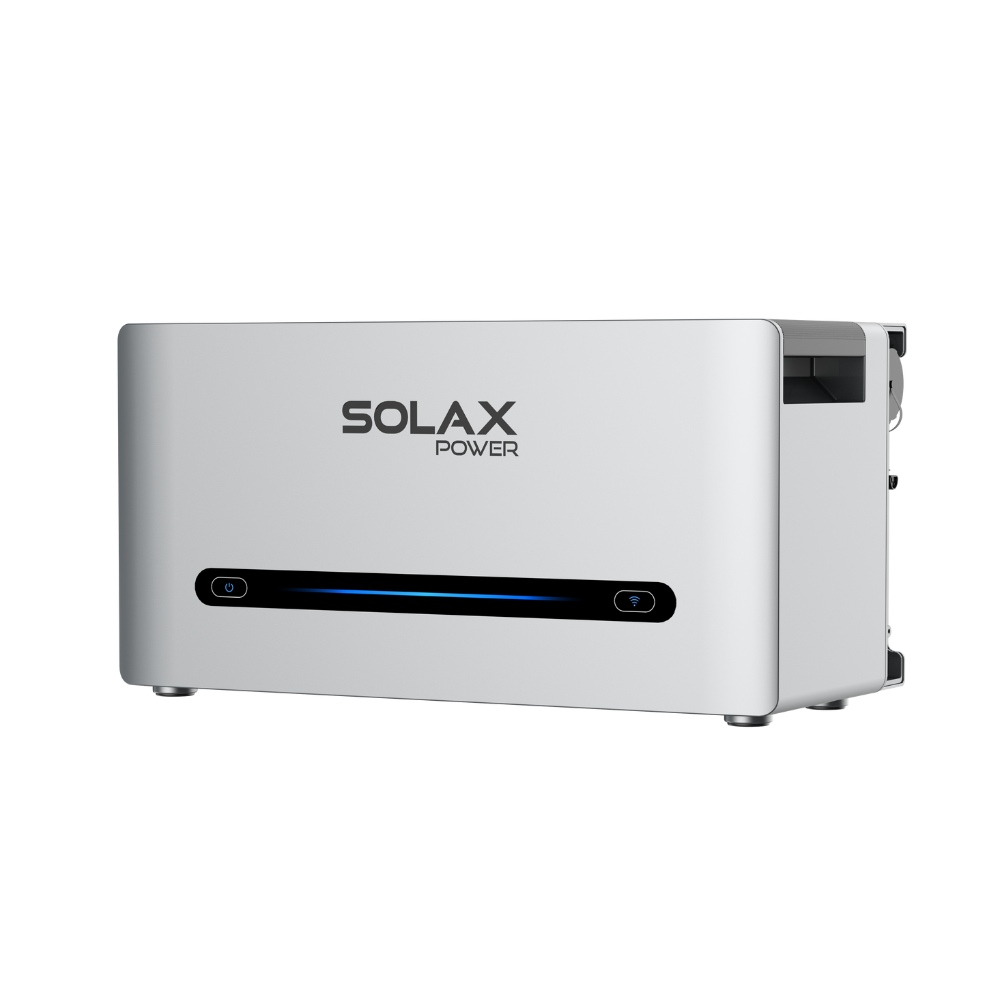
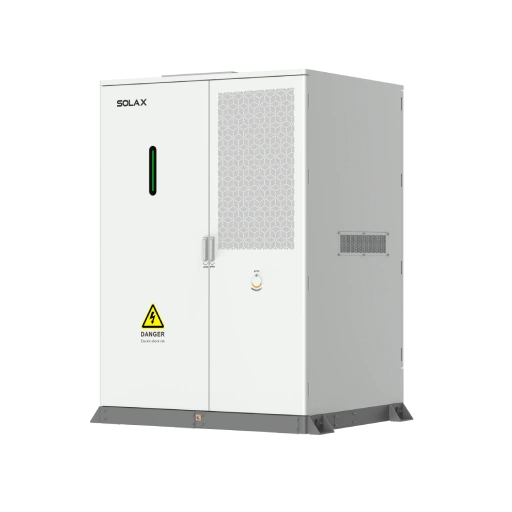
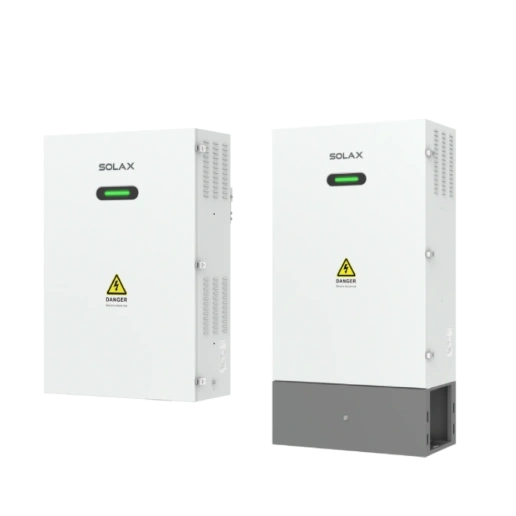
SolaX is developing its residential energy offering around this more connected approach.
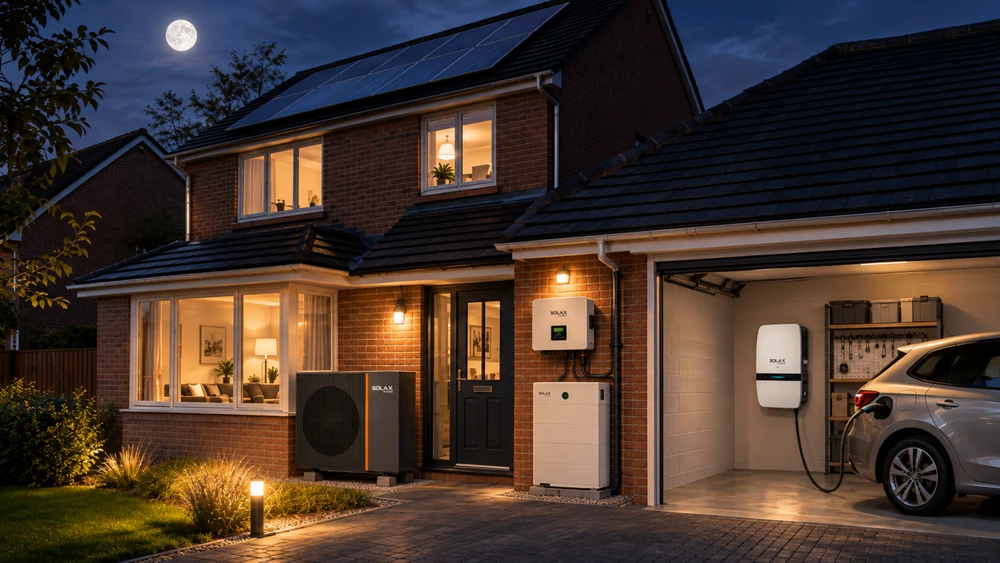
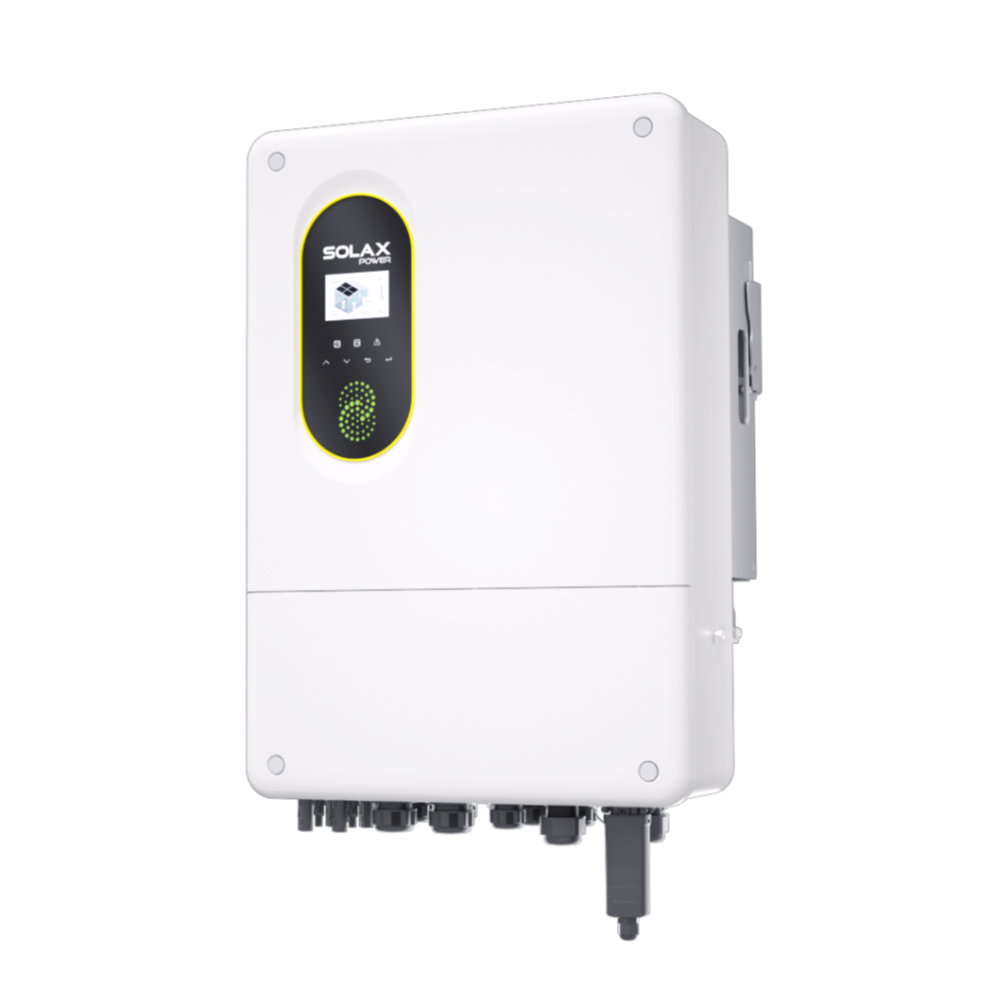
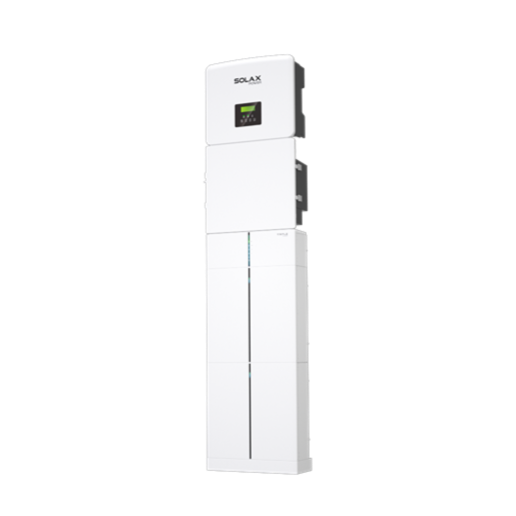
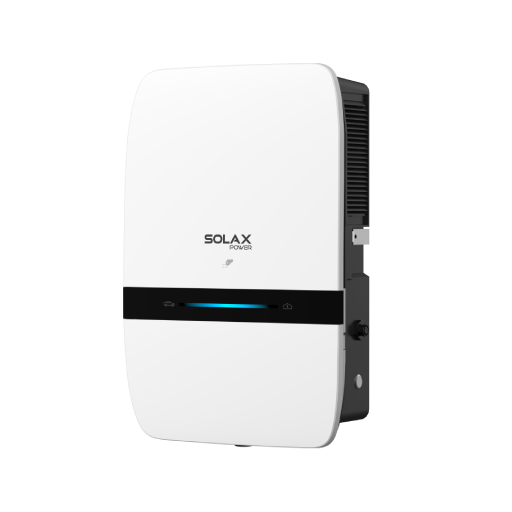
The SolaX Integrated Home Ecosystem brings together solar PV, battery storage, heat pumps and bidirectional EV charging.
Its X-Hub energy management platform helps coordinate how solar electricity is allocated between household loads, heating, battery storage and EV charging.
The system also incorporates 24-hour forecasting and more detailed two-hour predictions to support energy planning.
For homeowners, this offers a way to manage surplus solar electricity and changing household demand through a coordinated smart home energy management system.
Heating is particularly relevant to the British market. As heat pumps become more common, their electricity demand will need to be considered alongside battery charging and other household loads.
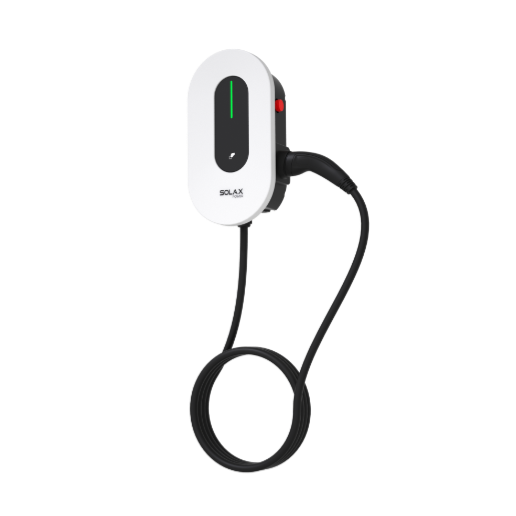
SolaX's bidirectional EV charging technology adds another possibility. With compatible vehicles and equipment, vehicle-to-home (V2H) operation allows electricity stored in an EV battery to support household demand.
Not every home will need these features. Their value depends on equipment compatibility, electricity tariffs and individual consumption patterns.
Nor does integrated functionality automatically establish compliance with future UK battery regulations.
Still, the approach illustrates how residential energy storage is evolving. The focus is moving from individual devices towards coordinated energy management.
What the Energy Independence Bill means for the future of battery storage
The proposed legislation leaves important questions unanswered.
Future rules will need to address interoperability, cybersecurity, consumer choice and the practical cost of adding smart functionality.
There is also a commercial question. Sophisticated energy management has limited value if homeowners cannot use it easily or access tariffs that reward flexibility.
For the battery storage industry, this may become the real dividing line.
Battery capacity will still matter. But the ability to use that capacity at the right time could matter just as much.
For homeowners, the benefits must be tangible: lower electricity bills, dependable equipment and simpler energy management.
For the grid, success will depend on whether thousands of connected systems can provide flexibility when needed.
The Energy Independence Bill will not settle these questions overnight. But it suggests that Britain's next phase of residential battery storage growth will be judged not only by how many batteries are installed, but by how intelligently they operate.
Table of Contents
Latest News
Explore expert insights, practical guides, and the latest news on SolaX Power.



To the Latest Newsletter
Stay Ahead with the Latest SolaX Updates!
Subscribe
I have read and agree to Privacy Policy and User Terms