













October 30, 2026
Choosing a Home Battery for the Best Monitoring Experience: Daily Energy Stats, Accurate Battery Data and Alerts
Share my #SolaXStory


Capacity matters, but it does not create a good monitoring experience on its own. Your residential solar energy storage system should be assessed as a whole: battery, solar inverter, meter, internet connection and cloud platform.
How can home battery storage UK buyers use daily energy data?
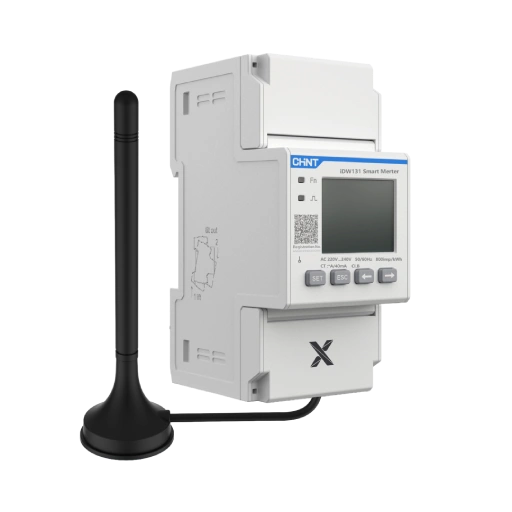
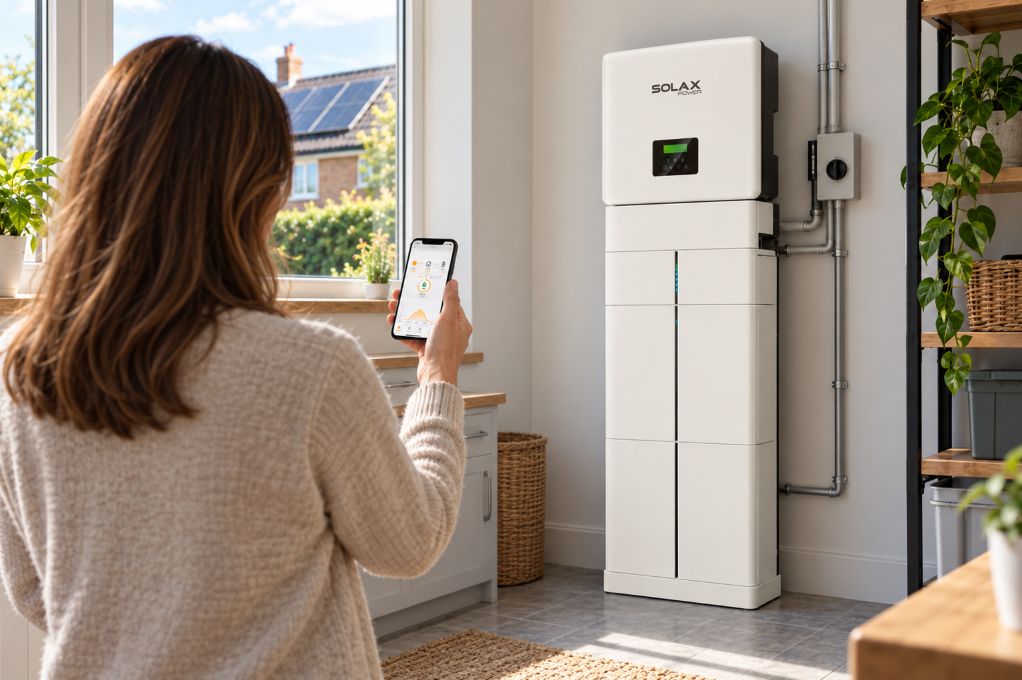
Before comparing a solar battery, write down the figures you expect to check each day. A useful dashboard answers three practical questions: what produced electricity, where it went, and what should change tomorrow. Ofgem notes that smart meters can store energy-use data in 30-minute intervals, which makes metering configuration an important part of solar battery monitoring.
Battery state of charge and charge/discharge status
Daily, weekly and monthly solar energy trends
Solar-to-home and solar-to-battery flows
Grid import and export
Time-of-use periods where applicable
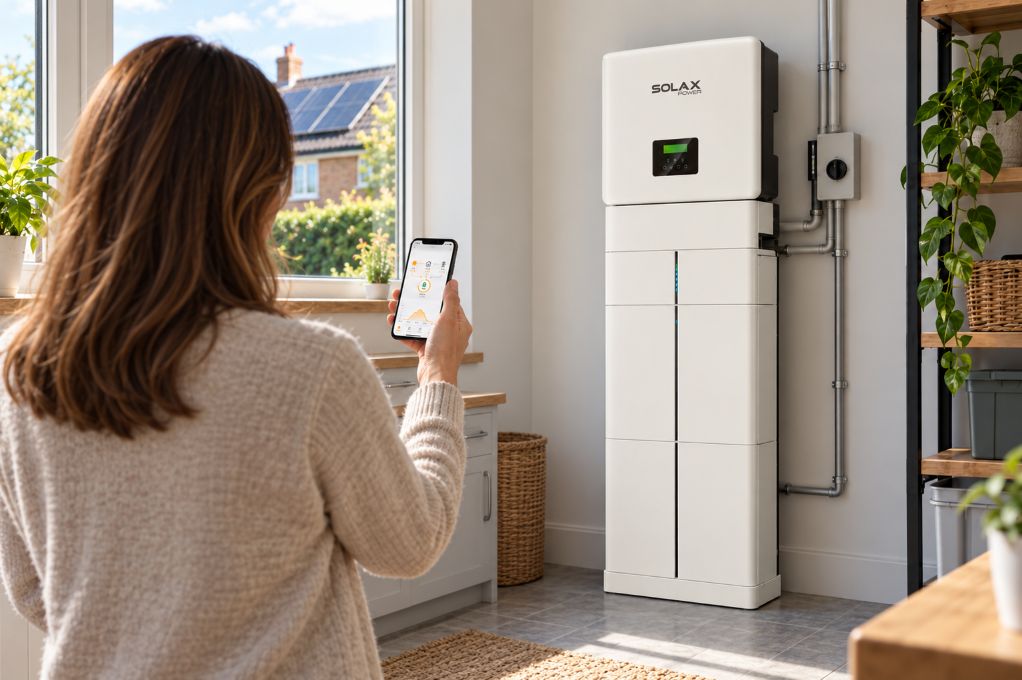
This is what to look for in a solar battery monitoring app: readable energy flows rather than a single headline percentage.
Build home battery storage UK around one connected energy view
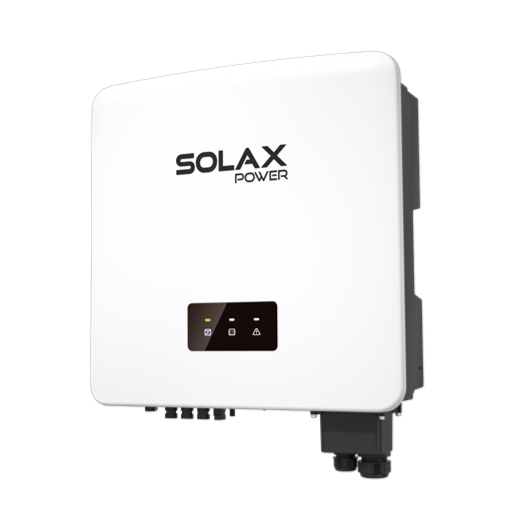
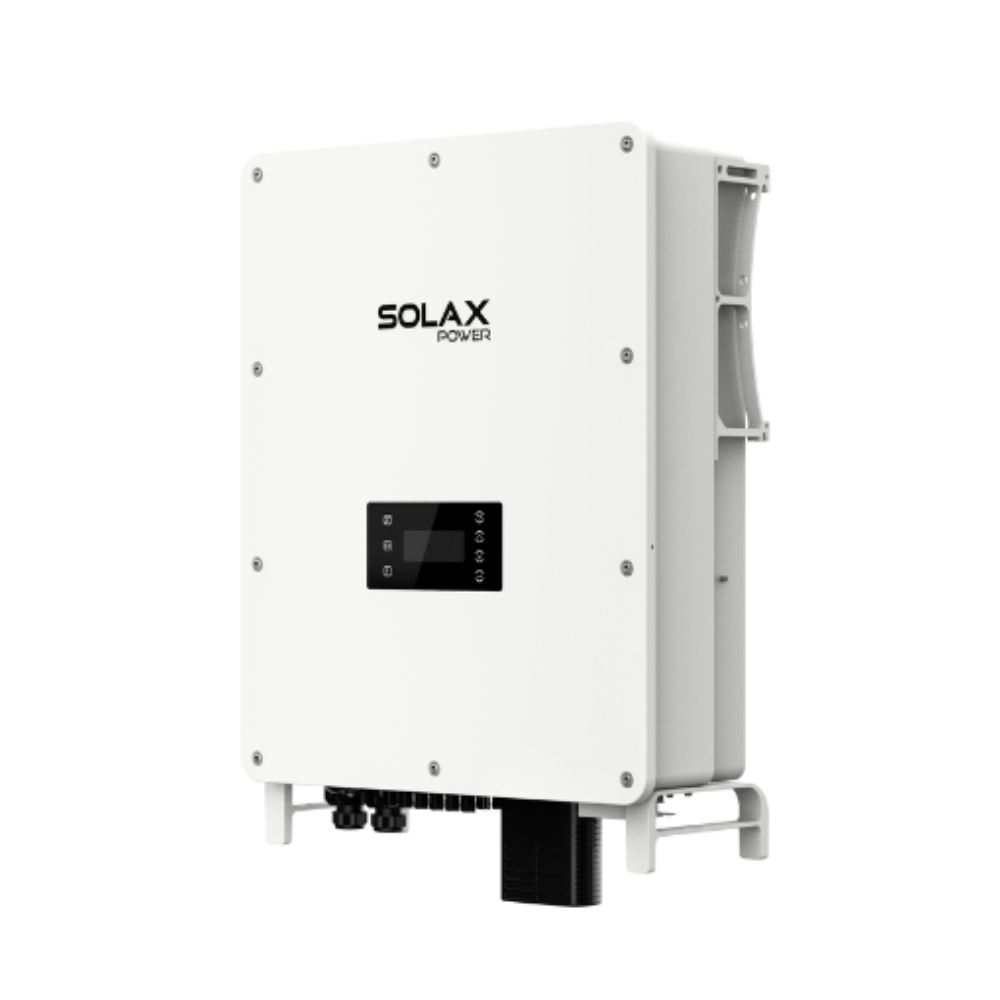
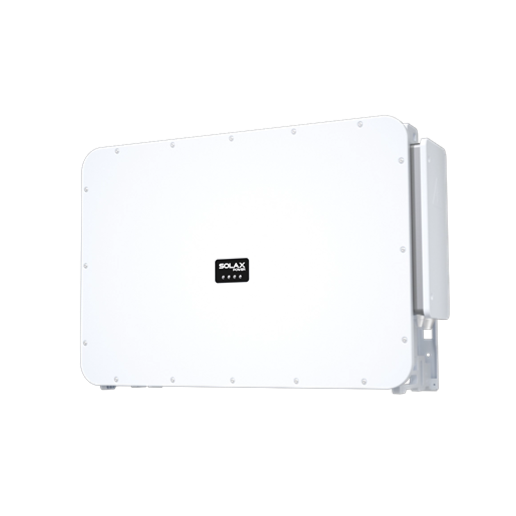
Monitoring quality starts with system design. SolaX Solutions For Home connects energy storage inverters, solar batteries, EV chargers and SolaXCloud as parts of one smart energy set-up. For an existing solar system, ask about inverter compatibility and meter position. For a new solar installation, plan the solar inverter and battery together. If you have an EV, ensure its charging demand can be separated from ordinary household use.
Existing solar: confirm retrofit compatibility and metering layout.
New solar and battery: design the solar power system as one installation.
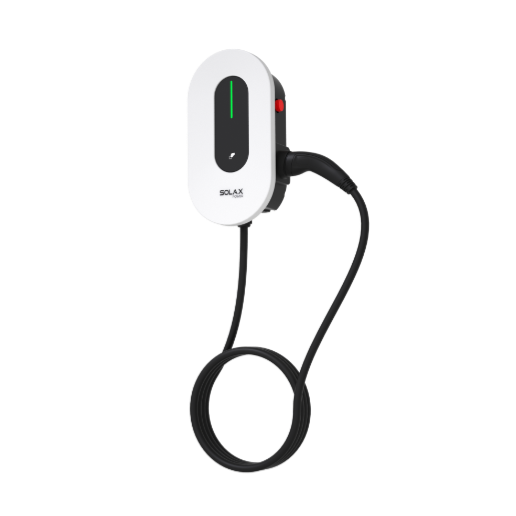
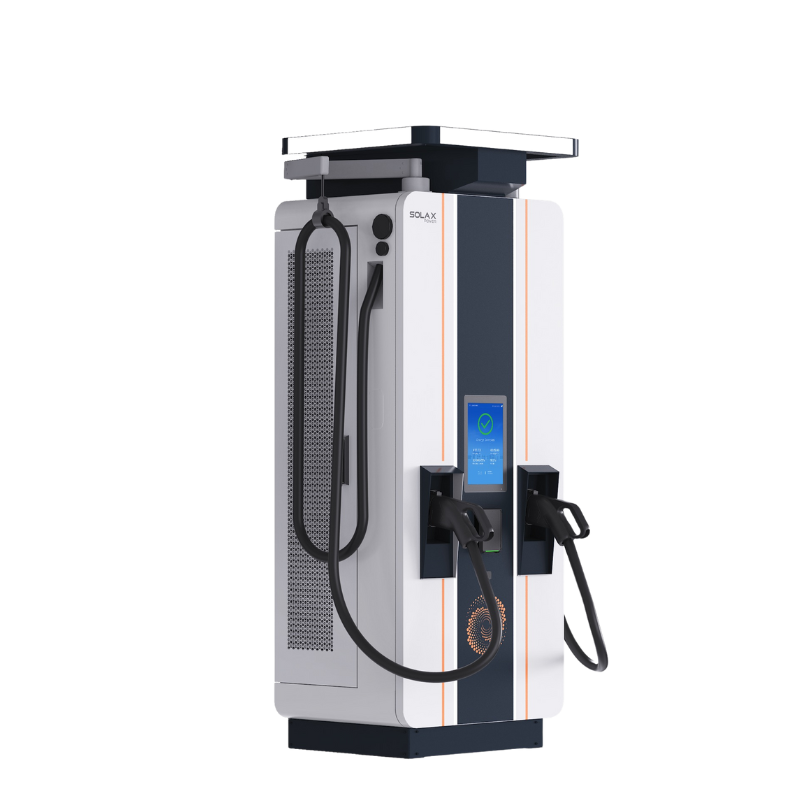
EV household: include solar EV charger demand in the energy view.
Variable tariff: confirm time-of-use scheduling and history views.
Local availability, grid requirements and supported product combinations must be confirmed by the installer.
Match battery data to the residential solar energy storage system
Select a route that gives the data context
SolaX Residential Solutions covers PV, home energy storage systems, PV + ESS + wind, and PV + ESS + EV charging. Each route changes how you interpret battery data. For example, an EV-charging system needs a view that distinguishes vehicle consumption from home demand and battery discharge.
SolaX residential configuration | Monitoring focus | Homeowner question |
PV | Generation and household use | How much solar energy is used? |
Home ESS | State of charge and reserve | Is the battery behaving normally? |
PV + ESS + Wind | Source contribution | What is charging the battery? |
PV + ESS + EV Charging | EV demand and battery interaction | Is EV charging affecting the home? |
Check whether battery specifications fit the plan
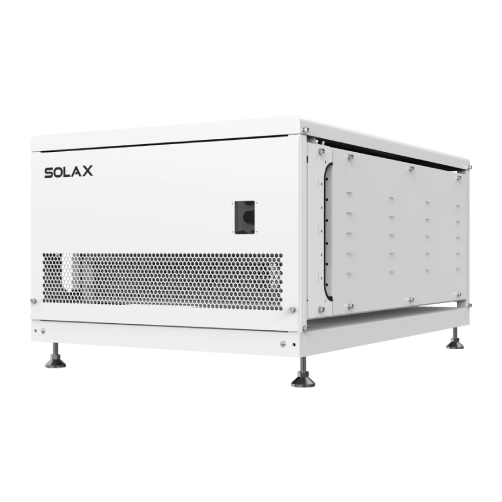
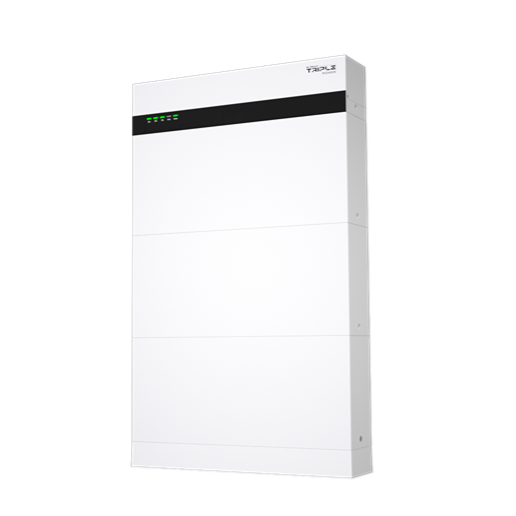
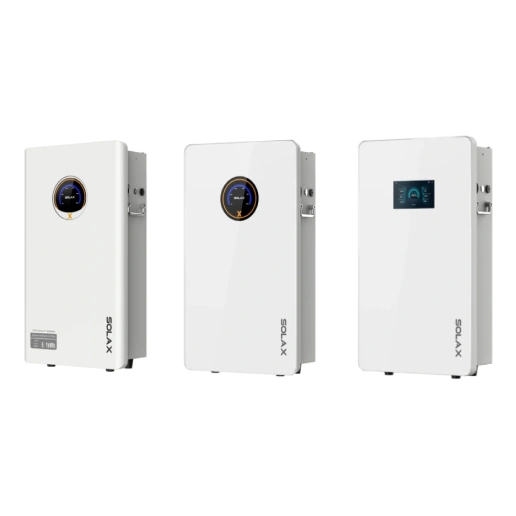
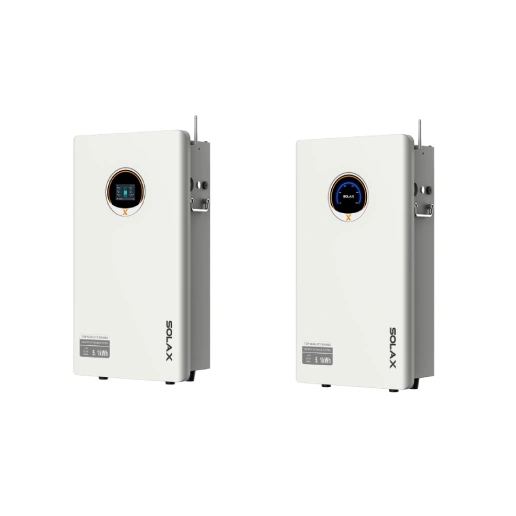
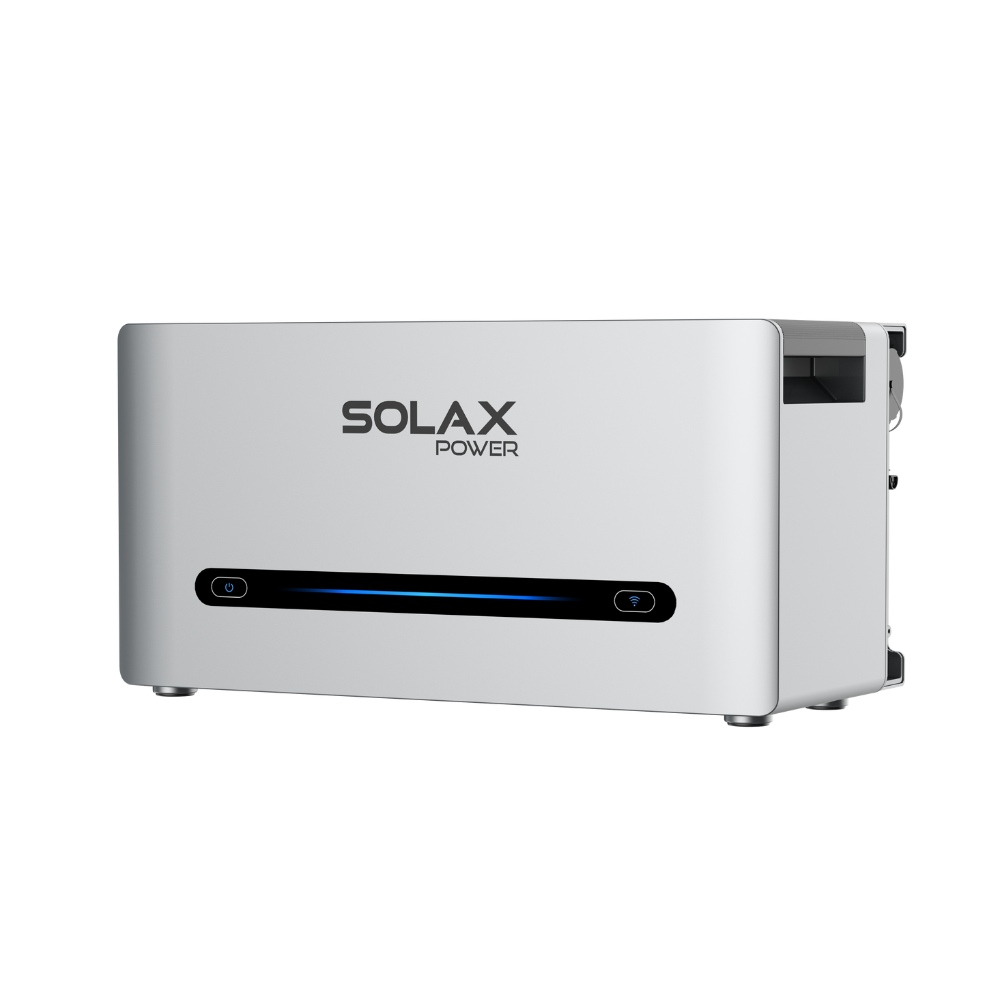
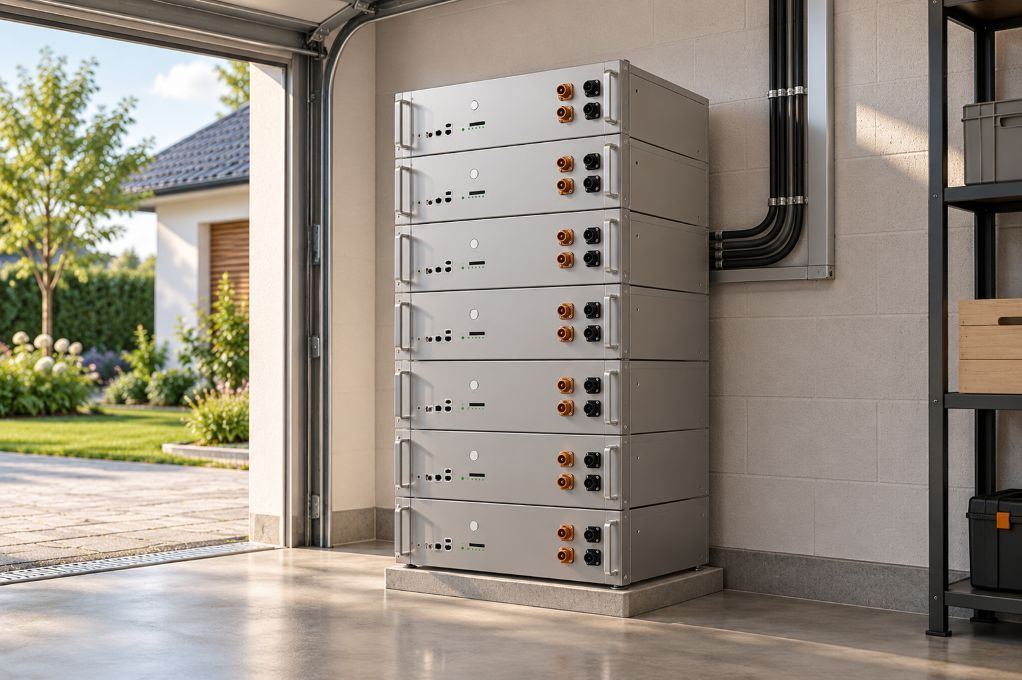
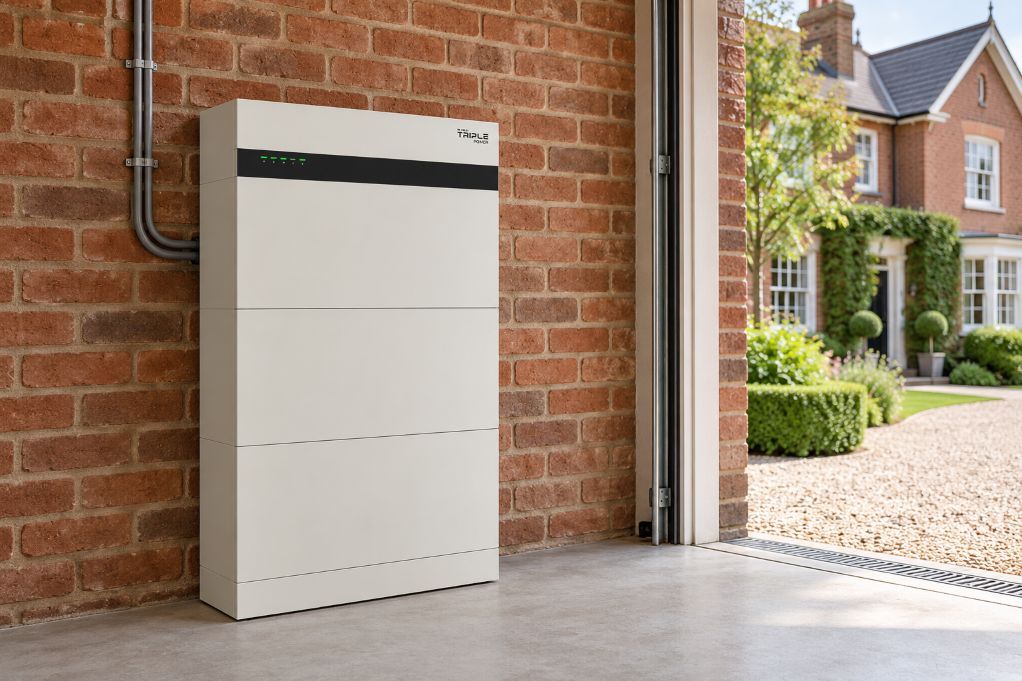
The SolaX T-BAT-SYS-HV-5.8 is one illustrative battery storage option, not a universal recommendation. Its 5.8 kWh configuration uses LiFePO4 cells and includes remote fault diagnosis, upgrades and maintenance. Capacity is the stored-energy size; monitored usable energy also depends on state-of-charge limits, reserve settings and your household load pattern.
Ask how the displayed state of charge relates to backup reserve.
Match battery storage for home to normal consumption, not data alone.
Have a qualified installer confirm inverter battery compatibility.
Prioritise accurate, readable solar battery monitoring
Ask for a demonstration using your intended solar system configuration before purchase. The aim is not to prove that one platform is always more accurate, but to check whether the information is understandable without manual calculations. SolaXCloud provides real-time data access, smart tariff optimisation and energy-management functions within the SolaX smart energy management environment.
Check whether you can quickly identify:
Solar generation, household use, battery power and grid flow
Battery state of charge and operating status
Historical charts that explain day-to-day changes
Alerts for faults or unusual conditions
Time-of-use controls that match your tariff
EV charger or smart-load activity, where installed
Use solar battery alerts as prompts for action
Alerts are useful only when you know the next action. Review the energy-flow chart weekly, confirm that internet connectivity remains active, and retain the installer's support details. The Energy Saving Trust notes that batteries can work with smart time-of-use tariffs, but a suitable tariff depends on when your household can shift electricity use.
Monitoring issue | Likely cause | Practical next action |
Low state of charge | High demand or reserve setting | Review daily flow chart |
No expected solar charging | Weather or operating mode | Check generation first |
Delayed data | Connectivity issue | Check network and account |
Repeated warning | Equipment condition | Record code; contact installer |
Do not open the battery, alter wiring or change firmware settings yourself.
Review smart energy management before committing
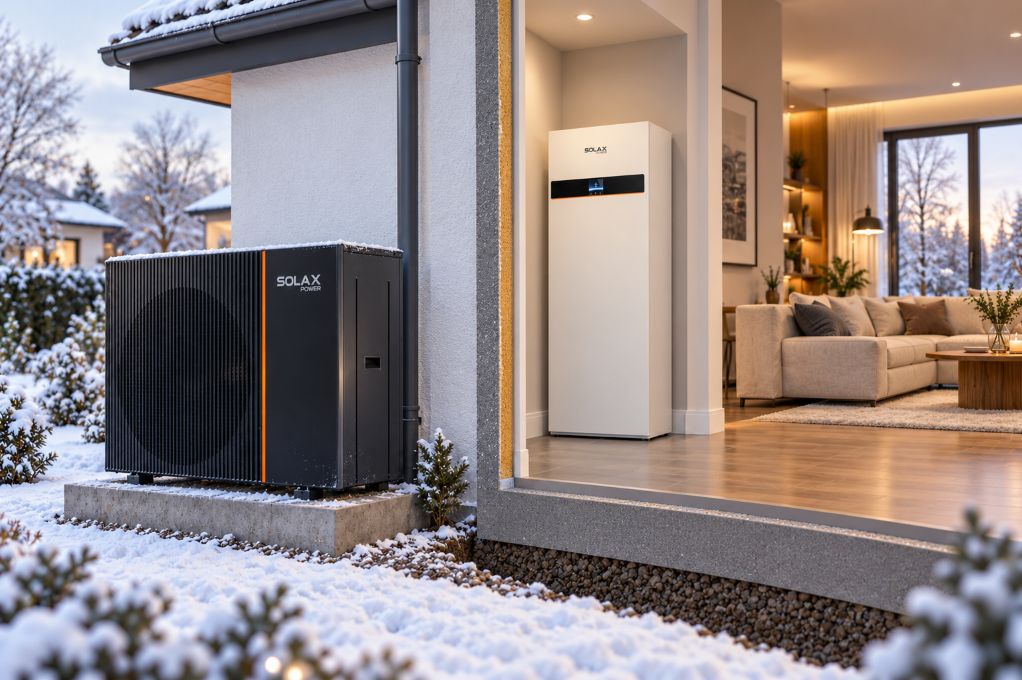
SolaX Smart Energy Management Solutions frames monitoring as a tool for analysing and managing energy consumption, not simply viewing data. This matters when you want the solar battery, solar inverter, EV charger or compatible heat pump to respond to time-of-use settings. Confirm that every intended device is supported in the final design.
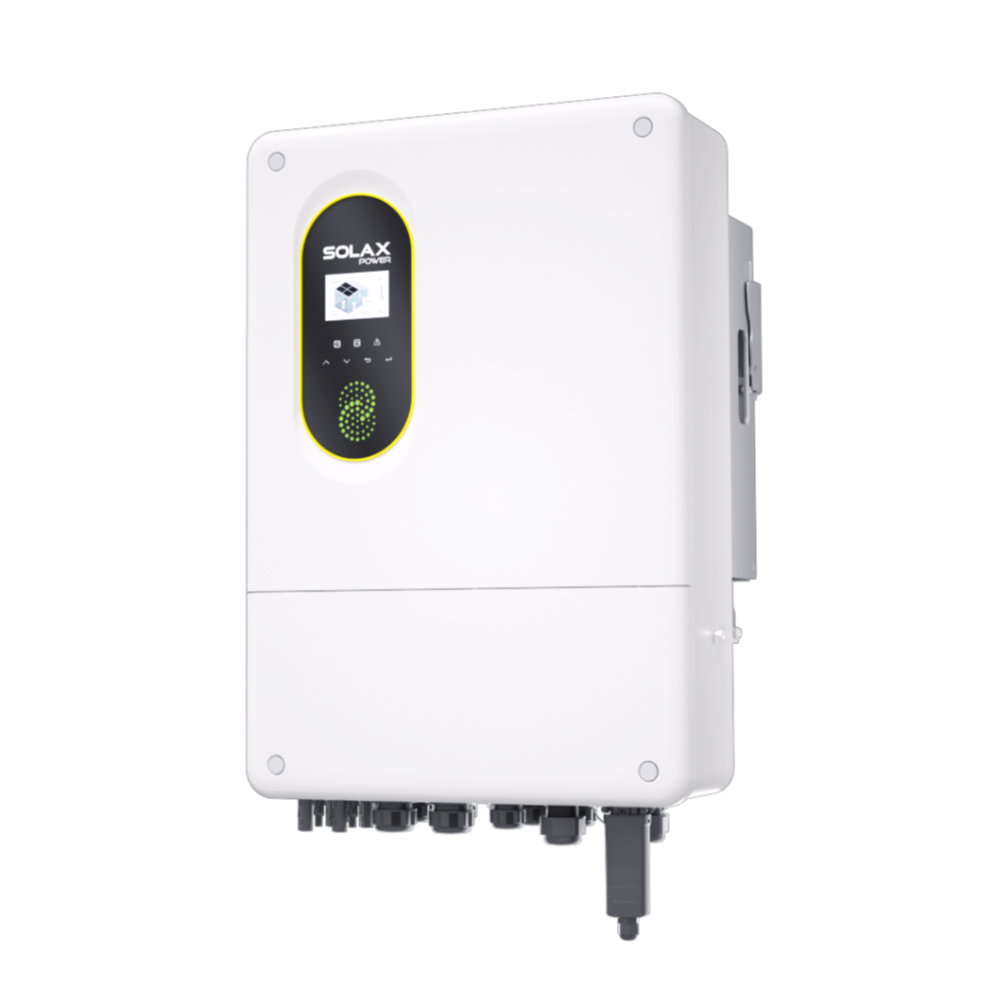
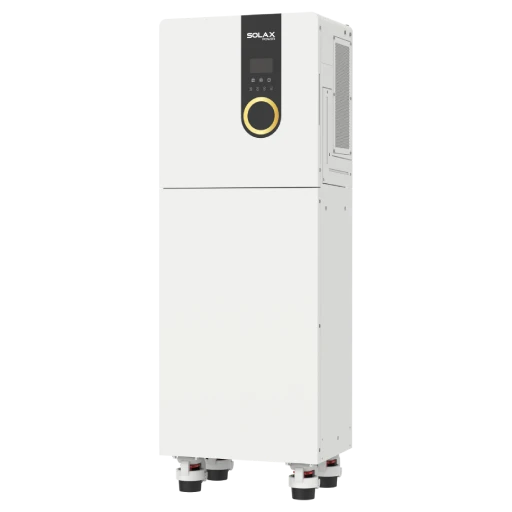
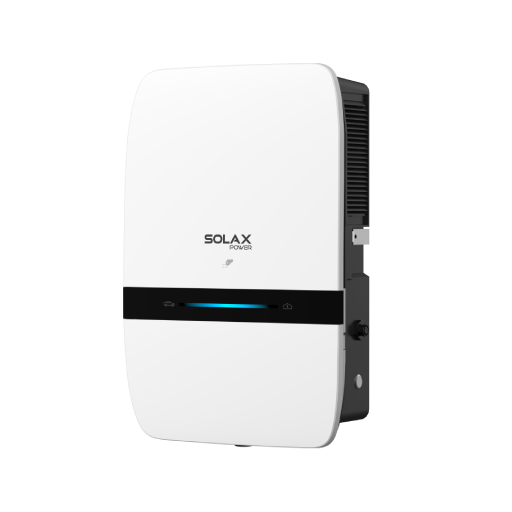
For an integrated residential route, X-ESS G4 offers real-time SolaXCloud monitoring, time-of-use-driven energy management and compatible smart-load management for equipment such as EV chargers and heat pumps.
Complete commissioning and safety checks
A qualified installer should assess the electrical arrangement, battery location and compatible meter before handover. Confirm cloud account access, backup expectations, reserve settings and any tariff programme before commissioning is complete. You should also know how to interpret routine status messages and when to contact an authorised service professional.
FAQ
Table of Contents
Latest News
Explore expert insights, practical guides, and the latest news on SolaX Power.




To the Latest Newsletter
Stay Ahead with the Latest SolaX Updates!
Subscribe
I have read and agree to Privacy Policy and User Terms