














October 28, 2026
Best Home Batteries for Overnight EV Charging and Lower Electricity Bills in UK
Share my #SolaXStory


Charge an EV overnight without losing control of household energy
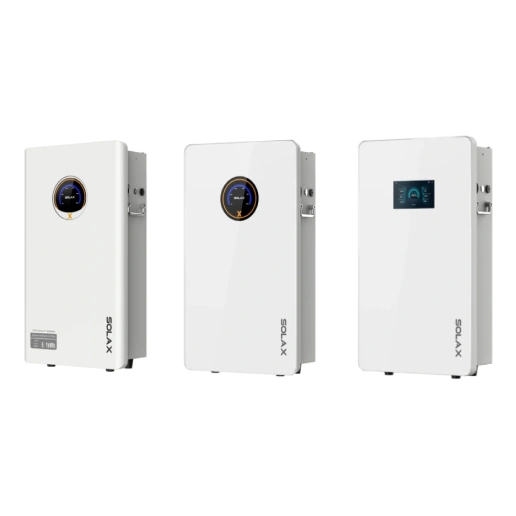
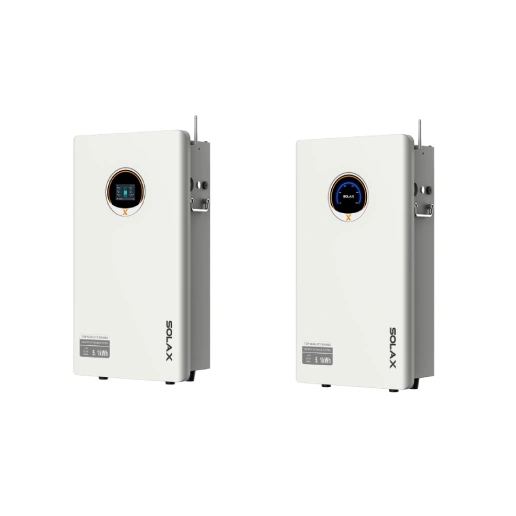
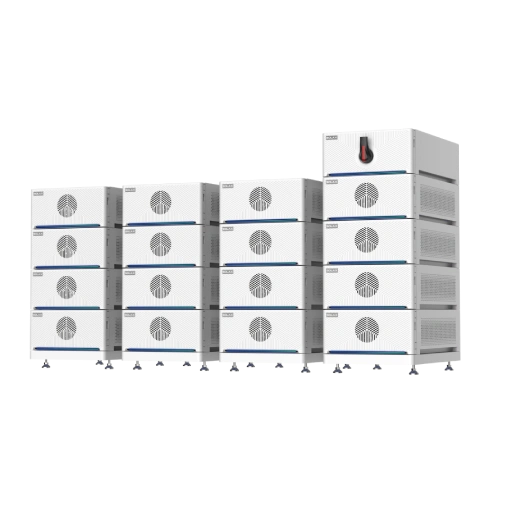
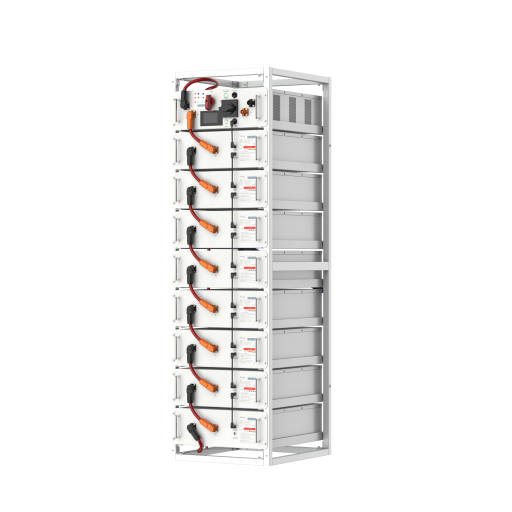
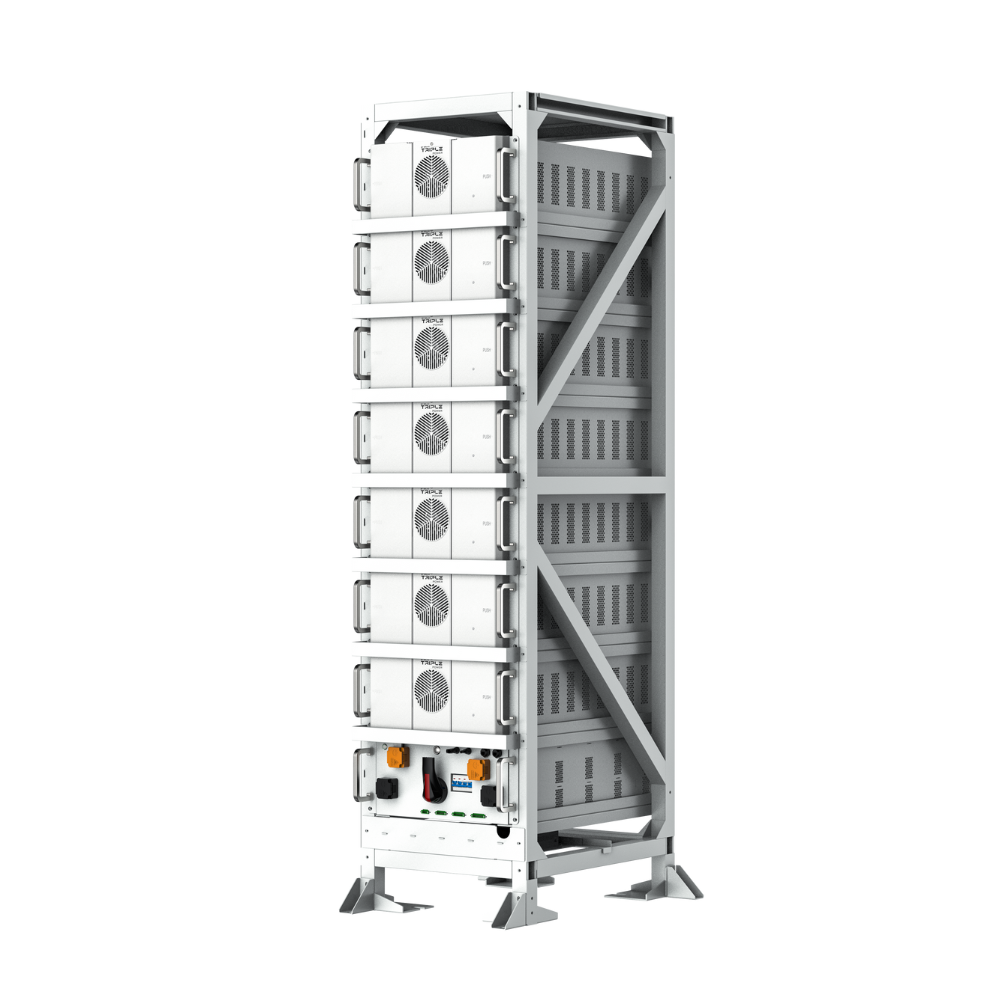
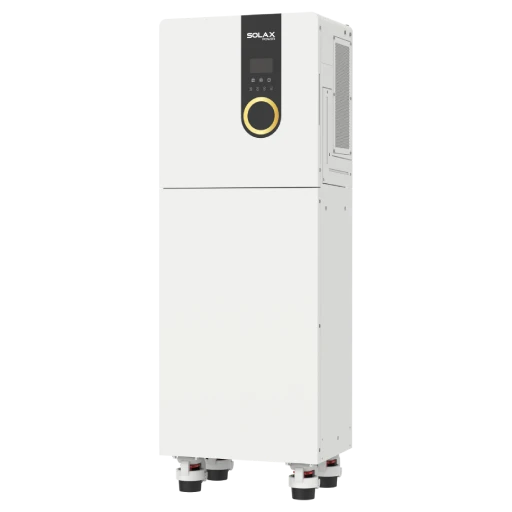
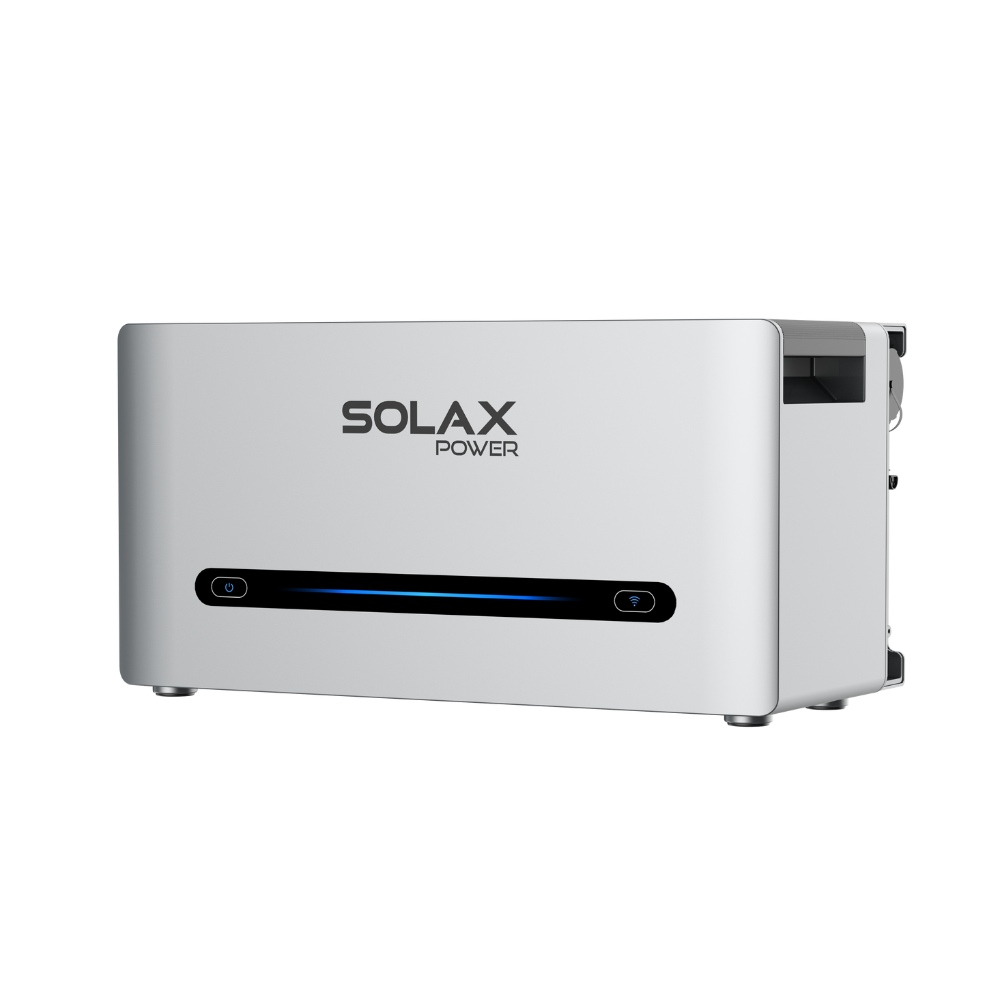
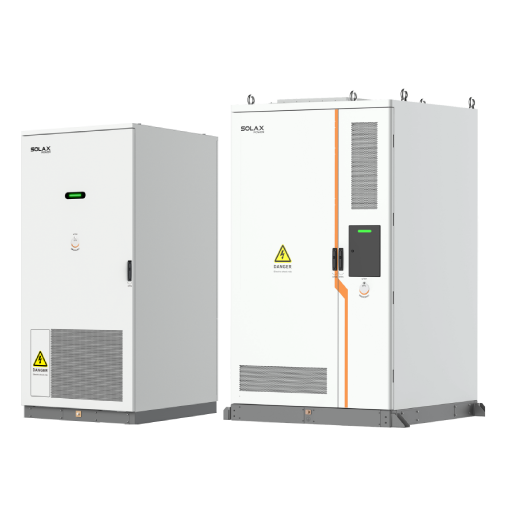
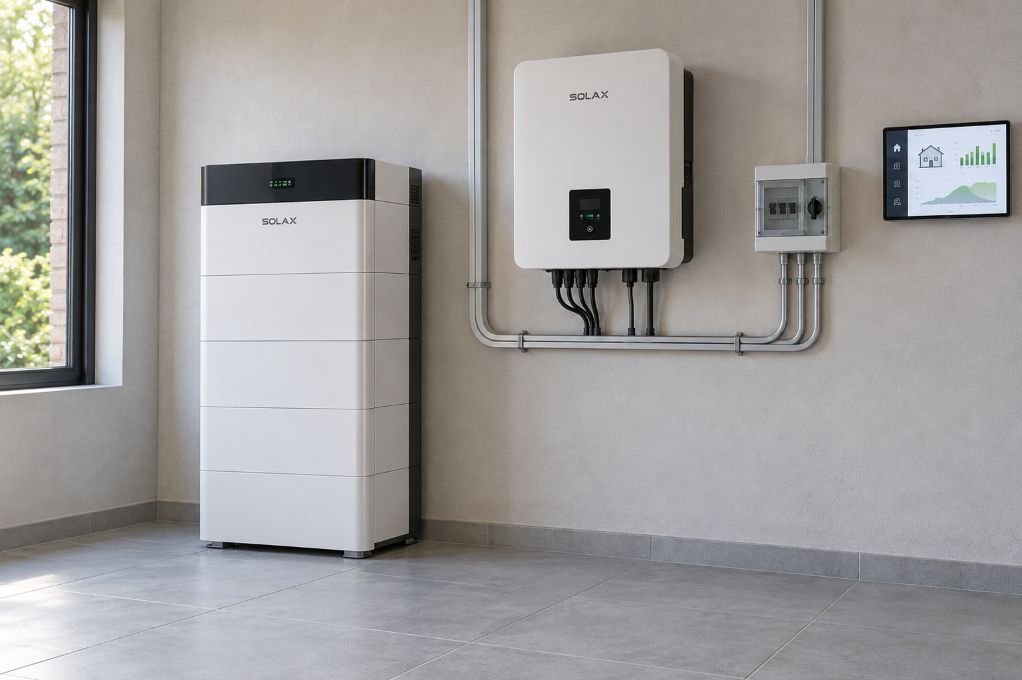
Charging an EV overnight can undermine your household plan if the battery is sized only by capacity. Effective home battery storage UK needs usable energy, discharge power, a protected reserve, tariff schedules and charger load control. SolaX Residential Batteries provide modular LFP storage, while SolaXCloud monitoring and the Smart EV Charger G2 coordinate charging with home demand.
The right solar and battery arrangement should prioritise essential household loads first, preserve your chosen reserve, then charge the vehicle during the low-rate window. This approach suits homes with solar PV, a planned solar energy system, or a time-of-use tariff.
What makes home battery storage UK suitable for overnight EV charging?
Separate stored energy from delivery power
Capacity, measured in kWh, determines how much solar power storage is available. Power, measured in kW, determines how quickly the inverter battery can supply an EV charger alongside household loads. Both figures matter: a large solar battery with limited discharge power may not support the charging rate you expect.
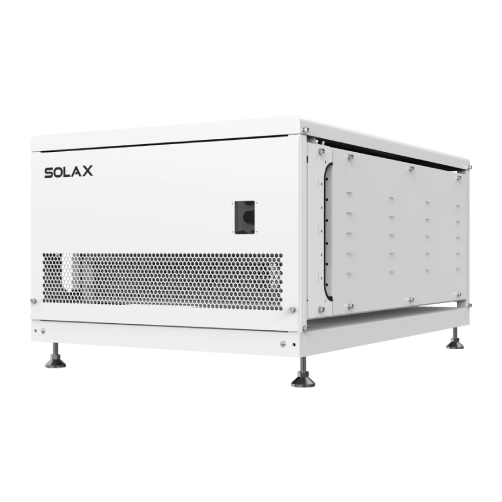
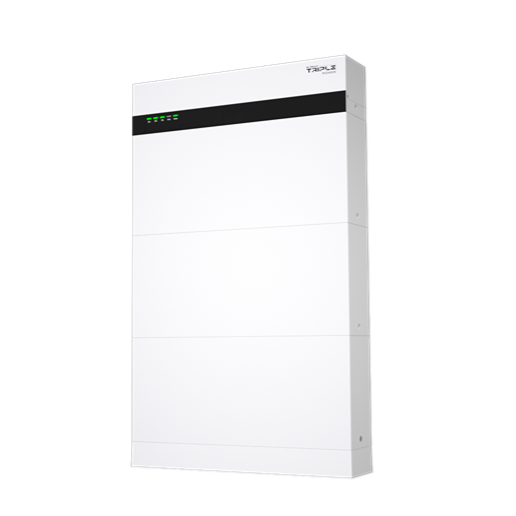
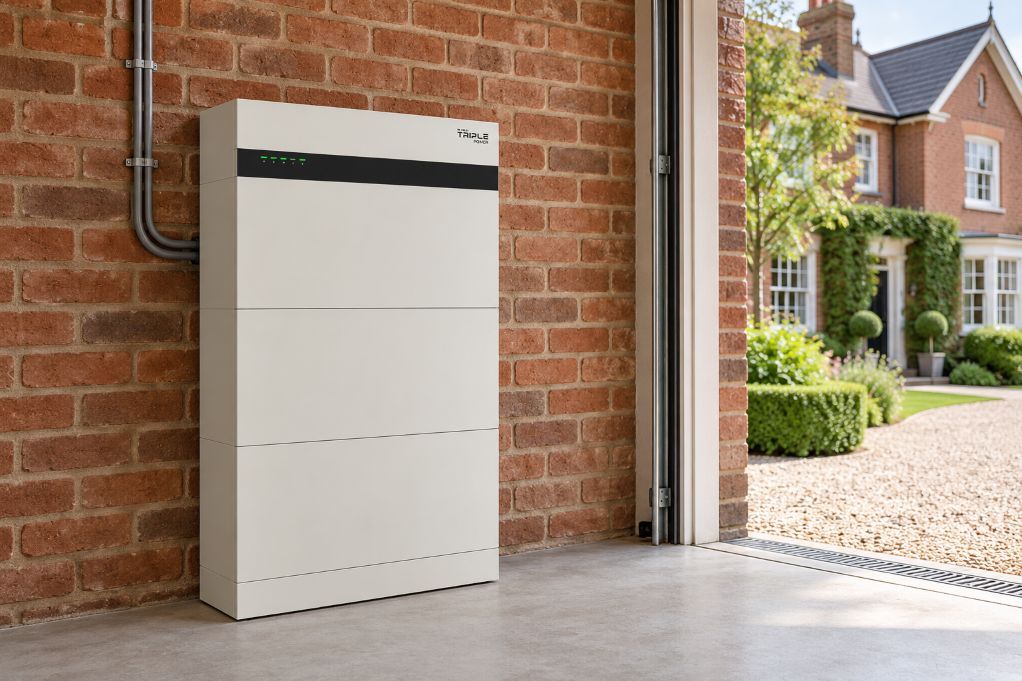
The SolaX T-BAT-SYS-HV-R3.6 is a modular solar battery storage system spanning 7.3–47.8 kWh per stack. Its smallest 7.3 kWh configuration is rated at 5.1 kW maximum charge/discharge power; larger configurations increase available energy and power. Size around overnight EV energy, evening demand and reserve—not the vehicle’s full battery capacity.
Set an overnight energy hierarchy
Use clear operating priorities before commissioning:
Keep essential household supply available.
Hold the battery reserve you selected.
Charge the EV in defined low-price periods.
Store daytime solar surplus where possible.
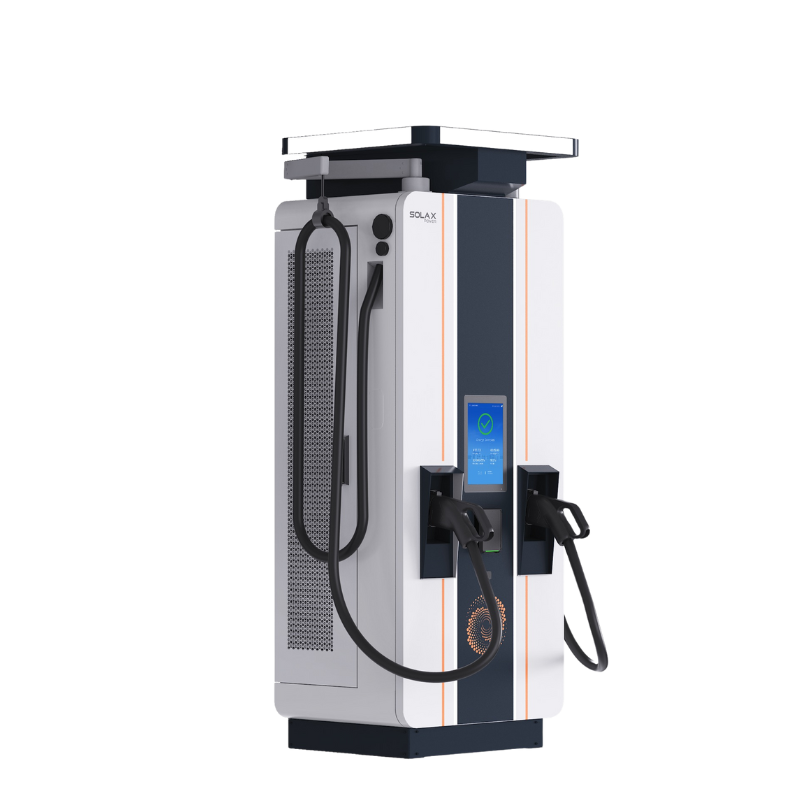
The Smart EV Charger G2 supports remote scheduling, real-time monitoring and dynamic load balancing. This allows charging output to adjust against household capacity when appliances, the hybrid inverter and EV charger operate together.
Build a solar and battery configuration around your installation
Choose the system pathway first
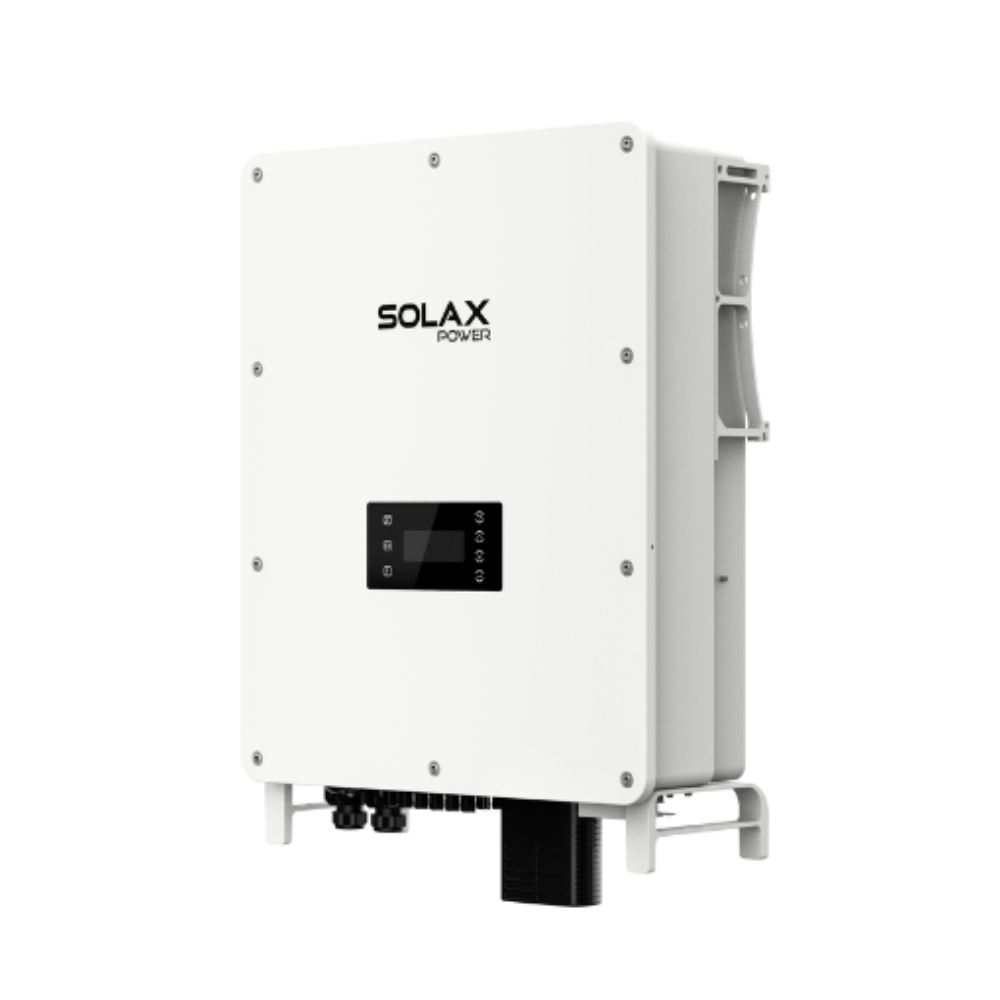
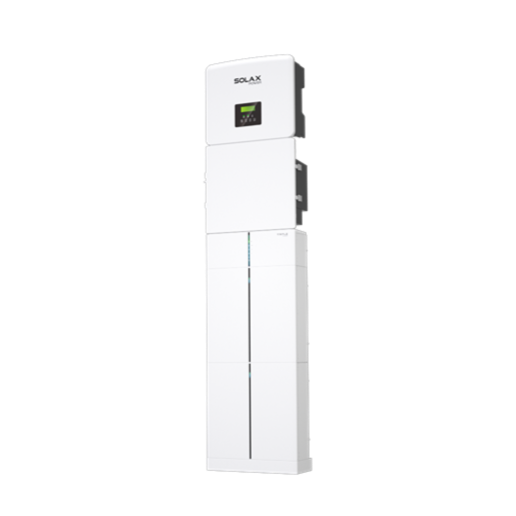
SolaX Residential Solutions covers PV, ESS, PV + ESS + Wind, and PV + ESS + EV Charging pathways. For overnight EV charging, the final option brings together solar PV, an energy storage system and charging control rather than treating each component separately.
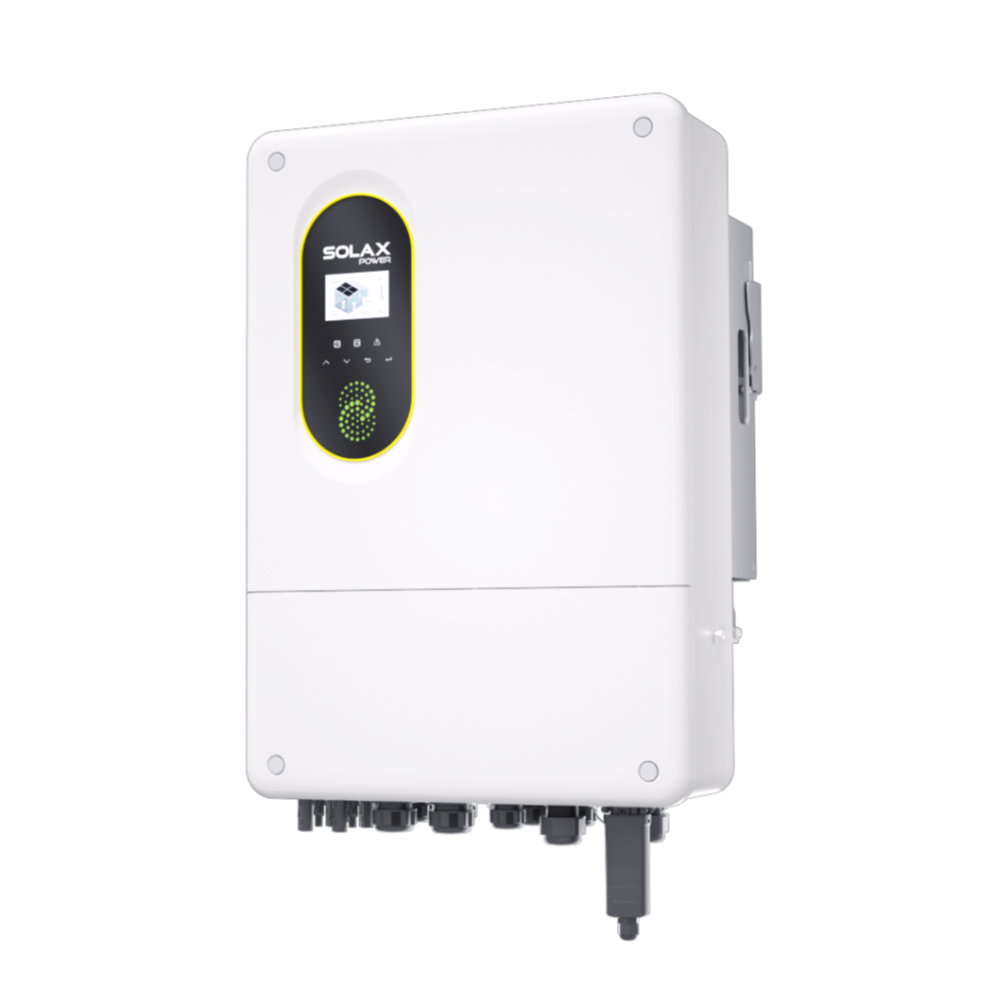
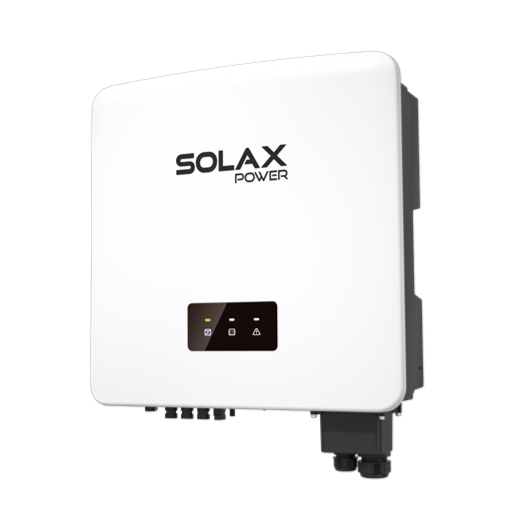
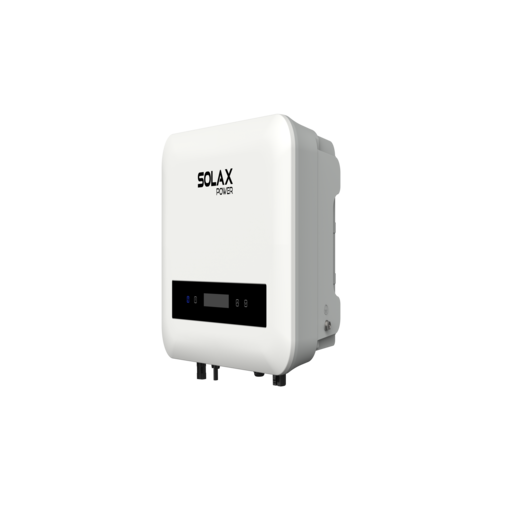
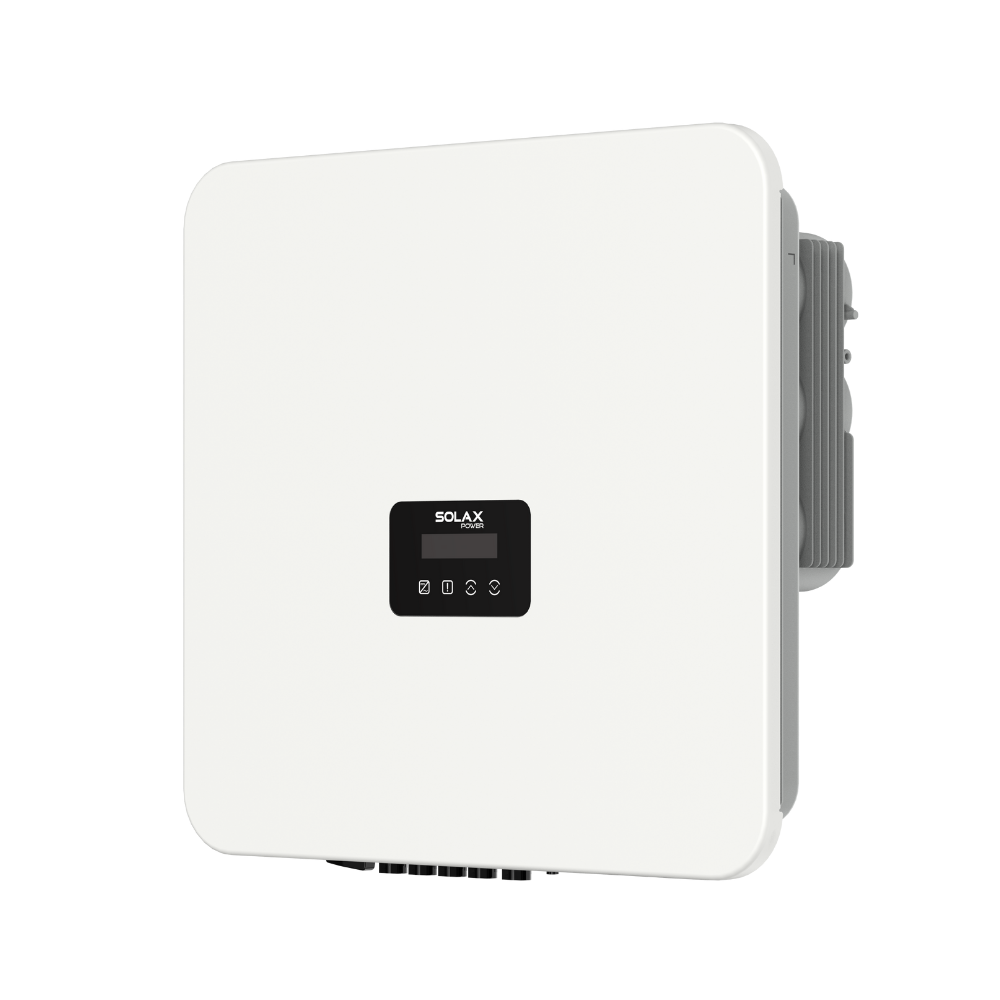
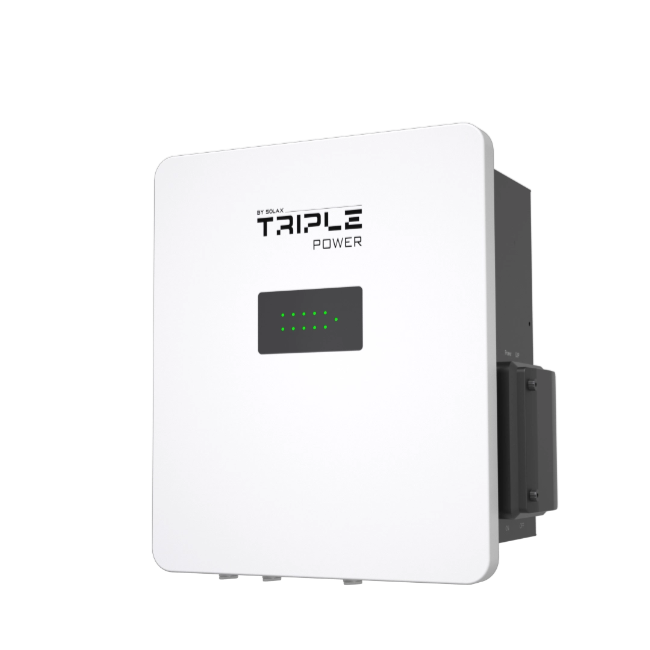
A hybrid inverter converts and manages electricity between solar panels, battery storage and the home. Solar output normally peaks during daylight, whereas tariff-led EV charging may occur overnight. Therefore, your installer should create separate rules for solar charging, grid tariff charging and vehicle charging.
Use smart energy management deliberately
The SolaX home-energy platform supports system monitoring, remote maintenance and intelligent energy management through SolaXCloud. Enter the exact off-peak periods supplied by your tariff, then review charge and discharge behaviour after commissioning.
Savings are not guaranteed: results depend on tariff rates, EV mileage, household use, solar yield, battery losses and configuration. Nevertheless, GOV.UK notes that synchronising charging with cheaper flexible-tariff periods can create economic savings. GOV.UK also identifies smart meters as an enabler for time-of-use charging.
Which home battery storage UK factors should decide the final system?
Build a household and EV load profile
Collect these inputs before requesting a design:
Typical daily EV mileage and required overnight charging hours
Average evening electricity use
Solar PV generation history or projected yield
Preferred battery reserve for household use
Exact tariff window and intended charger power
A larger solar battery is not automatically better value if it rarely cycles or cannot be filled during economical periods. The installer should assess capacity and power together.
Confirm connection and commissioning requirements
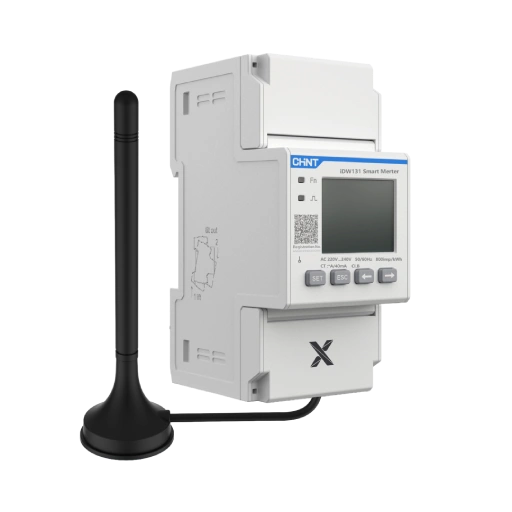
A qualified installer should assess supply capacity, meter and CT placement, export settings, inverter installation and charger protection. The Energy Networks Association explains that electricity storage must meet EREC G98 or G99 connection requirements, depending on the installation characteristics and capacity. Energy Networks Association confirms that storage is treated as both demand when importing and generation when exporting.
Practical setup habits and avoidable mistakes
Do
Match battery discharge power to the planned EV charging demand.
Programme charging within verified tariff windows.
Retain an essential-load reserve in the solar battery.
Check monitored data after the first few charging cycles.
Don't
Size battery storage for home from EV battery capacity alone.
Assume solar energy will cover overnight charging.
Change installer-configured protection or export settings yourself.
Ignore household demand when selecting a solar EV charger.
The recommended next step
Prepare a short brief for your installer covering EV mileage, charging hours, tariff periods, solar PV output and reserve preference. A SolaX solar power system for home combines residential batteries, a compatible solar inverter, SolaXCloud monitoring and the Smart EV Charger G2 so those settings can work as one controlled energy solution.
FAQ
Table of Contents
Latest News
Explore expert insights, practical guides, and the latest news on SolaX Power.




To the Latest Newsletter
Stay Ahead with the Latest SolaX Updates!
Subscribe
I have read and agree to Privacy Policy and User Terms