














October 28, 2026
Sardinia's 70% Self-Consumption Rule Puts Public Solar Design to the Test
Share my #SolaXStory


Sardinia has opened a €14 million call for solar and battery storage on public buildings. The funding is attractive, but the real challenge is elsewhere: every supported project must use at least 70% of its PV generation locally.
For municipalities, that changes the starting point.
The usual question in a solar project is how much PV can be installed. Under Sardinia's new scheme, that is only half the question. The other half is whether the building — or group of buildings — can actually use the electricity when it is produced.
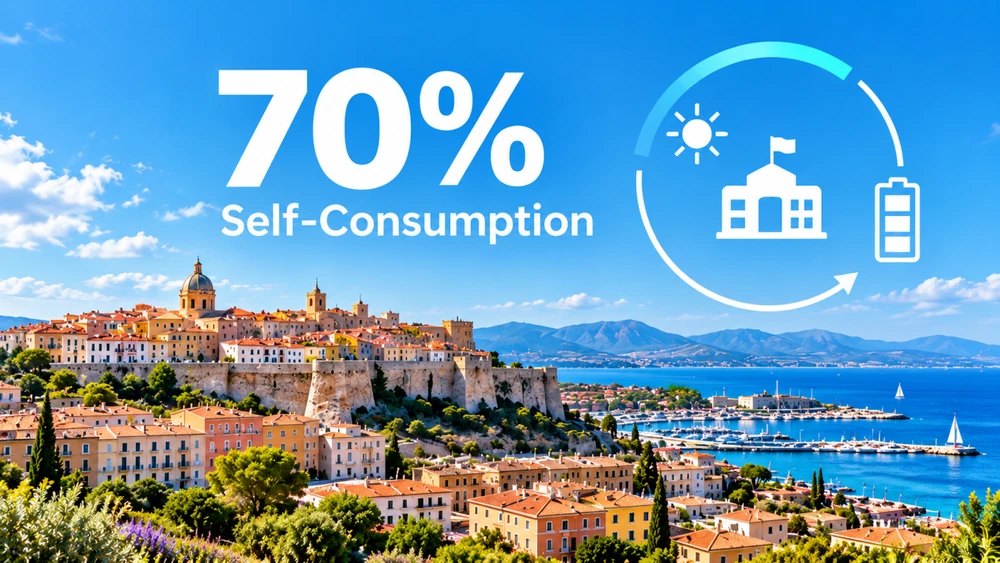
The programme targets municipalities with more than 20,000 inhabitants and can cover up to 100% of eligible costs. One application can include several public buildings or assets. PV on rooftops and already sealed areas such as car parks is eligible, as are electrochemical storage systems, including batteries added to existing PV. Repowering and revamping are also allowed. The initial €14 million budget may be expanded through funds already allocated for 2027 and 2028.
The headline, however, is the 70% annual self-consumption requirement, including energy shifted through batteries.
That is not a small technical detail. It is the rule that will shape these solar energy projects.
The roof is no longer the starting point for public building solar
Public buildings are not easy energy users.
A school may have a good daytime load during term time, then consume far less during weekends and summer holidays. A municipal office is more predictable. Sports facilities often use more energy later in the day. A public car park may have little demand now but could become a significant load once EV charging is added.
Putting the largest possible PV system on each roof can therefore create the wrong result.
If midday solar generation is much higher than local demand, the excess has to go somewhere. A solar battery storage system can absorb part of it, but only if storage has been sized for the actual surplus and for the hours when that energy will later be needed.
This is why the 70% rule should be read as a design constraint, not simply a performance target. For many projects, the first useful document may not be a roof plan. It may be a year of interval consumption data.
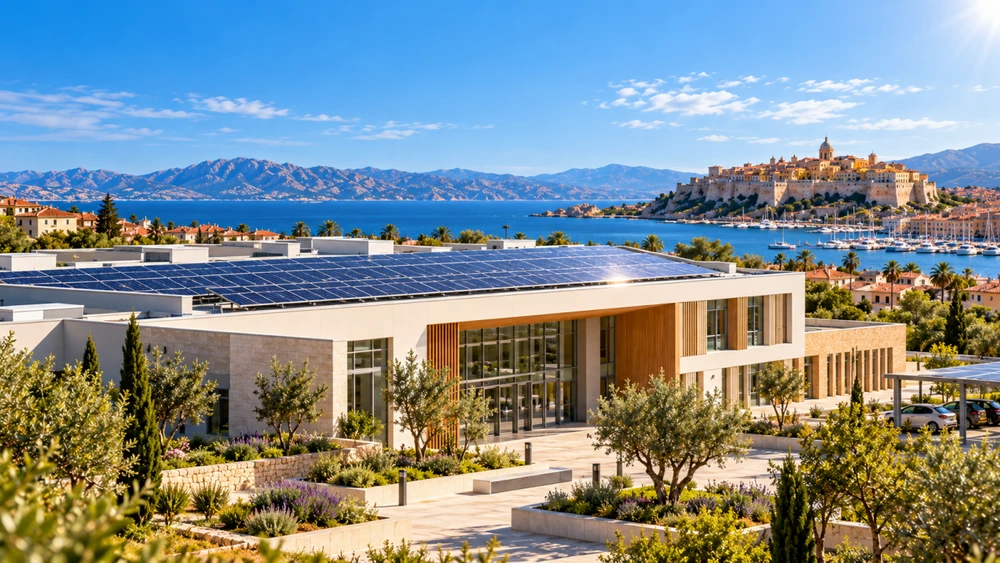
Solar battery storage helps, but it does not fix bad PV sizing
It is tempting to treat a battery energy storage system (BESS) as the obvious answer to the self-consumption requirement. It is part of the answer, but not all of it.
A small battery may fill before the solar peak has passed. A large one may spend much of the year underused. An oversized PV array can generate more energy, yet make a 70% self-consumption ratio harder to reach.
Seasonality complicates the picture. Sardinia has strong solar resources, while public-building demand can change sharply through the year. A system that looks balanced in April may behave very differently in August.
The useful question is therefore not “How many kilowatt-hours of battery storage do we need?” in isolation. It is “What combination of PV, storage and load gives this site a realistic annual energy balance?”
That also means looking ahead. EV charging, heat pumps or further electrification may raise demand over the life of the system. But assuming too much future load can be just as misleading as ignoring it.
There is no universal sizing rule, and that is the point.
Existing solar PV and multiple buildings change the picture
The call is not limited to new installations. Storage can be added to existing solar PV systems, while repowering and revamping are eligible. That could be particularly useful for municipalities with older solar assets that still generate well but have limited monitoring, no storage or outdated control systems.
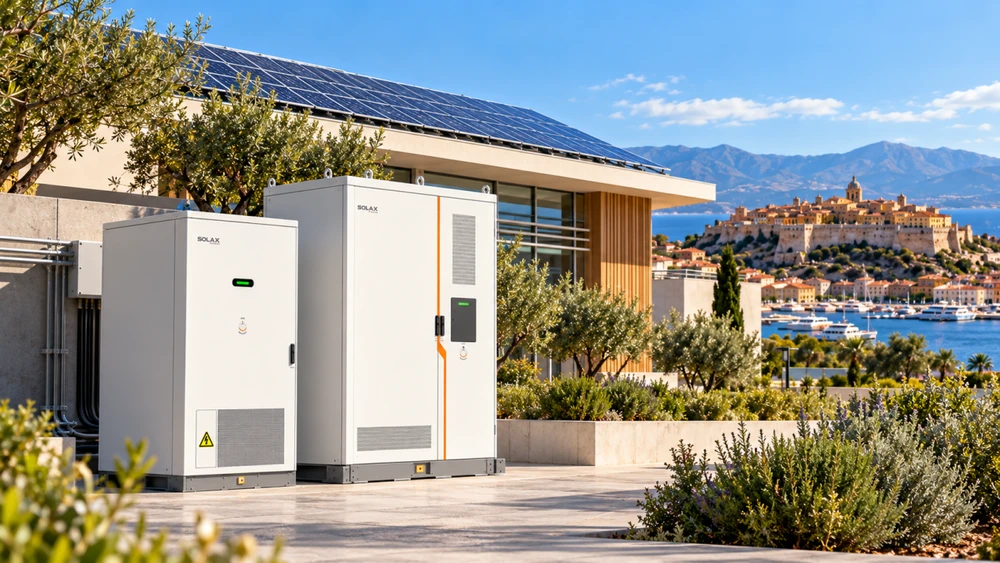
In such cases, the best project may not be another new solar array. It may be a solar energy storage upgrade that allows an existing system to use more of what it already produces.
The scheme also allows one application to cover several buildings and assets, and it supports measures that reduce grid injection, including connections between buildings in the same municipality.
A school, office, sports centre and car park may have poor load matching when treated separately. Together, their profiles can be more useful. One site may have daytime surplus; another may need power later. A car park can add both PV area and flexible demand through EV charging.
That does not mean every municipality needs a complex local energy network. Complexity has a cost, especially in public procurement. But it does mean project teams should look at the wider municipal portfolio before treating each roof as an isolated solar system.
There is also a delivery constraint. Applications are due by 23 November 2026, and funded projects must be completed and tested within 24 months of the financing agreement. Procurement must follow Italy's public procurement rules and the relevant Minimum Environmental Criteria, or CAM.
The strongest design, then, may not be the most elaborate one. It needs to meet the energy target and still be clear enough to procure, build and operate.
SolaX: Designing solar battery storage around self-consumption
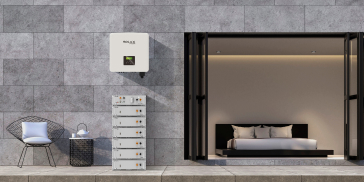
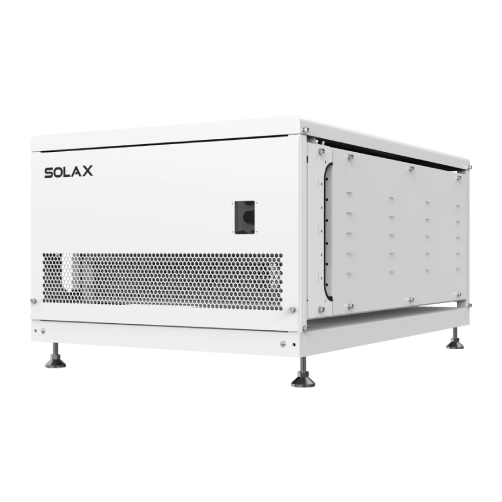
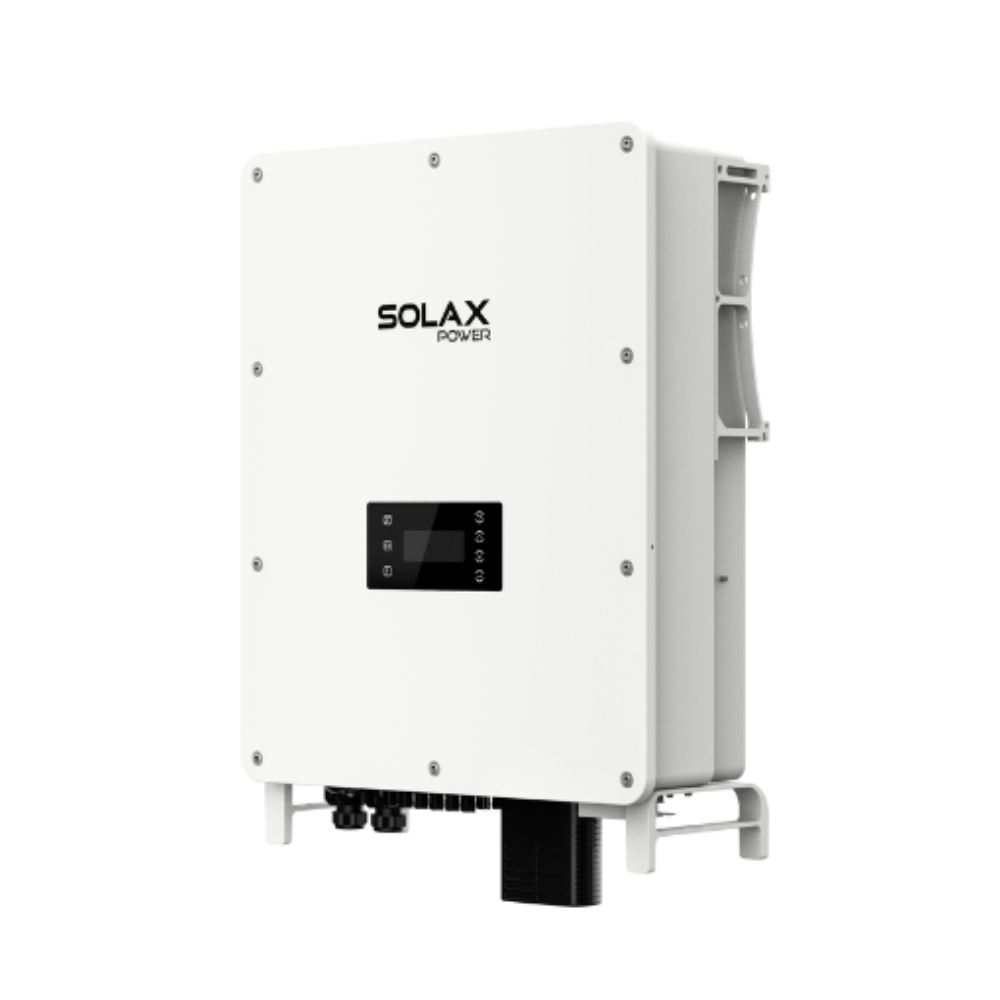
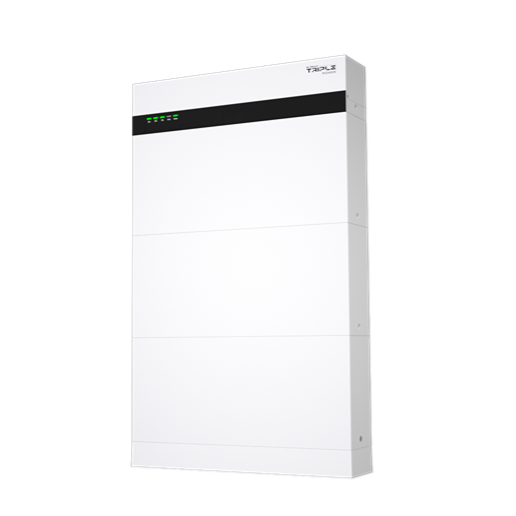
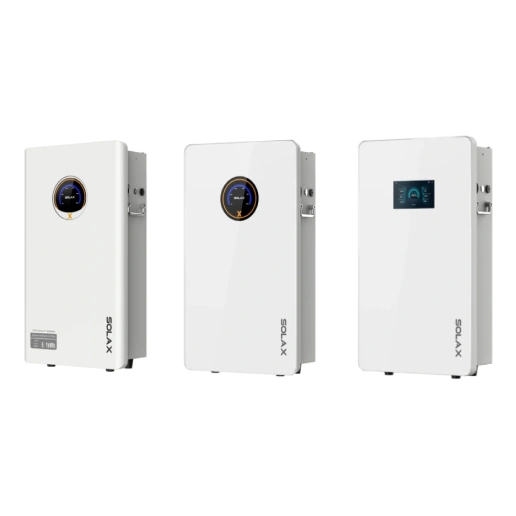
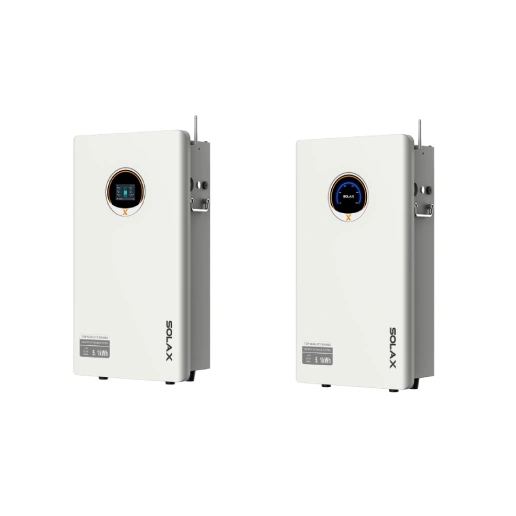
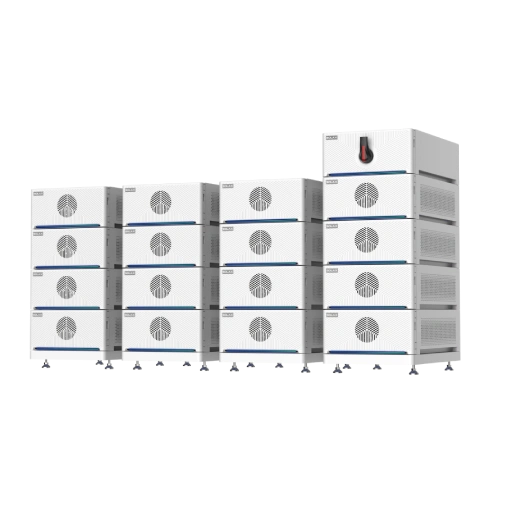
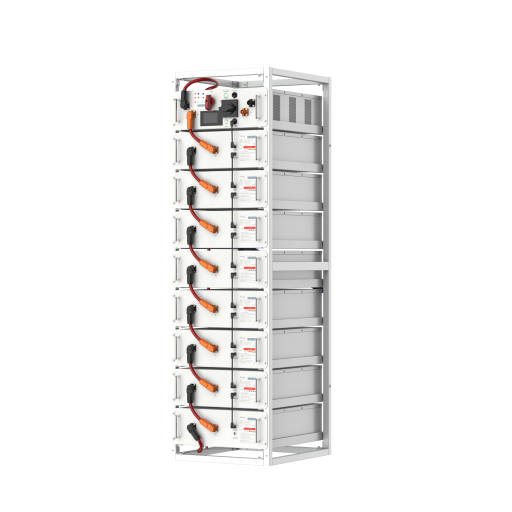
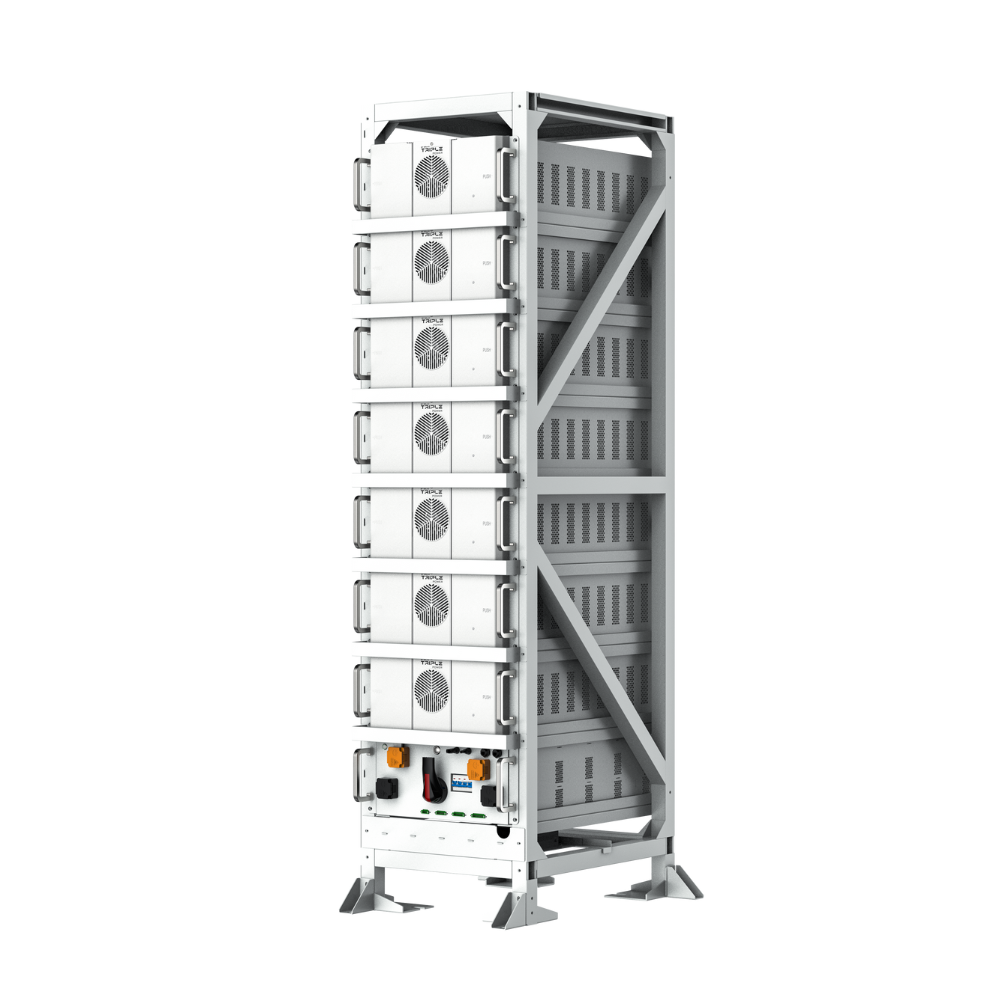
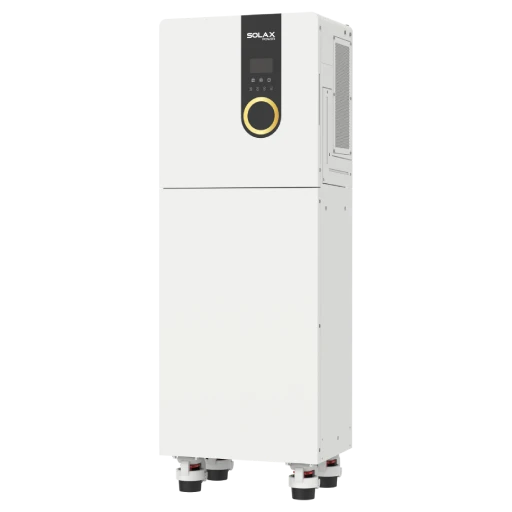
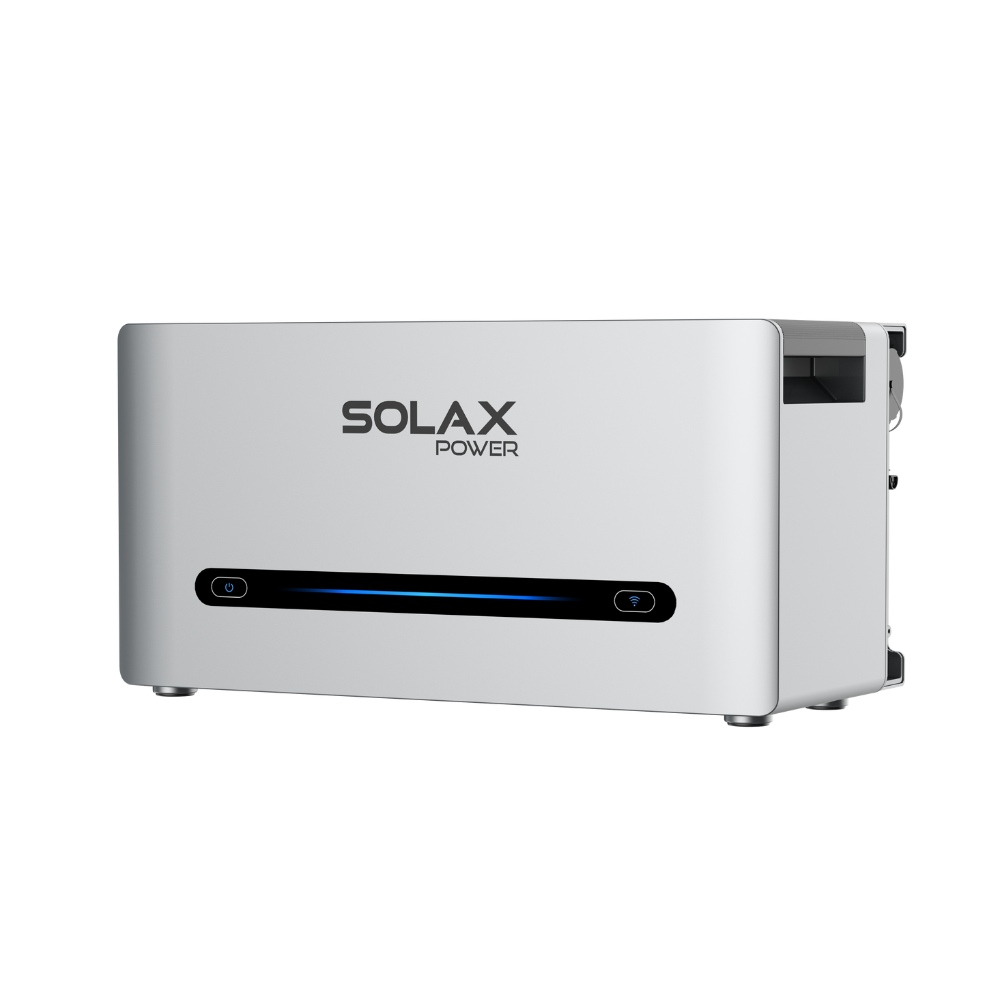
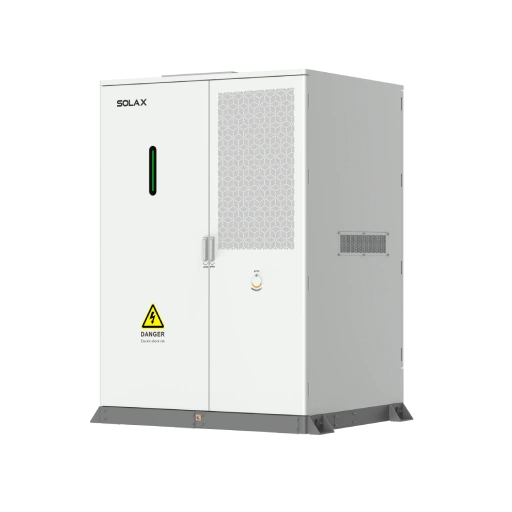
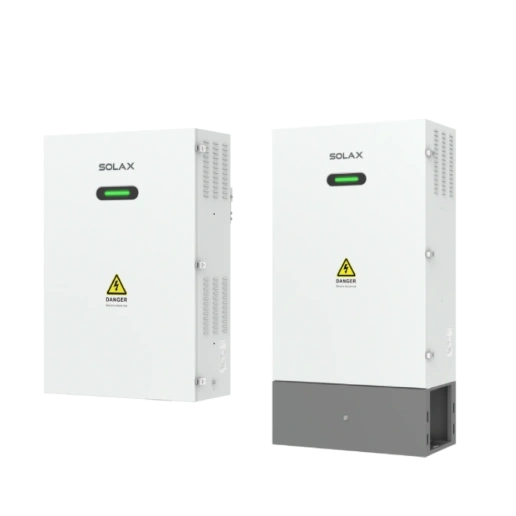
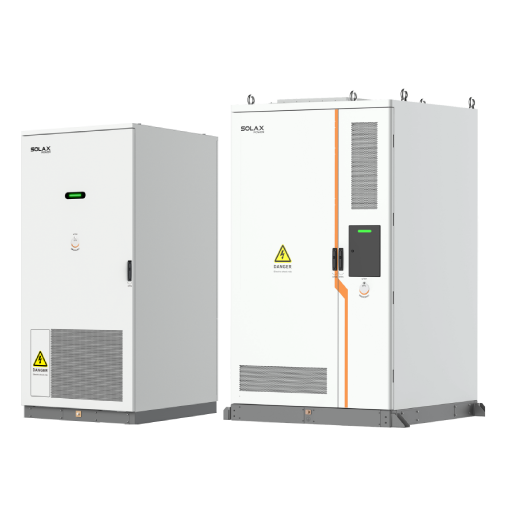
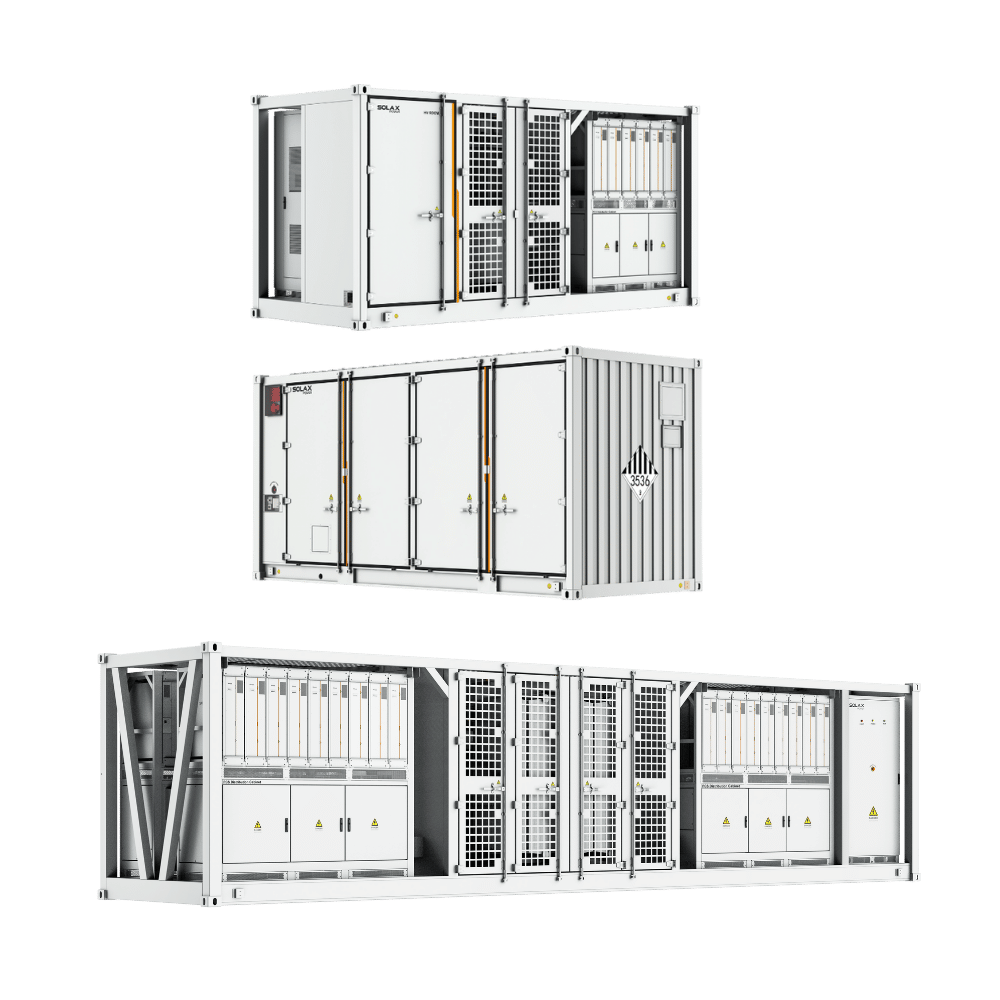
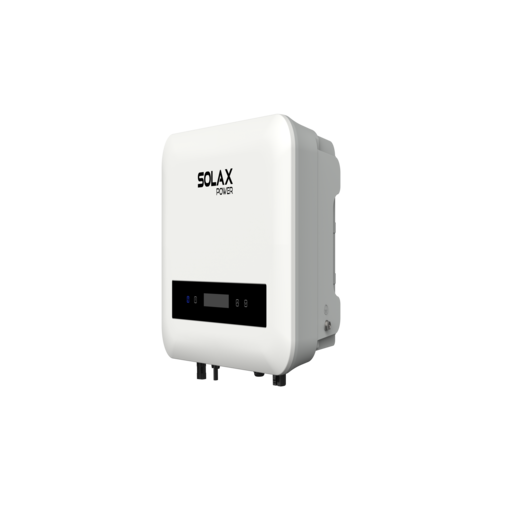
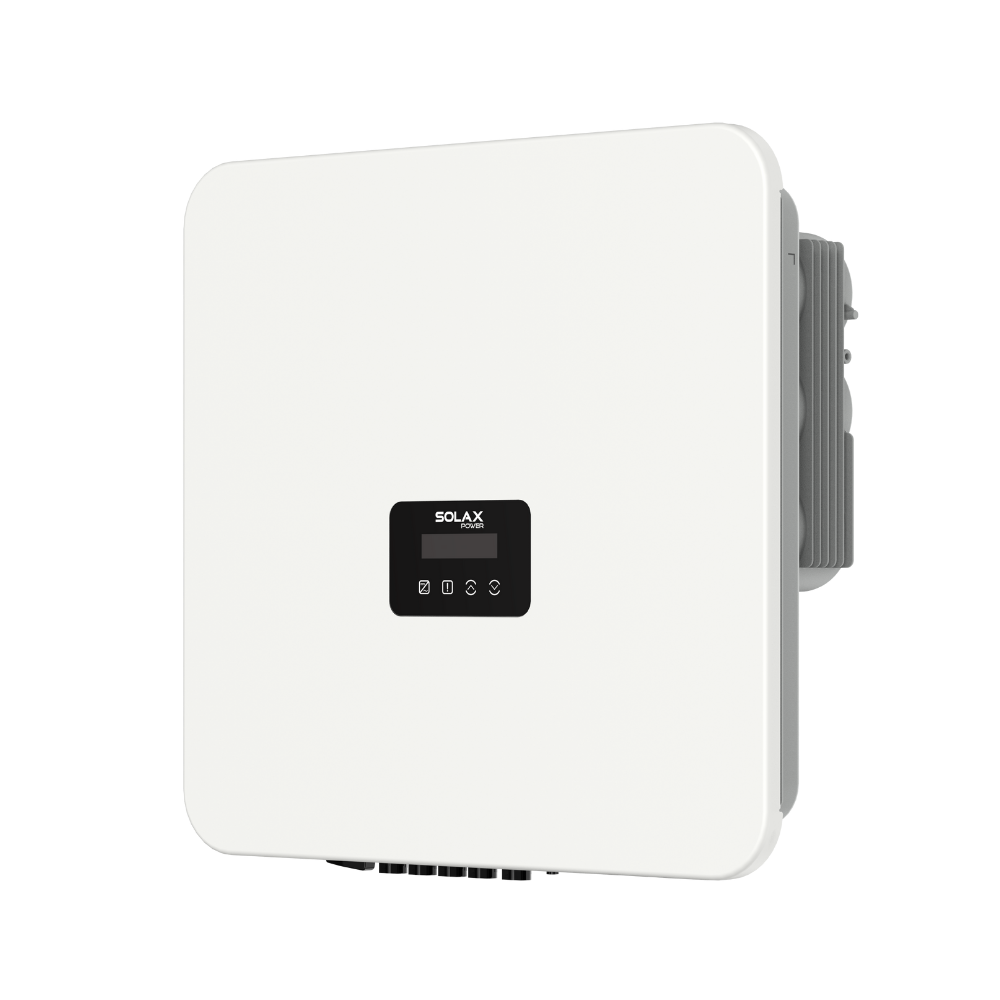
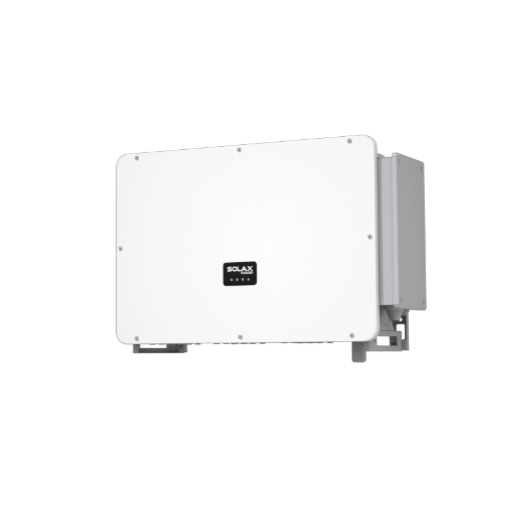
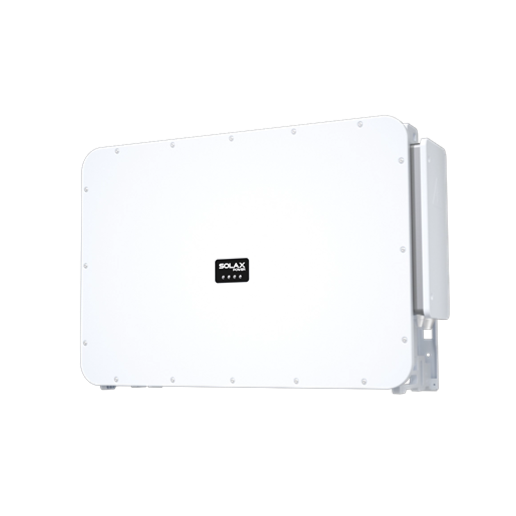
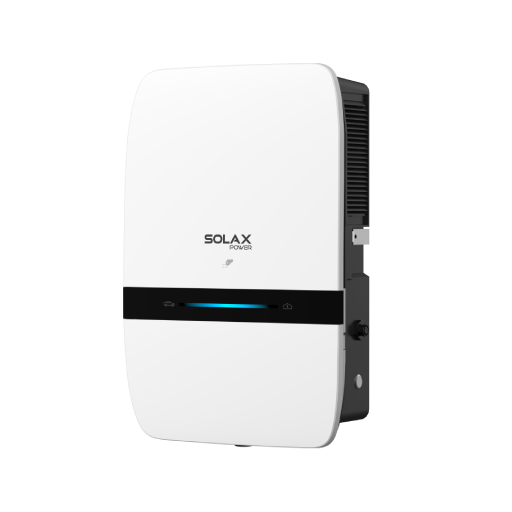
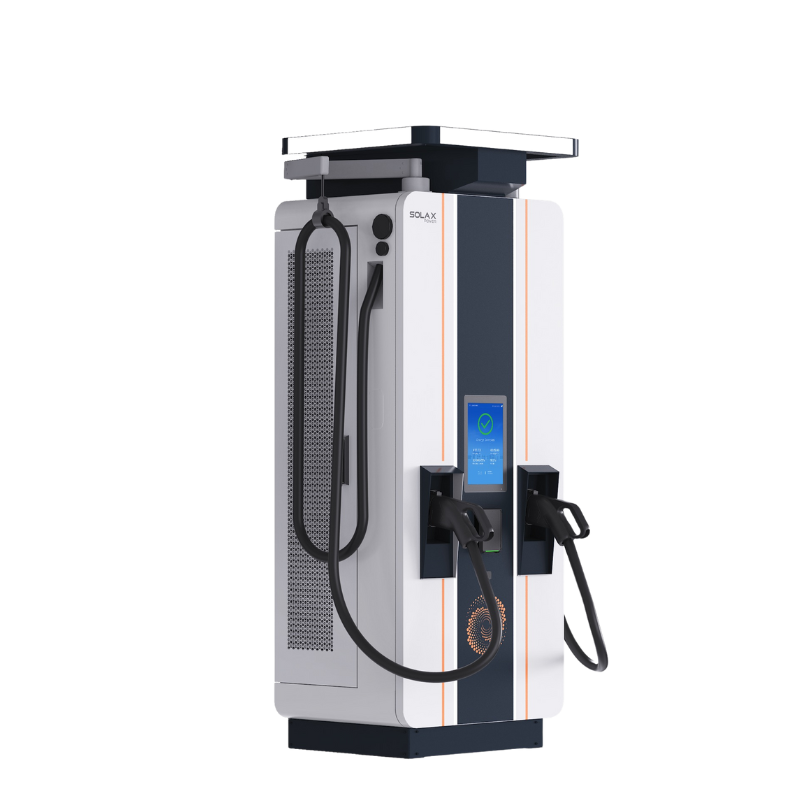
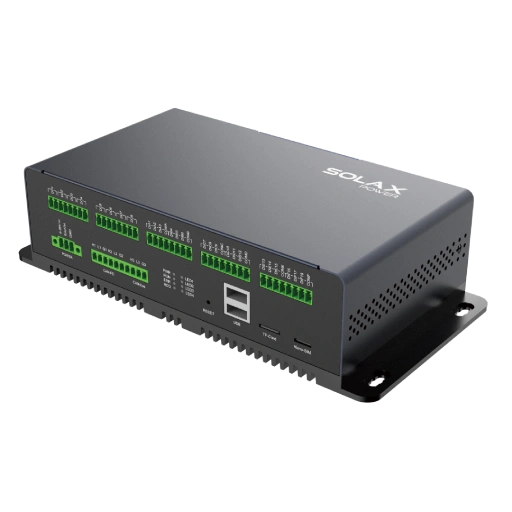
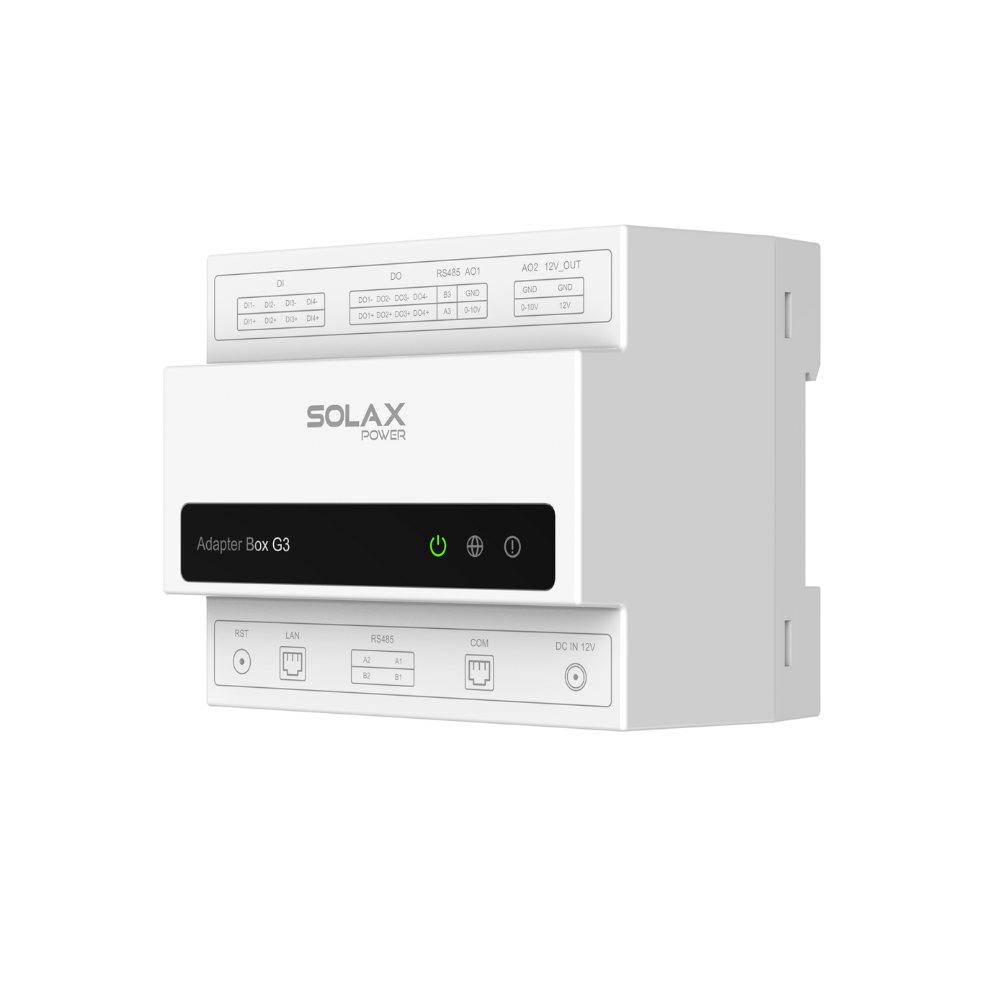
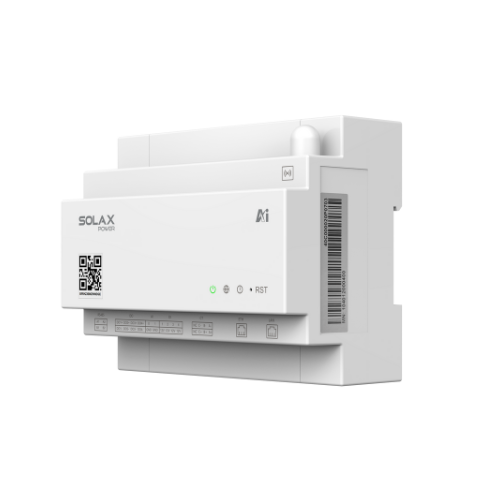
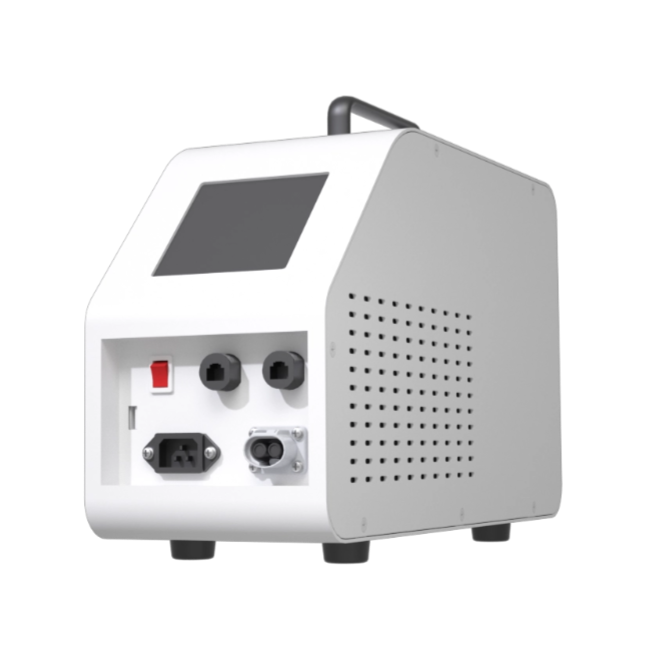
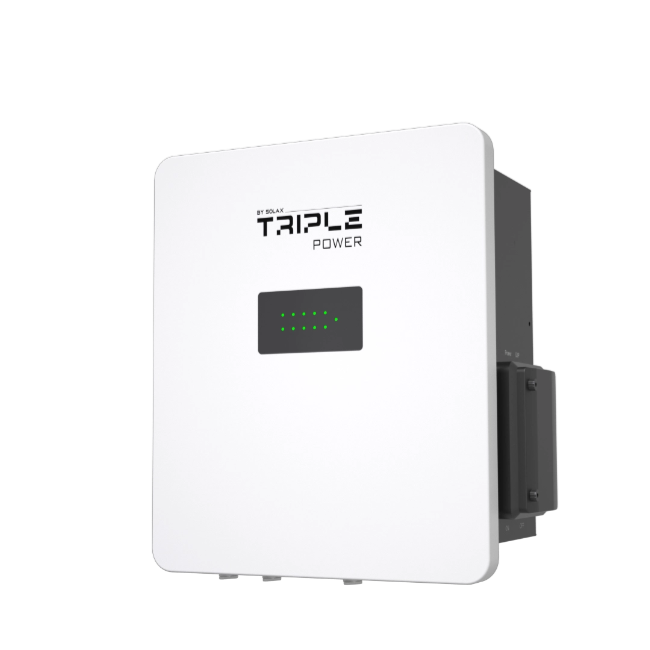
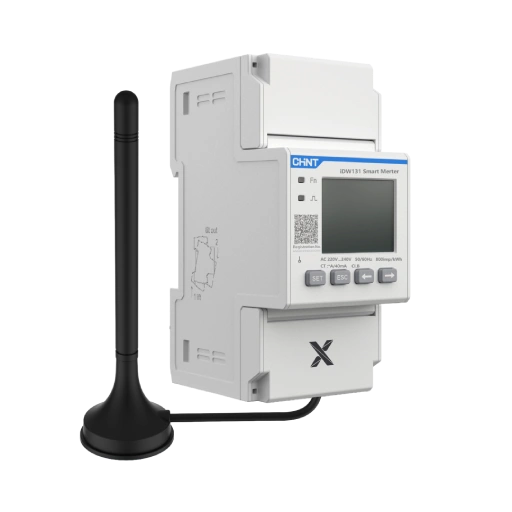
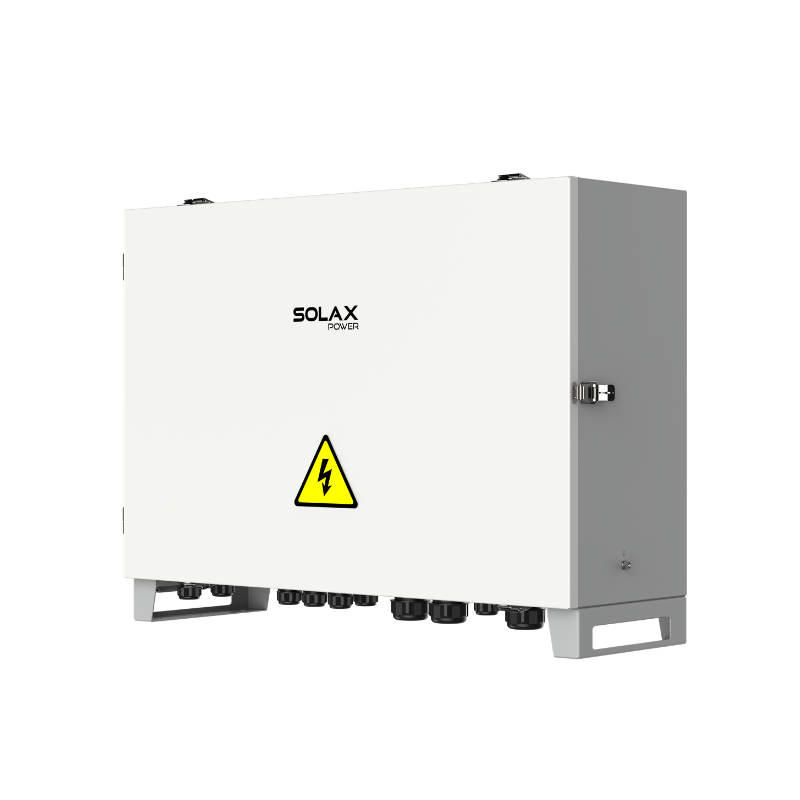
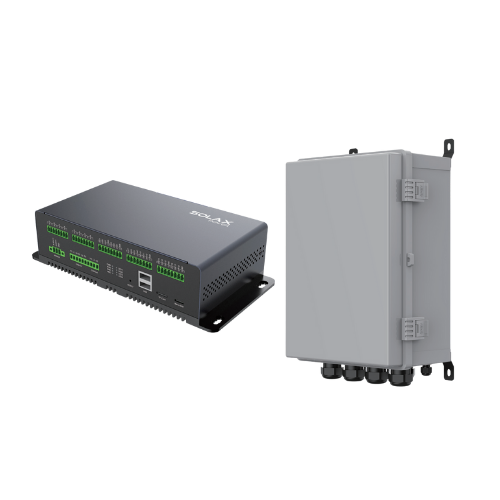
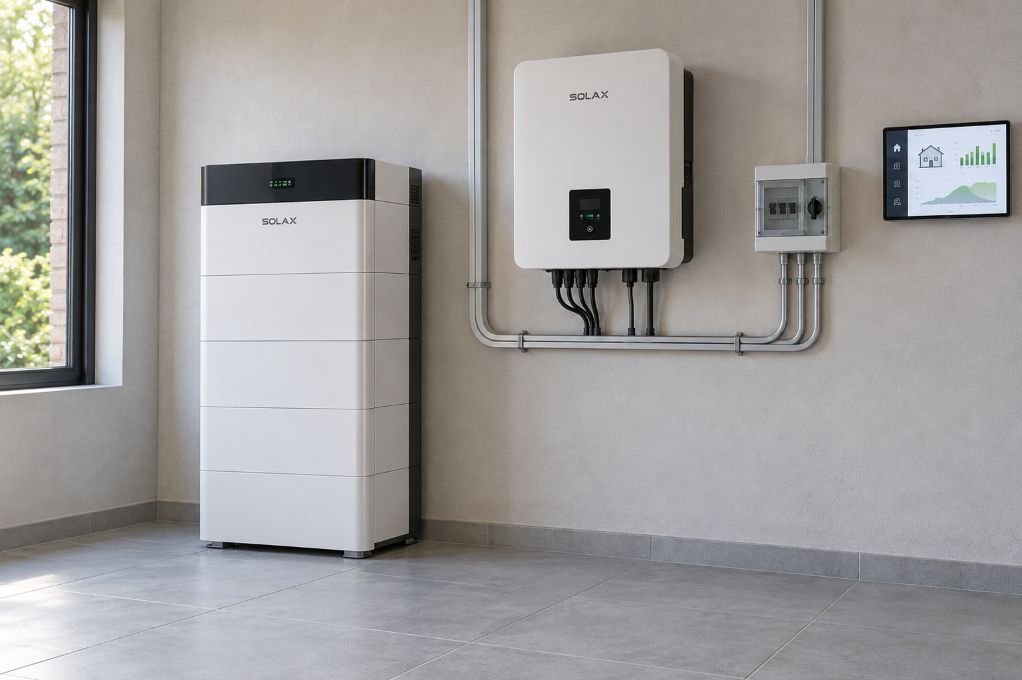
This is where SolaX's approach becomes relevant. Rather than treating PV, batteries and controllable loads as separate pieces of equipment, its C&I framework brings PV generation, energy storage, EV charging and energy management into one architecture.
For a municipal site, the operating logic is simple: use solar directly when the building needs it, store useful surplus instead of exporting it immediately, and discharge later when demand continues after PV output falls. If EV charging is part of the site, it can become another managed load rather than a separate system competing for grid capacity. The aim is not to add technology for its own sake, but to make the energy flow easier to control.
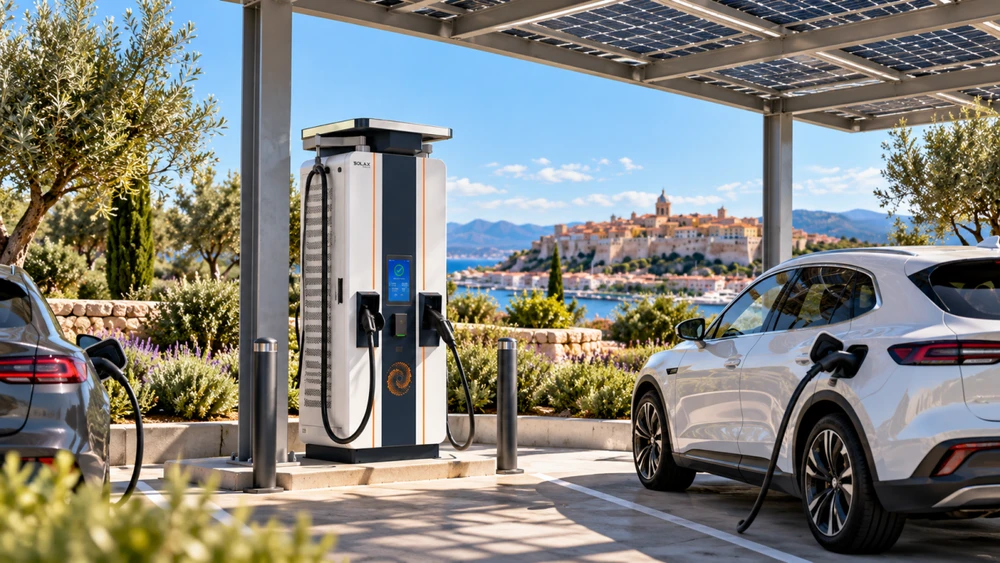
That matters under a 70% self-consumption rule because the result depends on how the whole system is sized and operated. PV capacity needs to follow real consumption. Battery storage needs to be large enough to shift meaningful surplus, but not so large that it spends much of the year unused. Energy management then has to coordinate generation, charging, discharging and site demand through the day.
SolaX supports grid-connected, microgrid and solar-storage-charging C&I scenarios, which gives designers room to adapt the architecture to different public assets. The same principle can also be applied to existing PV plants, where adding storage and modern control can be more sensible than replacing a working system.
For municipalities, that flexibility is probably more useful than a single standard package. A school and a sports centre do not have the same load profile; a car park with EV charging is different again. The system should follow the site, not the other way around.
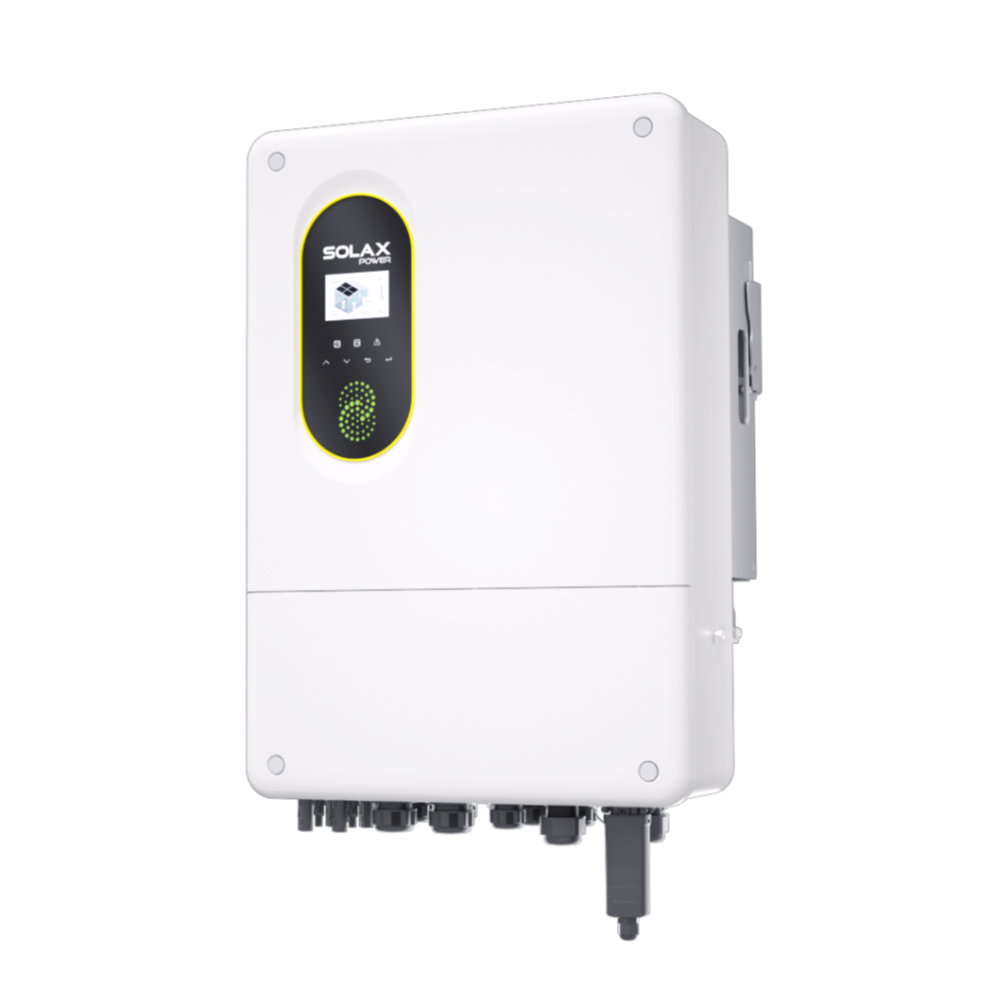
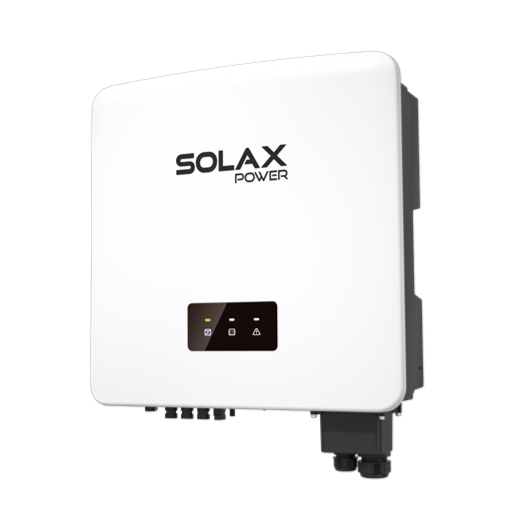
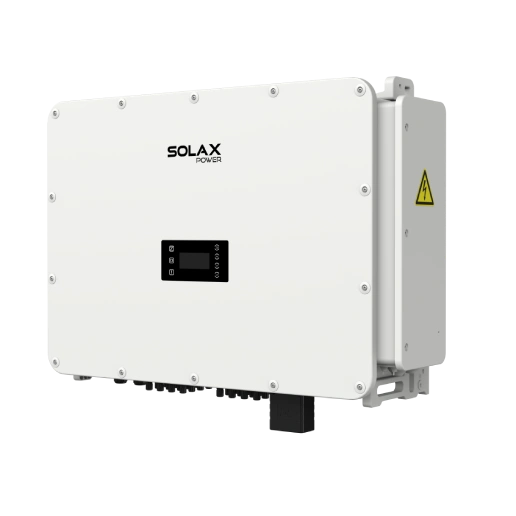
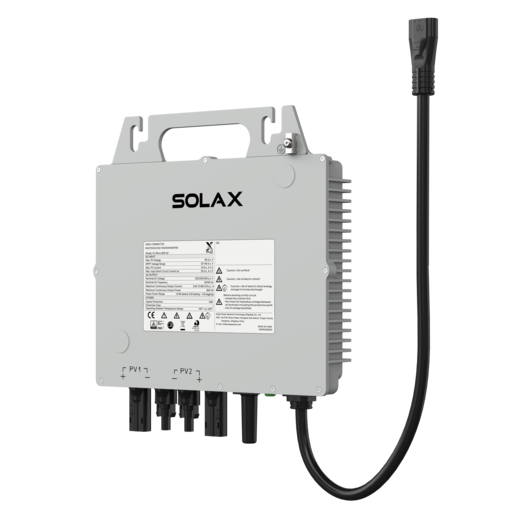
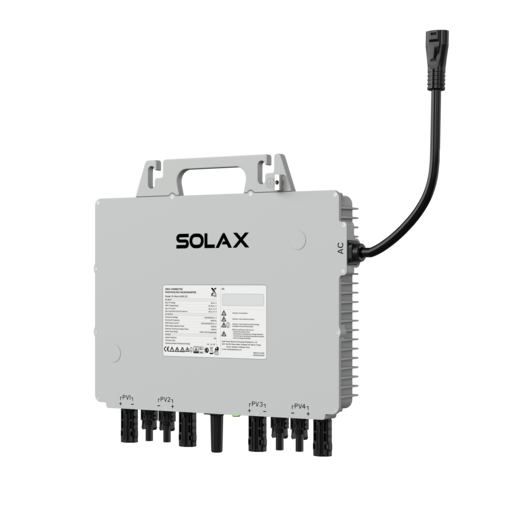
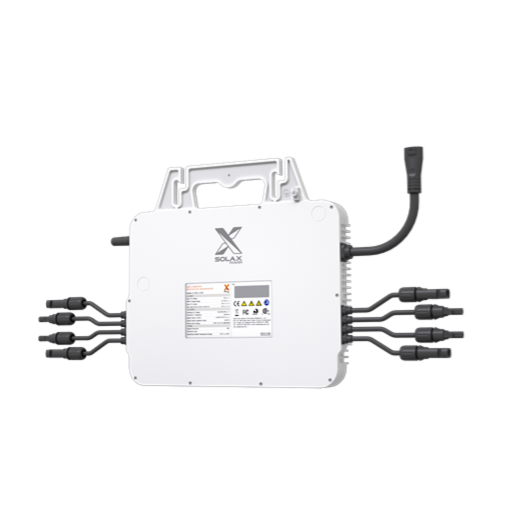
SolaX's role in this kind of project is therefore less about supplying one particular box and more about providing a common PV-storage-control platform that can be sized for different buildings while keeping the operating logic consistent. That is important for public owners that may start with one or two assets but later expand across a broader portfolio. Under Sardinia's scheme, the practical test remains the same: can the project keep more solar electricity on site without becoming unnecessarily complicated to run?
A better measure of a solar project
The Sardinian call is generous, and the additional funding planned for 2027 and 2028 could make it more than a one-year experiment.
Still, the more important signal is the way the region defines success.
Installed PV capacity is easy to count. Self-consumption is harder. It forces project owners to think about when energy is produced, when it is needed, and whether the system can connect the two without unnecessary complexity.
That is probably a better test for the next phase of public solar energy in Europe.
The strongest solar-plus-storage project may not be the one with the most panels or the biggest battery. It may simply be the one that knows, before construction starts, where its solar electricity is going to go.
Table of Contents
Latest News
Explore expert insights, practical guides, and the latest news on SolaX Power.




To the Latest Newsletter
Stay Ahead with the Latest SolaX Updates!
Subscribe
I have read and agree to Privacy Policy and User Terms