














October 28, 2026
Heat Pump Making Loud Noise in Cold Weather? Causes & Fixes
Share my #SolaXStory


A heat pump making loud noise in cold weather is not always malfunctioning. A brief whoosh during defrost or a stronger operating hum can be normal. New metallic scraping, violent vibration or repeated clicking with no heat needs attention.
If your heat pump is noisy, consider when the sound happens, whether it settles down and whether your home stays warm. Those details are more useful than the sound alone.
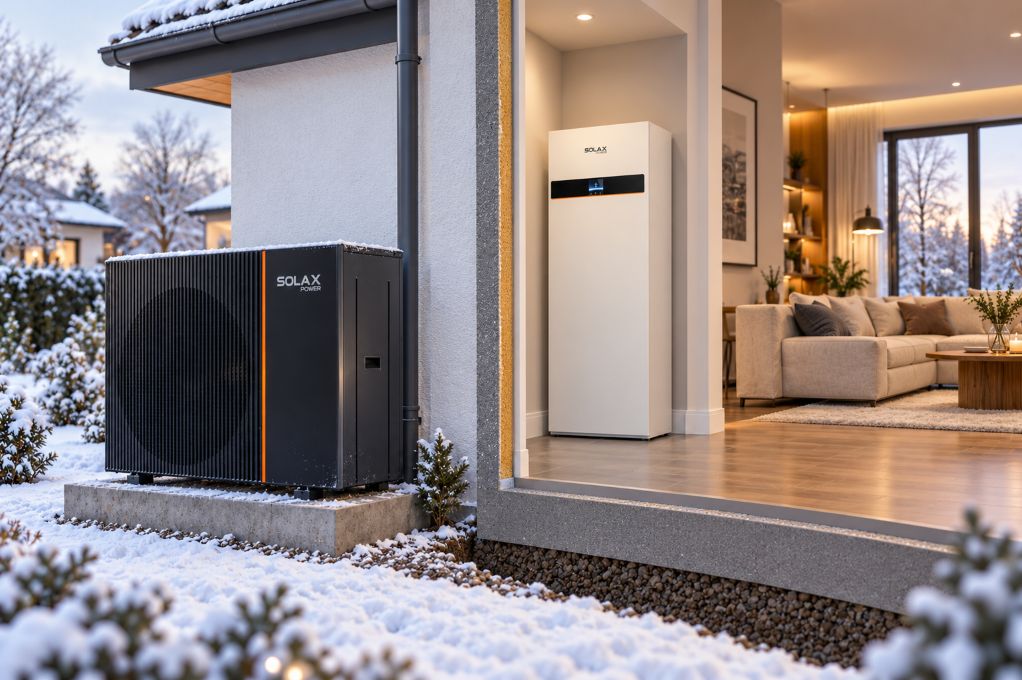
Why Is a Heat Pump Loud in Cold Weather?
Defrost temporarily changes the sound
Air-source heat pumps can collect frost on their outdoor coils during heating. To clear it, the system temporarily reverses refrigerant flow, warming the outdoor coil.
You may hear a whoosh, notice a change in compressor sound or see steam while the outdoor fan pauses. Normal heating should resume afterward.
Importantly, frost can develop even when outdoor air is above freezing because the coil itself is colder.
Heating demand increases
Colder weather increases the heat your home needs. Depending on the model and controls, the compressor and fan may run longer or at higher output, making their sound more noticeable. This does not automatically mean the equipment is failing.
Ice creates a mechanical obstruction
Light frost on the coil differs from ice interfering with the fan. After snow or freezing rain, heavy icing can obstruct moving parts or cause abnormal vibration.
Ice that keeps growing or fails to clear warrants inspection. Possible causes include defrost-control or sensor problems, rather than cold weather alone.
Is It Normal for a Heat Pump to Make Noise?
Some operating noise is expected. Use the following patterns as a guide, not a diagnosis:
Sound and timing | What it may mean | What to do |
Brief whoosh during defrost | Refrigerant flow changing | Observe whether normal heating resumes |
Steady, familiar hum while heating | Compressor and fan operation | Monitor for changes |
Loud humming or buzzing outside defrost, especially with poor heating | Motor or electrical problem | Arrange professional inspection |
Occasional click at startup or shutdown | Normal switching on some models | Compare with the unit's usual sound |
Repeated clicking with failed starts | Control or electrical fault | Stop repeated restart attempts and request service |
Scraping, grinding or strong rattling | Ice interference, loose parts or mechanical trouble | Stop operation and have it inspected |
Manufacturer guidance distinguishes familiar operating sounds from new or persistent changes. A sound that suddenly becomes much louder deserves attention even if that type of sound was previously normal.
For help comparing decibel figures, measurement distances and manufacturer specifications, see our guide to heat pump noise levels.
Noise when turning on or off
If your heat pump makes loud noise when turning on, ask whether it has always sounded that way. Some models have a noticeable startup sound; a newly developed bang, prolonged buzz or failed start is different.
The same applies when a heat pump makes loud noise when turning off. A familiar brief sound may be characteristic of the unit, while a new impact or worsening vibration should be checked.
A heat pump clicking noise or heat pump buzzing noise cannot identify a failed component by itself. Likewise, a heat pump making loud humming noise needs assessment in context: defrost, startup and continuous heating are different operating conditions.
Why Can You Hear Heat Pump Noise Inside the House?
Heat pump noise inside the house may come from indoor equipment or vibration travelling from outdoors.
For ducted systems, distinguish normal airflow from unusual whistling or rattling near a particular vent. Check accessible filters and ensure supply and return grilles are unobstructed.
A low hum strongest near a wall or floor may involve vibration transfer through brackets, supports or pipework. Daikin identifies mounting and structural resonance as potential sources of indoor disturbance. Ask an installer to assess supports and vibration isolation rather than assuming the compressor needs replacement.
For air-to-water systems, note whether the sound comes from the outdoor unit or indoor circulation equipment. Advice about air filters and ducts does not apply to every hydronic installation.
What to Check Before Calling a Technician
If your HVAC unit is loud in winter, a few observations can make the service call more useful:
Identify the location. Is the sound outdoors, at an indoor unit, near a vent or along a wall?
Record the timing. Does it happen at startup, shutdown, during defrost or throughout operation?
Look from a safe distance. Note visible ice, snow obstruction or unusual vibration without opening panels or reaching through the grille.
Check heating performance. Record room temperature, controller messages and any loss of heat.
Save a short recording. Include the weather conditions and how long the sound lasts.
You can keep loose snow and debris away from the surrounding area while maintaining the clearances specified in your manual. Leave internal ice removal and repairs to a technician; do not chip ice from the coil or fan.
If the fan appears to strike ice, or the unit grinds or shakes severely, stop operation and request service. A burning electrical smell also calls for shutdown. Use a configured backup heat source according to its instructions, if available.
For routine care between service visits, follow our heat pump maintenance guide, covering outdoor-unit checks, seasonal maintenance and professional servicing.
What Are the Signs That Your Heat Pump Is Going Bad?
Noise becomes more concerning when accompanied by:
Poor heating or uneven room temperatures.
Repeated failed starts or unexpected shutdowns.
Ice that does not clear.
New, persistent mechanical noise.
Higher electricity use unexplained by colder weather, tariff changes or increased demand.
These symptoms justify inspection, but do not automatically mean replacement. Controls, electrical components and other repairable faults can produce similar symptoms.
FAQ
Table of Contents
Latest News
Explore expert insights, practical guides, and the latest news on SolaX Power.





To the Latest Newsletter
Stay Ahead with the Latest SolaX Updates!
Subscribe
I have read and agree to Privacy Policy and User Terms