












October 23, 2026
Heat Pump Noise Levels: How Noisy Are Heat Pumps?
Share my #SolaXStory


A warm home should still feel peaceful—whether you are sleeping with a window open or enjoying an evening in the garden. Noise is a common concern: Quiet Mark's 2026 UK survey with YouGov found that 63% of respondents said noise concerns would influence their decision to install a heat pump.
Here is what typical heat pump noise levels mean in practice, how to compare the figures in a brochure, and what helps keep an installation quiet.
Are Air Source Heat Pumps Noisy?
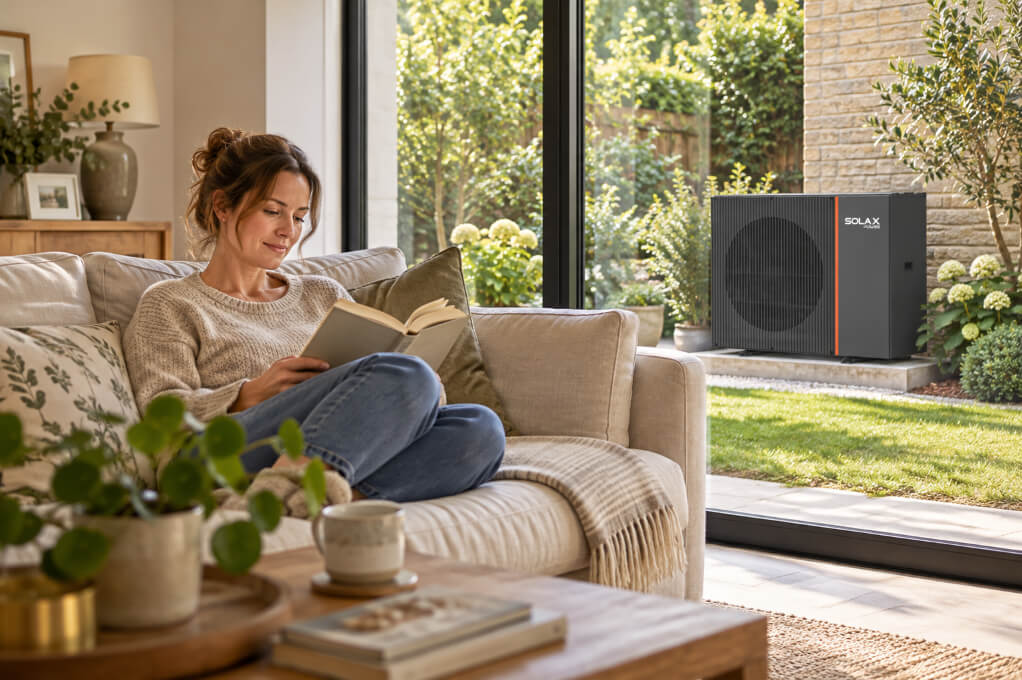
Air source heat pumps make audible operating sounds, mainly airflow from the outdoor fan and a low compressor hum. Published sound pressure levels commonly fall around 40–60 dB(A), although the model, measurement distance and operating conditions affect the figure. This is a broad reference range, rather than a fixed rating for every unit.
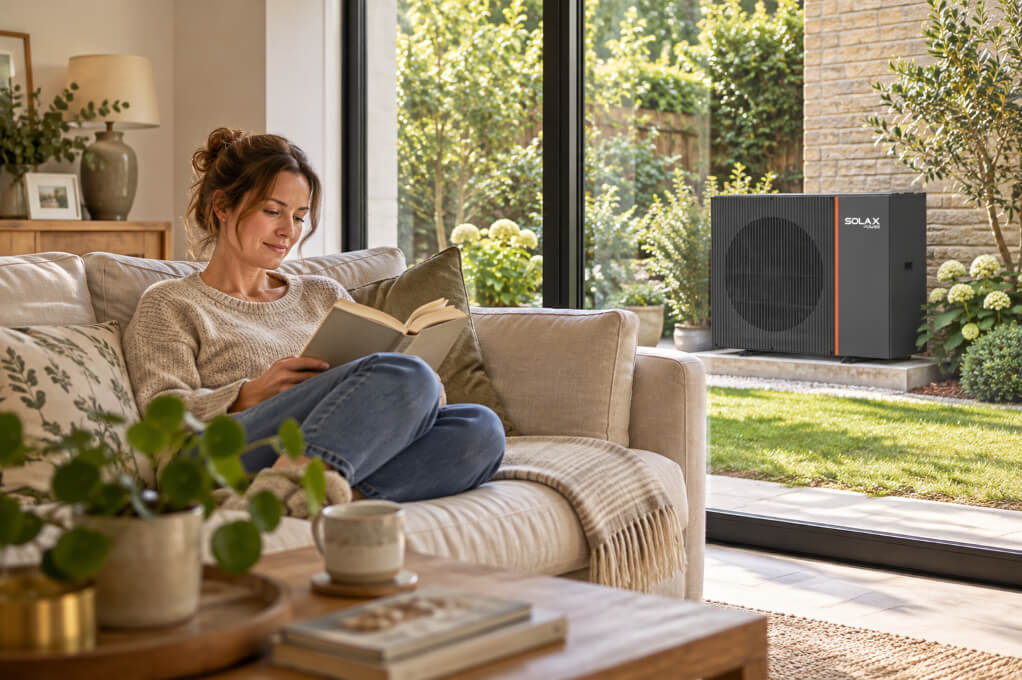
You will usually notice the sound most when standing close to the outdoor unit. From further away in the garden, it may blend into everyday background sounds. Indoors, what reaches your room depends on the unit's position, windows, walls and vibration isolation.
Heat Pump Noise Level Comparison: Everyday Sounds
To put heat pump decibel levels into context, the table below compares them with familiar household appliances.
Appliance | Approximate sound pressure level |
Refrigerator | 30–50 dB(A) |
Dishwasher | 45–55 dB(A) |
Washing machine | 50–60 dB(A) |
Gas boiler | 40–60 dB(A) |
Air source heat pump outdoor unit | 40–60 dB(A) |
These ranges provide everyday context. Measurement distances, models and operating conditions vary, so the table is not a comparison under identical test conditions.
The location of the sound matters too: a dishwasher running in your kitchen is a different listening experience from a heat pump outside several metres from your window.
How to Read Heat Pump Noise Ratings?
A brochure showing 35 dB(A) may look more appealing than one showing 49 dB(A). But those figures could describe the same outdoor unit. Before comparing heat pump noise ratings, check what each number measures.
Sound Power vs Sound Pressure
Sound power describes the total sound emitted by the outdoor unit, independent of listening distance. Sound pressure describes the level at a particular position and is affected by distance and surroundings.
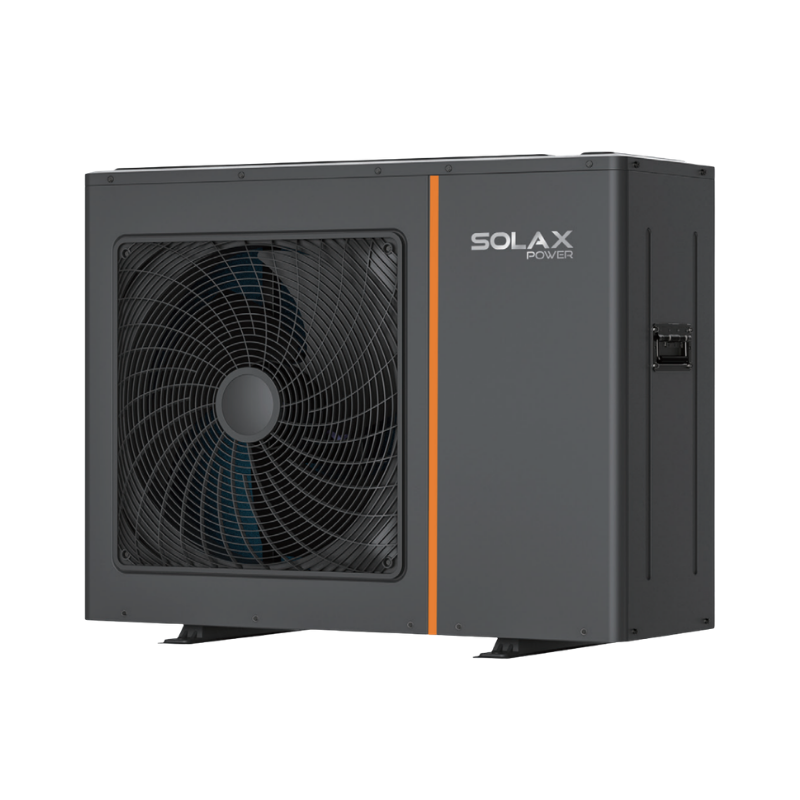
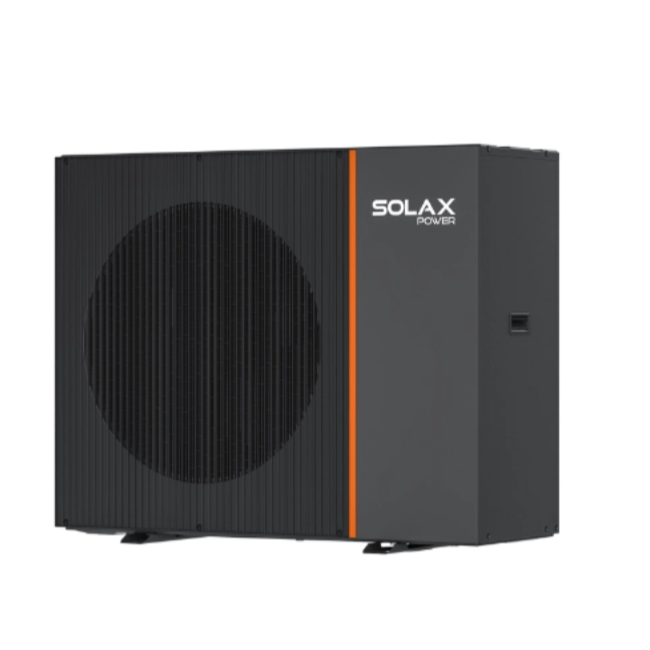
The SolaX Thermal R290 outdoor-unit data (STU1 series) illustrates the difference:
Outdoor unit size | Sound power | Sound pressure at 1 metre | Sound pressure at 3 metres |
8.5 kW | 49 dB(A) | 35 dB(A) | 32 dB(A) |
10 kW | 49 dB(A) | 35 dB(A) | 32 dB(A) |
12.5 kW | 51 dB(A) | 37 dB(A) | 34 dB(A) |
14 kW | 52 dB(A) | 38 dB(A) | 35 dB(A) |
15.5 kW | 52 dB(A) | 38 dB(A) | 35 dB(A) |
Compare figures within the same column. At 1 metre, the 8.5 kW and 12.5 kW units have published sound pressure levels of 35 and 37 dB(A). Comparing one unit's sound power with another's sound pressure would not tell you which is quieter.
Measurement Distance and Operating Conditions
Read the footnotes before drawing conclusions. SolaX specifies the outdoor sound pressure figures above as maximum values tested under A7W55 conditions: 7°C outdoor air and 55°C leaving water temperature. They are not maximum noise levels across every possible operating condition.
When comparing products, check:
Distance: Compare 1-metre readings with 1-metre readings.
Mode: Compare heating operation with heating, rather than cooling.
Load and temperatures: Look for equivalent output levels and test conditions.
If those details are missing, ask for the technical datasheet.
When Does a Heat Pump Sound Louder?
Heat pump noise is not constant. You may notice it more in these situations:
Cold winter days: Higher heating demand can increase fan and compressor speeds.
Defrost cycles: In cold, damp weather, you may hear a brief whoosh as the unit switches into or out of frost removal.
Starting and stopping: A short click or change in hum can accompany the system switching on, adjusting output or shutting down.
Quiet evenings: As traffic and garden sounds fade, the unit becomes easier to hear—even if its sound output has not increased.
A brief change during operation is different from a new, persistent rattle or scraping sound. If the sound changes noticeably and continues, arrange an inspection.
How to Reduce Heat Pump Noise?
A quieter installation starts with the right equipment and location. Work through these steps with your installer:
Size the system using your home's heat loss. Correct sizing helps avoid a unit struggling to meet demand or repeatedly switching on and off.
Choose a suitable position. Keep the outdoor unit away from bedroom windows and neighbouring living spaces where possible. Avoid tight corners that reflect sound.
Limit vibration transfer. Use a stable base, appropriate anti-vibration mounts and properly supported pipework.
Maintain clear airflow. Follow the manufacturer's clearance requirements and keep plants, stored items and debris away. Any acoustic enclosure must preserve airflow and service access.
Check controls and maintenance. Have the heating settings adjusted to your home, keep the unit clear and investigate new vibration or unusual sounds.
FAQ
Table of Contents
Latest News
Explore expert insights, practical guides, and the latest news on SolaX Power.

To the Latest Newsletter
Stay Ahead with the Latest SolaX Updates!
Subscribe
I have read and agree to Privacy Policy and User Terms