












October 20, 2026
Germany's MiSpeL Rules: How SolaX Home Energy Solutions Connect Solar, Storage and V2H
Share my #SolaXStory


Germany's new MiSpeL framework gives batteries and bidirectional EV charging a more flexible role in the energy system. For households, the change opens the door to smarter use of solar, storage and electric vehicles — and makes integrated home energy management increasingly important.
Germany is taking another step toward a more flexible residential energy market.
On 1 October 2026, the Federal Network Agency, Bundesnetzagentur, adopted MiSpeL, a new framework for the market integration of electricity storage systems and charging points. The rules address a long-standing barrier: how renewable electricity and grid electricity can be stored in the same battery without losing track of which energy remains eligible for renewable support.

For homeowners with rooftop solar, batteries or electric vehicles, the change has a practical meaning.
A home battery is no longer viewed simply as a place to store excess solar power. Under the new framework, it can increasingly become a flexible energy resource that responds to household demand, electricity prices and, where applicable, grid needs.
What Does MiSpeL Change for Home Battery Storage?
Until now, subsidised renewable electricity and electricity drawn from the grid generally had to be kept strictly separate inside storage systems.
That created a problem for households wanting to use a battery more flexibly.
Imagine a home battery that stores surplus rooftop solar during the afternoon. Later, when grid electricity becomes inexpensive, the homeowner may also want to charge the same battery from the grid. Under the previous rules, combining these two sources created complications around subsidies and accounting.
MiSpeL introduces a way to distinguish the electricity volumes even when they pass through the same physical storage system.
Eligible renewable electricity can retain its support after being stored, while grid electricity can be accounted for separately. Grid electricity does not become subsidised renewable electricity; the new rules simply provide a clearer way to identify the different energy sources.
For households, this makes more flexible battery operation possible.
Why Solar Battery Storage and Dynamic Electricity Tariffs Matter
The value of electricity increasingly depends not only on how much is generated, but also on when it is available and when it is used.
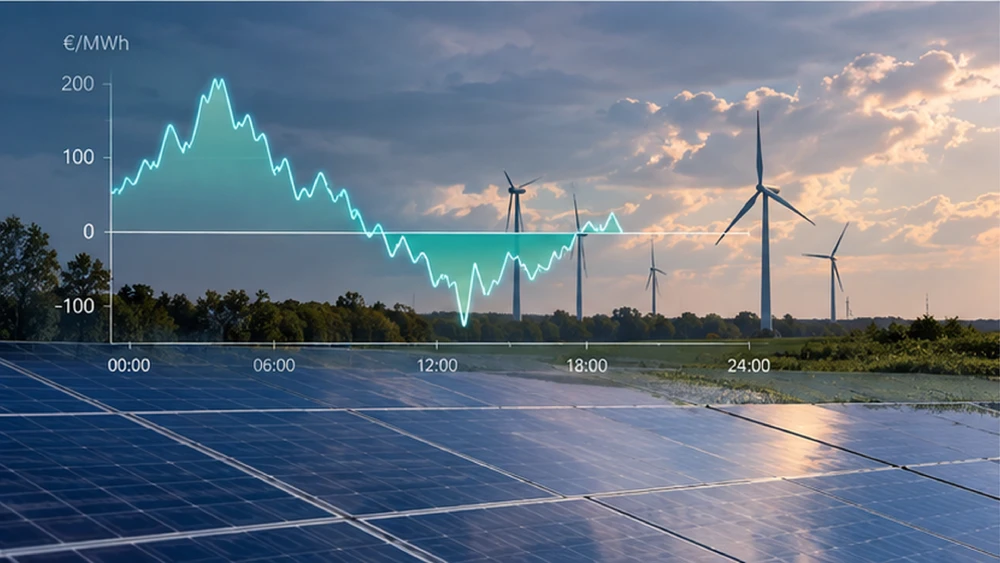
Solar generation is usually strongest around midday, while residential demand often rises in the morning and evening. Wind and solar output can also push wholesale electricity prices very low during periods of abundant renewable generation.
This creates a growing need to shift energy across time.
A home battery can store rooftop solar in the afternoon and supply the house after sunset. With a suitable tariff and technical setup, it may also charge from the grid during lower-price periods and reduce grid purchases when electricity becomes more expensive.
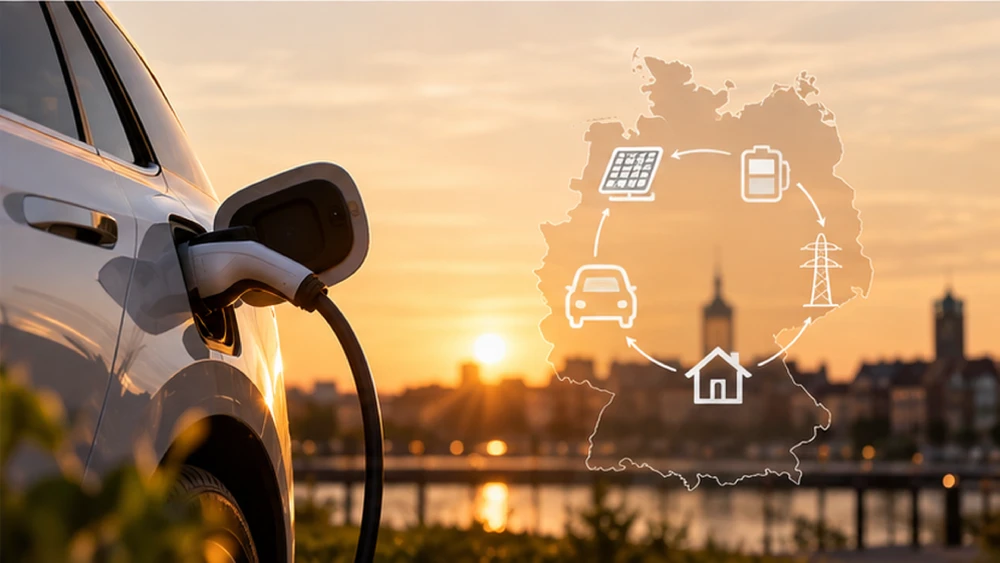
This is the bigger change behind MiSpeL.
Home storage is moving from a simple "solar now, use later" model toward a more dynamic system that can respond to solar production, household consumption and electricity prices.
That does not mean every household will automatically save more money. The economics still depend on electricity tariffs, battery efficiency, network charges, system configuration and market access.
MiSpeL creates new flexibility. It does not guarantee a particular financial return.
MiSpeL Metering Rules: What Solar Homeowners Need to Know
For residential customers, metering is one of the most important parts of the new rules.
MiSpeL provides two main approaches.
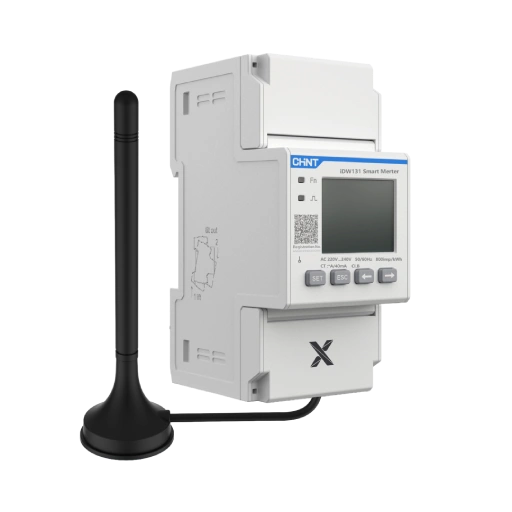
The delineation option is designed to identify renewable and grid-sourced electricity more precisely. It will normally involve two meters, although certain configurations may operate with one.
For homes with solar installations of up to 30 kWp, MiSpeL also introduces a simplified flat-rate option. This approach generally requires only one meter and uses a standardised calculation to separate the relevant electricity volumes.
The simplified option could make flexible storage and bidirectional charging easier for residential users. However, it still requires approval from the European Commission under state-aid rules.
German grid and metering operators have until the end of September 2027 to implement MiSpeL. Earlier use can be possible during the transition period where the relevant operators agree.
So the regulatory framework is now in place, but practical implementation will happen progressively.
Bidirectional Charging Brings the EV Into the Home Energy System
MiSpeL is also significant for electric vehicles because the framework applies in principle to bidirectional charging points.
A conventional EV charger moves electricity in one direction:
Grid or home → EV
Bidirectional charging allows electricity to move back out of the vehicle battery.
With vehicle-to-home (V2H) charging, the EV can supply electricity to household loads.
With vehicle-to-grid (V2G) charging, electricity can also be exported from the vehicle to the public grid.
The distinction matters.
MiSpeL helps remove regulatory barriers around bidirectional EV charging, but it does not mean that every EV and charger can immediately participate in V2G. The vehicle, charging equipment, metering arrangement, grid connection and local market rules must all support the relevant function.
For many households, V2H is likely to be the more immediate application: when the vehicle is parked at home, its battery can become another energy resource for the household.
SolaX: Bringing Solar, Storage, EV Charging and Heating Together
As home energy becomes more flexible, another challenge appears.
A household may have rooftop PV, a battery, an electric vehicle and a heat pump — but having several smart devices does not automatically create a smart energy system.
The real value comes from deciding when each device should use, store or release electricity.
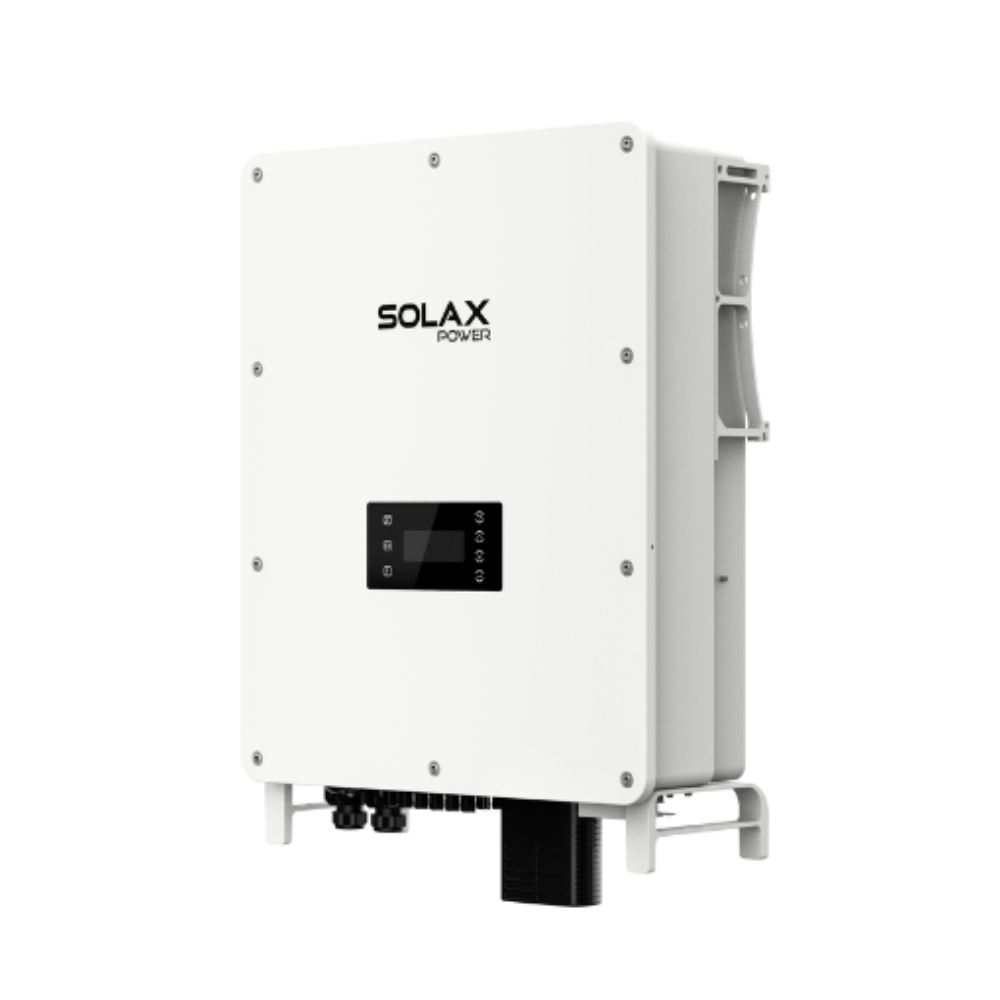
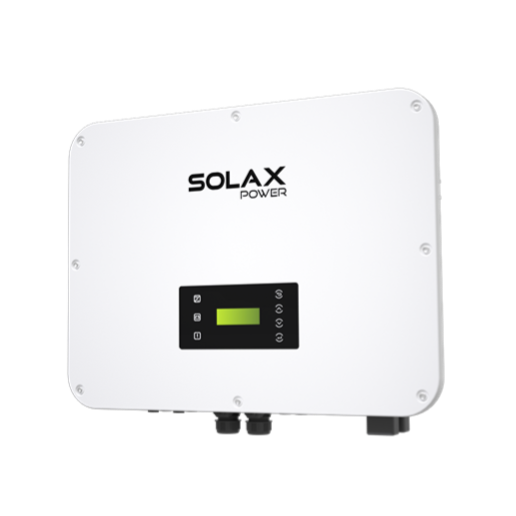
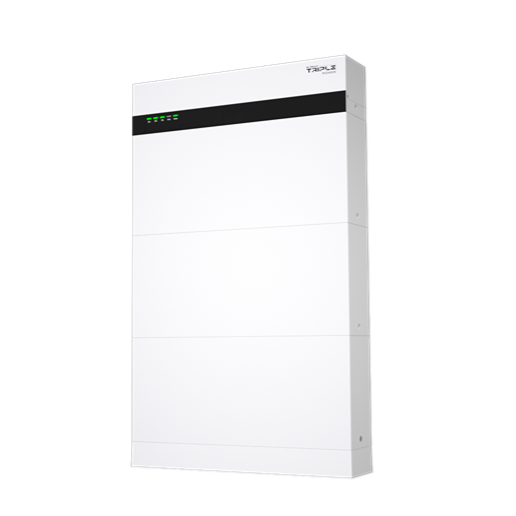
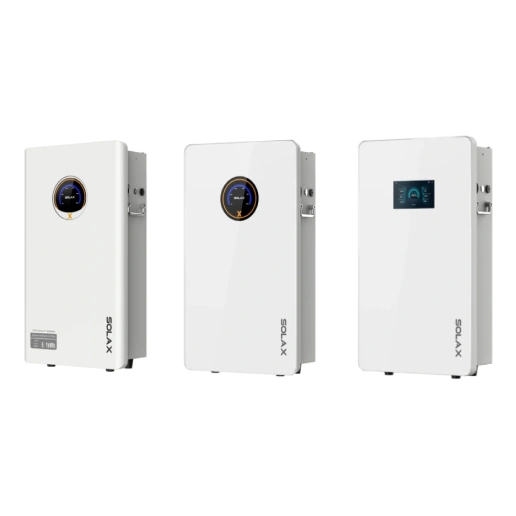
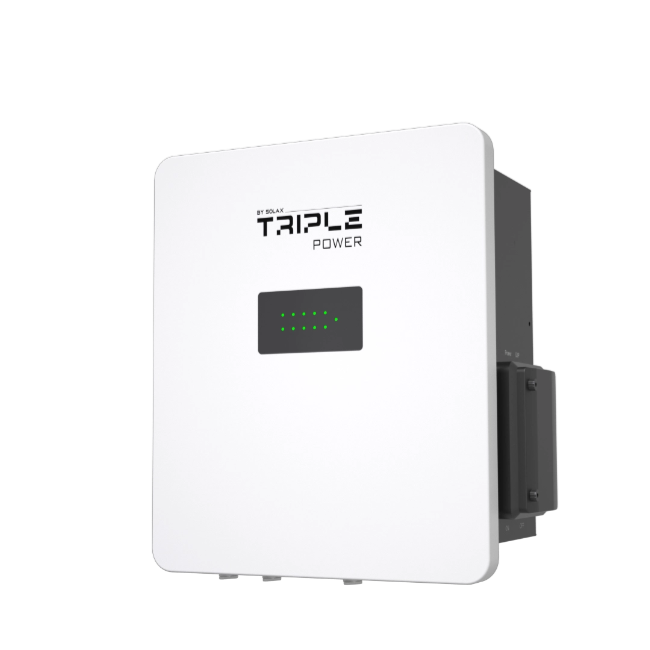
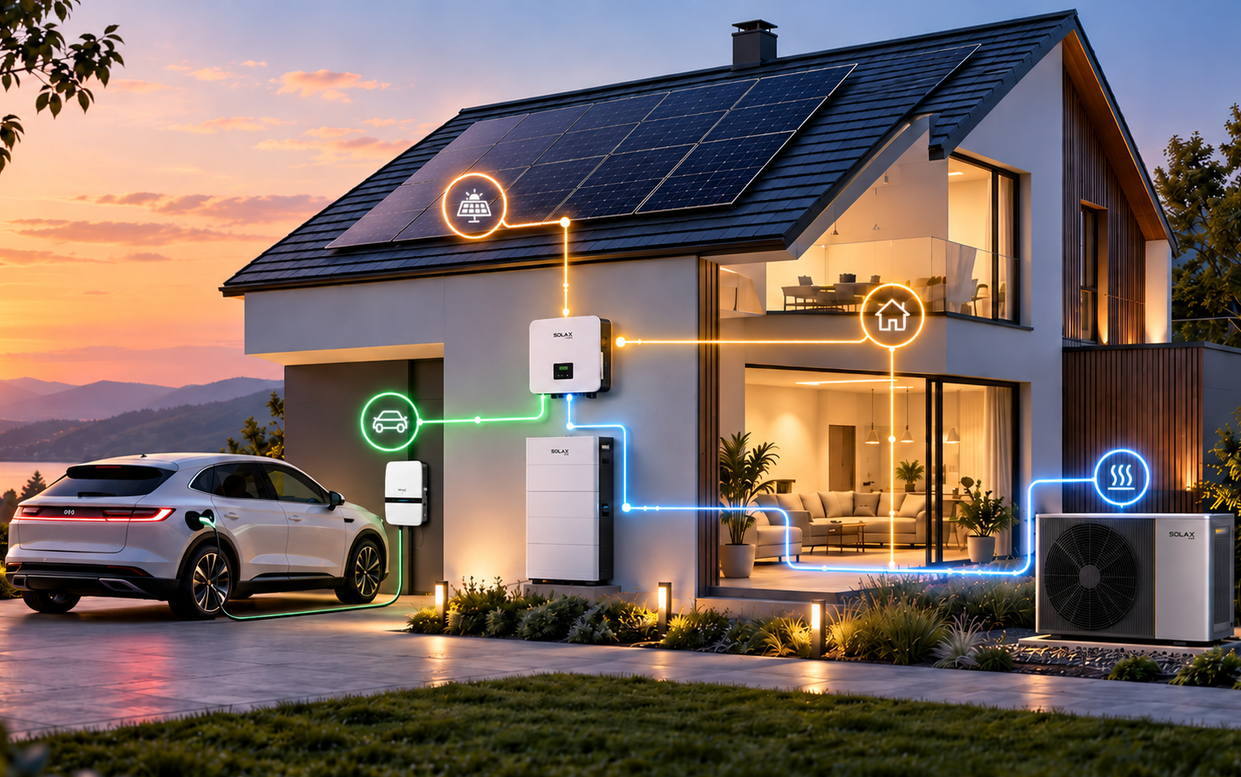
This is the idea behind the SolaX Integrated Home Ecosystem, which brings together PV, energy storage, bidirectional EV charging, heat pumps and smart energy management in one connected home energy solution.
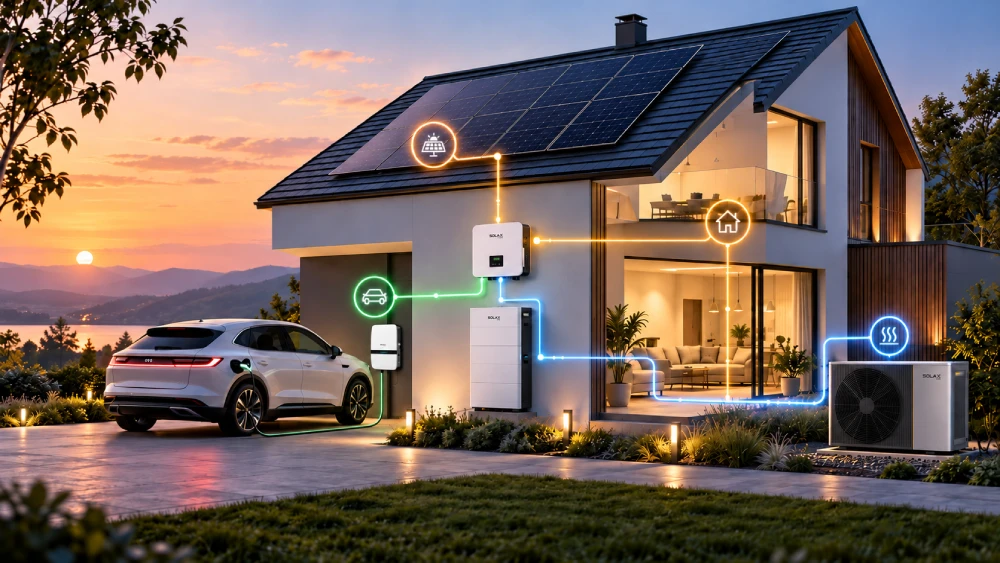
During a sunny afternoon, rooftop solar can first supply household demand. Surplus energy can then be stored in the home battery or used to charge the EV.
Later in the evening, stored energy can help reduce grid purchases.
When electricity tariffs vary by time of day, charging and flexible household loads can also be scheduled around lower-price periods.
Instead of operating each device separately, the household begins to work as one coordinated energy system.
Turning the EV Into a Home Energy Asset With V2H Charging
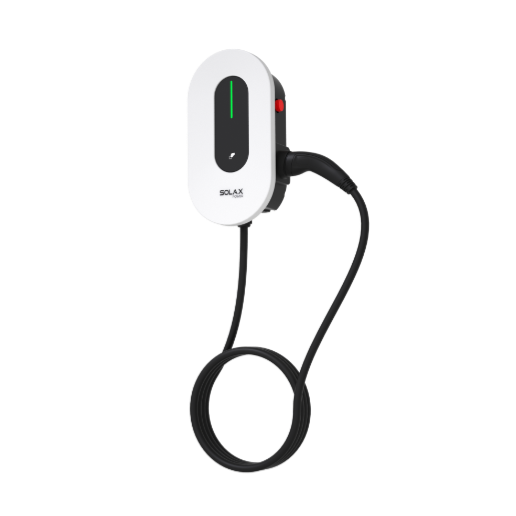
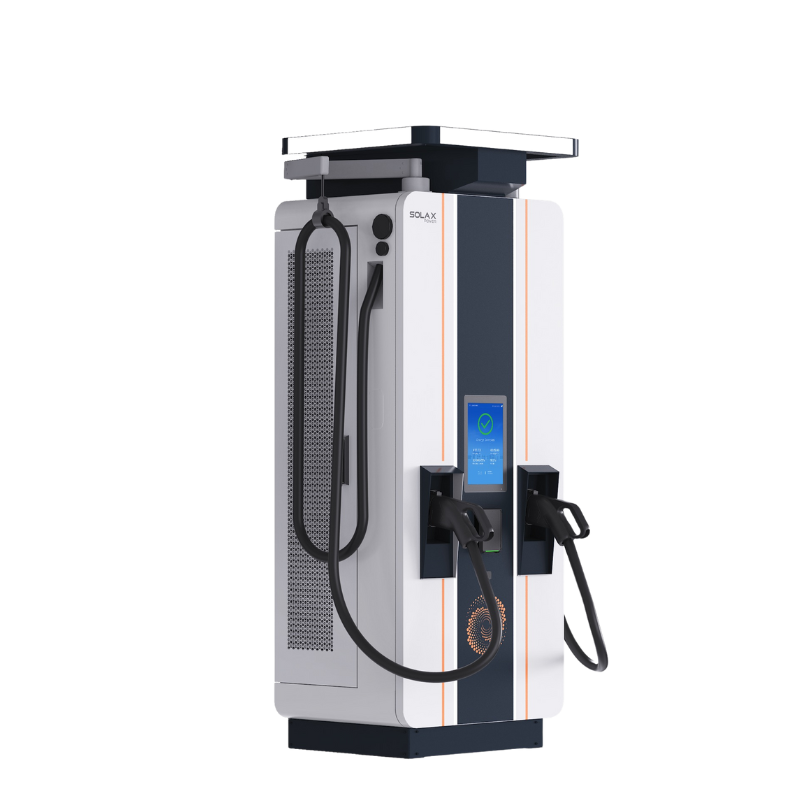
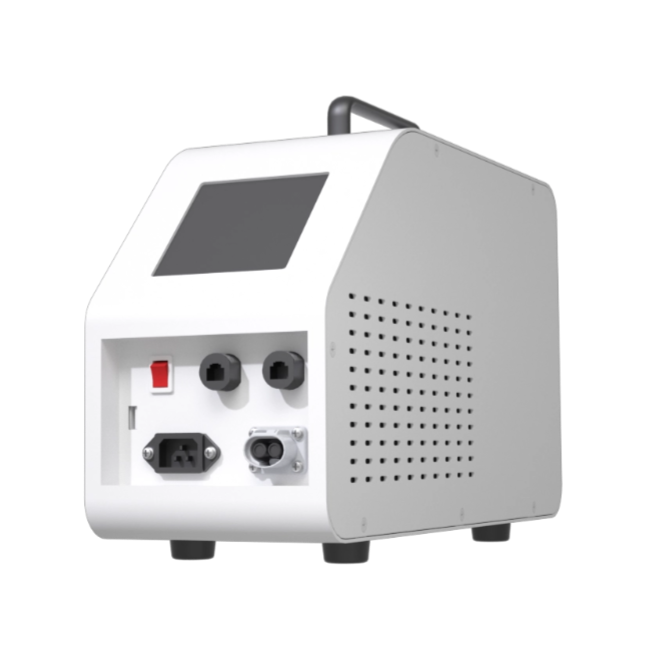
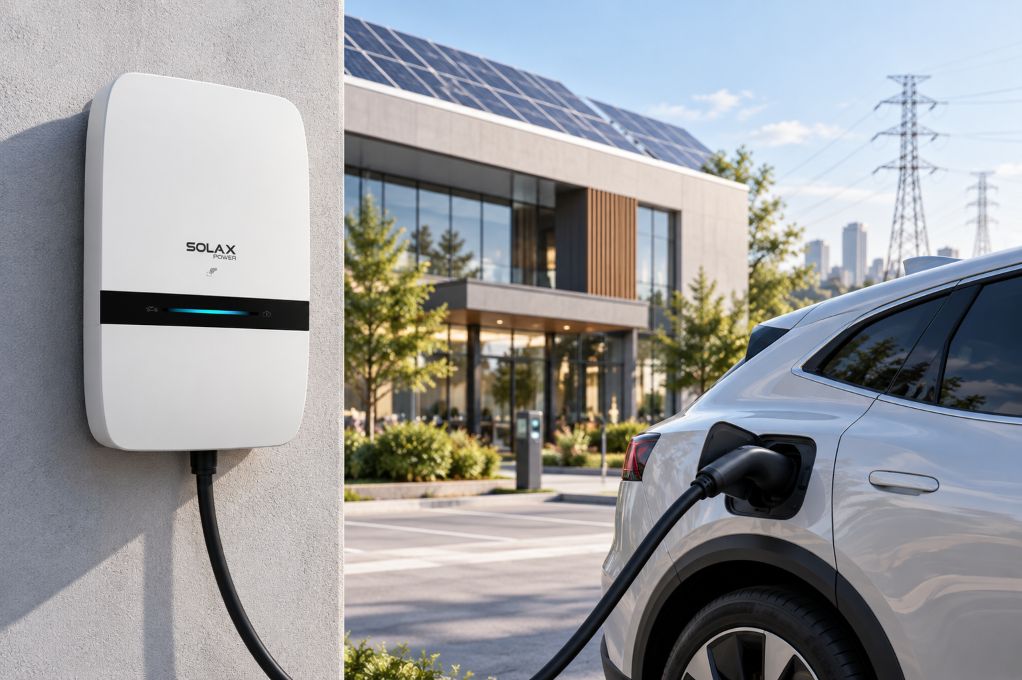
SolaX's Binary Series brings V2H functionality into this ecosystem.
Introduced at Intersolar Europe 2026, the AC-side V2H system is designed to connect compatible electric vehicles with rooftop PV, home battery storage and household loads.
The vehicle can charge from solar or grid electricity and, when required and supported by the vehicle and system configuration, discharge energy back to the home.
This gives the EV battery a second role.
Instead of remaining unused while the car is parked, it can potentially help supply household loads, improve solar self-consumption or support the home during selected periods.
SolaX's Binary Series should still be understood primarily as a V2H solution. Feeding vehicle energy into the public grid through V2G involves additional technical and regulatory requirements.
That distinction becomes especially important as Germany implements MiSpeL.
XHub: Smart Home Energy Management for Solar and Storage
Connecting devices is only part of the challenge. The system also has to decide where electricity should go.
If solar production exceeds household consumption, should the next kilowatt-hour charge the stationary battery, the EV or support heating?
If electricity becomes cheaper overnight, which device should charge first?
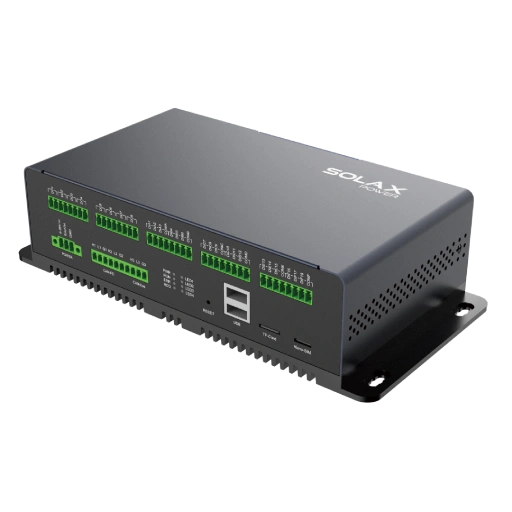
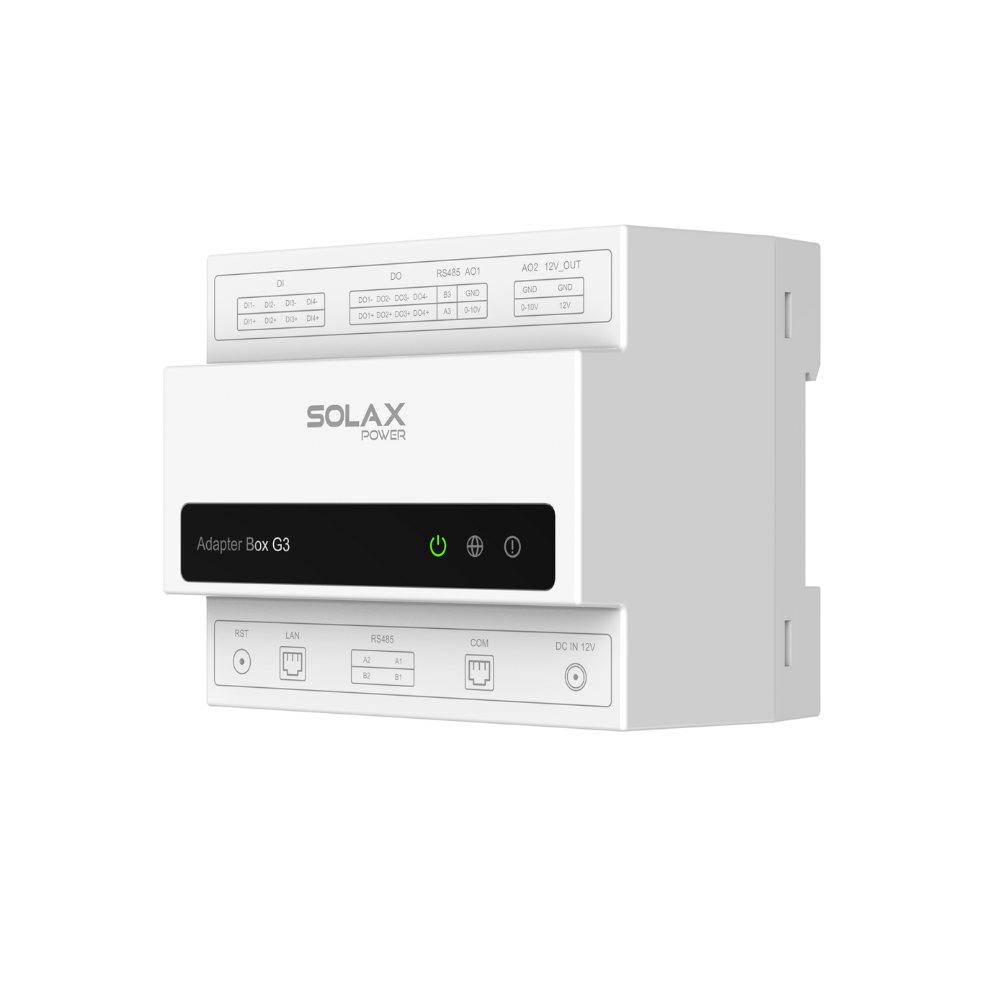
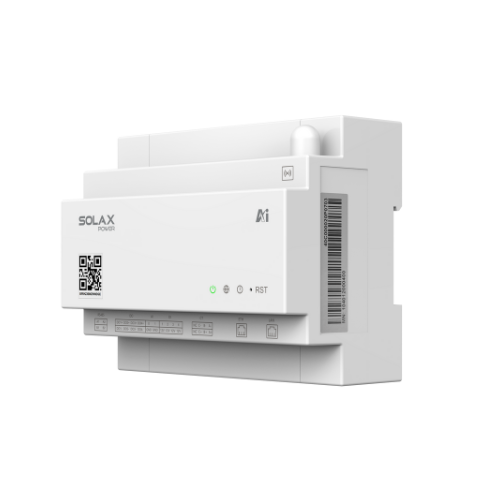
SolaX XHub is designed to act as the energy management layer for these decisions.
It can coordinate PV generation, battery storage, EV chargers, heat pumps and electrical loads, while supporting tariff-based adjustments and intelligent load control. SolaX also integrates energy forecasting into the wider home energy solution to help allocate available power across different uses.
For homeowners, the objective is much simpler than the technology behind it:
use more locally generated solar energy, reduce unnecessary grid purchases and manage flexible loads with less manual intervention.
What Should Homeowners Consider Before Choosing Battery Storage or V2H
MiSpeL creates new possibilities, but choosing the right equipment remains important.
Before investing in a solar battery storage system or bidirectional charging system, households should consider tariff structure, metering requirements, EV compatibility, charger compatibility and local grid rules.
It is also worth thinking beyond individual products.
A battery, EV charger and heat pump may each work well on their own, but future flexibility will increasingly depend on whether they can communicate and operate as one system.
That is why integrated energy management is becoming as important as hardware performance.
From Home Storage to Smart Home Energy Management
Residential solar has traditionally followed a simple idea: generate electricity during the day, store the excess and use it later.
That model remains valuable.
But Germany's MiSpeL framework points toward the next stage of residential energy — one in which batteries, EVs and other flexible loads can respond more intelligently to generation, demand and electricity prices.
For homeowners, the change is not simply about adding another device.
It is about creating a home in which solar, storage, mobility and heating work together.
By combining PV, stationary storage, V2H charging, heat pumps and intelligent energy management, the SolaX Integrated Home Ecosystem is designed for exactly that transition: from owning individual energy products to managing energy as one connected system.
As Germany removes regulatory barriers to greater flexibility, that connected approach could become increasingly important to the next generation of energy-smart homes.
Table of Contents
Latest News
Explore expert insights, practical guides, and the latest news on SolaX Power.


To the Latest Newsletter
Stay Ahead with the Latest SolaX Updates!
Subscribe
I have read and agree to Privacy Policy and User Terms