












October 23, 2026
Indoor Home Battery Safety: Trusted Solutions That Won't Be a Constant Worry for Homeowners
Share my #SolaXStory


How to select for indoor home battery safety before capacity
Define "safe indoors" in practical terms
Prioritise these checks before comparing battery capacity:
LFP home battery storage chemistry and battery-management-system visibility
Clear access, suitable temperature conditions and approved clearances
Compatible inverter battery and battery pairing
Essential-load circuits rather than assumed whole-home backup
Alerts, remote diagnostics and documented shutdown steps
Space and electrical capacity for future expansion
The UK Government's review of domestic battery energy storage systems notes that large batteries in homes present safety hazards that require risk-mitigation through sound design and installation.
The indoor home battery safety foundations that matter most
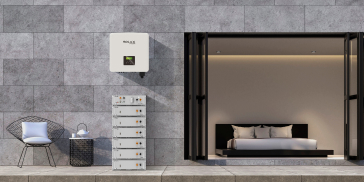
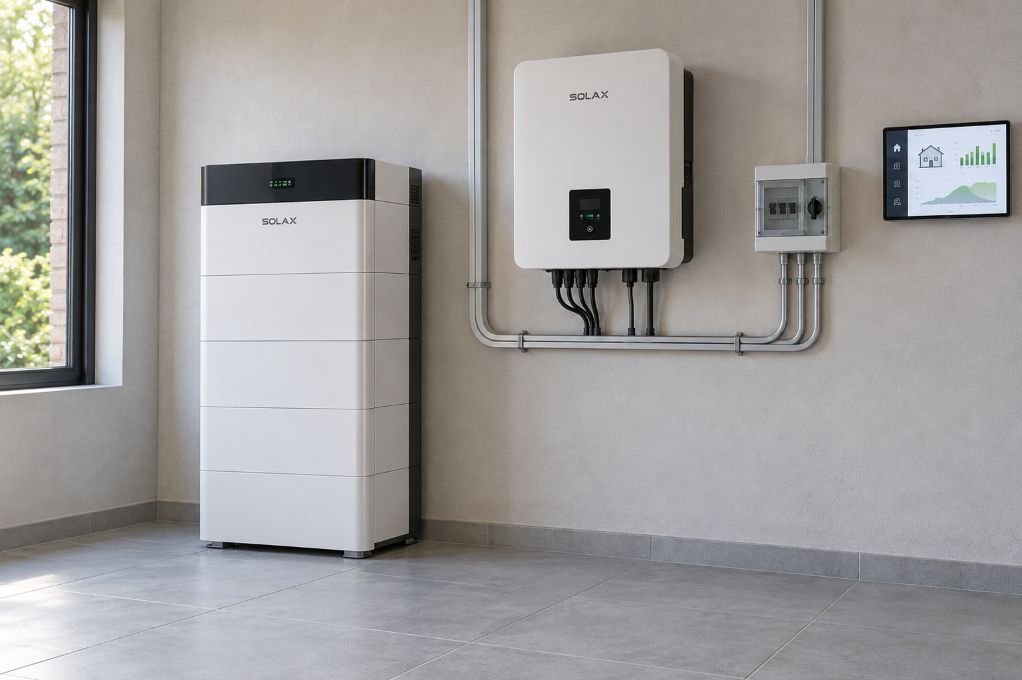
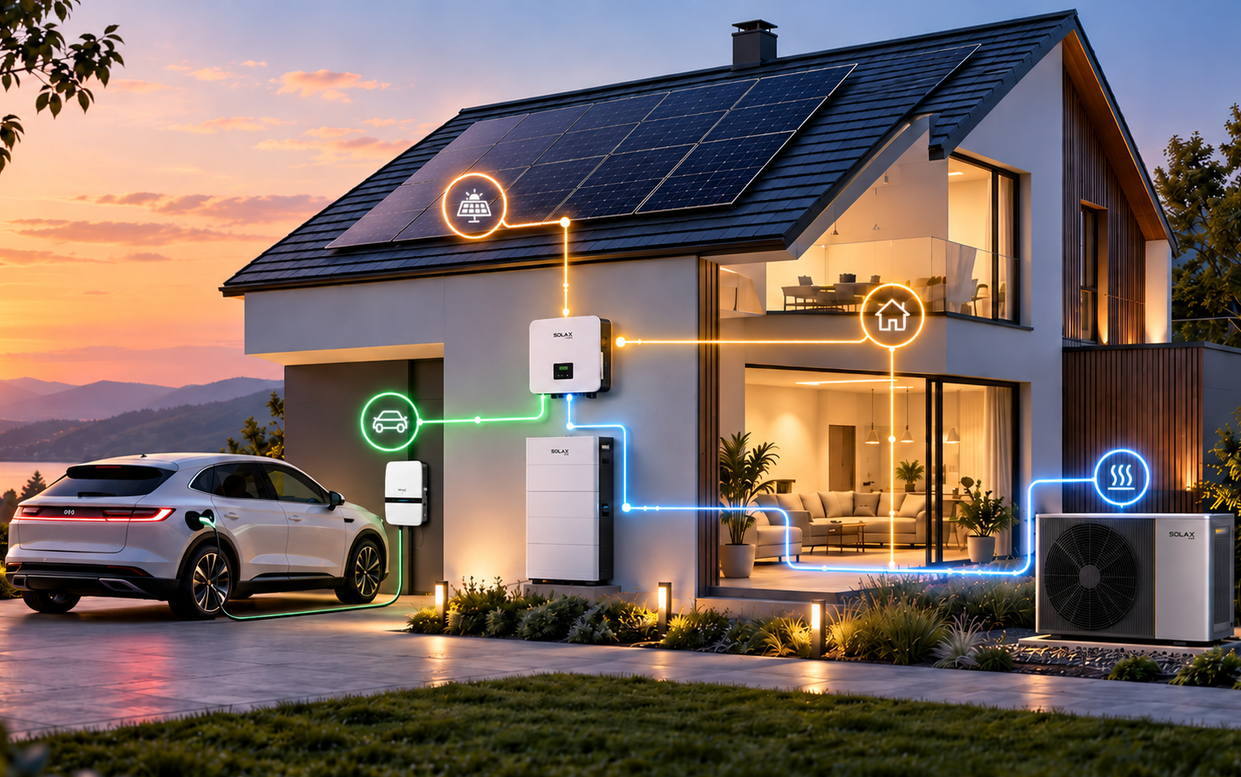
A low-worry system works as one coordinated solar and battery installation. The battery stores energy, the solar inverter controls energy flow, protective devices isolate faults and monitoring makes changes easier to spot. Capacity matters, but it does not replace correct design.
LFP chemistry and battery-management controls
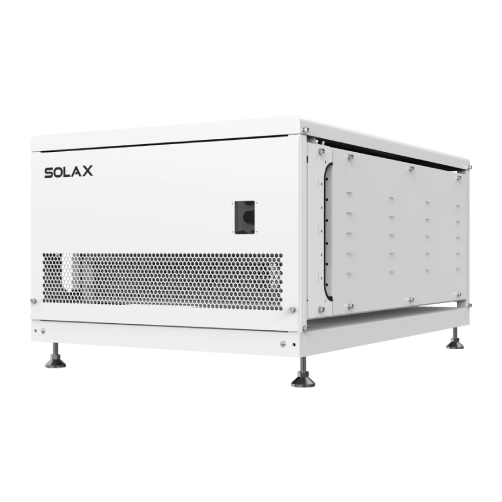
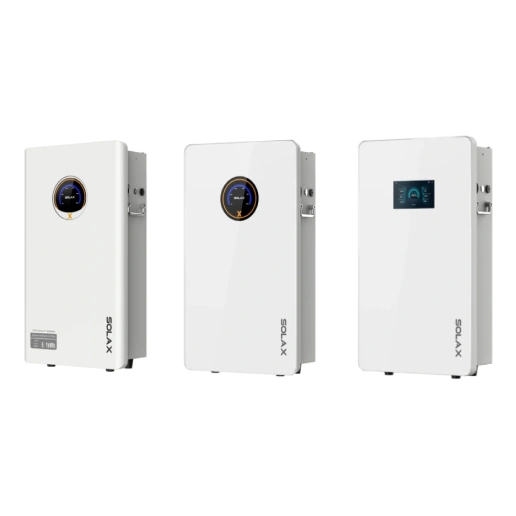
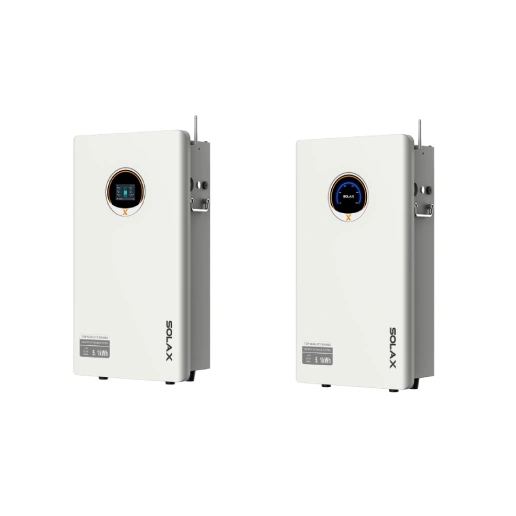
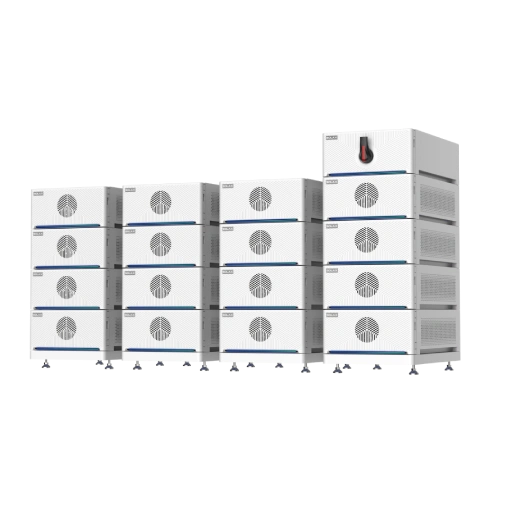
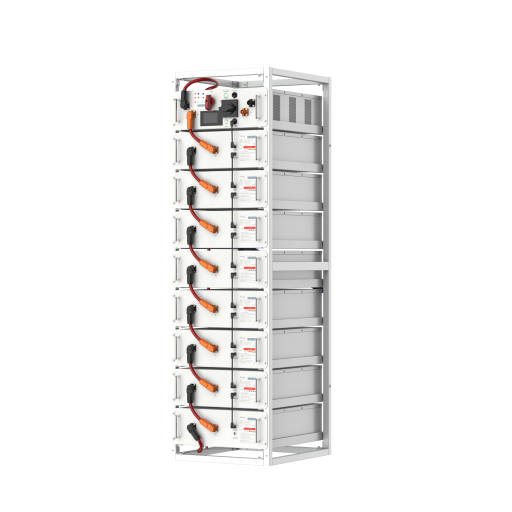
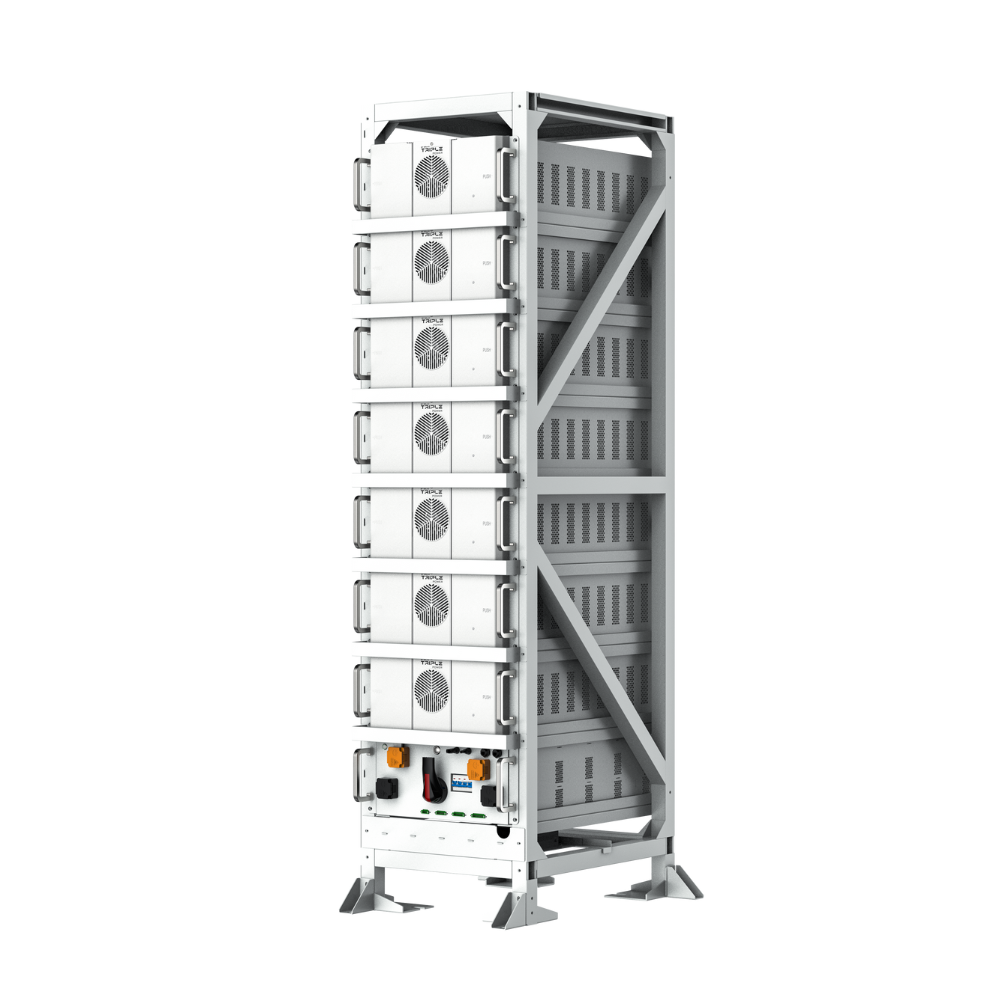
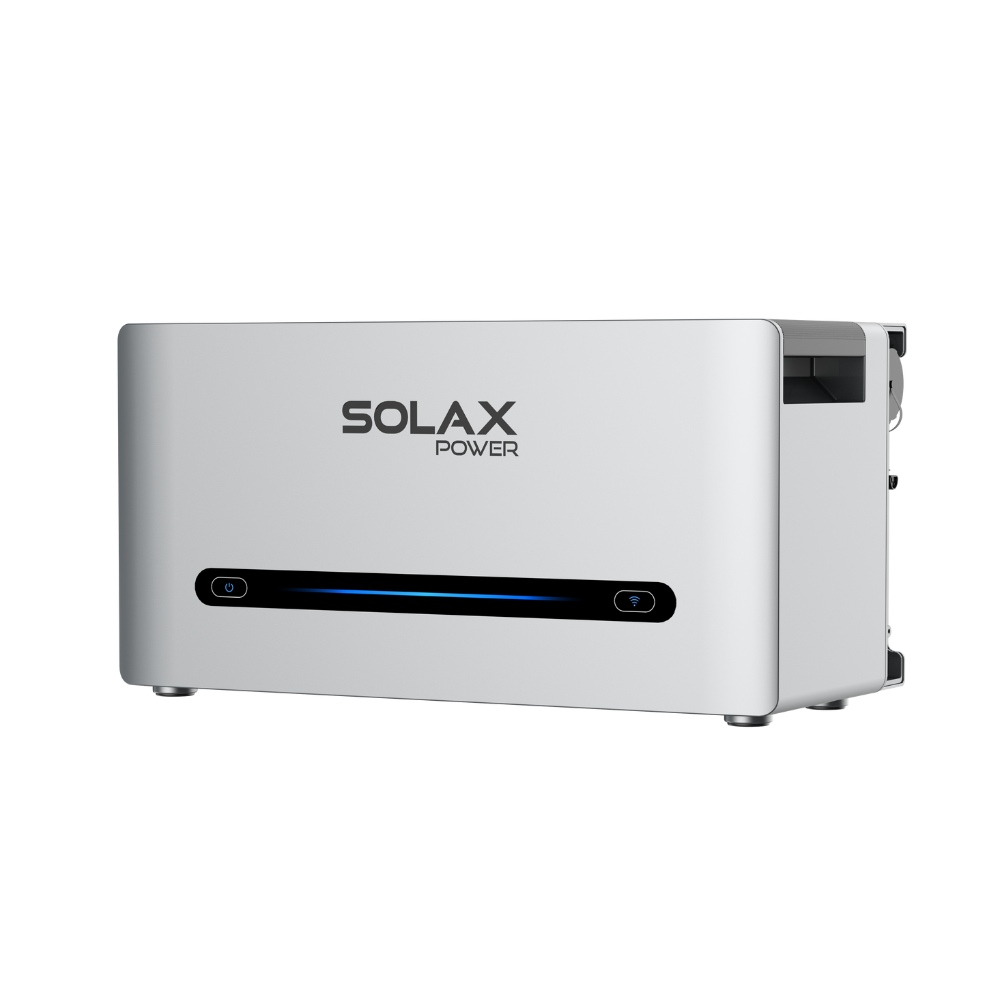
SolaX Residential Batteries include LFP battery options across low- and high-voltage ranges. LFP, or lithium iron phosphate, is a battery chemistry often selected for stationary home battery storage; nevertheless, chemistry is only one part of the safety case. Confirm the proposed model's compatible battery-management system, temperature limits, module arrangement and approved indoor location.
A battery-management system monitors battery operation and can support controlled charging, discharging and fault handling. Match modular capacity to measured household demand rather than buying the largest solar battery system available. This keeps the installation proportionate and leaves room to expand only where the approved design allows it.
The hybrid inverter's role in protection and backup
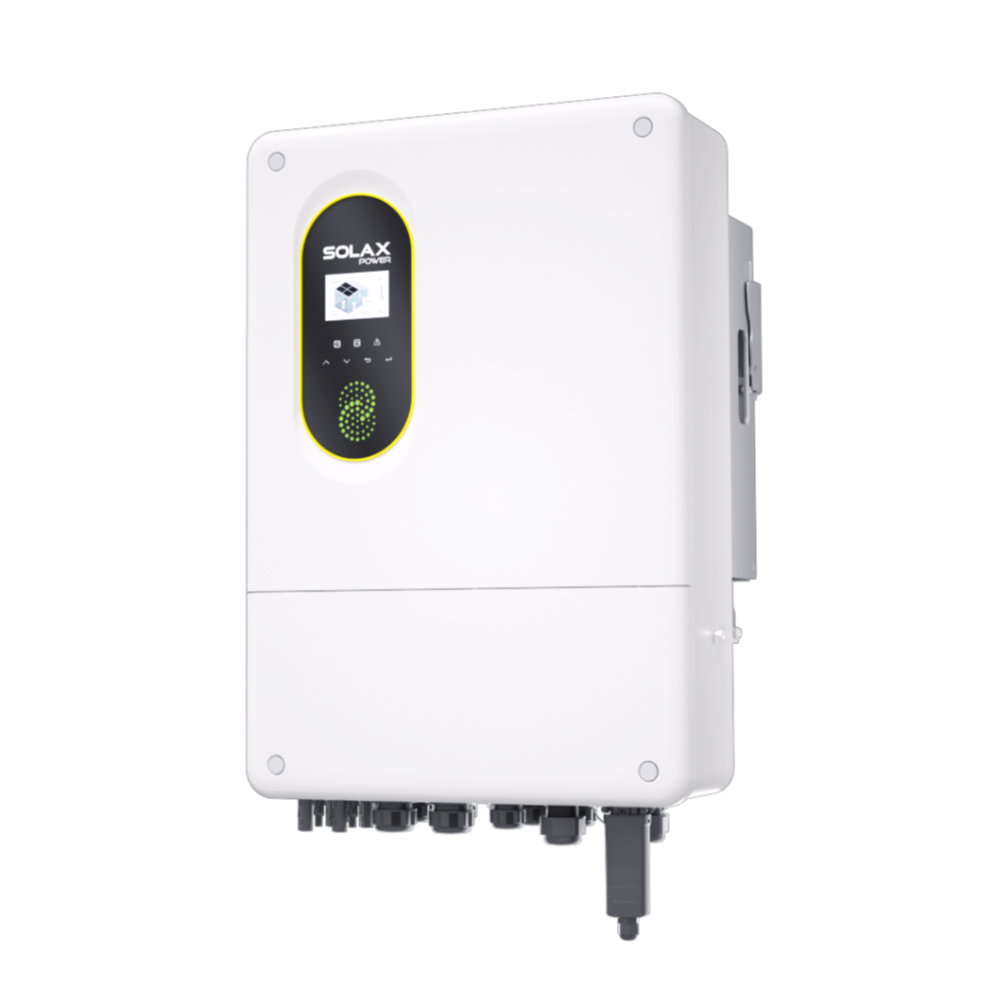
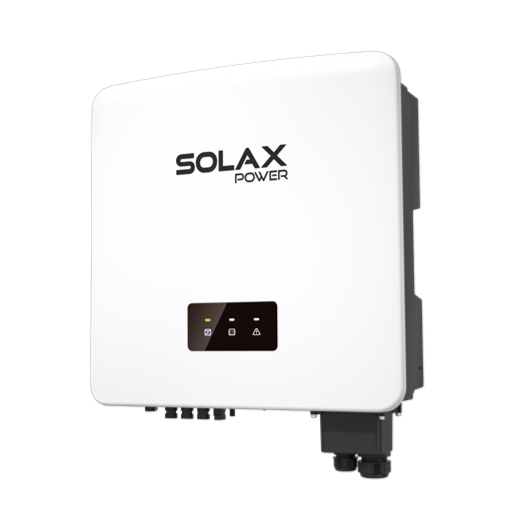
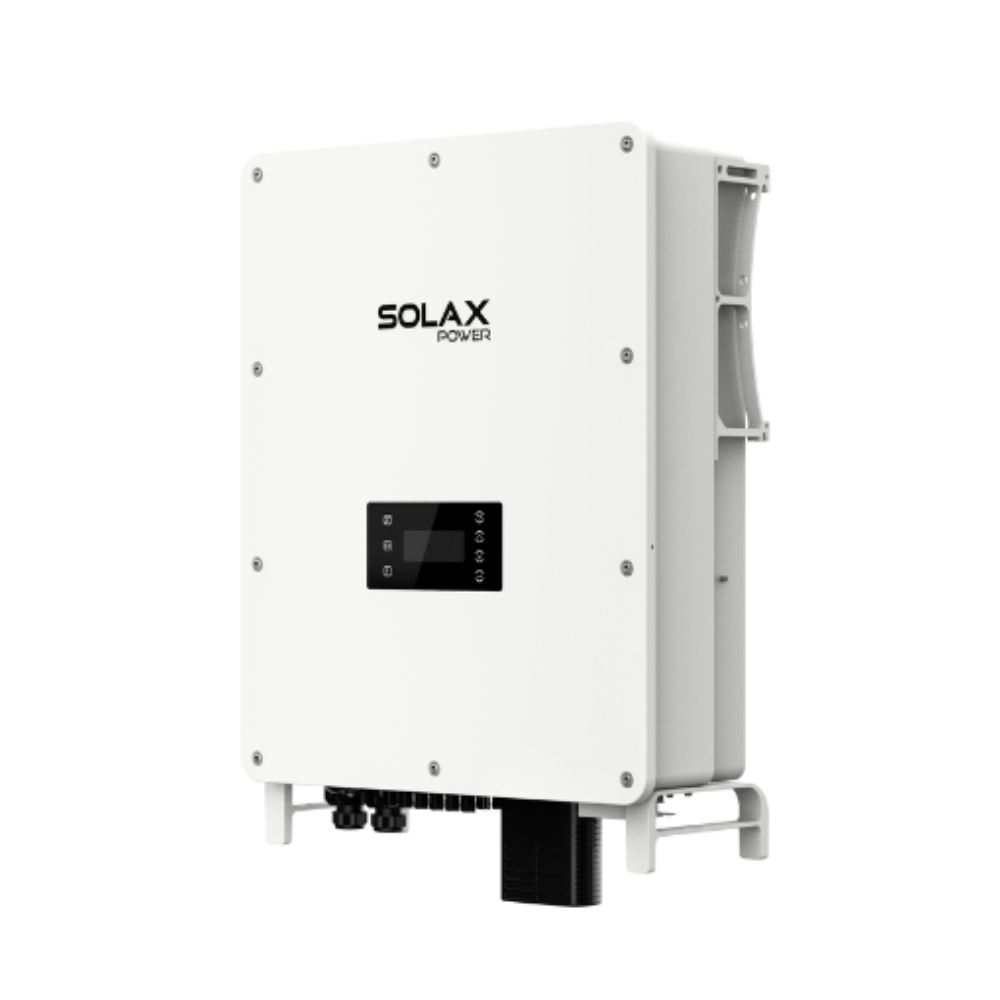
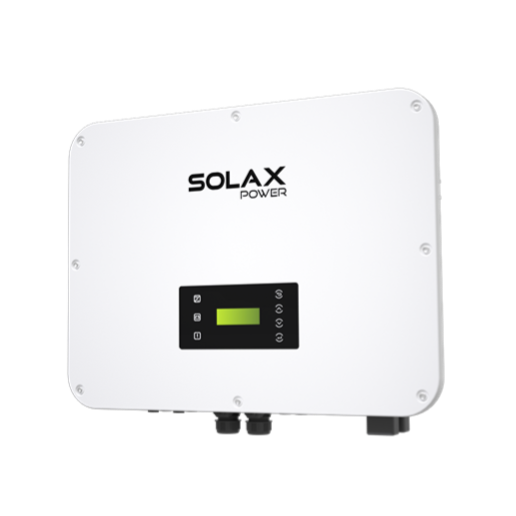
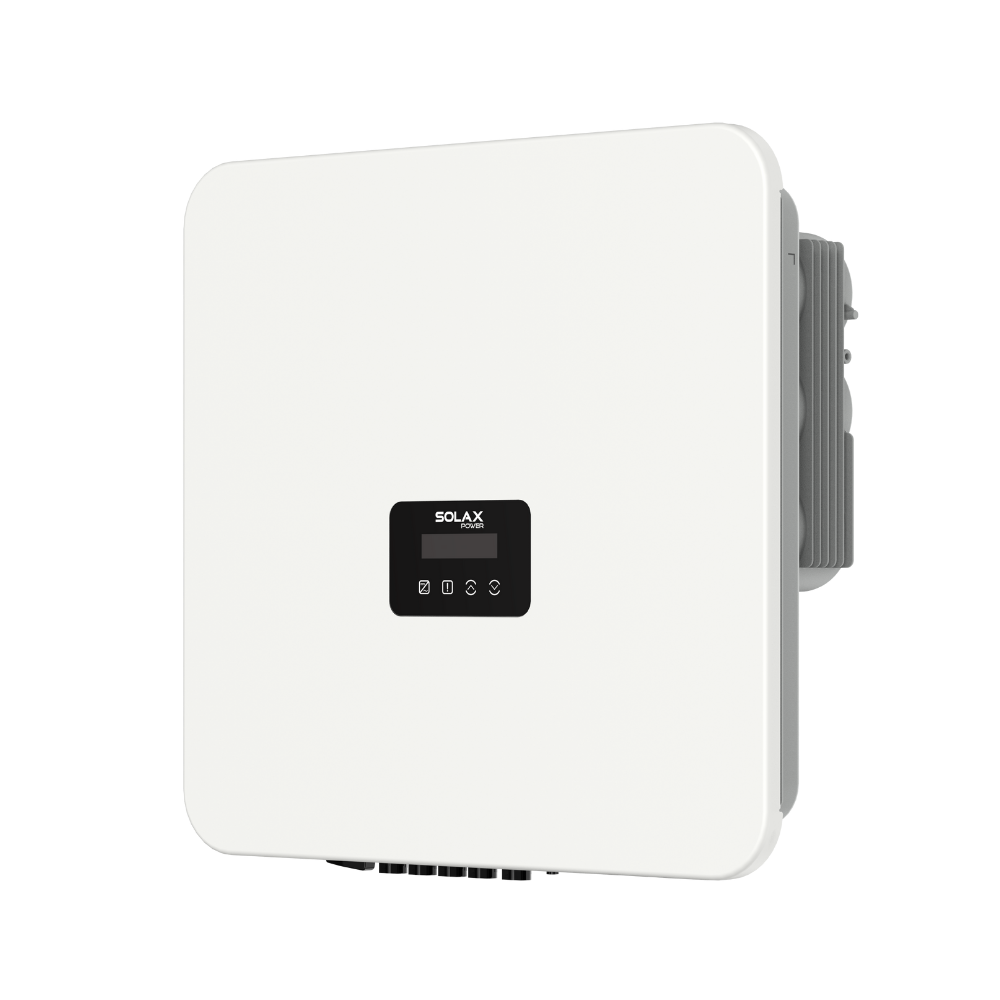
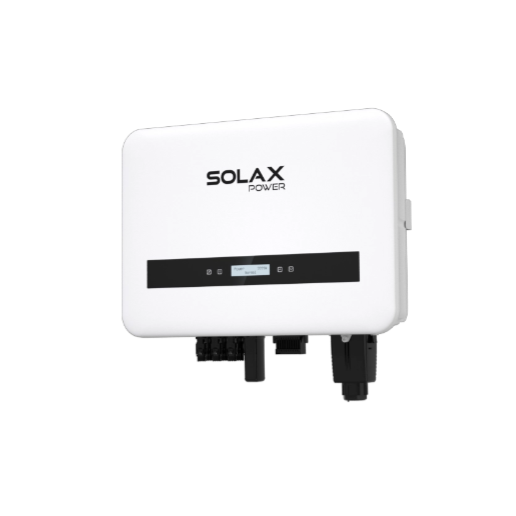
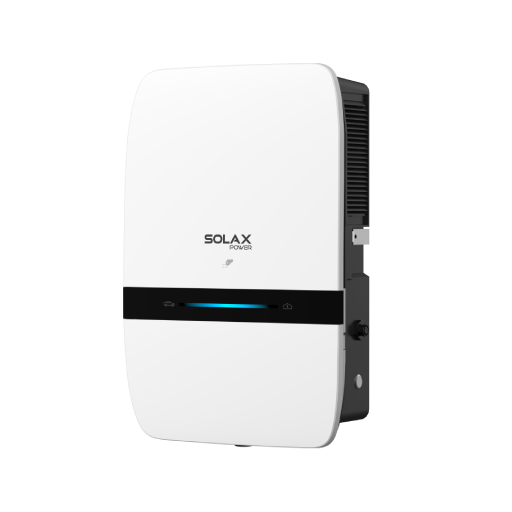
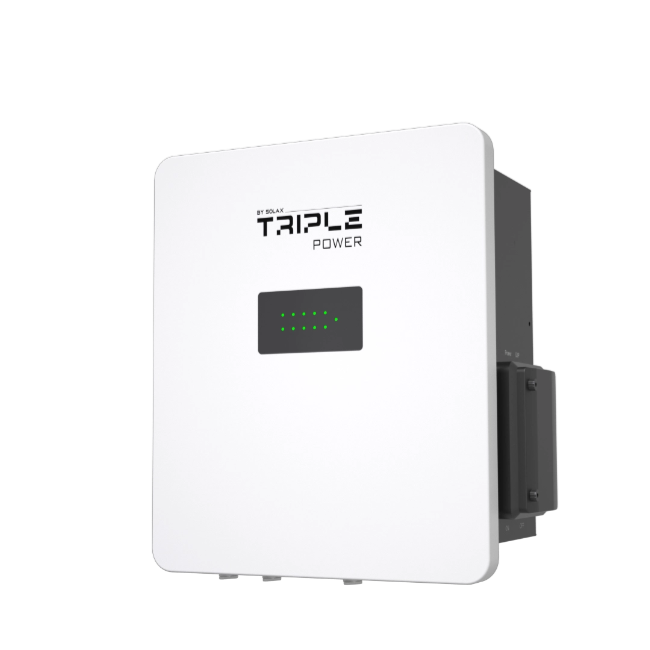
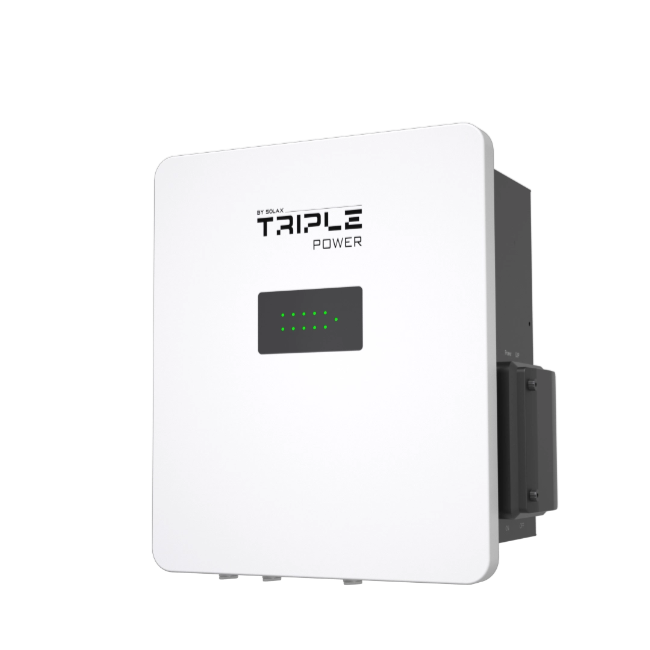
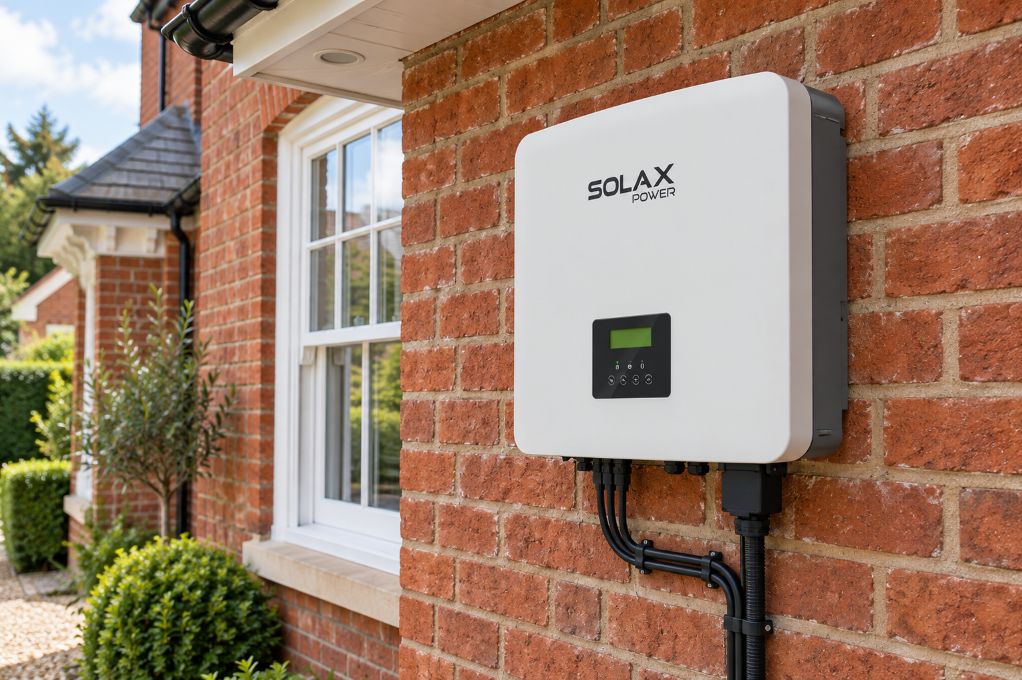
A hybrid inverter converts solar electricity and coordinates PV, battery and grid power. SolaX Residential Energy Storage Inverters include models with features such as multiple MPPT inputs, battery connections, Type II surge protection and, on applicable configurations, backup switchover below 10 ms and up to IP66 enclosure protection.
Ask the installer to define which circuits receive backup, the expected output under battery operation and the approved battery pairing. Backup is a designed service, not an automatic promise that every appliance will run during an outage.
Which SolaX home energy configuration fits the property?
The right energy storage system follows your roof layout, current solar inverter, electrical board, daily consumption and installation space. SolaX offers two main approaches: separate components for tailored design, or integrated equipment for a more consolidated solar power system.
Separate battery and inverter for staged flexibility
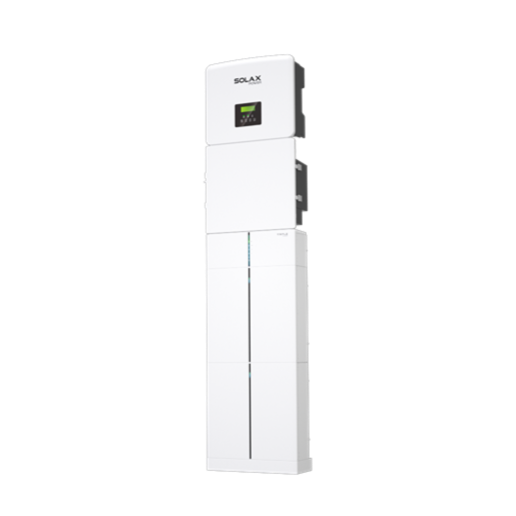
A separate SolaX battery and energy storage inverter can suit homes with existing residential solar systems, complex roof layouts or plans to add storage modules later. It allows the installer to select the PV inputs, battery capacity and essential-load design around the property. Verify that the chosen inverter battery and solar battery configuration are approved together before work starts.
All-in-one ESS for a consolidated layout
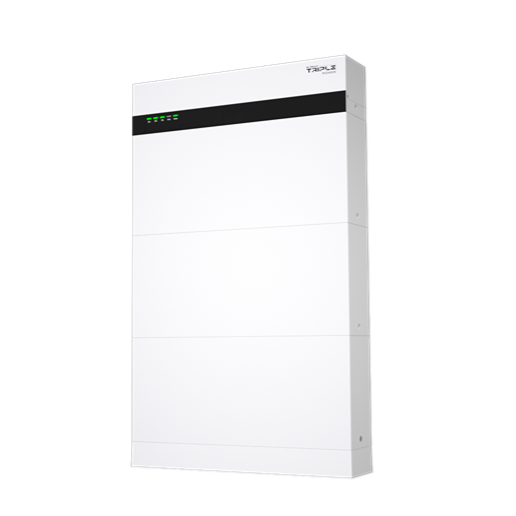
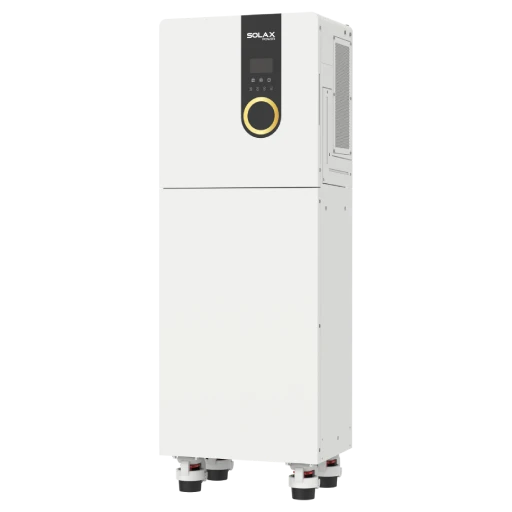
SolaX Residential All-In-One ESS integrates key energy storage system elements into a more unified architecture. This route can suit households that prefer fewer separate components to coordinate, while still requiring professional checks for siting, backup loads, service access and future modules.
A broader solar-and-battery pathway
SolaX For Home places battery storage within a wider residential solar system that can include solar PV. This is useful when the battery decision also affects future charging, heat-pump use or tariff-led charging schedules.
Installation and monitoring reduce avoidable uncertainty
Correct installation makes daily ownership calmer than capacity alone ever can. In England and Wales, battery storage and solar PV installations may need DNO notification, while installation work must comply with applicable building regulations; GOV.UK guidance explains the registration process for home energy devices.
Build the plan around the actual room
Before commissioning, confirm:
The approved location, clear route for access and service space
Temperature, ventilation and enclosure conditions for the selected equipment
Isolation, surge protection and labelled shutdown procedure
Essential-load circuits and expected backup behaviour
Space for any later battery modules
Do not place stored items around the equipment or treat the installation area as general storage. Keep the handover documents, commissioning record and support contacts available to everyone responsible for the property.
Use monitoring to spot changes early
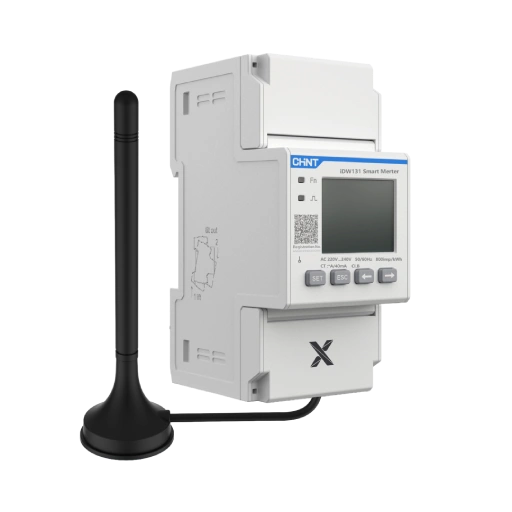
SolaX Smart Energy Management Solutions use SolaXCloud for real-time energy data and tariff optimisation. For a home, focus on solar generation, household consumption, battery state, charge and discharge patterns, and system notifications. Monitoring supports early investigation of unusual behaviour, but it does not replace inspection, maintenance or installer advice.
Practical indoor home battery safety selection criteria
Selection criterion | Confirm before purchase | Relevant SolaX pathway |
Battery chemistry | LFP type, BMS and temperature limits | Residential Batteries |
Installation layout | Approved siting, access and protection | For Home |
Backup design | Essential loads and switching behaviour | Energy Storage Inverters |
Consolidated equipment | Integrated inverter, battery and controls | All-In-One ESS |
Expansion | Compatible modules and electrical allowance | Residential Batteries / All-In-One ESS |
Daily visibility | Real-time data and alerts | Smart Energy Management |
A technically capable solar battery is not the right battery solution if it cannot be installed, monitored, serviced or expanded appropriately in your home.
Choose around safety, siting and visibility
A dependable solar and battery system combines LFP storage, suitable hybrid inverter protection, installer-approved siting and clear monitoring. Review SolaX Residential Solutions with a qualified installer, then match the proposed solar energy system to your generation, essential loads, room constraints and expansion plan.
FAQ
Table of Contents
Latest News
Explore expert insights, practical guides, and the latest news on SolaX Power.


To the Latest Newsletter
Stay Ahead with the Latest SolaX Updates!
Subscribe
I have read and agree to Privacy Policy and User Terms