












October 26, 2026
How to Size a Dependable Hybrid Inverter for Residential Solar + Storage
Share my #SolaXStory


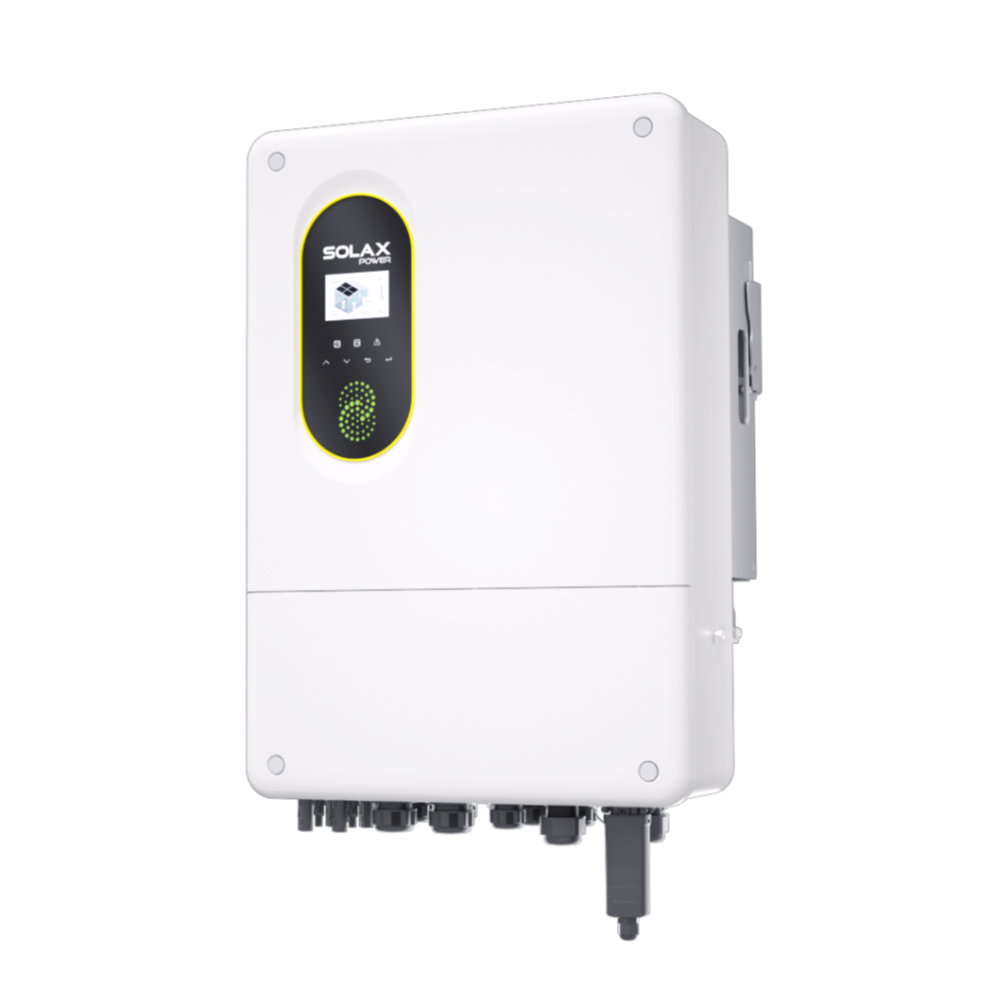
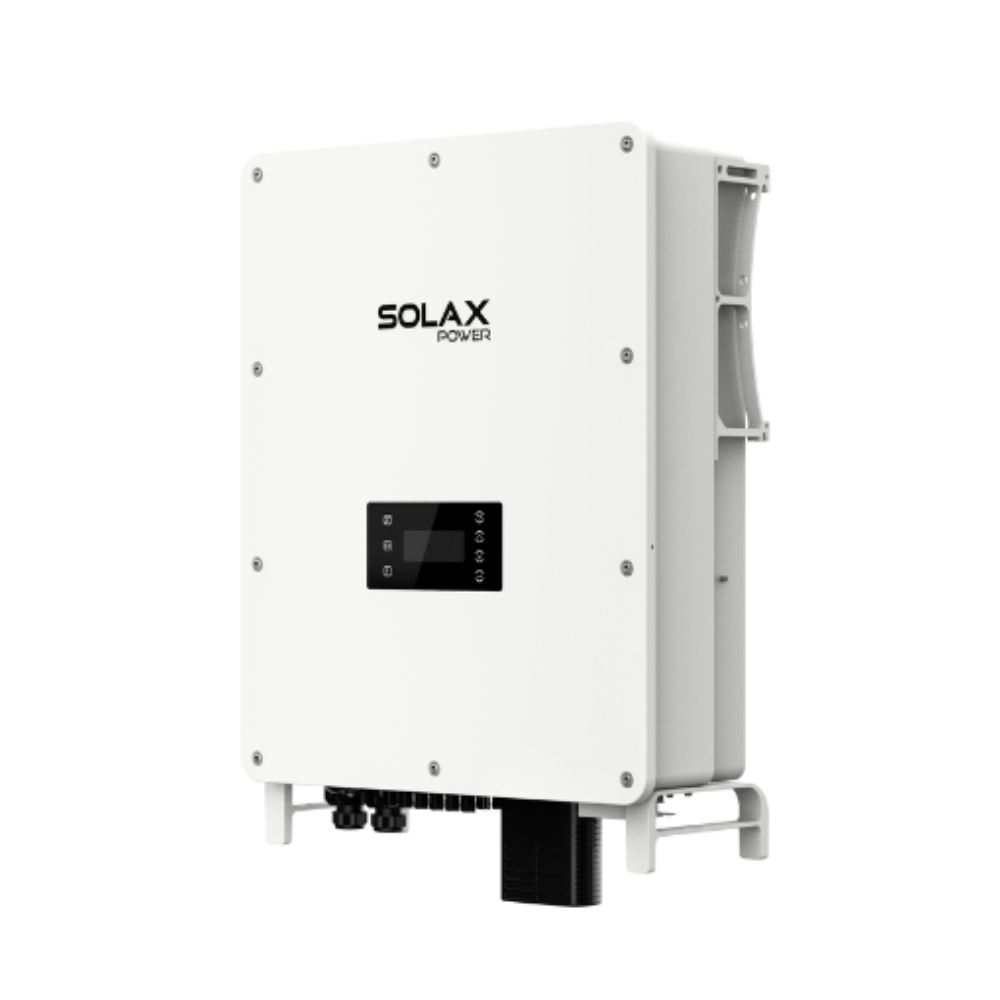
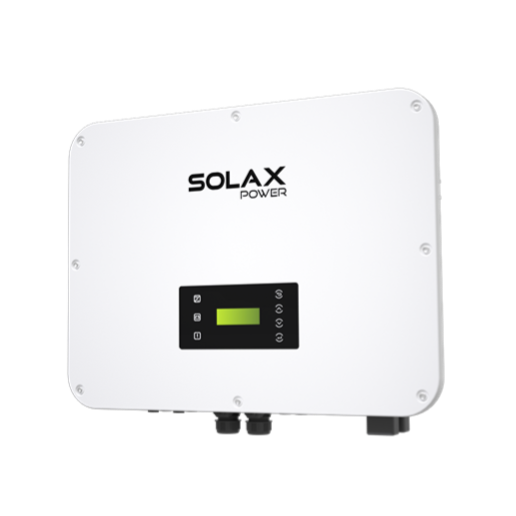
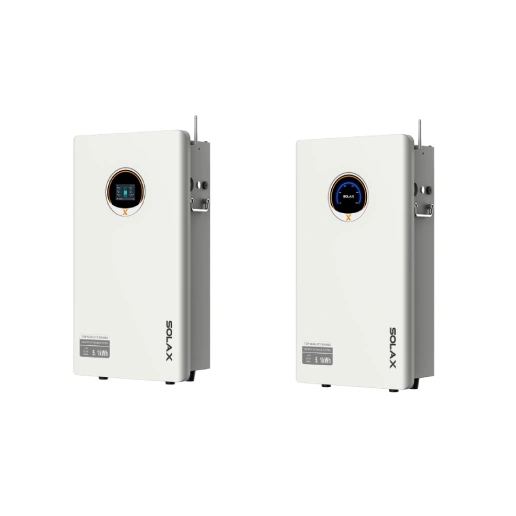
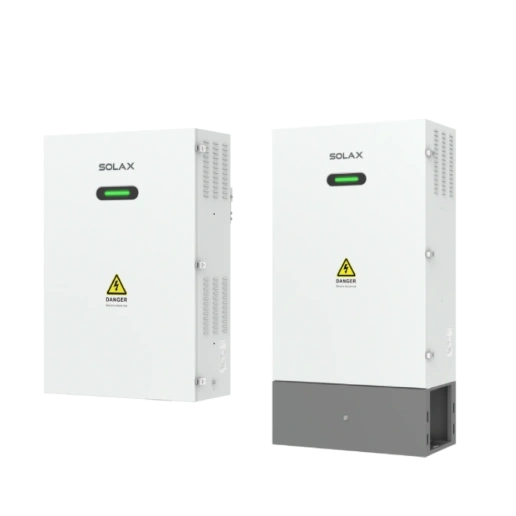
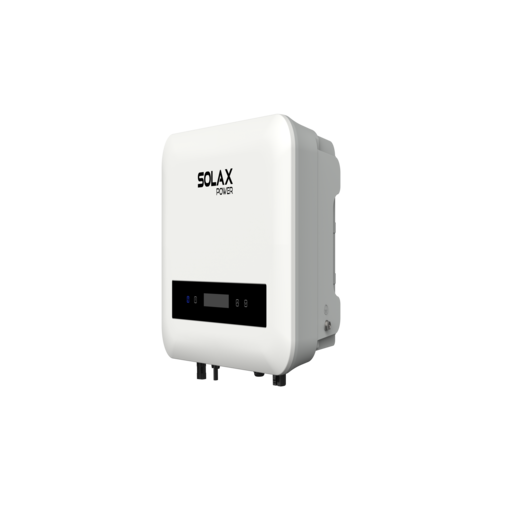
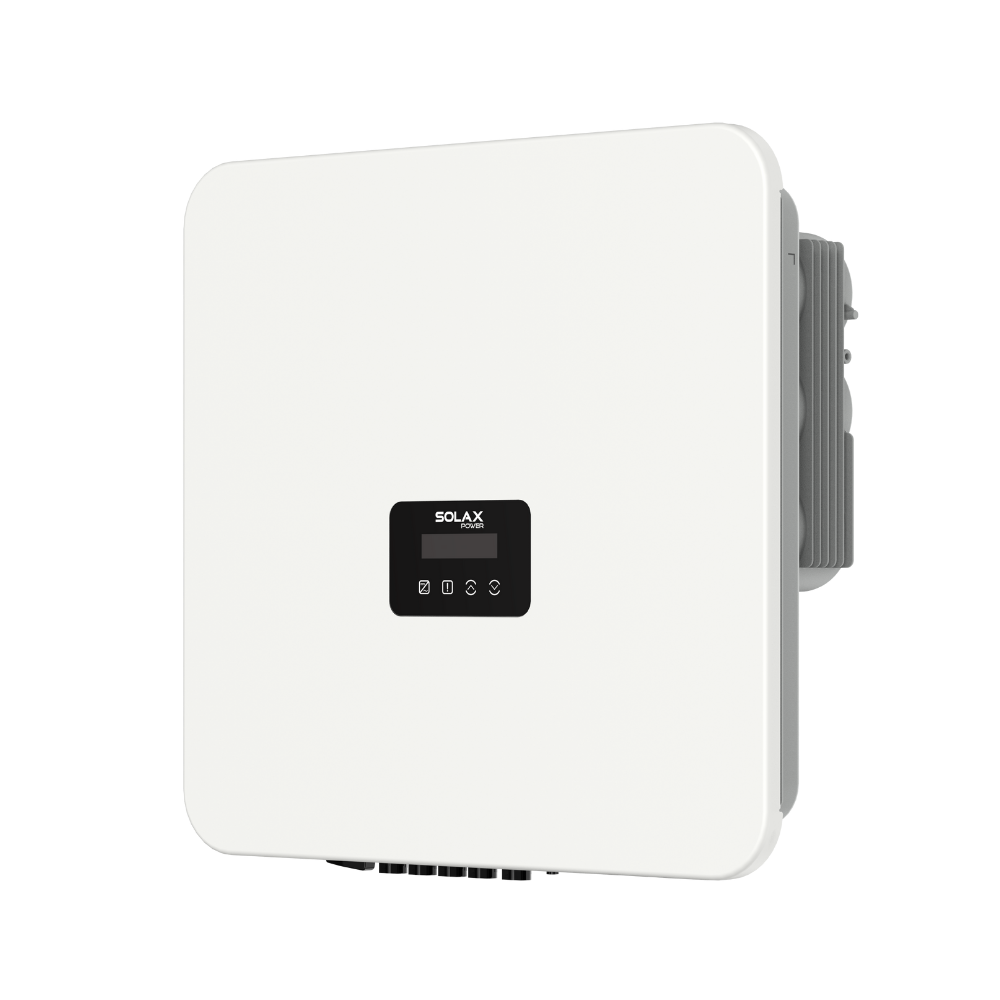
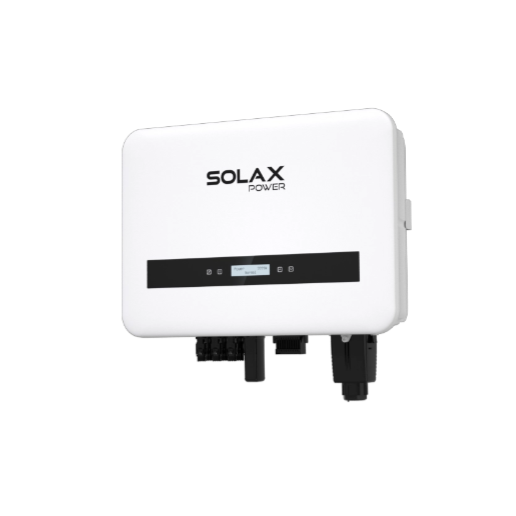
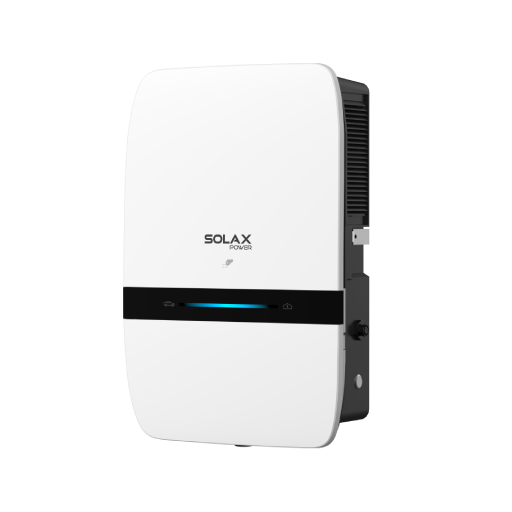
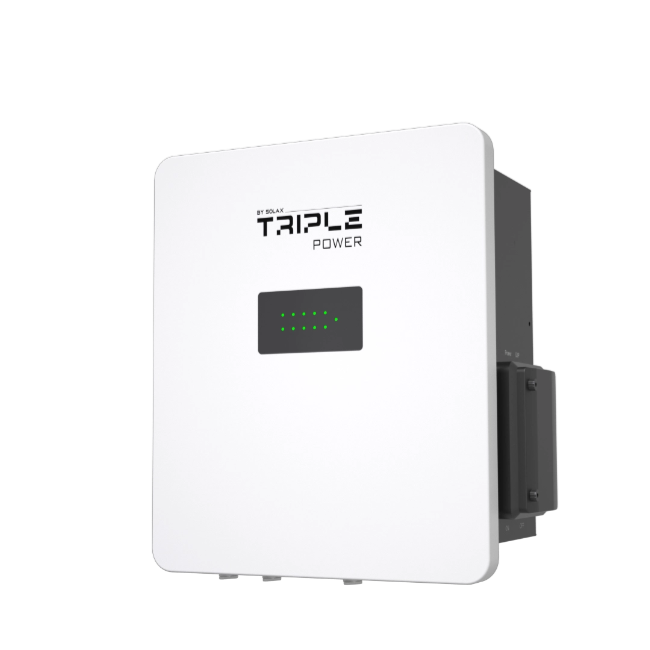
A solar battery system can disappoint when its inverter is chosen only to match panel wattage. Dependable hybrid inverter sizing needs your supply type, simultaneous household loads, solar PV layout, battery plan and grid conditions to align. SolaX Residential Energy Storage Inverters provide a practical starting point because they combine PV inputs, battery control, EPS backup and smart energy management in one residential solar + storage platform.
1. Base hybrid inverter sizing on supply and coincident demand
Annual consumption does not show the power your home needs at one moment. Review half-hourly smart-meter data, then identify equipment likely to run together during evening peaks.
Confirm whether the property has single-phase or three-phase supply.
List high-demand loads: induction cooking, immersion heating, heat pump, pumps and solar EV charger.
Separate normal circuits from circuits intended for outage operation.
Treat a 3–5 kW home solar system as a PV starting point, not an automatic inverter rating.
A smaller home focused on bill reduction may need less output than a family home charging an EV while heating water. For three-phase residential solar systems, plan demand across phases rather than adding every appliance rating together.
2. Match PV strings to the inverter's input limits
Panel capacity alone is not enough. Your installer should check roof aspects, string voltage at local temperature extremes, current per tracker and room for later solar energy expansion.
Use separate MPPTs for roof faces with meaningfully different orientation or shading.
Check the permitted strings and current for each MPPT.
Reserve input capacity only where future panels are a realistic plan.
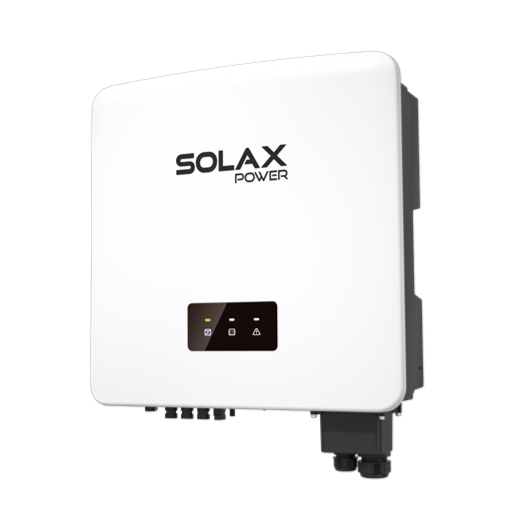
SolaX X3-HYB-P models listed in the residential range run from 4.0 to 15.0, with two or three MPPTs and maximum recommended PV arrays from 8 to 30 kWp, depending on model. Confirm the latest UK datasheet before solar installation, as local specifications and approved configurations matter.
3. Size battery power and battery storage separately
Battery storage for home has two jobs: energy capacity, measured in kWh, determines duration; charge and discharge power, measured in kW, determines what can operate together. A larger solar battery does not automatically provide stronger backup power.
Compare daytime surplus with the energy you want to shift into the evening.
Set a time-of-use schedule only after reviewing your tariff and real demand.
Define essential circuits and their expected running time.
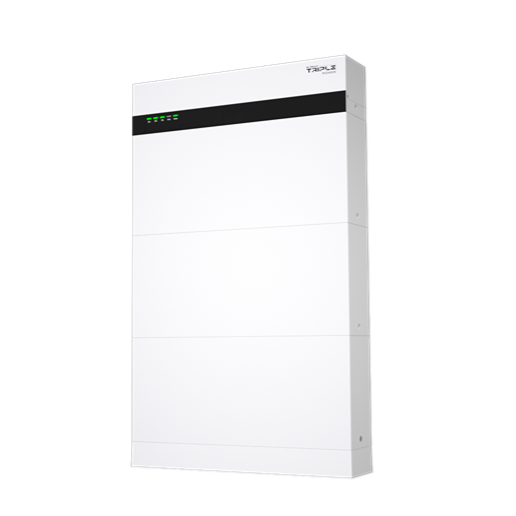
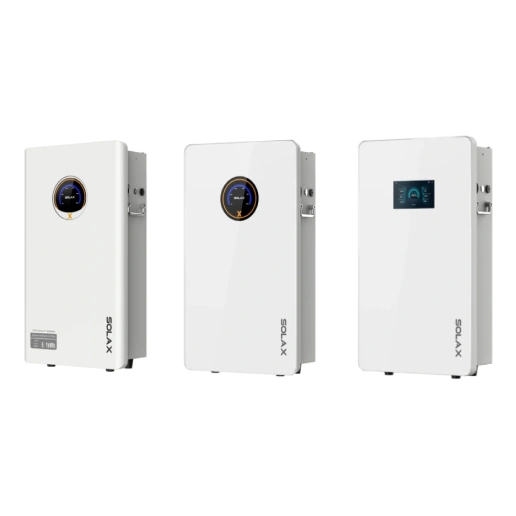
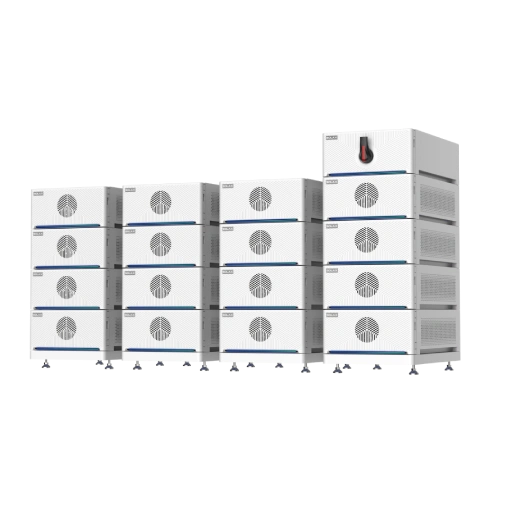
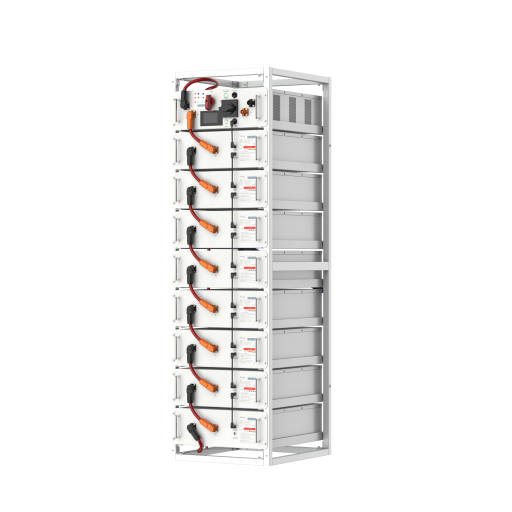
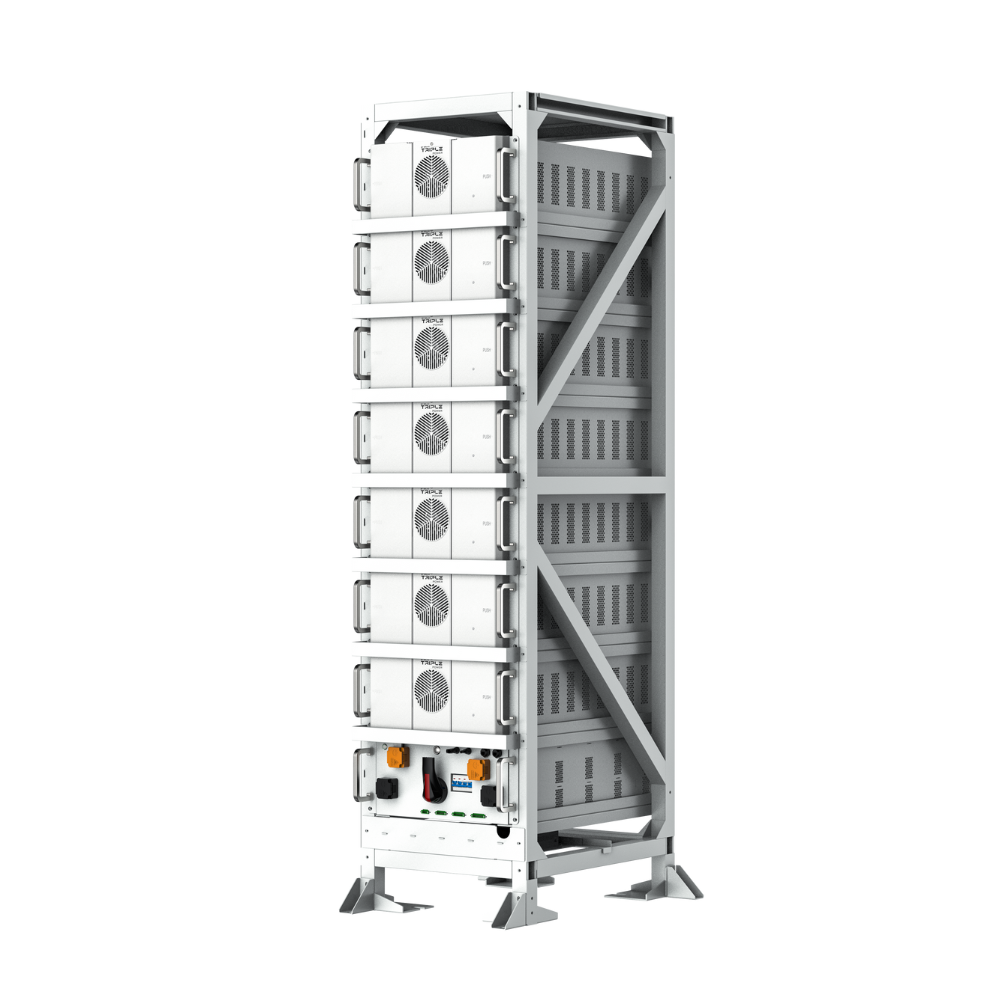
Verify the approved inverter battery, battery-management system, firmware and LFP battery expansion limits.
For an inverter battery system, compatibility is configuration-specific. Do not combine unapproved solar batteries or assume that every lithium battery can be expanded later.
4. Design EPS backup around essential circuits
EPS, or emergency power supply, should be designed for selected loads rather than assumed to cover the whole property. An essential-load board gives the backup arrangement a defined purpose and helps prevent overload when the grid is unavailable.
Prioritise refrigeration, lighting, broadband and selected sockets.
Assess medical equipment with the relevant professional advice.
Exclude or manage high-starting loads, electric heating and multiple large appliances.
Test protected circuits during commissioning.
Applicable X3-HYB-P configurations list peak EPS output of twice rated power for 10 seconds and switching below 10 ms; actual performance still depends on the model, phase arrangement, battery state of charge and installation design.
5. Include export limiting compliance in hybrid inverter sizing
Metering, CT orientation and network approval can change the final equipment layout. The Energy Networks Association identifies G98 and G99 as the UK technical requirements for connecting energy-storage devices to distribution networks.
Confirm the applicable G98 or G99 route with the distribution network operator.
Establish any export limit before choosing meters and control equipment.
Specify CT location, inverter position, isolation, cable routes and earthing.
Keep access clear for servicing and commissioning.
The UK Government states that solar PV and battery storage installations that materially change a connection must be notified to the local DNO.
6. Allow for smart energy management and future loads
A home energy storage system should remain useful when your electricity use changes. Plan for likely additions rather than oversizing without evidence today.
Consider later battery modules only within the approved architecture.
Allow for a solar EV charger or heat-pump load where relevant.
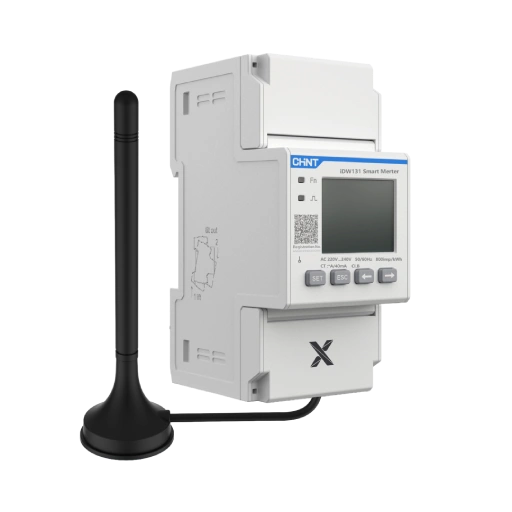
Include energy-meter and CT integration for accurate monitoring and export control.
Review performance after the first year before expanding.
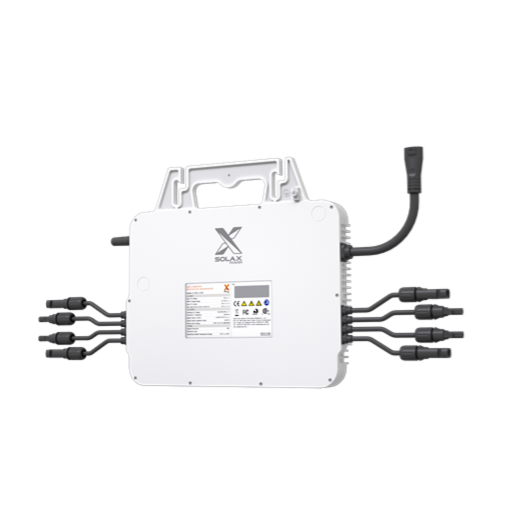
SolaX Residential Energy Storage Inverters support integration with energy meters, CTs and heat pumps, making them relevant to a phased smart energy plan.
Pre-installation safety and specification checklist
Use a qualified installer to verify supply phase, protection devices, cable sizing, isolation, location clearances and current local documentation. Never alter protection settings to bypass an export limit. The Government's domestic battery safety review notes that battery storage forms part of the home electrical installation, so design and installation controls are not optional.
Common sizing problems and practical fixes
Problem | Likely cause | Practical fix |
Evening battery shortfall | Too little usable storage | Review half-hourly demand |
EPS trips | Excess protected load | Reduce startup loads |
Low solar yield | MPPT mismatch | Rework string allocation |
Export limit fails | CT or meter error | Recommission controls |
Expansion blocked | Unverified compatibility | Confirm approved modules |
Prepare an installer-ready brief
Bring recent consumption data, a simultaneous-load list, roof layout, supply details, battery goals and the circuits you want protected. This turns hybrid inverter sizing into a documented design decision rather than a panel-to-inverter guess.
FAQ
Table of Contents
Latest News
Explore expert insights, practical guides, and the latest news on SolaX Power.



To the Latest Newsletter
Stay Ahead with the Latest SolaX Updates!
Subscribe
I have read and agree to Privacy Policy and User Terms