












November 03, 2026
7 Quietest Heat Pumps to Consider for Your Home
Share my #SolaXStory


Choosing the quietest heat pump matters when the outdoor unit will sit near a bedroom, patio or neighbouring home. But finding the quietest air source heat pump takes more than picking the lowest decibel figure: heating capacity, operating conditions and installation all affect the choice.
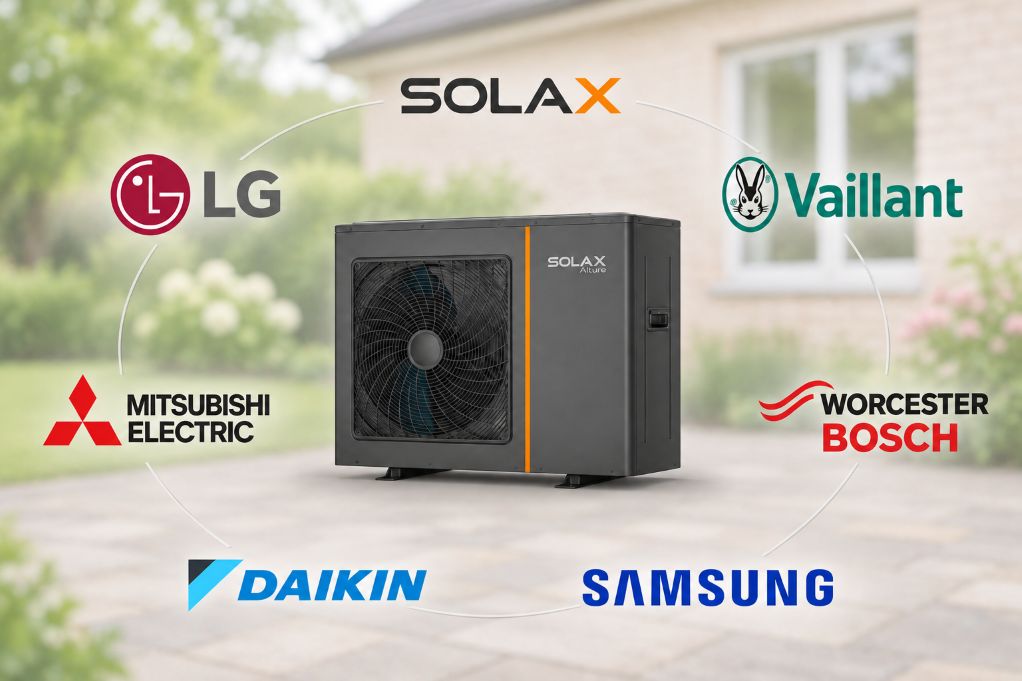
This guide brings together seven models worth considering, including options from SolaX, Vaillant and other established manufacturers. We look at published noise specifications, independent recognition and practical features to help you build a shortlist that suits both your heating needs and your home.
How We Selected These Quiet Heat Pumps
We selected these models using manufacturers' published specifications, third-party acoustic recognition, and features relevant to home heating. Alongside noise data, we considered heating capacity, controls and compatibility with other home energy systems.
This list is a buying shortlist, and its order does not indicate which model is quietest. Our assessment draws on published information rather than hands-on testing. Where sound figures are included, check the measurement type, distance and operating conditions before comparing models, as these details can change what the numbers tell you.
7 Quietest Heat Pumps to Consider
These seven models are worth shortlisting for quieter home heating, with published specifications and practical features to guide your choice.
1. SolaX Alture Series
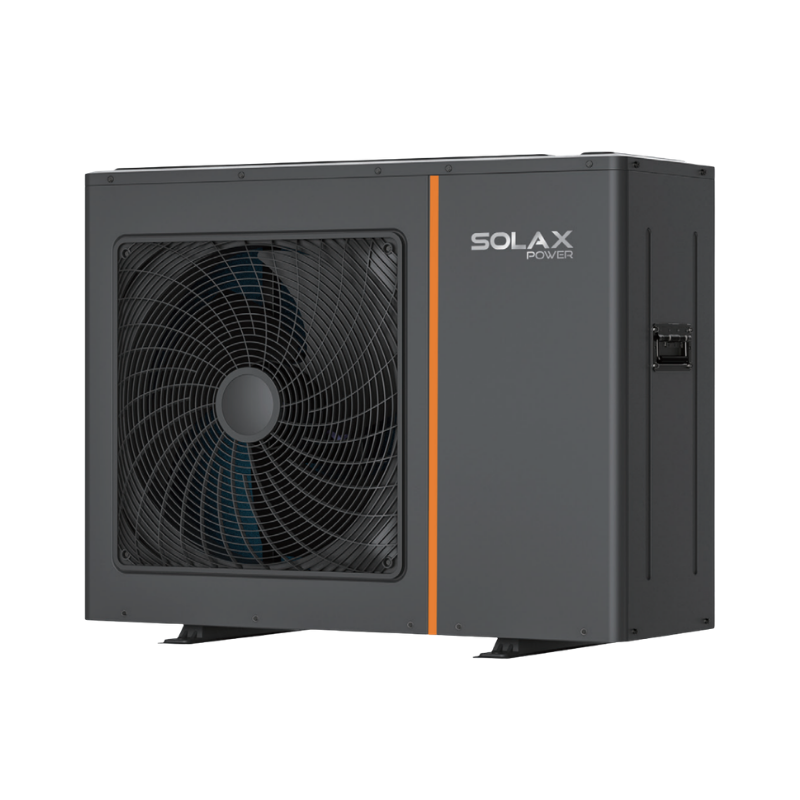
The Alture Series combines low-noise heating with Quiet Mark certification. The Alture ALT05-SF0 5kW provides independent recognition of its acoustic performance.
Available in 4, 5 and 6kW versions, the series has published sound pressure levels of 33 dB(A) at 1 metre and 29 dB(A) at 3 metres across these models. It provides space heating, cooling and domestic hot water, making it worth considering for homeowners seeking quieter, year-round comfort.
Beyond quiet operation, the Alture Series integrates with compatible SolaX inverters, batteries, EV chargers and X-Hub energy management. App control and remote monitoring help homeowners manage heating alongside their wider home energy system.
2. Vaillant aroTHERM Plus
The Vaillant aroTHERM Plus is an R290 air-to-water heat pump range designed for home heating and domestic hot water.
For the 5kW version, Vaillant's installer guide lists a sound power level of 54 dB(A) at A7/W55, meaning 7°C outdoor air and 55°C leaving water temperature. When shortlisting this model, use the figures that match your planned system's operating conditions, particularly if your radiators require higher water temperatures.
3. Worcester Bosch Compress 5800i AW
The Worcester Bosch Compress 5800i AW is an air-to-water heat pump designed for both new-build homes and renovation projects. Its 4kW version has a published outdoor sound power level of 40 dB(A), making it worth considering for homes with lower heating demand.
The official brochure specifies measurement under EN 12102 at nominal A7/W55 conditions: 7°C outdoor air and 55°C leaving water temperature. This figure applies to the 4kW model, so confirm your home's required heating capacity before comparing the acoustic specifications of the appropriate version.
4. Samsung EHS Mono HT Quiet
Samsung's EHS Mono HT Quiet combines high-temperature heating with noise-reduction features, making it an option for home renovation projects. Available in 8, 12 and 14kW versions, it uses layered sound insulation and a four-step Quiet Mode, with published noise levels as low as 35 dB(A).
According to Samsung's official test notes, this figure was measured 3 metres in front of the outdoor unit, in an anechoic room at 7°C outdoor temperature. It represents operation under specific test conditions, so confirm the selected model's heating output at the intended quiet setting before choosing it.
5. Daikin Altherma 3 H HT
The Daikin Altherma 3 H HT combines high-temperature heating with features designed to reduce noise, including compressor insulation and vibration isolation. Its official product catalogue lists sound pressure levels of 38 dB(A) at 3 metres in standard sound mode, falling to 35 dB(A) in low sound mode.
Available in 14, 16 and 18kW capacity classes, the range offers indoor configurations for space heating and domestic hot water. It is worth considering for renovation projects where existing radiators require higher water temperatures.
6. Mitsubishi Electric Ecodan R290
The Mitsubishi Electric Ecodan R290 combines documented acoustic performance with cold-weather heating capability. For the 8.5kW PUZ-WZ85VAA, Mitsubishi's official technical manual lists a heating sound power level of 54 dB(A), measured according to EN 12102:2022.
The manual also specifies heating operation down to −25°C outdoor temperature and a maximum heating water outlet temperature of 75°C, making it worth considering for colder locations and radiator-based systems.
7. LG THERMA V R290 Monobloc
For the 9kW HM091HF UB40, LG's European product specifications list outdoor sound power levels of 50 dB(A) in nominal mode and 48 dB(A) in quiet mode, supported by compressor, fan and vibration-control measures.
The same specifications give SCOP values of 5.20 at 35°C and 3.86 at 55°C, making this model worth considering when balancing acoustic performance with seasonal heating efficiency.
What to Check Before Choosing a Quiet Heat Pump
A low noise rating is only part of choosing the right heat pump. Before buying, check how the unit will perform and fit at your property.
Match capacity to heat loss
Ask your installer to calculate your home's heating demand and check the unit's output at the required outdoor and water temperatures. If you plan to use quiet mode, confirm that heating capacity remains sufficient.
Compare equivalent sound figures
Check whether specifications describe sound power or sound pressure, and note the distance and operating mode. Our guide to Heat Pump Noise Levels explains how to interpret these figures.
Check the proposed location
Allow the manufacturer's required clearances for airflow, servicing and safety. Consider nearby bedrooms, neighbouring windows and reflective walls, and ask your installer about suitable foundations and vibration isolation.
FAQ
Table of Contents
Latest News
Explore expert insights, practical guides, and the latest news on SolaX Power.

To the Latest Newsletter
Stay Ahead with the Latest SolaX Updates!
Subscribe
I have read and agree to Privacy Policy and User Terms