












November 03, 2026
Norway's Plug-In Solar Proposal Could Open the Door to Balcony Solar and Battery Storage
Share my #SolaXStory


For homeowners with suitable rooftops, solar power is already a familiar option. For apartment residents and renters, however, generating electricity at home is often much harder. Limited space, installation requirements, and electrical regulations can make even a small solar system difficult to install.
Norway may be taking a step toward changing that.
In October 2026, members of Norway's Green Party submitted a proposal to parliament calling for simpler rules for plug-in solar systems and battery storage. If adopted, the proposal could make small-scale solar generation more accessible to households that cannot install conventional rooftop systems.
But making balcony solar practical takes more than changing regulations. It also requires the right technology, realistic energy expectations, and safe system design.
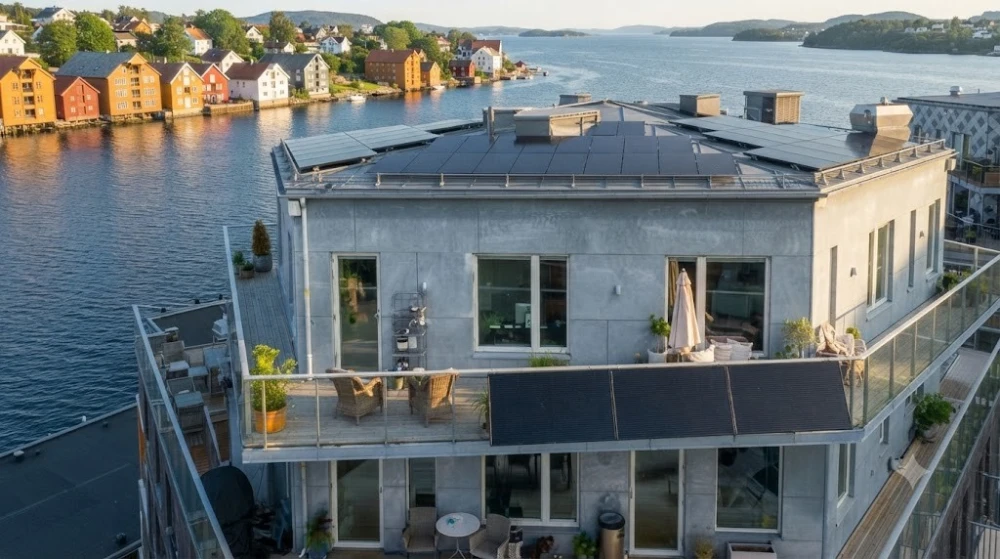
Norway's Plug-In Solar Proposal: Lowering the Barriers to Home Solar
The proposal calls for safety-compliant plug-in solar panels and batteries to be permitted to connect to ordinary grounded household sockets by the end of 2027. It also seeks clearer technical standards, simplified registration procedures, and fewer administrative barriers.
Another proposal asks the government to examine a possible VAT exemption for residential solar and battery storage systems by October 1, 2027.
These measures are still under consideration. Plug-in solar grid connections of this kind remain restricted under Norway's current regulations.
Supporters argue that smaller home solar systems could help households lower electricity bills, reduce demand on the grid during peak periods, and gain more control over their energy use.
They also point to affordability. An approximately 800 W plug-in solar system, estimated at around NOK 5,000, was cited as an example of how households could start generating electricity without investing in a full rooftop installation.
The potential appeal is clear, particularly for apartment residents and households with limited outdoor space seeking affordable solar power solutions.
How Balcony Solar Systems Work
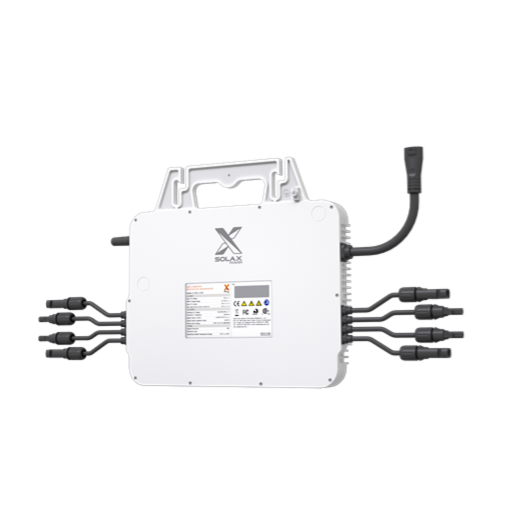
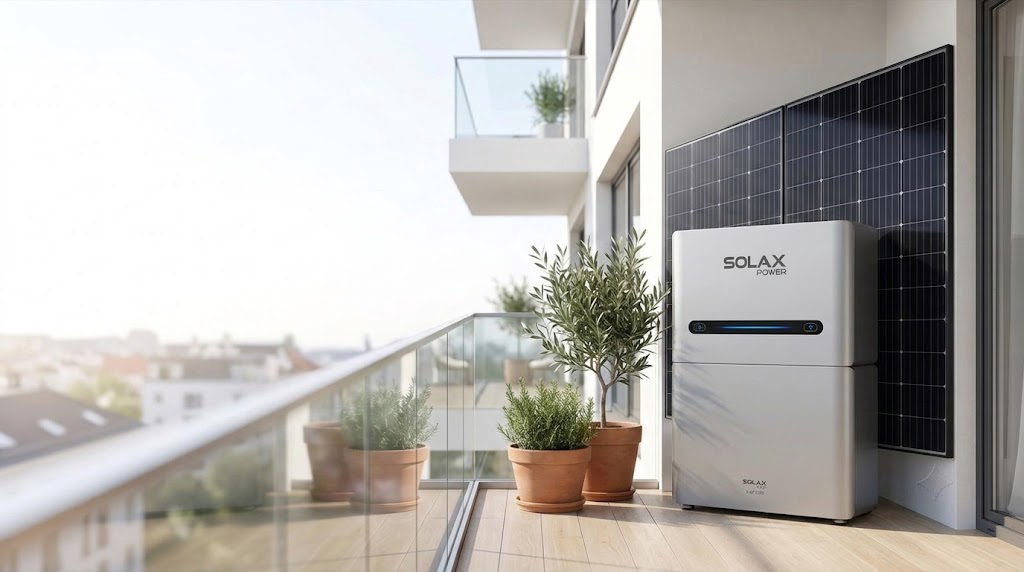
A balcony solar system typically consists of a few photovoltaic (PV) panels, a microinverter, mounting equipment, and an electrical connection. Depending on the configuration, solar battery storage can also be included.
Solar panels convert sunlight into direct current (DC) electricity. A microinverter then converts it into alternating current (AC), which household appliances can use.
When solar generation is available, it can supply part of the home's electricity demand, reducing the amount purchased from the grid.
For example, if a household is using 600 W while its panels produce 400 W, the solar system can cover approximately two-thirds of that demand under suitable operating conditions.
Actual output depends on sunlight, panel orientation, shading, and installation conditions.
This matters in Norway, where solar energy production varies considerably between seasons. Long summer days can provide useful generation, while shorter winter days limit output.
For households considering balcony solar, expected annual production is a more useful measure than peak rated power alone.
Why Microinverters Are Well Suited to Balcony Solar
Balcony solar installations rarely have ideal conditions. Panels may face different directions, receive uneven sunlight, or experience shading from railings and nearby buildings.
Microinverters help address these challenges.
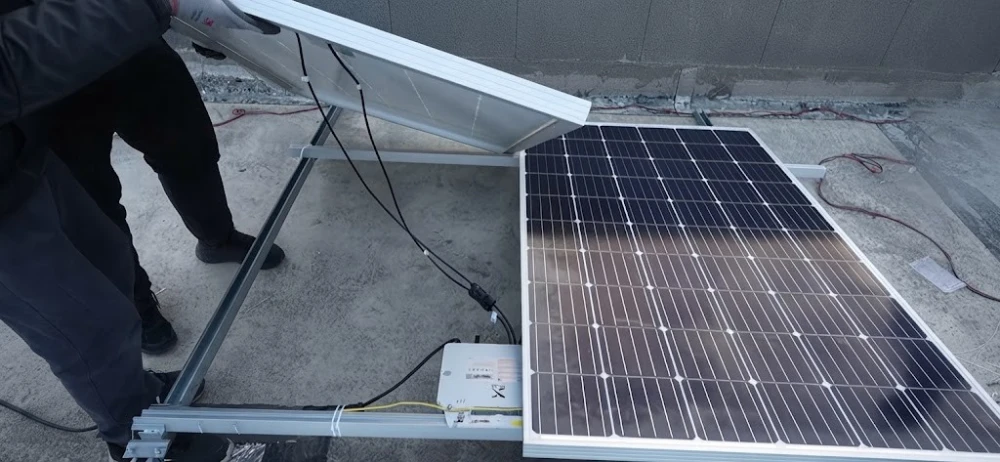
In conventional string inverter systems, several panels are electrically connected, and differences in operating conditions can affect the performance of the string.
Microinverters use module-level power conversion and independent Maximum Power Point Tracking (MPPT), allowing connected panels or inputs to operate closer to their individual power potential.
Consider two solar panels installed on the same balcony. One receives direct sunlight while the other is partly shaded. With independent MPPT, the shaded panel does not need to determine the operating point of the unshaded panel.
This can improve solar energy harvesting in installations where available sunlight is uneven.
Microinverters also support modular solar system designs. A household can begin with a small installation and consider adding panels later, provided the equipment, available space, and local regulations allow it.
For balcony solar, the advantage is not simply generating more electricity. It is making better use of limited space and available sunlight.
How Battery Storage Makes Solar More Useful
One challenge with small solar systems is the difference between when electricity is generated and when it is needed.
A balcony solar system may produce most of its electricity during the day, while household consumption often increases in the evening.
Without battery storage, excess solar electricity must be exported where permitted, curtailed, or used immediately.
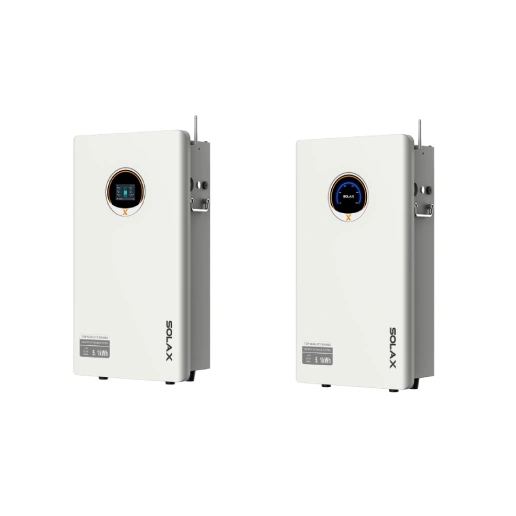
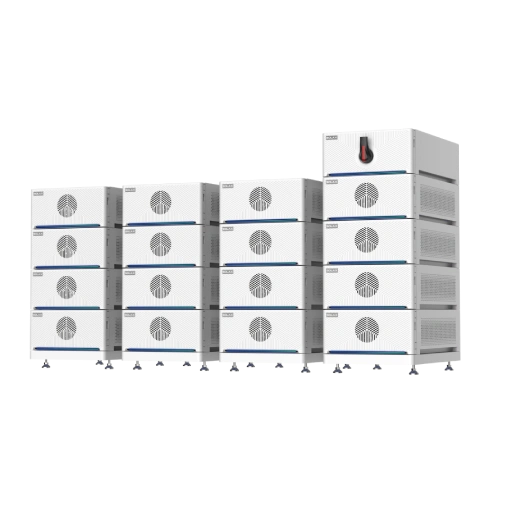
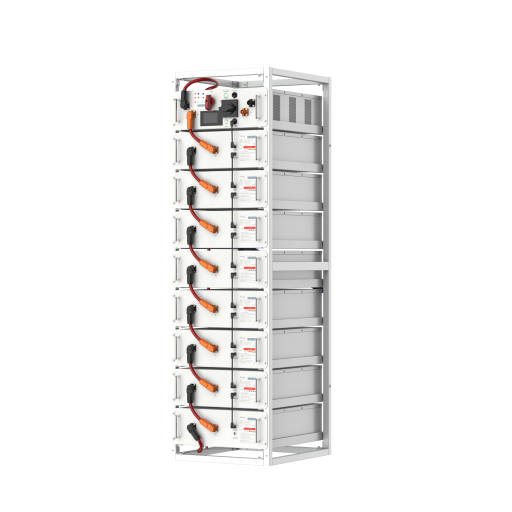
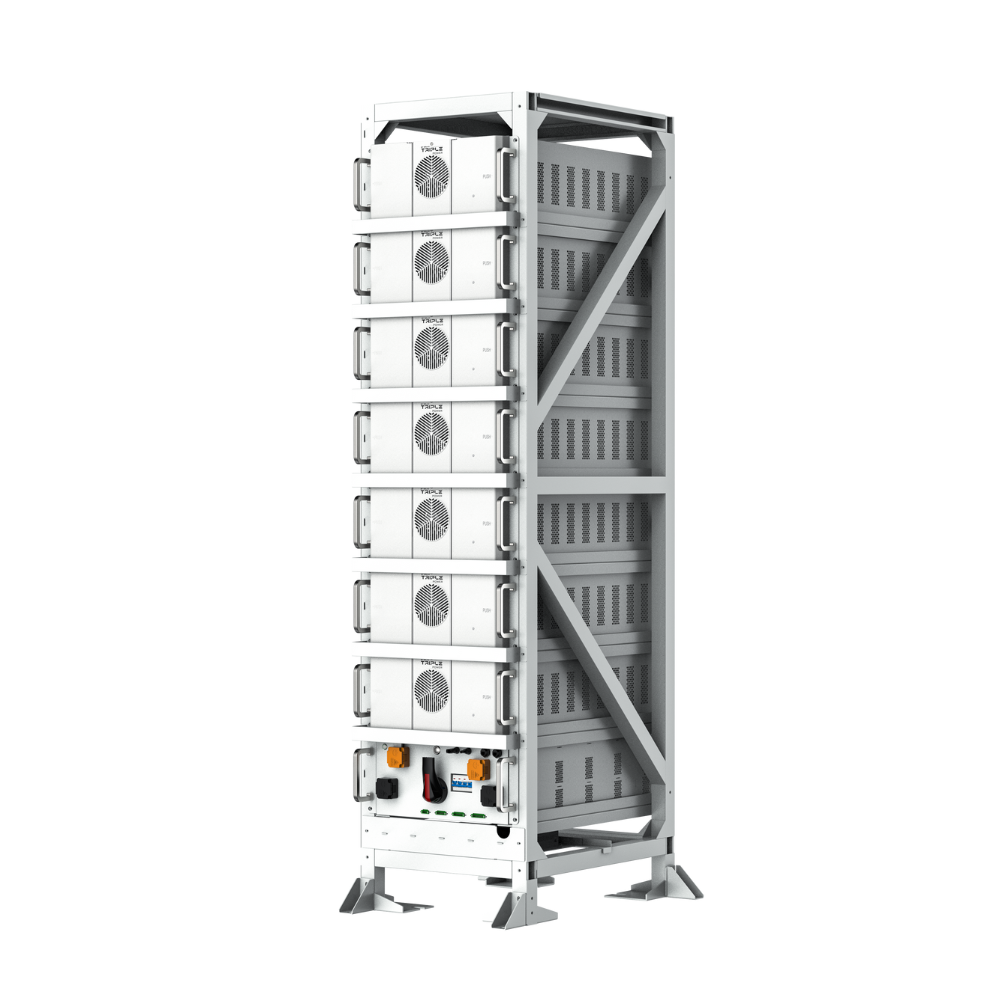
A compatible home solar battery storage system allows surplus electricity to be stored for later.
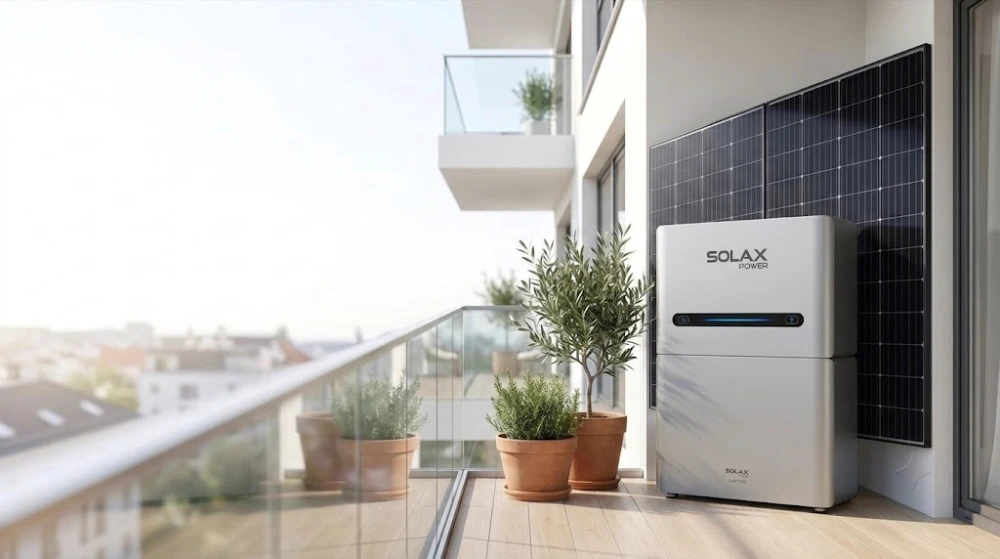
During the day, solar power can supply household appliances and charge the battery when sufficient surplus is available. In the evening, stored energy can help support lighting, electronics, and other household loads.
This increases solar self-consumption and may reduce electricity purchases during higher-priced periods.
However, battery sizing matters. A larger battery is not necessarily more economical if a small solar array cannot regularly charge it.
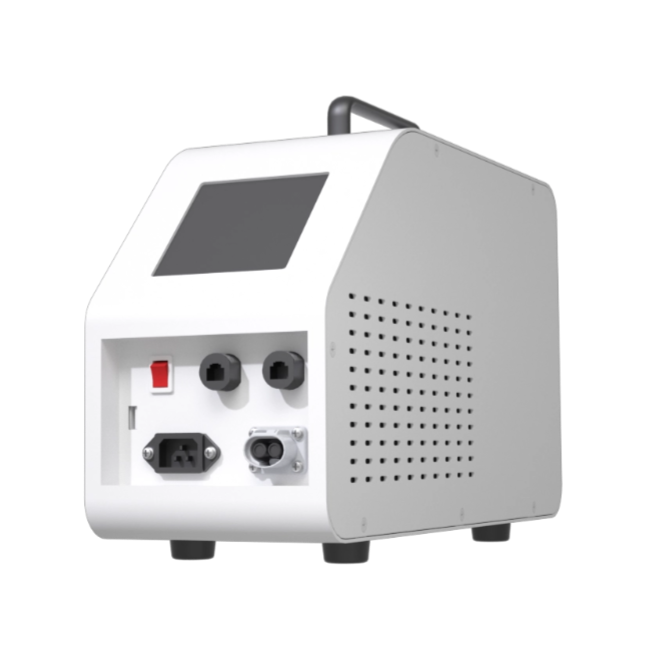
System compatibility is equally important. Microinverters require suitable storage conversion and control equipment to operate with batteries.
Backup power should also be considered separately. Standard grid-connected microinverters shut down during outages for safety. Emergency power requires dedicated backup functionality and appropriate electrical protection.
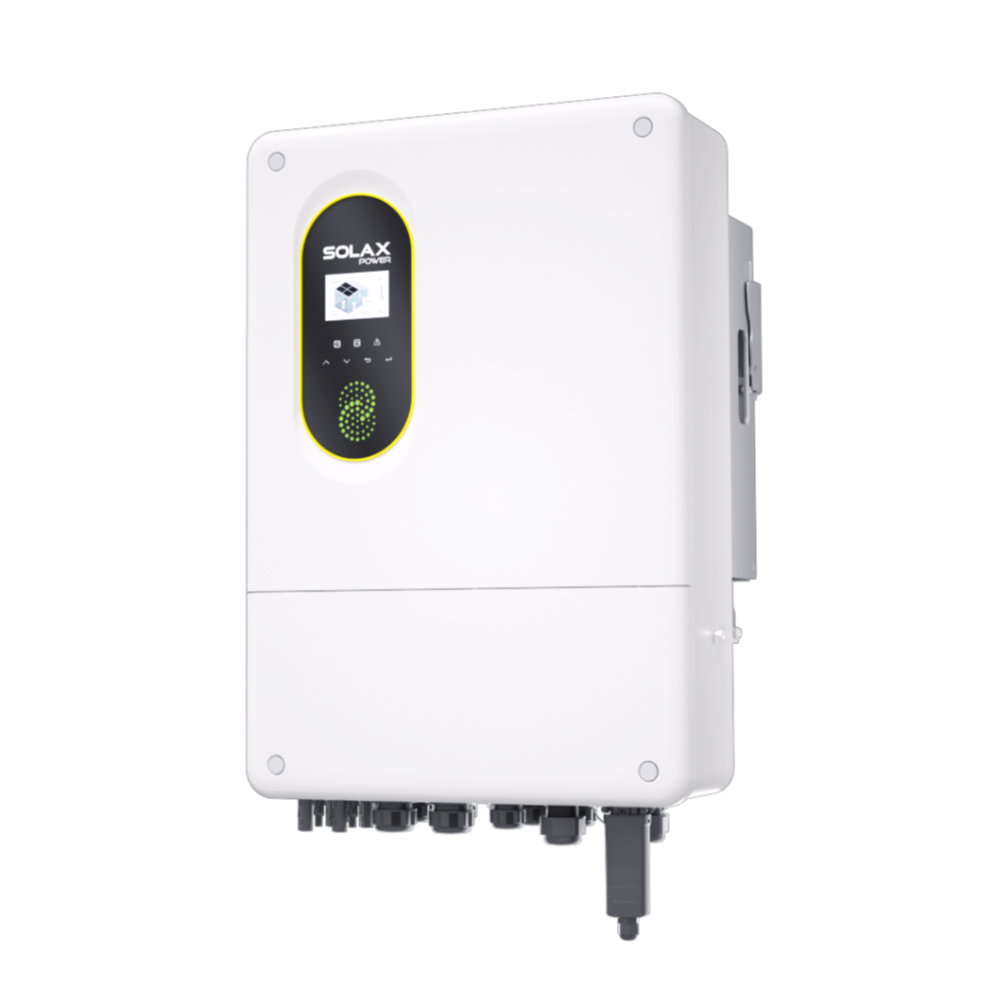
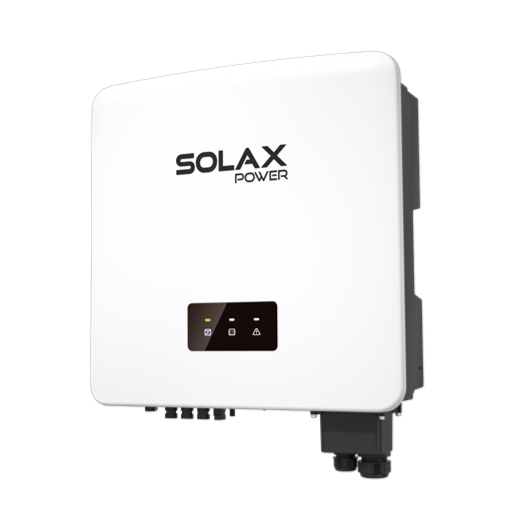
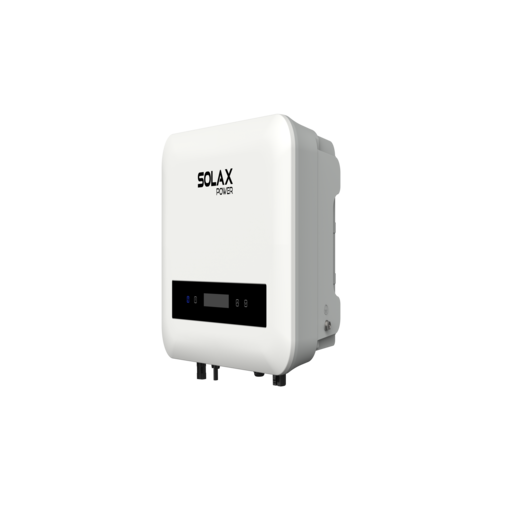
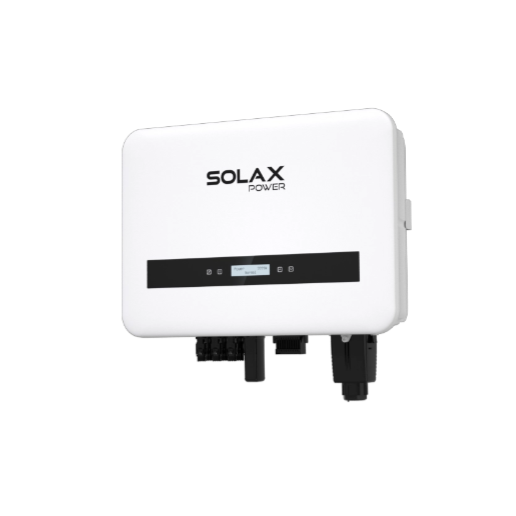
SolaX Microinverter Solutions for Flexible Residential Solar
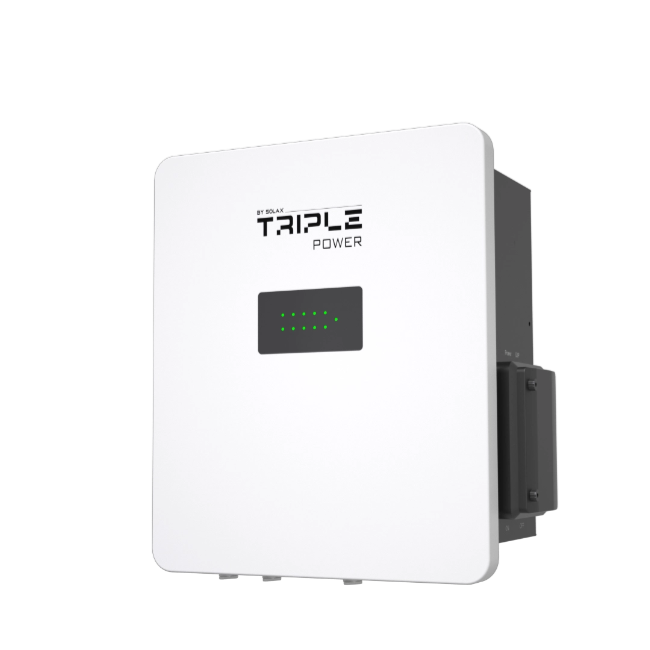
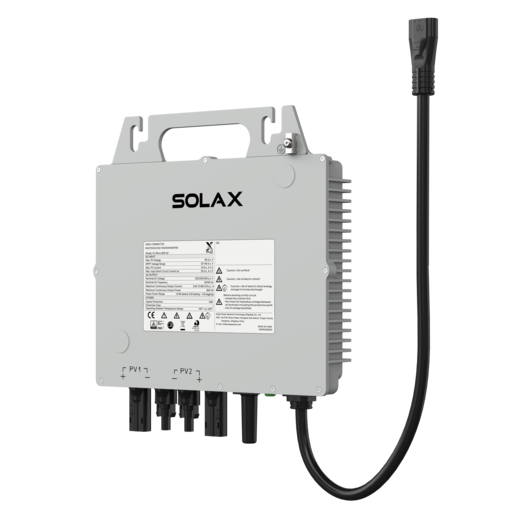
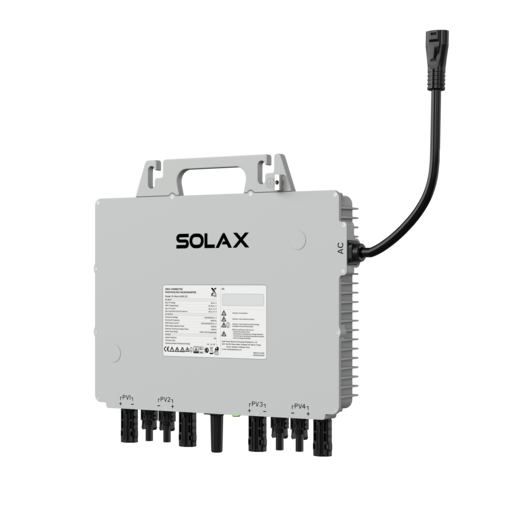
SolaX offers microinverter solutions designed for modular solar generation, making them relevant to compact residential installations where space and sunlight conditions vary.
With independent MPPT operation, connected PV modules can respond to different shading and orientation conditions, helping users make effective use of available sunlight. Parallel microinverter configurations also offer flexibility for system expansion where installation conditions and local regulations permit.
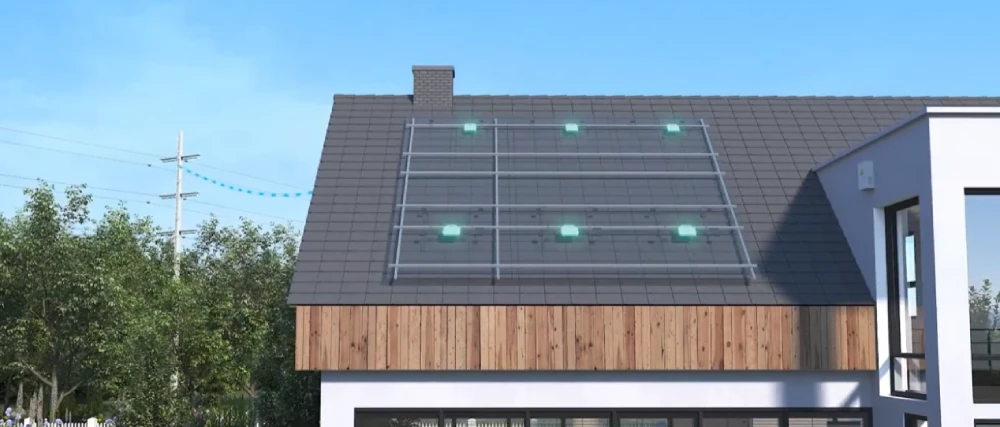
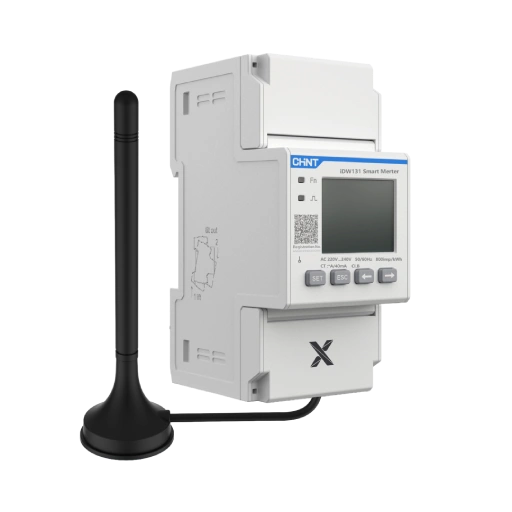
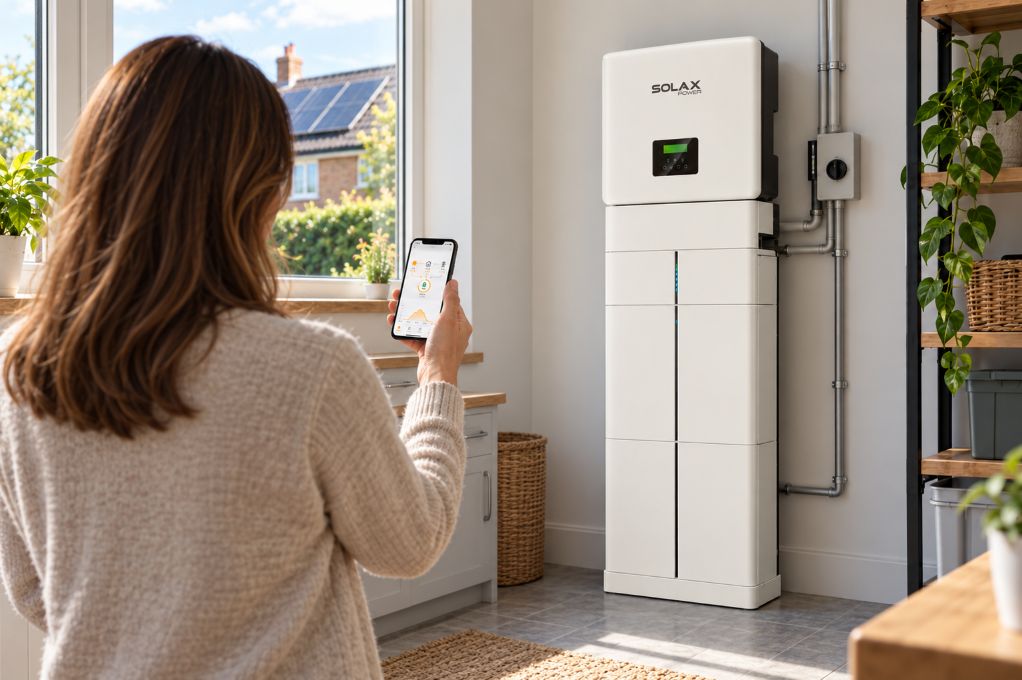
For households, this means greater flexibility when planning a small residential solar installation. SolaX monitoring and energy management options can help users understand generation and electricity consumption, while compatible storage equipment may be integrated into a broader solar-plus-storage system design.
The final configuration must be assessed for storage compatibility, grid connection requirements, export control, and electrical safety. This approach allows system designers to match equipment to actual household needs rather than treating every installation as a conventional rooftop project.
What Should Households Consider Before Installing?
Even with simpler regulations, balcony solar requires careful planning.
Sunlight and installation space: Panel orientation, nearby buildings, and seasonal shading directly affect electricity production. Secure mounting is equally important, especially on exposed balconies.
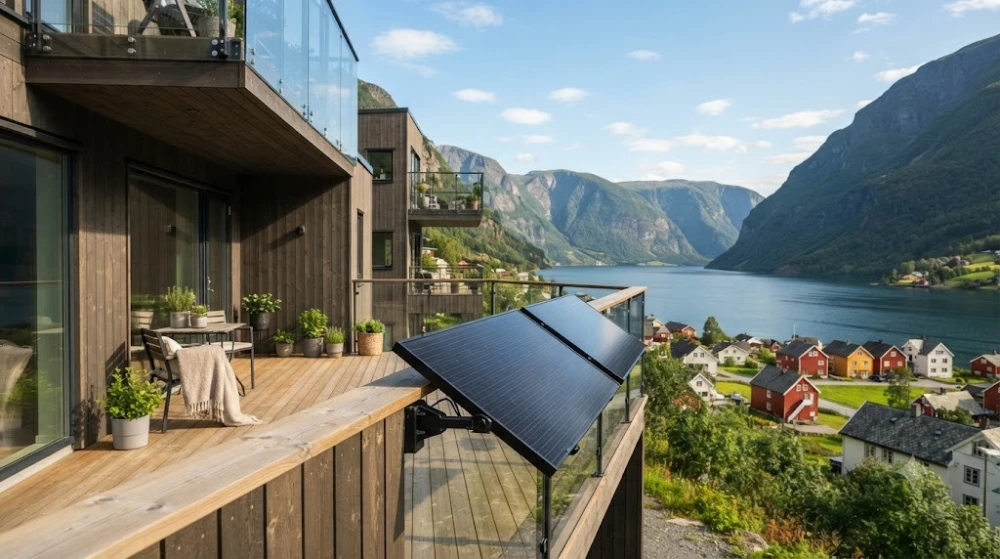
Household electricity demand: Systems deliver the most immediate value when solar generation matches daytime consumption. Reviewing electricity usage can help determine an appropriate solar system size.
Battery capacity: Storage should reflect expected surplus generation and evening demand. Oversized batteries may increase costs without providing proportional savings.
Safety and local regulations: Electrical connections, protective devices, mounting arrangements, and grid connection requirements must comply with local rules. Ordinary household sockets should only be used where explicitly permitted.
Total investment: The cost of solar panels alone does not represent the complete balcony solar system price. Storage, installation, mounting equipment, and electrical work can significantly affect the overall budget.
These considerations help households evaluate practical solar energy savings rather than relying on advertised peak output.
A Small Change with Wider Potential
Norway's proposal is not yet law, and its final technical requirements remain to be determined. Still, it raises a worthwhile question about who should be able to participate in residential solar generation.
Until now, access has often depended on owning a suitable roof and being able to afford a larger installation. Smaller, modular solar systems could offer another route, particularly for apartment residents and households with limited space.
Microinverters with battery storage can extend the use of solar electricity beyond daylight hours.
Balcony solar will not replace the grid or meet every household's energy needs. But it does not have to. For many users, generating a portion of their own electricity could be a useful first step toward greater energy independence.
Norway's next decisions will determine whether that option becomes easier to access.
Table of Contents
Latest News
Explore expert insights, practical guides, and the latest news on SolaX Power.

To the Latest Newsletter
Stay Ahead with the Latest SolaX Updates!
Subscribe
I have read and agree to Privacy Policy and User Terms