













November 02, 2026
Is Your Home Battery Safe Indoors? 5 Questions to Ask Your Installer About Picking A Trusted Supplier
Share my #SolaXStory


Before approving an indoor battery, check the system rather than the sales pitch
Ask your installer to confirm the exact model, required clearances, temperature limits, cable routes, isolation points and local electrical requirements in writing. UK government guidance notes that home batteries commonly store surplus solar energy and that the installer normally determines the suitable battery and location; grid-connected installations may also require DNO notification. GOV.UK explains these responsibilities.
Define the terms your installer should explain
LFP battery: lithium iron phosphate chemistry used in SolaX Residential Batteries.
Battery management system (BMS): electronics that monitor and manage battery operation.
Usable capacity: stored energy available for your home, measured in kWh.
Power output: how quickly the battery can supply loads, measured in kW.
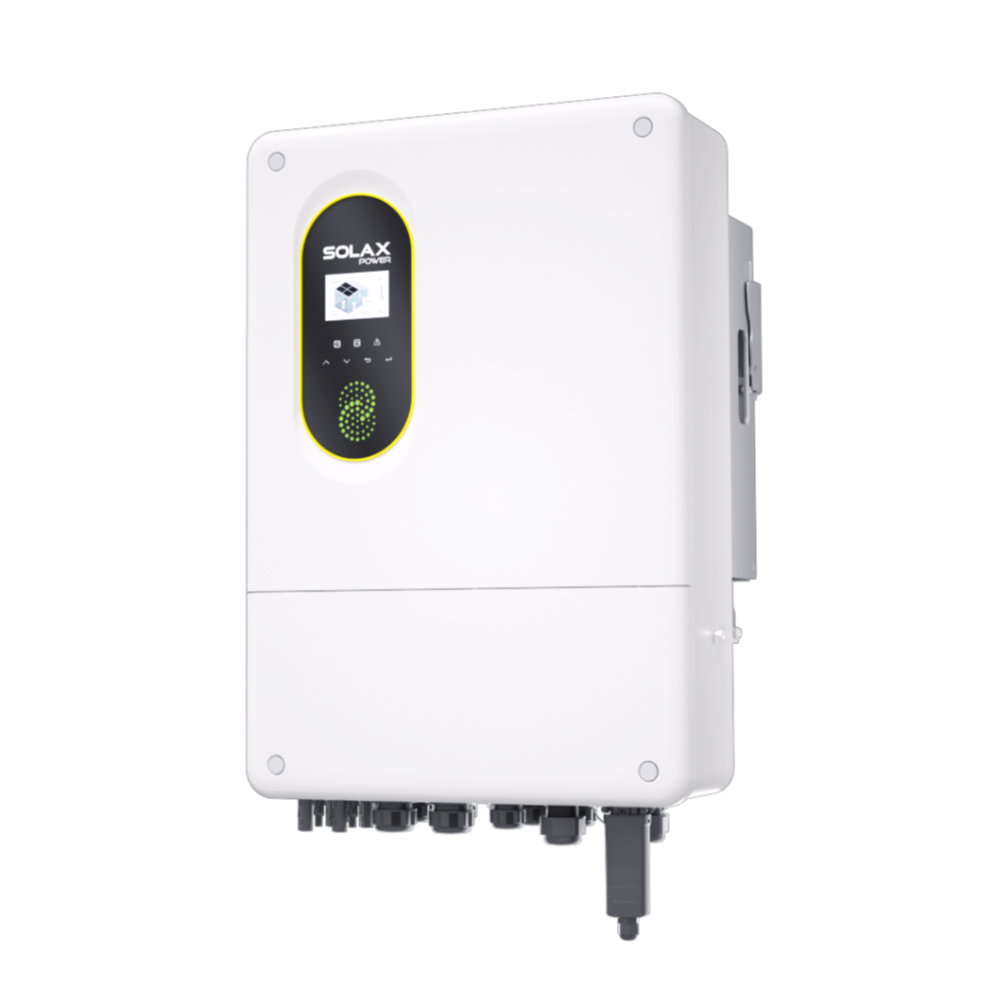
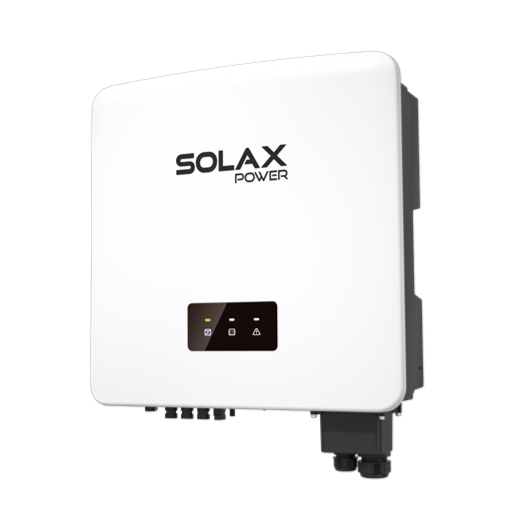
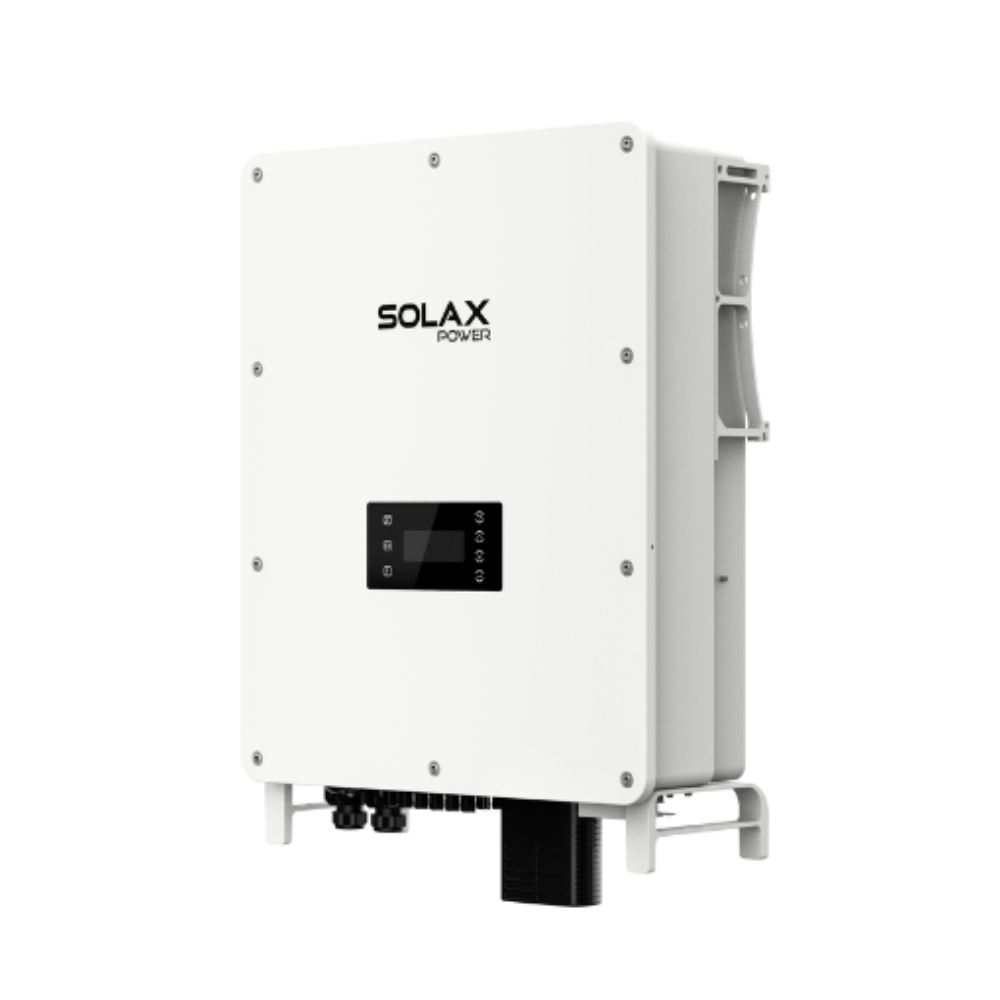
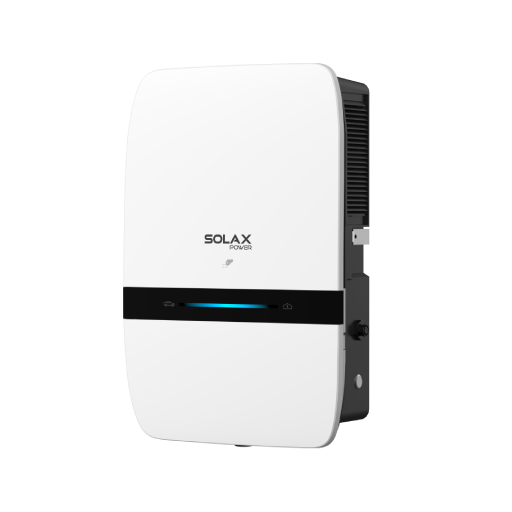
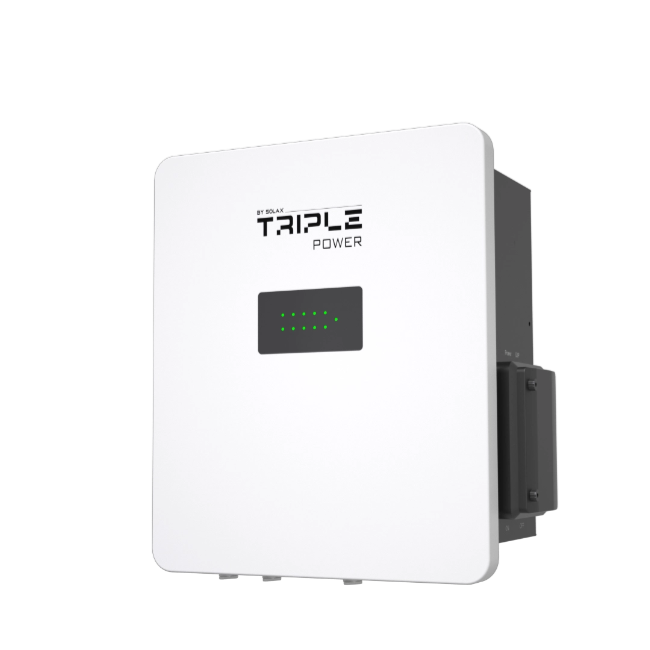
Hybrid inverter: the solar inverter and battery controller coordinating PV, storage and grid energy.
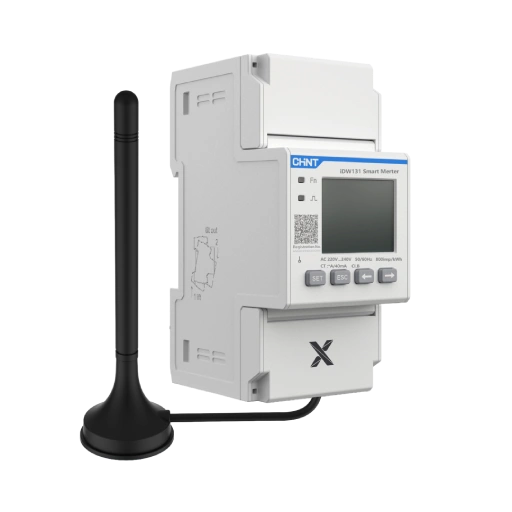
Monitoring platform: software showing solar generation, battery state and household energy flows.
Question 1: Is the battery chemistry and protection design appropriate for this indoor location?
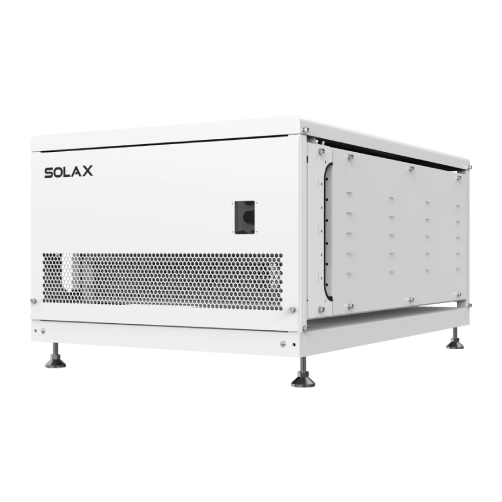
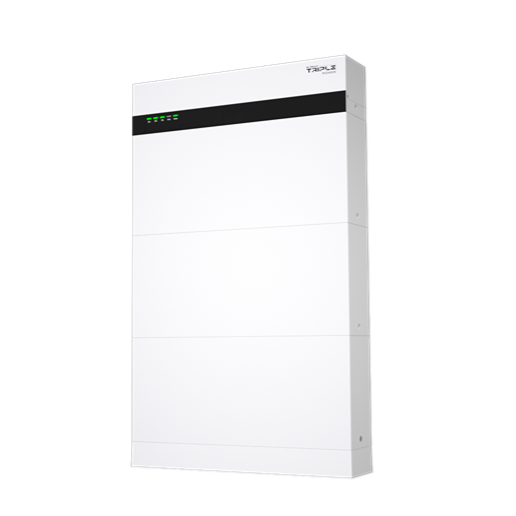
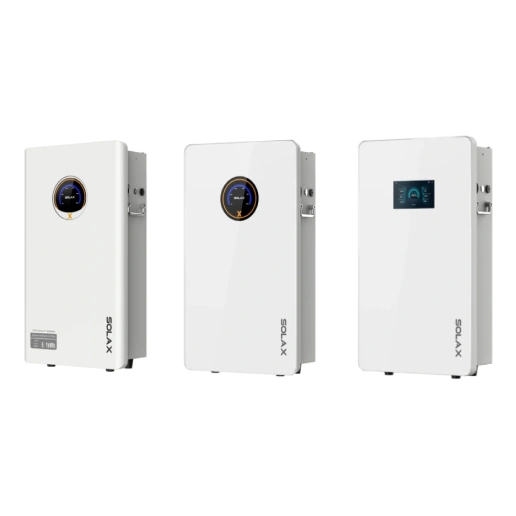
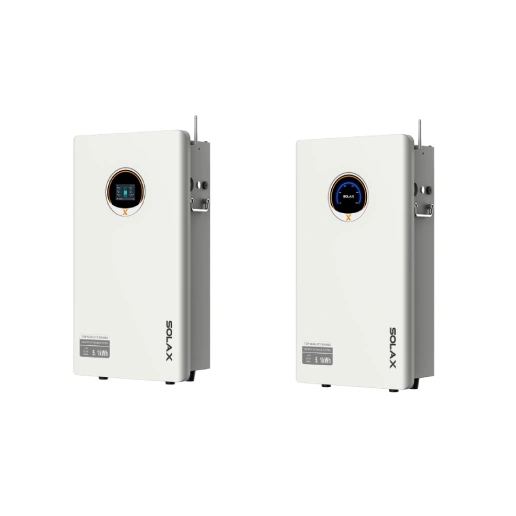
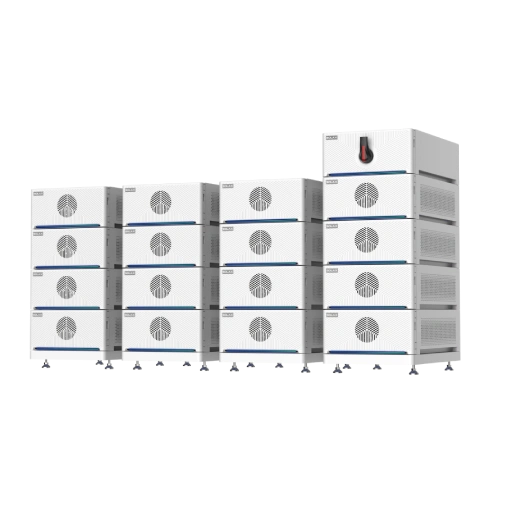
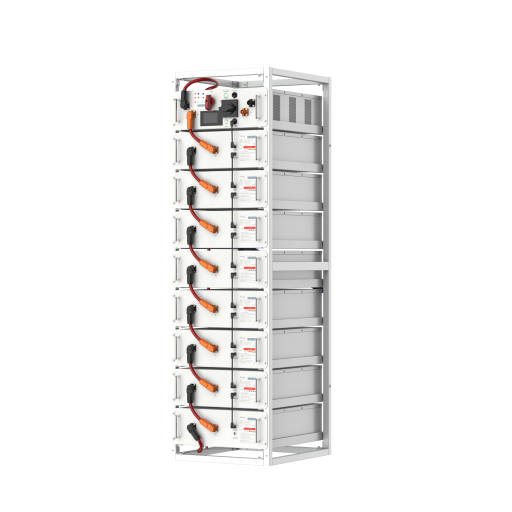
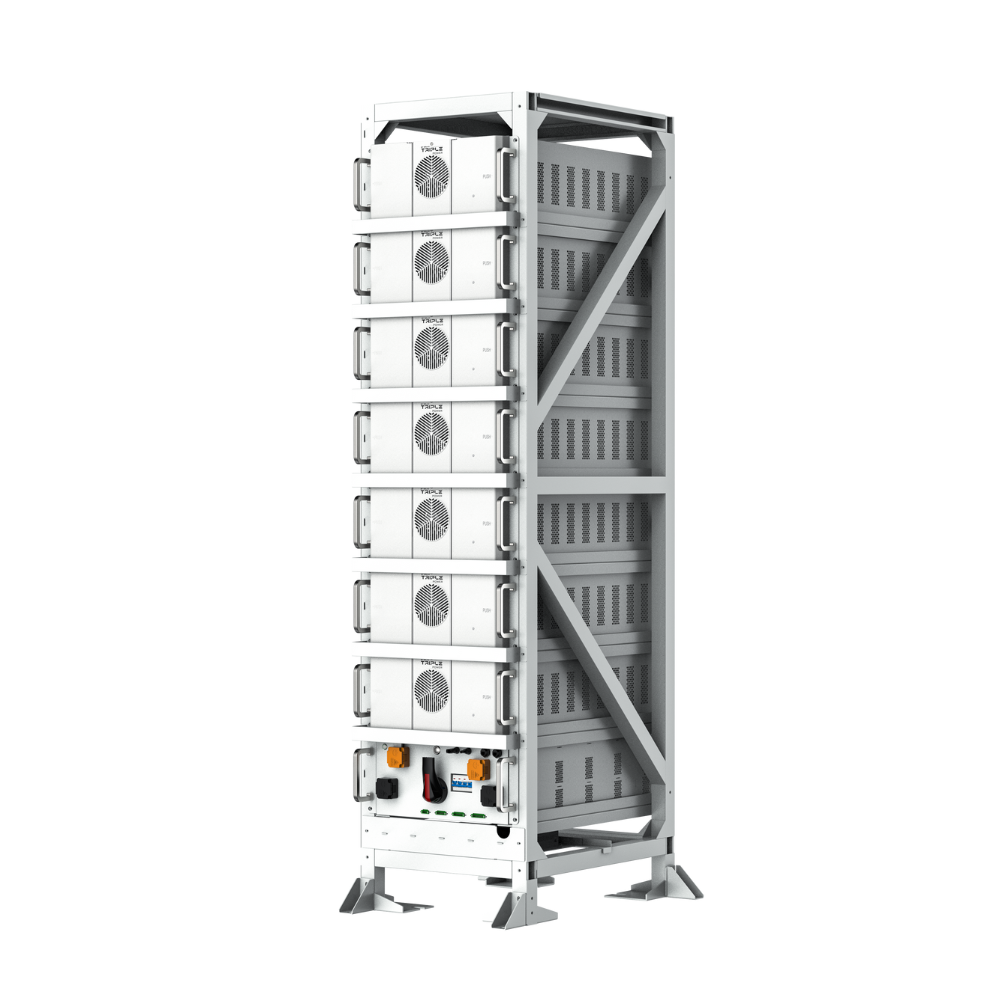
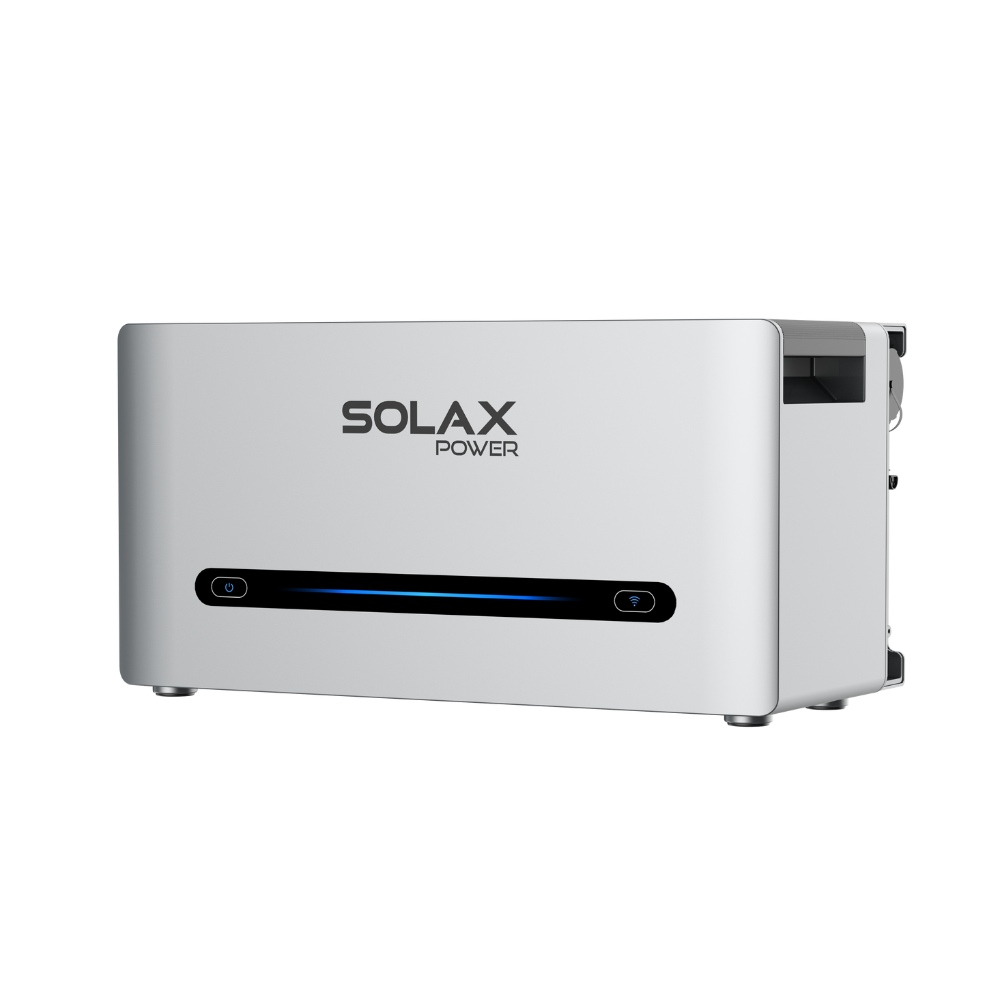
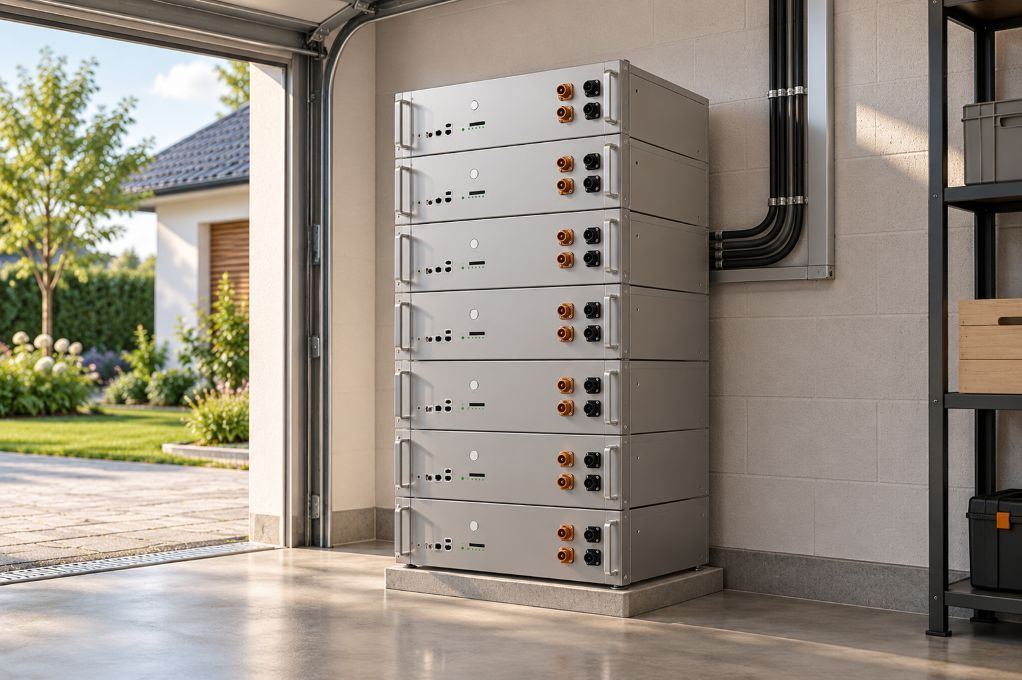
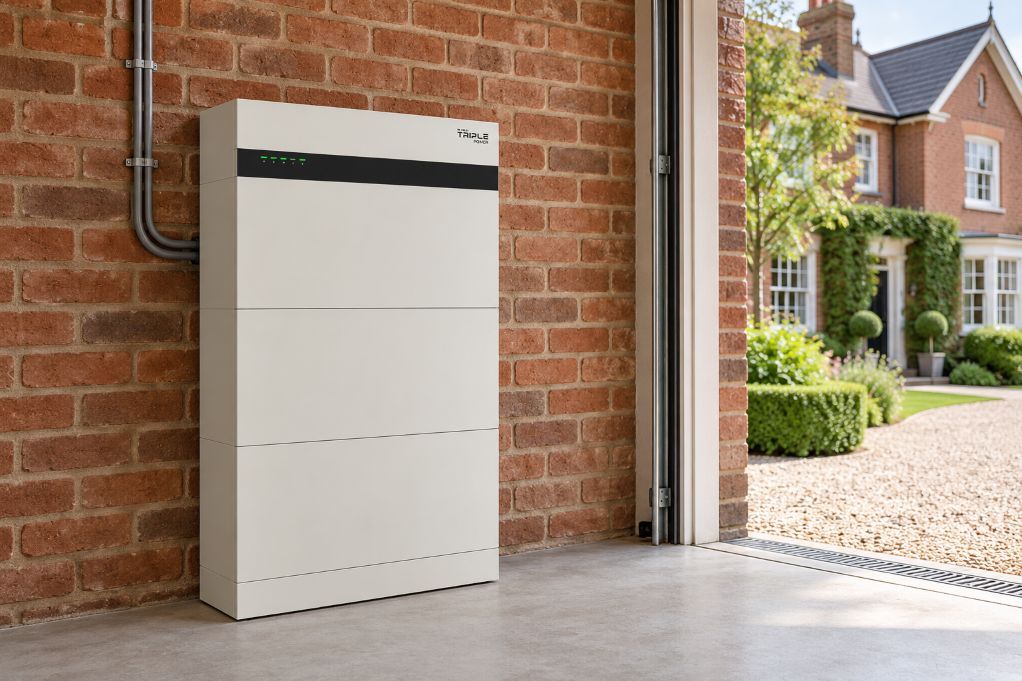
Ask for the chemistry, BMS functions and approved installation conditions for the exact solar battery proposed. SolaX Residential Batteries include LFP low- and high-voltage configurations, while the T-BAT-SYS-HV-R3.6 combines LFP modules with a dedicated BMS. Those characteristics support a documented design discussion; they do not remove the need to follow model-specific installation instructions.
Your installer should identify:
the approved room or garage location and any prohibited areas;
clearances, ambient-temperature limits and ventilation requirements;
DC and AC isolation arrangements, cable protection and fault response;
the manuals and electrical documents governing the installation.
Electrical Safety First notes that domestic PV, battery storage and EV charging create additional design considerations, including isolation and protection. Electrical Safety First also stresses that manufacturer instructions and professional judgement remain essential.
Question 2: Has the solar battery been sized for real loads and future demand?
More capacity is not automatically a better residential solar battery system. Capacity in kWh determines how much energy you can retain for evening or overnight use, whereas kW power determines which loads can operate at once. Your installer should use interval electricity data, solar PV generation, expected backup loads and planned additions such as an EV charger or heat pump.
Ask what can be expanded later
The SolaX T-BAT-SYS-HV-R3.6 is presented in a 7.3–47.8 kWh range, illustrating why the system should be selected around household demand rather than a single headline number. Ask whether later expansion needs extra modules, a BMS change, different inverter settings or a revised electrical design. Record those limits before solar installation begins.
Question 3: Will the inverter, battery and monitoring work as one managed system?
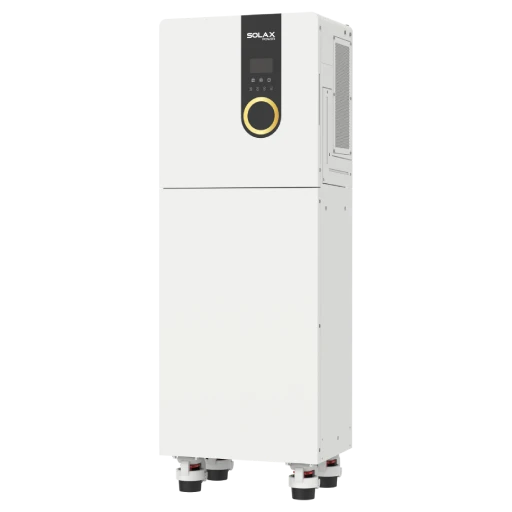
A home battery storage UK installation is an energy storage system, not a standalone appliance. Confirm which hybrid inverter controls charging and discharge, how solar energy is prioritised, what happens during a grid interruption and whether backup is designed for selected circuits rather than the entire house.
Check the handover pathway before commissioning
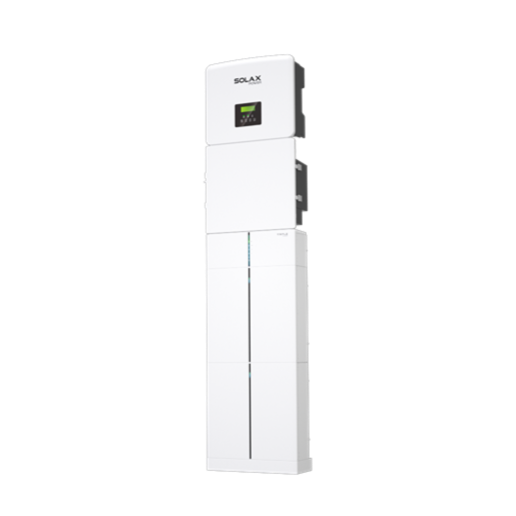
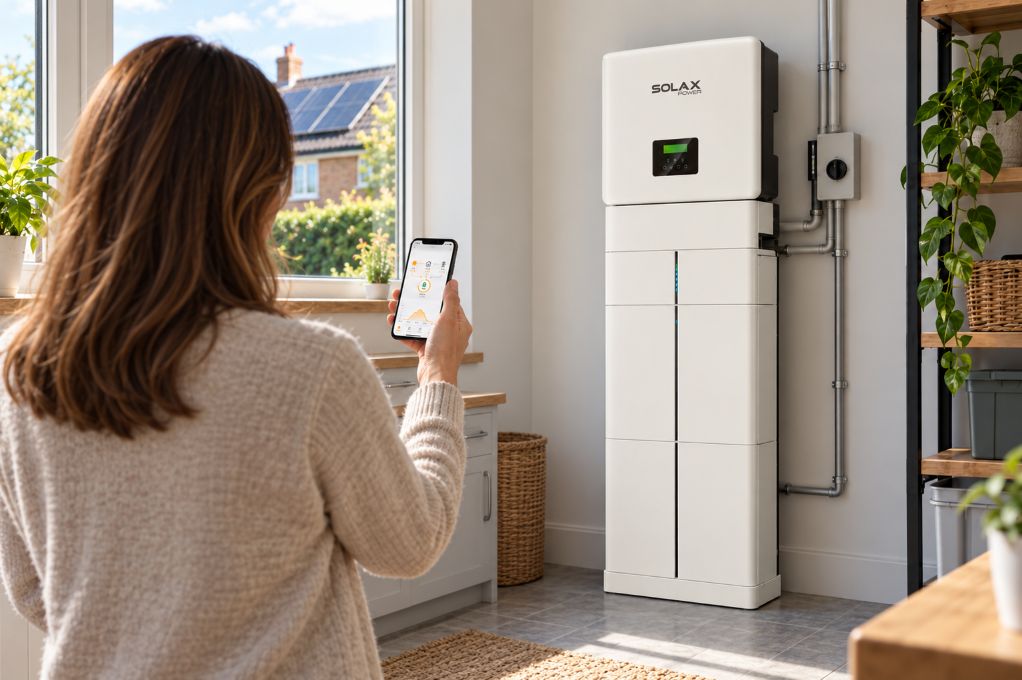
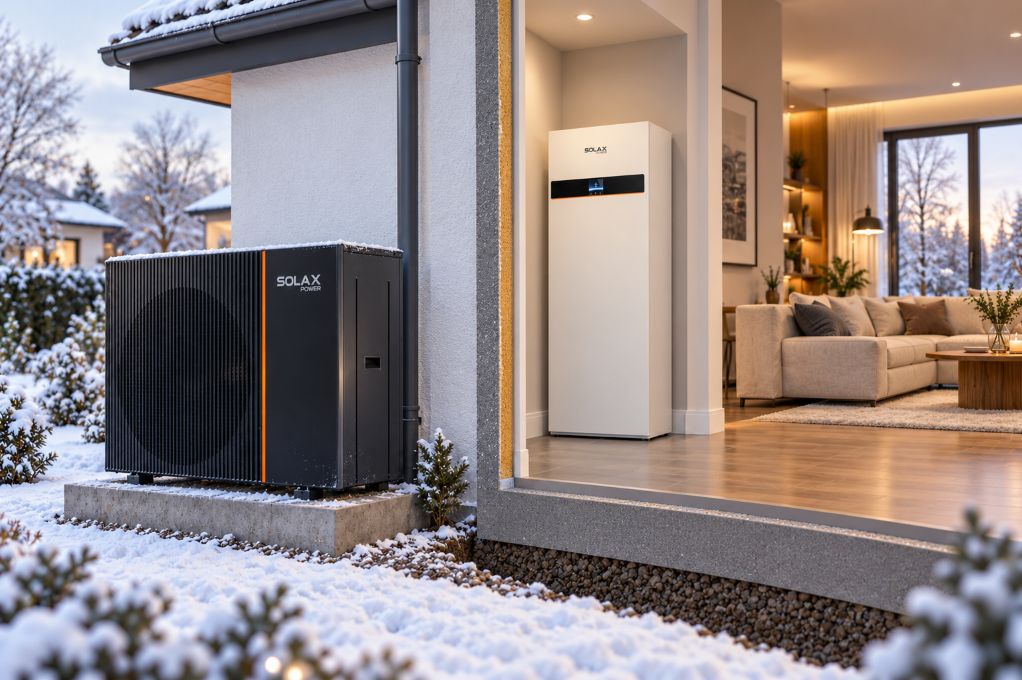
SolaX For Home brings together residential solar energy systems, battery storage, EV charging and SolaXCloud smart energy management. This can simplify fault finding when the installer supports the complete solar inverter and battery configuration.
Confirm inverter battery compatibility.
Review monitoring access before handover.
Ask how solar, battery, EV charging and grid import are prioritised.
List supported backup circuits and their limits.
Keep serial numbers, passwords and commissioning documents together.
Question 4: What proves that support will be available after commissioning?
Trusted battery supplier support has three parts: the manufacturer's product and warranty route, the installer's workmanship responsibility, and your access to monitoring and service records. Ask who commissions the inverter battery, registers the warranty, handles firmware or SolaXCloud set-up, and accepts the first call if a fault appears.
Separate support routes clearly
SolaX provides installer, distributor, warranty, downloads and contact routes alongside its home solar battery monitoring ecosystem. Before signing, require the installer to name the support path for your property rather than relying on general assurances about solar energy companies or solar installers.
Question 5: Can the installer document the final design and homeowner handover?
Approve the system only when the final design is documented. An app login is useful, but it is not a substitute for a record of equipment, settings and safe isolation. The handover pack should state the installed SolaX battery configuration, inverter model, usable capacity, backup arrangement, monitoring access, warranty route and service contact.
Leave with a record, not only an app
Keep emergency isolation guidance where household members can find it. Contact a qualified professional if monitoring shows a persistent fault or if you notice physical damage, water ingress, unusual noise or unexpected performance. Do not attempt to open, alter or repair battery equipment yourself.
The practical decision on indoor home battery safety
Choose a documented, integrated solar power system that matches the property and intended use. A suitable design combines approved siting, LFP battery and BMS controls, appropriate capacity and power, a compatible solar inverter, monitored operation and a clear support chain. Ask the installer to answer all five questions in writing before approving the work.
FAQ
Table of Contents
Latest News
Explore expert insights, practical guides, and the latest news on SolaX Power.




To the Latest Newsletter
Stay Ahead with the Latest SolaX Updates!
Subscribe
I have read and agree to Privacy Policy and User Terms