












May 29, 2026
Why Time-of-Use Automation Makes or Breaks Hybrid Inverter ROI
Share my #SolaXStory


A hybrid inverter can look powerful on paper, yet still miss savings if it charges or discharges at the wrong hour. Time-of-use rates punish grid imports during peak windows, and a weak schedule can drain your solar battery before dinner loads arrive. The real goal is simple: store low-cost solar energy, protect a backup reserve, and avoid peak imports without daily manual changes.
This guide walks through the moving parts, setup logic, use cases, and buying checks for a solar energy storage system. The EIA describes battery storage as a way to shift demand away from high-price peak hours, which is exactly where smart energy control matters.

Hybrid Inverter Basics for Solar Battery Scheduling
A hybrid inverter manages solar PV, an inverter battery, home or business loads, and the grid in one control layer. A string inverter mainly converts PV power, while a hybrid solar inverter also decides when the solar battery should charge, hold, discharge, or reserve energy for backup.
Define the Moving Parts Clearly
Grid import: electricity bought from the utility.
Export: surplus solar power sent to the grid.
Self-use: solar energy consumed on site.
TOU period: a utility price window, often peak, off-peak, or shoulder.
Backup reserve: battery storage for home outages.
Explain Core Operating Modes
Solar-first mode powers loads before exporting.
Surplus PV charges solar batteries during strong production.
Scheduled grid charging may run during low-rate periods where allowed.
Peak-hour discharge cuts expensive imports.
Backup mode keeps critical circuits powered during outages.
Map the Main System Types
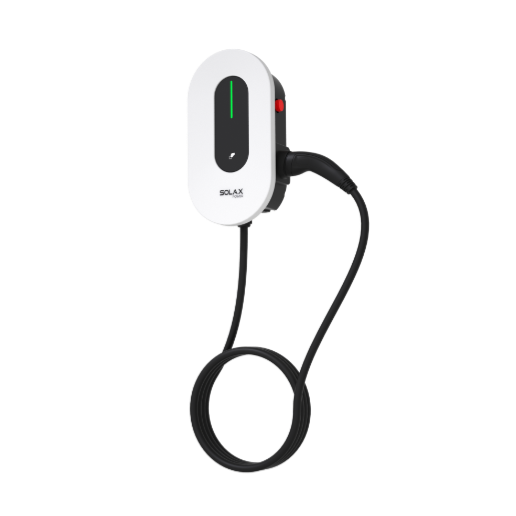
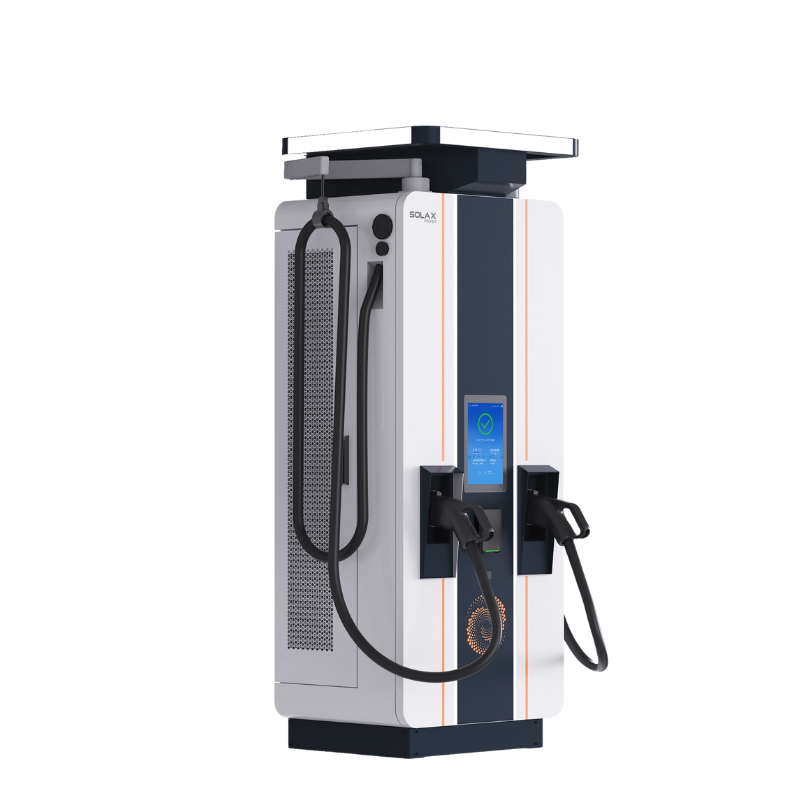
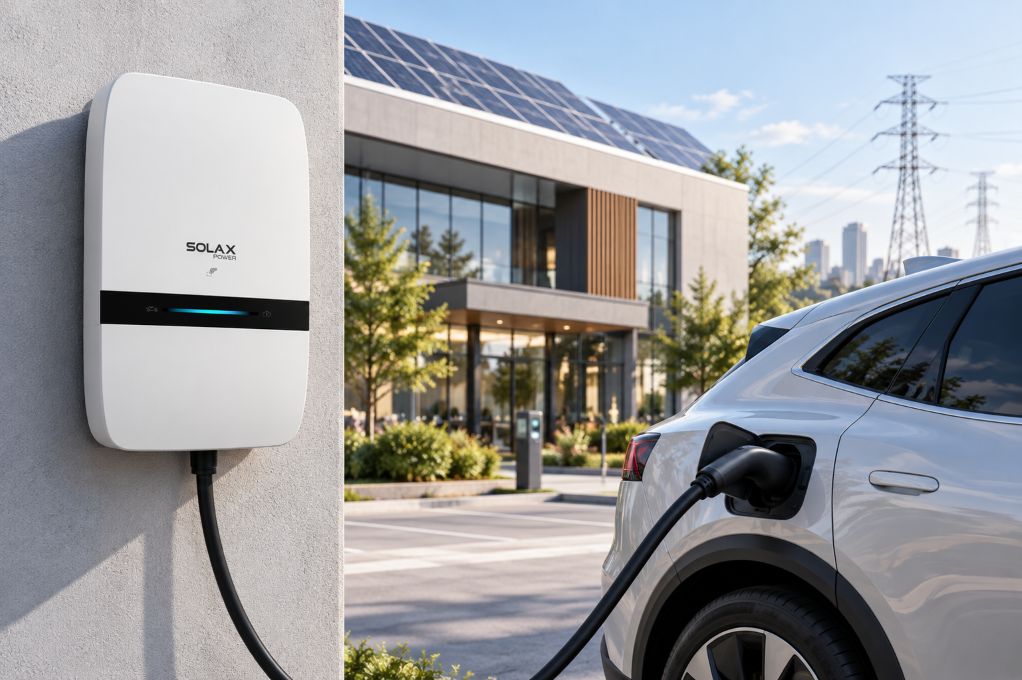
Residential solar systems usually prioritize bill reduction and backup. A solar EV charger paired with battery storage can shift car charging away from peak hours. Commercial solar systems focus on peak shaving and load control. Larger energy solutions may connect assets through microgrid or VPP programs.
How Should a TOU-Ready Hybrid Inverter Be Set Up?
Good setup starts with the tariff, not the hardware label. The schedule should match real utility windows, then the inverter should enforce battery limits, reserve levels, and monitoring alerts.
Build the Tariff Schedule
Enter weekday, weekend, and seasonal peak windows before commissioning. Then test one full day of solar power system behavior to confirm the inverter avoids grid import during the most expensive hours.
Set Battery Priorities
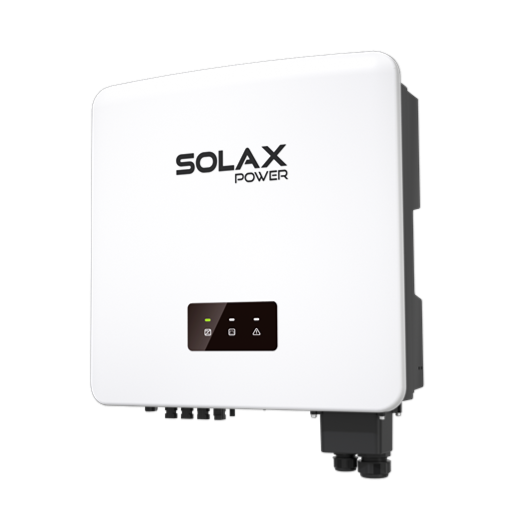
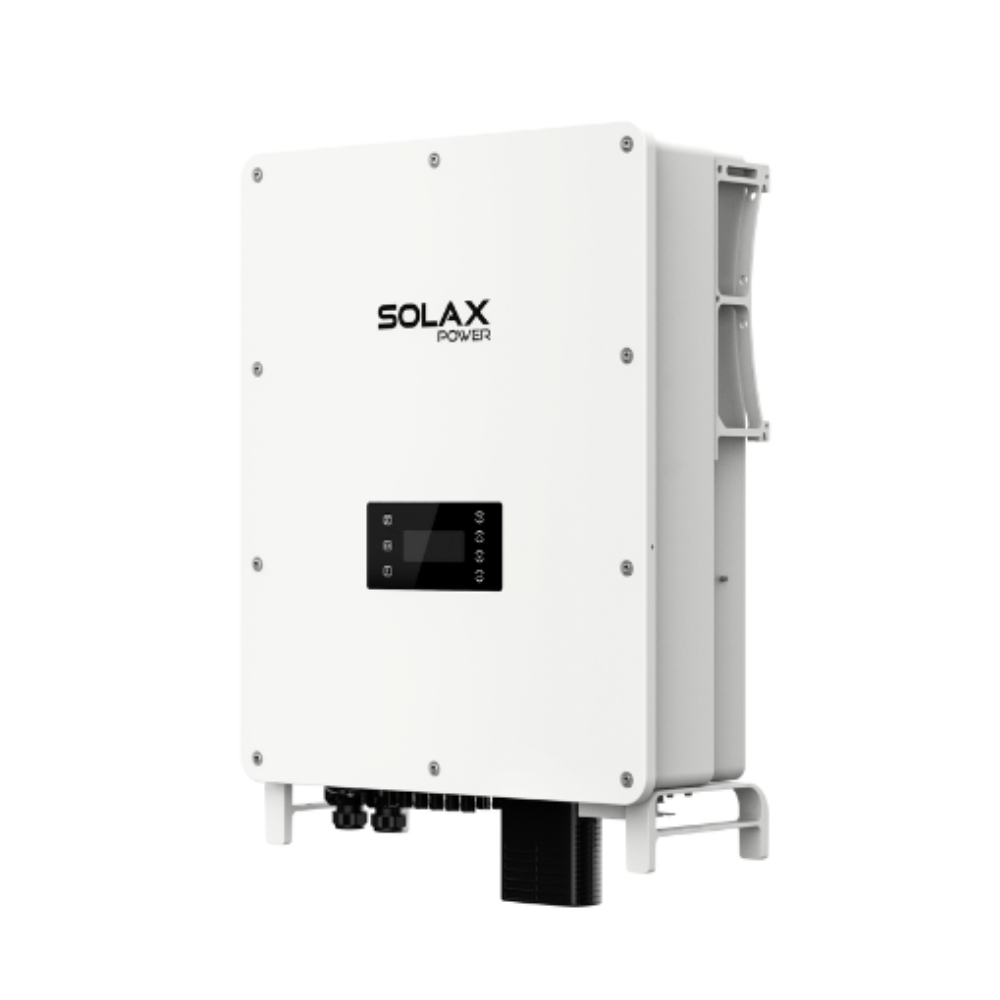
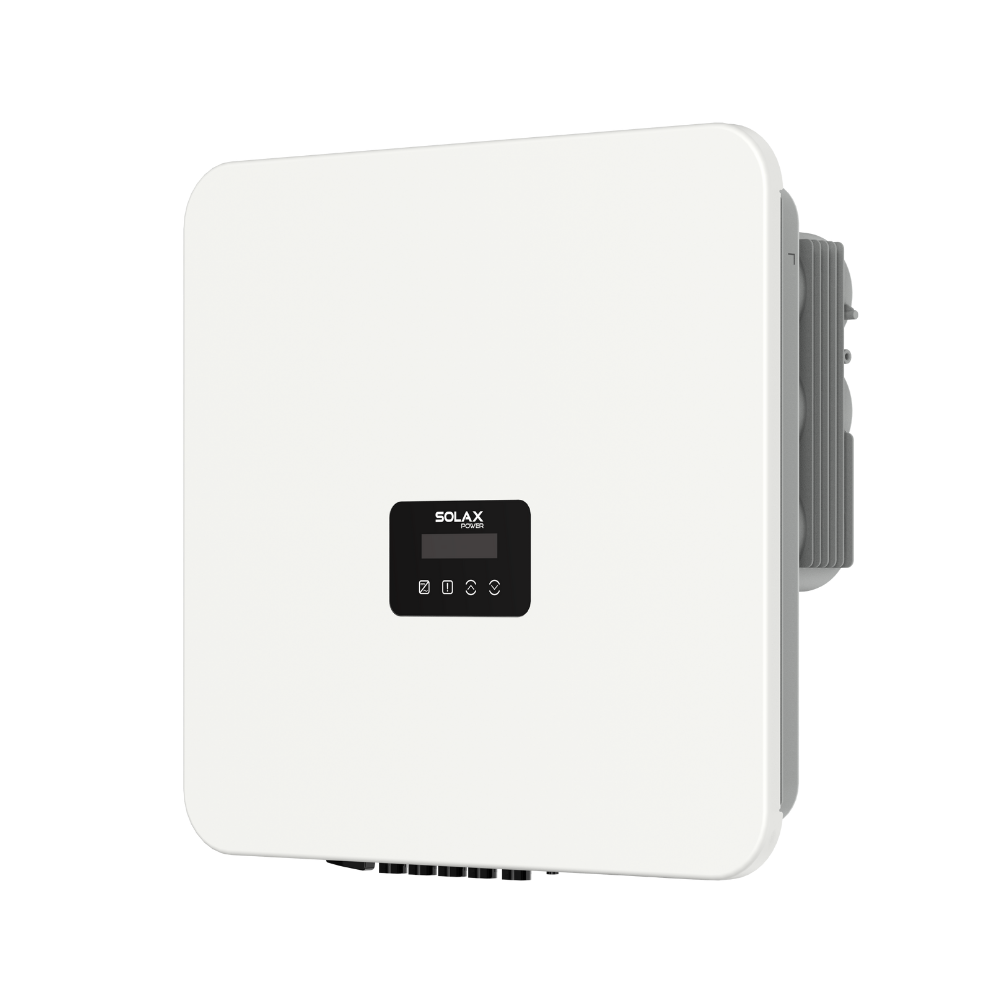
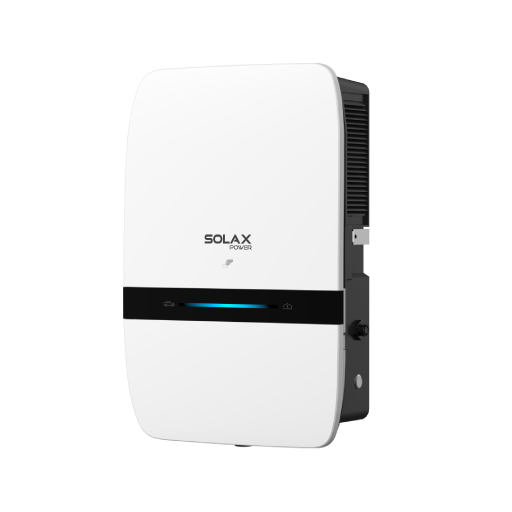
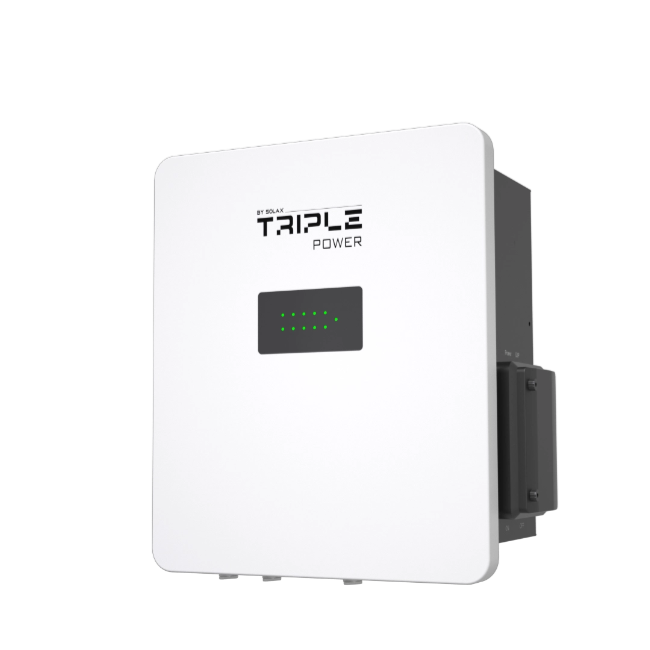
Set a clear reserve, often 20-30% for routine backup or higher before storms. SolaX's X3-HYBRID G4 supports 5-15 kW three-phase models, 2 MPPTs, intelligent ToU-driven energy management, and UPS-level switchover below 10 ms, making it relevant for scheduled solar and battery control.
Connect Monitoring and Installer Access

Monitoring should show solar, battery, grid, and load flow in one view. SolaXCloud adds real-time monitoring, Smart Scene automation, fault guidance, and scalable smart energy management for homes or businesses.
Scenario Fit: Home, C&I, and Utility Use Cases
Different sites need different schedule logic. A home solar energy system may need simple evening discharge, while a business may need precise demand control.
Homeowners Chasing Lower Bills
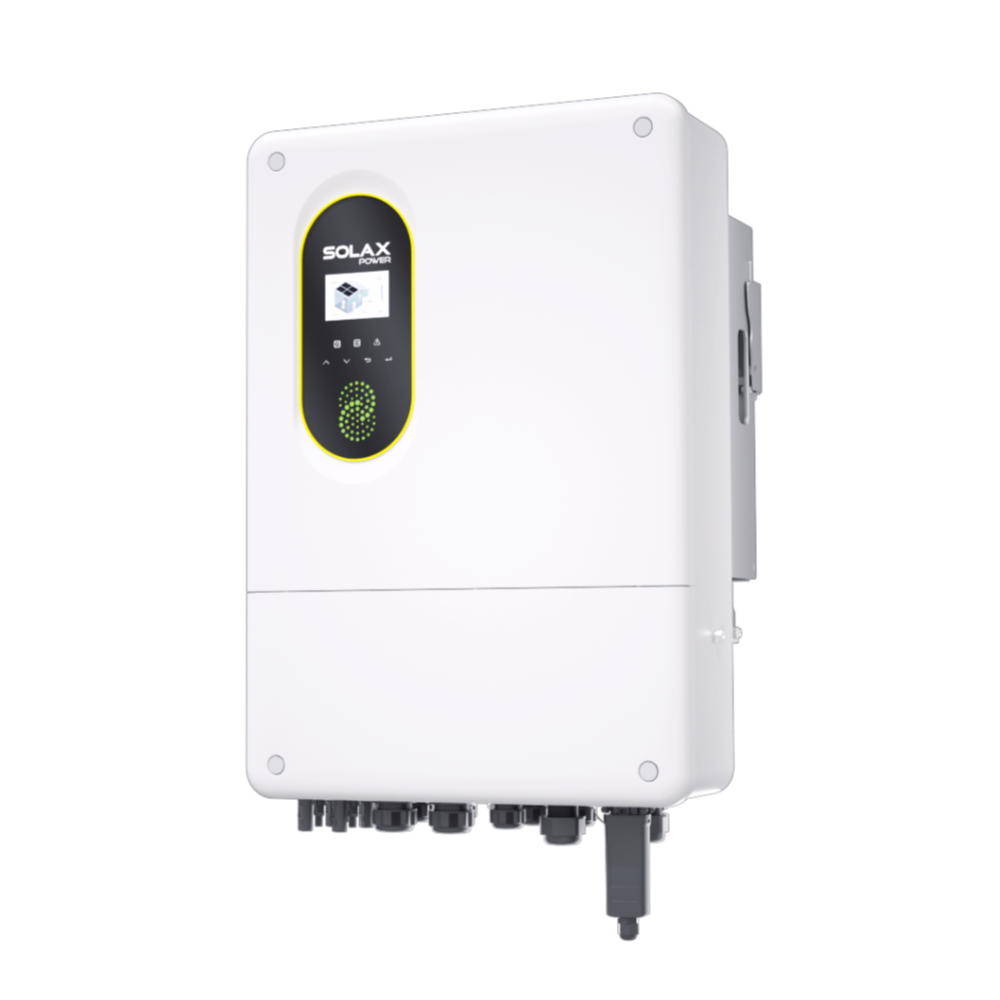
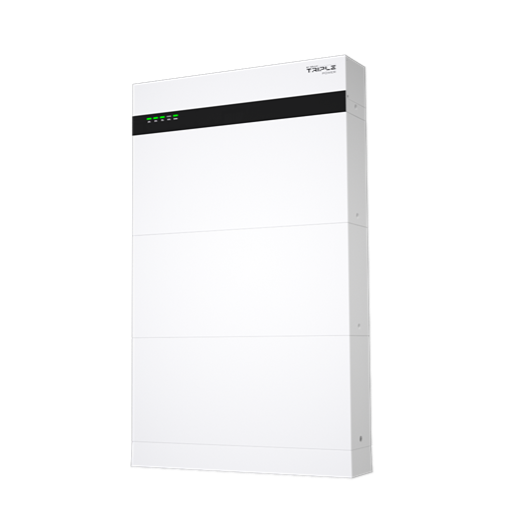
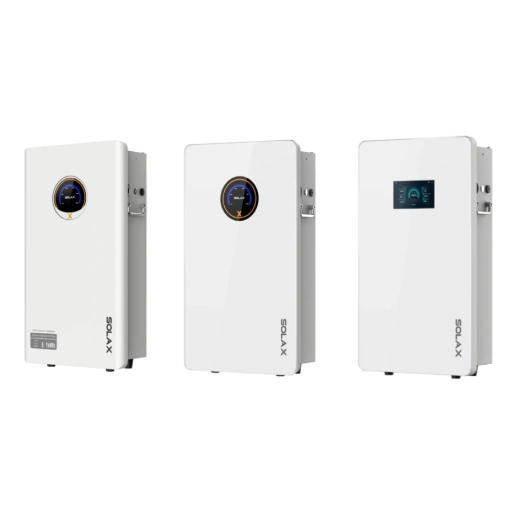
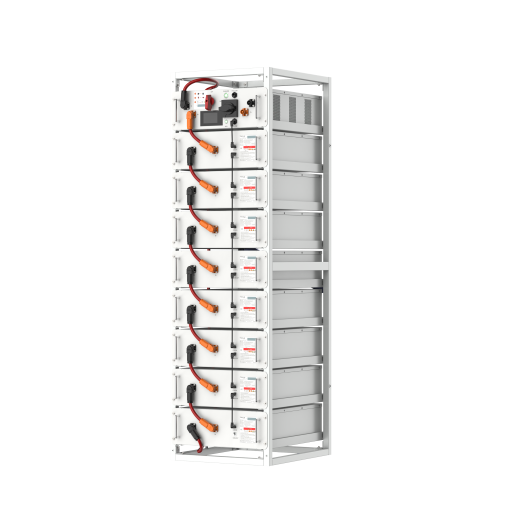
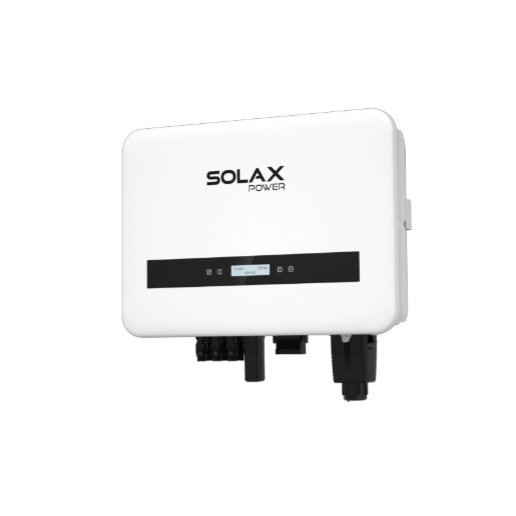
For residential solar, the priority is battery storage for home use after sunset. SolaX's A1 HYBRID G2 is designed for the U.S. market in 3.8-7.6 kW models, supports up to 4 units in parallel, and can scale with T-BAT-SYS-HV-5.0 modules up to 80 kWh.
Businesses Managing Demand Charges
Commercial solar power needs accurate load data. NREL notes demand charges are commonly based on the highest average usage in a defined interval, often 15 minutes, so battery dispatch must respond before spikes become billable.
Utilities Aggregating Distributed Assets
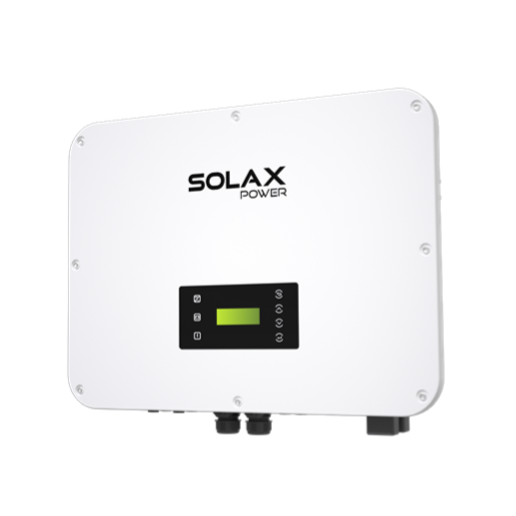
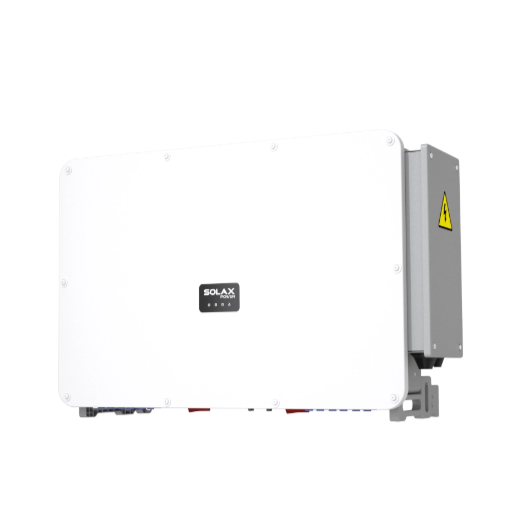
For VPP-ready energy storage solutions, communication reliability matters as much as inverter size. SolaX X3-ULTRA supports 15-30 kW models, up to 10 units in parallel, microgrid and generator functions, 36 A PV input per MPPT, and OpenADR, IEEE 2030.5, FCAS, and API compatibility.
Buying Criteria for a Smooth Solar Energy Storage System
Use these checks before comparing solar energy companies or approving inverter installation.
Criterion | What to check | Why it matters |
Automation | TOU periods, mode logs, remote edits | Prevents missed peak savings |
Battery fit | Voltage class, capacity, tested inverter battery pairing | Reduces communication faults |
Expansion | MPPT count, phase type, solar EV charger path | Avoids redesign later |
Support | Installer access, firmware process, local certifications | Speeds troubleshooting |
Conclusion
A hybrid inverter delivers the best TOU value when the inverter, solar battery, app, and tariff schedule work as one energy storage system. Compare automation quality before capacity alone. For the next step, review the inverter model, battery solution, monitoring dashboard, and future solar EV charger plan together.
FAQ
Table of Contents
Latest News
Explore expert insights, practical guides, and the latest news on SolaX Power.


To the Latest Newsletter
Stay Ahead with the Latest SolaX Updates!
Subscribe
I have read and agree to Privacy Policy and User Terms