












July 21, 2026
5 Hybrid Inverters for Backup Power: The UK Home EPS Checklist You Shouldn't Skip
Share my #SolaXStory


A hybrid inverter can look impressive on a specification sheet and still disappoint when the grid drops. For a UK home, the real question is not simply rated output. It is whether backup power starts quickly, whether your solar battery can support the protected circuits you actually care about, and whether the installer can commission the system cleanly under UK connection rules.
That is why this shortlist judges each hybrid inverter through an EPS lens first. Rather than chasing headline numbers, you can compare switchover behaviour, surge headroom, phase fit and compliance readiness for a UK home solar setup. The five models below are arranged around common backup priorities, from stronger three-phase resilience to simpler single-phase planning.
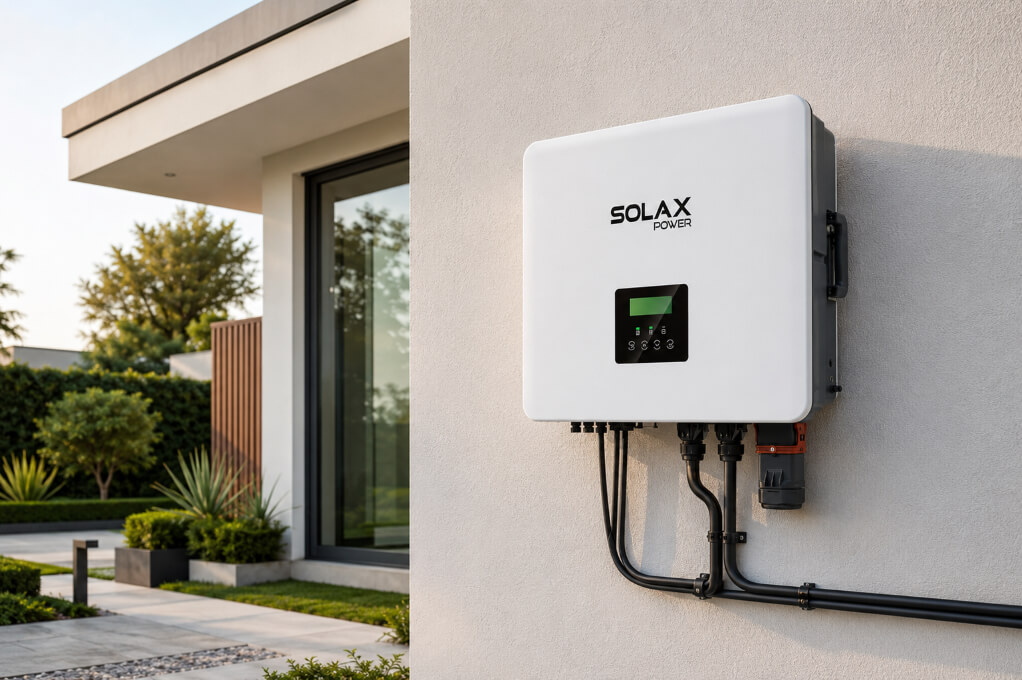
The 5 hybrid inverter shortlist for backup-first buyers
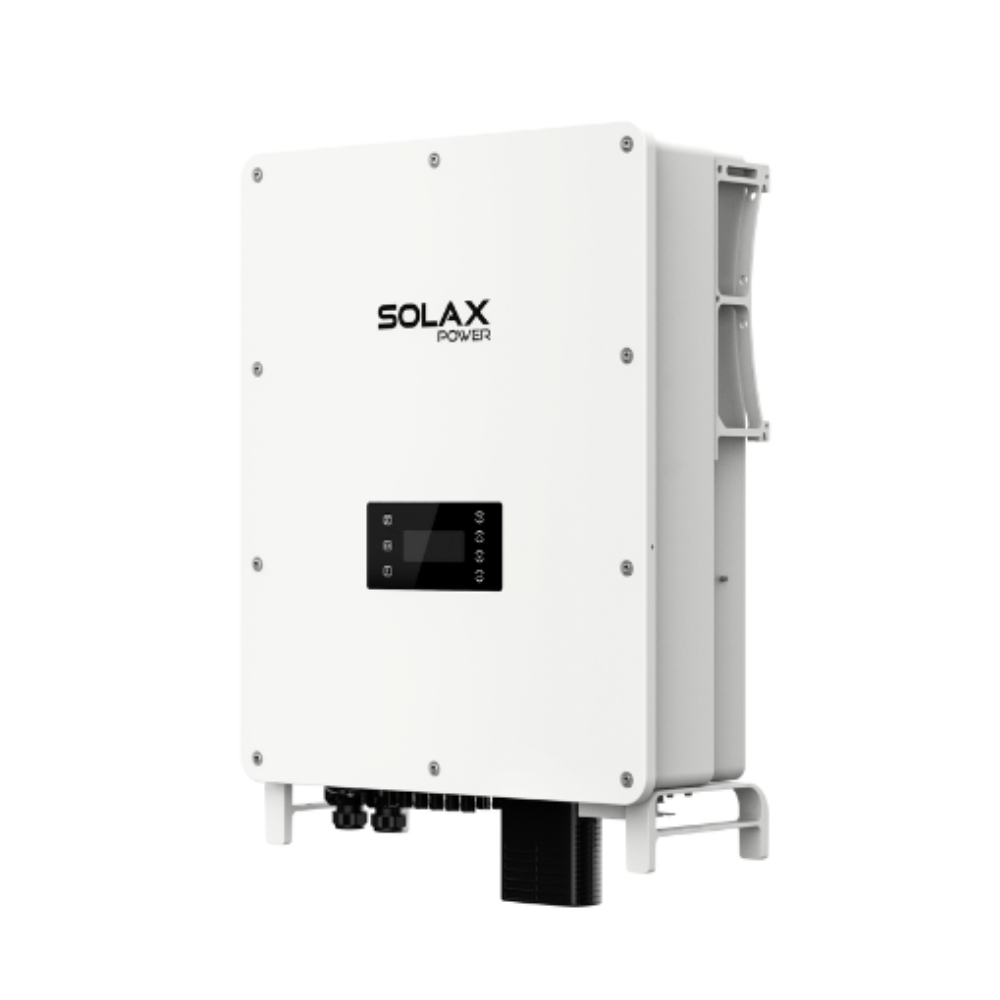
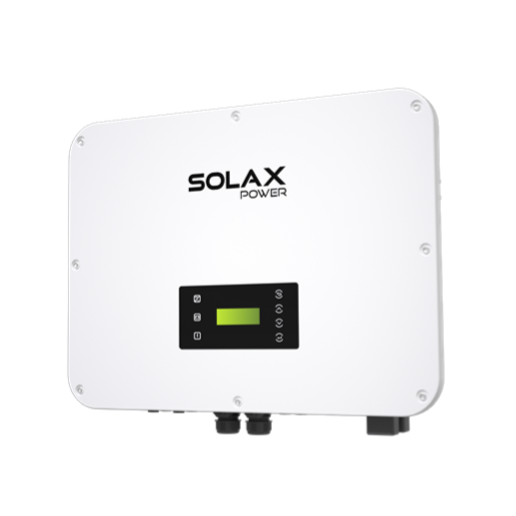
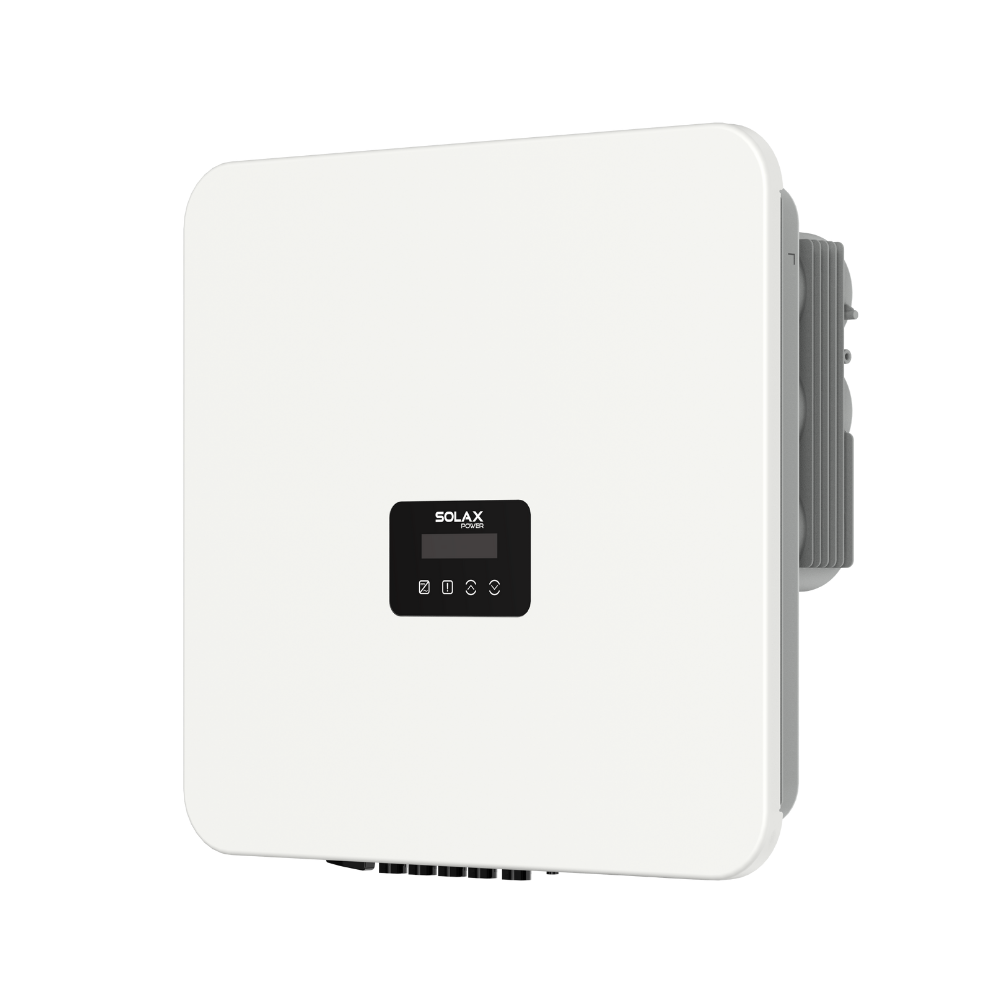
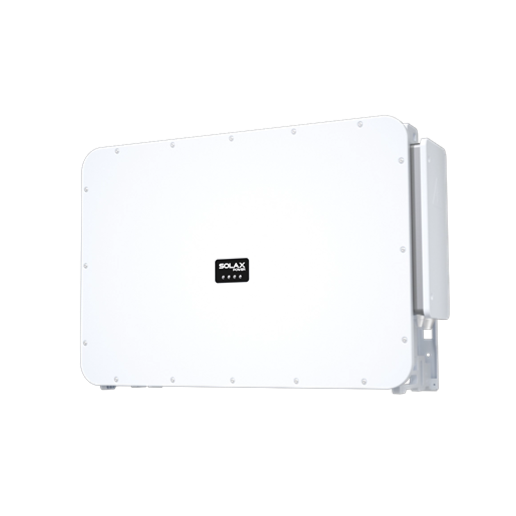
1. SolaX X3-HYB-G4 PRO
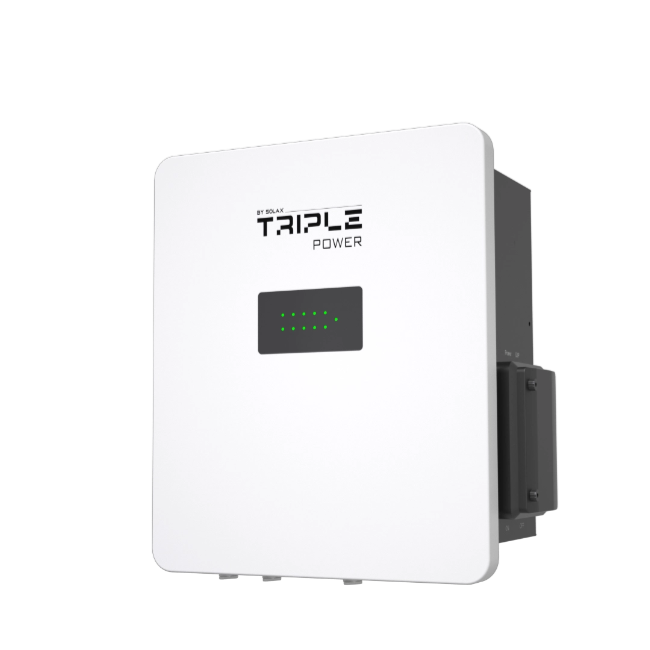
If outage resilience is your main filter, this is the strongest place to start. The SolaX X3-HYB-G4 PRO is built for homes that want backup power to feel deliberate rather than incidental, especially where essential loads include pumps, refrigeration, communications equipment or several protected circuits. The trade-off is simple: it suits larger and more carefully designed systems, so it is best when your installer is planning the backup side from day one.
Why it stands out
UPS-level switchover time under 10 ms
Up to 200% EPS output for 10 seconds
Dual battery ports for added design flexibility
Microgrid and generator modes for broader resilience planning
Key specs to check
Three-phase range from 4 kW to 15 kW
IP66 ingress protection
Dimensions: 560 × 503 × 210 mm
Net weight: 38 kg
Best for
Larger homes
Heavier essential-load plans
Buyers who want a backup-first inverter battery design
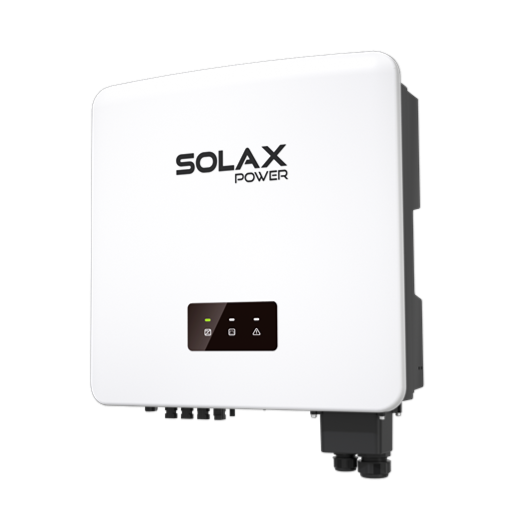
2. SolaX X3-HYBRID G4
Some homes need backup power, but not at the expense of daily solar energy management. The SolaX X3-HYBRID G4 fits that middle ground well. It is a sensible option when you want solid EPS behaviour alongside routine self-consumption control, time-of-use charging and broader smart energy features. In practice, that makes it easier to justify when outages are occasional but you still expect your solar inverter to work hard every day.
Why it stands out
UPS-level switchover time under 10 ms
Up to 200% EPS overload output for 10 seconds
Up to 97.5% charging and discharging efficiency
Three-phase unbalanced output support
Key specs to check
Up to 110% AC output
Up to 200% PV oversizing
IP65 protection degree
Max. 5 kW per phase for unbalanced output
Best for
Homes balancing backup power and daily optimisation
Properties adding EV charging or smarter load control
UK home solar systems with larger three-phase demand
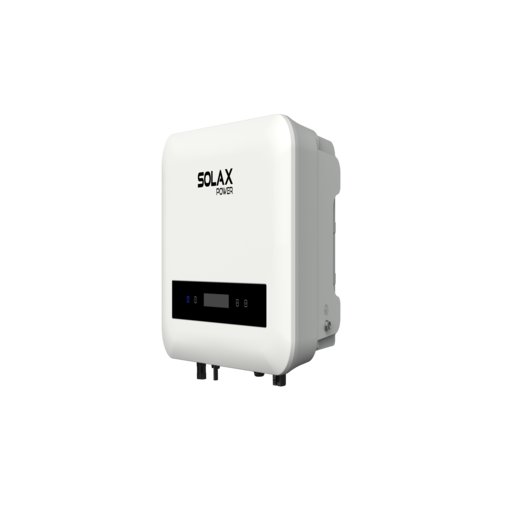
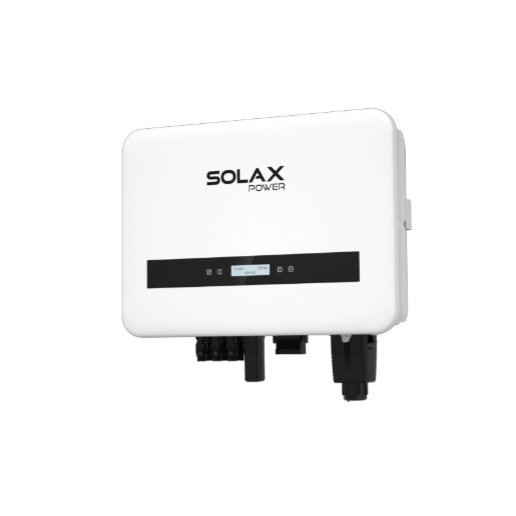
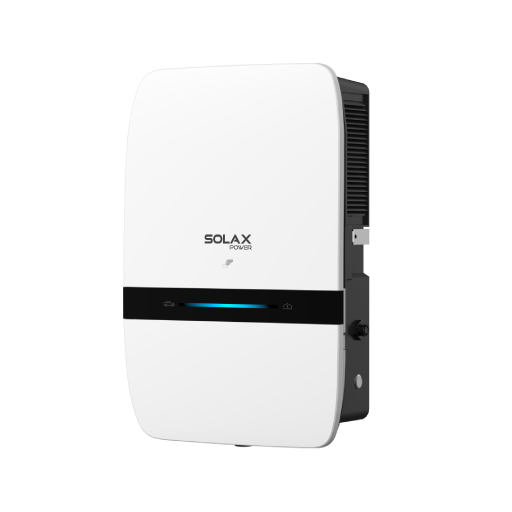
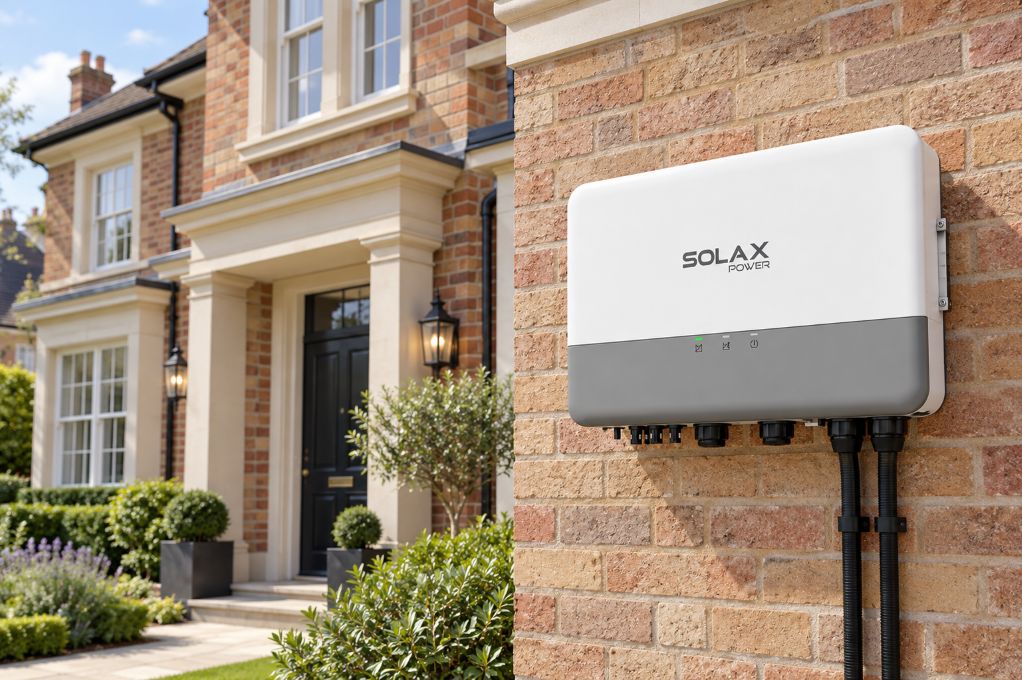
3. SolaX X1-LITE LV
For a smaller property, a compact backup plan often makes more sense than a whole-home ambition. The SolaX X1-LITE LV is the clearest single-phase option in this list for selective circuits, such as lighting, broadband, refrigeration and a few sockets. It is less about maximum expansion and more about getting dependable EPS performance into a tighter layout with a low-voltage solar battery setup.
Why it stands out
Single-unit UPS-level switchover time under 6 ms
Up to 200% EPS output for 10 seconds
Battery terminal temperature detection
Optional AFCI protection
Key specs to check
Single-phase low-voltage architecture
IP65 ingress protection
Type II SPD on AC and DC side
Designed for more selective backup power planning
Best for
Smaller homes and flats
Essential-circuit backup only
Buyers who want a simpler inverter battery layout
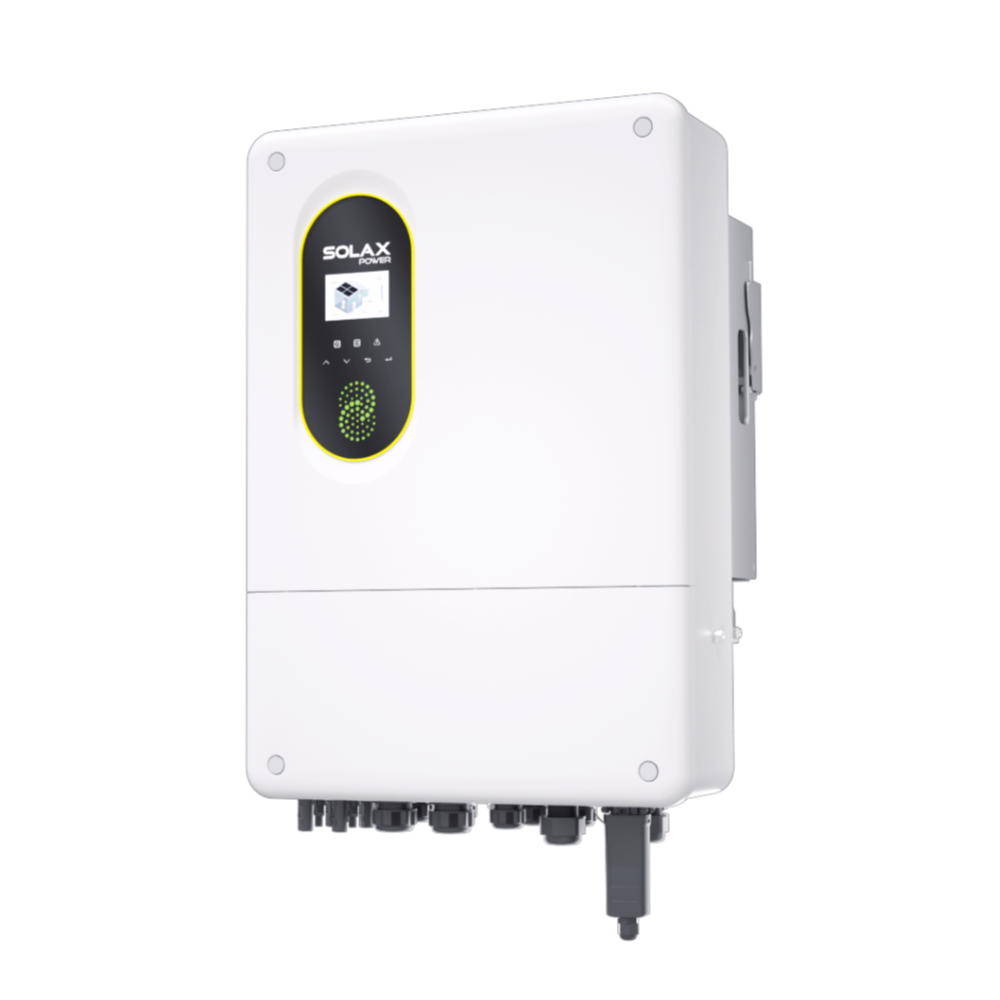
4. SolaX X3-NEO LV
This model is worth a closer look if you want a low-voltage three-phase hybrid inverter with stronger documented switchover figures. The X3-NEO LV is more demanding in system design than a lighter residential unit, yet it gives you a serious backup profile on paper. For households with larger protected-load plans, it can be a compelling step up, provided the battery and phase design are matched carefully.
Why it stands out
Switchover time under 3 ms
Peak EPS output at 2 times rated power for 10 seconds
Low-voltage three-phase format
Wide model spread for bigger systems
Key specs to check
Models from 5 kW to 20 kW listed on the product page
IP65 ingress protection
160 to 950 V MPPT voltage range
Example peak EPS figures: 10 kVA at 5 kW, 20 kVA at 10 kW, 40 kVA at 20 kW
What to watch
More capacity is not automatically better if your protected circuits are modestI
nstaller load mapping matters more here than headline wattage
5. SolaX X1-SPLIT
This final slot needs a UK-specific caution. The X1-SPLIT product page is built around split-phase 120 V and 240 V output, which points more naturally to markets outside standard UK single-phase residential practice. That does not make it a bad inverter, but it does mean you should treat it as a special-case option rather than a default UK home solar recommendation.
Why it is on the list
Useful comparison point for legacy or non-standard site conditions
Highlights why phase format matters before you compare EPS claims
Helps avoid buying the wrong inverter for the wrong grid context
Best for
Projects with unusual electrical requirements
Installer-led assessments rather than standard UK homes
What to watch
Confirm UK compatibility before treating it as a backup power candidate
Do not assume split-phase design aligns with ordinary UK domestic supply
What should be on a UK home EPS checklist?
Start with outage behaviour
If backup power is the goal, ask what happens in the first second after grid loss. Switchover time, surge support and the presence of a battery all shape whether your protected circuits stay comfortable or go dark. In this list, the documented switchover figures range from under 10 ms to under 3 ms depending on model, which is far more useful than broad marketing language about resilience.
Check compliance before installation day
UK buyers should raise G98, G99 and, where export limiting is required, G100 at the design stage rather than at handover. According to GOV.UK, installers must submit the relevant G99 application, or G100 where export is limited, before installation for apply-to-connect systems. The same guidance also notes a fast-track G99 Form A1-2 route for certain fully type-tested integrated microgeneration and storage installations.
Match the inverter to real loads
A good backup plan starts with your circuits, not your wishlist. List the loads that genuinely matter first: fridge, router, lighting, heating controls and perhaps a few sockets. Moreover, if those loads are modest, a single-phase hybrid inverter may give you better value and simpler commissioning than a larger three-phase system.
How to choose the right model without overbuying
For stronger whole-home backup ambitions
Choose the X3-HYB-G4 PRO or X3-NEO LV if your installer is mapping several important circuits and allowing for short appliance surges. Both offer strong EPS headroom, but the PRO is the safer recommendation when you want a residential backup-first position with clear product-page messaging. The NEO LV becomes more attractive when you need more scale and can justify the extra system complexity.
For balanced daily smart energy use
The X3-HYBRID G4 is the best fit when backup power matters, yet daily optimisation matters almost as much. It gives you a stronger all-round solar power system case, especially if your home will also coordinate charging windows, self-consumption and selected smart energy routines. Therefore, it is the easiest pick for buyers who do not want their decision shaped by outages alone.
For selective essential circuits
The X1-LITE LV is the cleaner choice when your goal is not whole-home continuity but dependable support for the basics. That usually means a smaller protected-load board, tighter battery sizing and a more compact installation. In addition, its under-6 ms switchover figure makes it easy to justify for homeowners who want practical continuity without stepping into a larger three-phase design.
Common backup issues to catch early
Problem | Likely cause | Practical fix |
EPS does not start | Battery state of charge or mode settings are not configured for backup entry | Ask the installer to confirm backup mode, minimum state of charge and EPS settings during commissioning |
Backup feels weaker than expected | Protected circuits exceed EPS design limits | Re-map circuits and check short-duration surge demand, not only steady load |
Grid approval slows the job | G98, G99 or G100 route was scoped too late | Confirm the DNO pathway before final equipment selection |
Wrong inverter class chosen | Single-phase, three-phase or split-phase format does not match the property | Validate supply type before comparing solar inverter features |
A wider UK grid context matters here as well. Ofgem describes energy codes as the rules that support the industry in supplying homes and businesses, which is a reminder that backup planning is partly a compliance exercise, not only a product comparison.
FAQ
Table of Contents
Latest News
Explore expert insights, practical guides, and the latest news on SolaX Power.




To the Latest Newsletter
Stay Ahead with the Latest SolaX Updates!
Subscribe
I have read and agree to Privacy Policy and User Terms