






July 22, 2026
Microinverter vs String Inverter: Which Is Better for Your Solar System?
Share my #SolaXStory


Choosing between a microinverter and a string inverter can affect your solar system's cost, performance and long-term flexibility. Both convert DC electricity from solar panels into usable AC power, but they do so in different places.
String inverters handle power from multiple panels at one central unit, while microinverters work at the panel level. The right choice depends on your roof layout, shading conditions, budget and plans for future expansion.
This guide compares microinverters and string inverters by efficiency, cost, maintenance and scalability to help you choose the right option.
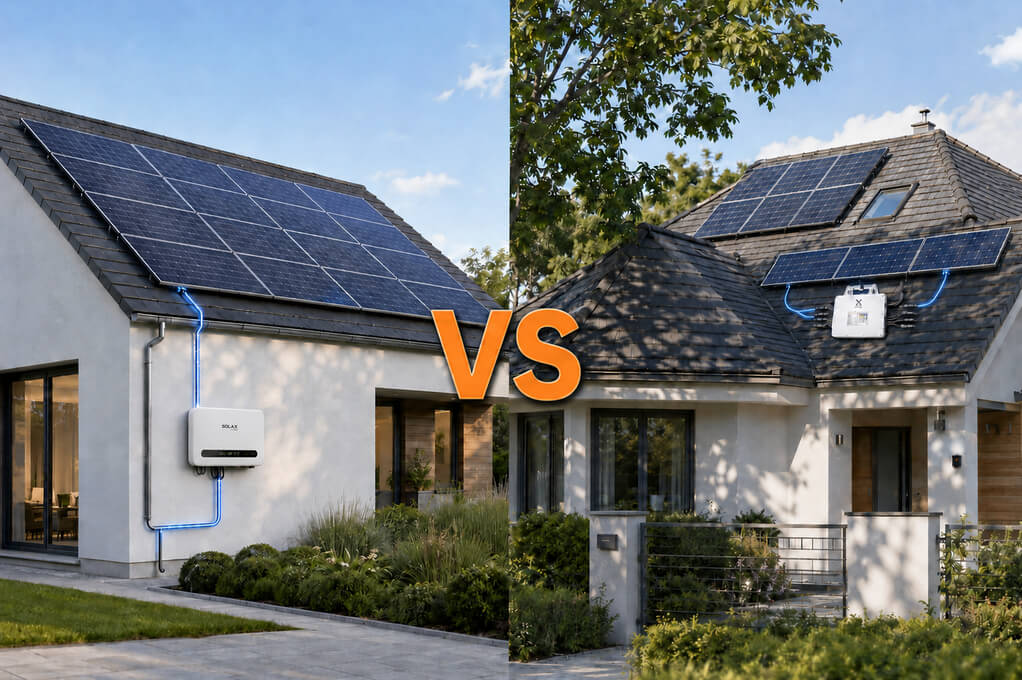
What Is a String Inverter?
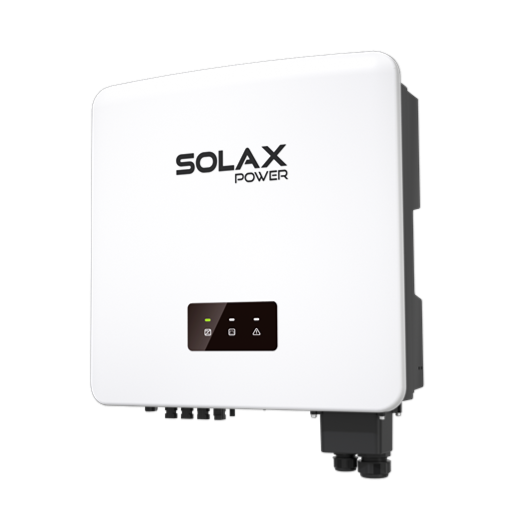
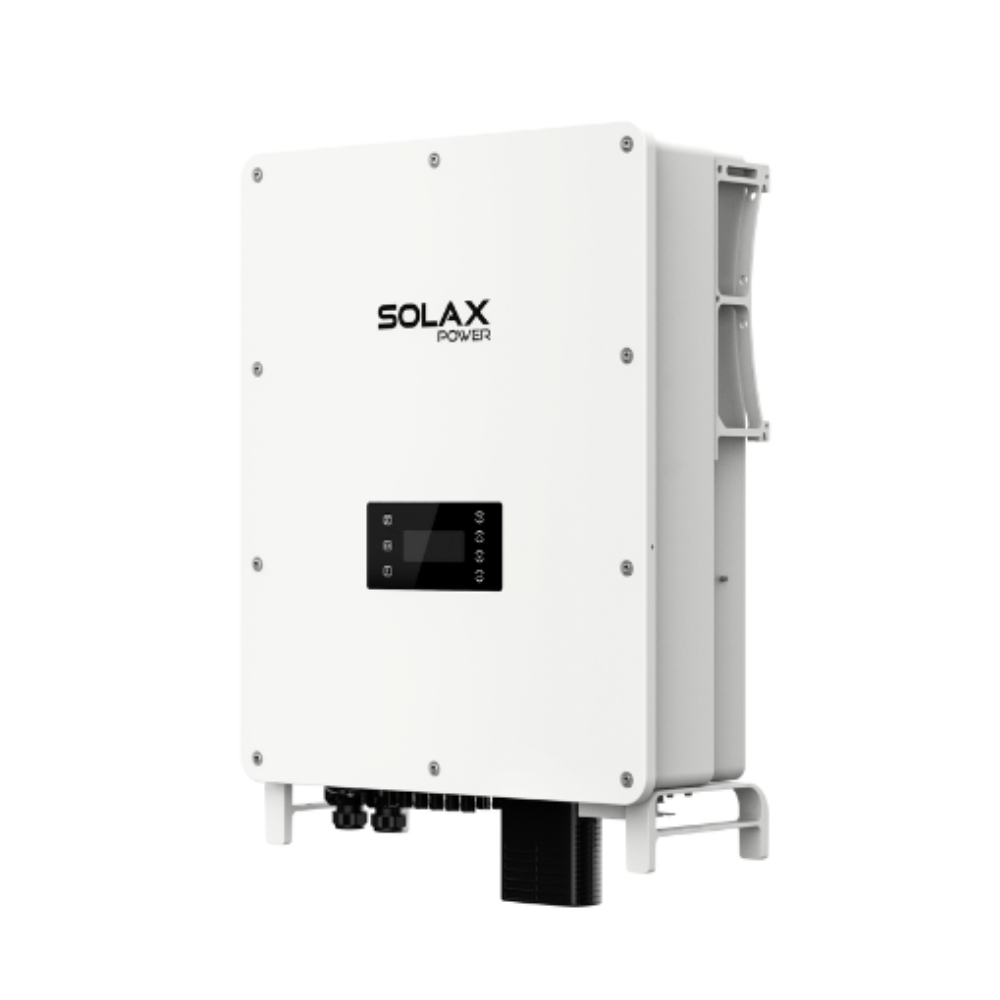
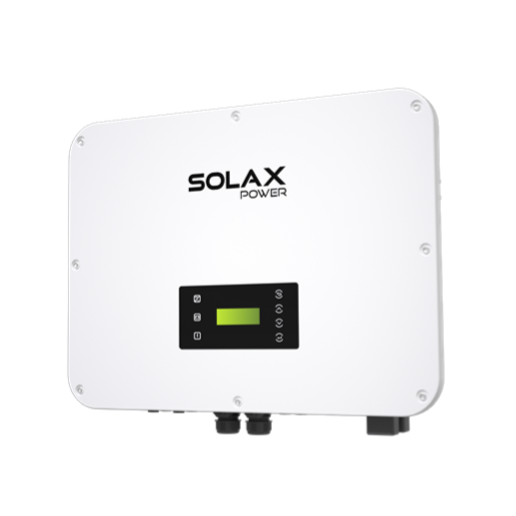
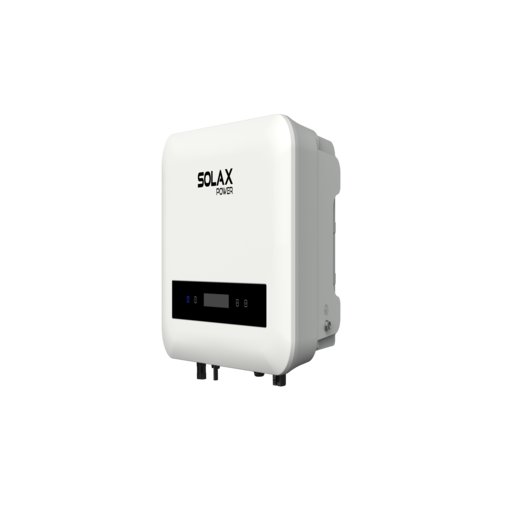
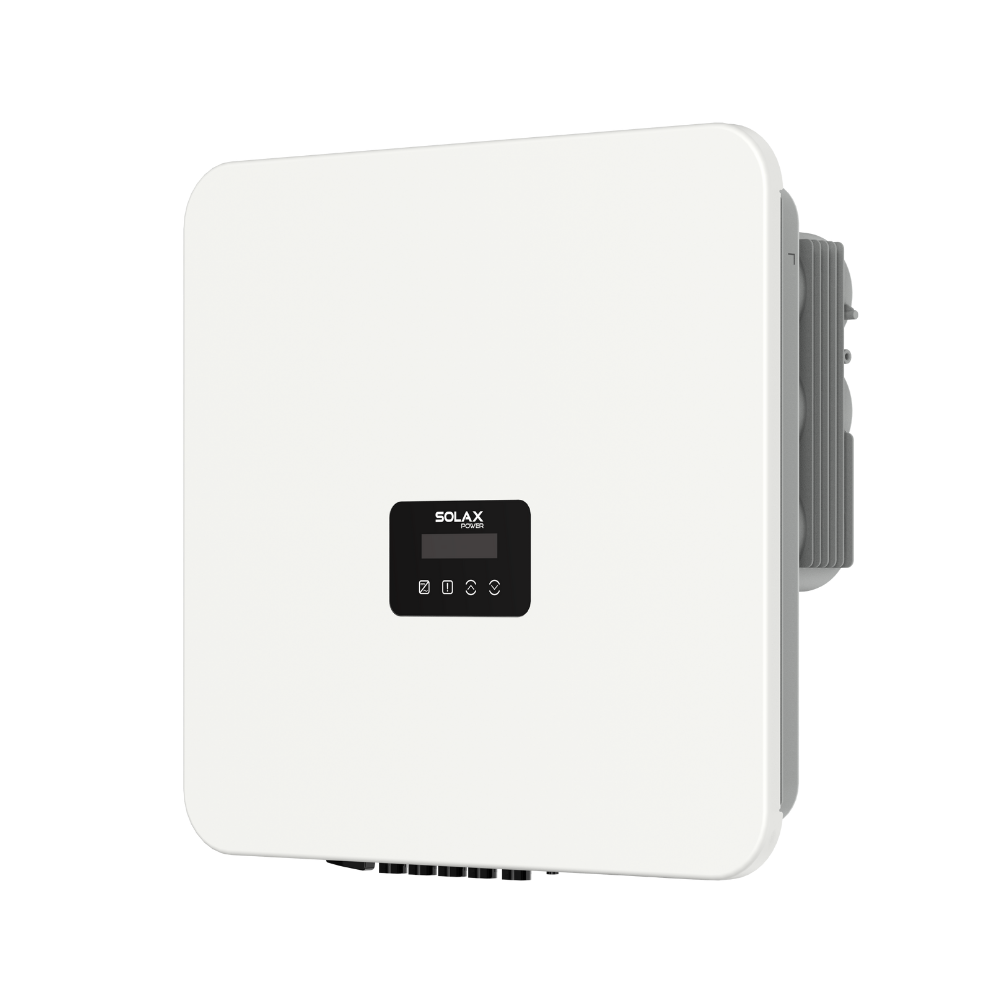
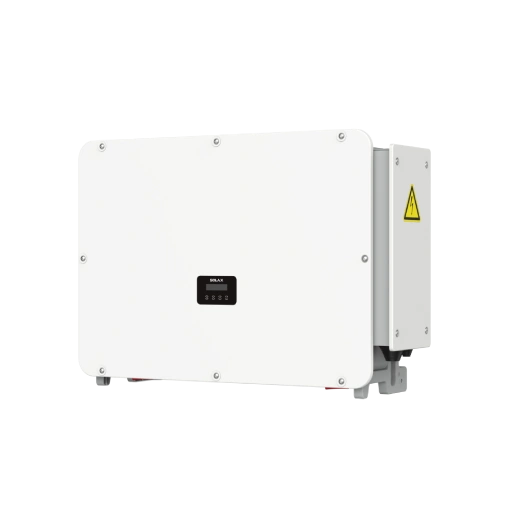
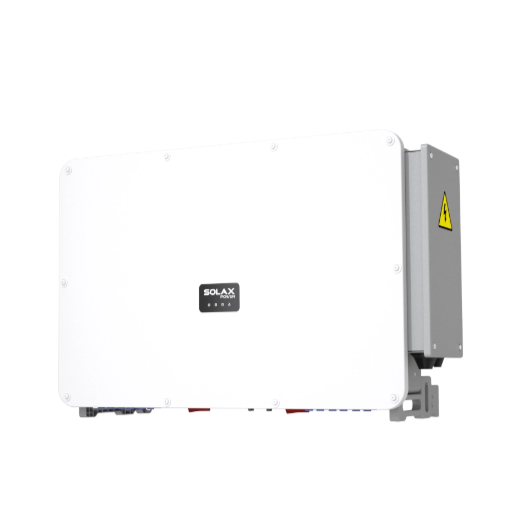
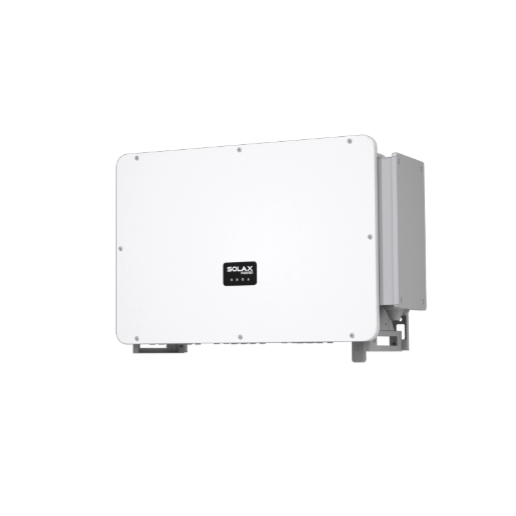
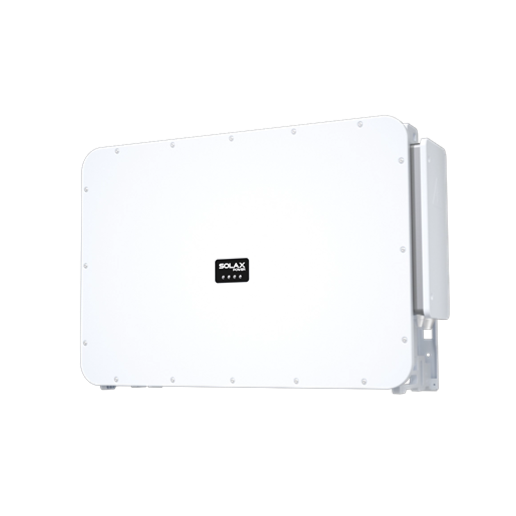
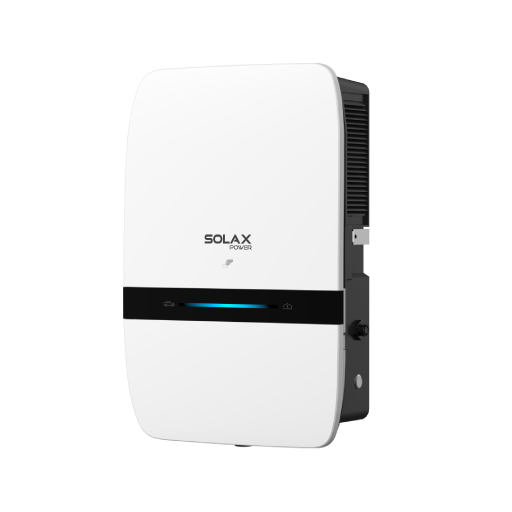
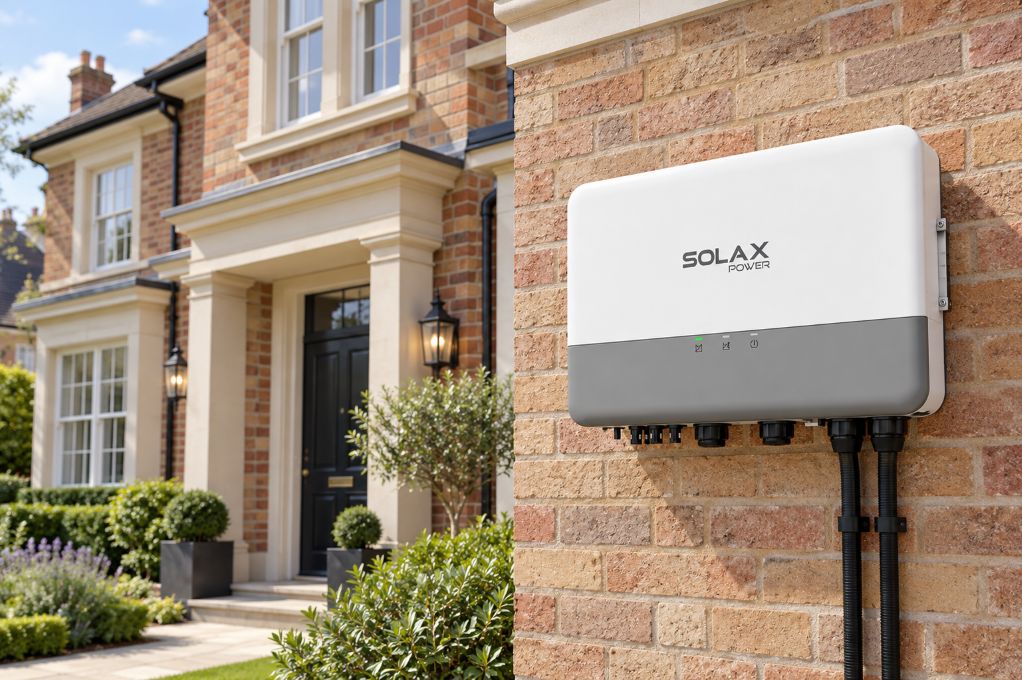
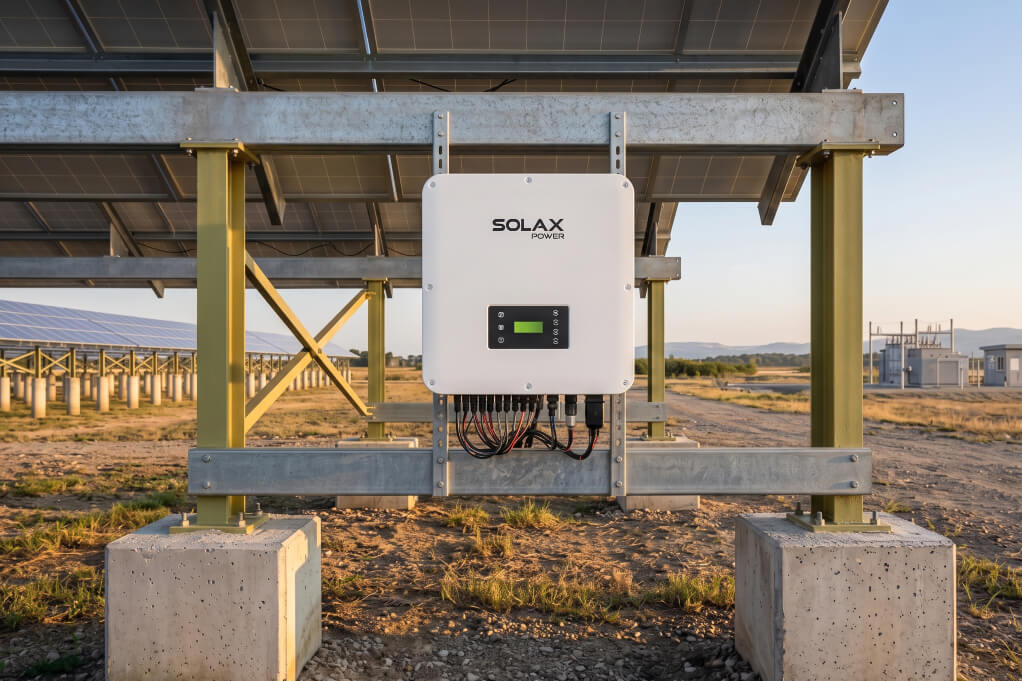
A string inverter connects multiple solar panels in series and converts their DC electricity into usable AC electricity at one central location. It uses one or more MPPTs to manage power production and is typically installed in a garage, utility room or on an exterior wall.
What Is a Microinverter?
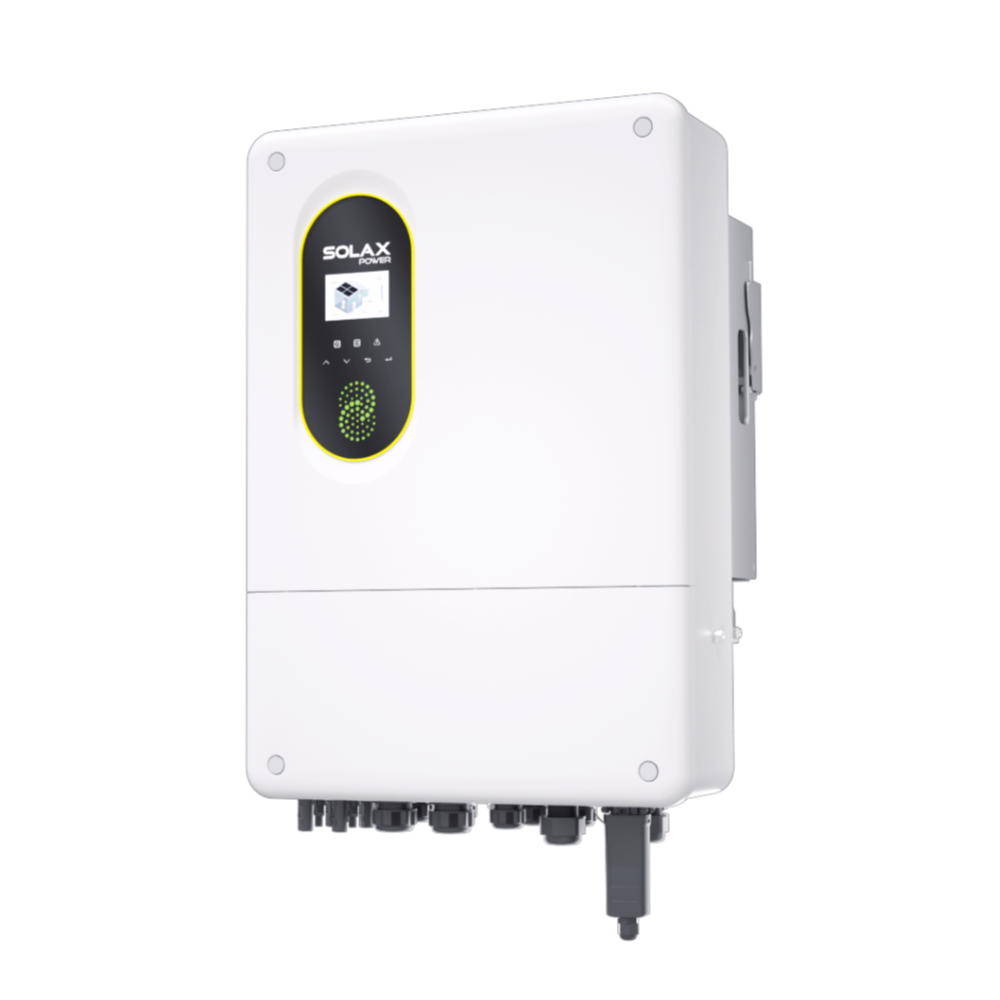
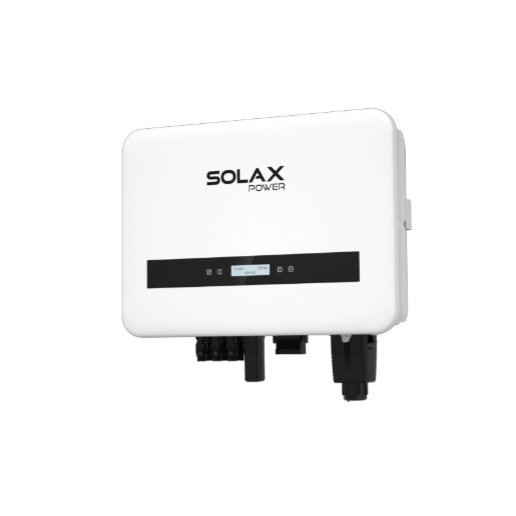
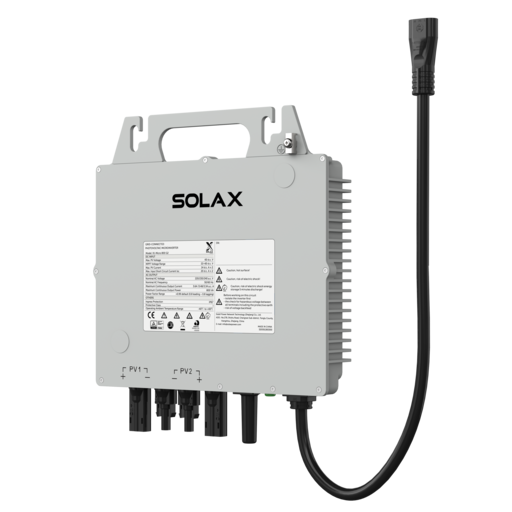
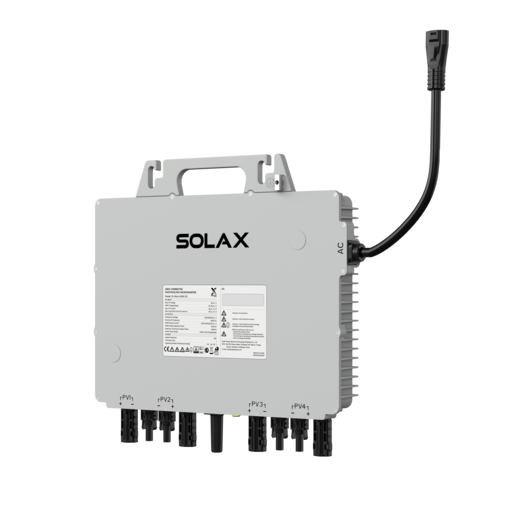
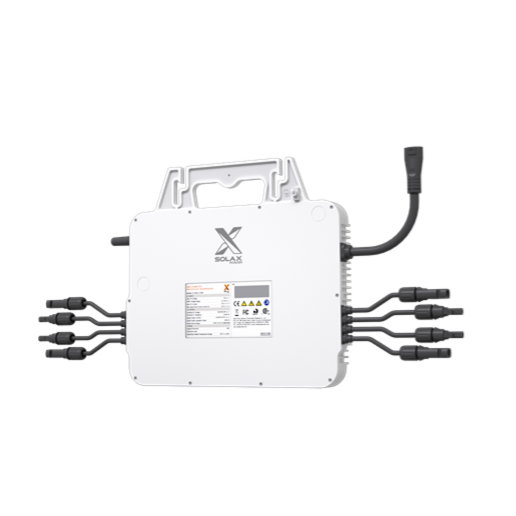
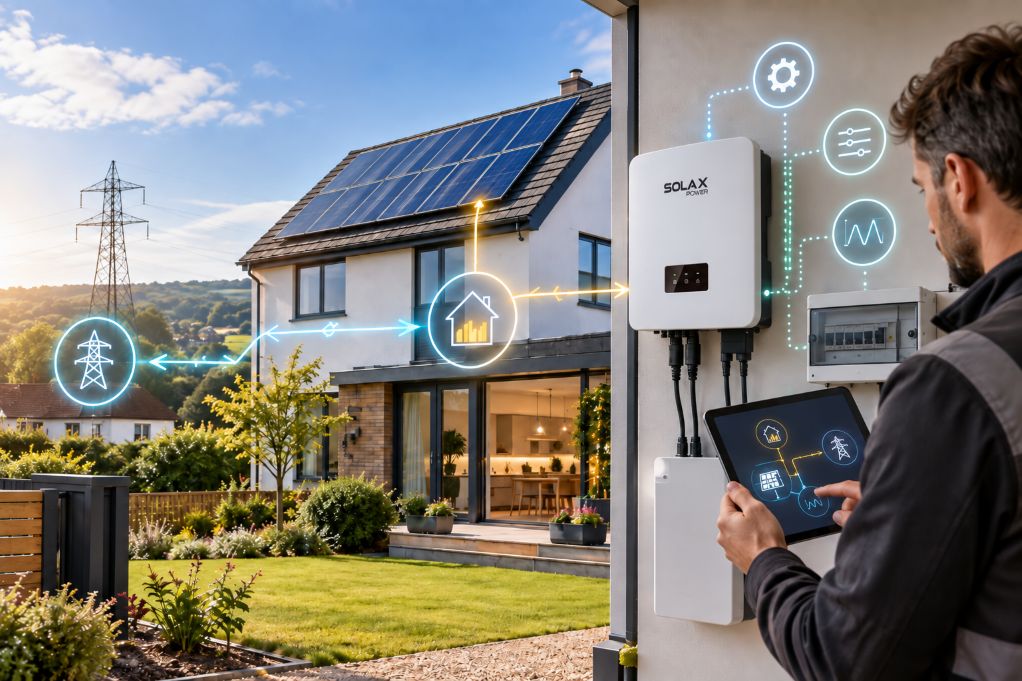
A microinverter converts a solar panel's DC electricity into usable AC electricity at the panel level. Each input has its own MPPT, and the converted AC power is sent to the home's electrical panel. Some models support one panel, while others support multiple panels.
Microinverter vs String Inverter: 8 Key Differences
Microinverters and string inverters differ in how they convert, monitor and manage solar power. The following eight comparisons explain how these differences affect system performance, cost and long-term use.
System Architecture
String inverter: Solar panels → DC string → Central inverter → Electrical panel
Microinverter: Solar panel → Microinverter → AC branch → Electrical panel
String inverters use centralized conversion, while microinverters convert electricity at the panel level.
Efficiency and Shading
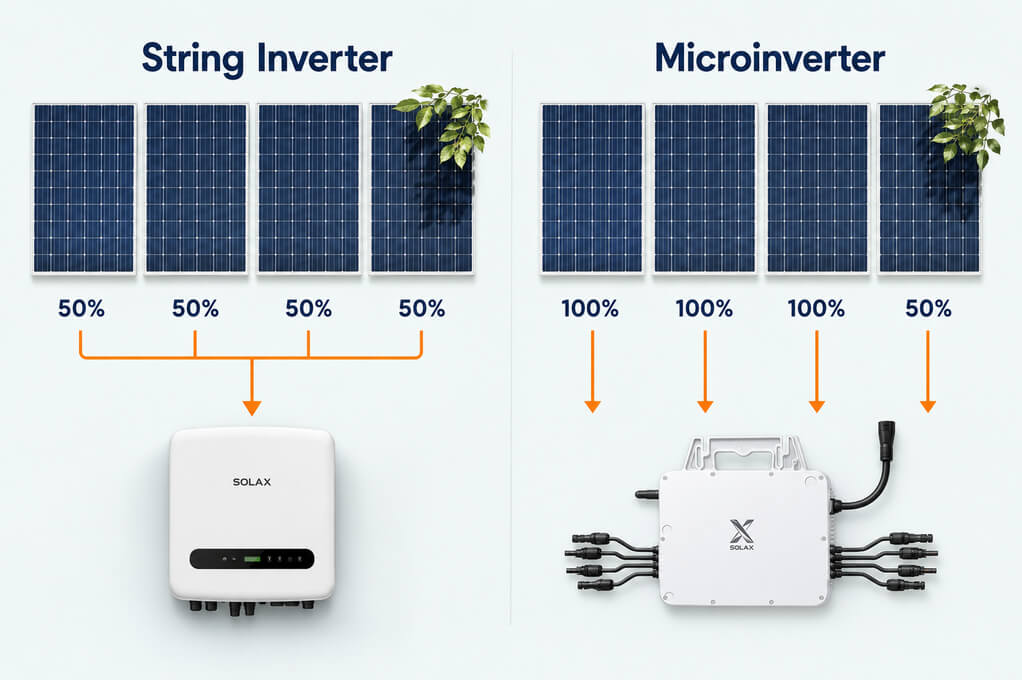
When comparing microinverter vs string inverter efficiency, string inverters perform well on simple, unshaded roofs. Microinverters may produce more energy under uneven shade or mixed panel orientations because each input has its own MPPT.
System Monitoring
Microinverters usually provide panel-level monitoring, making underperforming panels easier to identify. String inverters typically provide system-, string- or MPPT-level data unless power optimizers are added.
Reliability and Maintenance
A microinverter failure normally affects only its connected panel or panels, while a string inverter failure may stop the entire array. String inverters are easier to service at ground level; repairing a microinverter may require roof access and panel removal.
Upfront and Lifetime Cost
In a micro inverter vs string inverter cost comparison, string inverters usually cost less upfront. Microinverters are more expensive initially, but the premium can make sense for shaded or complex roofs and systems likely to expand.
Warranty Coverage
Microinverters often have longer product warranties. Before comparing warranty periods, check whether labor, shipping and roof access are also covered.
System Expansion
Microinverter systems are generally easier to expand because new panels can be added with their own inverter inputs. String inverter expansion depends on available power capacity, MPPT inputs and voltage limits.
Safety and Battery Compatibility
Many microinverters include module-level rapid shutdown and are commonly paired with AC-coupled batteries. String inverter systems may need additional shutdown equipment, while hybrid string inverters can support DC-coupled batteries. Neither system provides backup power without compatible battery and control equipment.
Which Is Better, a Micro Inverter or String Inverter?
The right choice depends mainly on your roof layout, budget and plans for future expansion. Use the table below to match each inverter type to your roof and system priorities.
Choose a string inverter if… | Choose microinverters if… |
The roof is simple and unshaded | The roof has partial shade |
Panels have similar orientations | Panels face different directions |
Lower upfront cost is important | Panel-level monitoring is needed |
Ground-level maintenance is preferred | Future expansion is planned |
A DC-coupled battery is planned | Limiting the impact of one failure matters |
Consider an optimized string inverter if you want panel-level optimization and monitoring while retaining a central inverter.
Conclusion
A string inverter is usually the more economical choice for a simple, unshaded roof. Microinverters are often worth considering for partial shade, mixed panel orientations or future expansion. If you are deciding between a string or micro inverter, compare projected energy production and lifetime ownership cost—not upfront price alone.
Not sure which types of inverter fits your project? Share your roof layout, panel count, shading conditions and battery plans with our team for a tailored system recommendation.
FAQ
Table of Contents
Latest News
Explore expert insights, practical guides, and the latest news on SolaX Power.
To the Latest Newsletter
Stay Ahead with the Latest SolaX Updates!
Subscribe
I have read and agree to Privacy Policy and User Terms