








December 16, 2025
3 Main Types of Solar Inverters Explained: How to Choose?
Share my #SolaXStory


Solar panels may be the most visible part of a PV system, but the inverter is its real brain. Choose the wrong inverter, and it can limit energy output, cutting efficiency and long-term savings.
So what is a solar inverter? In simple terms, a solar inverter is a device that converts the DC electricity generated by your solar panels into AC electricity, which powers your home and appliances.
But here's what most homeowners don't realize: not all solar inverters are created equal. The type you choose affects everything from system efficiency to monitoring capabilities to future battery expansion.
Below is a quick comparison of the main types of solar inverters to help you find your best match.
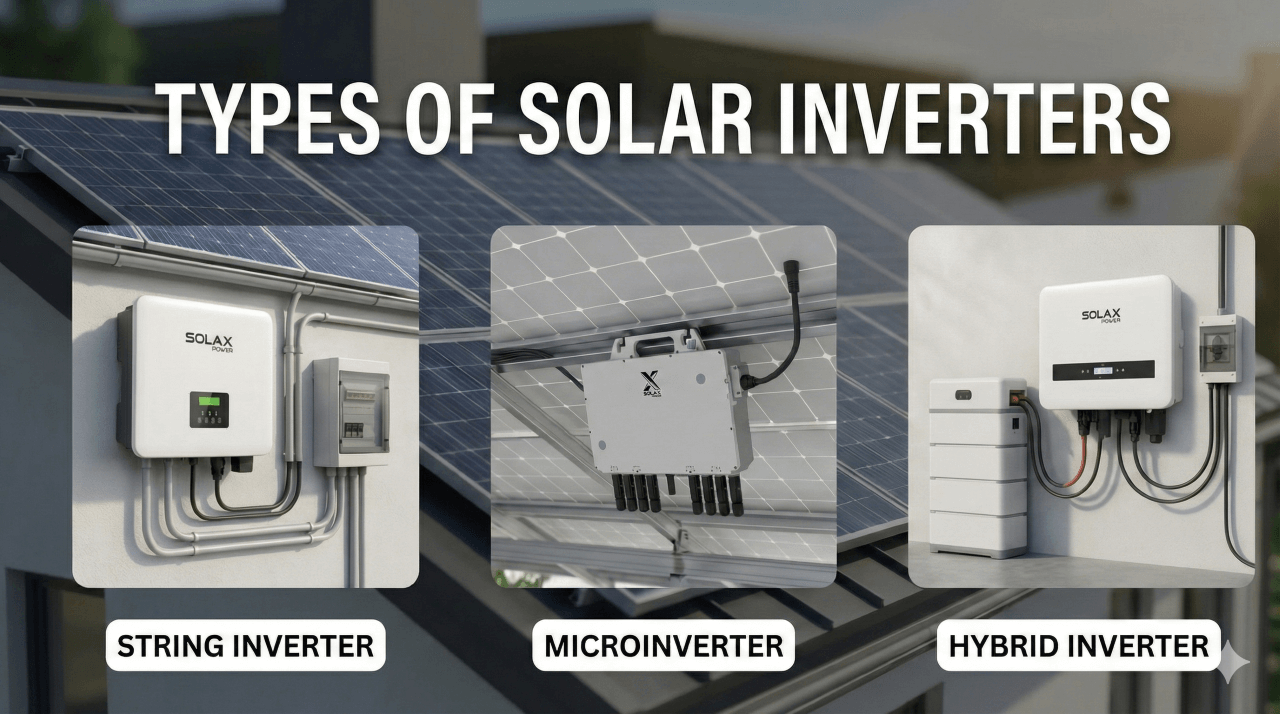
The 3 Main Types of Solar Inverters (Overview)
There are four primary technologies available on the market today. While they all convert power, they differ significantly in how they connect to your panels and manage energy flow:
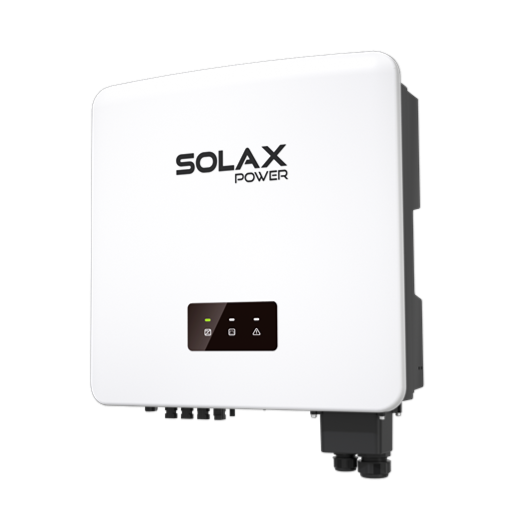
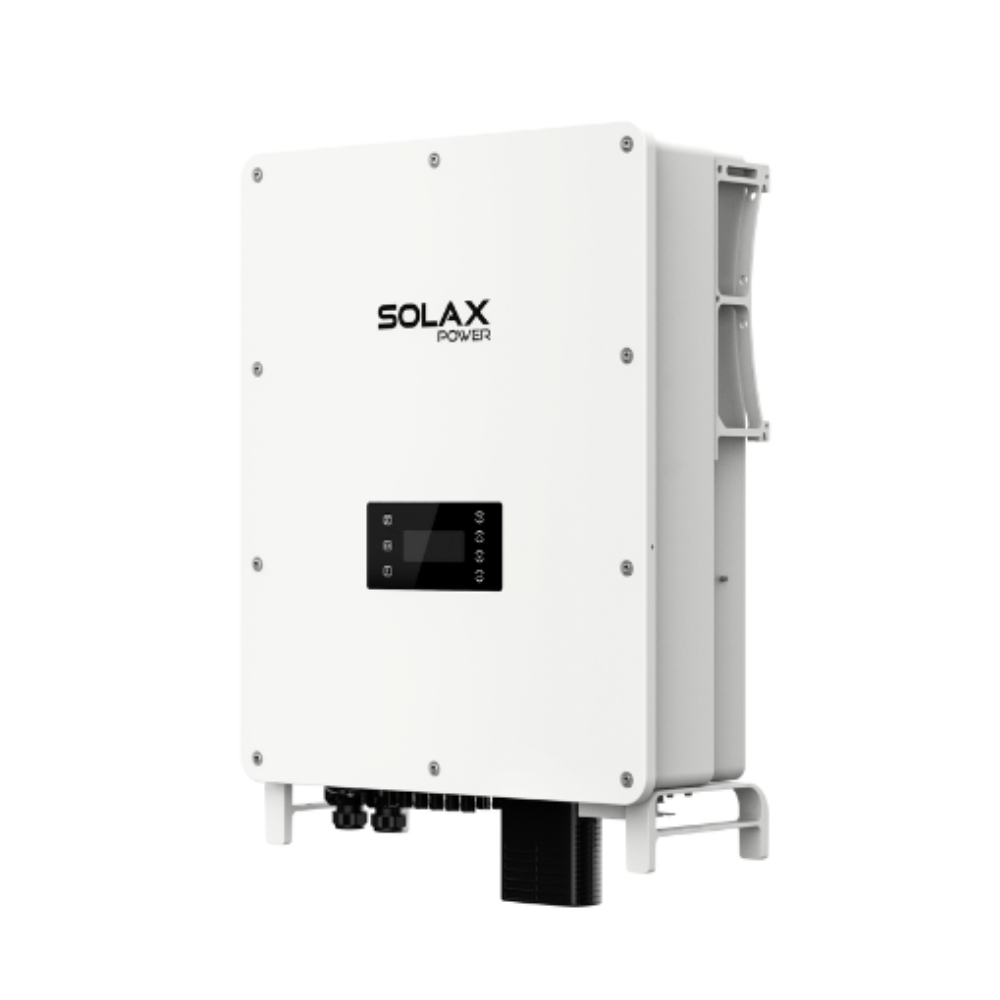
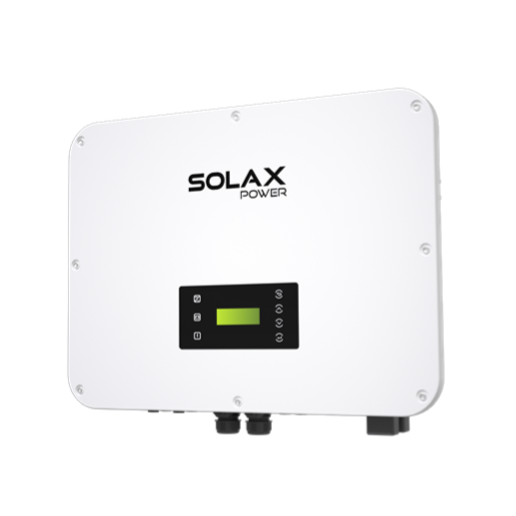
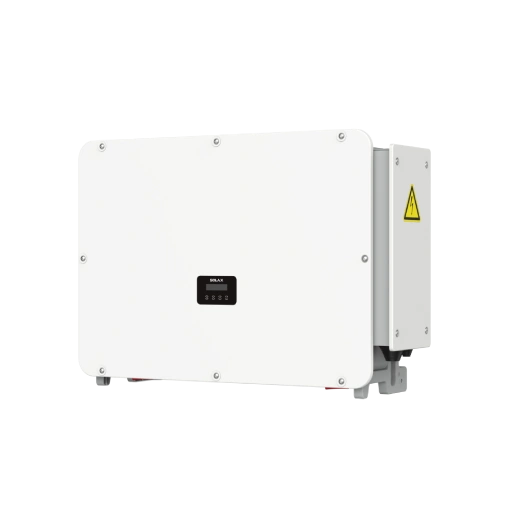
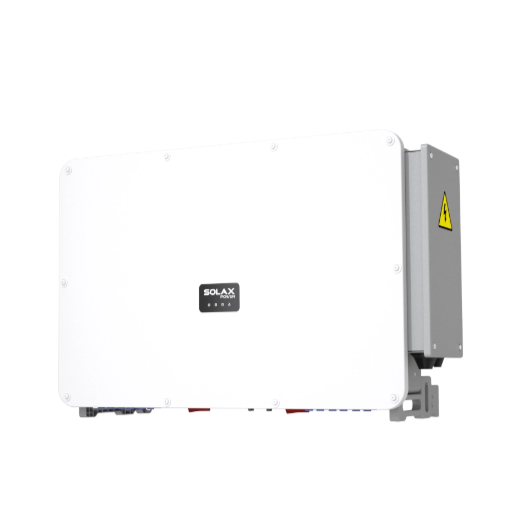
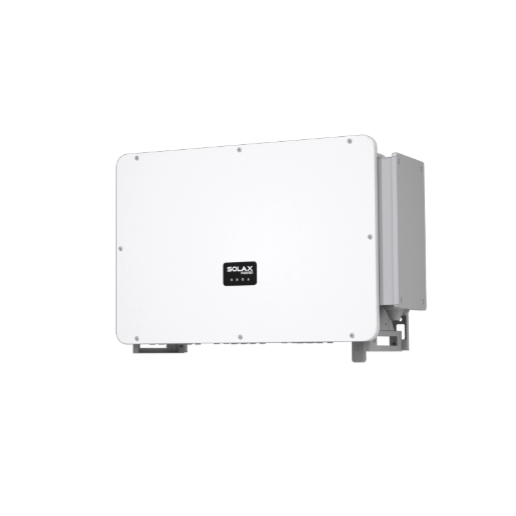
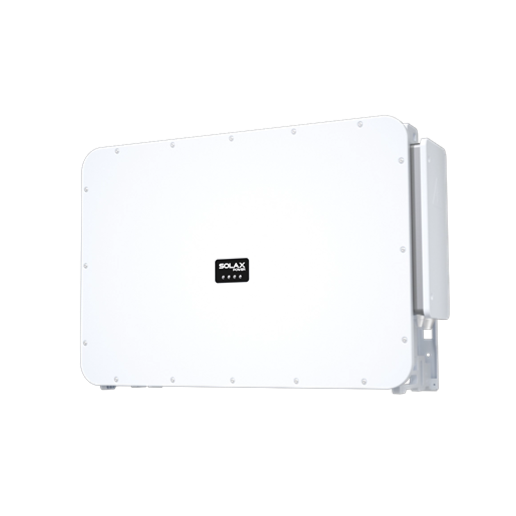
String Inverters (Standard/Centralized)
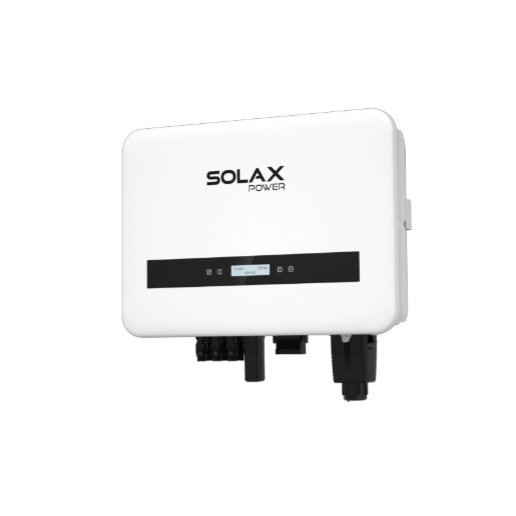
Microinverters (Distributed/Panel-level)
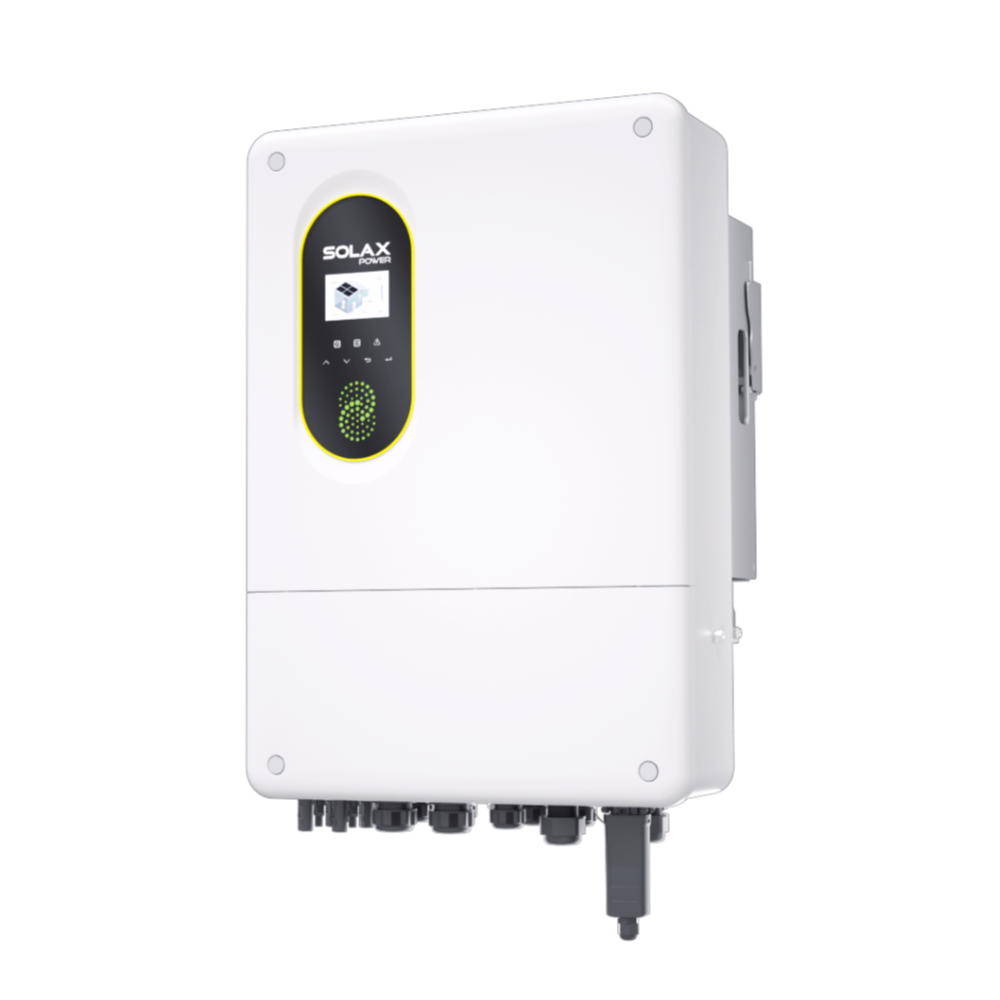
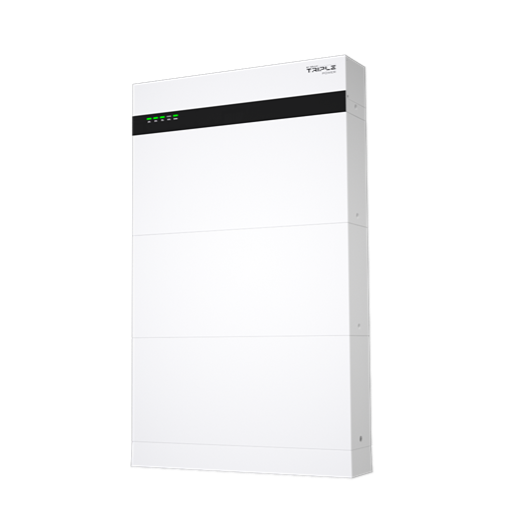
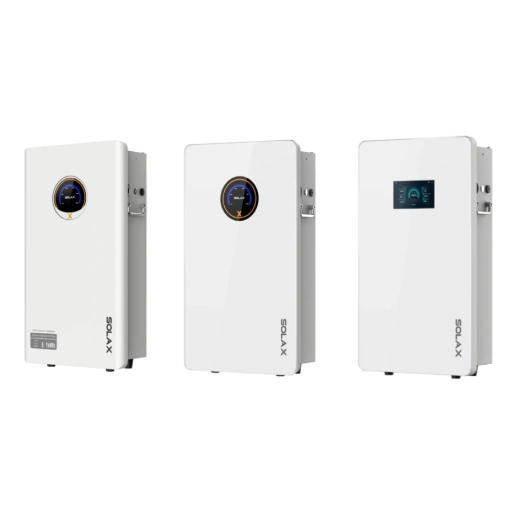
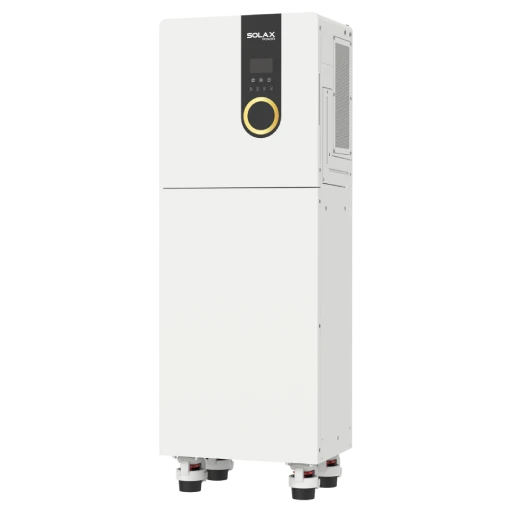
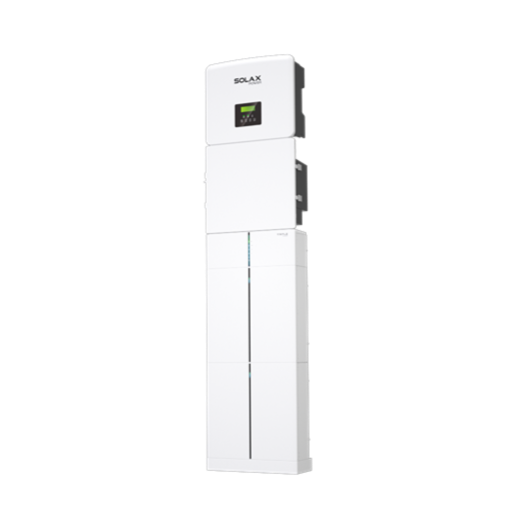
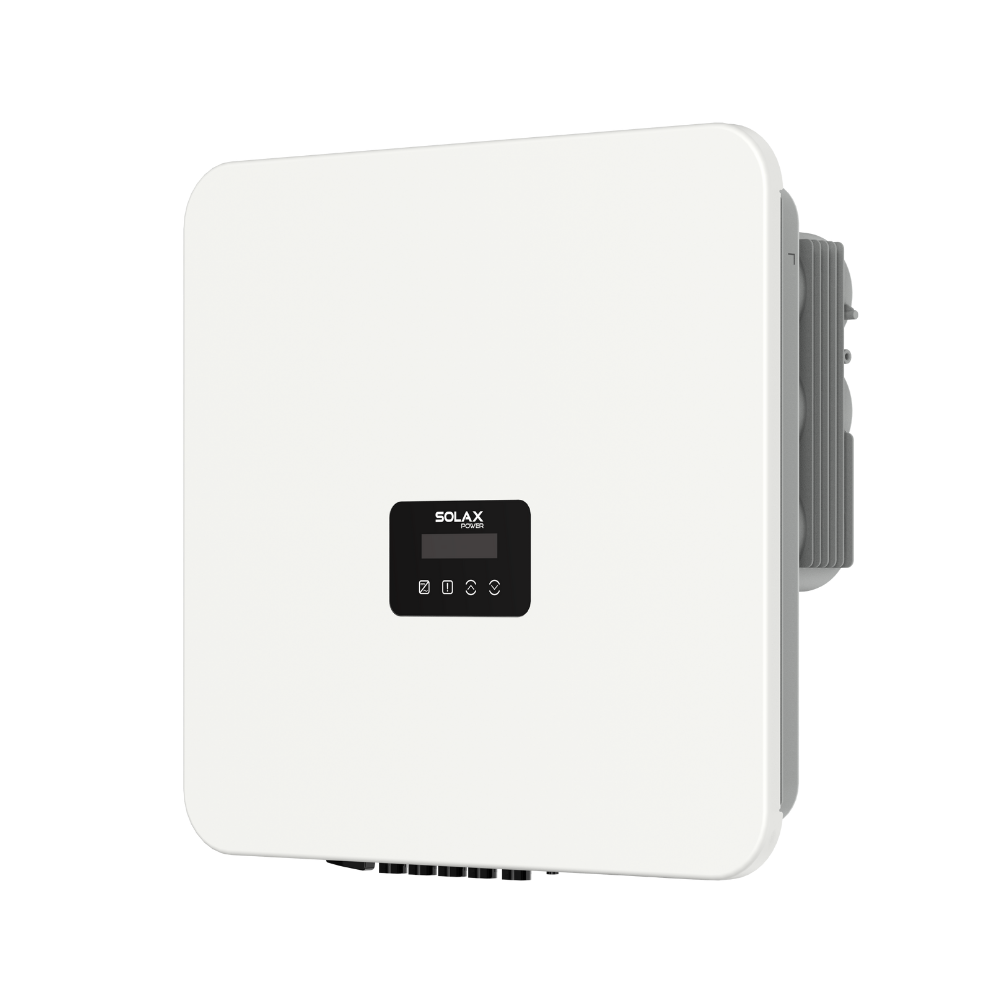
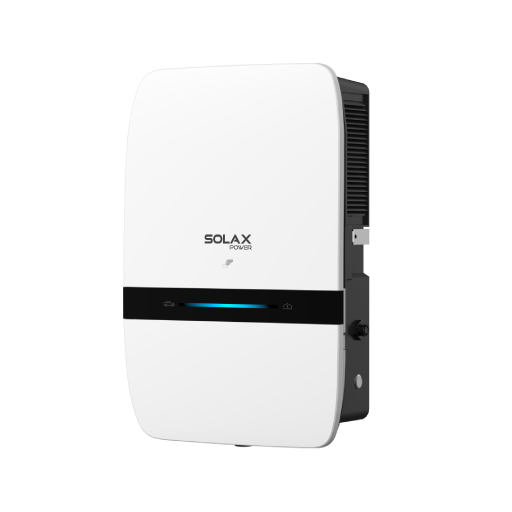
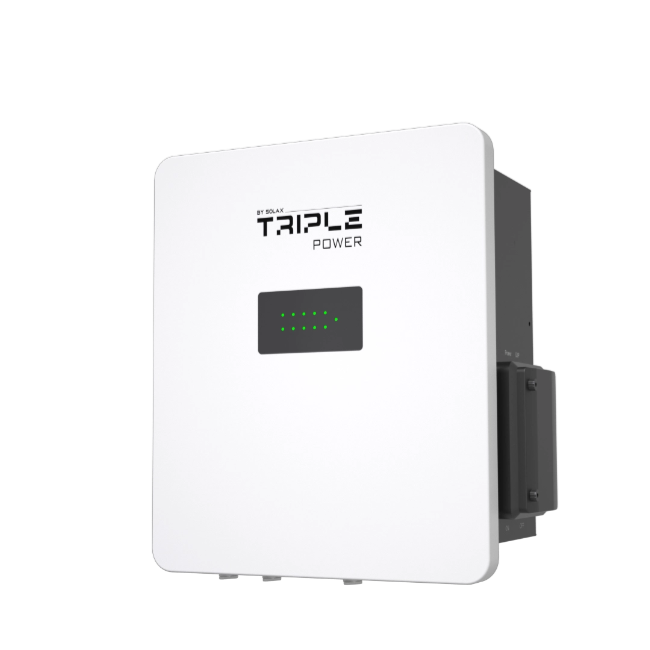
Hybrid Inverters (Battery-ready)
String Inverters (Centralized)
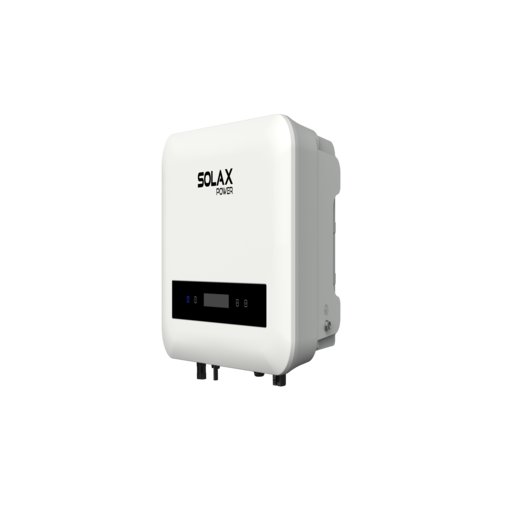
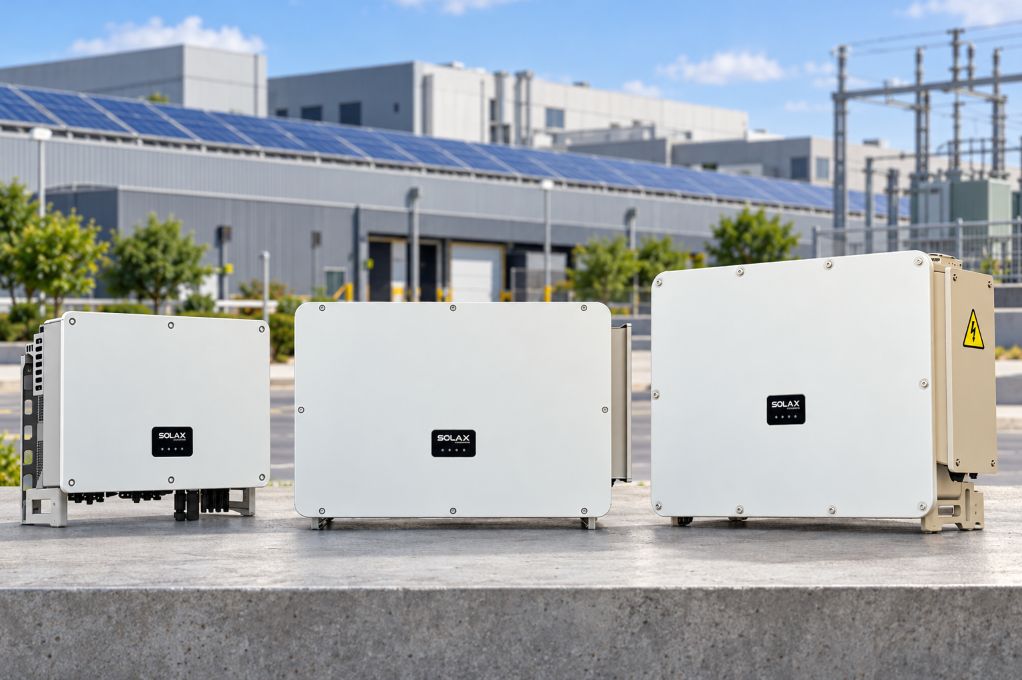
A string inverter is the oldest and most common solar technology, connecting multiple panels in a series to a single inverter box installed near the main switchboard.
How it works
Think of string inverters like older Christmas tree lights. The electricity flows from one panel to the next. The downside to this "series" connection is that the weakest link determines the performance of the entire string.
Pros & Cons
Pros: Most cost-effective option; proven technology; easy to maintain (only one device to check).
Cons: Major shading issues—if one panel is shaded or dirty, the output of the whole string drops; difficult to monitor individual panel performance; high DC voltage on the roof.
Best For
Homeowners with a simple roof design, a limited budget, and zero shading throughout the day.
Microinverters (Distributed)
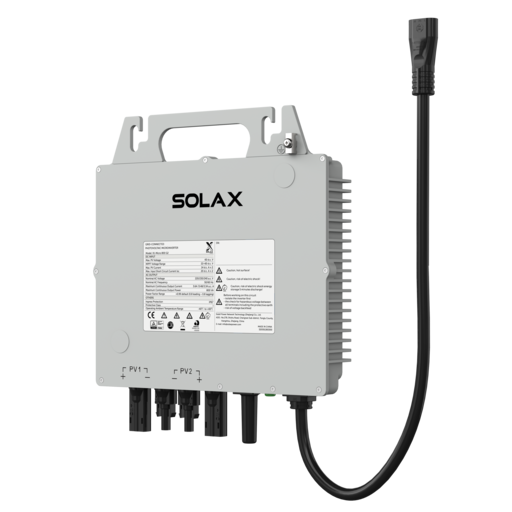
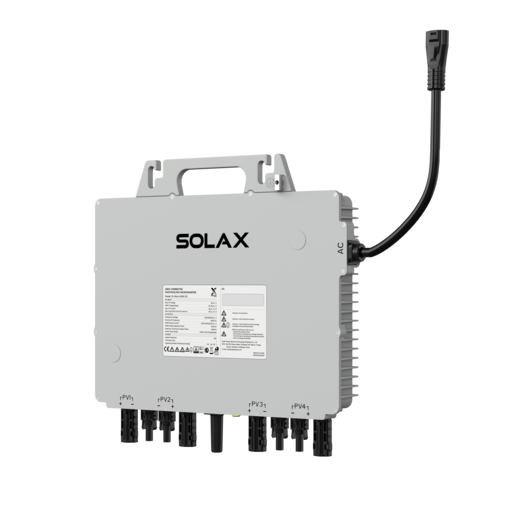
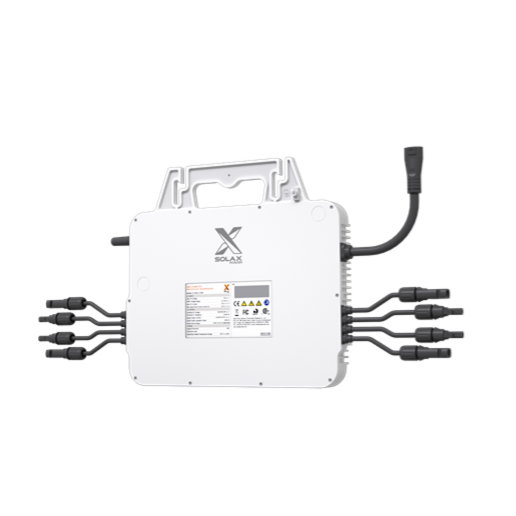
Microinverters are small devices installed on the back of each solar panel. This MLPE technology controls power output at the individual panel level.
How it works
Microinverters convert DC to AC at each panel instead of sending high-voltage DC to a central inverter. This parallel setup lets other panels run at full power even if one is shaded.
Pros & Cons
Superior shading performance: Each panel operates independently, so shade on one panel does not reduce output from the rest.
Granular monitoring: The system shows the exact energy production of every panel, which makes troubleshooting fast and precise.
Improved safety: The system converts DC to AC immediately, eliminating high-voltage DC electricity in attics and walls.
Easy expandability: Homeowners can start with a small system and add panels one at a time as needs grow.
The downside: Microinverters cost more upfront. In addition, rooftop electronics make maintenance slightly more difficult if a unit fails.
Best for
Homes with complex roof designs or multiple panel orientations
Properties affected by shade from trees, chimneys, or nearby buildings
Homeowners who want maximum energy output and accept a higher upfront cost (often choosing premium brands such as SolaX Power)
Hybrid Inverters (The Future Standard)
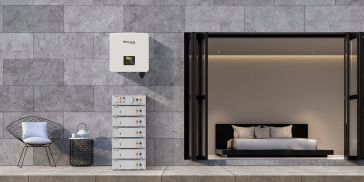
The solar industry is moving from just power generation to energy independence. Hybrid inverters lead this Solar + Storage shift, connecting panels, the grid, and battery banks seamlessly.
How it works
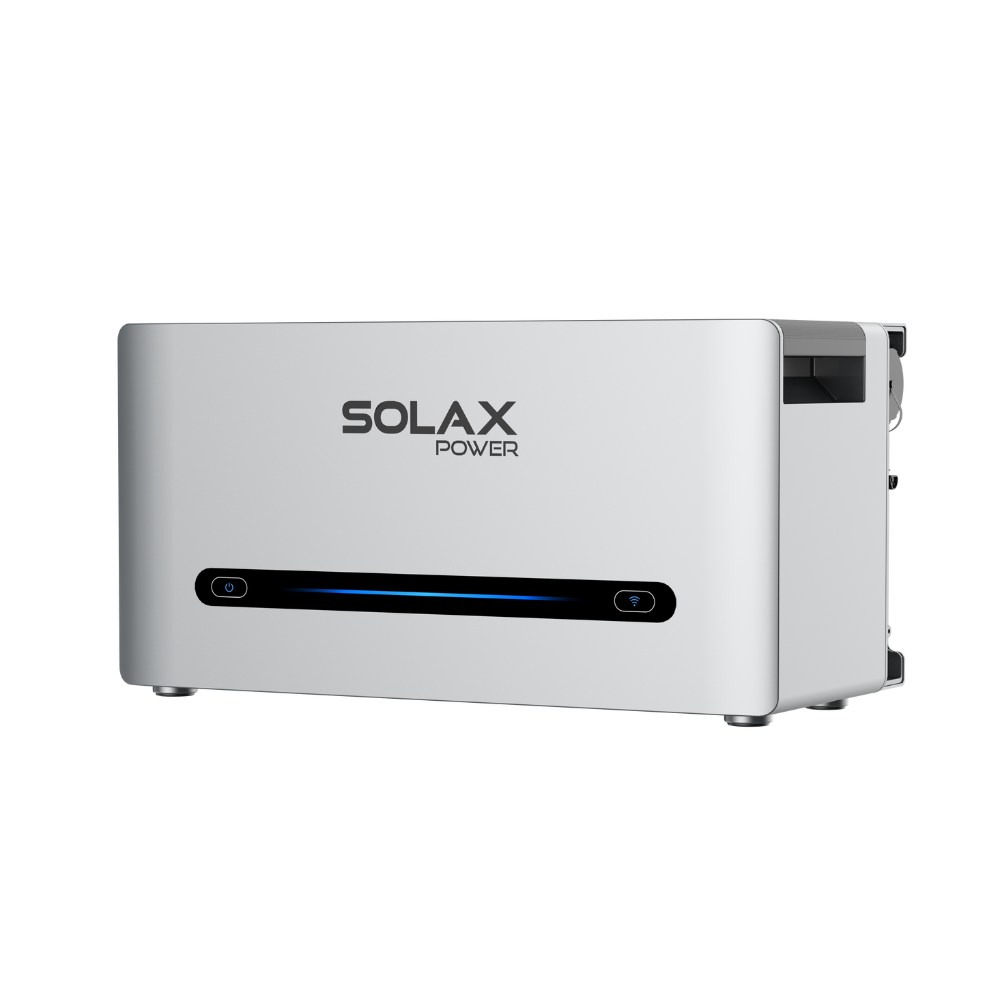
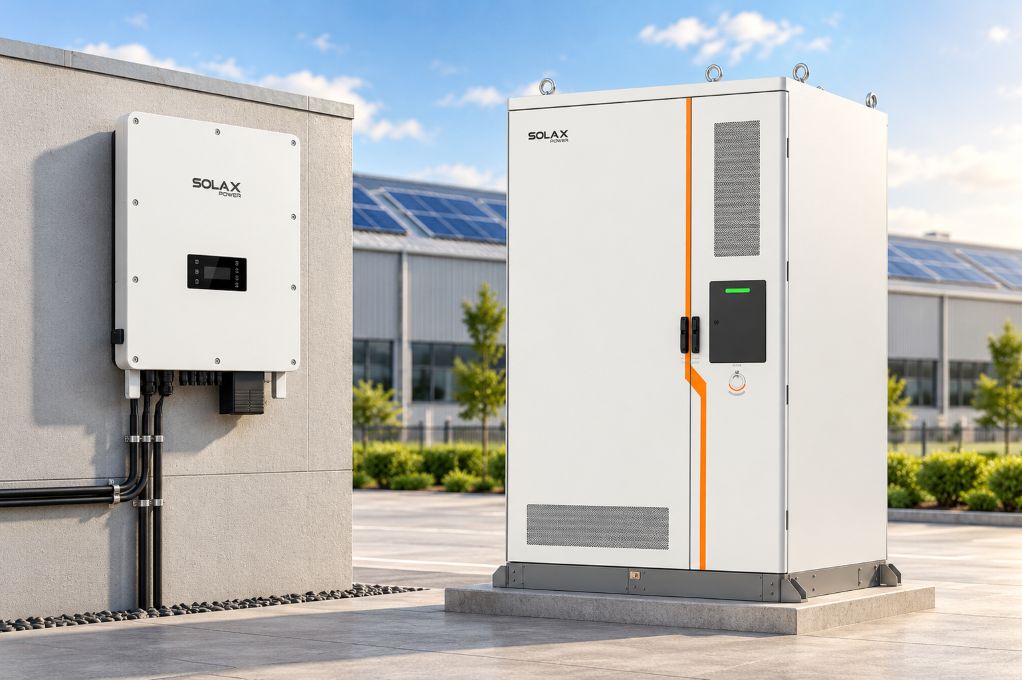
A hybrid inverter is a bi-directional manager. It converts DC power from your panels into AC for your home, but it can also intelligently direct excess DC power to charge a solar battery system. When the sun goes down or the grid fails, it pulls power from the battery to keep your lights on.
Pros & Cons
Battery Ready: Even if you can't afford a battery today, installing a "battery-ready inverter" now makes adding storage later purely "plug-and-play," saving you thousands in future upgrade costs.
Energy Independence: Allows you to store cheap solar power to use during expensive evening peak hours (Time-of-Use arbitrage).
The Downside: They are more expensive upfront than standard string inverters and currently have fewer model options compared to mature string technology.
Best For
Homeowners planning to install energy storage (batteries) now or in the next few years.
People living in areas with frequent power outages need reliable backup power.
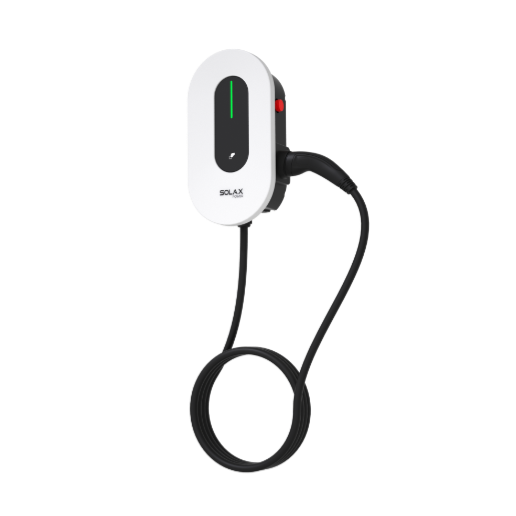
EV owners who want to charge their cars using stored solar energy at night.
How to Choose the Right Solar Inverter? (Buying Guide)
Choosing the best inverter isn't about finding the "best" technology on paper; it's about finding the right match for your specific home and energy goals. Here is a simple decision framework to help you choose:
Scenario 1: If you have a shaded or complex roof
Choose Microinverters (or Power Optimizers)
The Situation: Your roof faces multiple directions (East/West), or you have trees, chimneys, and dormers that cast shadows during the day.
Why: With a standard inverter, a little bit of shade can disproportionately drop the output of the whole system.
Scenario 2: If you are on a strict budget
Choose a String Inverter
The Situation: You have a simple, south-facing roof with zero shading issues, and you want the fastest Return on Investment (ROI).
Why: String inverters are the most cost-effective option. Since the technology is mature and centralized, the upfront equipment cost is significantly lower. For a simple roof with full sun, a string inverter can perform just as efficiently as more expensive options.
Scenario 3: If you want to add a battery later
Choose a Hybrid Inverter
The Situation: You can't afford a battery storage system today, but you plan to add one in the next 1-3 years for backup power or to store excess energy.
Why: Installing a standard inverter now and trying to add a battery later is complicated and expensive (requiring an additional AC-coupled inverter).
FAQ
Table of Contents
Latest News
Explore expert insights, practical guides, and the latest news on SolaX Power.


To the Latest Newsletter
Stay Ahead with the Latest SolaX Updates!
Subscribe
I have read and agree to Privacy Policy and User Terms