












February 04, 2026
Depth of Discharge (DoD) Explained: Extend Battery Life
Share my #SolaXStory


Did you know that improper management of Depth of Discharge (DoD) can reduce your battery's lifespan by nearly 50%? While traditional batteries often risk failure beyond half capacity, modern lithium systems can achieve over 6,000 cycles when optimized correctly.
This guide explains the essential formulas and best practices to help you secure 10+ years of reliable performance from your energy storage.
What is Depth of Discharge (DoD)?
Depth of Discharge (DoD) refers to the percentage of a battery's total capacity that has already been used (discharged). It tells you how much energy has been consumed from the battery, and it is the opposite of State of Charge (SoC).
DoD and SoC always add up to 100%: DoD (%) = 100% − SoC (%) .
How to Calculate DoD of Battery?
The depth of discharge formula is very simple:
DoD (%) = (Energy discharged ÷ Total battery capacity) × 100
For example: A battery has a total capacity of 10 kWh. You have already used 3 kWh of energy.
DoD = (3 kWh ÷ 10 kWh) × 100 = 30%
SoC = 100% − 30% = 70%
Why DoD Matters for Battery Life?
The higher the Depth of Discharge (the deeper you regularly discharge the battery), the shorter the battery's overall lifespan becomes. This is especially true for lead-acid batteries, but even lithium batteries experience more wear at very high DoD.
That's why manufacturers specify a Maximum Recommended DoD (sometimes called usable DoD or warranted DoD). This is the deepest discharge level at which the battery can still achieve its rated cycle life without excessive degradation.
For example: A 10 kWh battery with a maximum DoD of 80% means you should only use 8 kWh before recharging to maximize longevity.
Usable capacity = 10 kWh × 80% = 8 kWh
Many modern lithium-ion (LiFePO4 and NMC, etc.) batteries now support 100% DoD on a regular basis with minimal impact on lifespan, allowing you to use the full rated capacity every cycle.
Depth of Discharge and Cycle Life
Understanding the relationship between Depth of Discharge (DoD) and Cycle Life is crucial for calculating the long-term economics of a battery system. Generally, there is an inverse relationship: as the depth of discharge increases, the total number of cycles the battery can perform decreases.
Every battery has a finite number of chemical reactions it can undergo. Deep discharges (e.g., 80%–100% DoD) place significant mechanical and chemical stress on the internal electrodes. Consequently, a battery discharged deeply every day will fail much sooner than one discharged shallowly (e.g., 30% DoD).
Four Factors Affecting Optimal DoD of Battery
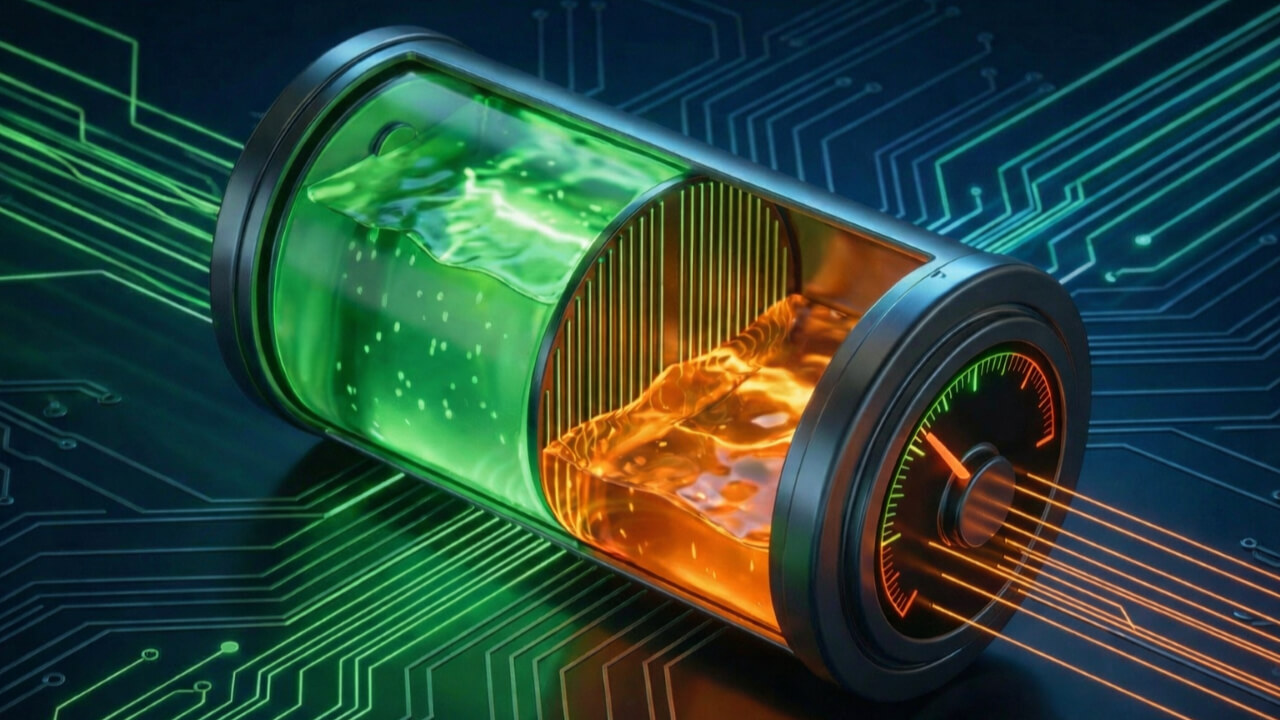
Determining the ideal DoD isn't a one-size-fits-all calculation. Several variables influence how deeply a battery should be discharged to maximize its performance and lifespan. Here are the primary factors:
Battery Chemistry
This is the most significant factor.
Lead-acid batteries (including AGM and Gel) typically have a recommended maximum DoD of 50% to prevent irreversible damage.
In contrast, Lithium-ion batteries (such as LiFePO4) are more resilient and often support an optimal DoD of 80% to 100%.
Desired Cycle Life
There is a direct correlation between DoD and longevity. Shallow discharges (lower DoD) generally result in a higher number of total cycle life.
Users prioritizing maximum lifespan over daily capacity may choose to limit their DoD (e.g., capping it at 80% instead of 100%).
Operating Temperature
Extreme temperatures affect battery efficiency. High heat accelerates degradation at high DoD levels, while freezing temperatures increase internal resistance.
Maintaining the battery within a moderate temperature range (typically 20°C–25°C) allows for a safer, deeper discharge.
Discharge Rate (C-Rate)
Drawing power rapidly (a high C-rate) causes "voltage sag," which can trick the battery management system (BMS) into thinking the battery has reached its maximum DoD prematurely.
Slower discharge rates usually allow for a more accurate and deeper utilization of capacity.
Best Practices for Managing DoD of Battery
To maximize the ROI for your energy storage system, managing the Depth of Discharge is critical. Following these best practices will help prevent premature degradation and ensure the battery reaches its expected cycle life.
Never Use Nominal Capacity as Usable Capacity
Always set your battery usable capacity to the manufacturer's warranted DoD (usually 80–95% for top-tier LiFePO4).
Example: 10 kWh LiFePO4 with 90% warranted DoD → Set system to 9 kWh usable.
Adopt the 80/20 Rule for Maximum Lifespan
For users who want 10+ years or 6000+ cycles:
Charge to 80% SoC daily
Discharge to 20% SoC (i.e., 80% DoD maximum)
This single rule alone can double the calendar life of most lithium batteries.
Use the 100/10 Rule for Maximum Daily Capacity
If you need every kWh every day (off-grid or high-usage homes):
Charge to 100%
Discharge to 10% SoC (90% DoD)
Still perfectly safe with Tier-1 LiFePO4 cells.
Avoid Regular 100% → 0% Cycles
Full 100% DoD cycles are acceptable occasionally (power outages, emergencies), but not daily.
Treat 0% SoC as an emergency reserve, not normal operation.
Temperature-Compensated DoD (Smart BMS/EMS)
Modern systems support automatic DoD adjustment:
35°C → Auto reduce max DoD by 10–20%
< 5°C → Slightly reduce top-end charge voltage instead
Finish at Least One Full Cycle Every 30–90 Days
For batteries with active balancers, perform a full 100% → 20% cycle once a month to allow proper cell balancing.
Set Two Different DoD Limits
Daily DoD (e.g., 80%) → Normal operation
Emergency/Backup DoD (e.g., 95–100%) → Only activated during grid failure
Most premium inverters support this dual-mode setting.
Monitor Actual Cycle-Equivalent DoD
Some BMS show cumulative Ah discharged.
Real optimal long-term DoD = Total Ah discharged ÷ (Nominal Ah × Actual cycles achieved)
Target: ≤ 80% average lifetime DoD for ultra-long life.
Golden Rules Summary of DoD of Battery
Goal | Recommended Daily DoD | Expected Calendar Life | Best For |
Maximum possible lifespan | 60–80% | 12–20 years | Grid-tied with net metering |
Best balance (most popular) | 85–90% | 10–15 years | Typical solar home |
Maximum daily energy | 95–100% | 7–12 years | Off-grid / heavy daily use |
Follow these practices and you will easily get 5000–8000 real-world cycles from any Tier-1 LiFePO4 battery.
DoD Specs of Popular SolaX Battery Models
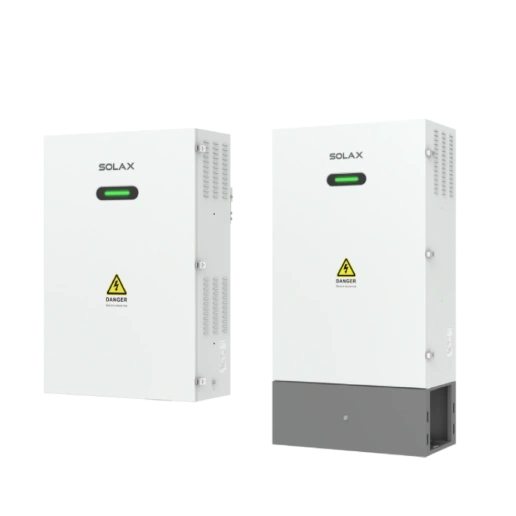
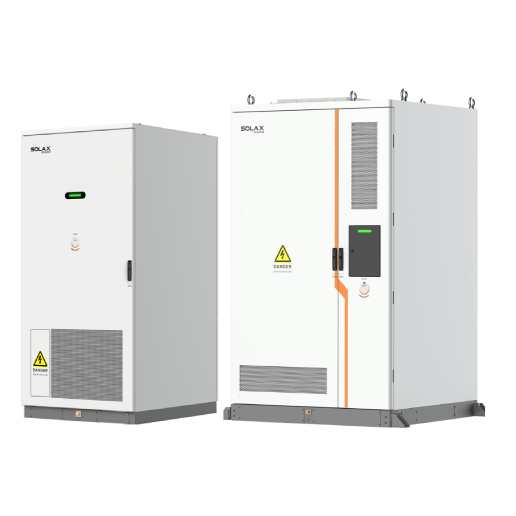
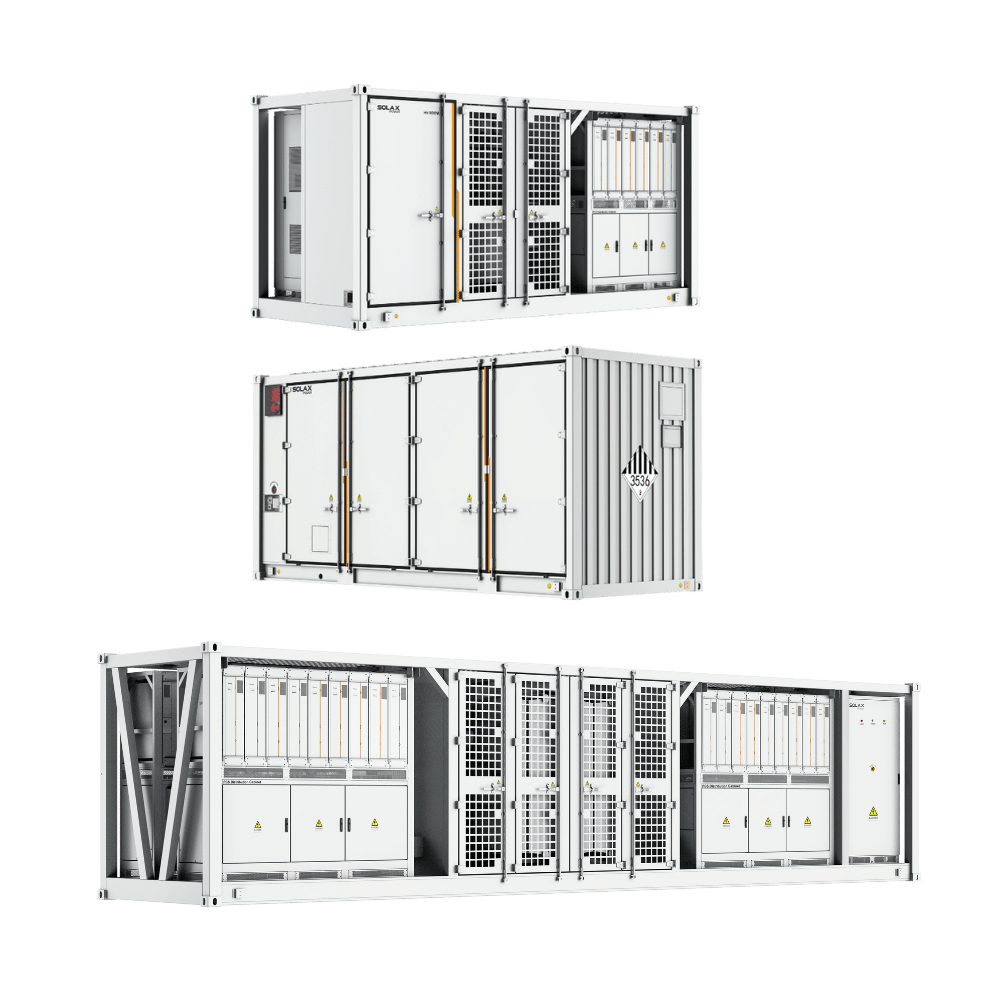
SolaX has been a pioneer in the energy storage industry for more than 10 years, delivering cutting-edge solutions for every scenario. Whether for residential homes, commercial and industrial (C&I) applications, or large-scale containerized storage, our technology ensures maximum efficiency.
To help you evaluate the performance of our systems, we have compiled the following battery depth of discharge chart for some of our most popular models.
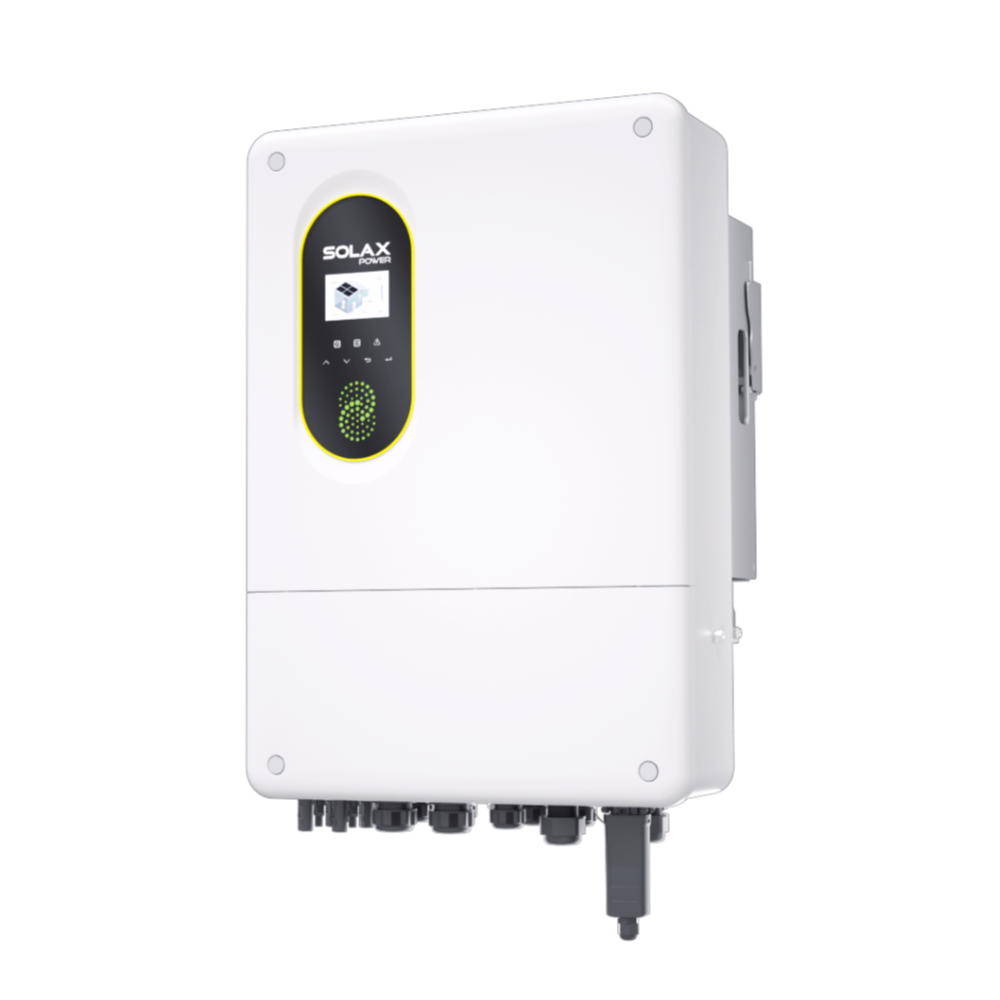
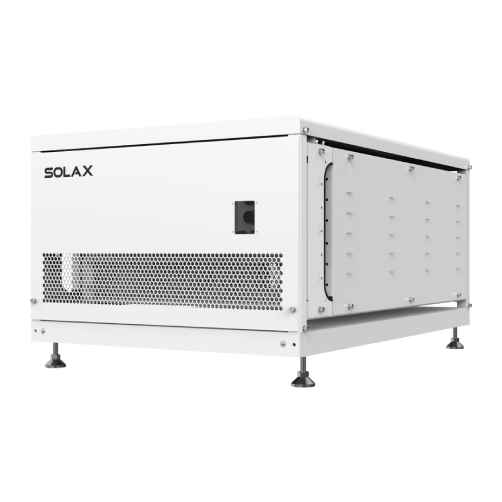
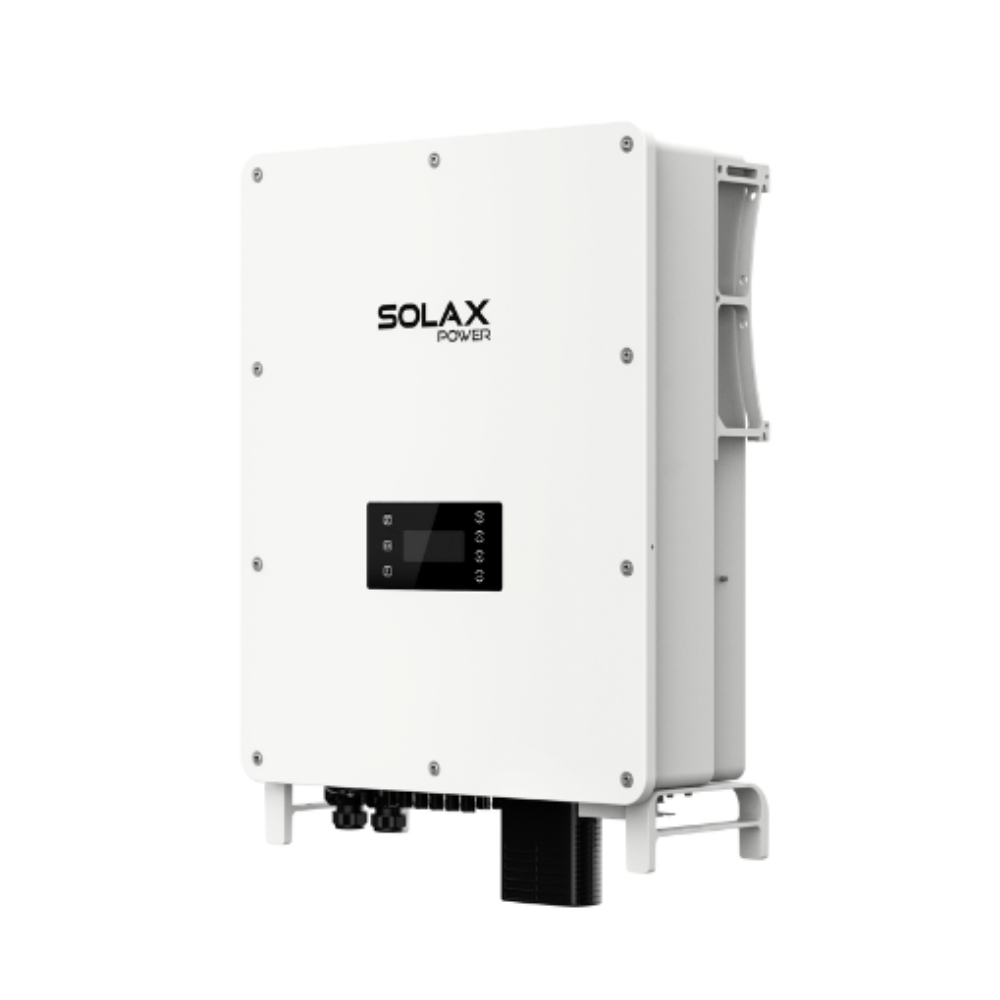
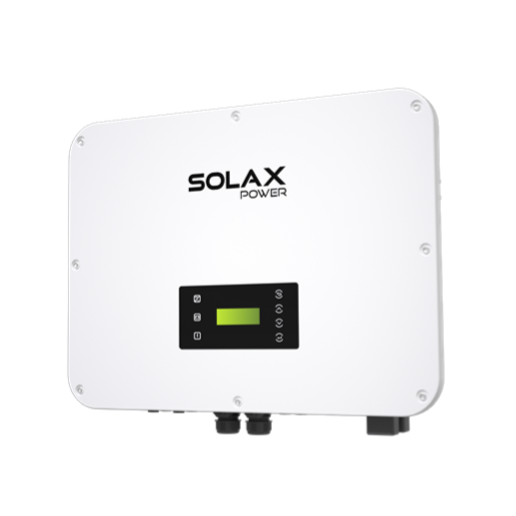
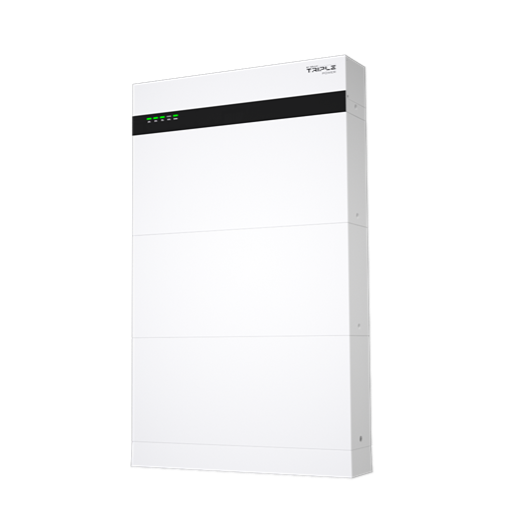
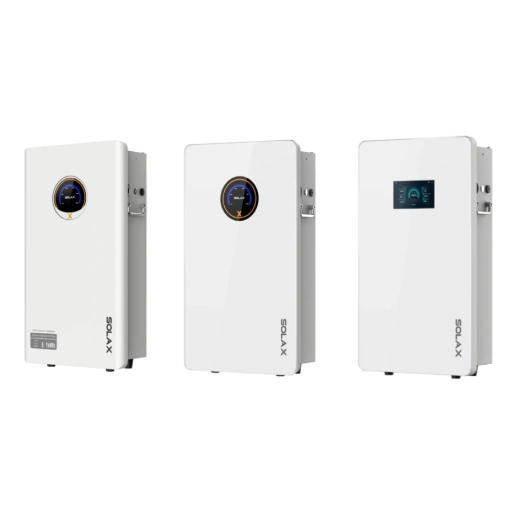
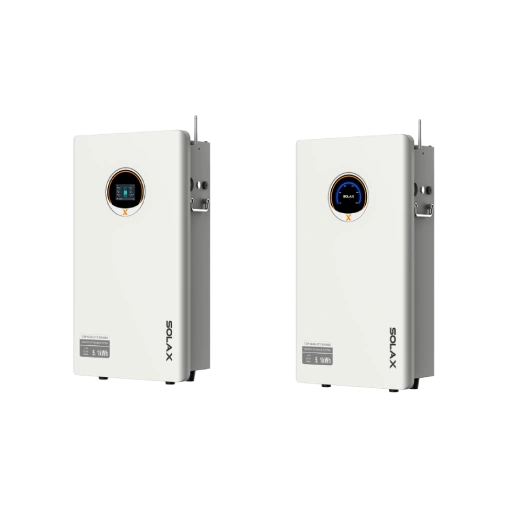
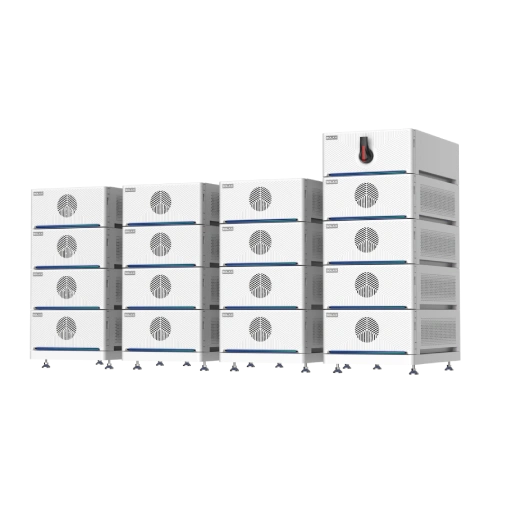
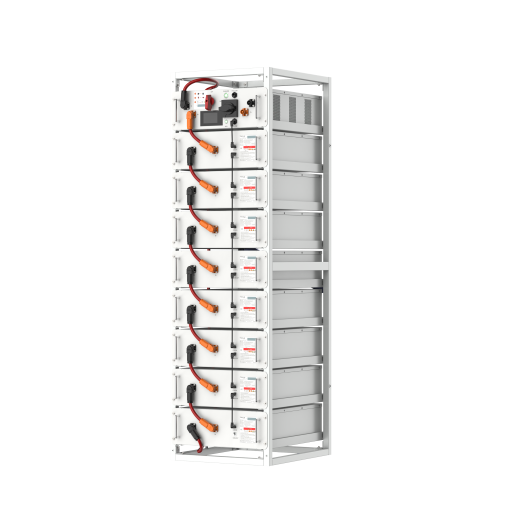
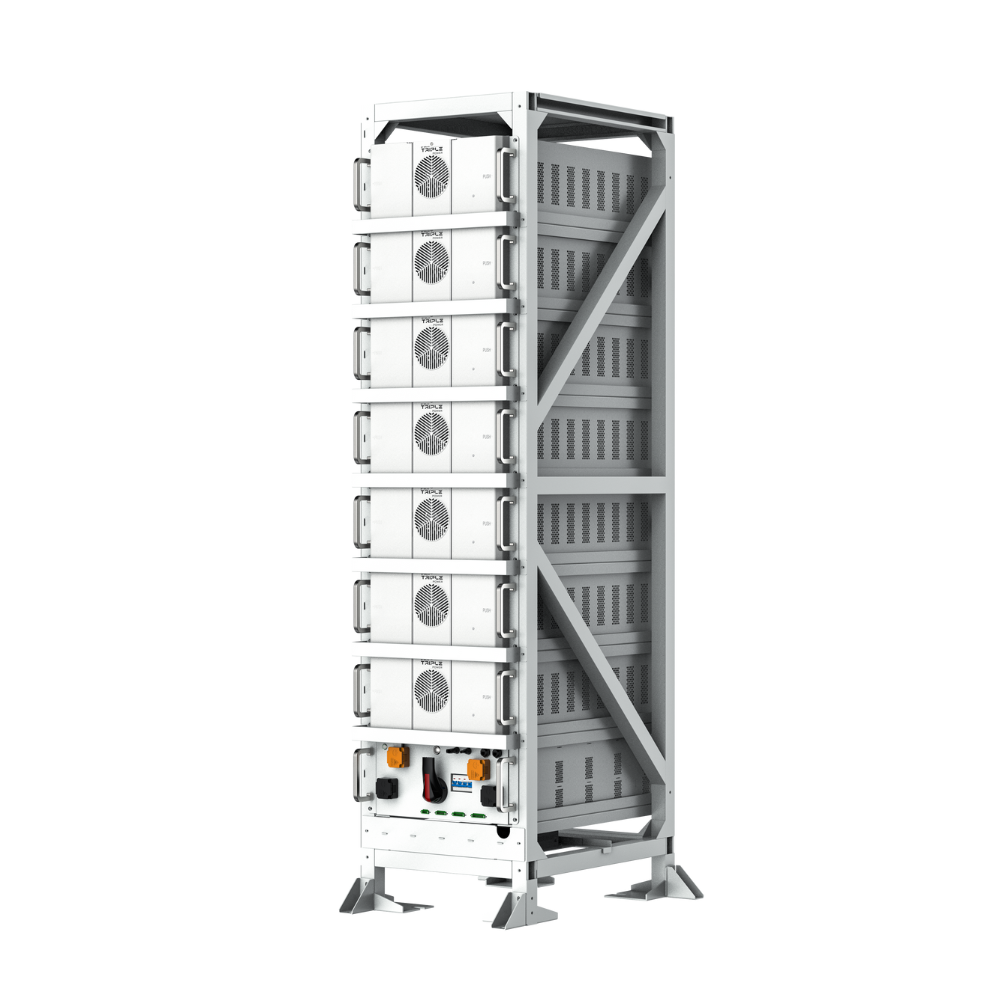
Usage | Battery Model | Nominal Capacity | DoD | Usable Energy | Usable Energy | Technology | Cycle Life |
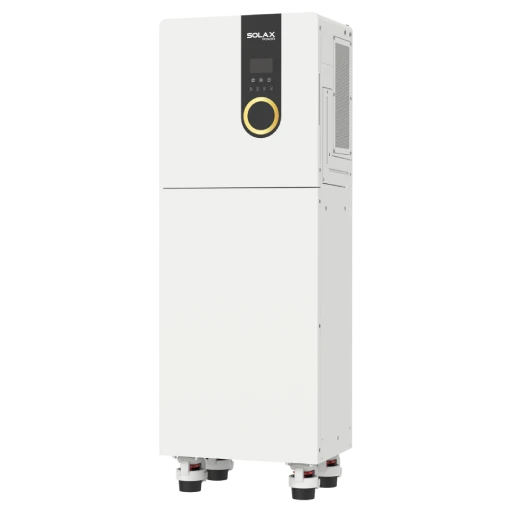
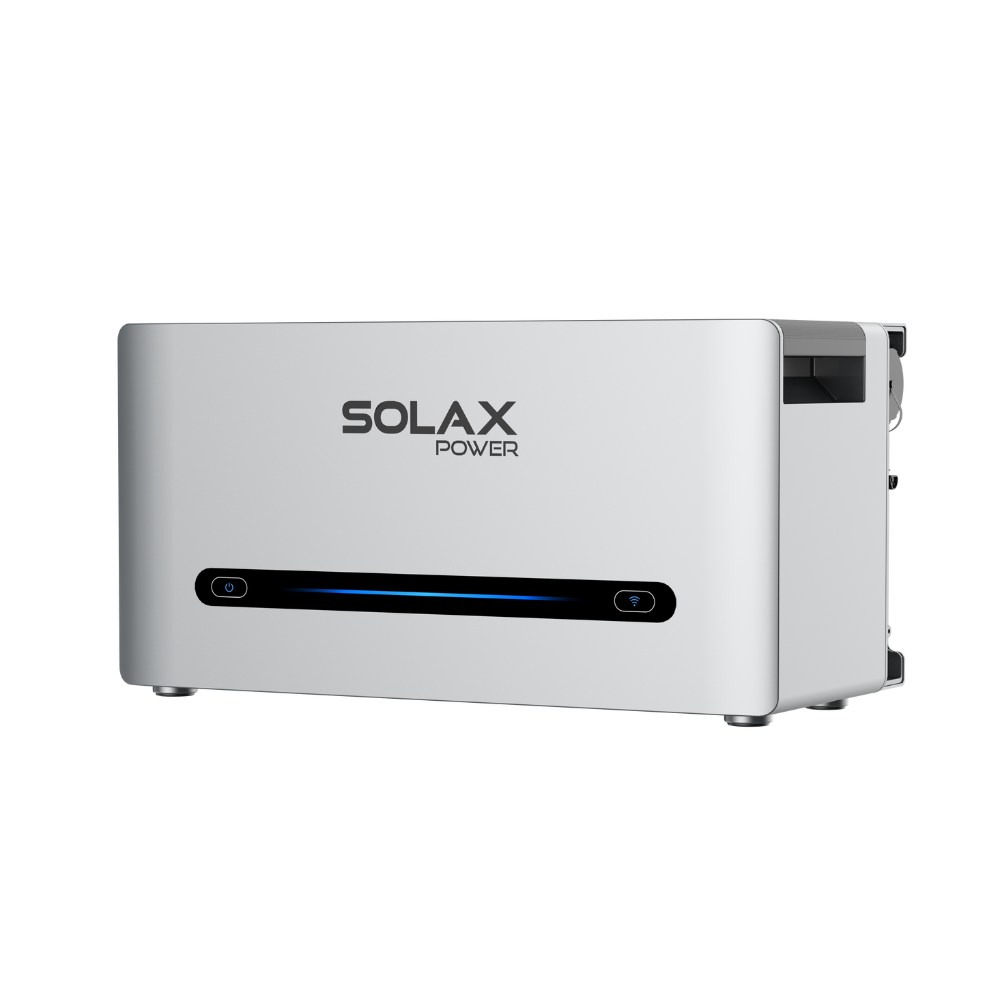
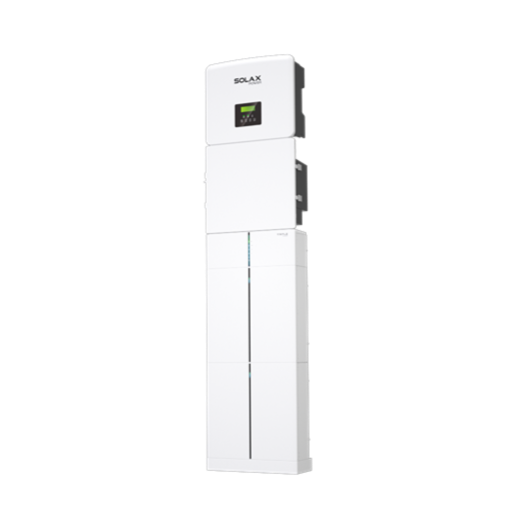
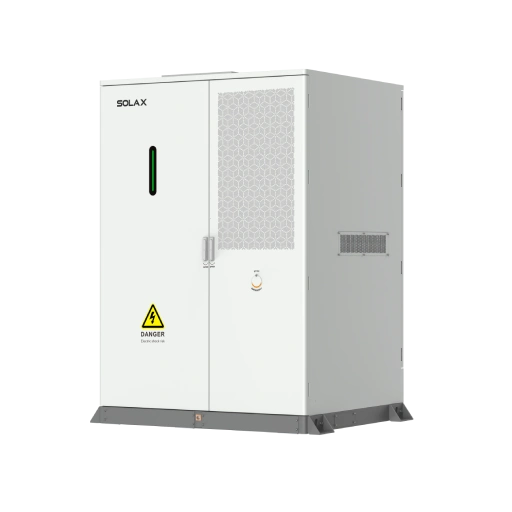
Residential | 5.8 kWh | 90% | 5.2 kWh | 5.2 kWh | LiFePO4 (LFP) | >6,000 | |
Residential | 3.0 kWh | 90% | 2.7 kWh | 2.7 kWh | LiFePO4 (LFP) | >6,000 | |
C&I | 76.8 kWh | 90% | 69.1 kWh | 69.1 kWh | LiFePO4 (LFP) | >6,000 | |
C&I | 143 kWh | 90% | 128.7 kWh | 128.7 kWh | LiFePO4 (LFP) | >6,000 |
FAQ
Table of Contents
Latest News
Explore expert insights, practical guides, and the latest news on SolaX Power.


To the Latest Newsletter
Stay Ahead with the Latest SolaX Updates!
Subscribe
I have read and agree to Privacy Policy and User Terms