












March 10, 2026
Is This Europe's Best Home Battery Combo? X3-Hybrid G4 Pro + HS36
Share my #SolaXStory


Home energy in Europe is changing quickly. Solar is already common in many countries, but the "typical" home is not typical anymore. More households are adding ev chargers. heat pumps are becoming mainstream. Electricity prices can change by 15 minutes. And customers want a system that feels simple, not a science project.
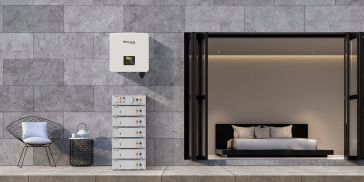
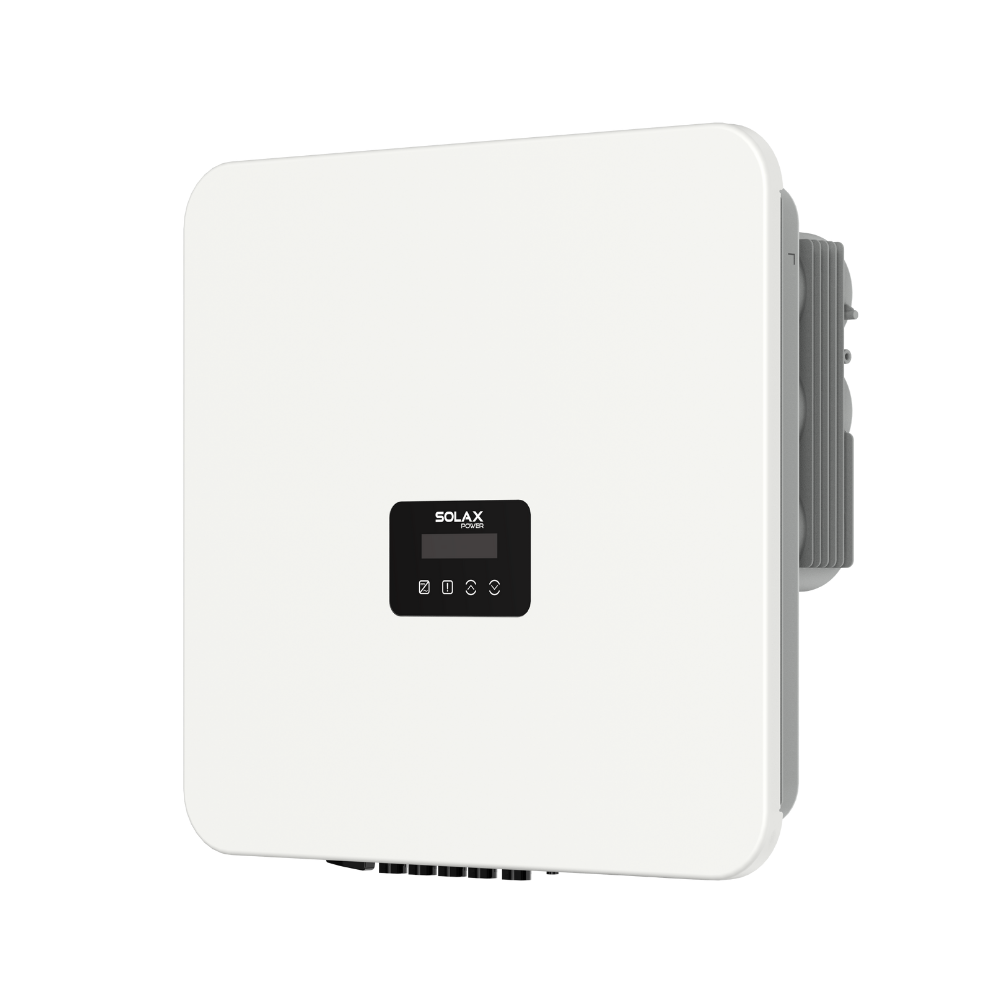
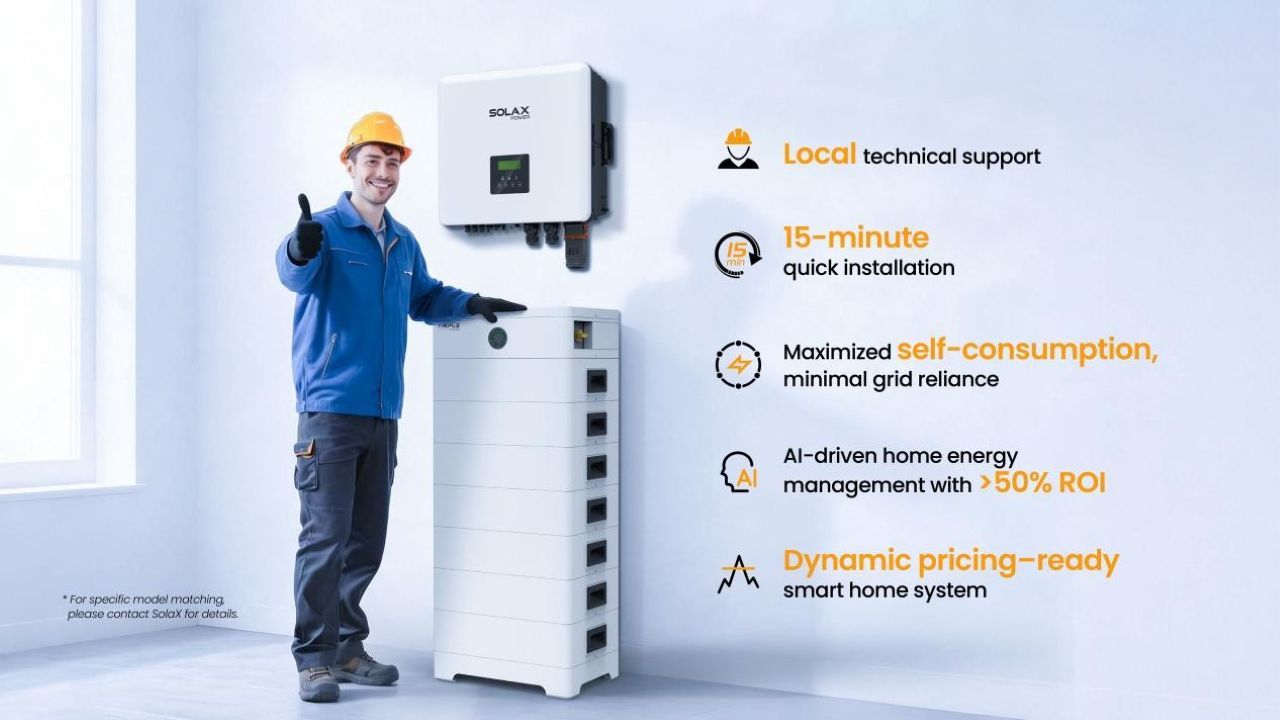
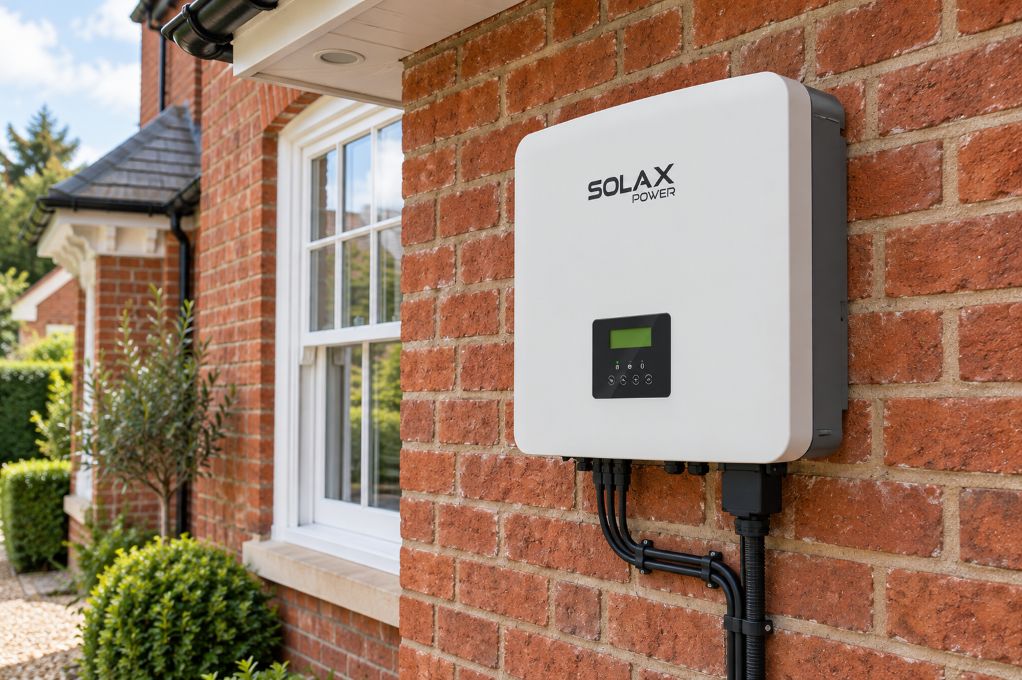
SolaX X3-Hybrid G4 Pro + HS36 is designed for residential projects across Germany and most European markets. It combines fast response and local technical support, a modular design that targets solar installation in around 15 minutes, and higher self-consumption to improve household grid independence. With AI-assisted energy management and dynamic tariff integration, it supports smarter whole-home energy use and strong return potential in suitable scenarios—built for modern European homes with EV chargers, heat pumps, and changing electricity prices.
This blog explains what the bundle is, where it fits, and how to talk about it in a way that makes sense for real projects.
What is X3-HYB G4 Pro + HS36?
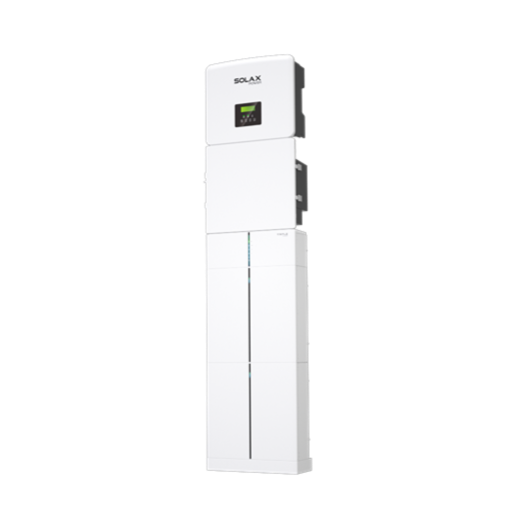
In simple terms, it is a complete solar energy storage system for modern homes:
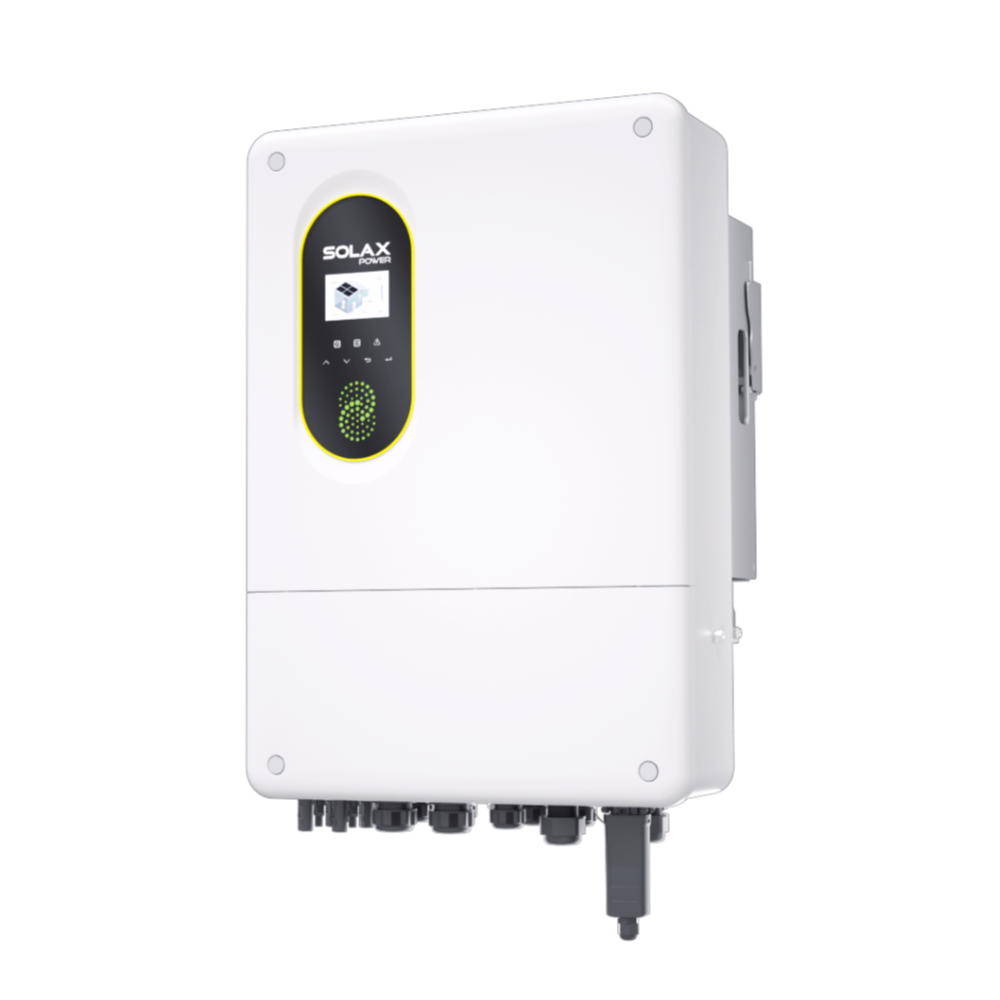
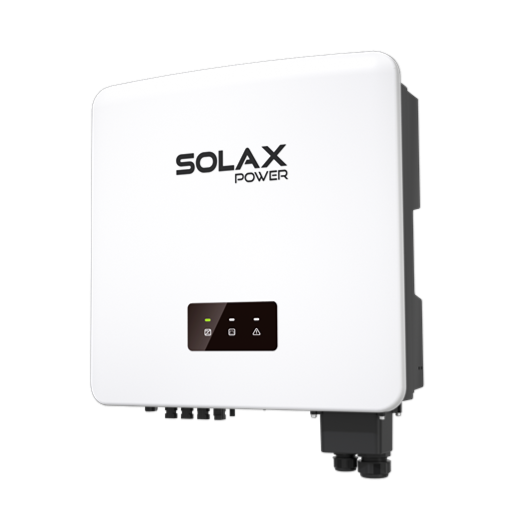
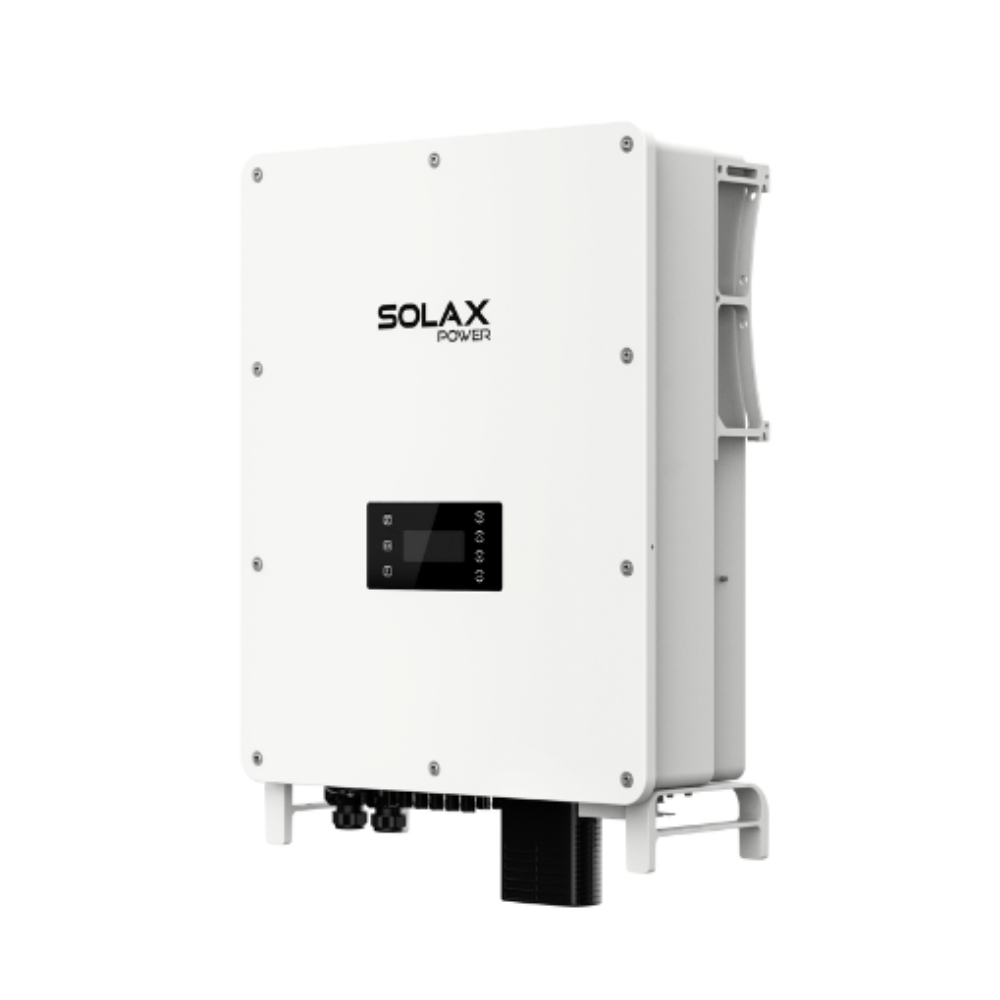
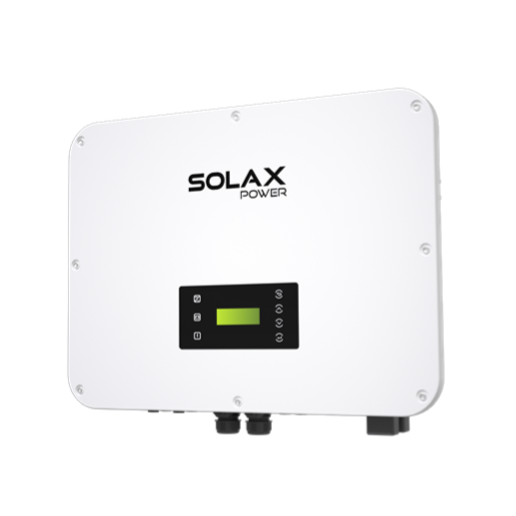
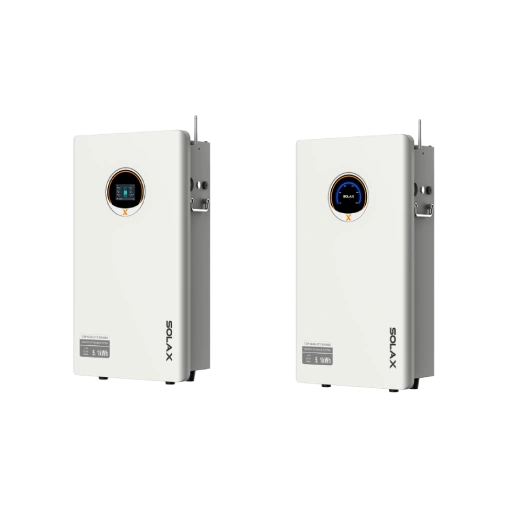
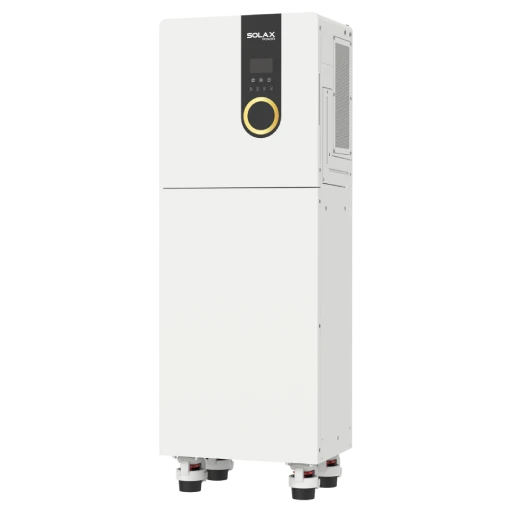
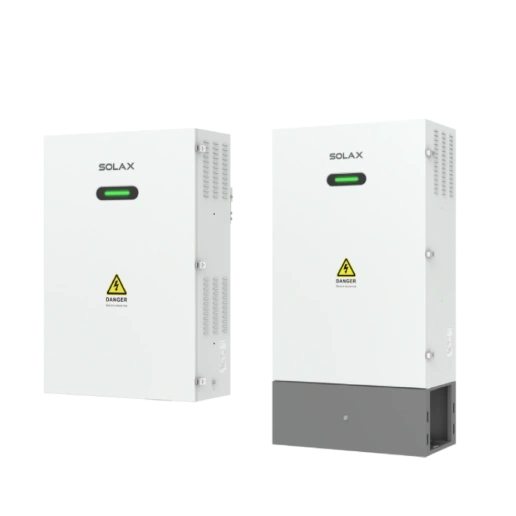
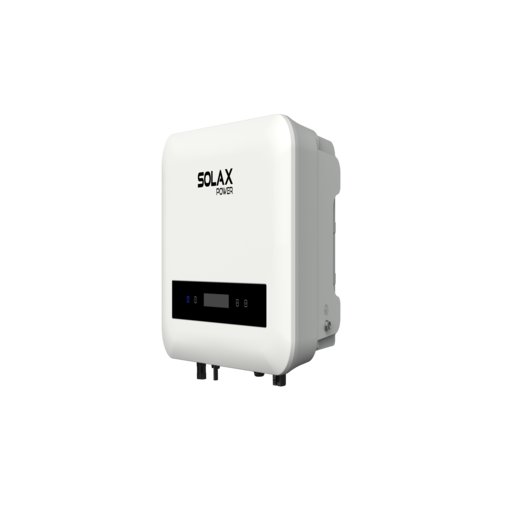
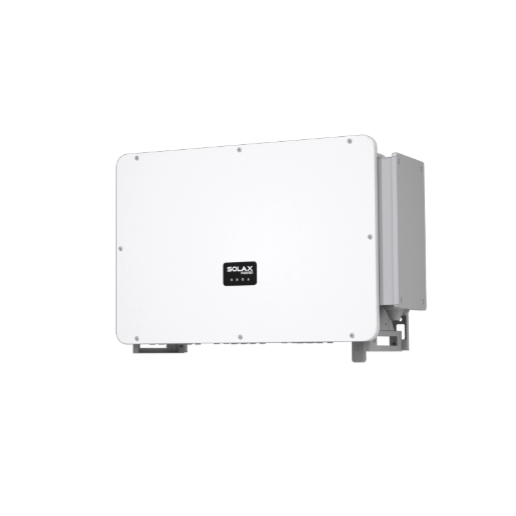
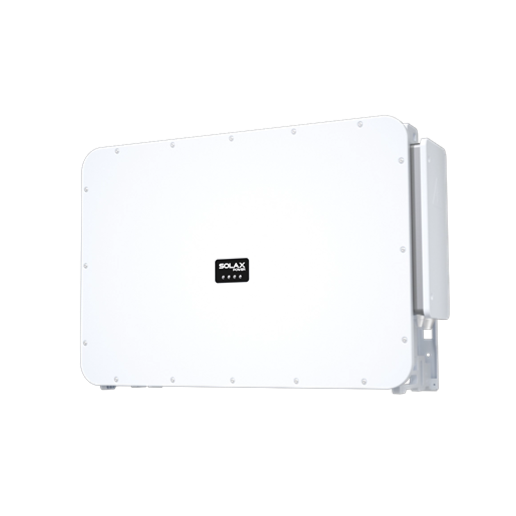
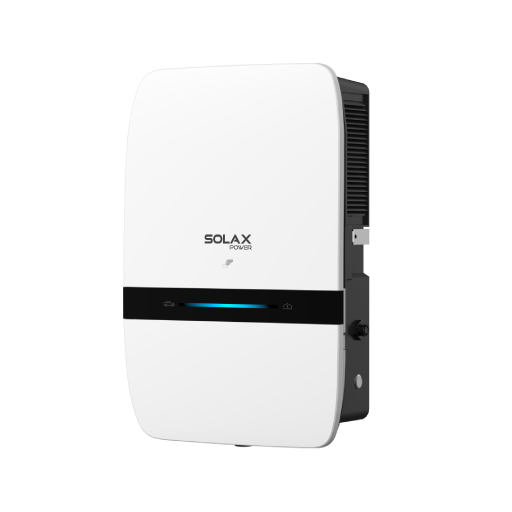
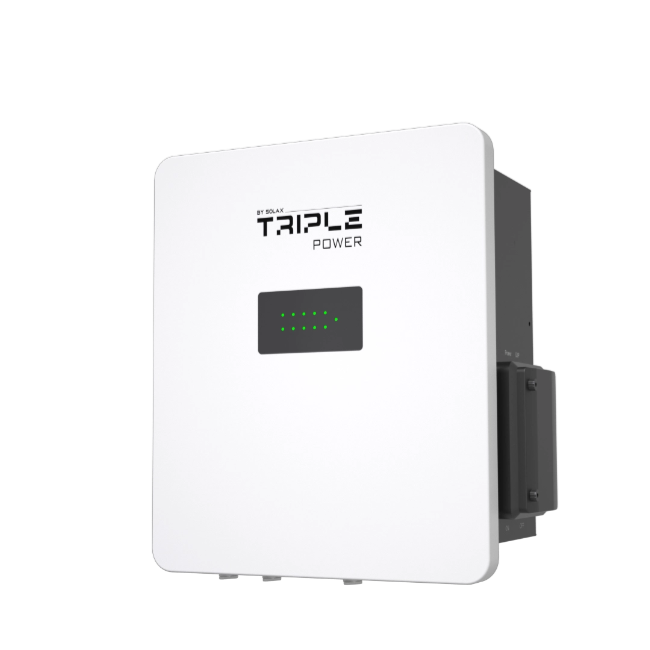
X3-Hybrid G4 Pro: SolaX three-phase hybrid inverter for residential PV and storage systems
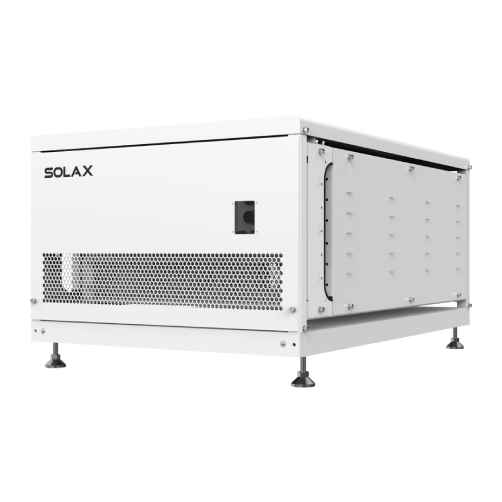
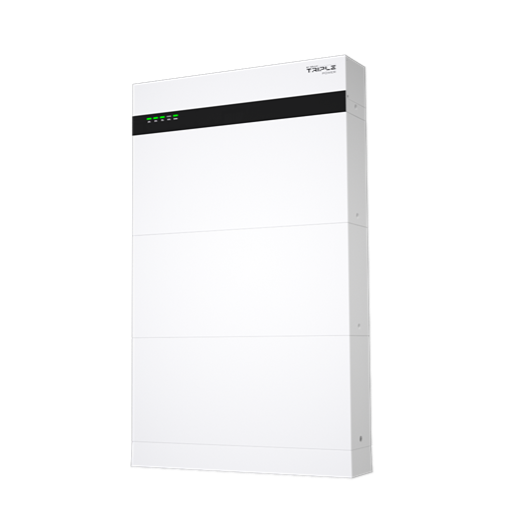
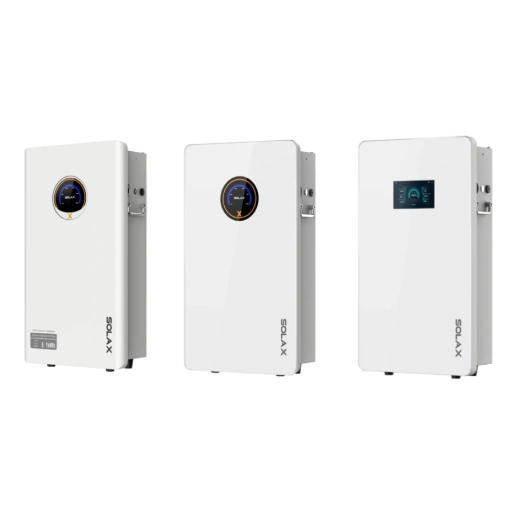
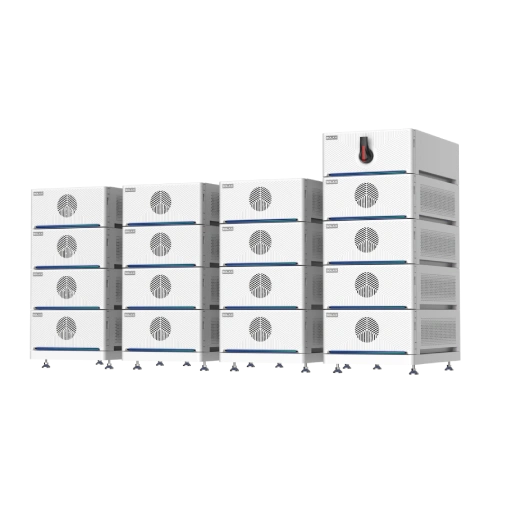
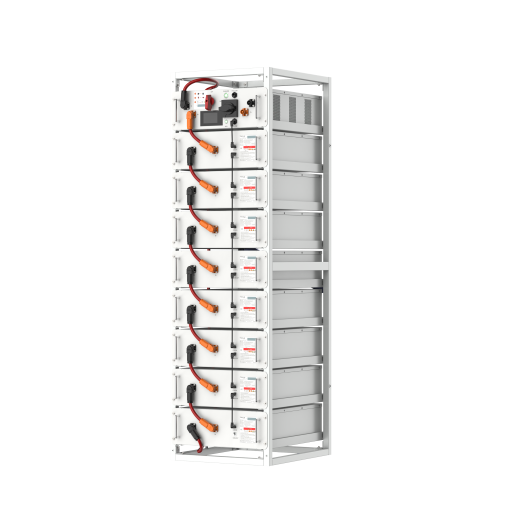
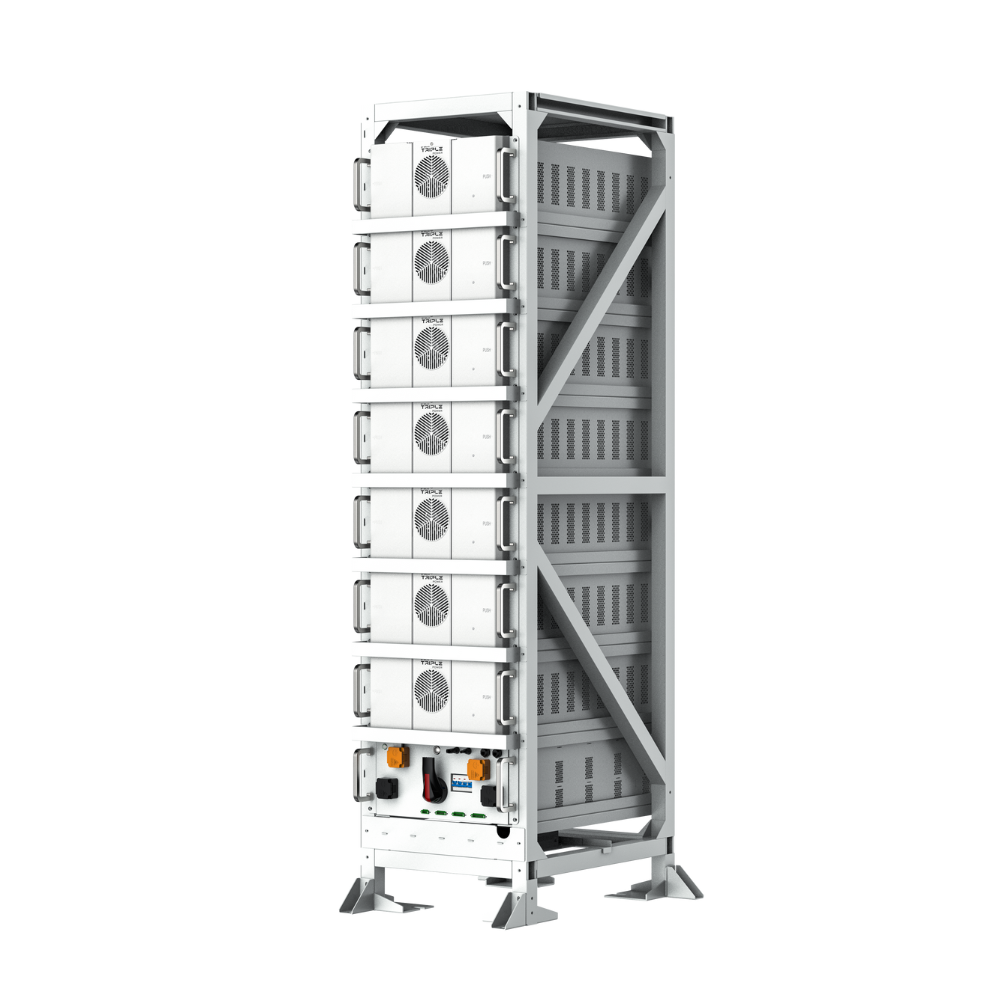
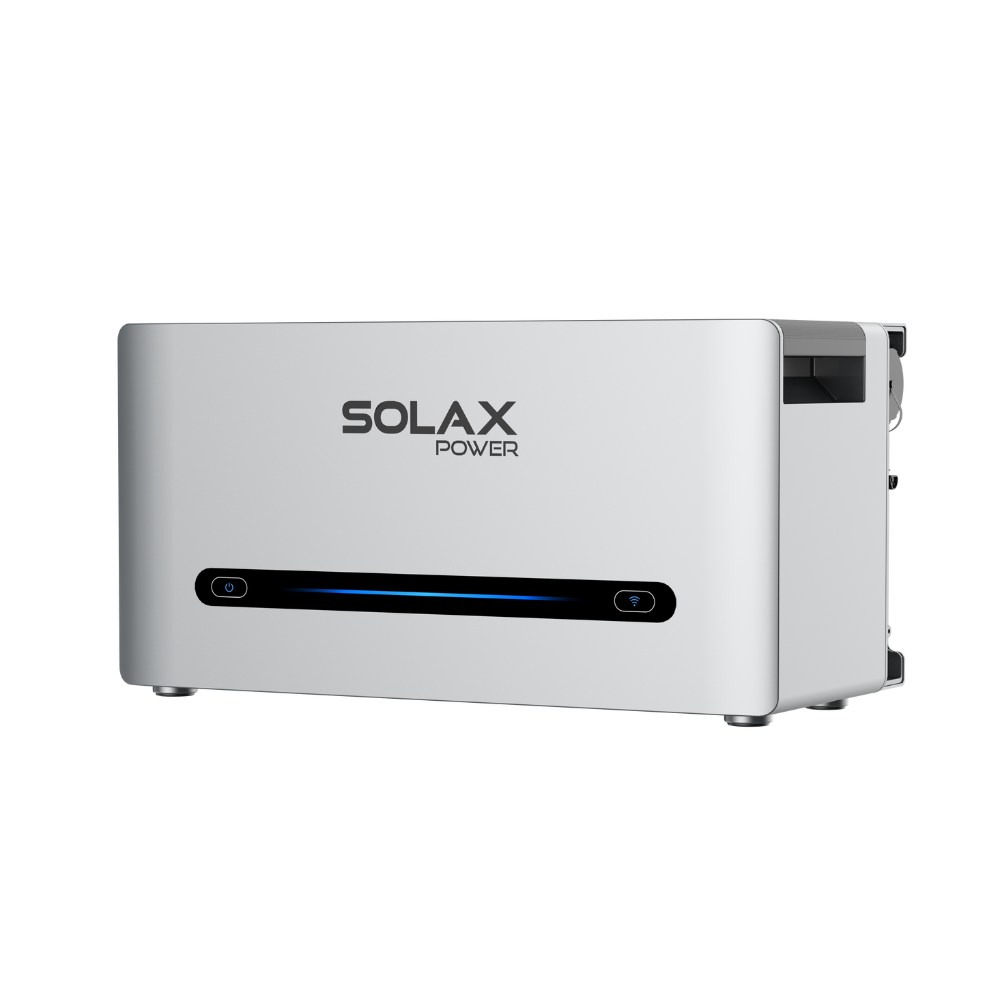
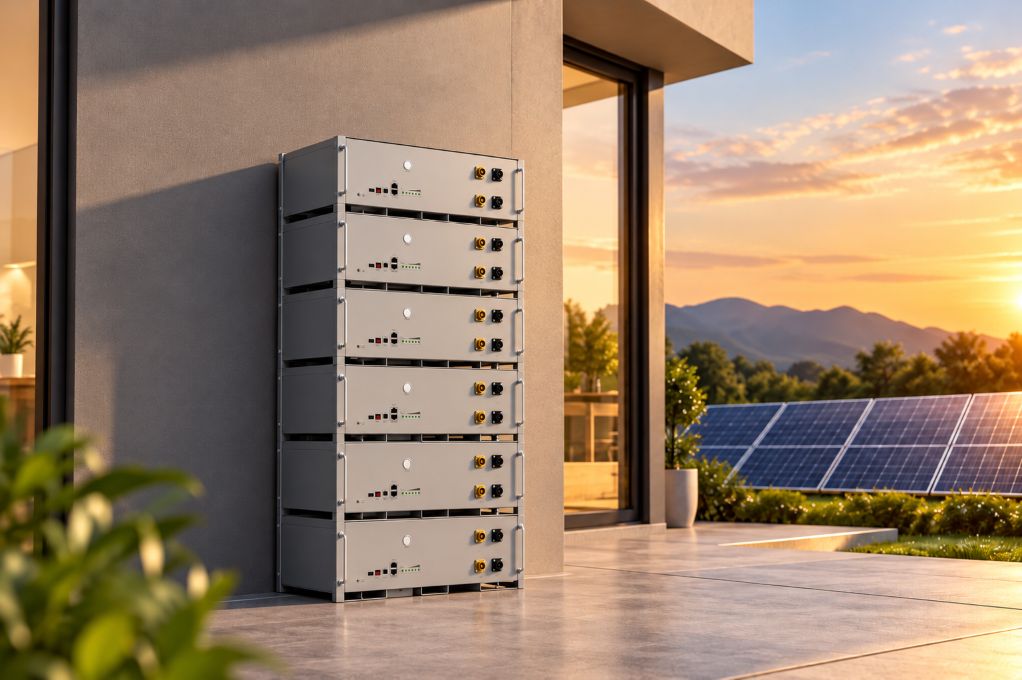
HS36: the battery side of the system, for storing solar energy and using it later
Together, they help a home capture more solar energy during the day and use it when it matters most—morning and evening—while also supporting smarter energy use as tariffs and household loads evolve.
For many projects, the most important thing is not the "spec sheet". It is whether the system is easy to install, easy to commission, and stable once it is running. That is what this bundle is designed around.
Why this matters now in Europe
Across Europe, the same pressures keep showing up:
More electrification at home (EVs, heat pumps, induction cooking, higher general load)
More demand for self-consumption (people want to use their own solar, not export it)
More dynamic pricing (hourly pricing and new utility programs)
Less patience for complexity (homeowners want results; installers want repeatable projects)
A good residential energy system should first do the basics well—generate solar power reliably, store energy safely, and support normal household loads. But a good system should also be able to adapt: electricity prices change,weather conditions change,household demand changes too. The system should adjust how it stores and uses energy based on these changes. This helps homeowners use more of their own solar power, reduce reliance on the grid, and get better long-term value from their system.
The core value: one system that stays simple
Here is the bundle positioning in one sentence:
SolaX X3-Hybrid G4 Pro + HS36 combines fast response and local technical support, a quick modular installation flow, higher self-consumption for better grid independence, AI-assisted energy optimization with strong return potential, and dynamic tariff integration as a path to whole-home smart energy.
That is the message, but it helps to explain it with a bit of real-world context.
What installers care about
1. Fast response and local technical support
Installers build their reputation project by project. When something goes wrong, they need support that is clear and fast—especially during commissioning or in the first weeks after handover.
That is why support is part of the product story: fast response plus local technical support coverage in key markets. Most issues can be solved remotely, but having local support available when it is needed helps reduce downtime and avoids unnecessary repeat visits.
2. Designed for speed: "15-minute installation" as the direction
Every home is different, and no one should promise the exact same time on every site. But the design target matters: a simple modular structure that reduces steps on site and keeps commissioning straightforward.
When the product is built around speed and repeatability, you get fewer surprises, fewer "special cases", and a smoother handover for the homeowner.
3. Stable performance under modern household loads
Residential projects today often include large loads—EV chargers, heat pumps, and higher whole-home demand. A system must stay stable when loads change, and it must be easy to expand later.
This is why the bundle is positioned not as a one-time PV add-on, but as a home energy platform that fits how European households are evolving.
4. AI-assisted optimization and "50%+ ROI": how to say it in a credible way
With AI-assisted energy management from SolaXCloud's or third parties's HEMS platforms , the system can optimize battery charging and discharging based on household behaviour, tariff conditions and weather conditions changes. Under suitable scenarios—especially where dynamic prices and meaningful price spreads exist—this can support 50%+ investment return potential, while keeping operation simple for the homeowner.
What homeowners care about
1. Higher self-consumption and more independence from the grid
Most homeowners do not want technical explanations. They want the outcome:
use more solar at home
buy less electricity from the grid
feel less exposed to changing prices
A solar battery system does something very simple: it moves solar energy from daytime into the evening and night. That improves self-consumption and reduces grid import, which many customers experience as "more control" over their energy costs.
2. Smart energy without daily manual settings
Dynamic tariffs are growing in Europe, but homeowners do not want to sit with an app every day deciding when to charge a battery.
So the system should do the basic smart behaviour automatically:
charge when electricity is cheaper or when PV is strong
use stored energy when electricity is expensive
keep behaviour predictable (no confusing surprises)
This is where "smart" becomes real value: less effort, better results.
Solutions: how SolaX X3-Hybrid G4 Pro + HS36 fits common residential projects
Most European households don't upgrade everything at once. They usually start with the solar energy system, add a BESS battery later, and only then bring in new loads like EV chargers or a heat pump. In some cases, they'll also add a diesel generator for backup.
So instead of selling this as one big bundle, we've laid it out as a few practical energy solutions. You can start with what you need now and add the rest when you're ready.
1). PV + ESS (self-consumption), with parallel expansion for larger solar energy systems
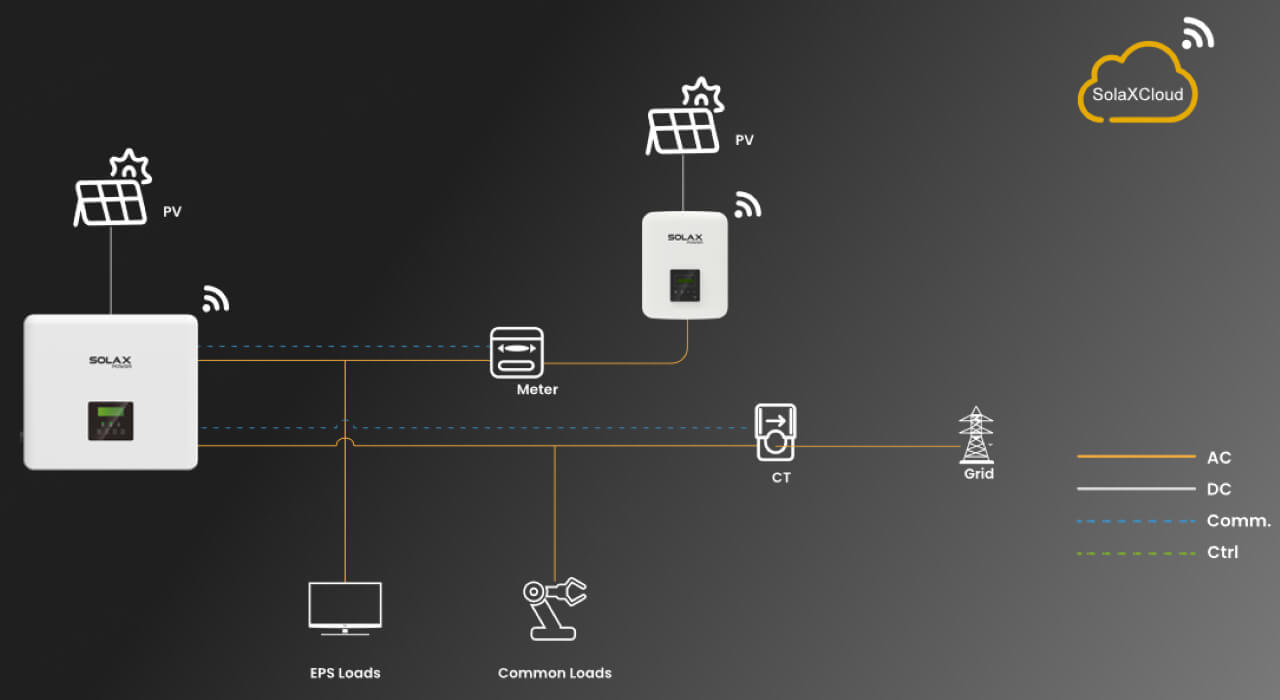
This is the most common starting point: PV powers the home first, excess PV charges the battery, and the triple battery supplies the home when PV is low—especially in the evening and at night. The result is higher self-consumption, lower grid import, and stronger day-to-day energy independence.
For larger homes or higher demand, this solution can also support parallel operation (multi-unit systems). That means installers can scale the system capacity without changing the basic solar battery storage system logic, which is helpful for households with heavier loads or customers planning future expansion.
2). PV + ESS + Generator
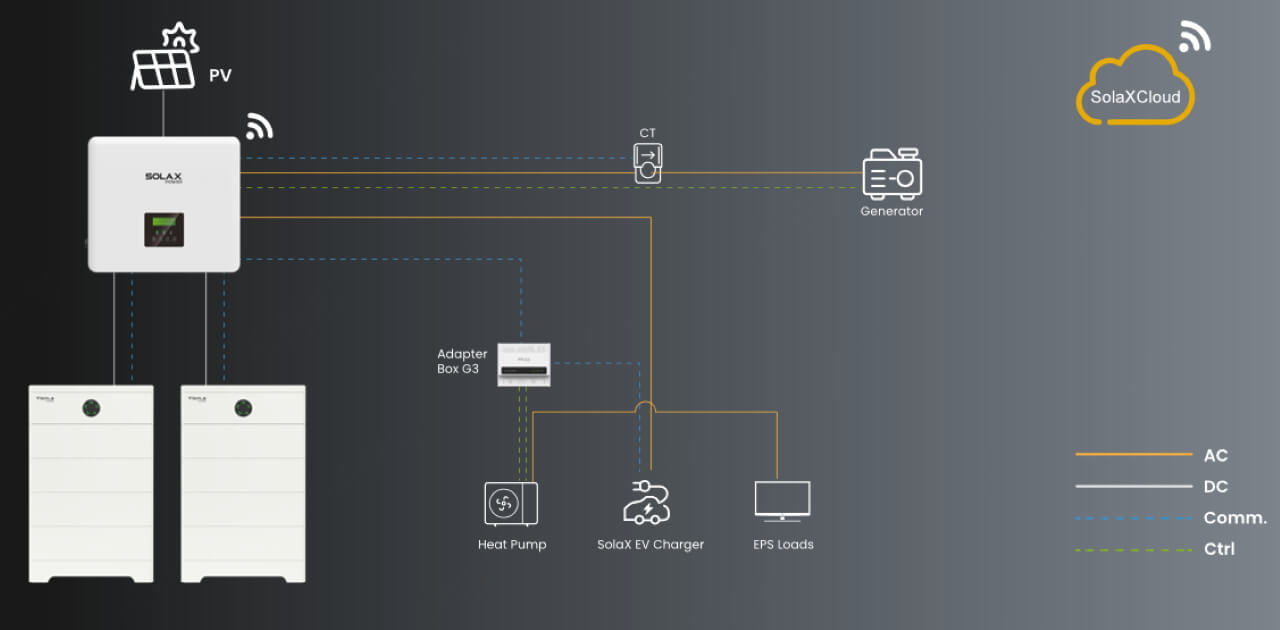
In some residential scenarios, customers want stronger supply continuity or additional backup capability. In this setup, the system operates without grid participation.This configuration adds a generator alongside PV and battery storage, providing an extra energy source when PV is limited and battery energy is not sufficient, or when specific conditions require it.
The key value is resilience: the system can be designed to keep important loads supported and reduce outage risk, based on the site design and local requirements. It is a practical choice for homes where reliability is a top priority.
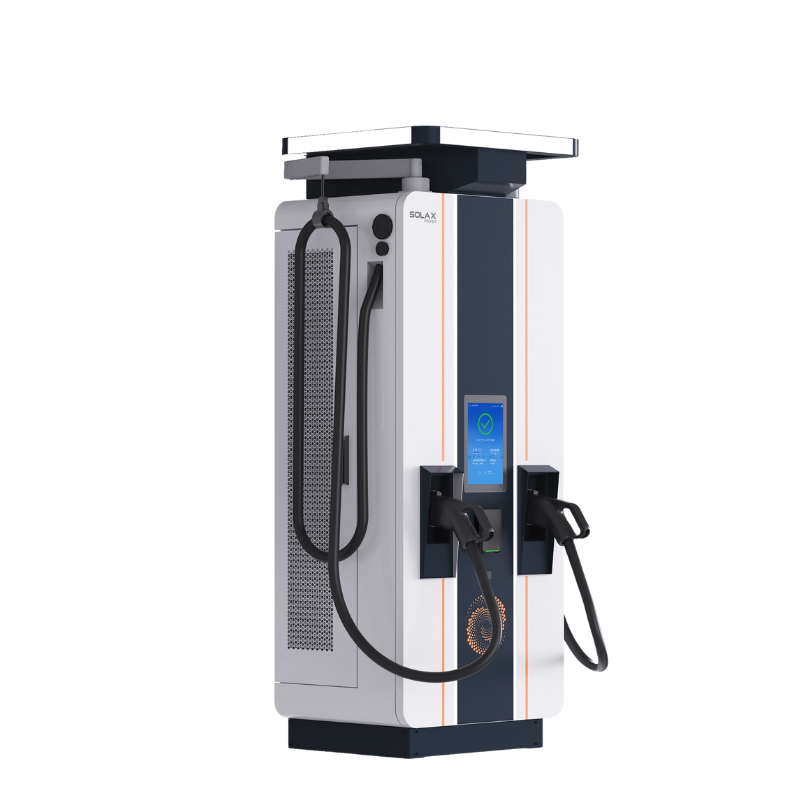
3). PV + ESS + EV Chargers+ Heat pump
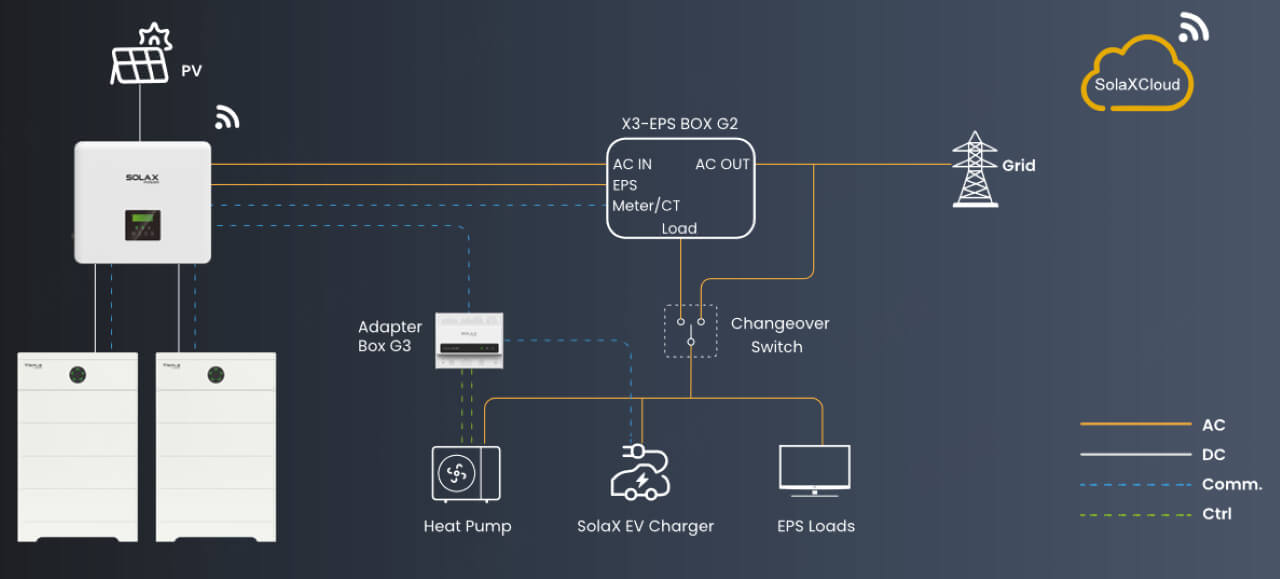
Across Europe, more homes are becoming fully electrified. EV chargers and heat pumps are quickly becoming standard equipment in new or renovated houses. This means household electricity demand is growing and becoming more dynamic during the day.
This solution builds on PV + battery storage and adds smart coordination for EV chargers and heat pump operation.
For many households, the challenge is clear: how to run these larger loads without increasing grid dependence or paying high electricity prices.
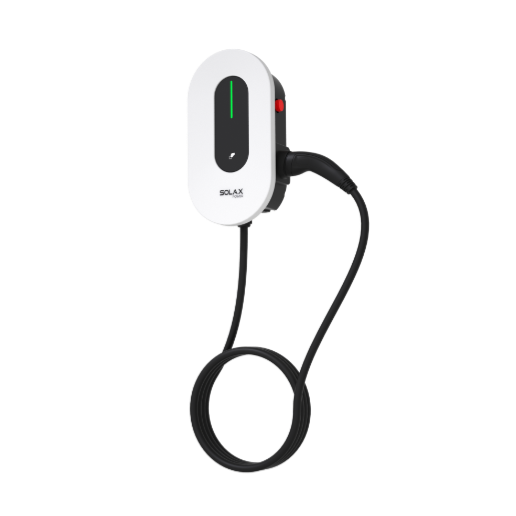
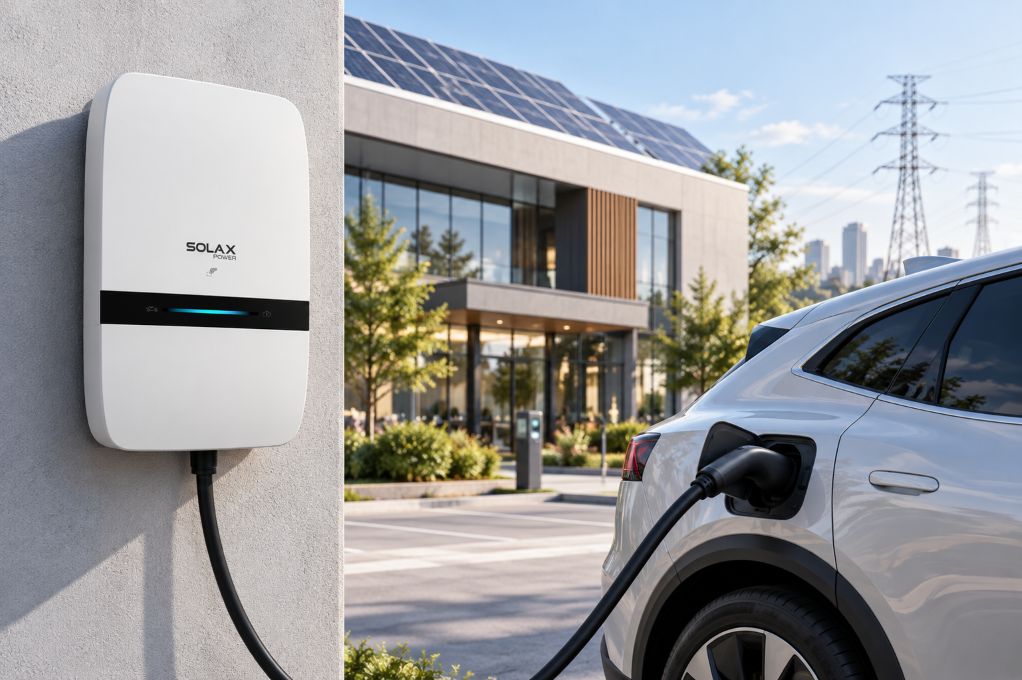
With an integrated system, EV chargers can operate in different modes depending on the situation:
Pure green charging – prioritizing solar energy when PV generation is available
ECO charging – charging during lower electricity tariff periods
Fast charging – delivering higher power when quicker charging is needed
This flexibility allows homeowners to balance cost, speed, and renewable energy use.
Heat pumps can also work more efficiently with solar power. When solar generation is strong, the system can increase heat pump operation to use available PV energy. When solar production drops, heat pump power can be adjusted to avoid unnecessary electricity imports.
For homeowners, this brings clear benefits:
more solar energy used directly at home
lower electricity bills over time
better control of high-power household loads
improved overall energy independence
For installers, the advantage is that even with EV chargers and heat pumps added, the system remains structured, scalable, and easy to expand.
European homes are no longer just installing solar panels. They are becoming small energy systems that combine PV generation, battery storage, EV chargers, heat pumps, and smarter energy management.
The SolaX X3-Hybrid G4 Pro + HS36 solution is designed for this new reality—supporting quick installation, stable daily operation, and a clear path from PV + storage to a complete smart home energy system without turning projects into complex custom work.
FAQ
Table of Contents
Latest News
Explore expert insights, practical guides, and the latest news on SolaX Power.

To the Latest Newsletter
Stay Ahead with the Latest SolaX Updates!
Subscribe
I have read and agree to Privacy Policy and User Terms