










August 25, 2026
Dutch Solar After Net Metering: Why Timing Starts to Matter
Share my #SolaXStory


Few European residential solar markets have made surplus PV as easy to export as the Netherlands. Under the salderingsregeling, a household can send midday generation to the grid and offset electricity bought later. There has been little reason to think hard about timing.
That changes on 1 January 2027. Solar owners will still receive a feed-in payment, but exports will no longer be netted against later consumption. Under the current law, the payment must be at least 50% of the bare electricity supply tariff until 2030. Supplier feed-in charges may still apply.
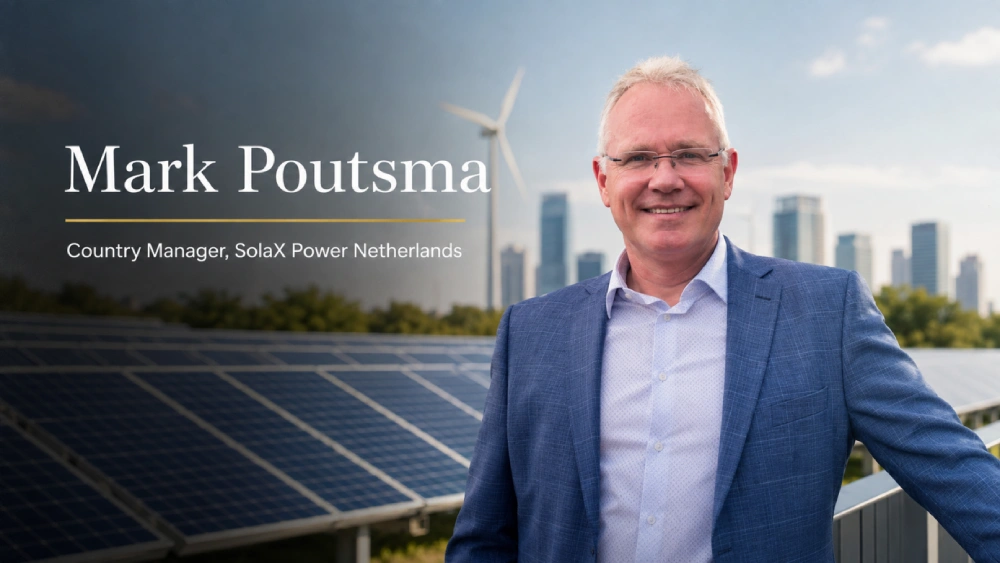
“From 2027, the conversation around residential solar changes. It is no longer only about how much solar a roof can generate. The practical question becomes: how much of that energy can stay in the home, and when should it be used?”
— Mark Poutsma, Country Manager, SolaX Power Netherlands
A Dutch home will have to care more about noon
That does not mean every Dutch household suddenly needs a home battery. A home with an EV, heat pump and three-phase connection has a different load profile from a small house that is empty during the day. Tariffs, battery cost and usable capacity matter. So does the number of times the battery is likely to cycle.
There is another limit worth remembering. A home battery storage system shifts energy over hours, not seasons. It can move part of a sunny afternoon into the evening, but it will not turn a bright July week into electricity for a dark December one. That sounds obvious, yet it is easy to lose in the current enthusiasm around storage.
The stronger case is usually a house with a regular gap between production and demand. Midday PV can be kept for cooking, heating or EV charging later. With a dynamic electricity tariff, charging from the grid may also make sense in selected low-price periods. For many households, however, the first job will simply be to use more of their own solar and improve solar self-consumption.
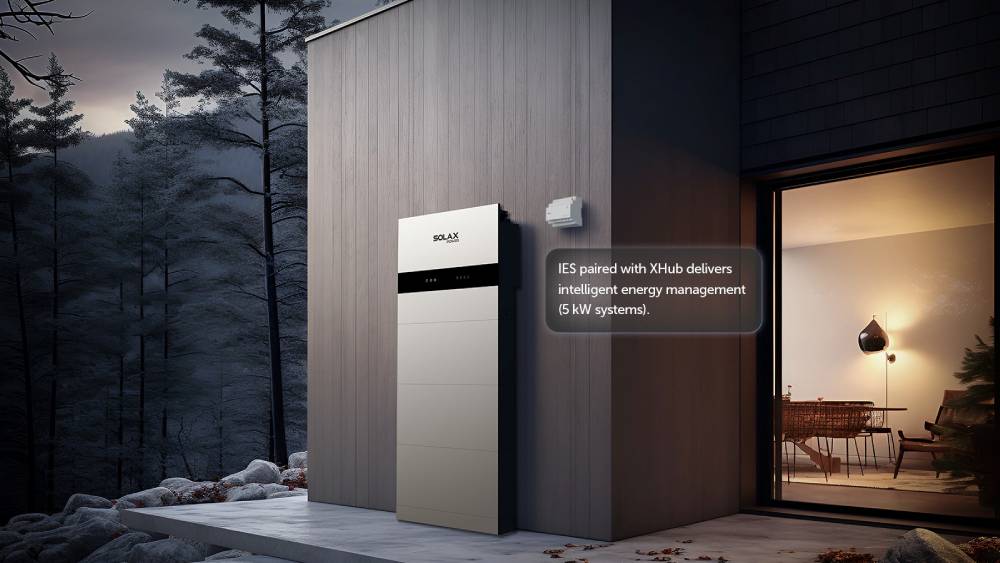
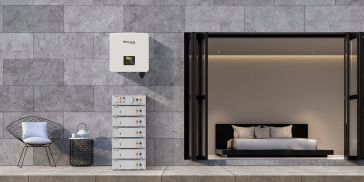
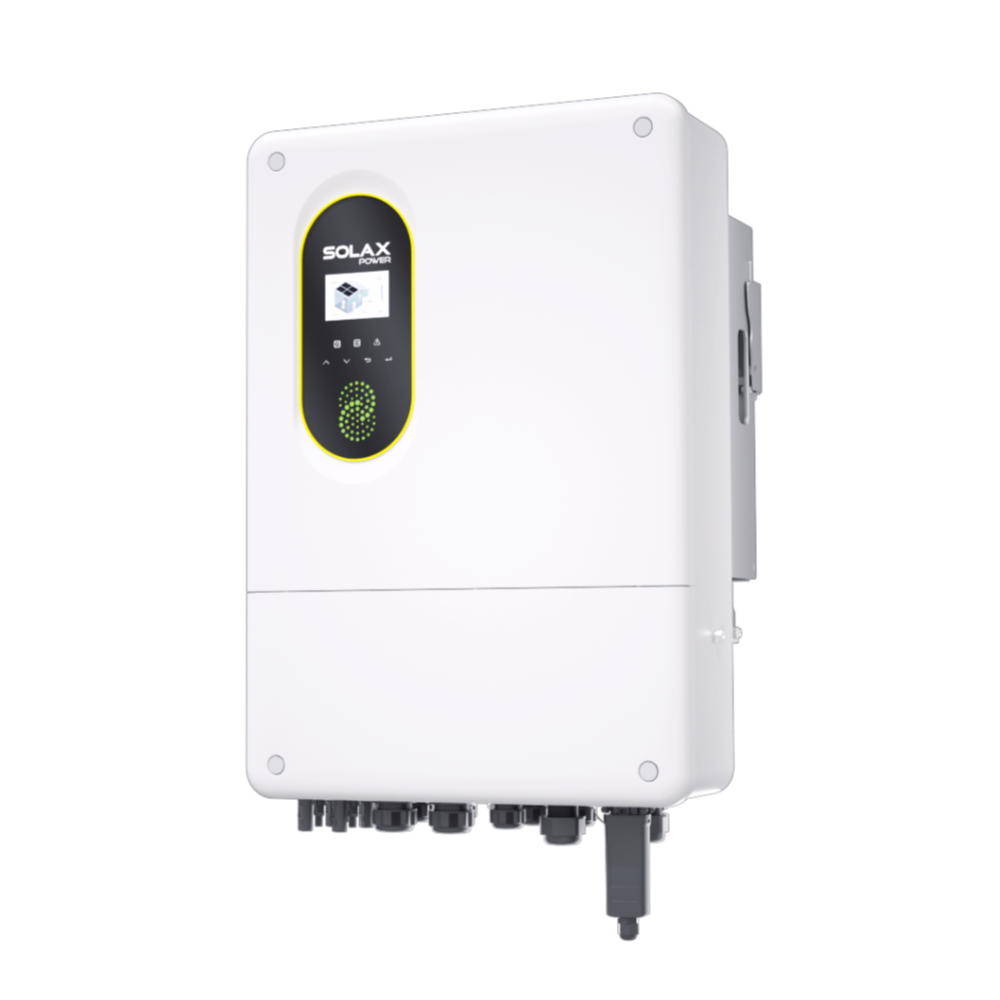
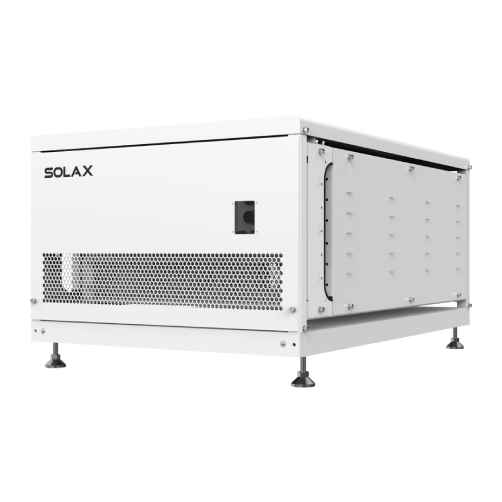
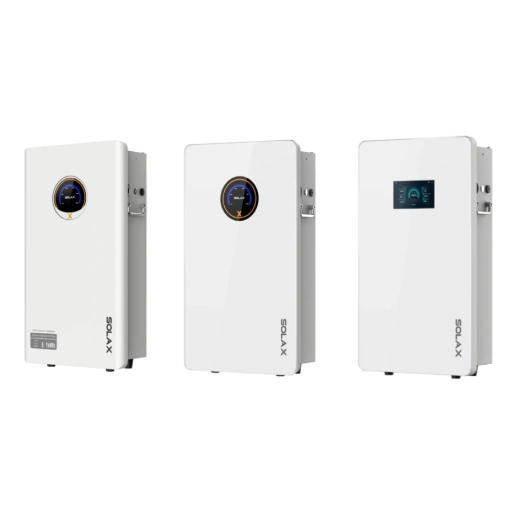
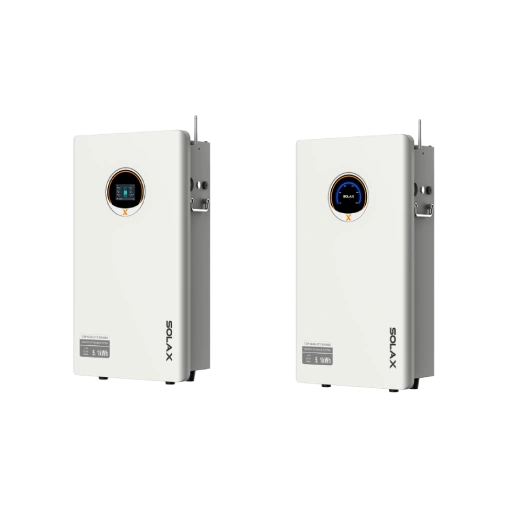
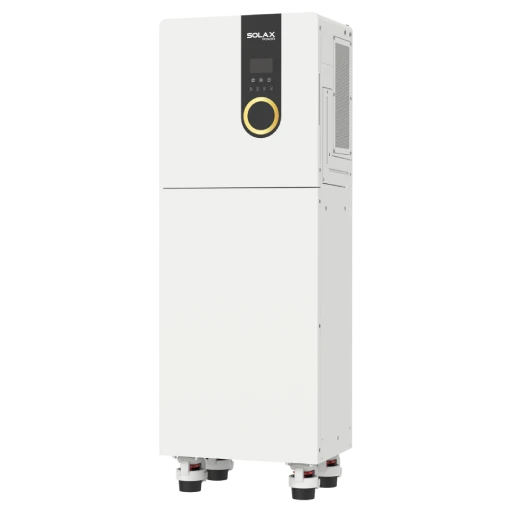
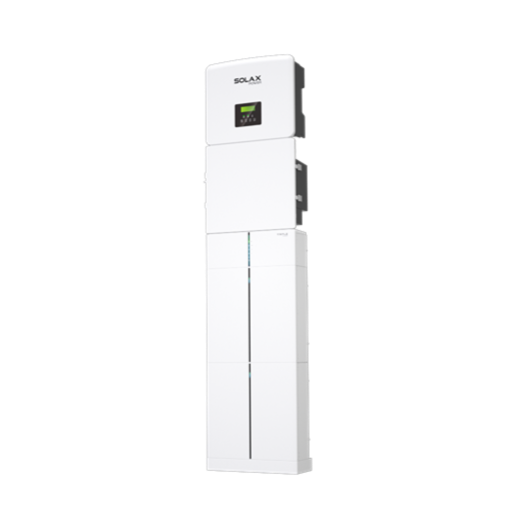
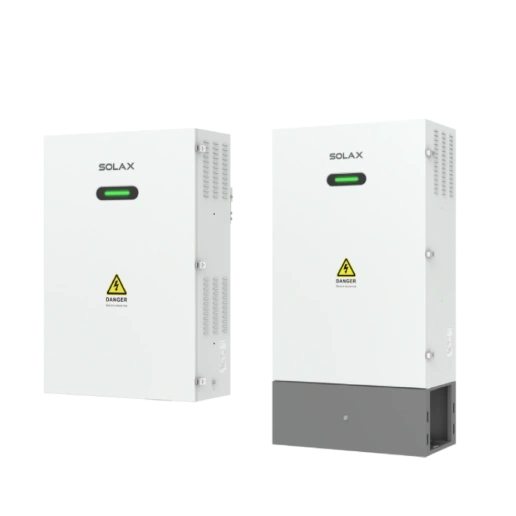
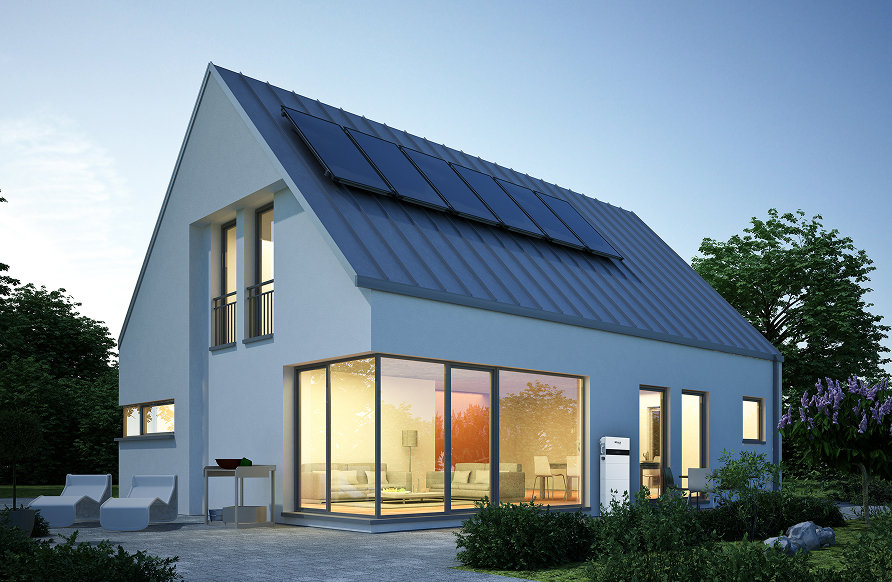
SolaX IES with XHub. The integrated format reduces the number of separate energy-storage components in the home.
“There is no single storage setup that works for every home. Some households want maximum flexibility; others prefer a more integrated system with fewer separate components. That is where solutions such as IES and X-HUB can make sense.”
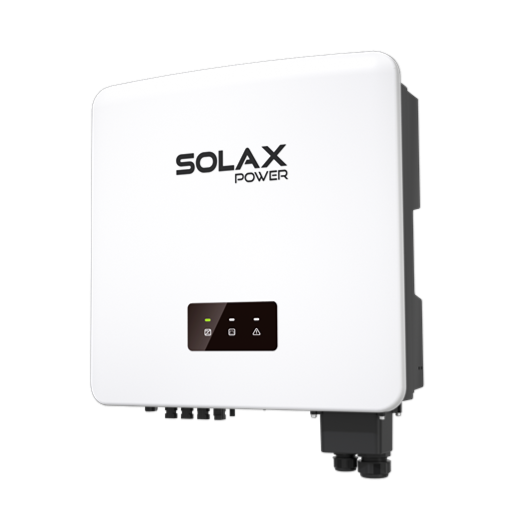
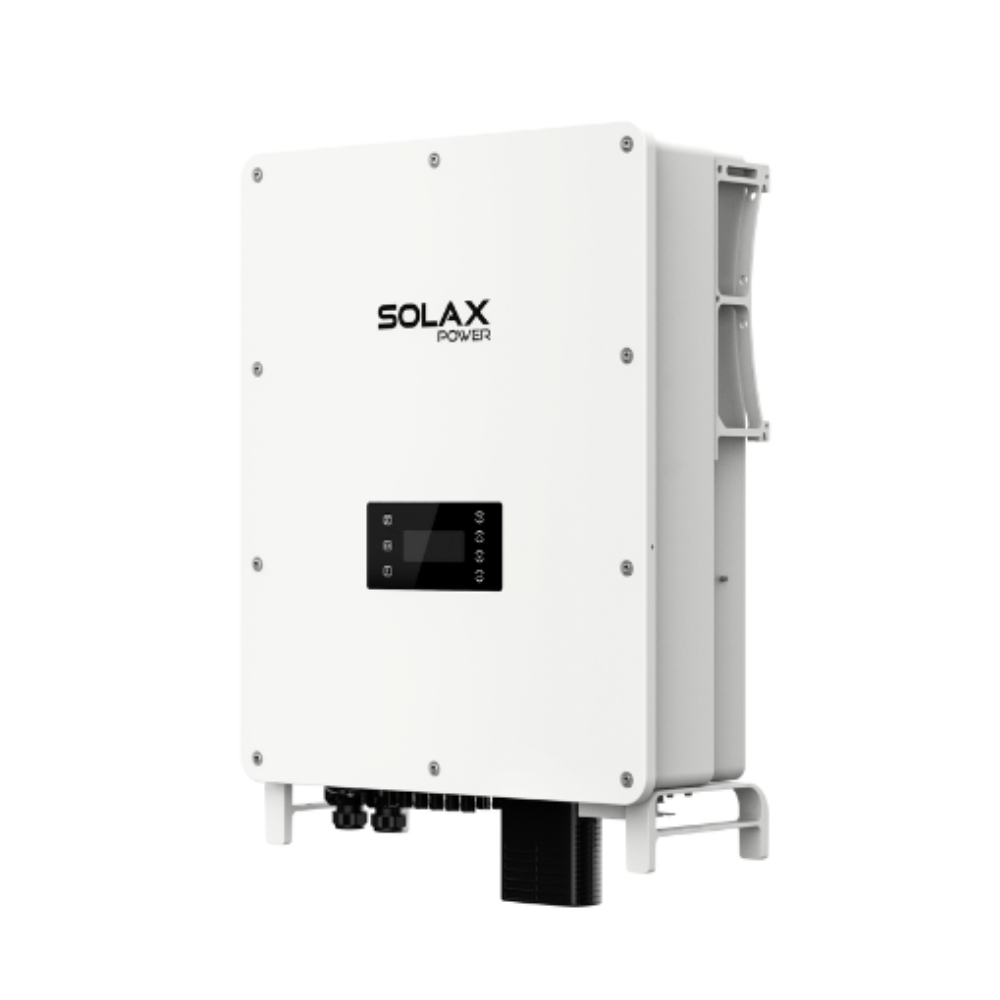
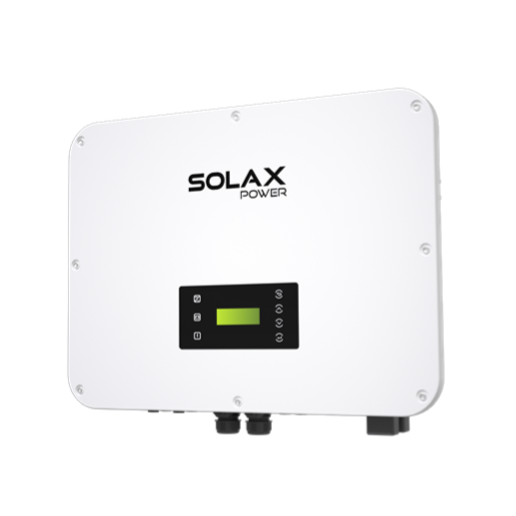
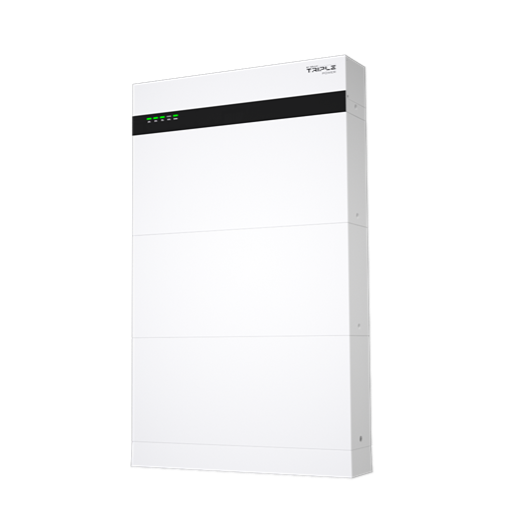
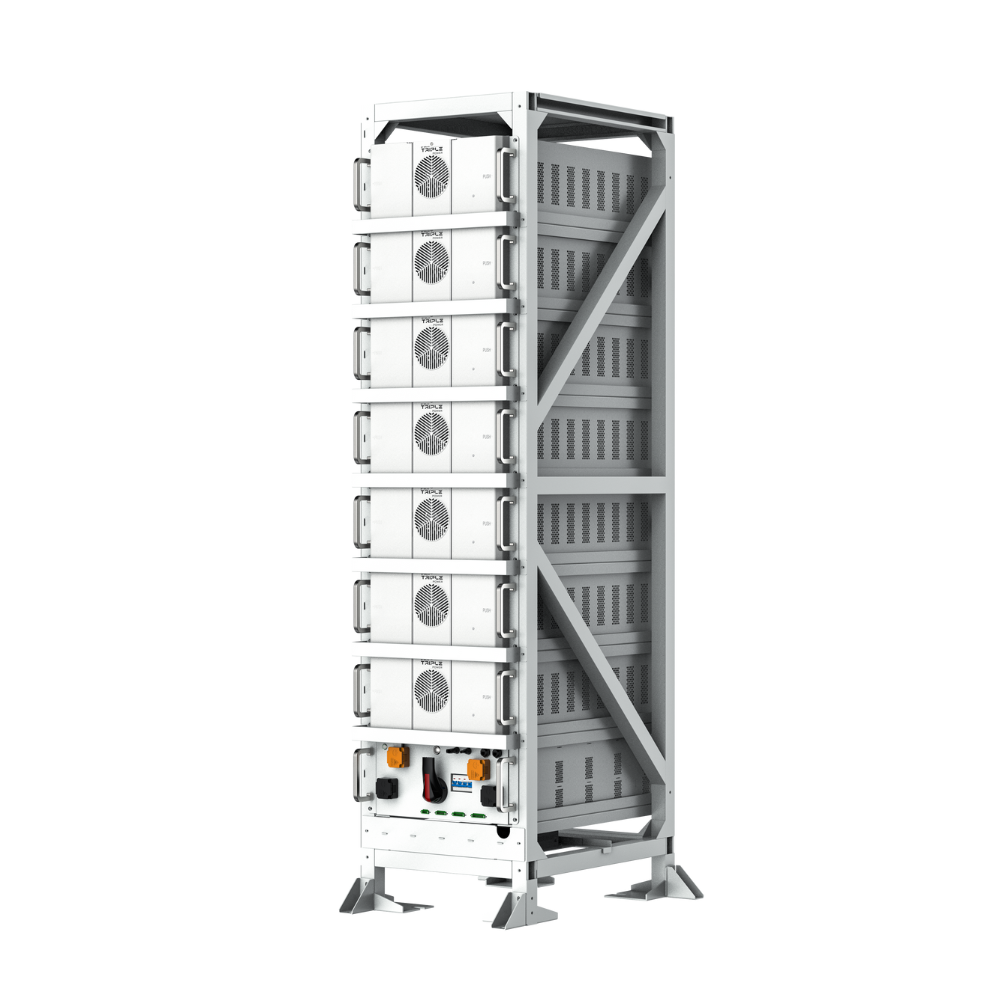
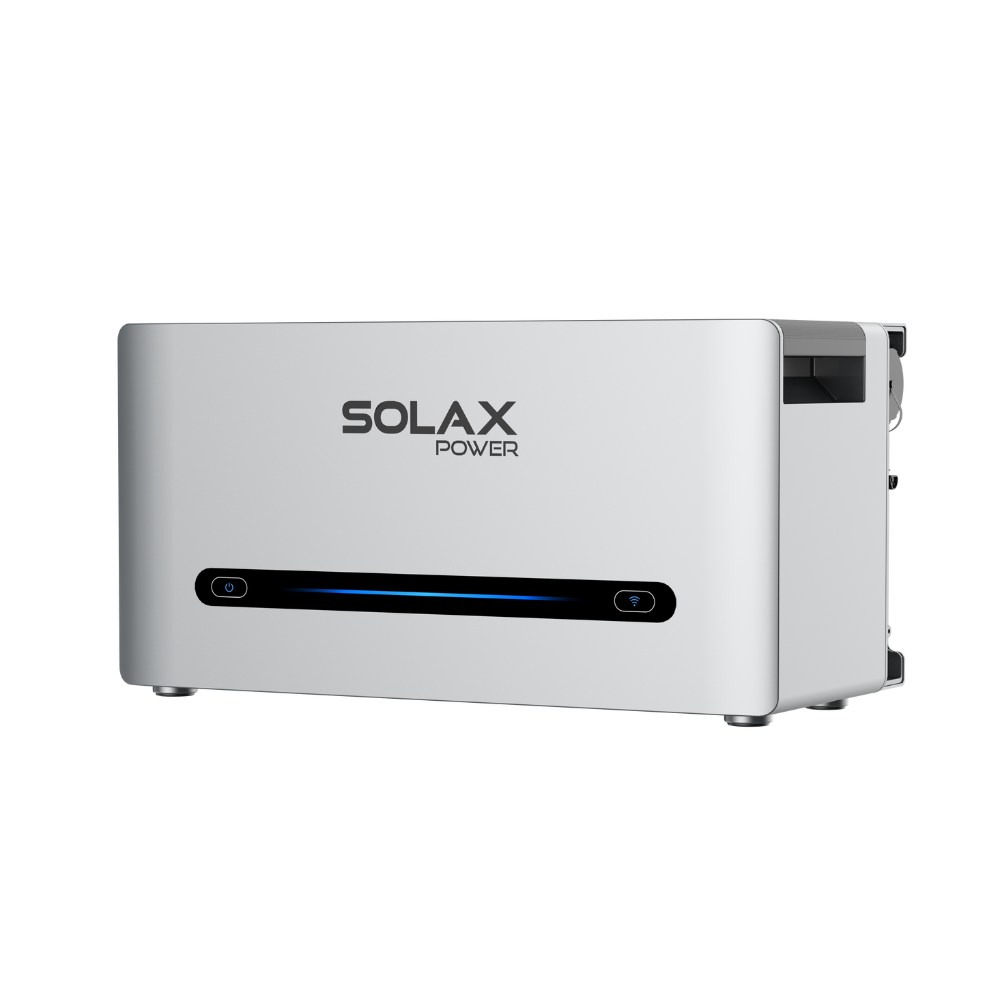
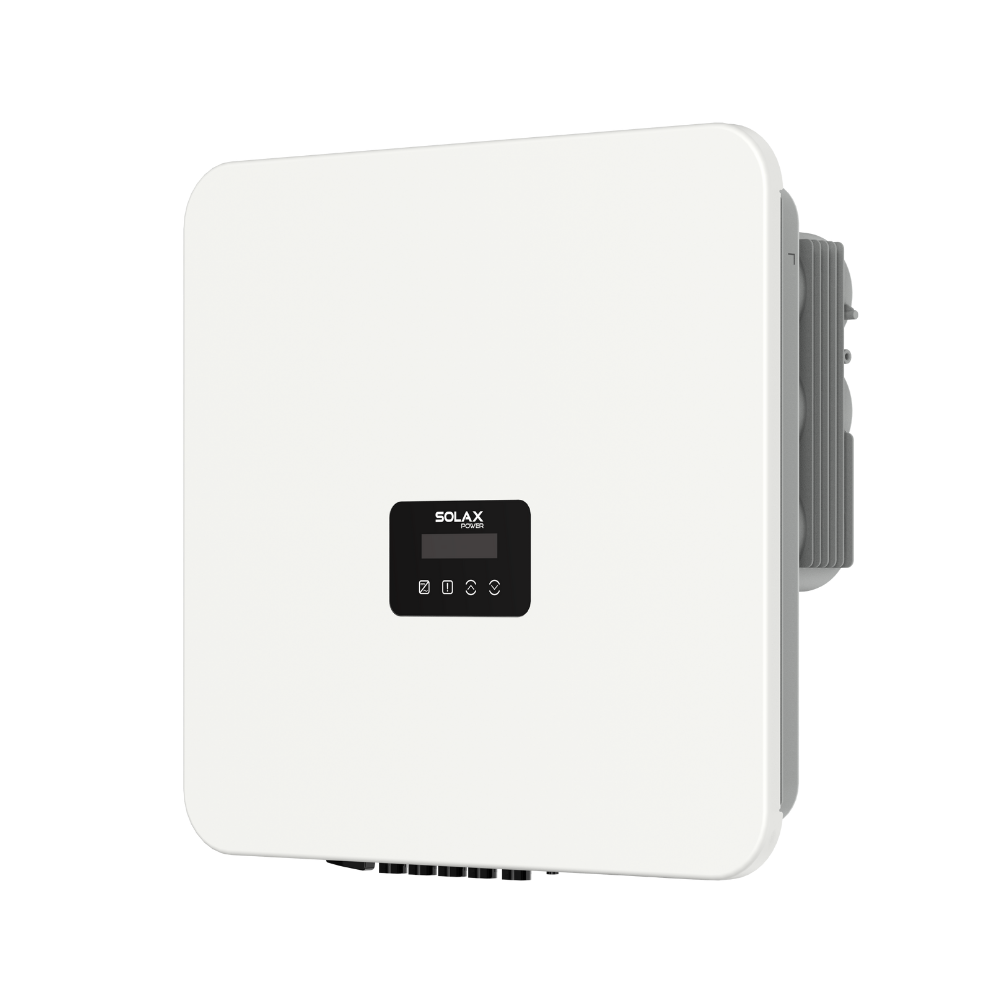
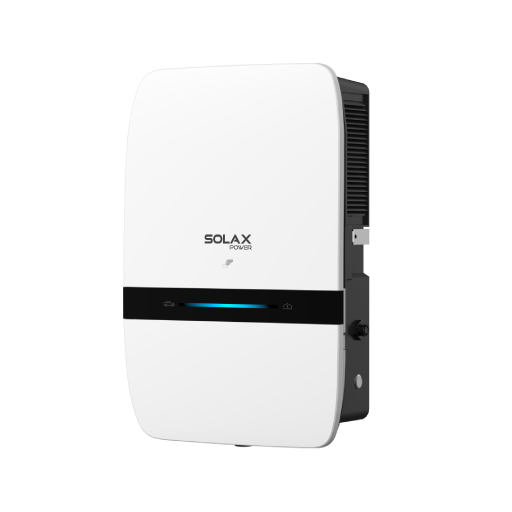
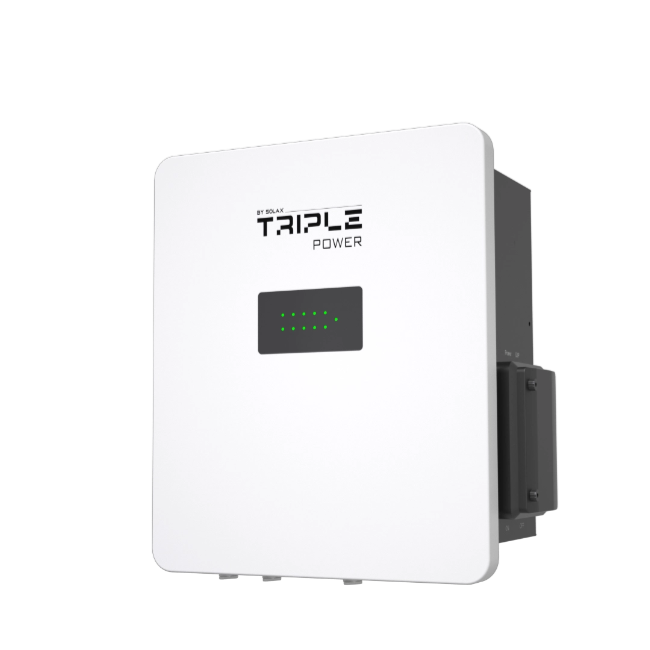
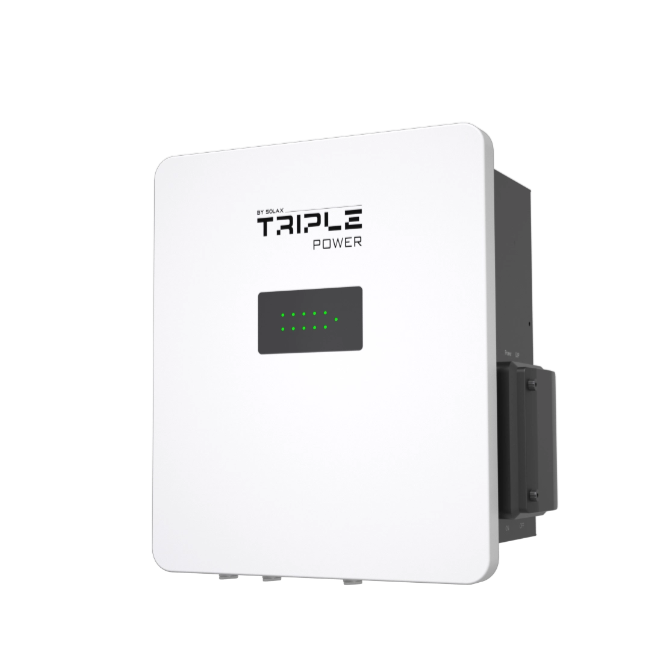
For three-phase homes, the X3-HYB G4 PRO can be paired with the HS36 battery. The HS36 platform spans roughly 7.4 kWh to 47.9 kWh. The useful point is not the top number; it is that an installer can size battery storage around the house instead of forcing the same capacity onto every project.
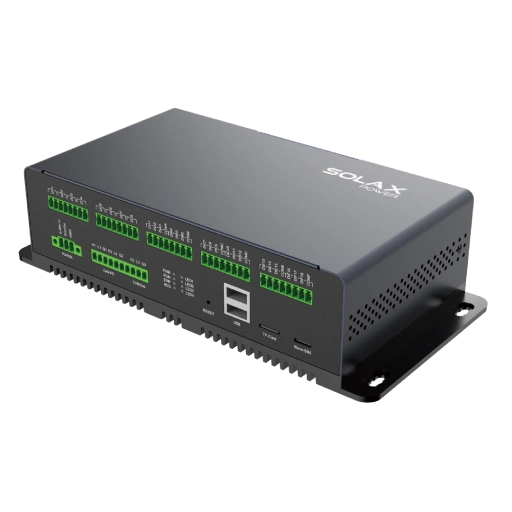
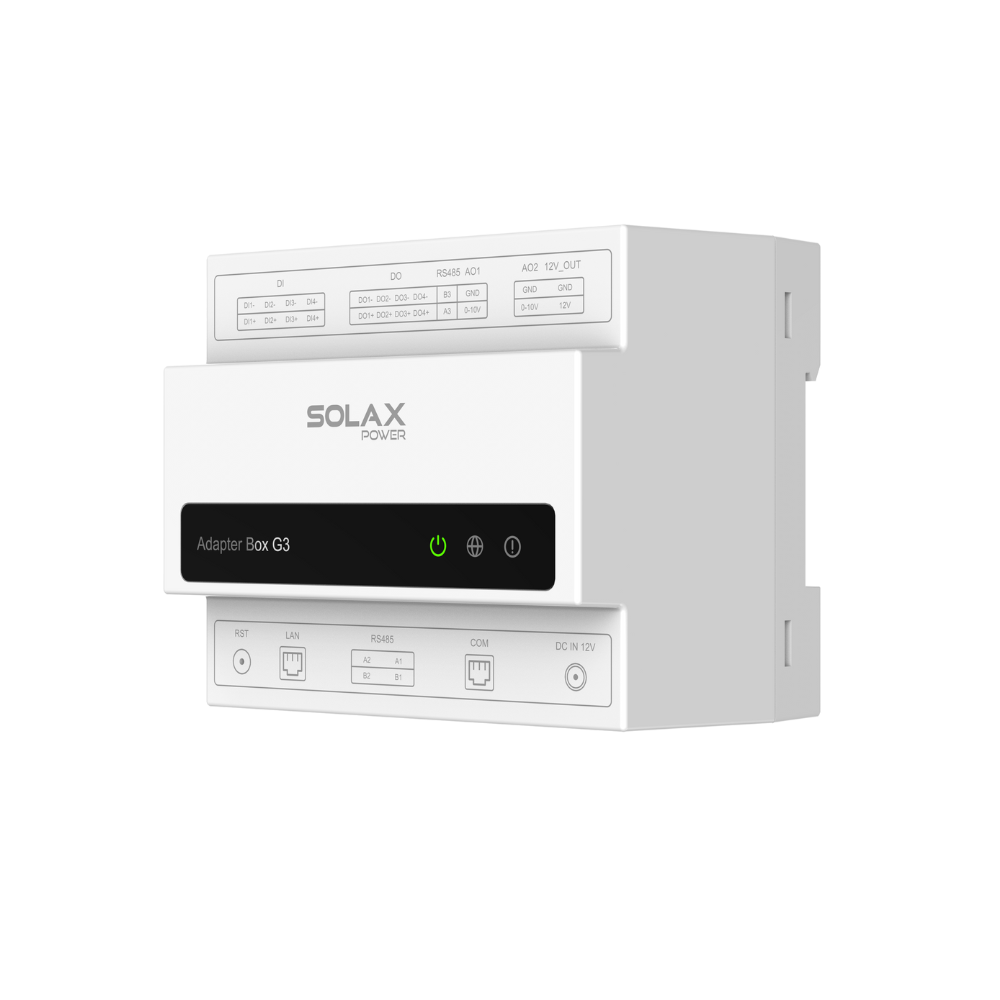
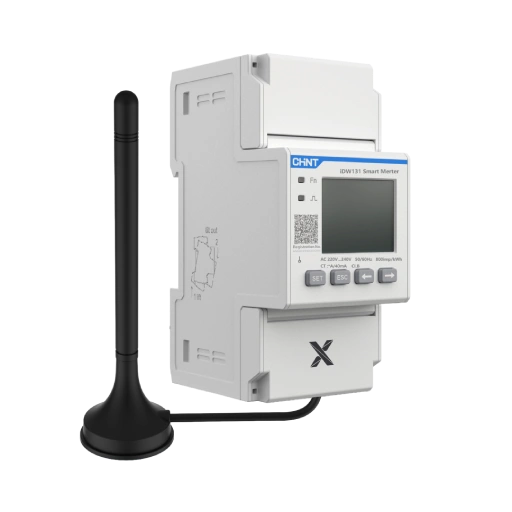
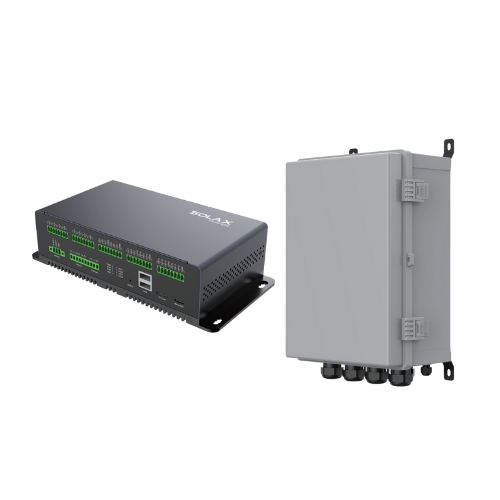
“The point of XHub is not to make every household optimize every kilowatt-hour. It is to coordinate the inverter, battery, EV charger, heat pump and other loads so the home can make better use of the energy it already produces. For many Dutch households, improving self-consumption will be the first priority.”
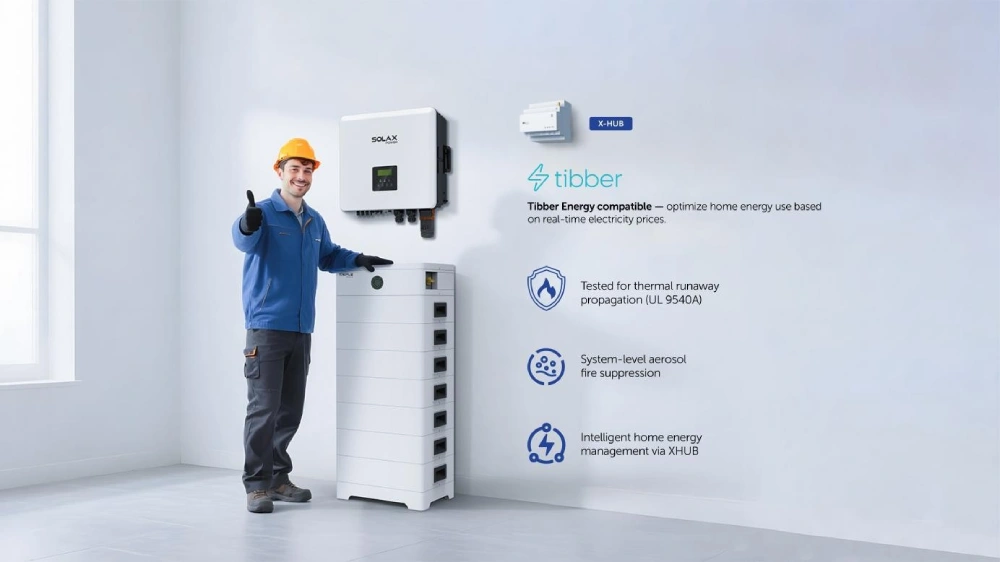
X3-HYB G4 PRO with the HS36 battery and XHub: a more modular route for three-phase homes.
The 50% rule is not a battery subsidy
The commercial story is different. SDE++ is an operating subsidy for renewable energy and CO2 reduction. It does not subsidize a battery simply because that battery sits next to solar.
What made the 2023 round interesting was the grid rule. Except for solar-tracking projects, additional contracted feed-in capacity could be no more than 50% of PV peak power. The requirement had applied to projects of 1 MWp and above in 2022 and was extended to smaller eligible PV categories in the 2023 round.
For example, a 1 MWp solar project may be allowed only 500 kW of additional contracted export capacity. That does not mean the system loses half of its annual generation, because PV reaches full output only for limited periods. RVO estimates that the annual production affected by the restriction is typically around 6% to 7%. The idea is to give up some peak export so that more renewable projects can share limited grid capacity.
It also pushes developers to look harder at what happens behind the meter. Curtailment is one option. Direct consumption is often better. Battery energy storage can be useful when the curtailed hours overlap poorly with site demand, but it has to earn its place in the project. A battery bought only because the grid connection is small can still be a bad battery project.
A factory with a large daytime load may already consume most of its PV. A logistics depot where EVs return in the late afternoon is another matter. So is a cold store with a sharp demand peak, or a business that has been told it cannot increase its grid connection for years.
Start with the load curve for C&I energy storage
“For C&I projects, I would not start with annual consumption alone. The load curve, grid limits, PV production and when new loads are expected to come online tell you much more. Battery power determines how much of a peak you can cover; energy capacity determines for how long.”
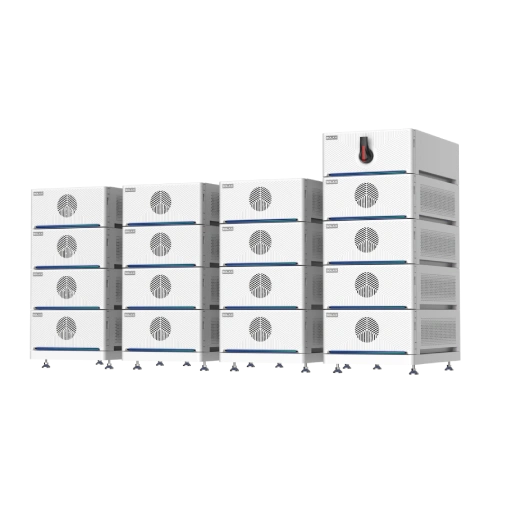
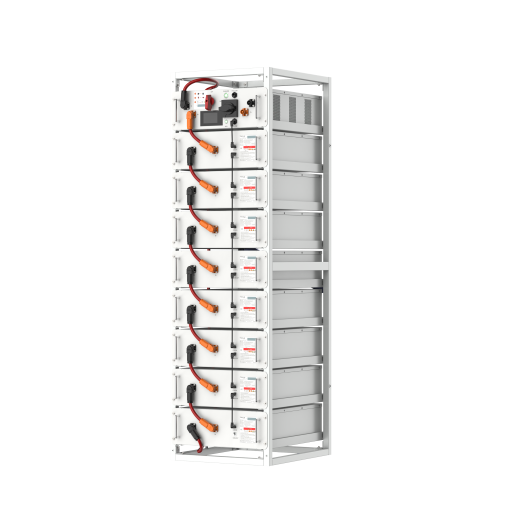
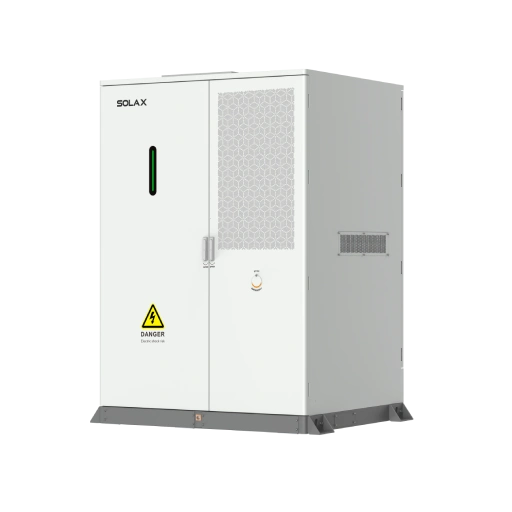
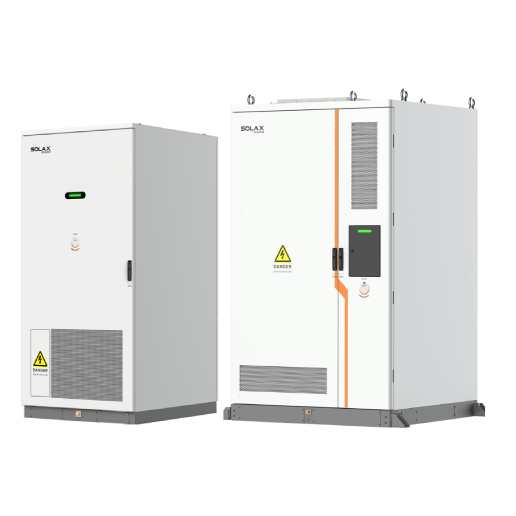
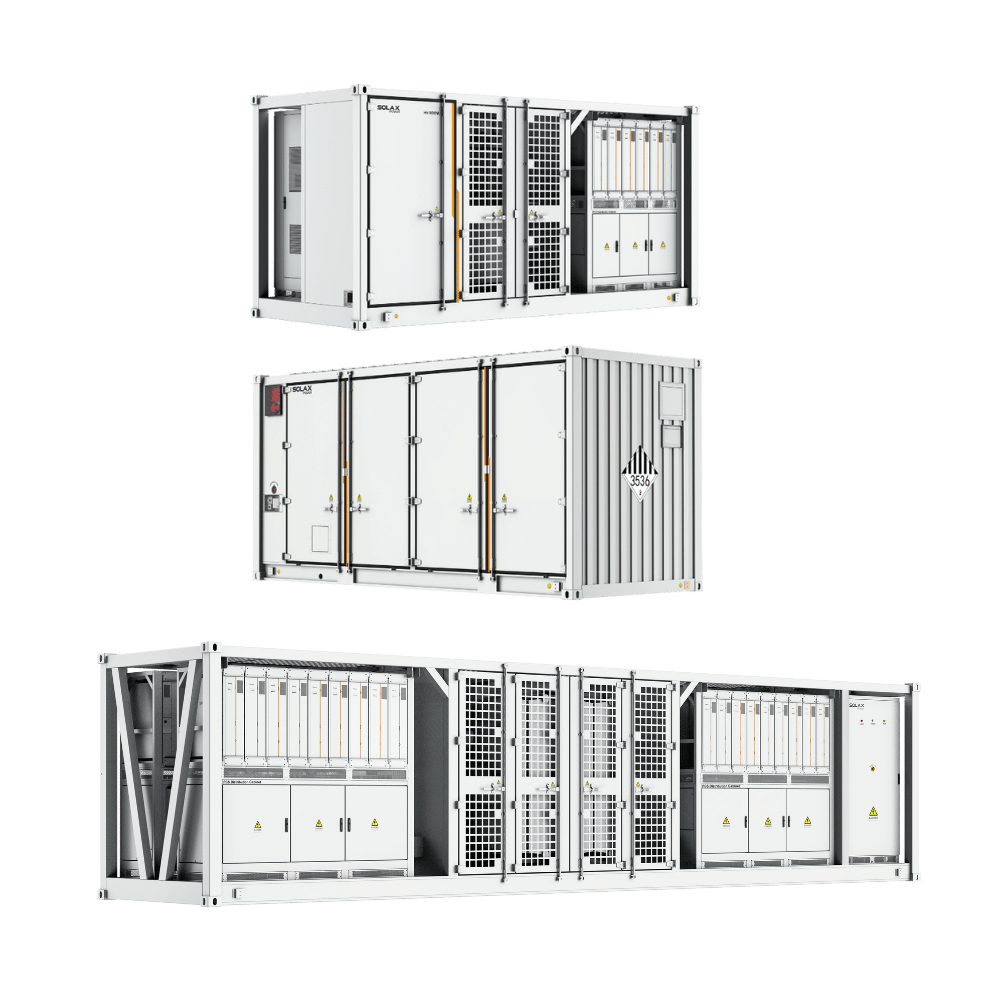
SolaX addresses those site-level requirements with AELIO and TRENE. AELIO is offered in 100 kWh and 200 kWh cabinet configurations, while TRENE extends into 215 kWh and 1 MWh C&I energy storage systems. The EMS matters at least as much as capacity: a battery that stores a short solar peak, discharges into a later load and coordinates EV charging is doing several jobs with the same hardware.
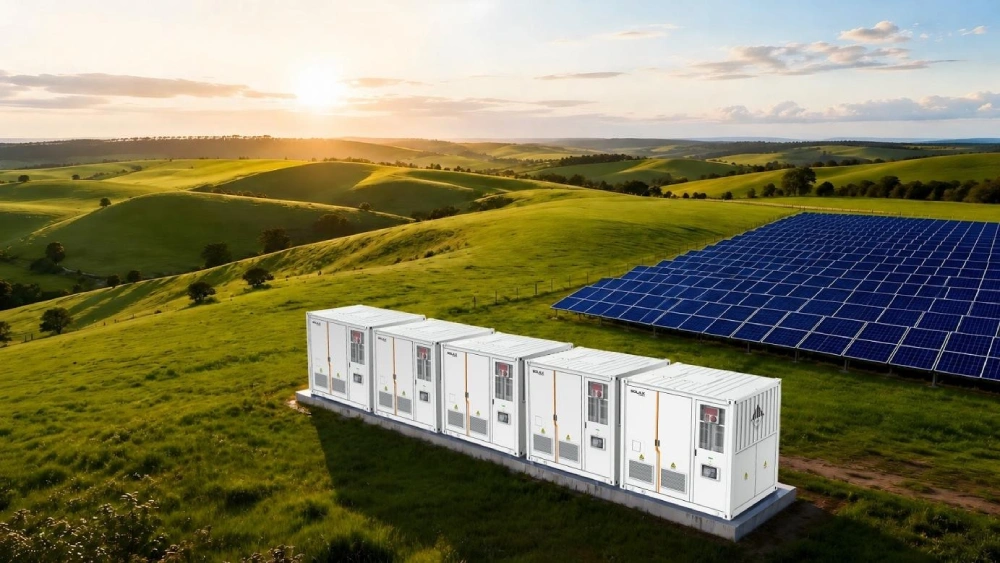
TRENE 1 MWh. For larger C&I projects, power rating, duration and the site's grid limit matter more than annual consumption alone.
And the diesel generator?
There is also a resilience case, although not for every Dutch project. A normal grid-connected warehouse may never need a diesel generator. Critical loads, weak-grid sites or operations that cannot tolerate a long interruption can be different.
AELIO and TRENE support diesel-generator integration in a microgrid configuration. The battery can handle fast changes, store PV and cover short peaks. The generator can sit behind it as a longer-duration reserve when stored energy is no longer enough. That division of labour is more sensible than starting the generator every time the site's power balance moves.
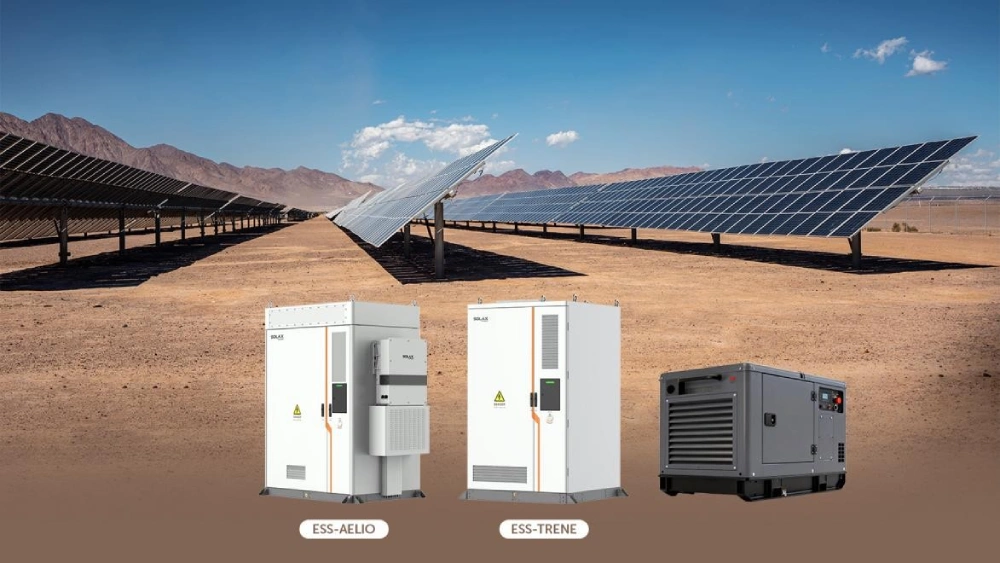
AELIO / TRENE with diesel generation. This is a resilience use case rather than a default design for every Dutch C&I site.
Solar is becoming a system design problem
The Dutch solar market is not moving from PV to batteries in a straight line. Some households will decide storage still does not pay. Some businesses will solve grid constraints through direct self-consumption, load shifting or a smaller export contract. Others will find that a battery makes a project workable.
The important shift is that timing can no longer be ignored. After 2027, household solar exported at noon will not carry the same economic value as electricity used later. On the commercial side, SDE++ 2023 made the grid constraint unusually visible.
“The Dutch market is moving beyond the question of how much PV can fit on a roof. The bigger question is what happens to that electricity once it is generated. Understand the load, the grid limit and the flexibility of the site first — then choose the technology.”
Dutch solar will keep growing. The difference is that the next solar and battery storage installations may be designed around the timing and use of electricity as carefully as the PV array itself.
Table of Contents
Latest News
Explore expert insights, practical guides, and the latest news on SolaX Power.

To the Latest Newsletter
Stay Ahead with the Latest SolaX Updates!
Subscribe
I have read and agree to Privacy Policy and User Terms