












August 24, 2026
Which Solar Batteries Automatically Charge at Cheap Electricity Times?
Share my #SolaXStory


Cut your bills by choosing the right control stack
Cheap-rate electricity often happens when you are asleep, which is exactly why many households miss it. A solar battery can store low-cost power overnight, but that only works if your wider solar power system knows when to charge and when to hold energy back.
If the settings are wrong, your inverter battery may fill at the wrong time, discharge too early, or leave you buying peak-rate electricity in the morning.
For most buyers, the key question is not simply which solar battery to buy. It is whether the battery, solar inverter, and control app work together for time-of-use battery charging.
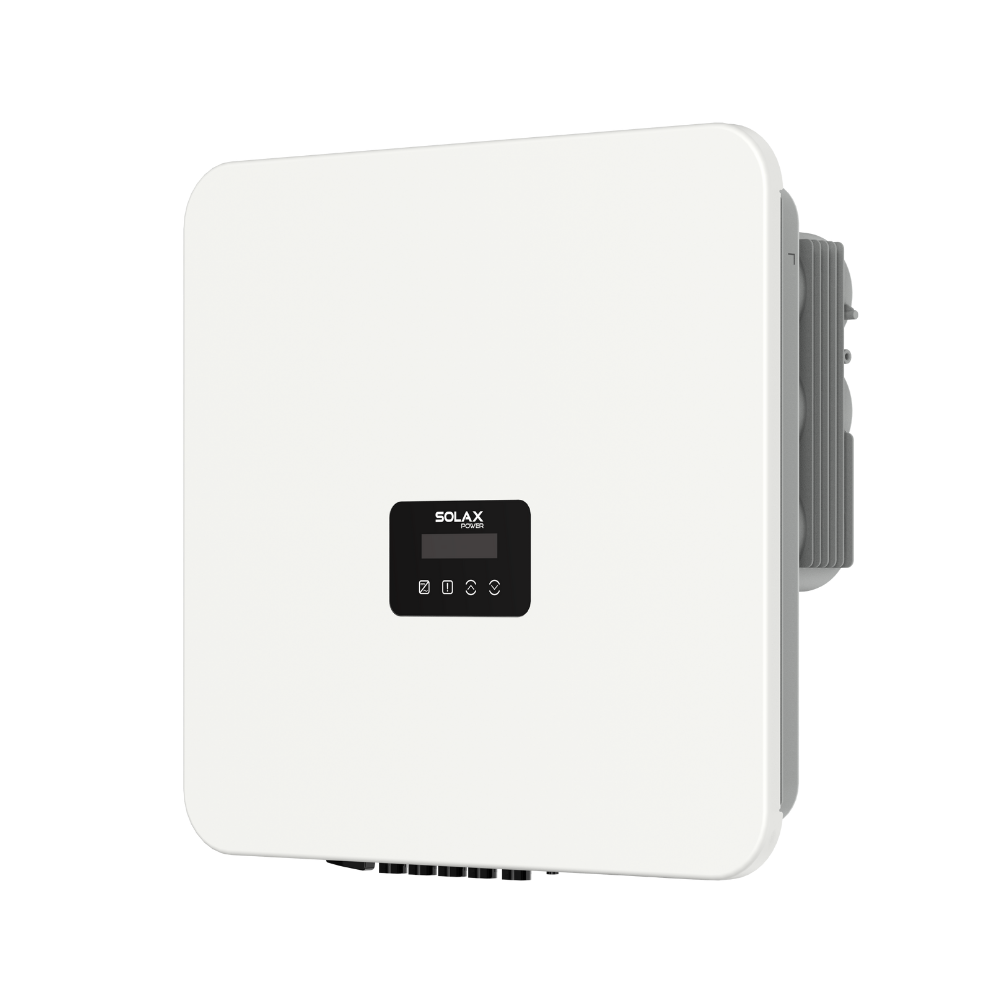
In SolaX systems, that automation sits in the wider control stack, with the battery providing storage and the inverter plus SolaXCloud handling the schedule.
What makes a solar battery charge at cheap electricity times?
A battery does not usually make this decision on its own. In practice, automatic off-peak electricity charging depends on three linked parts working together.
The solar battery stores energy safely
The inverter controls charge and discharge behaviour
The app or portal sets tariff time windows
The system logic follows the selected operating mode
The battery is only one part of the answer
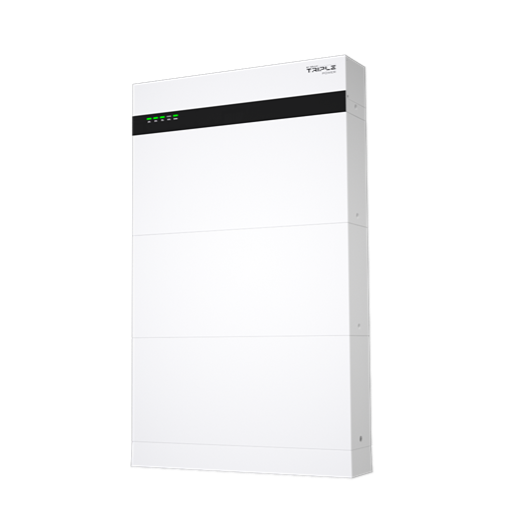
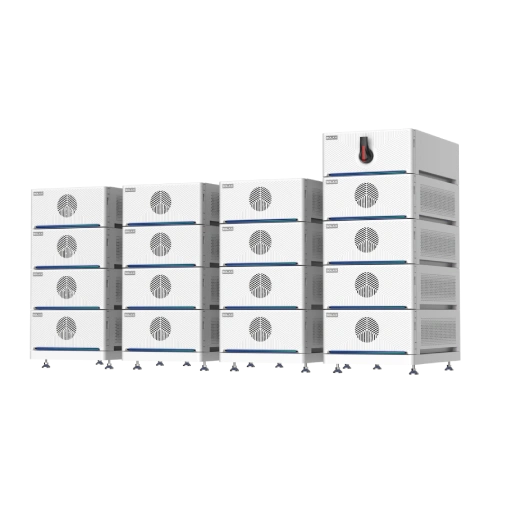
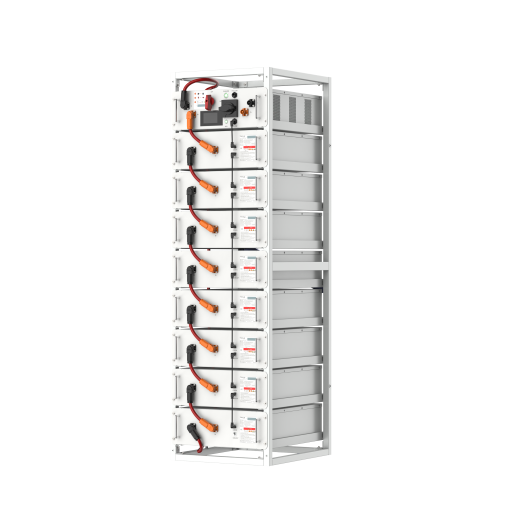
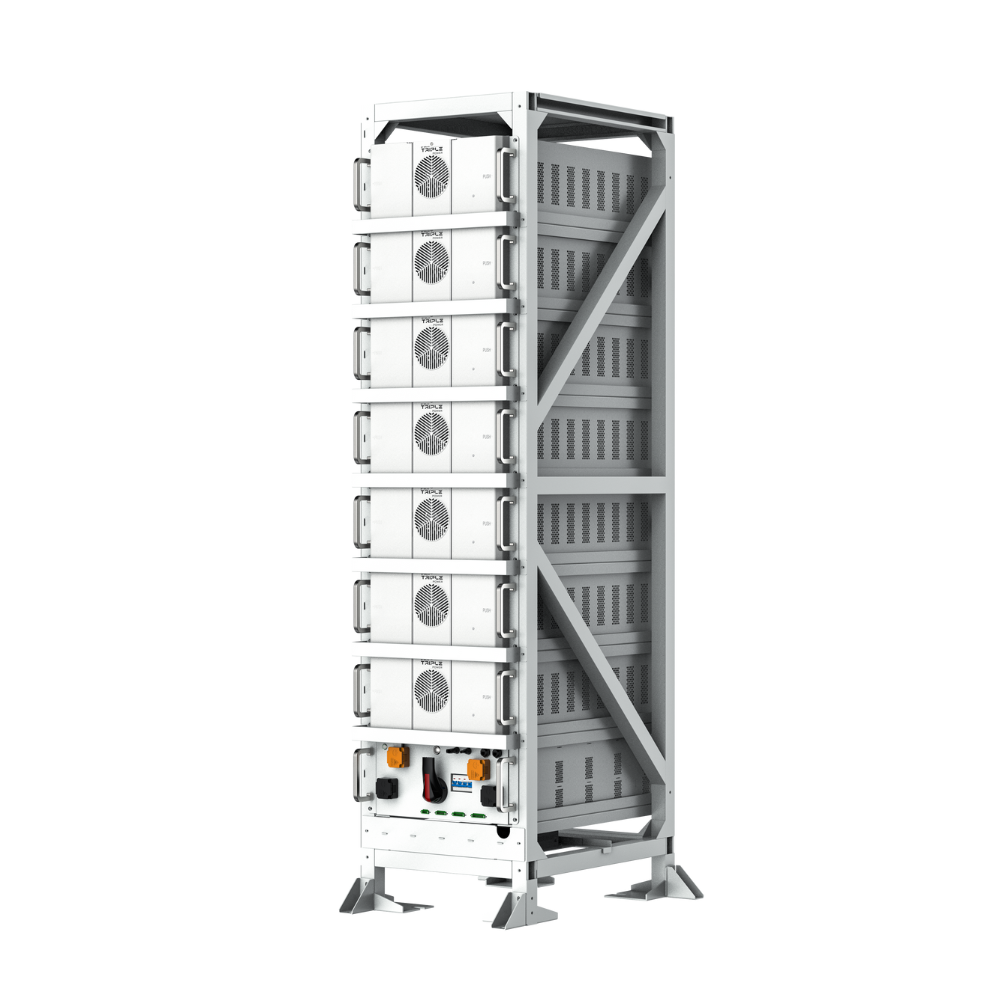
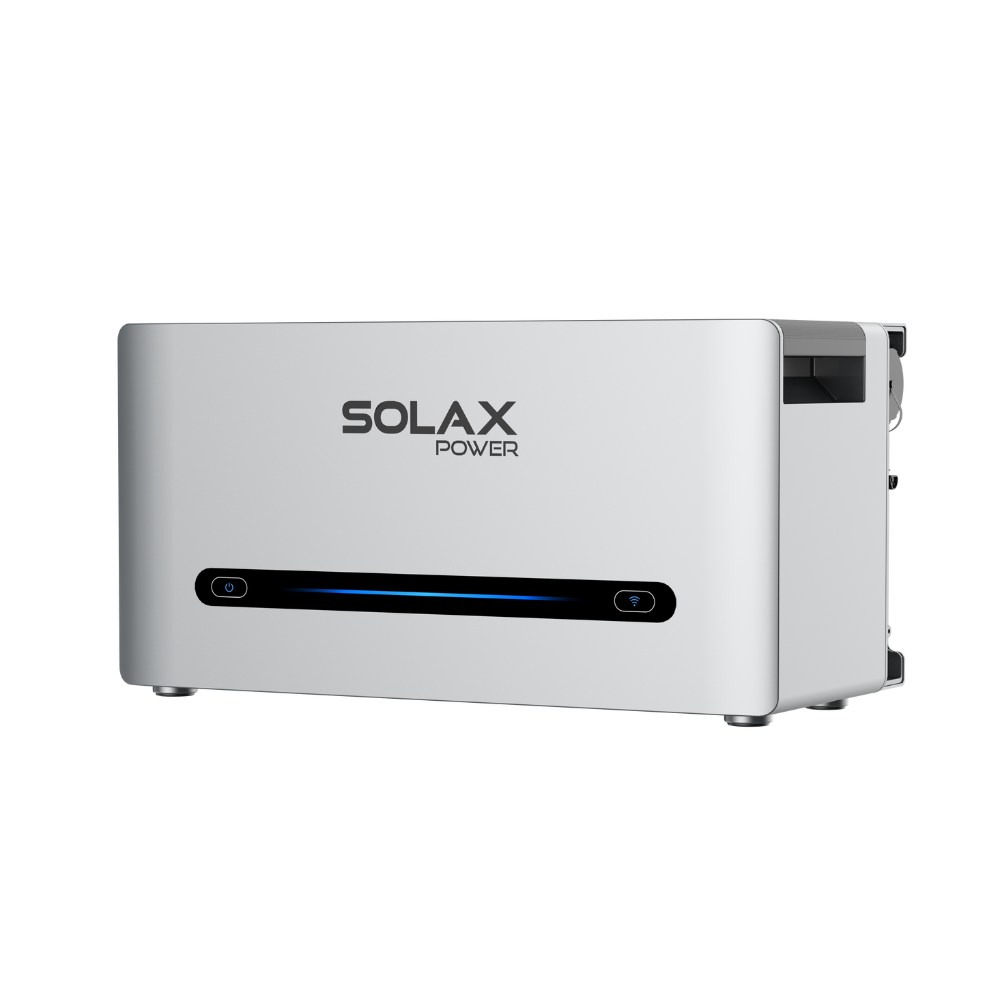
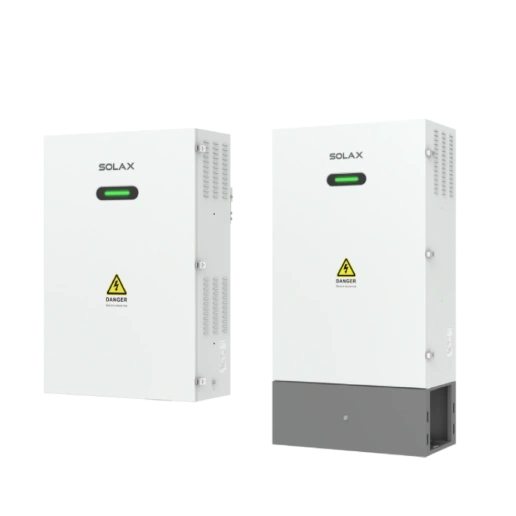
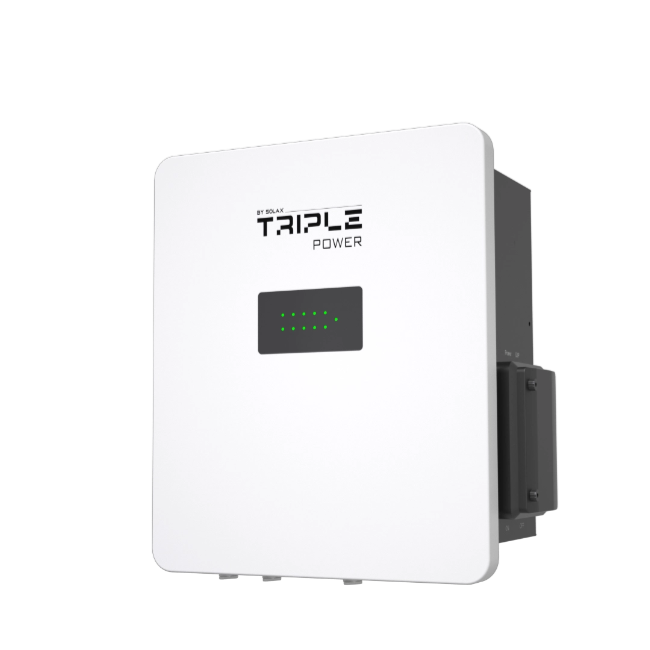
The battery gives you usable storage capacity, but it is not normally the brain of the system. SolaX Triple Power Battery range around LFP chemistry, modular expansion, and smart BMS protection, with capacities across the range from 2.5 kWh to 92.1 kWh on the official category page. That matters for safety and flexibility, yet it does not confirm tariff automation by itself. The deciding factor is whether the battery is paired with a compatible hybrid inverter and app-based controls.
The key feature is time-of-use automation
Time-of-use automation means the system follows price periods instead of waiting for manual changes. SolaXCloud states that TOU mode lets you set different electricity price periods so the battery can charge during lower-price hours and discharge during higher-price hours. In addition, SolaX hybrid inverter manuals point users back to SolaXCloud for TOU setup, which shows the control logic sits with the inverter and software rather than with the battery alone.
Why this matters in real homes and sites
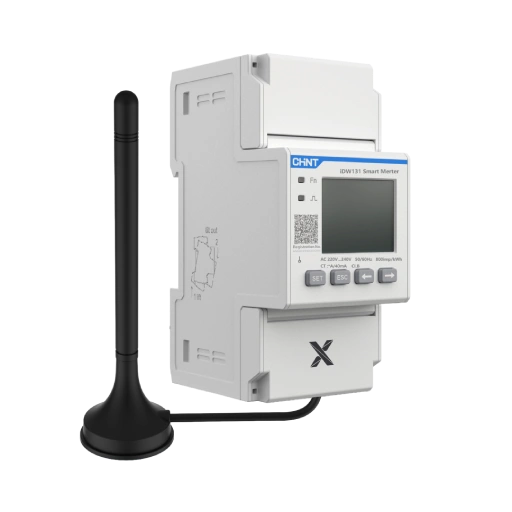
This matters because electricity prices often change by hour, while export payments may be lower than the value of stored energy used later. According to Ofgem, some smart tariffs are designed around time-varying prices, which makes load shifting more valuable when your system can respond automatically. Moreover, GOV.UK explains that smart meters support more accurate time-based billing, which is the foundation for off-peak scheduling in many homes.
Which SolaX setups suit automatic off-peak charging best?
If your aim is lower bills through smart energy control, look at system combinations rather than battery names in isolation.
Residential systems with app-based scheduling
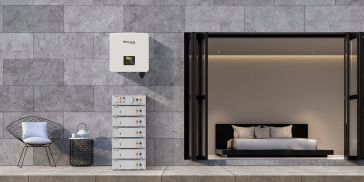
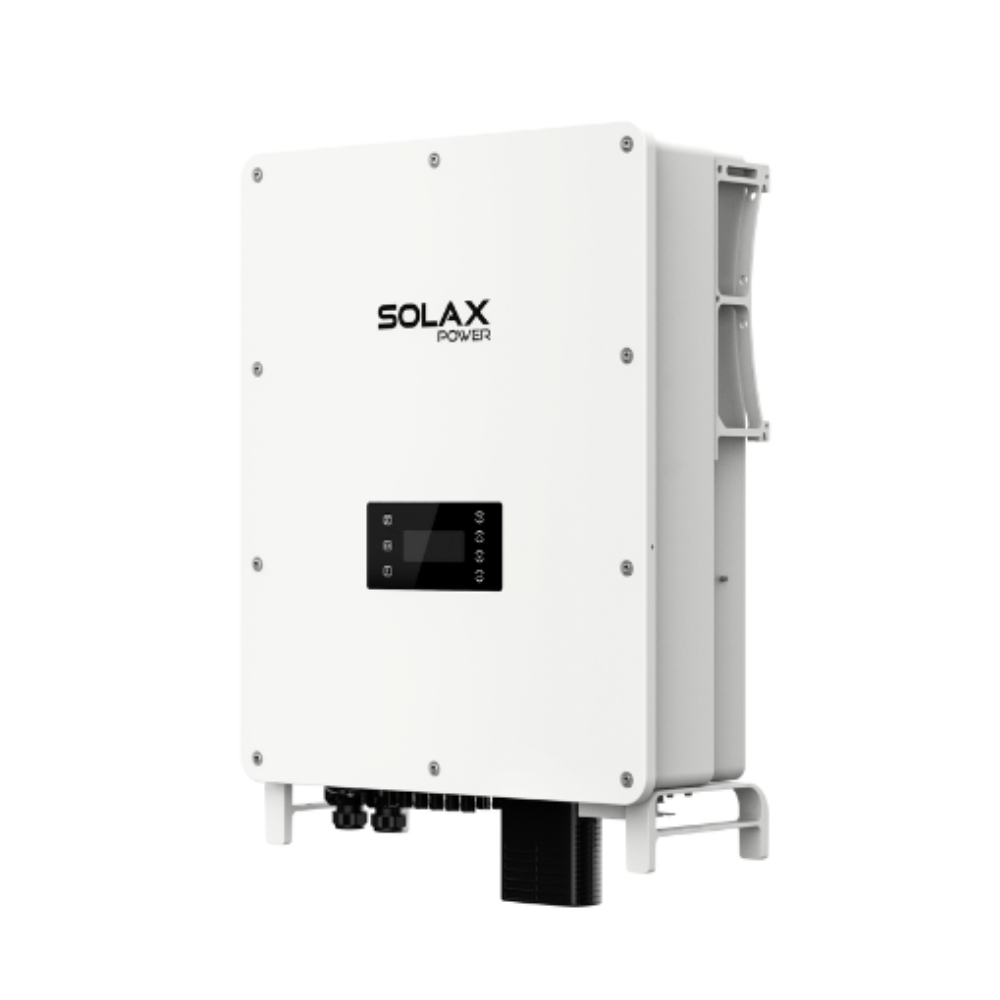
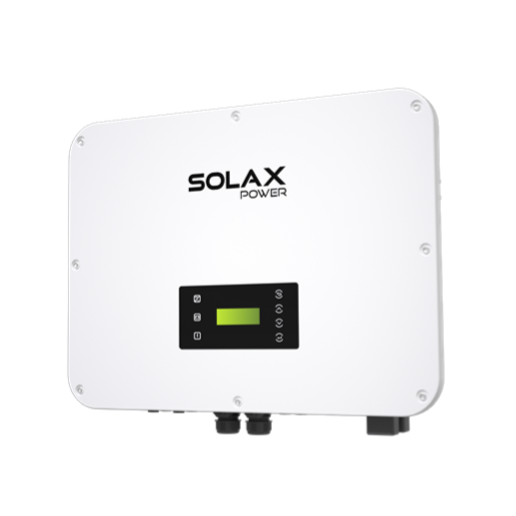
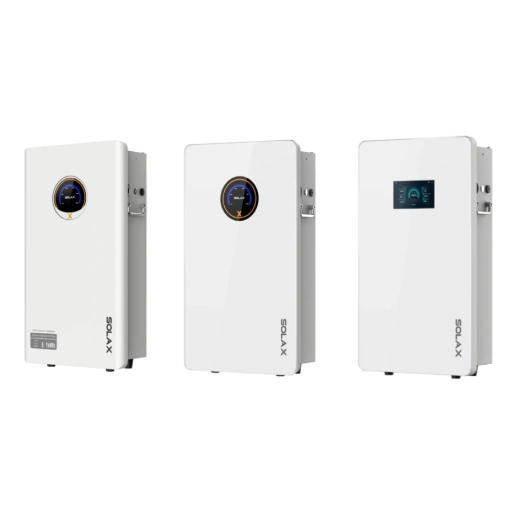
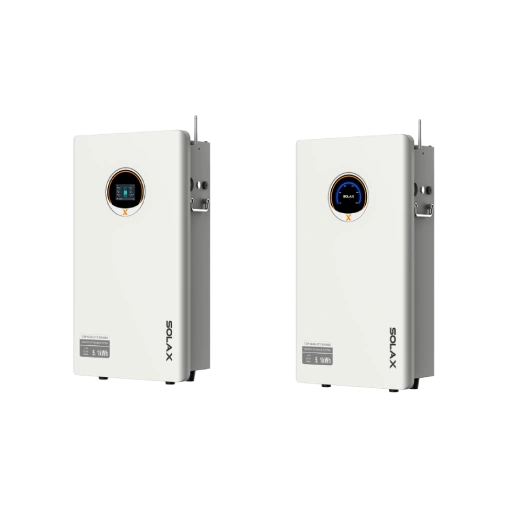
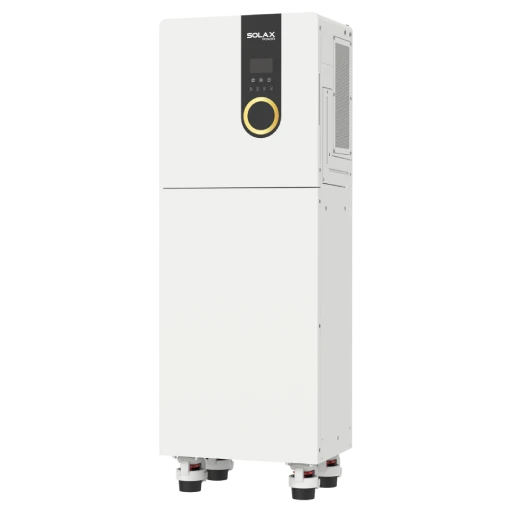
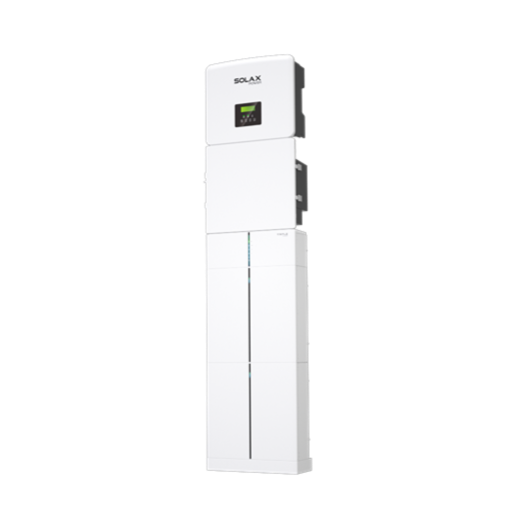
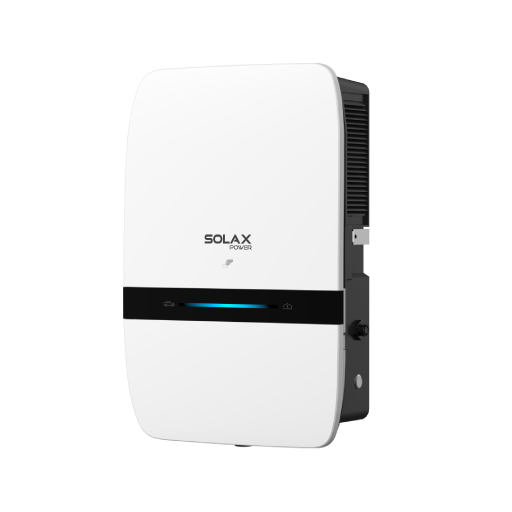
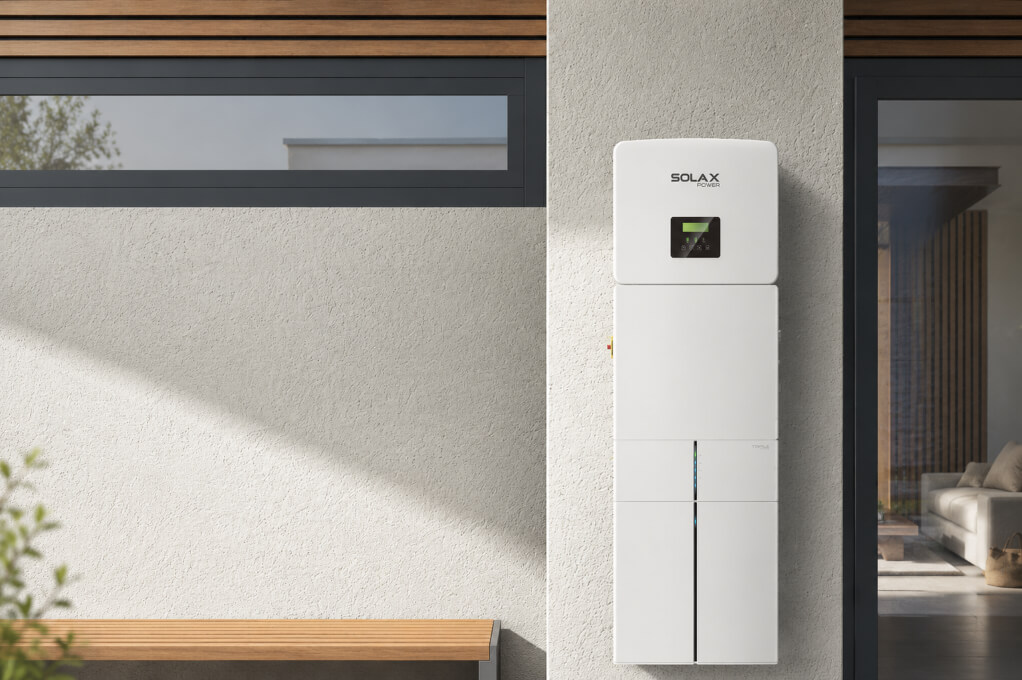
For homes on variable tariffs, a residential battery paired with a compatible hybrid inverter is usually the clearest fit. SolaX lists home-ready options such as T-BAT H 3.0 V2, which integrates with the X1-Hybrid G4 and Matebox to create the X-ESS G4 all-in-one system. The product page highlights LFP cells, IP65 protection, and cycle life above 6,000 cycles, while SolaXCloud provides the scheduling layer that makes cheap-rate charging practical.
Hybrid inverter plus battery combinations for tariff automation
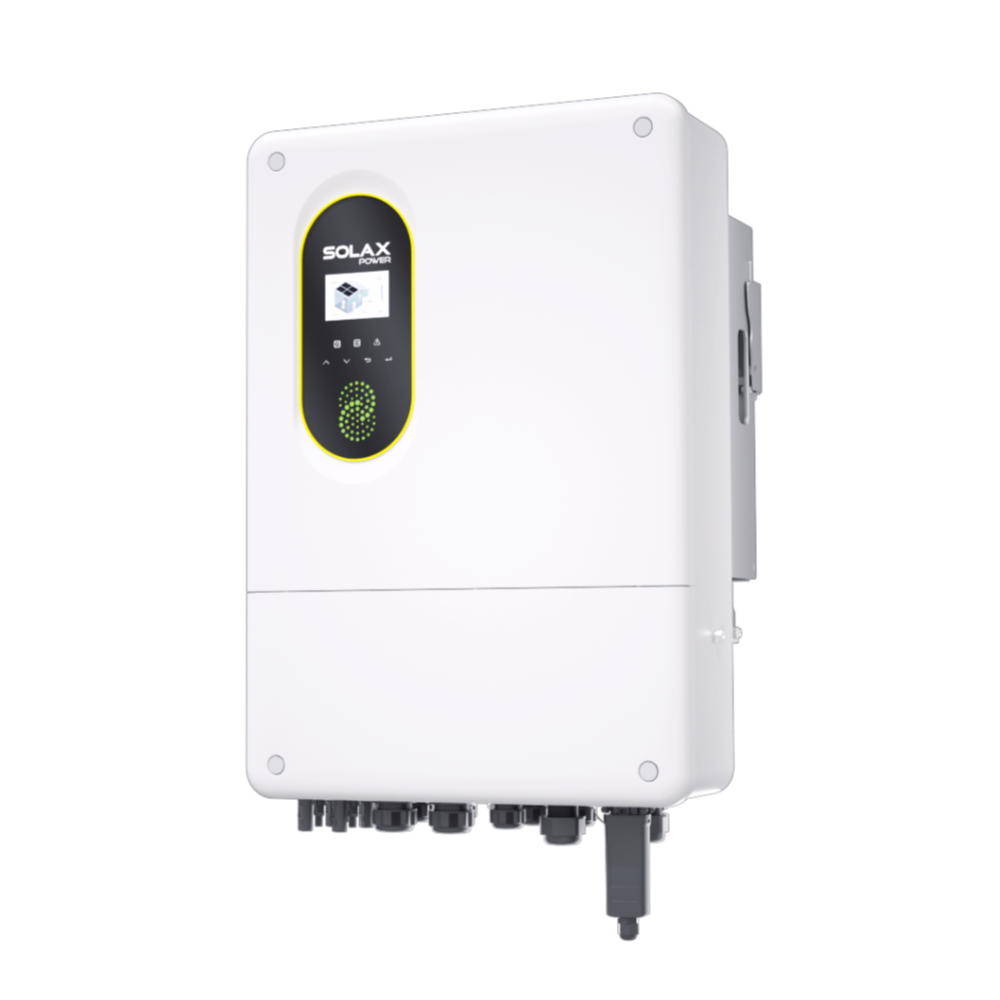
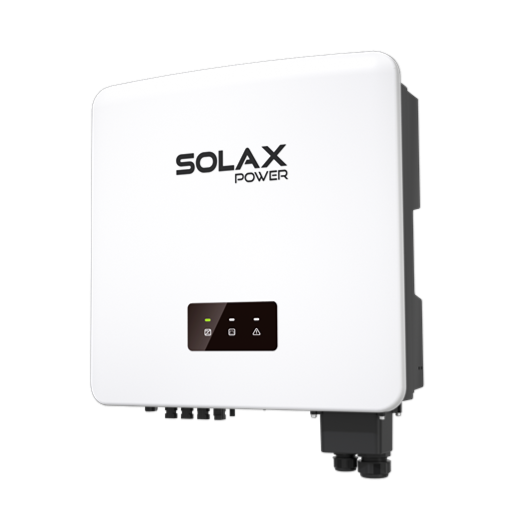
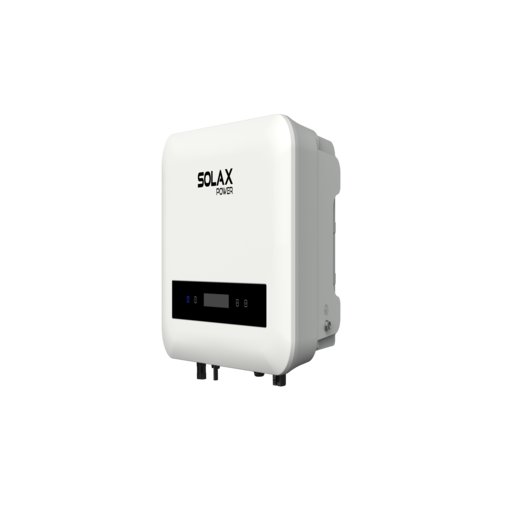
This is the strongest answer to the buyer question. SolaX documentation shows that the inverter executes the charge commands and that TOU settings are created in SolaXCloud. In other words, if you want time-of-use battery charging, you should prioritise a SolaX battery plus a compatible SolaX hybrid inverter rather than choosing storage capacity first and hoping the controls will match later.
Scalable options for larger properties
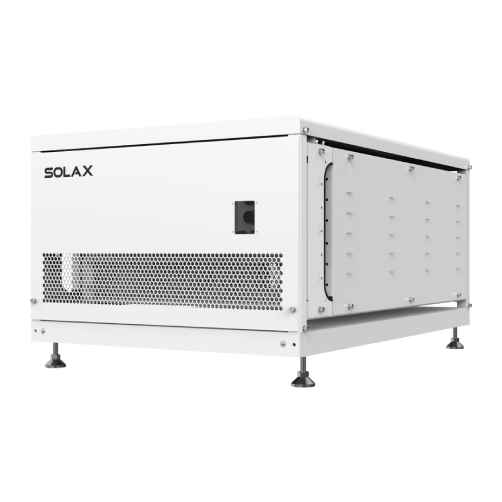
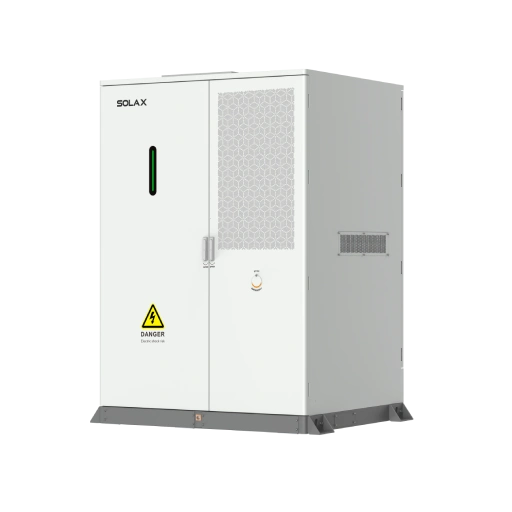
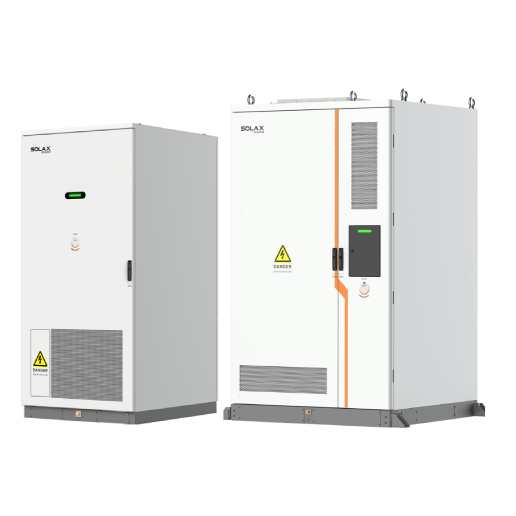
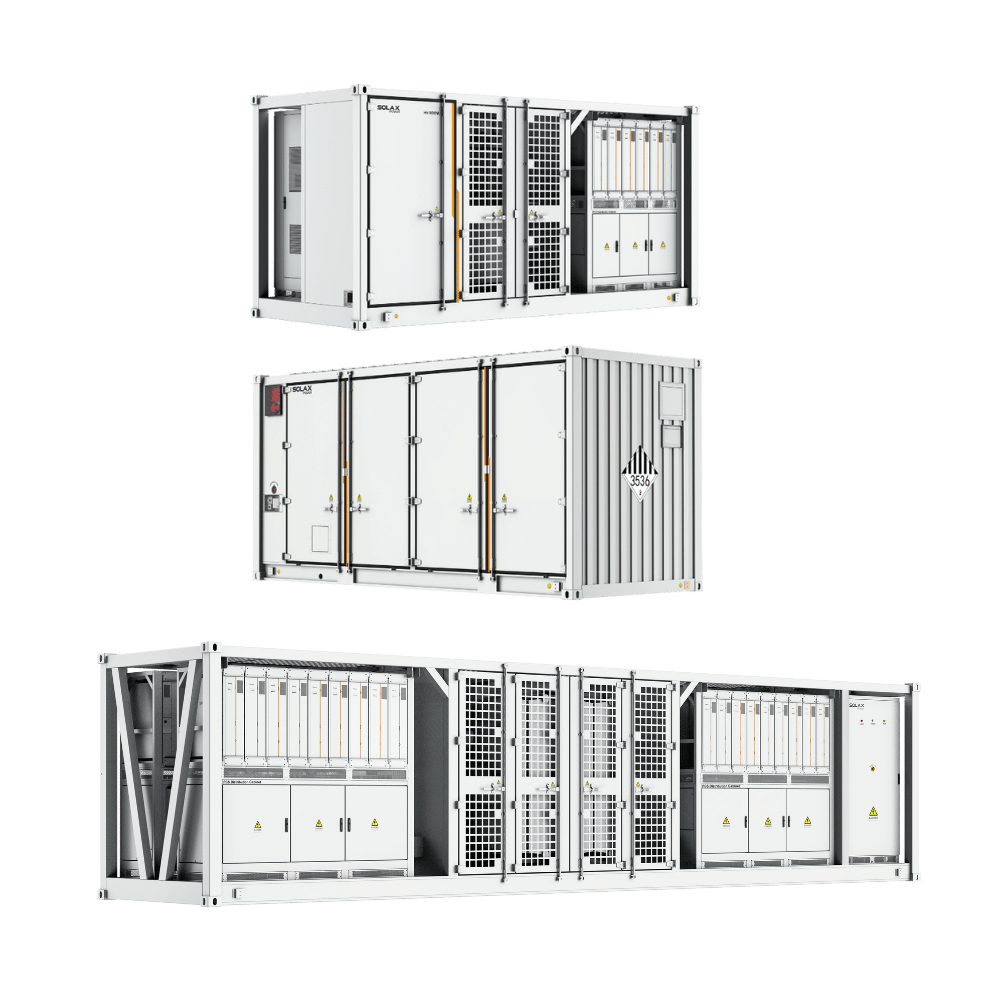
Larger homes, mixed-use buildings, and light commercial sites often need more than a simple overnight top-up. SolaX's battery range includes modular systems that expand well beyond small residential sizes, which helps when you want longer discharge coverage into the morning or evening. Therefore, buyers with EV charging, heat pump demand, or heavier overnight loads should think about both capacity and charging speed across the cheap-rate window.
How to choose the right system for tariff-based charging
The best setup starts with control, then moves to sizing.
Match the control method before the battery size
Check these points first:
Confirm that TOU mode is available in the app or web portal
Verify that the chosen battery matches the inverter family
Ask your installer whether firmware supports the required modes
Check whether reserve settings can be held back for morning use
Size around your tariff window and load pattern
A short off-peak window needs enough charging power to fill useful capacity quickly. If your low-rate period is only a few hours, a very large battery may not charge enough to justify the extra storage. However, if you have strong morning demand, evening cooking loads, or an EV, more capacity can still make sense when paired with the right inverter.
Compare by use case, not hype
A smaller home may only need simple daily load shifting. An EV-owning household may need a larger reserve so overnight charging does not empty the battery before breakfast. For heavier demand or future tariff changes, modular SolaX energy solutions give you more room to expand without replacing the full solar energy stack.
Mistakes that reduce time-of-use savings
Even a good solar battery can underperform if the setup logic is poor.
What to do
Align charge and discharge windows with your actual tariff hours
Keep some reserve for the morning if peak prices start early
Review schedules after tariff updates or seasonal routine changes
Confirm app and inverter support before signing off installation
What to avoid
Buying capacity without checking control features
Assuming every solar inverter handles tariff automation the same way
Leaving default settings untouched after commissioning
Ignoring compatibility between the battery, inverter, and software
The practical buying takeaway
If you want a system that charges automatically when electricity is cheap, do not treat this as a battery-only purchase. The strongest fit is a coordinated SolaX setup: a compatible solar battery, a compatible hybrid inverter, and SolaXCloud time-of-use controls. That approach gives you the control logic needed for off-peak electricity charging, while the battery size should be matched to your tariff window, morning demand, and future expansion plans.
FAQ
Table of Contents
Latest News
Explore expert insights, practical guides, and the latest news on SolaX Power.


To the Latest Newsletter
Stay Ahead with the Latest SolaX Updates!
Subscribe
I have read and agree to Privacy Policy and User Terms