






August 25, 2026
Microinverter vs Hybrid Inverter: Which Solar Setup is Right for You?
Share my #SolaXStory


When planning a home solar power system, choosing the right inverter is just as important as choosing the solar panels themselves. As you research your options, the debate of microinverter vs hybrid inverter will inevitably come up.
Both technologies convert the raw solar energy your panels capture into usable electricity for your home. However, they go about it in entirely different ways.
If you are stuck comparing a micro inverter vs hybrid inverter, this guide will break down exactly what each one is, their core differences, and how to choose the perfect fit for your energy goals.
What is a Microinverter?
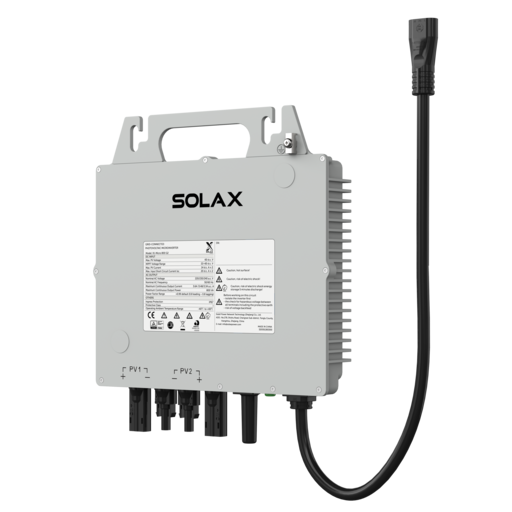
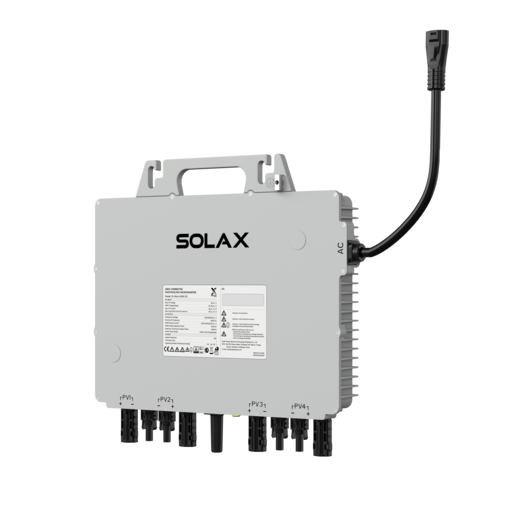
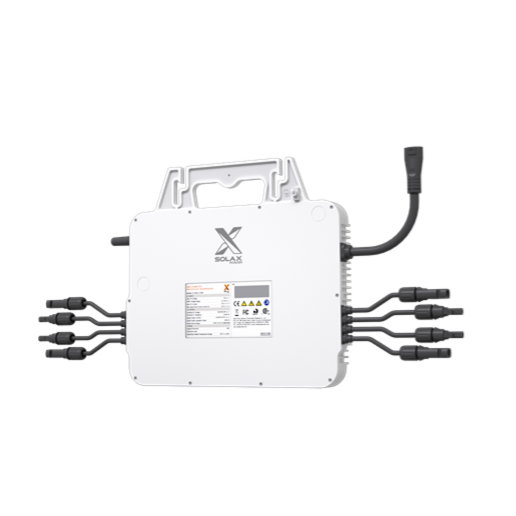
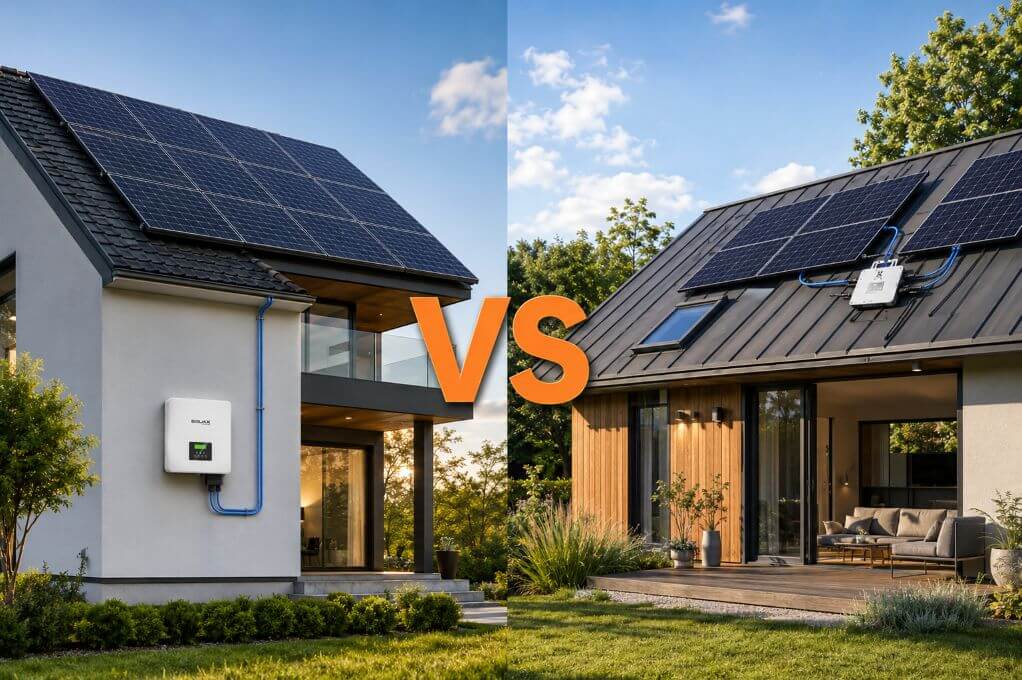
A microinverter is a small device installed on the back of each individual solar panel. Unlike traditional systems where one large inverter handles the entire array, microinverters perform Module-Level Power Electronics (MLPE).
Because they convert Direct Current (DC) to Alternating Current (AC) right at the panel, each panel operates independently. If one panel is covered by shade or debris, the rest of the system continues to produce power at maximum capacity.
What is a Hybrid Inverter?
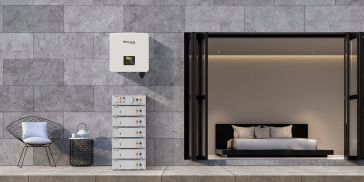
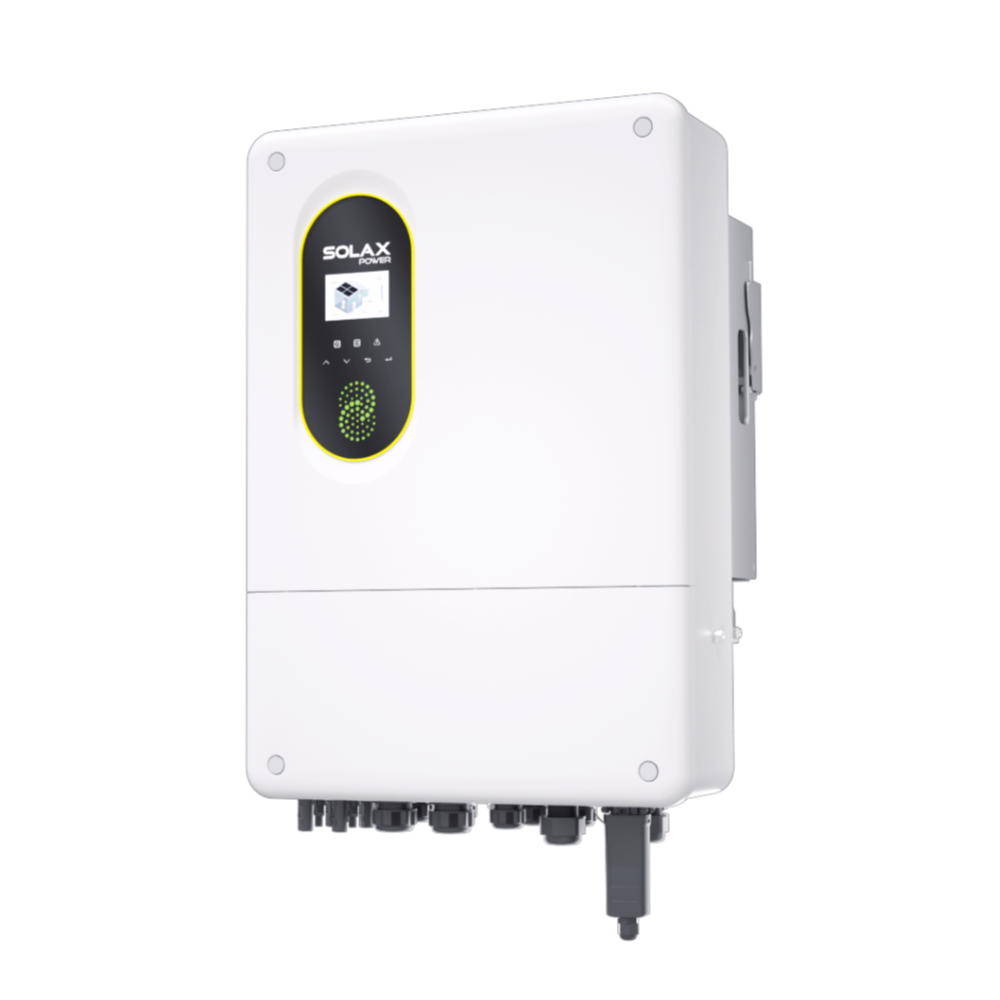
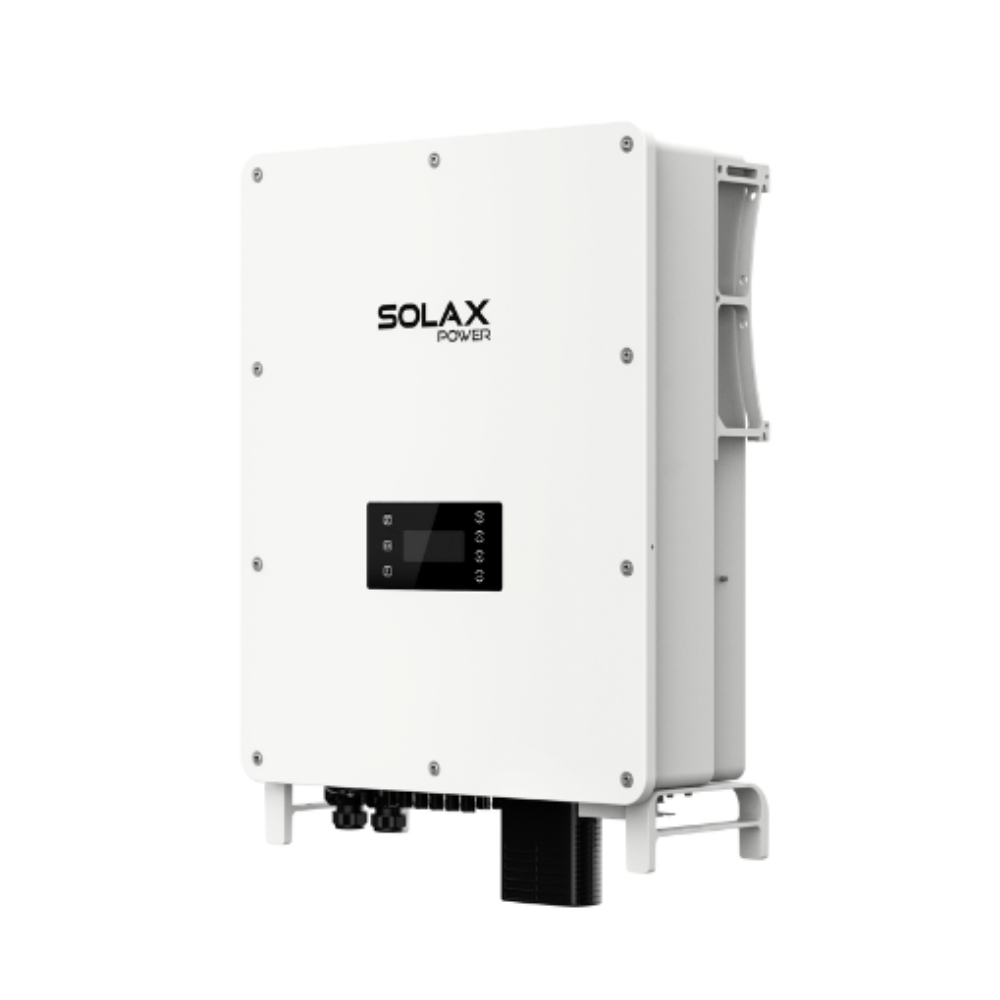
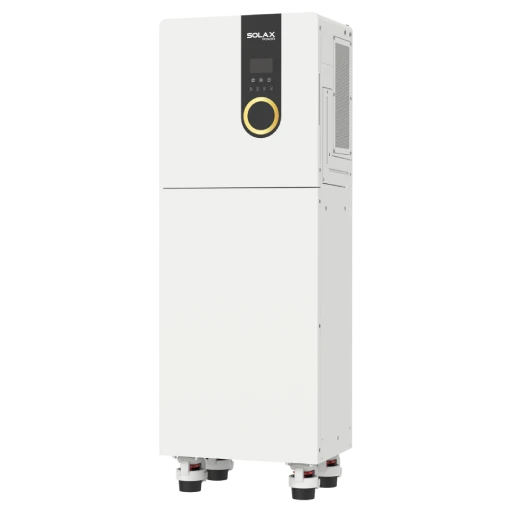
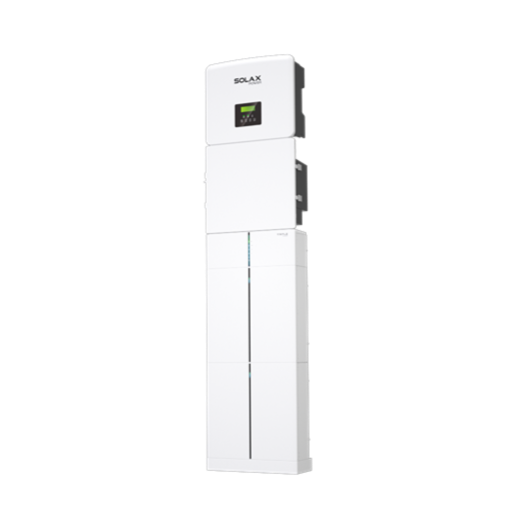
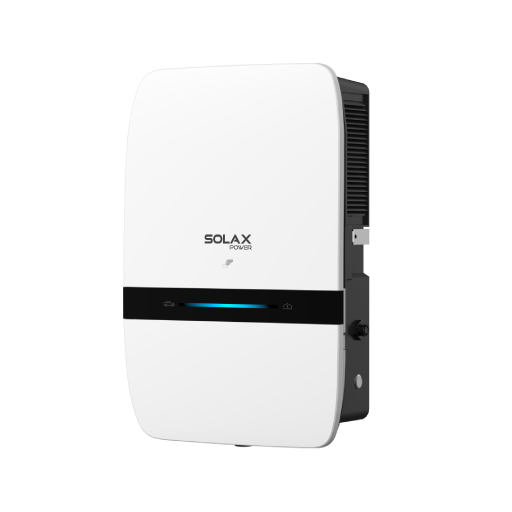
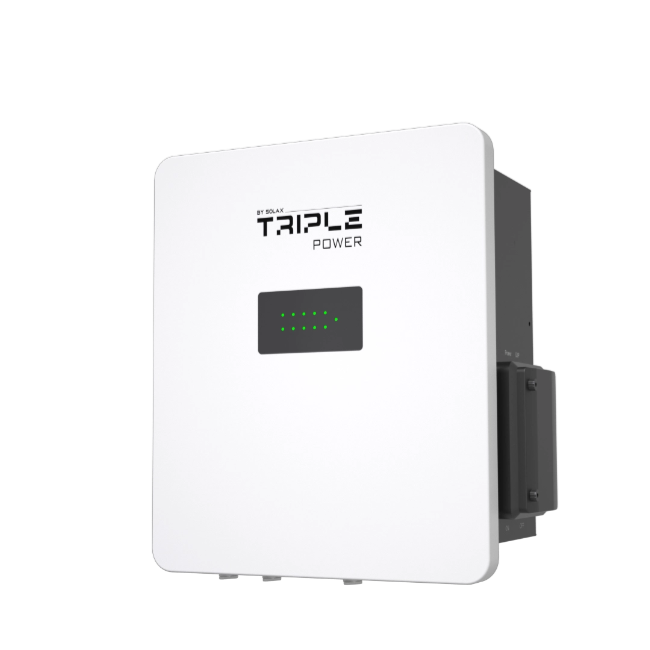
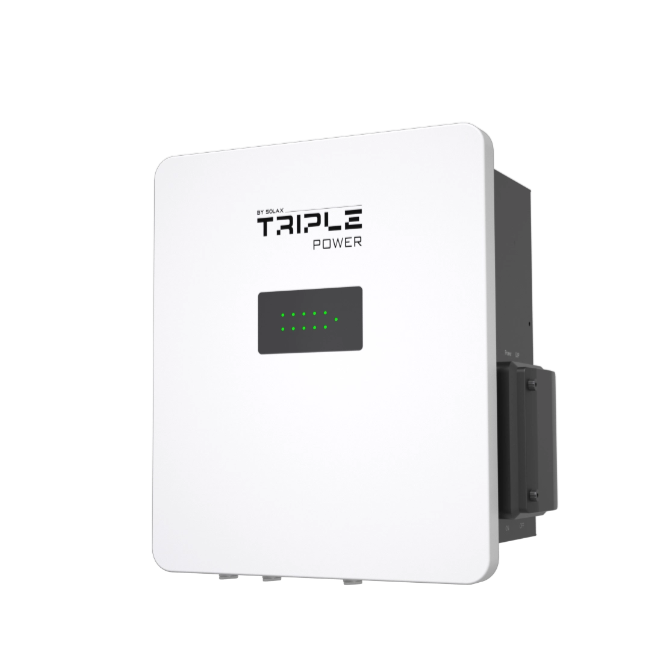
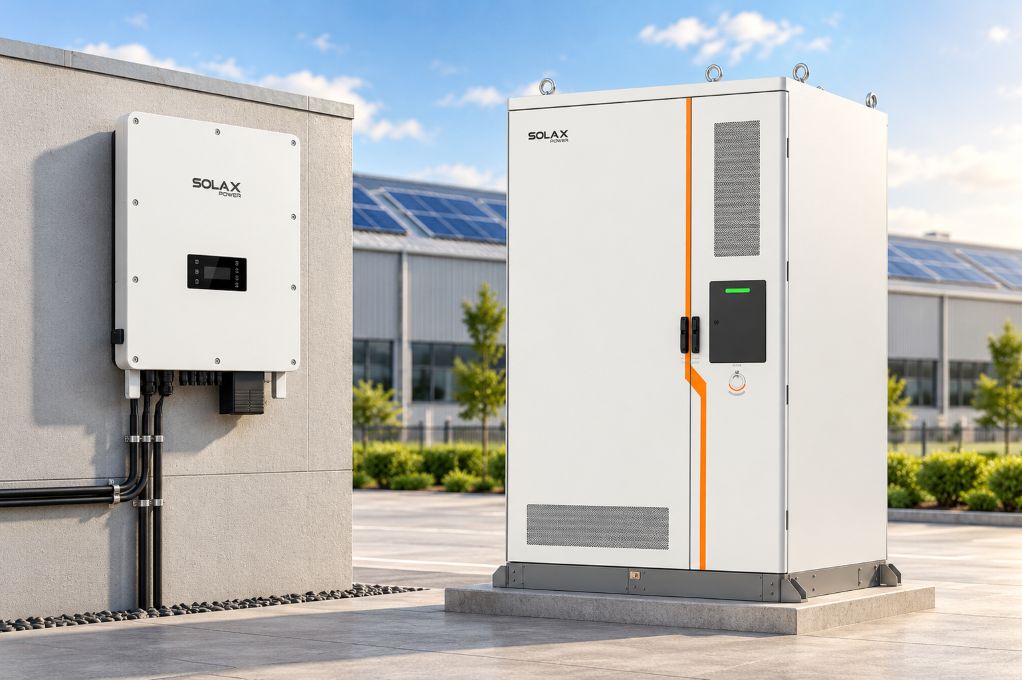
A hybrid inverter (also known as a multi-mode inverter) is a centralized unit that manages electricity from solar panels, battery storage, and the utility grid simultaneously.
It is "hybrid" because it combines the functions of a traditional solar inverter and a battery inverter into one piece of hardware. It intelligently decides whether to send solar energy to your home appliances, store it in a battery for later use, or sell it back to the grid.
Key Differences Between Microinverters vs Hybrid Inverters
To help you visualize the trade-offs, here is a comparison of their core features:
Feature | Microinverter | Hybrid Inverter |
Architecture | Panel-level (installed on the roof) | Centralized (installed on a wall) |
Shade Performance | Excellent (Independent panels) | Moderate (Entire string can be affected) |
Battery Ready? | No (Requires separate AC battery) | Yes (Built-in battery management) |
Outage Protection | No (Unless retrofitted with batteries) | Yes (Seamless backup with battery) |
Maintenance | Roof access required | Easy ground-level access |
Handling Shade and Roof Layouts
Microinverters: This is where they shine. Because they optimize at the panel level, shading on one panel won't drag down the rest of the system. They are perfect for complex roofs with panels facing different directions.
Hybrid Inverters: Typically operate on a "string" system. If one panel in the string is heavily shaded, it can reduce the output of the entire string (though adding DC optimizers can help mitigate this).
Battery Integration and Efficiency
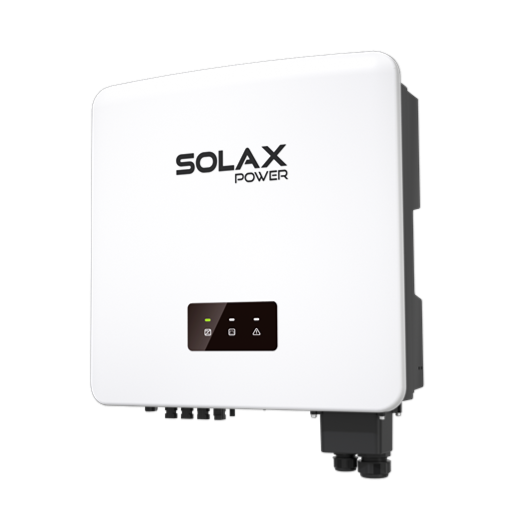
Hybrid Inverters: Specifically designed for battery storage. They boast superior efficiency because they use a "DC-coupled" system. Power goes from the solar panel straight to the battery without needing to be converted.
Microinverters: Not inherently designed for batteries. To store energy, the microinverter turns DC to AC on the roof, sends it to a battery, which then must convert it back to DC to store it. This "DC-AC-DC" double conversion results in an energy loss of about 5% to 8%.
Power Outage Reliability
Hybrid Inverters: When paired with a battery, a hybrid inverter will automatically disconnect from the grid during a blackout and keep your home powered using your solar and stored energy.
Microinverters: Standard microinverter systems are strictly grid-tied. By law, if the grid goes down, they must shut off to protect utility workers—meaning you have no power, even if the sun is shining, unless you add a separate, expensive AC-coupled battery system.
Installation Cost and Maintenance
Microinverters: Higher upfront equipment cost since you are buying an inverter for every single panel. If one breaks, a technician must climb onto the roof to replace it.
Hybrid Inverters: More cost-effective for larger systems. Because it is a single unit mounted on a wall at ground level, maintenance and troubleshooting are much easier and cheaper.
How to Choose: Which is Right for You?
Deciding on the micro inverter vs hybrid inverter debate ultimately comes down to your roof layout, your budget, and your long-term energy goals.
Choose a Microinverter if
Your roof has limited space, multiple angles, or significant shading from trees and chimneys.
You want to start with a small solar system and slowly add more panels over time (highly scalable).
You only care about lowering your monthly electricity bill and do not plan on adding battery storage or needing backup power during outages.
Choose a Hybrid Inverter if
You want to install solar batteries now (or in the near future) to achieve true energy independence.
You live in an area with frequent power outages and want seamless backup power.
You have an open, unshaded roof and want the most cost-effective and efficient solution for a large solar-plus-storage system.
Conclusion
Neither inverter is inherently "bad", but they serve very different purposes. If you want maximum panel-level optimization and flexibility, microinverters are the clear winner. However, as the world moves toward 24/7 energy independence, hybrid inverters are quickly becoming the gold standard for homeowners who want to seamlessly integrate solar panels, battery storage, and blackout protection.
Still not sure? Consult us to perform a shading analysis on your roof to see which technology will provide the fastest payback for your specific location.
Table of Contents
Latest News
Explore expert insights, practical guides, and the latest news on SolaX Power.
To the Latest Newsletter
Stay Ahead with the Latest SolaX Updates!
Subscribe
I have read and agree to Privacy Policy and User Terms