






September 19, 2025
A Comprehensive Guide of Micro Inverter Solar System
Share my #SolaXStory


Solar systems do not all operate under the same conditions. A simple, south-facing roof with no shade has very different needs from a roof with multiple orientations, chimneys, trees, skylights, or plans for future expansion.
A micro inverter solar system uses a small inverter on each solar panel rather than one central string inverter for the entire array. This design can give homeowners and businesses more flexibility, panel-level visibility, and stronger overall performance when panels do not receive the same sunlight.
This guide explains how micro inverter solar systems work, how they compare with string inverters and power optimizers, when they are worth considering, and what to check before choosing a system.
What Is a Micro Inverter Solar System?
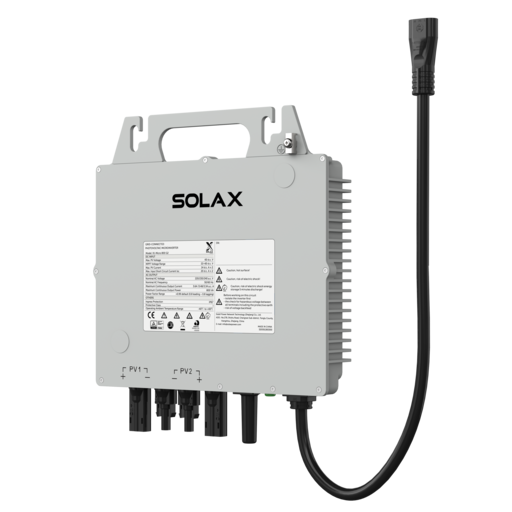
A micro inverter solar system is a photovoltaic system in which each solar panel has its own inverter.
Solar panels generate direct current (DC) electricity. A micro inverter installed at or near each panel converts that DC electricity into alternating current (AC), which can be used by household appliances, commercial loads, or exported to the grid.
Because each module operates more independently, a lower-performing panel has less effect on the rest of the system than it would in a conventional string.
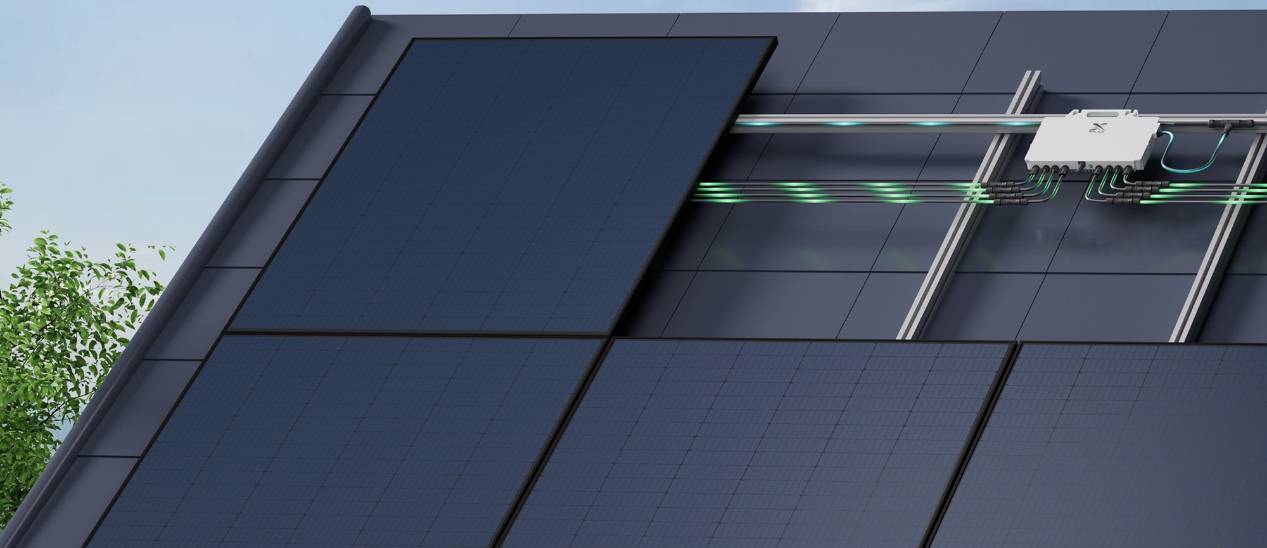
How do Micro Inverters Work?
Each micro inverter tracks the operating point of its connected solar panel using Maximum Power Point Tracking, commonly called MPPT.
Solar output can vary from panel to panel because of:
Partial shading from trees, chimneys, nearby buildings, or dirt
Different roof orientations or tilt angles
Different panel models or power ratings
Uneven ageing of modules
Temporary snow, leaves, or other obstructions
In a string system, these differences can reduce the output of the whole string. In a micro inverter solar system, module-level MPPT allows each panel to operate closer to its own optimal point.
This does not mean micro inverters always have a higher conversion efficiency than every string inverter. Their key advantage is that they can improve total system yield when real-world rooftop conditions create mismatch between panels.
Key Benefits of a Micro Inverter Solar System
Better performance on shaded or complex roofs
A roof may receive different amounts of sunlight throughout the day. One panel may be shaded while another remains in full sun; one roof face may face east while another faces west.
With micro inverters, each panel converts power independently. This can help preserve output from the unshaded or better-performing modules.
Panel-level monitoring
Smart micro inverter systems can provide production data for each panel. This makes it easier to identify:
A panel affected by shade or dirt
A module with lower-than-expected output
A possible connection or equipment issue
The exact area that needs inspection
For installers, facility managers, and homeowners who want more detailed visibility, panel-level monitoring can simplify troubleshooting.
Easier system expansion
Micro inverter systems are often well suited to phased installations. If a homeowner starts with a smaller system and later wants to add panels, additional modules can usually be added without replacing or resizing one central inverter.
This is useful for projects where energy use may grow over time, such as homes adding an EV charger, heat pump, battery storage, or new electrical loads.
Lower high-voltage DC exposure on the roof
In a conventional string design, multiple panels can create high-voltage DC strings. A micro inverter system converts electricity to AC at the module level, reducing the amount of high-voltage DC wiring across the rooftop.
Micro Inverters Compare to Other Types of Solar Inverters
Microinverters vs. String Inverters
String inverters connect multiple panels in a series (or "string"). If one panel is shaded, the entire string's output is affected.
By contrast, a solar micro inverter isolates panel performance, meaning shading or damage on one panel doesn't impact the rest.
For rooftops with varied orientations or partial shading, micro inverters often deliver higher energy yields.
Microinverters vs. Power Optimizers
Power optimizers also work at the panel level but still rely on a centralized inverter for DC to AC conversion.
A photovoltaic micro inverter performs the full conversion at each panel, eliminating the dependency on a single central unit.
While power optimizers can improve efficiency, micro inverters provide greater independence and often simpler installation.
When Is a Micro Inverter Solar System Worth It?
A micro inverter solar system is often worth considering if your project includes one or more of the following conditions:
Multiple roof orientations, such as east, south, and west-facing panels
Partial shading from trees, chimneys, dormers, skylights, or nearby buildings
Panels with different ratings, ages, or installation conditions
A small residential, balcony, carport, or distributed solar installation
Plans to add panels gradually in the future
A requirement for panel-level monitoring and easier fault identification
A preference for module-level AC conversion
However, micro inverters are not automatically the best option for every project.
If a roof is large, unshaded, consistently oriented, and uses identical modules, a string inverter system may offer a lower upfront cost while still delivering strong performance. The right choice should consider lifetime production, roof complexity, installation design, maintenance needs, and future expansion—not only equipment price.
SolaX's Microinverter Solutions
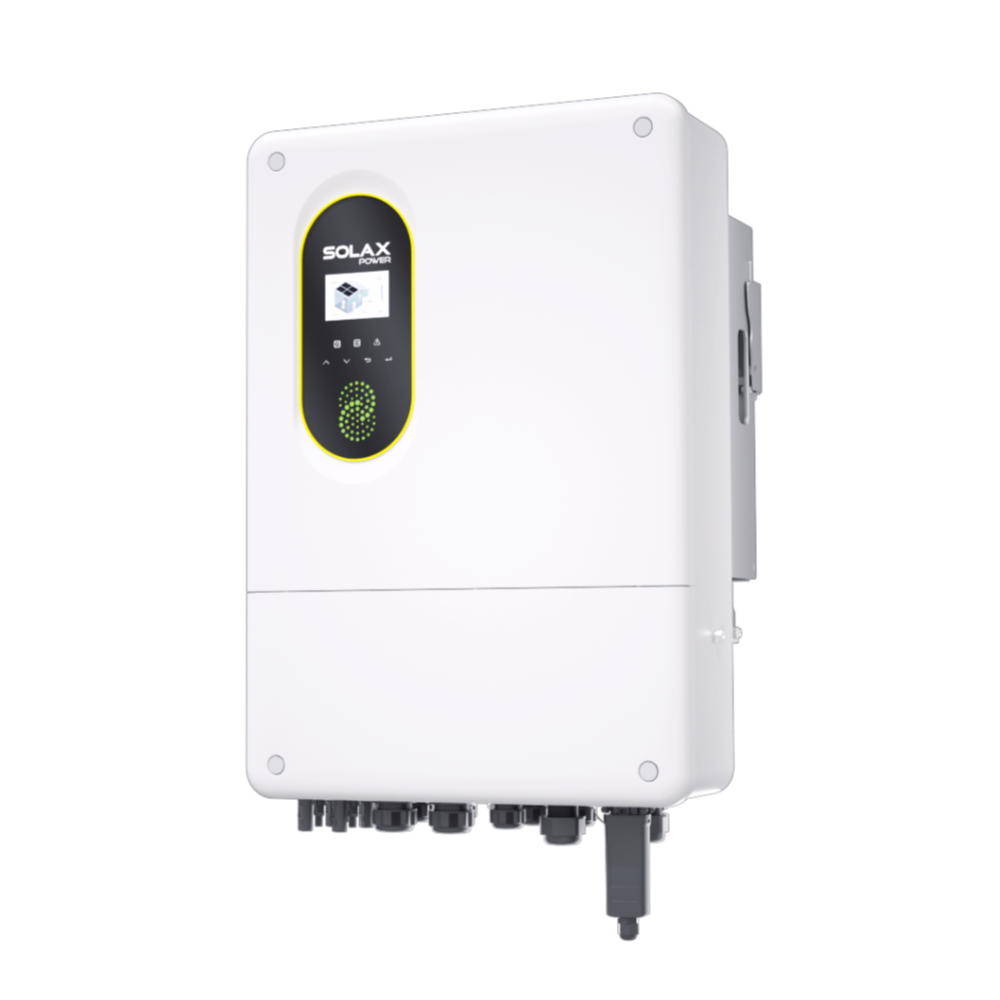
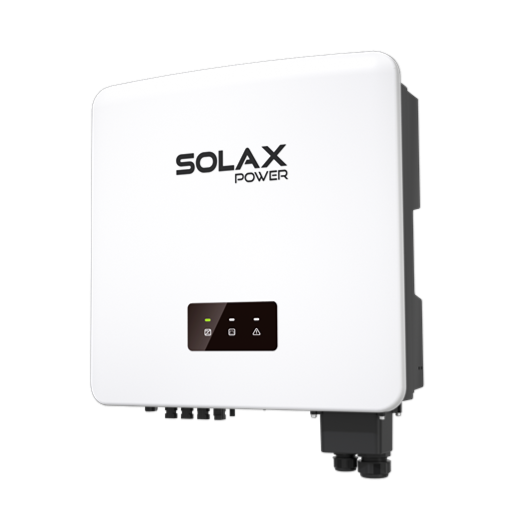
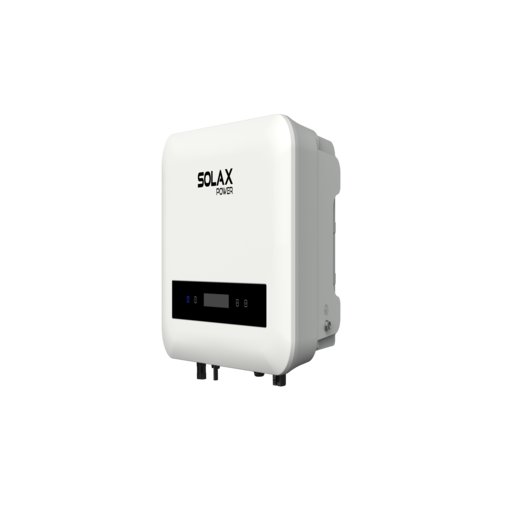
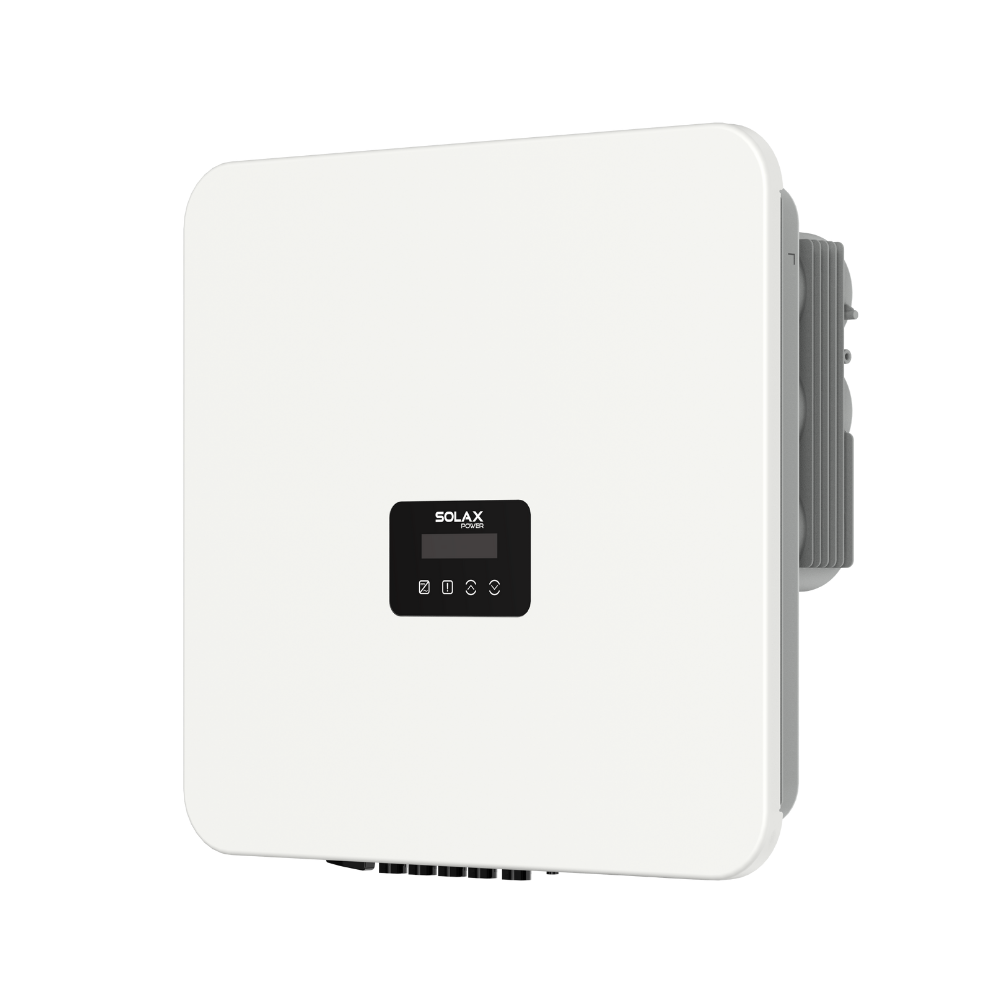
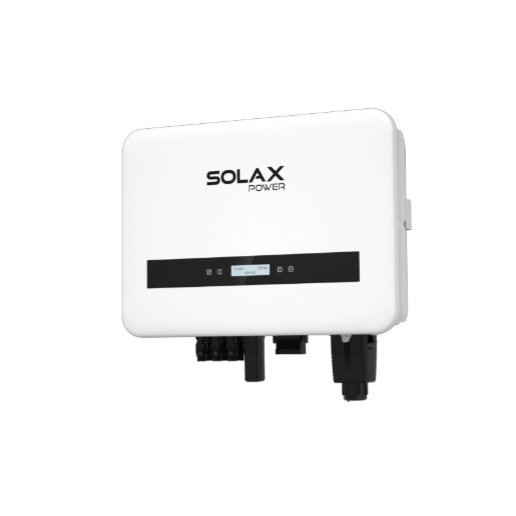
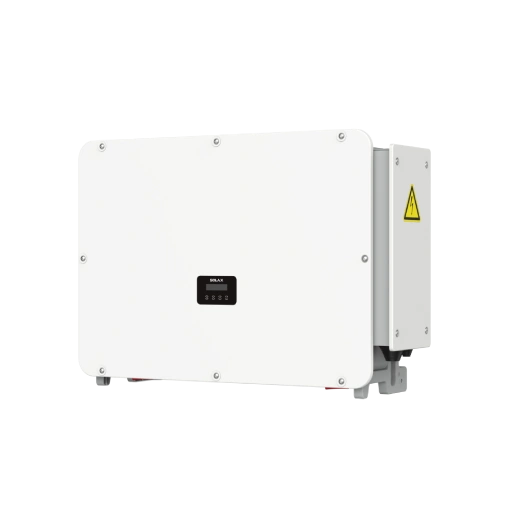
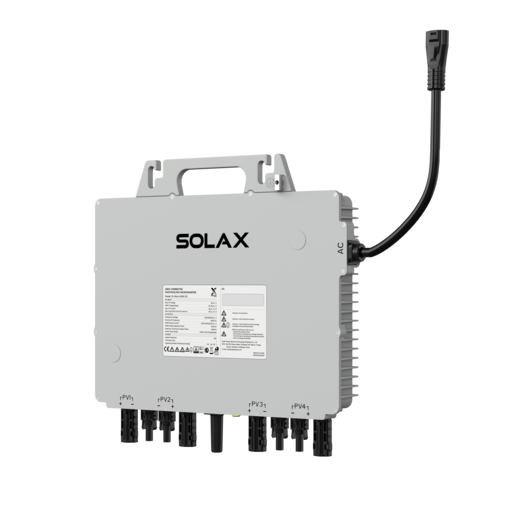
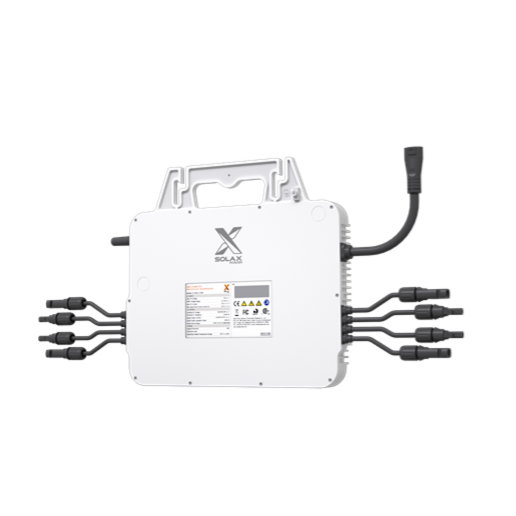
As one of the leading micro inverter manufacturers, SolaX has developed a strong portfolio of smart micro inverters tailored to diverse energy needs. Their solutions integrate seamlessly into residential and commercial solar systems, delivering superior performance and user-friendly monitoring.
Key highlights of SolaX photovoltaic micro inverter products include:
High efficiency: Industry-leading conversion rates that maximize solar output.
Panel-level monitoring: Real-time data access through smart platforms, empowering users to optimize performance.
Safety by design: Lower DC voltage levels ensure enhanced protection for installers and users.
Scalability: Flexible expansion options for growing energy demand.
Reliability: Designed for durability, with robust warranties and strong technical support.
By integrating SolaX solar micro solutions, homeowners and businesses gain access to cutting-edge micro inverter system technology that not only boosts efficiency but also ensures long-term reliability.
FAQ
Table of Contents
Latest News
Explore expert insights, practical guides, and the latest news on SolaX Power.
To the Latest Newsletter
Stay Ahead with the Latest SolaX Updates!
Subscribe
I have read and agree to Privacy Policy and User Terms