












August 26, 2026
Affordable Does Not Mean Basic: High-Quality Solar Inverter Alternatives for UK Homes
Share my #SolaXStory


A lower quote for a solar inverter can look sensible at first, yet the real trade-off often appears after installation. You may save on day one, then lose flexibility on battery expansion, export control, app visibility, or backup planning later. For many UK homes, the better question is not simply how cheap the inverter is, but whether the full solar power system will stay useful as your needs change.
What makes a solar inverter feel premium in everyday UK use
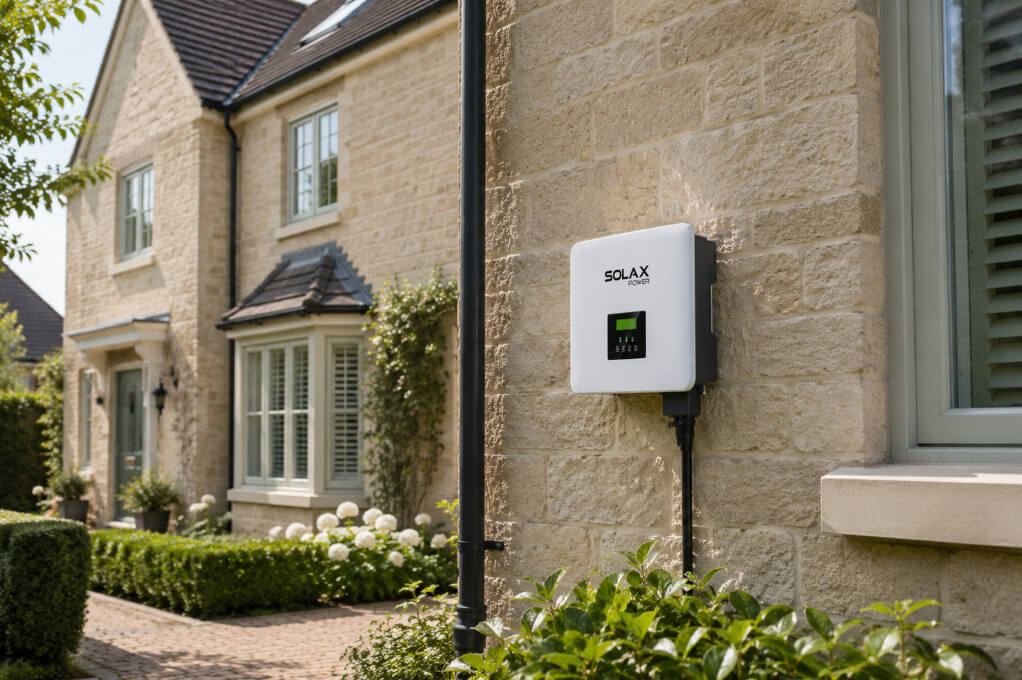
A premium-feeling system is usually less about gloss and more about control. In UK homes, export limits, DNO requirements, and self-consumption targets all shape what "good value" really means. That is why a well-chosen solar inverter should be judged as part of a working household energy setup, not as an isolated box on the wall.
Look beyond upfront cost and think about total system value
Check whether monitoring is detailed enough for daily decisions
Make sure the solar battery and inverter use one clear control logic
Ask for UK paperwork covering the relevant grid connection pathway
The core functions worth keeping
Some features are easy to dismiss during quoting, but they matter once the system is live. Stable conversion, sensible battery charging behaviour, and clear app data all improve how your solar energy is used day to day. Export limiting is also important in the UK, because some homes need tighter control over what reaches the grid.
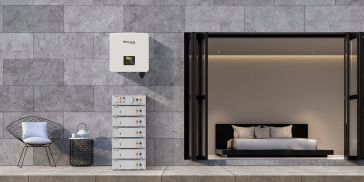
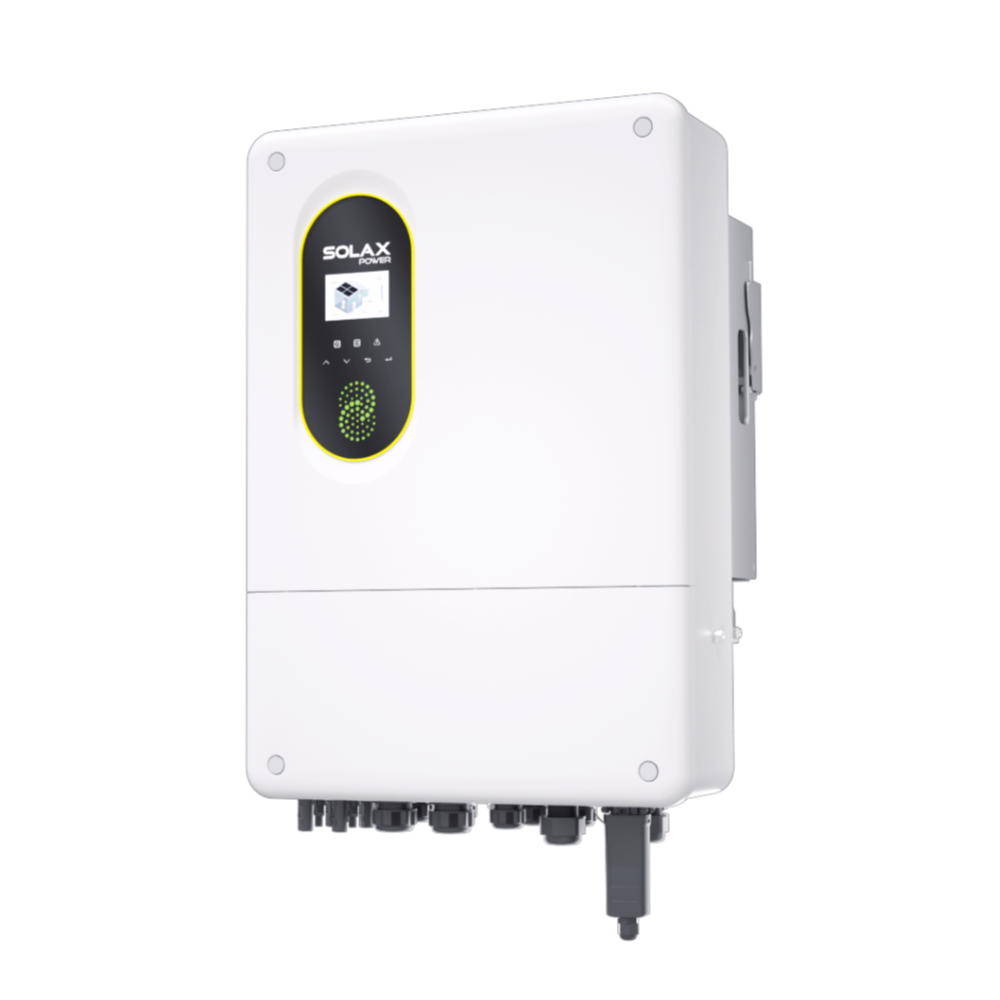
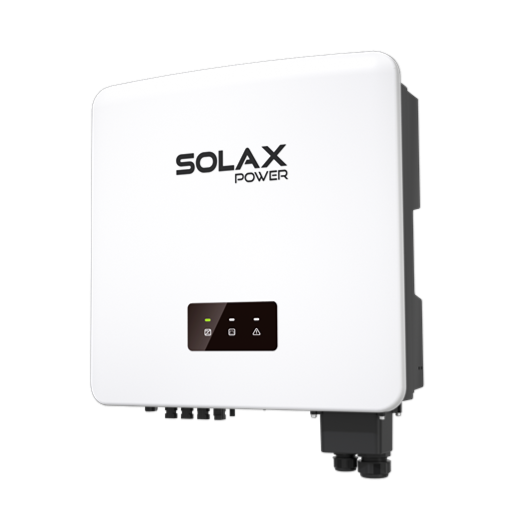
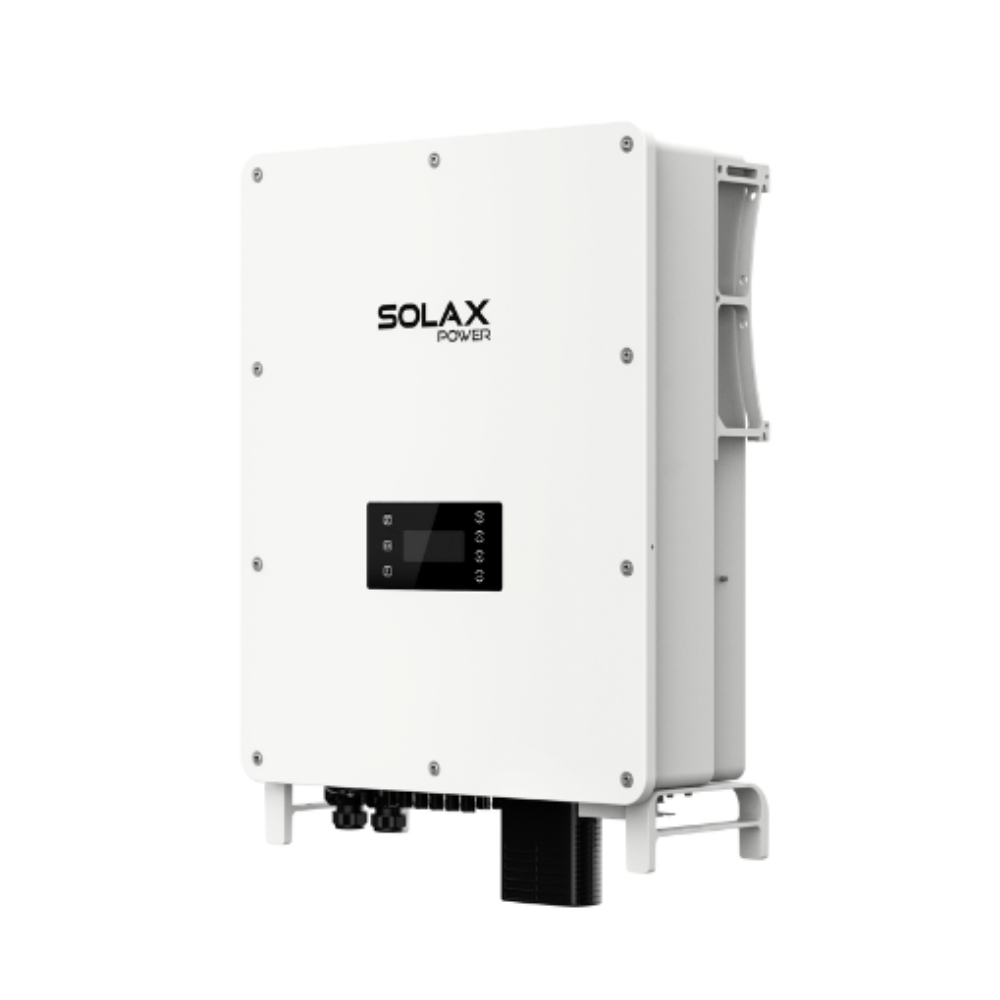
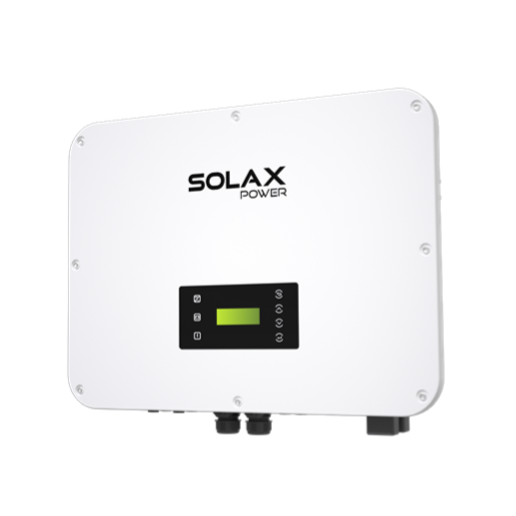
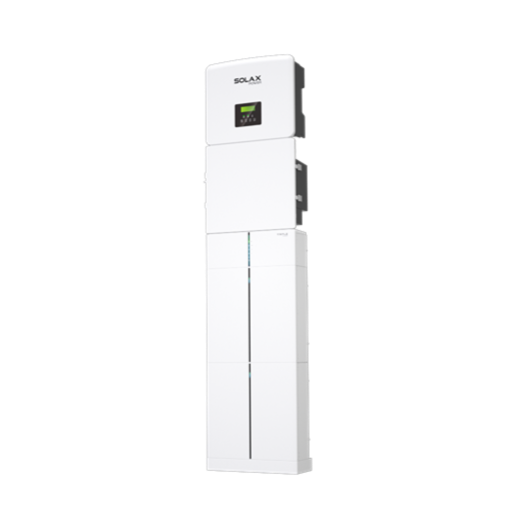
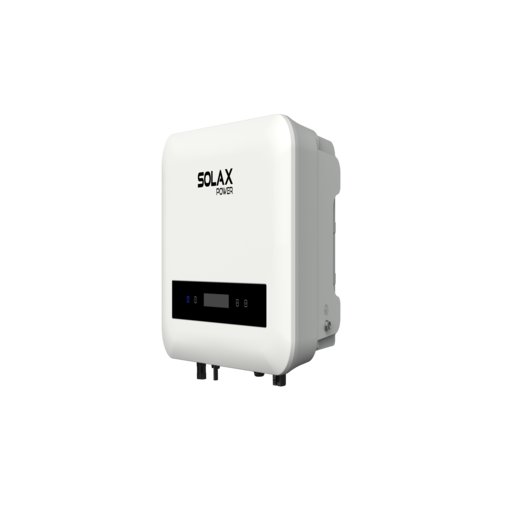
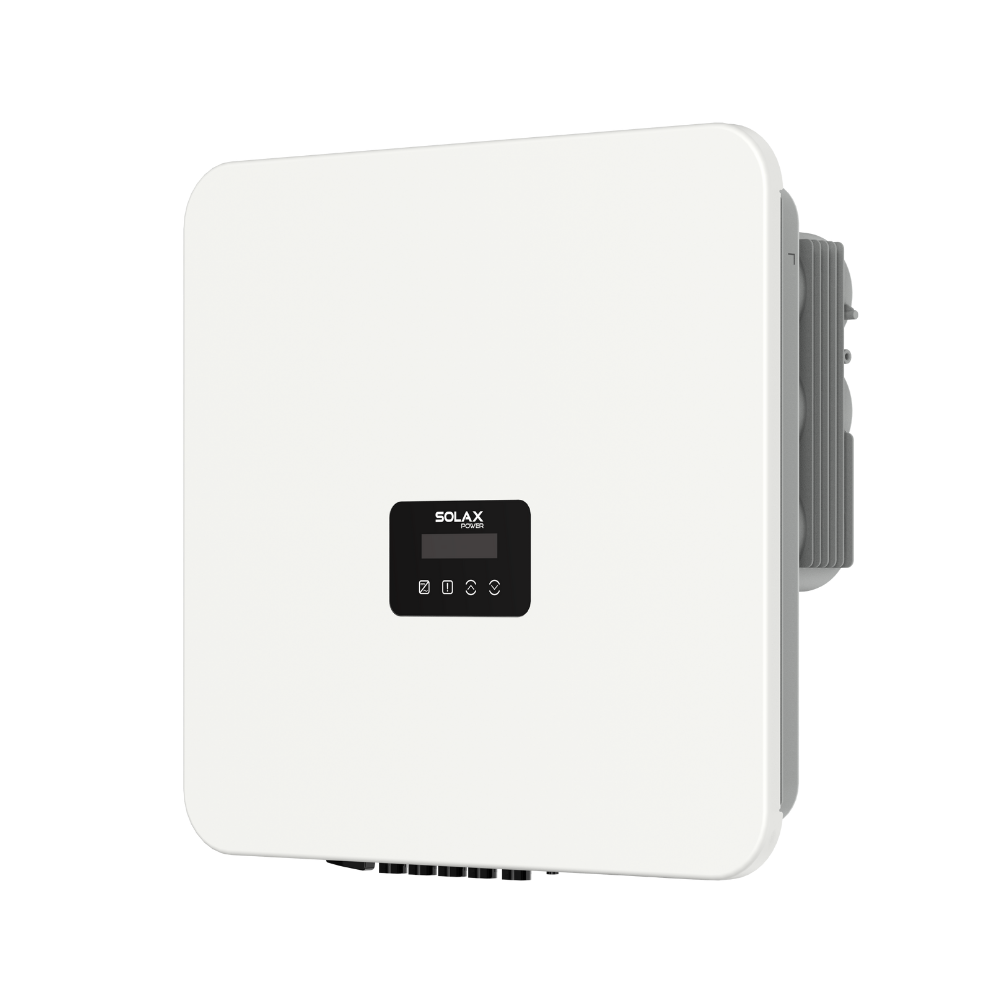
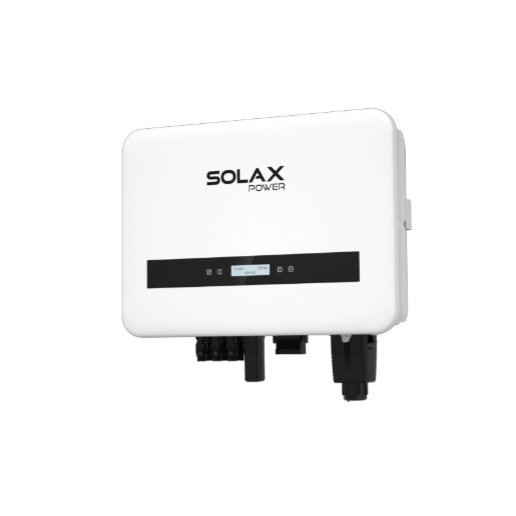
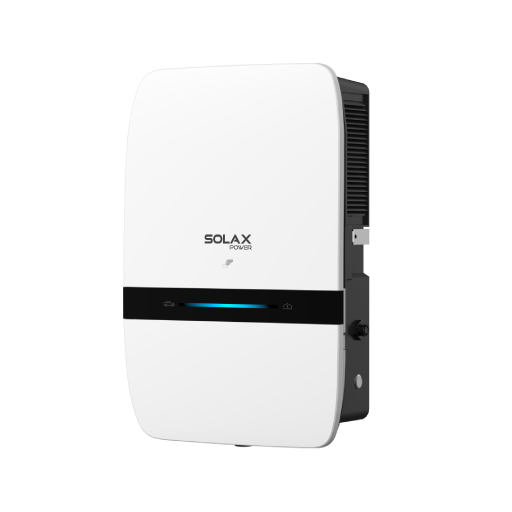
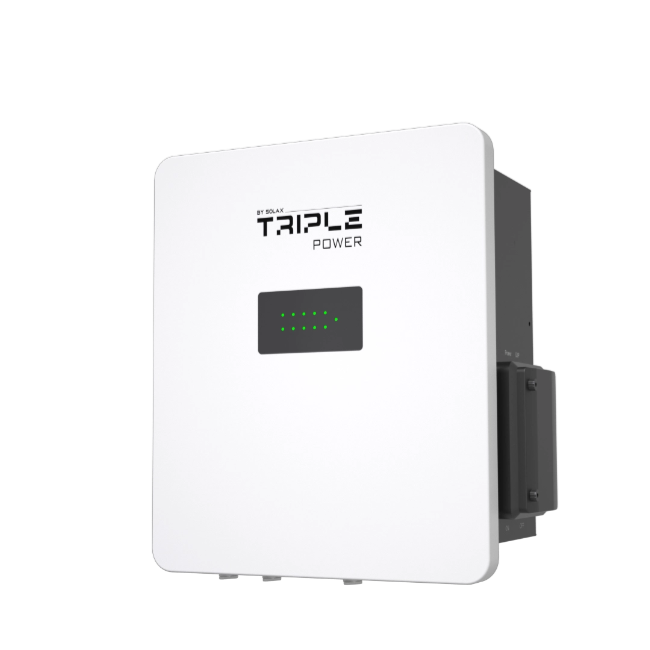
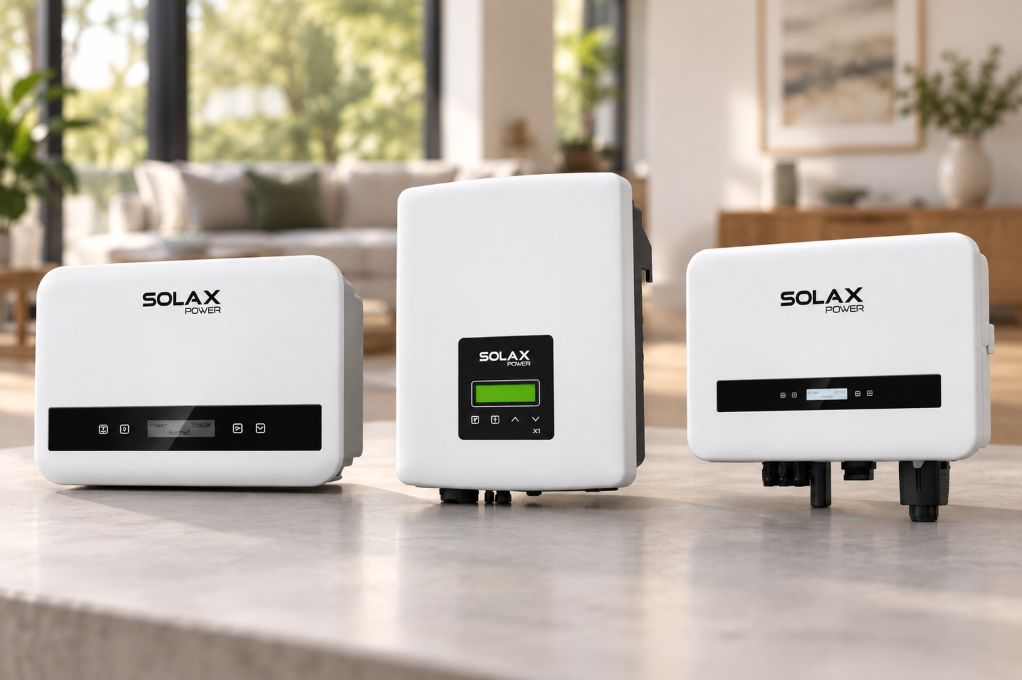
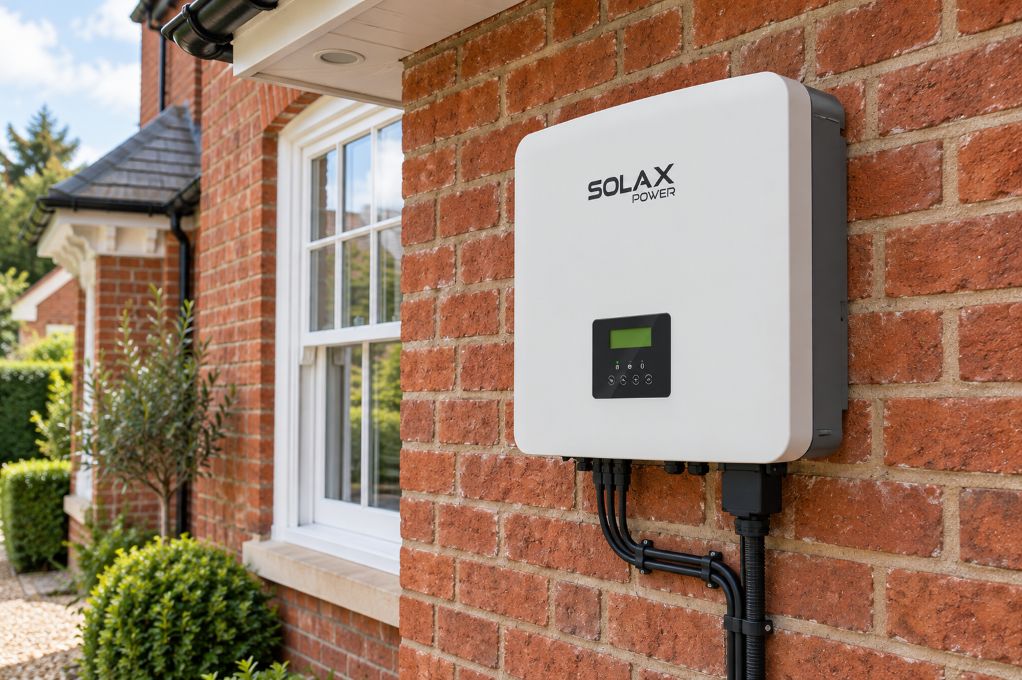
SolaX positions this around one connected ecosystem. Its single-phase X1-Hybrid G4 range spans 3.0 kW to 7.5 kW, supports two MPPTs, and is designed for residential storage use with battery integration and smart load management. The official product page also states up to 200% PV oversizing, up to 97% charging and discharging efficiency, and CT compatibility with fast load response.
Why this matters for UK homes
UK system design is shaped by grid connection rules, not just roof size. Ofgem guidance references ENA G98 for small-scale embedded generation up to 16A per phase, while G99 applies to larger or different connection cases. In practice, export limitation may also come into the design conversation where network constraints apply.
How to compare affordable routes inside one ecosystem
Choosing within one brand ecosystem can make comparisons easier because the control layer stays more consistent. Instead of comparing unrelated hardware stacks, you can focus on which system architecture matches your house, existing equipment, and upgrade plans.
Hybrid inverter route for new PV plus storage
If you are starting from scratch, a hybrid route is often the cleanest option. One device manages generation, battery charging, and household supply priorities in a single platform. That usually means simpler commissioning and less fragmentation in your monitoring.
The X1-Hybrid G4 suits this route well for single-phase homes. SolaX states that it supports lithium-ion and lead-acid battery compatibility, offers UPS-level switchover below 10 ms, and provides IP65 protection. For households planning future expansion, the published range from 3.0 kW to 7.5 kW gives installers room to size the system more precisely.
All-in-one route for simpler specification
Some households want fewer component decisions and a tidier install plan. In that case, an all-in-one system can reduce matching risks because the inverter battery combination is already designed to work together. That can be especially useful where space planning, faster commissioning, or a straightforward handover matters.
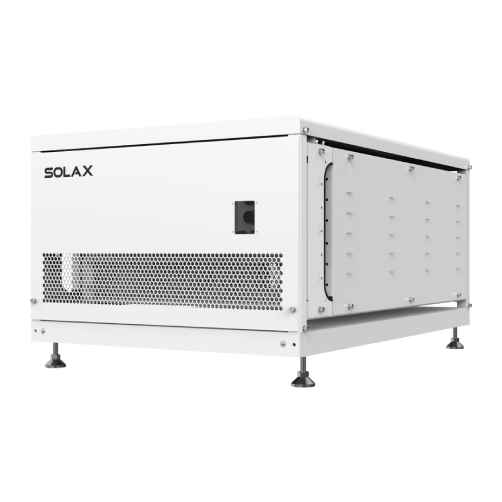
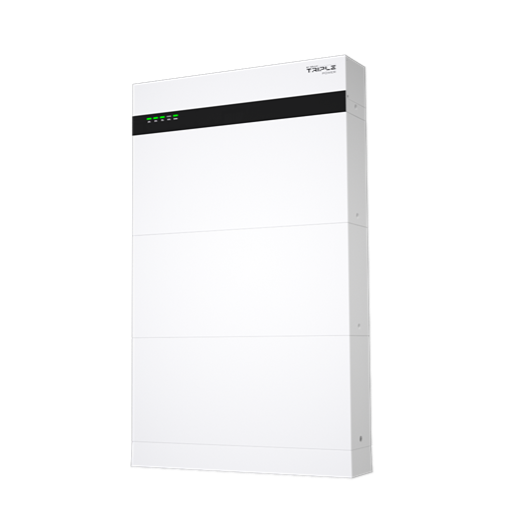
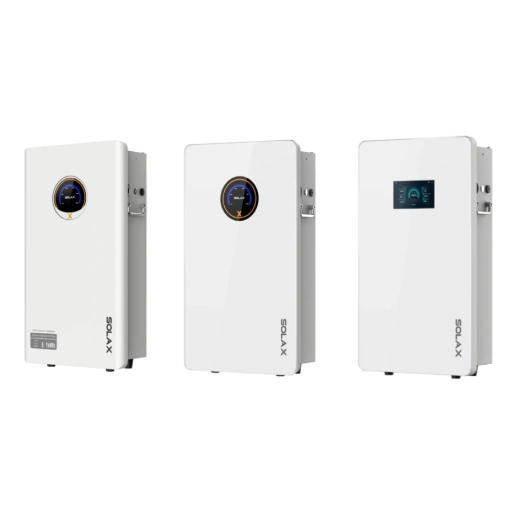
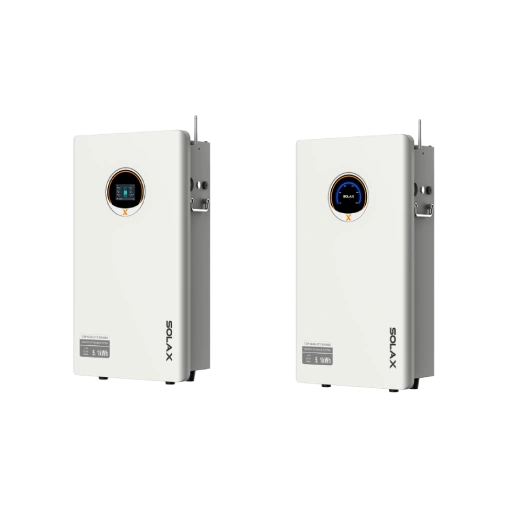
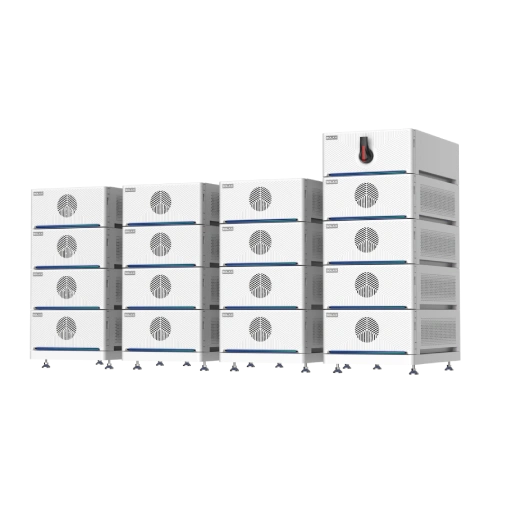
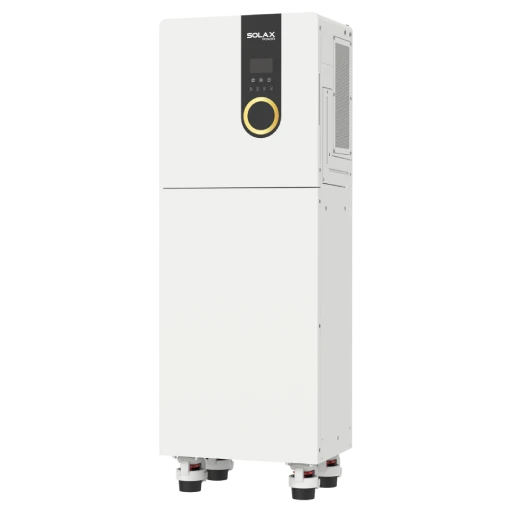
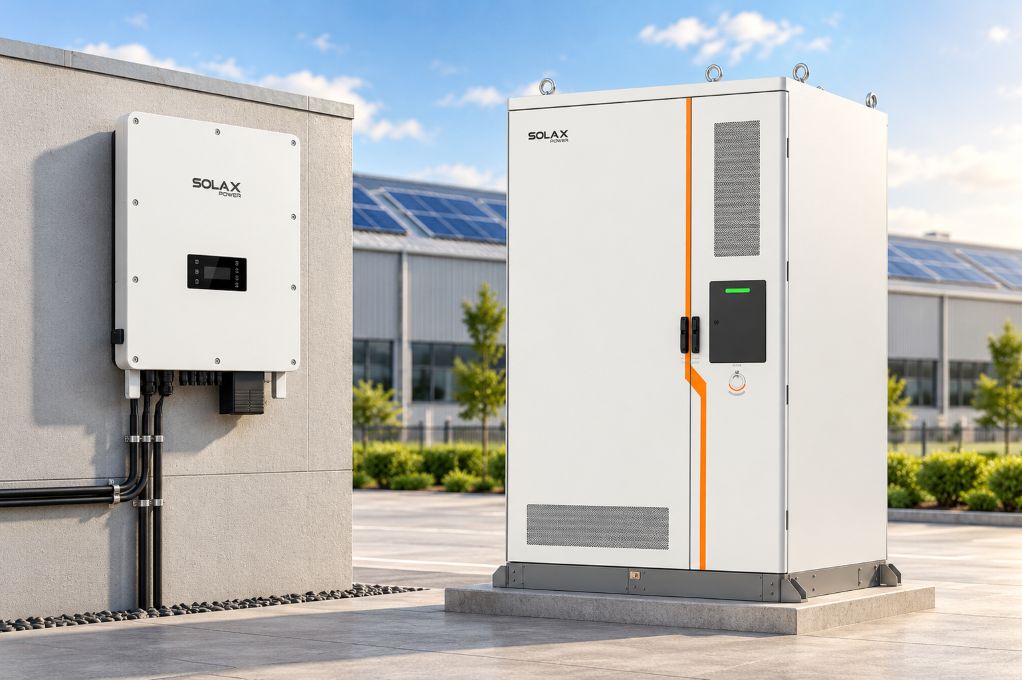
SolaX offers this route through the X1-IES and the broader residential all-in-one ESS category. The official pages describe an all-in-one, plug-and-play design, multi-mode operation, and modular expansion up to 40 kWh for the X1-IES, while the residential ESS page highlights pre-configured design and reduced wiring and commissioning time.
Which checks matter most before you choose
A lower-cost system can still be the right choice if the essentials are confirmed early. The key is to test the quote against your site conditions rather than buying on wattage alone.
Compliance and export limiting
Before you agree to any design, ask for UK-specific documentation and a clear explanation of the connection route.
Confirm whether your installer is working to a G98 or G99 pathway
Check whether export limitation is required for your site
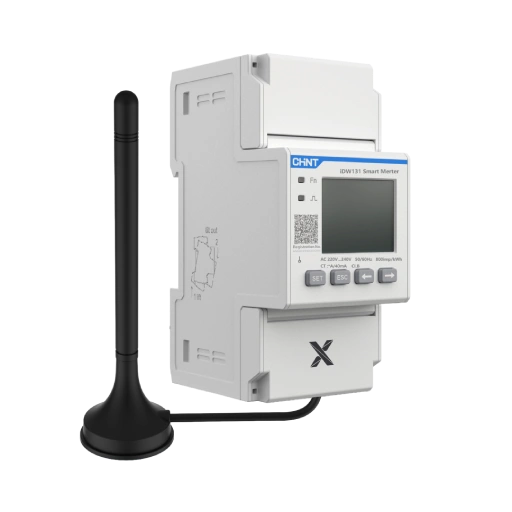
Verify whether the design needs CTs or a meter for control
Ask how the export limit is commissioned and tested
Battery and smart energy controls
Battery fit is not only about capacity. You also need to know how the system charges, how much visibility you get, and whether later additions such as EV charging can sit in the same logic.
SolaXCloud documentation shows real-time plant monitoring, warning visibility, and, on supported devices, live data refresh every 10 seconds. The platform documentation also describes plant status views and energy management interaction in real time, which is useful if your goal is better self-consumption rather than passive generation alone.
Ofgem G98 covers small-scale embedded generation up to 16A per phase, which is one of the reasons single-phase sizing and export design matter so much in UK domestic projects.
Where SolaX fits for value-focused UK households
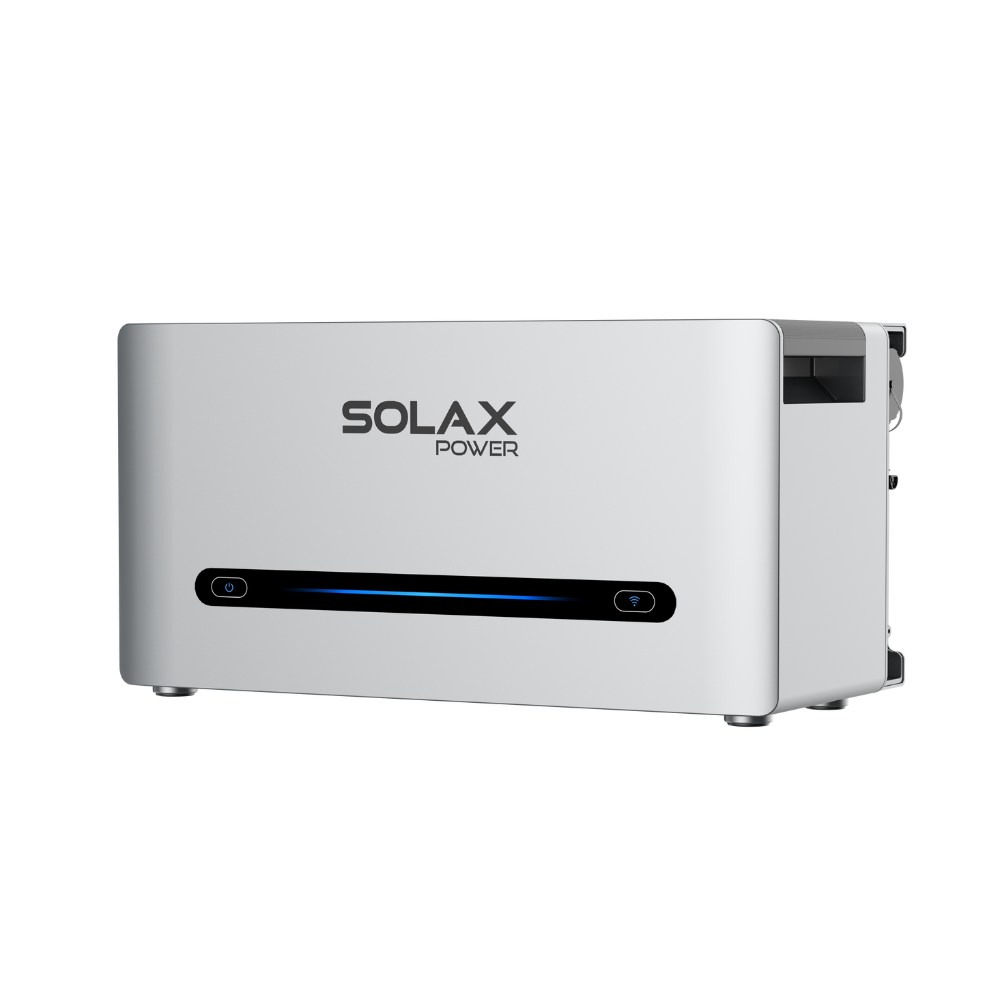
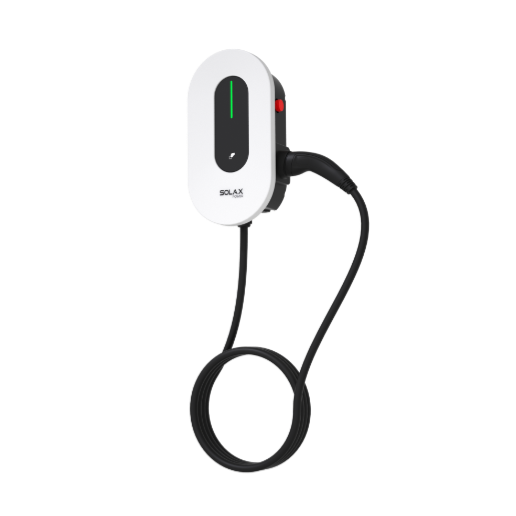
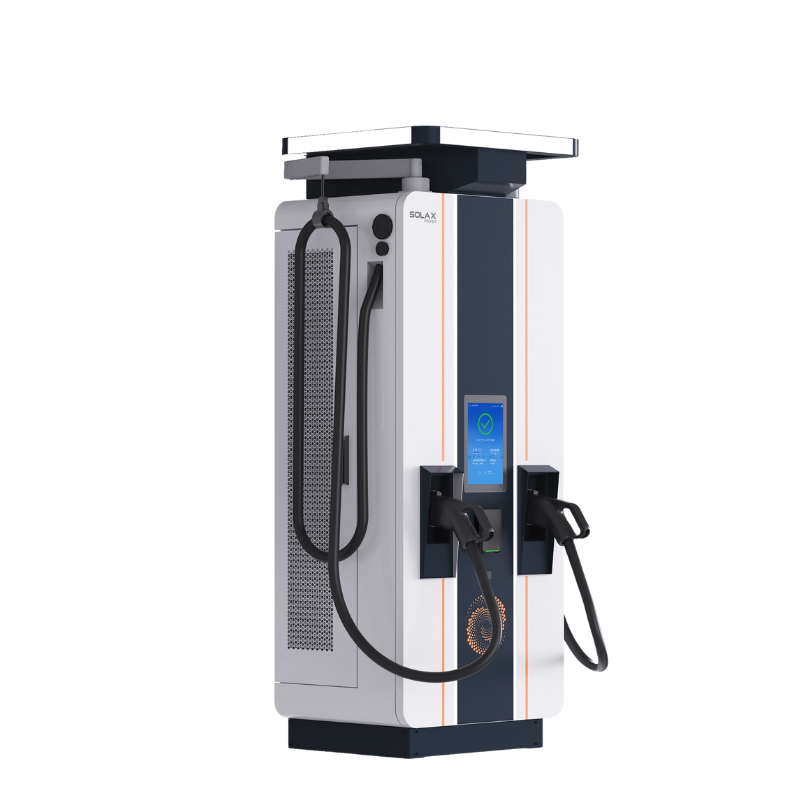
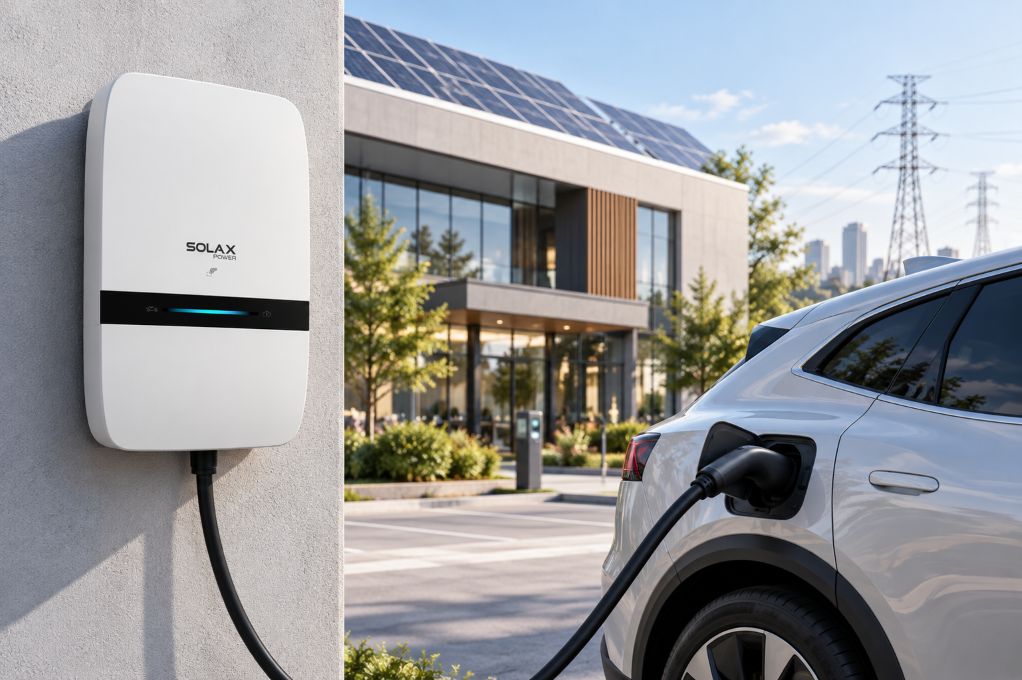
SolaX is strongest when you want the inverter, solar battery, and monitoring path to work as one joined-up system. The brand's residential range covers storage inverters and all-in-one ESS, while the wider ecosystem extends into EV charging and cloud-based smart energy management. For homeowners, that can mean fewer integration gaps and a clearer route for later upgrades.
Hybrid route: best for new PV plus storage on one control layer
Retrofit-minded route: best when future staged upgrades matter
All-in-one route: best when simpler specification and tidy deployment matter
Ecosystem route: best when app visibility and later expansion are priorities
Good habits and mistakes to avoid
A capable solar inverter does not need to be over-specified, but it should be properly matched. Good planning keeps the system useful for longer and avoids false savings.
Do
Ask for UK compliance documents before signing off the design
Size around real household demand, not only panel ambition
Plan solar battery growth from the start if you expect changing usage
Don't
Judge value by wattage alone
Assume backup means full-home coverage
Ignore export limit setup, CT placement, or commissioning detail
The practical takeaway for UK buyers
Affordable does not need to mean stripped back. In many homes, the stronger long-term choice is the one that balances compliance, monitoring, battery logic, and expansion options from the start. A system that fits your usage pattern usually outperforms a cheaper one that creates design compromises later.
For a value-focused shortlist, the route is fairly clear. Use a hybrid inverter for a fresh PV-plus-storage build, look at an all-in-one ESS if you want simpler specification, and keep the ecosystem view in mind if app visibility, EV charging, or future upgrades matter to you.
FAQ
Table of Contents
Latest News
Explore expert insights, practical guides, and the latest news on SolaX Power.


To the Latest Newsletter
Stay Ahead with the Latest SolaX Updates!
Subscribe
I have read and agree to Privacy Policy and User Terms