












August 27, 2026
Recommended 6 Home Battery Backup Systems for Keeping Essentials Running During Power Cuts
Share my #SolaXStory


A power cut feels manageable until the fridge warms up, the router drops out, and the lights you rely on most are all on the same dead circuit. When you are comparing a home battery backup, the risk is not simply buying too little storage.
It is choosing a solar battery or inverter battery setup that looks good on paper but does not match your real outage pattern, available space, or plan to expand later.
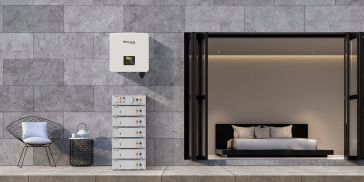
This shortlist focuses on six SolaX systems that suit different levels of backup planning, from smaller essential-load support to much larger solar power system resilience.
The comparison is organised around runtime, expandability, installation conditions, and how neatly each option fits into a broader smart energy setup with monitoring and future upgrades.
The six home battery backup systems worth shortlisting
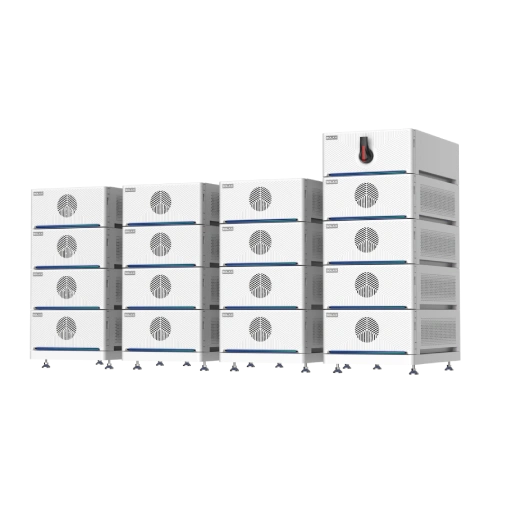
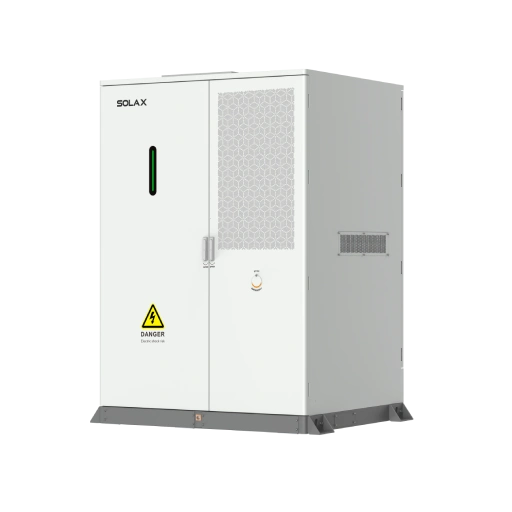
1. LD32 32.1kWh Energy Storage Battery System
If your goal is to keep far more than a few essential circuits running, LD32 is the high-capacity option in this list. It suits larger homes, heavier evening use, or households planning longer backup windows where a basic inverter battery setup may feel restrictive. The trade-off is straightforward: this is not the smallest or simplest starting point, but it is the strongest fit when runtime and peak support matter most.
Why it stands out
32.1kWh system size for deeper backup planning.
Maximum charge and discharge current of 210A.
Peak output power of 32.1kW for 3 seconds.
Parallel expansion up to 16 units, scaling from 32.1kWh to 513.6kWh.
Reliability features include aerosol fire suppression and CO detection.
Best for
Larger properties with broad backup expectations.
Homes that want stronger support for short high-load events.
Households planning future expansion rather than a fixed-capacity install.
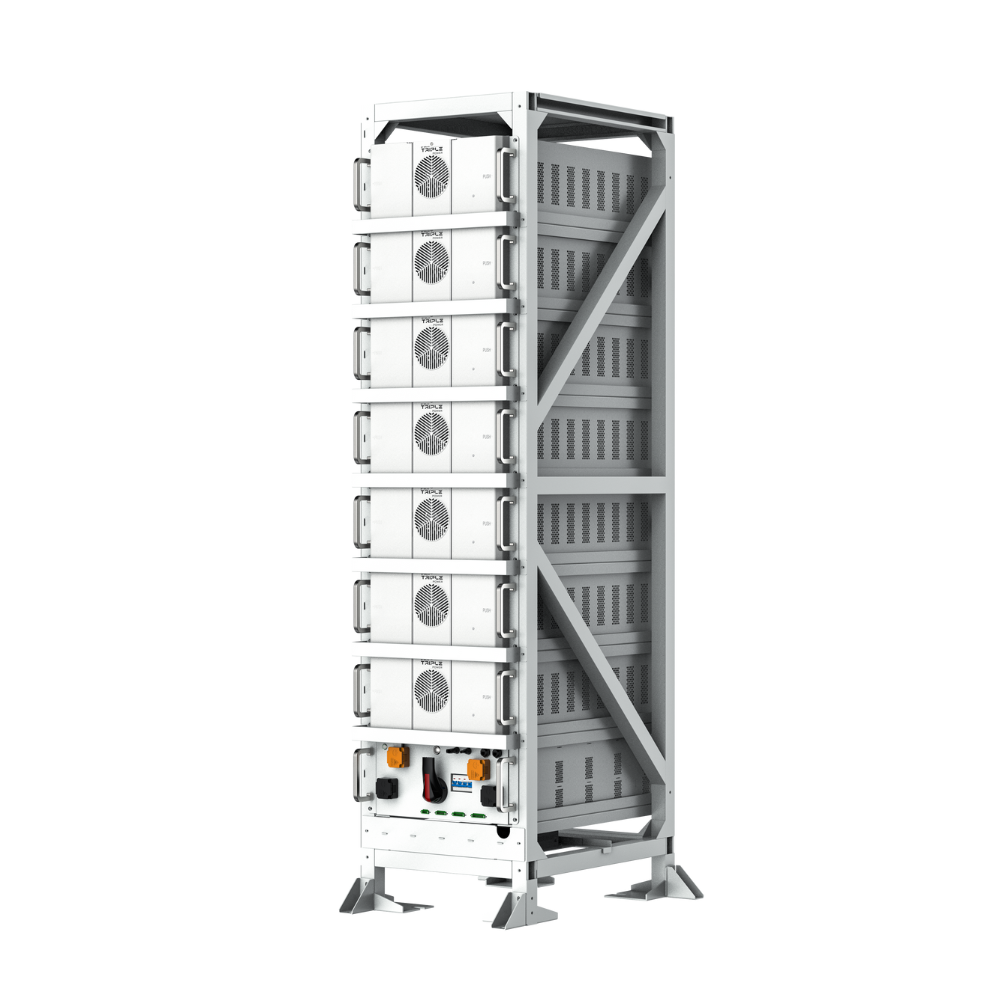
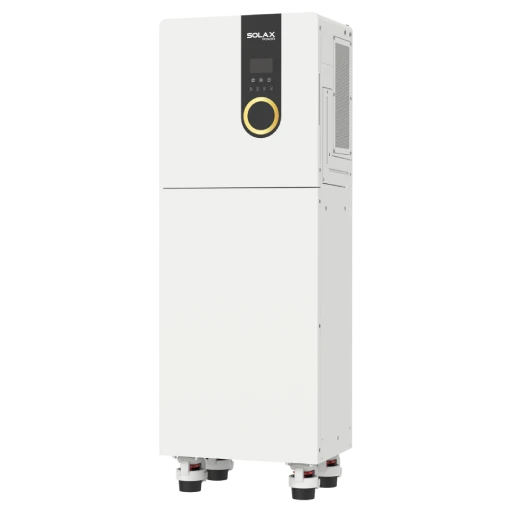
2. HS50E-D
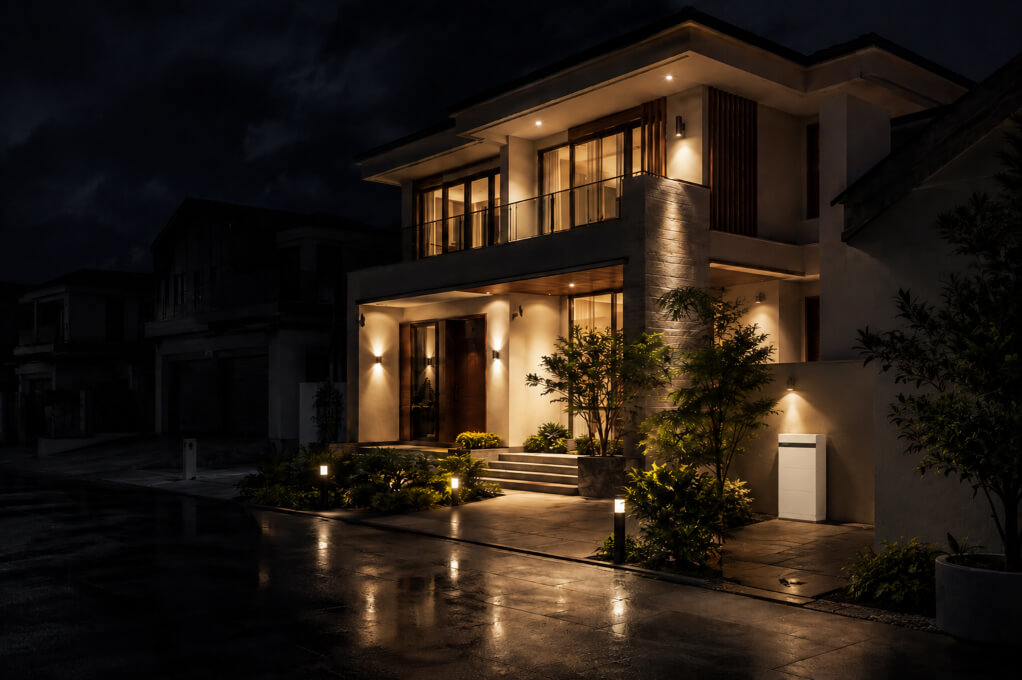
Some homes need a battery that can start modestly and grow in stages. HS50E-D fits that pattern well, especially if you want to begin with essential-load backup and then expand as your solar energy use grows. Its modular approach makes it easier to phase spending and system size, while the main watch-out is that you still need to map future loads early so the first install does not undershoot your real needs.
Why it stands out
Modular capacity starts at 5.12kWh and expands up to 92.16kWh.
IP66 protection supports indoor or outdoor placement, subject to installation guidance.
Cobalt-free LFP chemistry supports a safety-led specification.
Claimed cycle life is over 6,000 cycles.
Best for
Homes adopting a solar battery system in phases.
Buyers who want flexibility before committing to a larger backup footprint.
Outdoor installs where enclosure protection is an early concern.
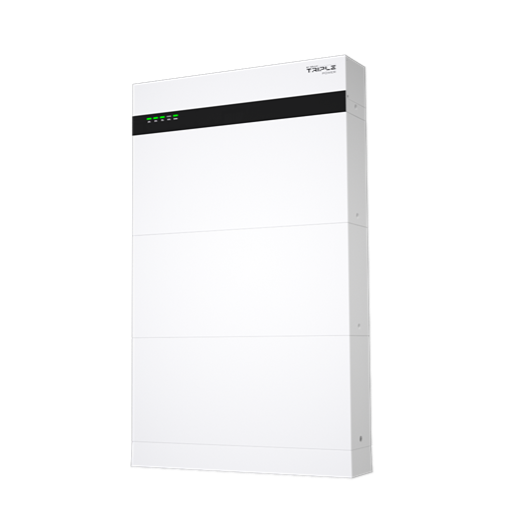
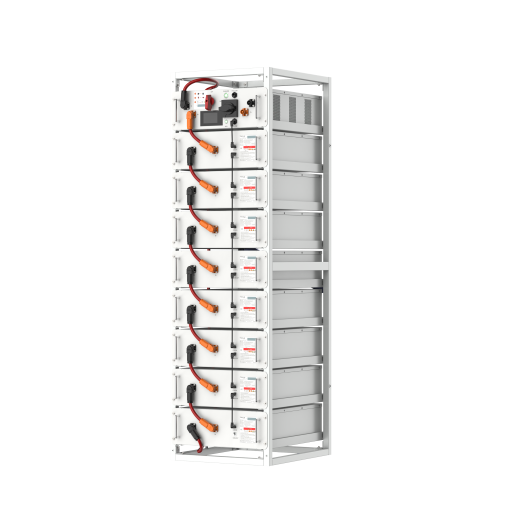
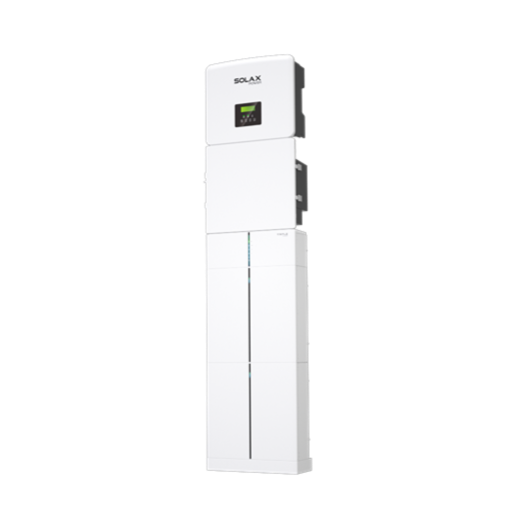
3. HS51
HS51 sits in a useful middle ground for households that need more than entry-level backup but do not necessarily want the jump to the largest-capacity platform. It is a strong fit for growing families, higher evening demand, or homeowners who want a scalable high-voltage battery with a compact tower-style layout. The practical advantage is future-proofing, although you should still confirm that tower count and placement work with your available space.
Why it stands out
Capacity range of 10.2kWh to 66.5kWh.
Maximum 70A charging and discharging current.
Cycle life above 6,000 cycles.
Compatible with TCBox-70 for up to three battery towers.
Supports direct expansion and broader battery upgrade flexibility.
Best for
Mid-to-large homes wanting staged growth.
Buyers who prefer stackable architecture rather than a single large block.
Homes where future capacity expansion is likely.
4. T58
Not every home needs a very large battery bank. T58 is the more pragmatic choice for homes that want recognised LFP chemistry, tidy installation logic, and enough support for key loads during shorter outages. It works well when your main target is protecting lighting, refrigeration, internet access, and device charging within a solar inverter setup, rather than covering many heavy circuits for extended periods.
Why it stands out
LFP battery design for residential solar system use.
Maximum charge and discharge current of 35A.
IP65 ingress protection for outdoor-ready planning.
Simpler positioning within a residential backup shortlist.
Best for
Households focused on essential circuits.
Buyers who want a balanced starting point without overbuilding.
Installations where a straightforward battery format is preferable.
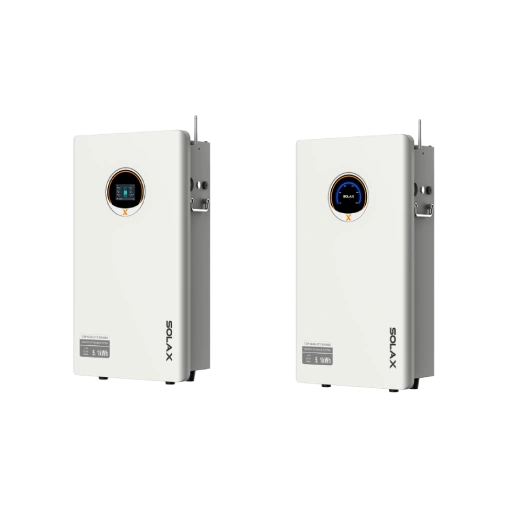
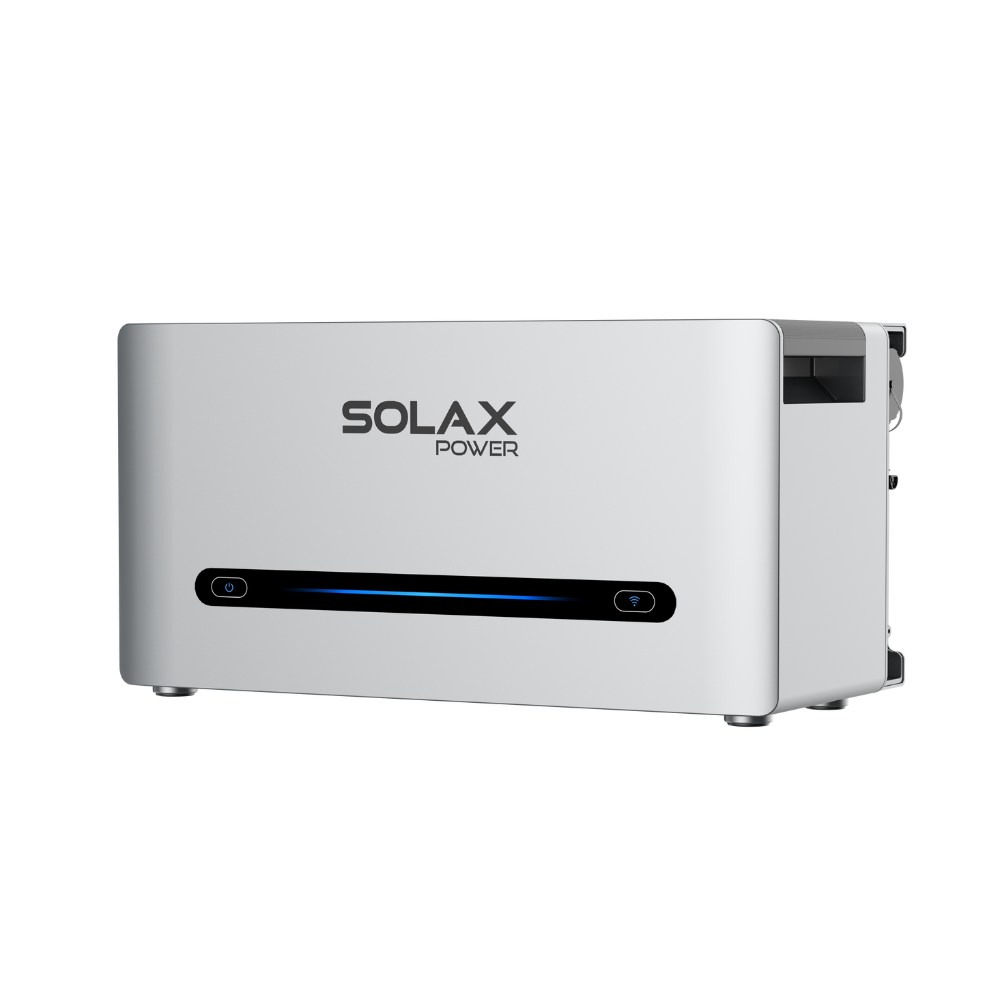
5. T-BAT-SYS-HV-5.0
If available space is tight, installation flexibility becomes just as important as storage size. T-BAT-SYS-HV-5.0 is the space-conscious option here, built around compact modular design and either wall or floor mounting. That makes it attractive for homes where the battery must fit around existing utility areas. The main compromise is that buyers chasing the broadest expansion ceiling may prefer one of the larger modular systems instead.
Why it stands out
Compact modular design for smaller spaces.
Wall or floor mounting flexibility.
95% battery roundtrip efficiency.
NEMA 4X protection class.LFP battery type.
Best for
Homes with limited plant-room or garage space.
Buyers who expect frequent daily cycling, not only emergency use.
Neat retrofit projects where placement flexibility matters.
6. T-BAT-SYS-HV-3.0
For smaller homes, flats, or first-time battery buyers, T-BAT-SYS-HV-3.0 is the most accessible starting point in this group. It is better suited to essential loads than whole-home ambition, but that can be exactly the right match when you mainly want the lights, fridge, broadband, and charging points covered. It also gives you a path into a wider SolaX ecosystem later, rather than forcing a large first-step purchase.
Why it stands out
Flexible capacity range from 3.1kWh to 12.3kWh.
LFP cells and IP65 enclosure.
Remote fault diagnosis, upgrade, and maintenance support.
Low-temperature battery heating for more demanding conditions.
Integrates with X1-Hybrid G4 and Matebox to create X-ESS G4.
Best for
Smaller homes and first backup installations.
Buyers who only need essentials covered during outages.
Households considering a later move into a more integrated smart energy setup.
How to narrow the right home battery backup for your household
Choosing the right home battery backup starts with your real essential load list, not a generic capacity target. If you only want lighting, refrigeration, Wi-Fi, and phone charging, a smaller solar battery may be enough. If you also want pumps, kitchen circuits, or home-office continuity, you will usually need to step into larger-capacity territory. Moreover, the European Commission notes that energy storage is increasingly important for flexibility, stability, and security of supply across the wider energy system, which reinforces the value of sizing storage around resilience rather than marketing labels alone.
Expansion planning matters just as much. HS50E-D and HS51 make more sense where your solar power system will grow over time, while T58 or T-BAT-SYS-HV-3.0 can be easier entry points for simpler requirements. Installation conditions also deserve an early check, because IP65, IP66, and NEMA 4X ratings shape where equipment can realistically sit. In addition, UK government guidance on domestic battery energy storage systems highlights that lithium-ion systems bring real safety considerations, so enclosure choice, placement, and professional installation should be treated as core buying criteria rather than afterthoughts.
Scenario picks that map to real homes
Different households reach different answers even when they all want backup power. A smaller flat or compact home usually gets better value from T-BAT-SYS-HV-3.0, because the capacity band is better aligned with essentials-only planning. A growing family that expects longer outages or broader circuit coverage will often look more seriously at HS51 or LD32. Where you need a cleaner footprint in a tight plant area, T-BAT-SYS-HV-5.0 has the most obvious advantage.
For exposed installation locations, enclosure protection becomes a deciding factor rather than a footnote. HS50E-D stands out for indoor or outdoor placement with IP66 protection, while T58 and T-BAT-SYS-HV-3.0 are practical for homes that need IP65-rated equipment. However, location should still be checked against the installation manual and the property layout. If your long-term aim is a one-brand smart energy system with monitoring, inverter compatibility, and upgrade pathways, it is sensible to think in ecosystem terms from the beginning instead of treating the battery as a stand-alone purchase.
Quick troubleshooting table for common backup planning mistakes
Problem | Likely cause | Practical fix |
Backup runs out too soon | Battery is undersized for real loads | Recalculate essential circuits and expected runtime |
Installation feels restrictive | Mounting or clearance limits were missed early | Choose a wall- or floor-flexible option such as T-BAT-SYS-HV-5.0 |
Outdoor placement feels risky | Protection rating does not fit the site | Recheck whether IP65, IP66, or NEMA 4X is more appropriate |
Expansion path is unclear | System was chosen as a fixed install | Prioritise modular platforms such as HS50E-D or HS51 |
FAQ
Table of Contents
Latest News
Explore expert insights, practical guides, and the latest news on SolaX Power.

To the Latest Newsletter
Stay Ahead with the Latest SolaX Updates!
Subscribe
I have read and agree to Privacy Policy and User Terms