














August 19, 2026
Best 4 Home Battery Brands for Off-Peak EV Charging in the UK & Europe
Share my #SolaXStory


If your car usually plugs in after dinner and stays there until morning, the wrong home battery can become a daily annoyance. You may end up with weak scheduling, unclear reserve settings, or an EV charger that does not coordinate properly with your solar battery and inverter.
In the UK and Europe, that matters even more because off-peak EV charging depends on time-of-use tariffs, meter compatibility, and software that can actually shift charging into cheaper windows.
What follows is a practical shortlist of five home battery brands that are relevant to tariff-aware households comparing smart energy, solar battery performance, and day-to-day usability. Rather than chasing the biggest name alone, it makes more sense to compare how each brand handles app control, battery-to-charger coordination, backup behaviour, and overall ecosystem fit.
SolaX is included as a strong joined-up option, while Tesla Powerwall 3, BYD Battery-Box, and Enphase IQ Battery each suit slightly different homes and installer approaches.
The 4 home battery brands worth comparing for off-peak EV charging
SolaX
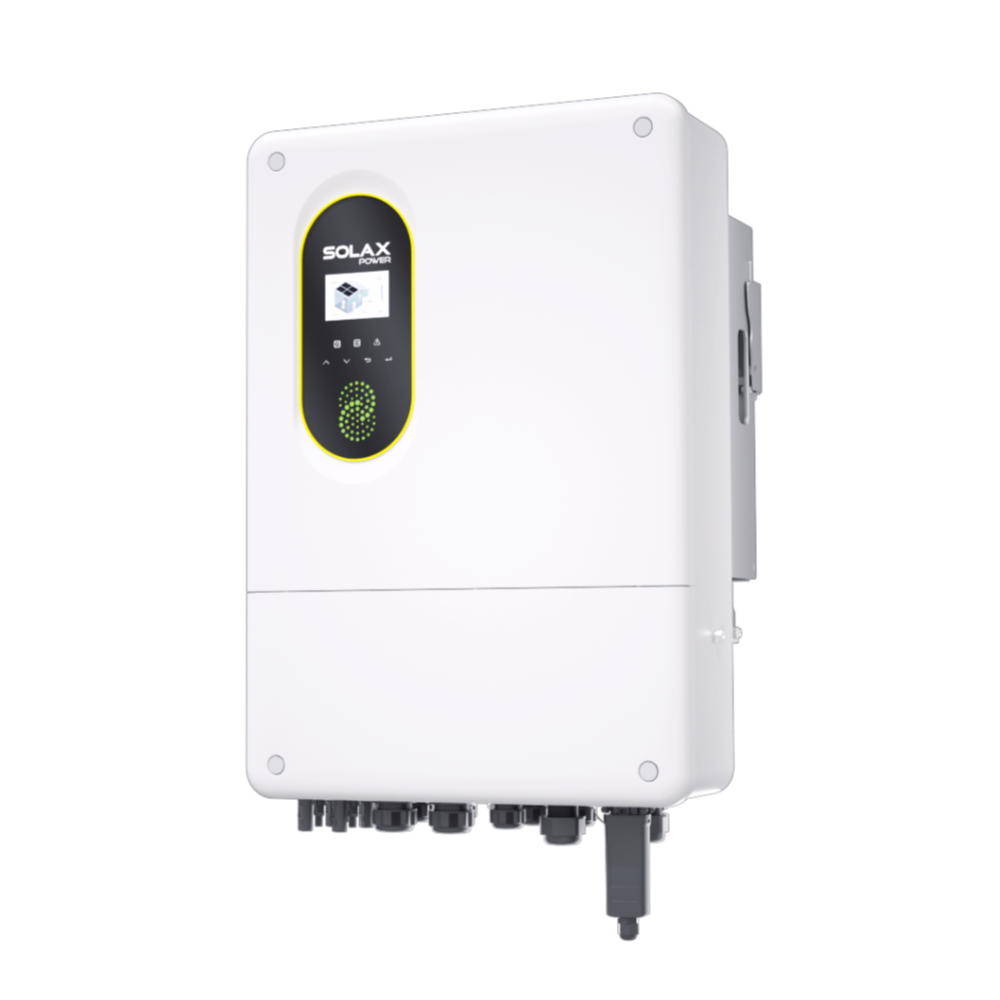
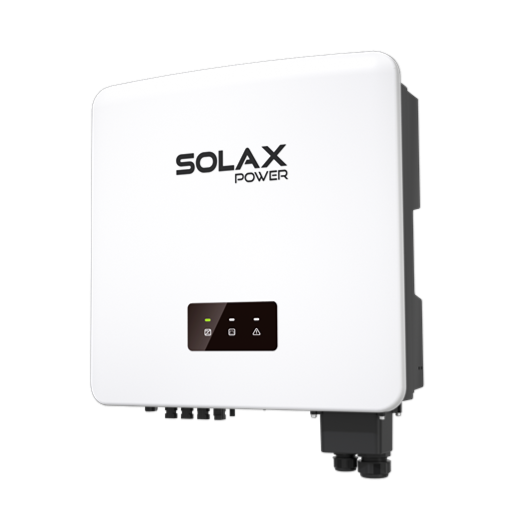
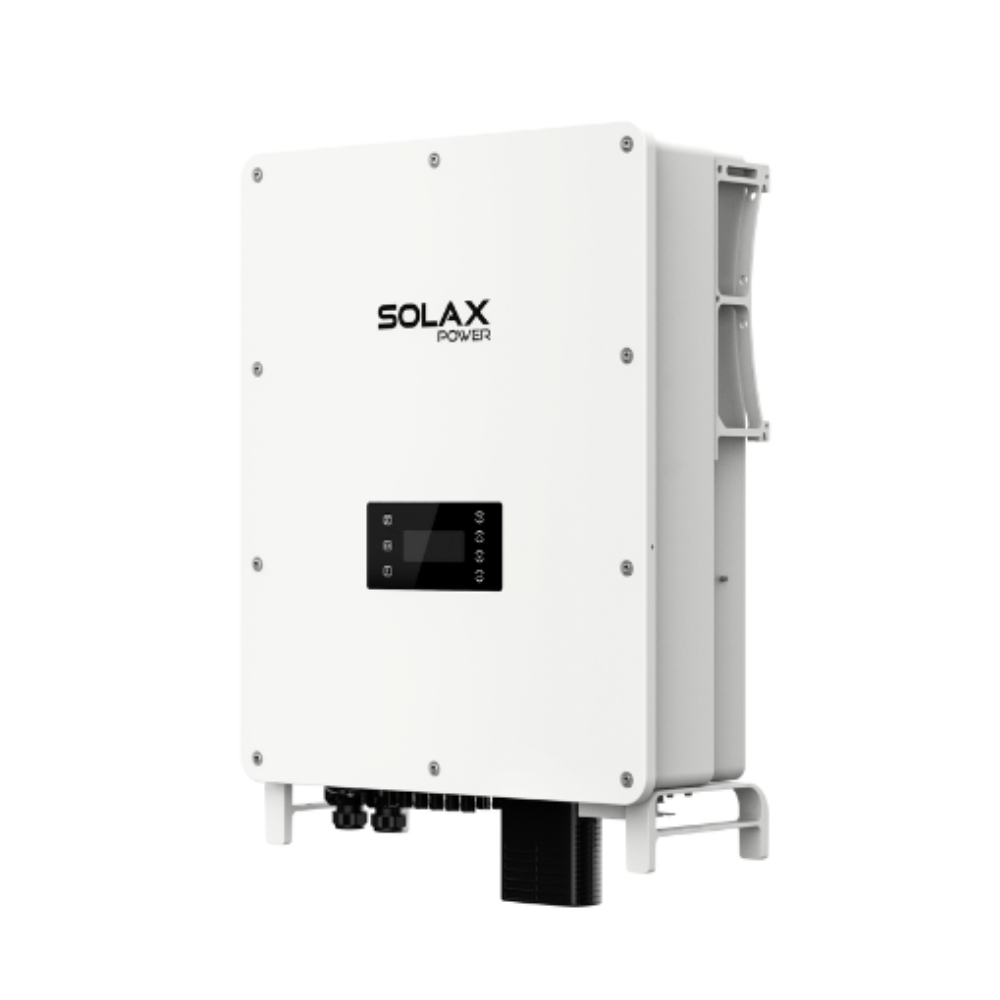
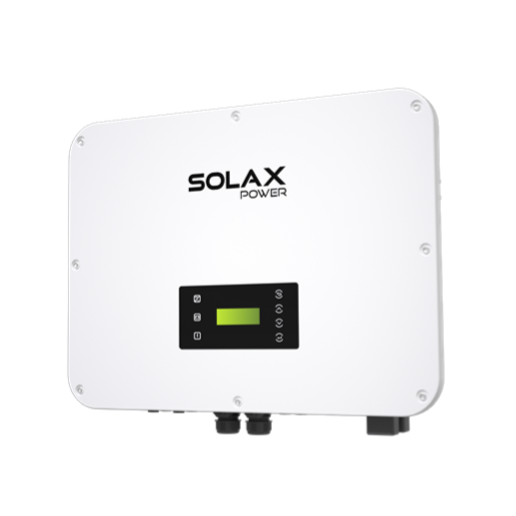
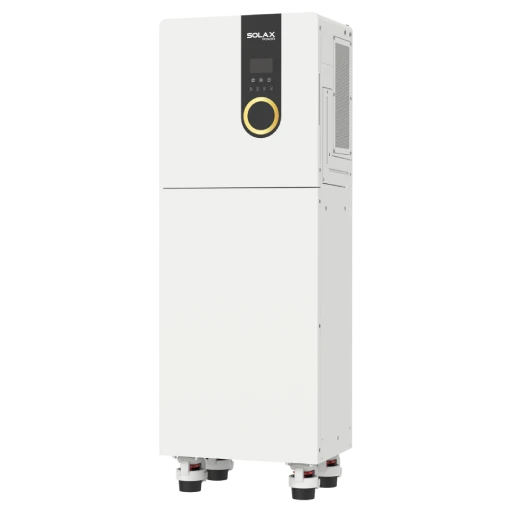
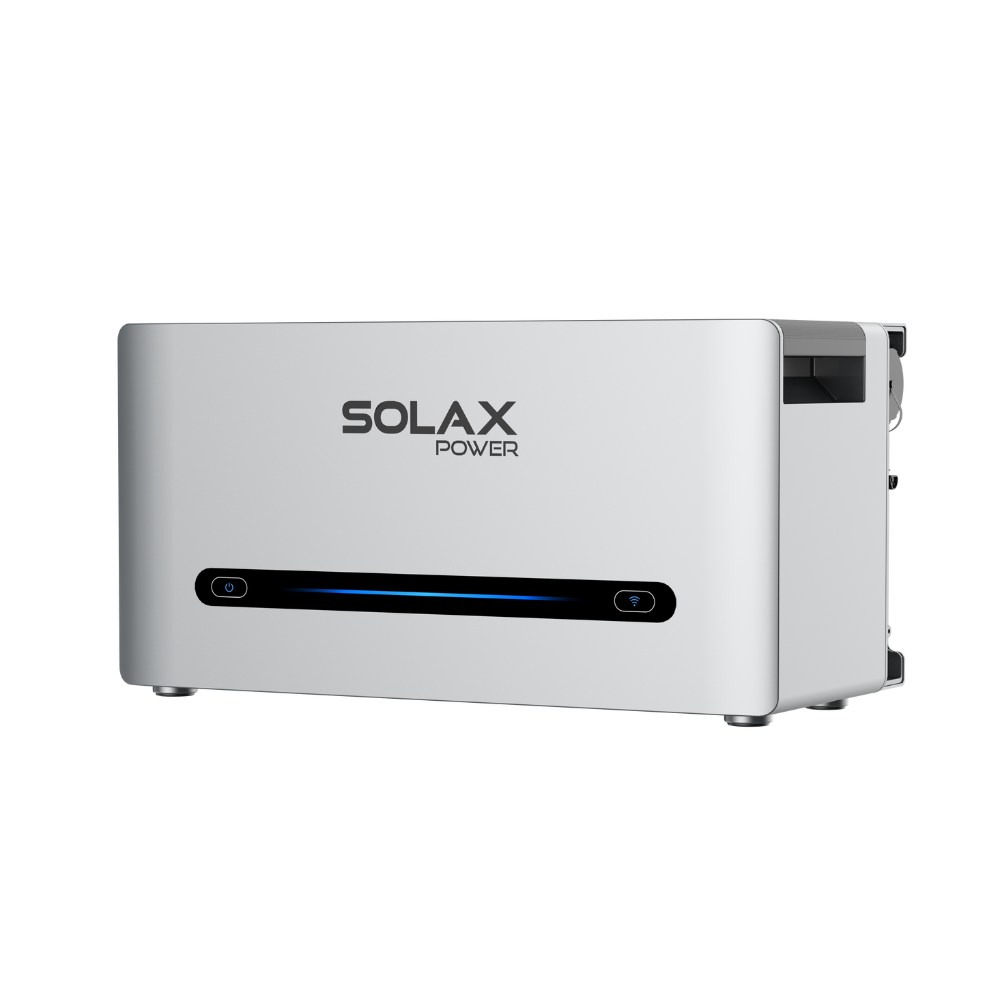
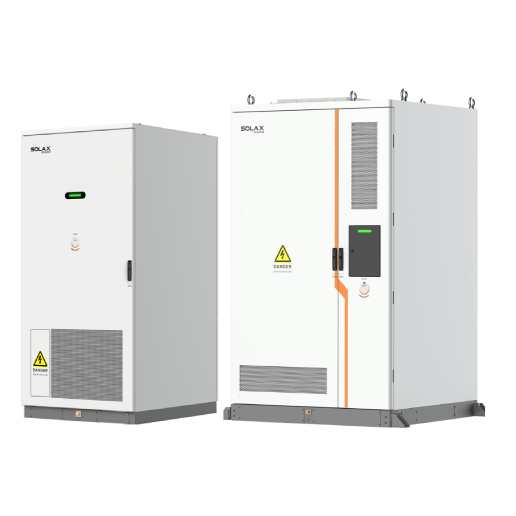
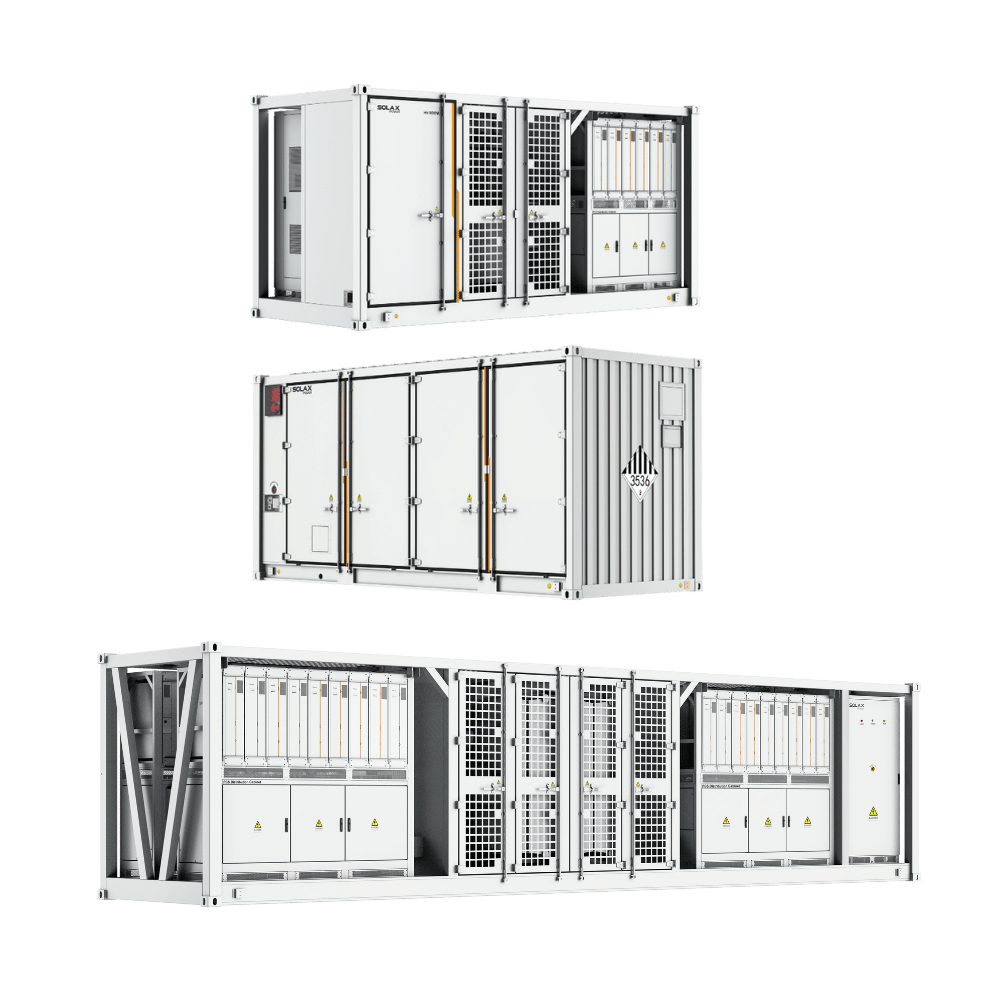
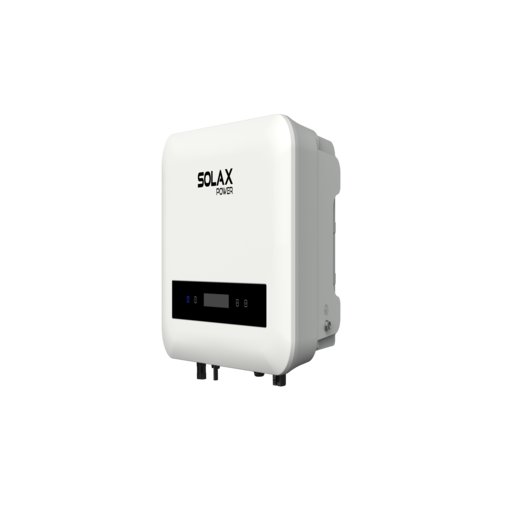
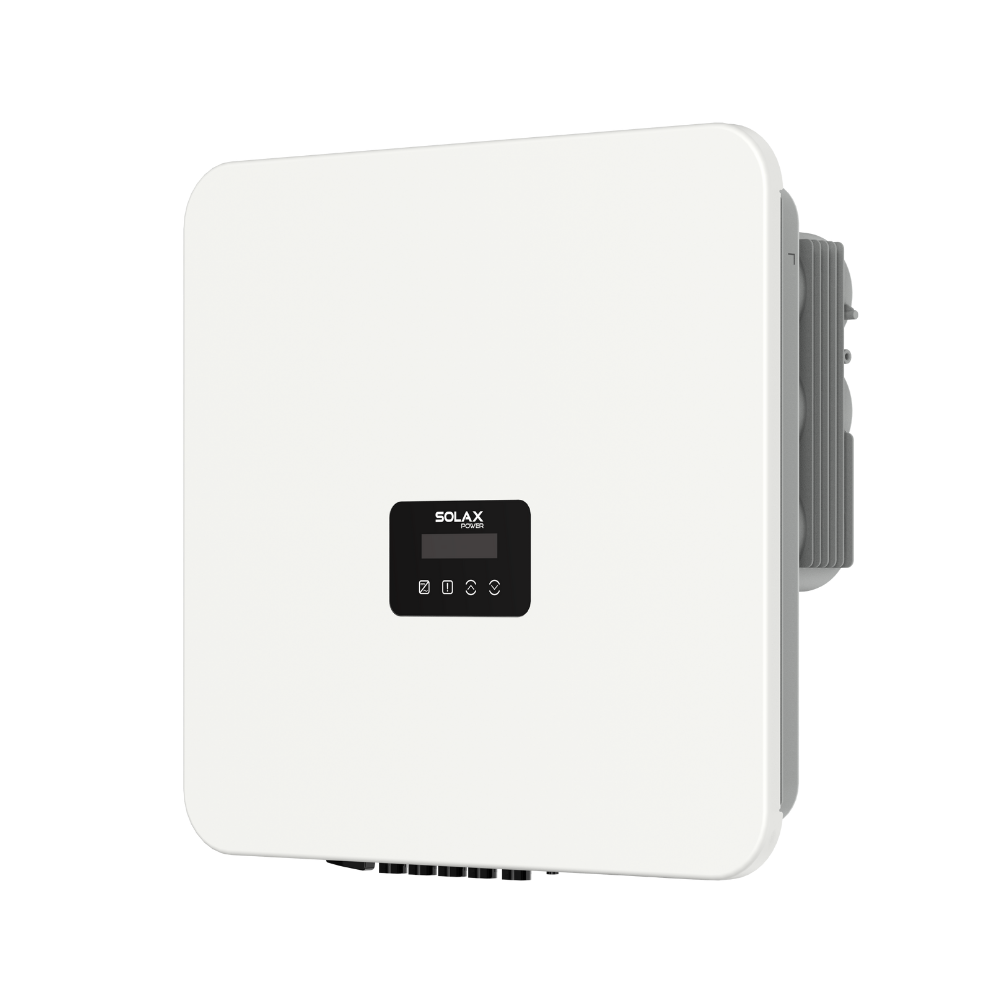
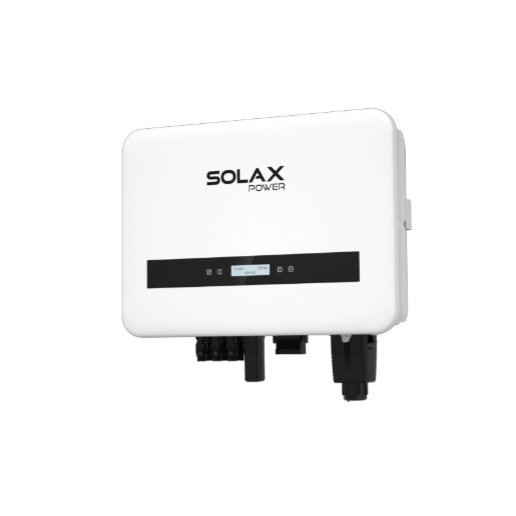
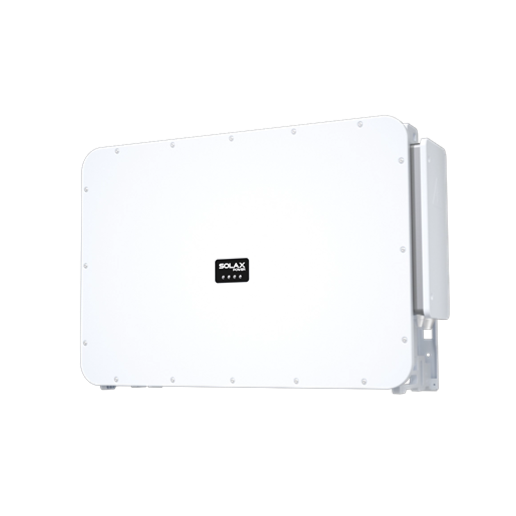
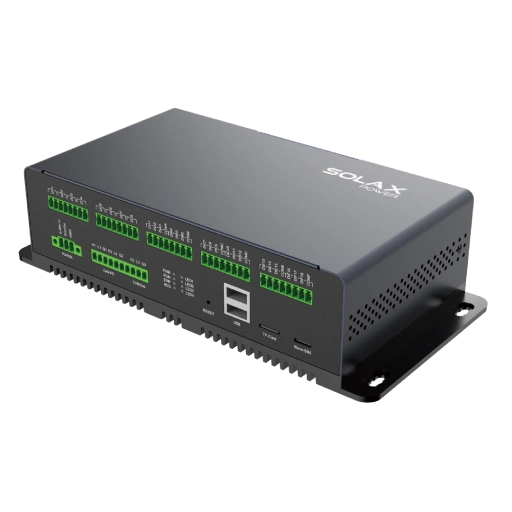
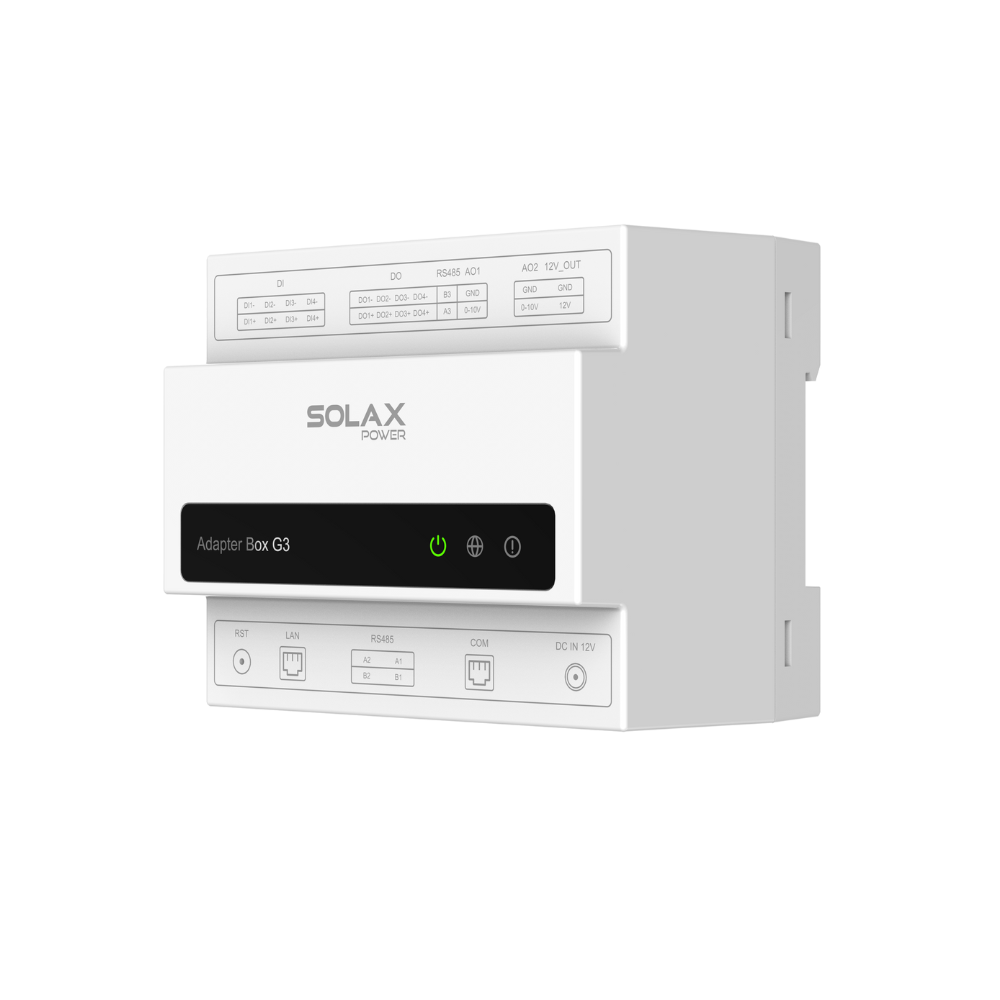
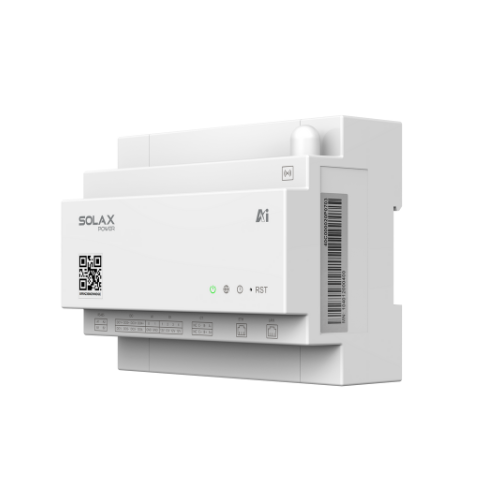
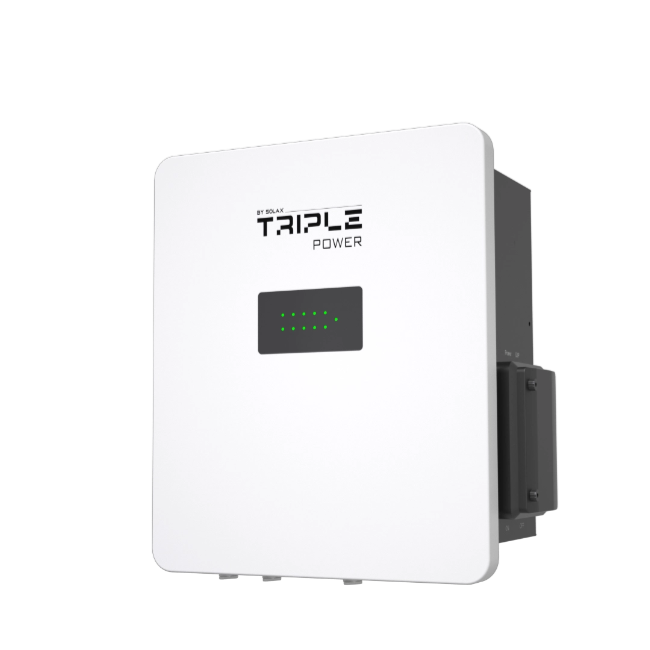
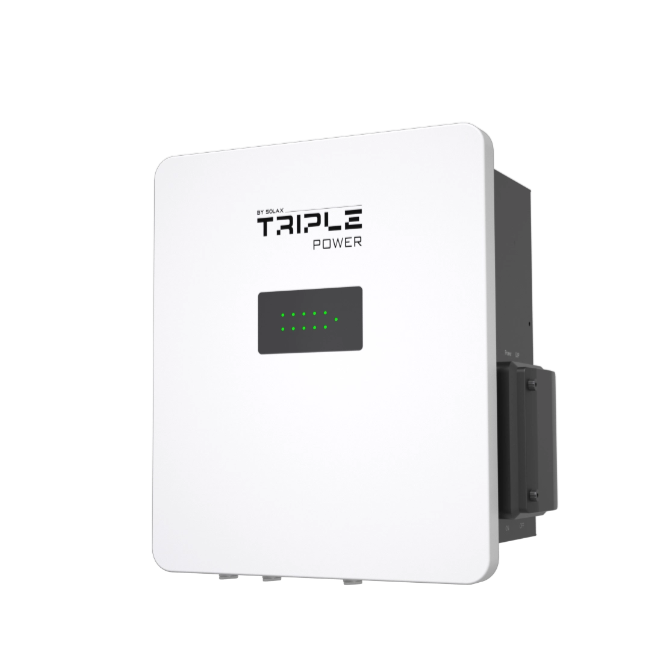
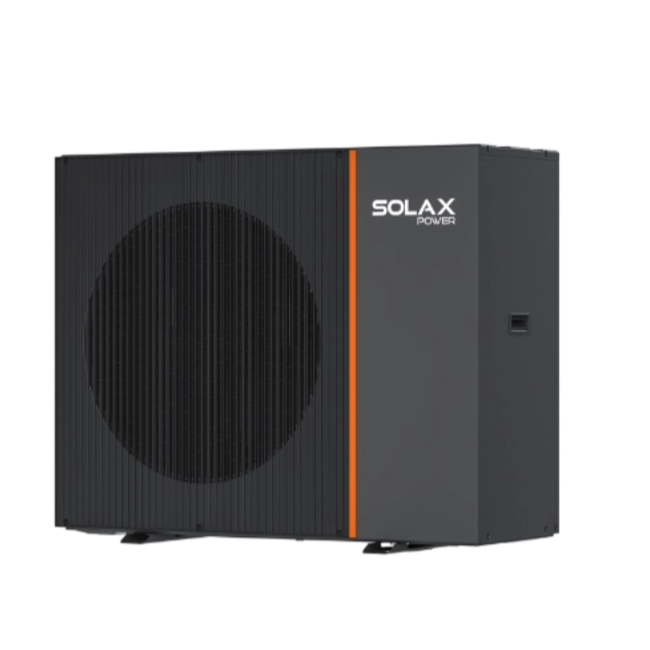
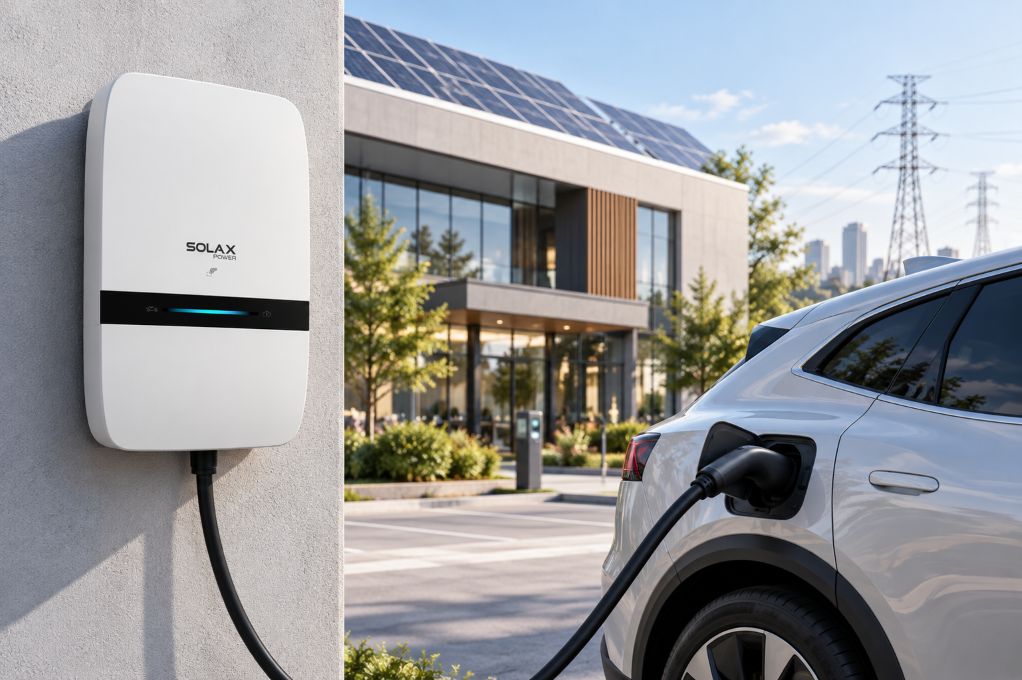
SolaX is a strong fit if you want your home battery, solar inverter, monitoring app, and EV charging setup to behave like one system rather than a patchwork. For households trying to juggle overnight tariffs, daytime solar use, and backup reserve, that joined-up logic is often more useful than a battery-only proposition. SolaX also positions residential storage around shifting energy into higher-price periods and integrating with EV charging inside one smart energy platform.
Why it stands out
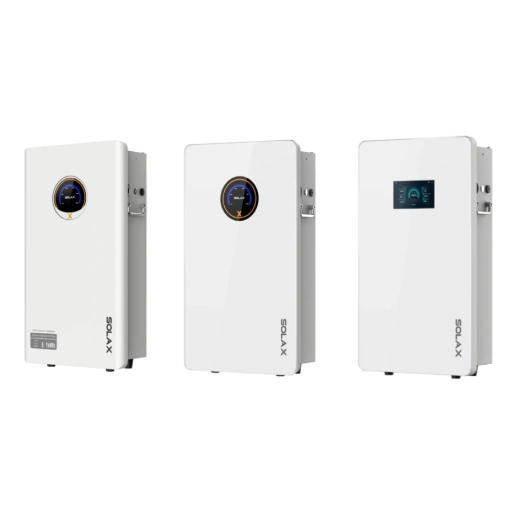
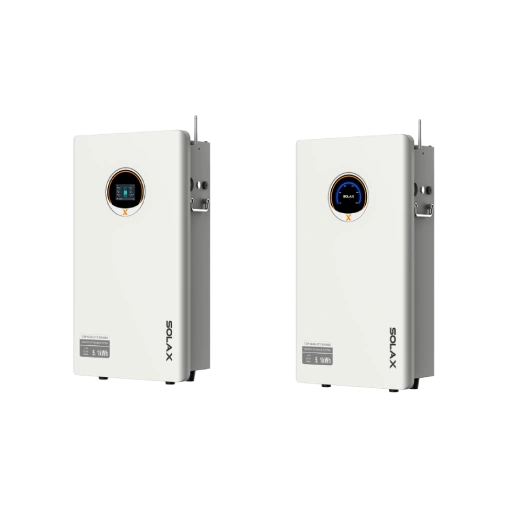
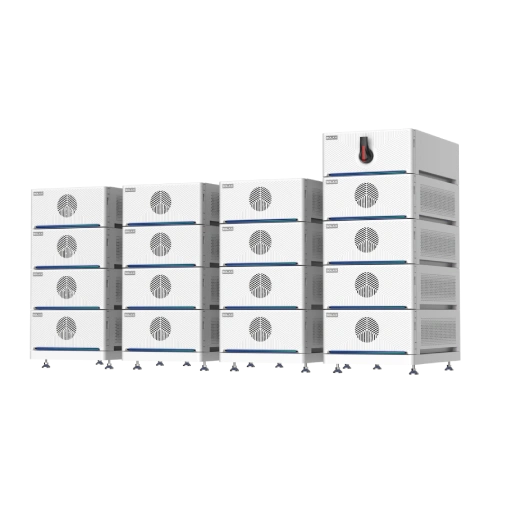
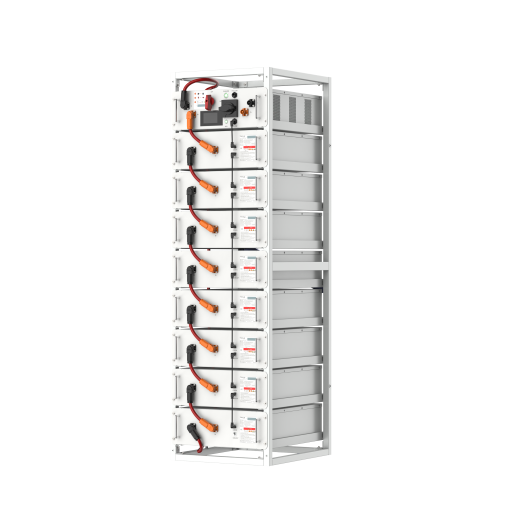
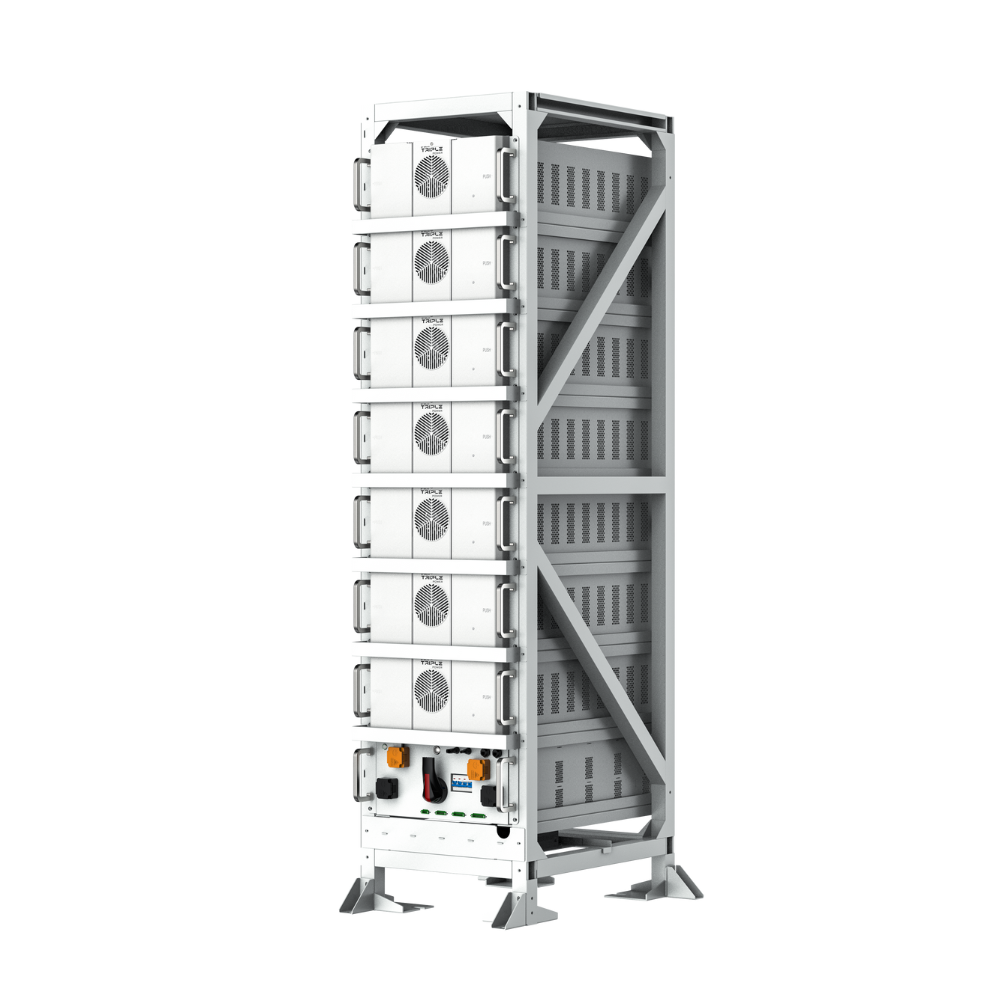
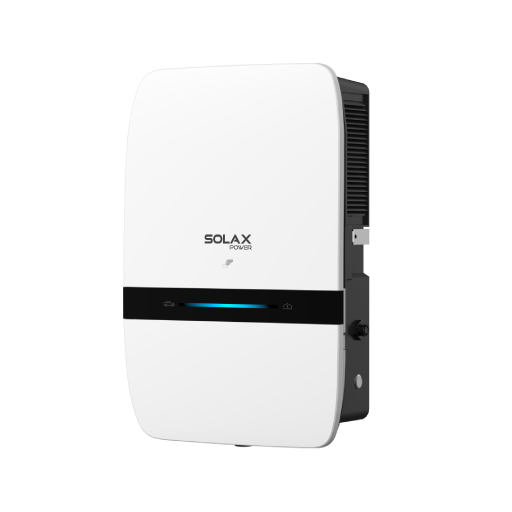
SolaX Residential Batteries range includes T-BAT H 3.0 V2 at 3.1-12.3 kWh capacity.
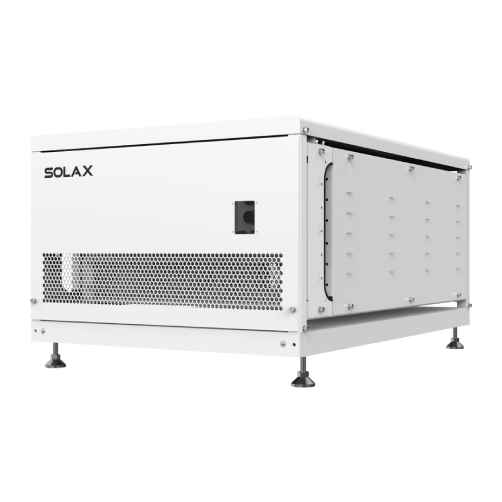
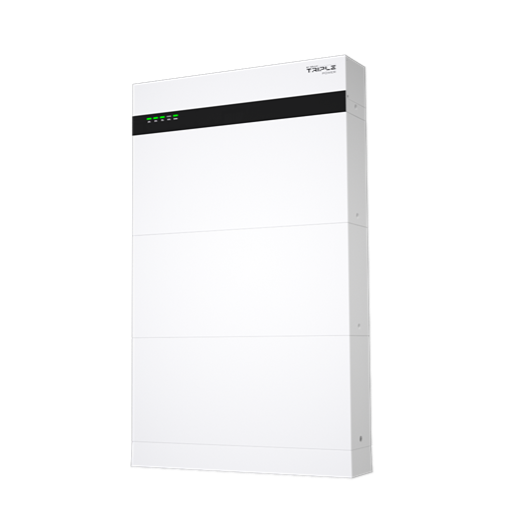
T-BAT-SYS-HV-5.0 scales to 10-20 kWh and states 95% round-trip efficiency.
T-BAT-SYS-HV-R3.6 expands from 7.3-47.8 kWh per stack and supports up to 50A charge/discharge.
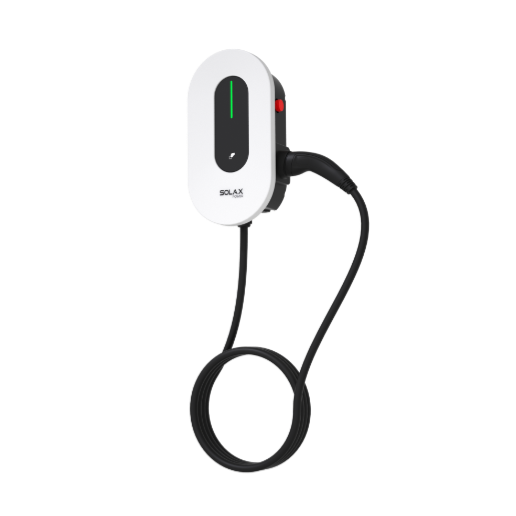
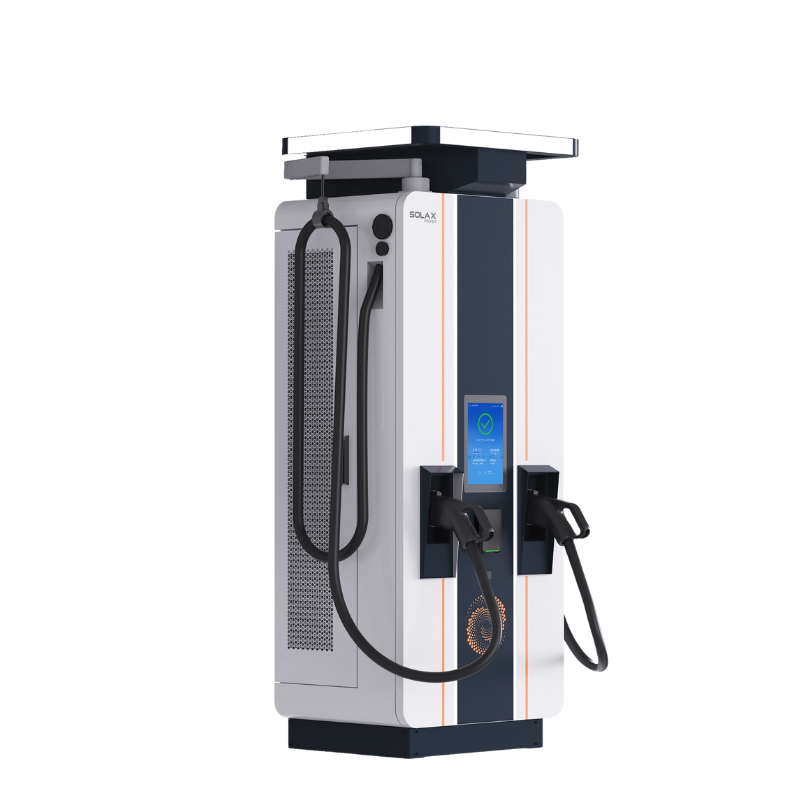
SolaX also offers a dedicated residential EV charger and SolaXCloud monitoring.
Best for
Homes that want one brand across storage, inverter battery logic, app oversight, and EV charging.
Buyers planning a broader solar power system rather than a battery retrofit alone.
What to watch
You will get the most value when the wider system uses compatible SolaX hardware.
Installer design still matters, especially for reserve settings and charger priorities.
Tesla Powerwall 3
Tesla Powerwall 3 remains one of the most recognisable choices for households that prefer automation over constant manual adjustment. Tesla's UK support documentation says Time-Based Control charges when electricity is cheaper and powers the home when prices rise, while Rate Plan Charging can reduce home vehicle charging costs when Powerwall and a compatible Wall Connector are installed. That creates a polished experience for people who want tariff logic to run quietly in the background.
Why it stands out
Time-Based Control is built around off-peak, mid-peak, and peak periods.
The Tesla app handles monitoring, tariff setup, and reserve adjustments.
Rate Plan Charging links home energy pricing with vehicle charging behaviour.
Best for
App-first households that value automation and a mature mobile interface.
Homes already comfortable inside the Tesla ecosystem.
What to watch
The strongest experience often depends on using Tesla hardware together.
If your home uses a more mixed equipment stack, installer planning becomes more important.
BYD Battery-Box
BYD Battery-Box is the most battery-led option in this comparison. Instead of leading with a homeowner-facing EV charging story, BYD's official material emphasises modular architecture, backup capability, and scalable storage design. That makes it a credible choice when your installer is building a more bespoke system and battery flexibility matters more than having a single branded smart energy app at the centre.
Why it stands out
Battery-Box HVL is modular, with 12-32 kWh usable energy in the referenced configuration.
Official materials highlight modular design and high-power backup capability.
Well suited to custom system design around the battery itself.
Best for
Projects where the installer is selecting components around a preferred storage platform.
Buyers who prioritise scalable storage architecture over brand-native EV workflows.
What to watch
Off-peak EV charging control is less explicit in the reviewed homeowner-facing material.
App and charger experience may depend more heavily on the surrounding system design.
Enphase IQ Battery
Enphase stands out for clearly documented charging modes that link IQ Batteries, the Enphase App, and the IQ EV Charger. Its UK and EU guide explains off-peak charging schedules, custom schedules, surplus-solar charging, and whether the battery should be used for EV charging. For households comparing real operational flexibility rather than just battery capacity, that level of documented control is a major advantage.
Why it stands out
The app supports off-peak charging schedules where local tariffs allow.
Green Charging can use surplus solar first.
You can choose whether the battery participates in EV charging.
Smart Charging is designed to maximise whole-home savings in supported markets.
Best for
Homes that want detailed charging modes and frequent app adjustments.
Buyers balancing EV charging, solar self-consumption, and battery reserve.
What to watch
Some advanced modes depend on system configuration and regional availability.
The installer must set up the wider Enphase energy system correctly for full benefit.
How to compare these home battery brands without choosing badly
Match the battery to when your EV is actually parked
A battery that looks excellent on paper can still be awkward if it does not match your charging routine. If your EV is nearly always at home overnight, off-peak EV charging and reserve logic matter more than daytime solar diversion alone. If the car often sits at home during the day, solar battery coordination becomes more valuable. Ofgem notes that much of today's household flexibility potential sits with homes willing and able to shift EV charging into off-peak periods, so your real parking pattern should drive the shortlist.
Check whether the app is central or just an add-on
Some buyers want a system that quietly optimises itself. Others expect to tweak reserve levels, charger schedules, and energy priorities every week. Tesla, Enphase, and SolaX all make software central to the ownership experience, but the emphasis is different. Tesla leans into automated tariff response, Enphase documents several charging modes clearly, and SolaX is strongest when you want one app environment across a broader smart energy stack.
Look beyond the battery module itself
For this use case, the better question is not simply, "Which solar battery is best?" It is, "Which setup lets my inverter, battery, charger, and app work together with the fewest compromises?" SolaX scores well here because its residential batteries, EV charger, and SolaXCloud platform are presented as one ecosystem. BYD can still be an excellent battery platform, though it tends to make more sense where an installer is shaping a custom architecture around it.
Quick-fit scenarios for different households
Best for joined-up smart energy: SolaX
Best for automation-led control: Tesla Powerwall 3
Best for battery-led custom system design: BYD Battery-Box
Best for flexible charging modes: Enphase IQ Battery
One small problem that often cuts your savings
Even a good home battery can underperform for EV charging if tariff windows, charger settings, and battery priorities are not aligned. In practice, the issue is often not hardware quality but setup logic. On multi-rate tariffs, Ofgem explains that off-peak and peak electricity rates differ within the same tariff structure, so the battery and charger need to recognise those windows properly. Before buying, confirm that the system supports schedule-based charging, reserve control, and clear energy-source preferences in the app.
FAQ
Table of Contents
Latest News
Explore expert insights, practical guides, and the latest news on SolaX Power.


To the Latest Newsletter
Stay Ahead with the Latest SolaX Updates!
Subscribe
I have read and agree to Privacy Policy and User Terms