













August 18, 2026
How to Choose a Reliable Home Battery on a Budge 2026
Share my #SolaXStory


Buying a cheap home battery can look sensible until you realise it does not cover your evening loads, gives weak backup, or leaves you guessing in the app. In 2026, a reliable home battery on a budget is not the one with the lowest headline price. It is the one that fits your home, works cleanly with your solar power system, and gives you enough control to manage savings and outages without friction.
Before you compare spec sheets, decide what success looks like in your house. For some homes, that means shifting solar energy into the evening. For others, it means keeping the fridge, router, lights, and a few sockets running during an outage. Moreover, if you plan to add EV charging later, your battery backup for home should fit a wider smart energy setup rather than acting as an isolated box.
Set your main goal first
Bill savings: store daytime solar and use it later
Backup resilience: protect essential circuits during outages
Balanced use: combine savings with limited backup
Why this matters
You avoid paying for capacity you will not use
You reduce the risk of overselling whole-home backup
You can size your inverter battery around real demand
Size the home battery around essential loads, not wishful thinking
A dependable home battery usually starts with essential loads first. That keeps the system practical and avoids stretching the budget for whole-home backup you may rarely need. As a simple buying method, list the devices that must keep running, note their wattage, and estimate how many hours they matter during the evening or an outage.
What to do
List priority loads such as fridge, broadband, lighting, kettle-free socket circuits, and medical devices
Separate must-run loads from nice-to-have loads
Estimate support time, such as 4 to 8 hours
Ask your installer whether backup is for selected circuits or the full consumer unit
What to watch
A larger kWh number does not guarantee useful backup
High-load appliances can drain a solar battery quickly
Existing inverter compatibility matters as much as battery size
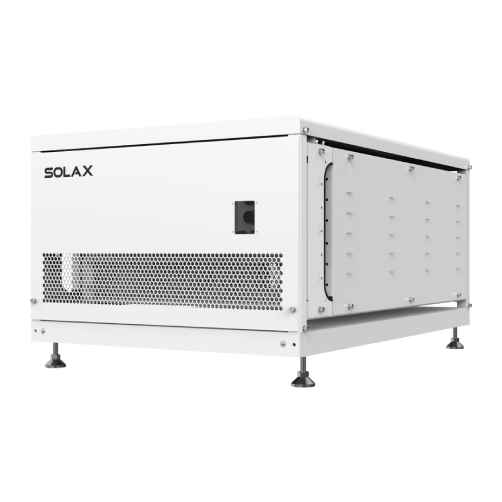
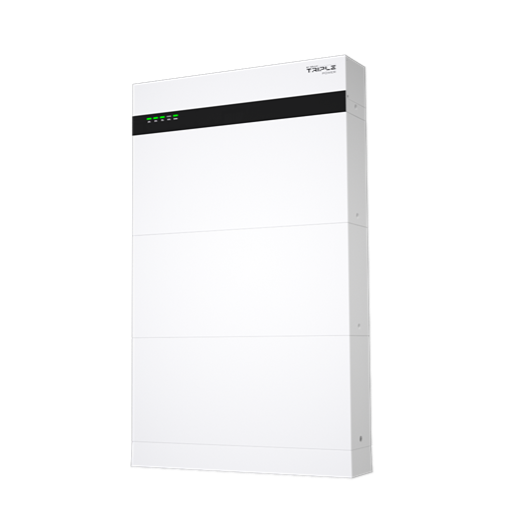
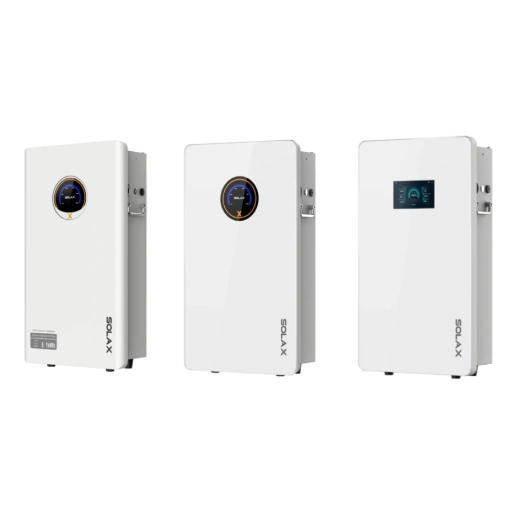
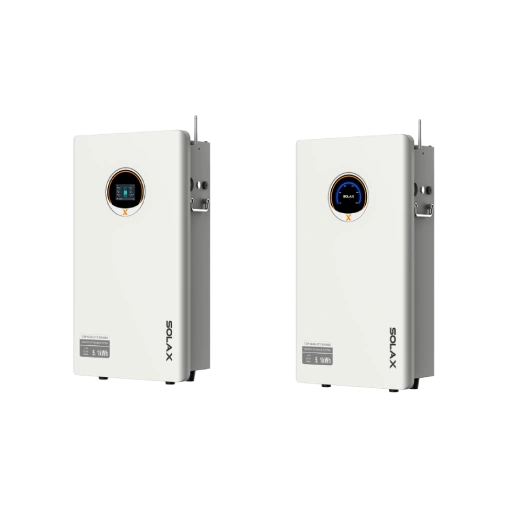
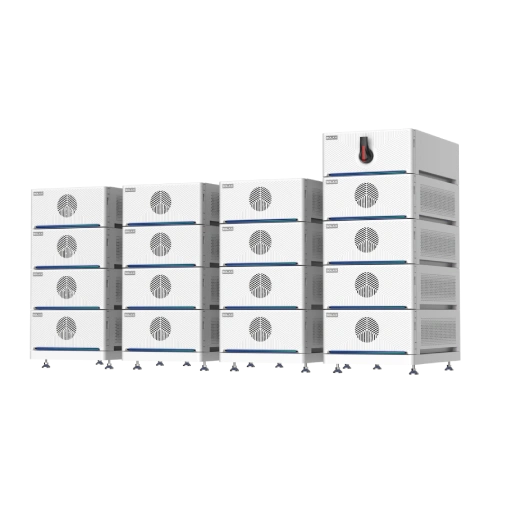
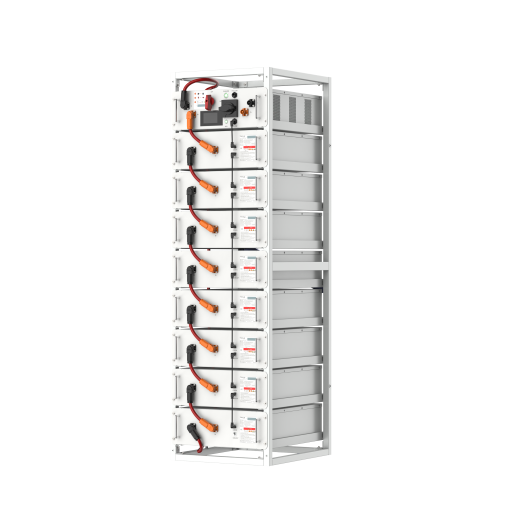
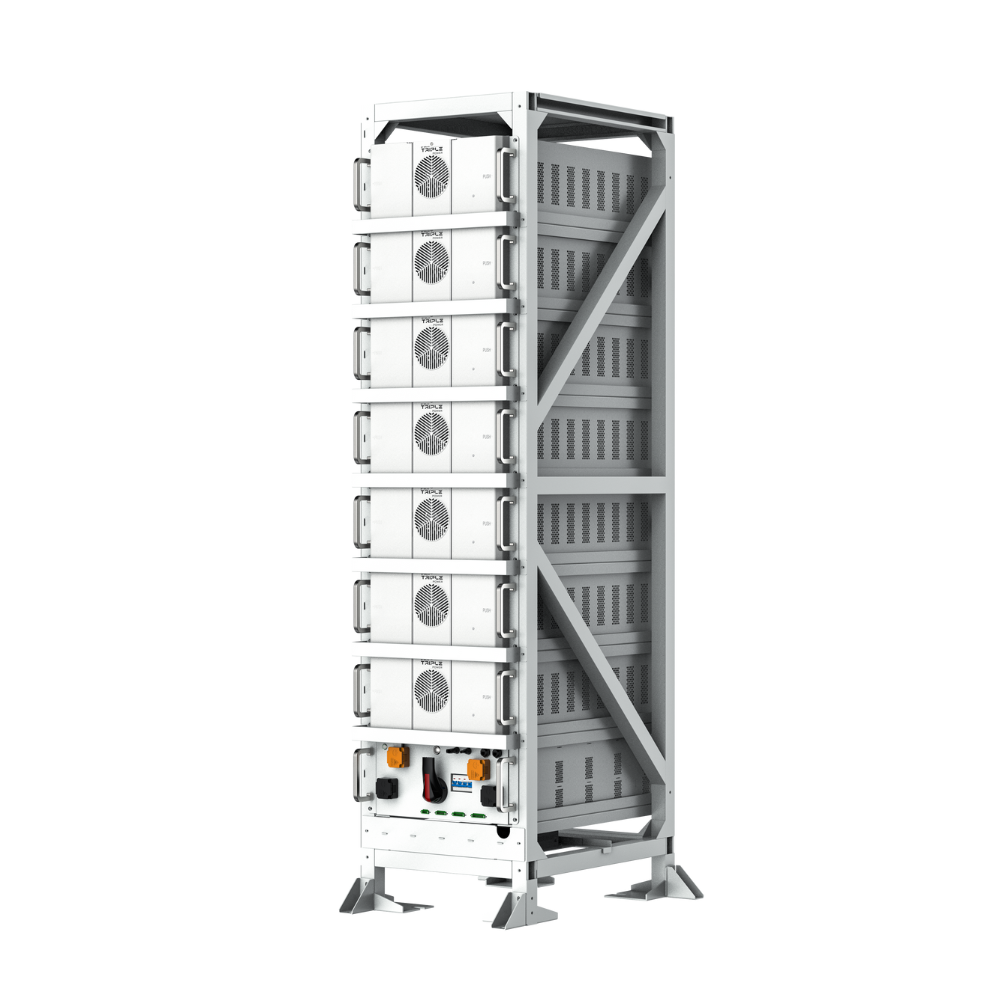
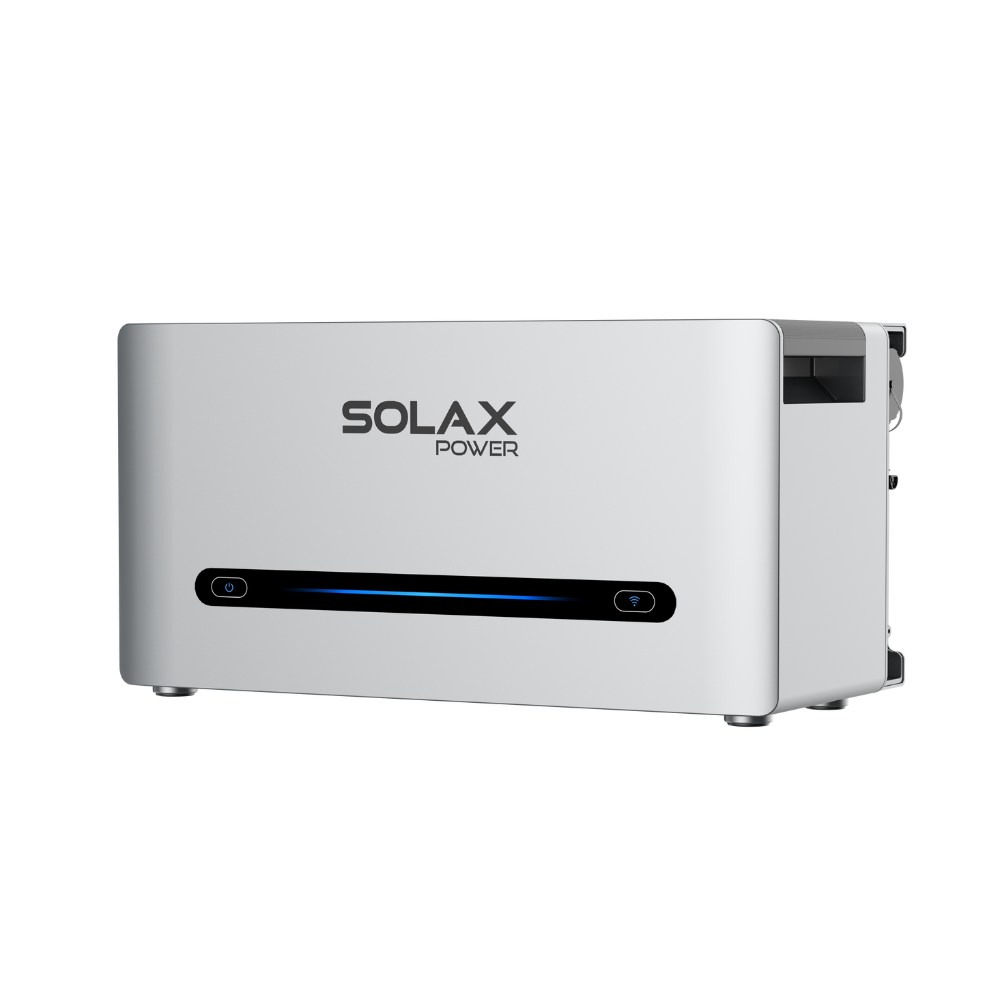
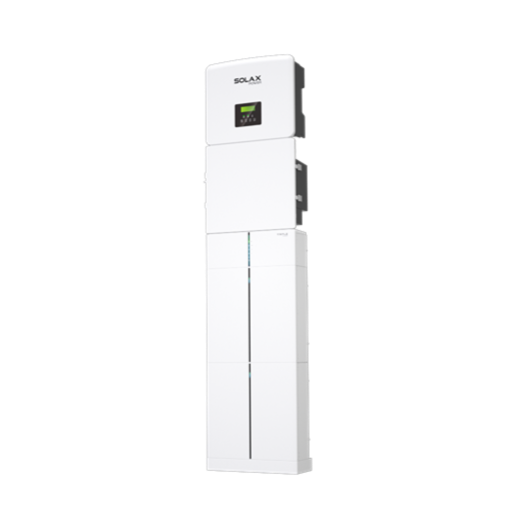
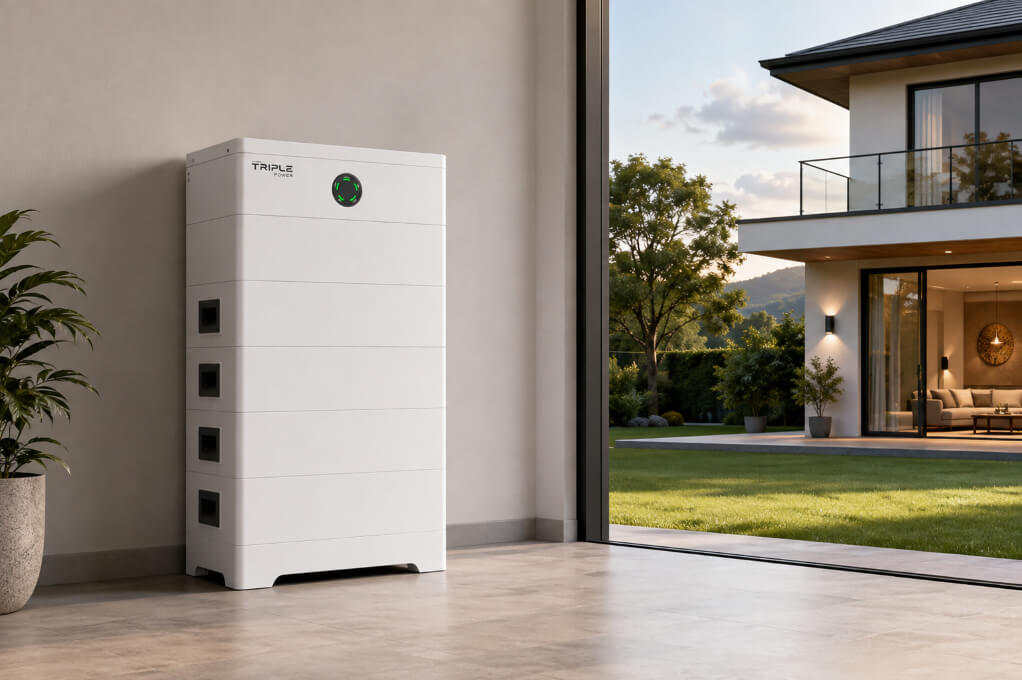
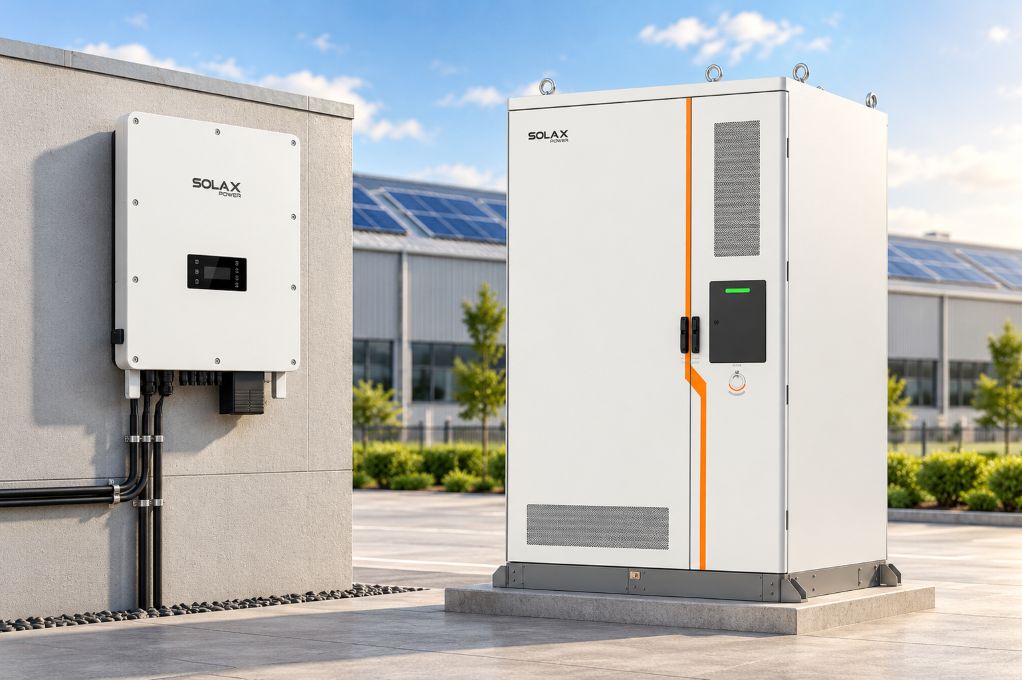
For buyers who want a modular residential option, SolaX presents the T-BAT-SYS-LV R25 as a low-voltage battery for residential energy storage, while the T-BAT-SYS-HV-R3.6 is positioned as a scalable high-voltage LFP home battery stack. That makes them relevant if your goal is to start closer to essential-load coverage and expand later rather than overbuy on day one.
Put battery chemistry and safety near the top of your checklist
A budget-focused buyer should still treat safety as non-negotiable. The UK government' s review of domestic battery energy storage systems notes that home battery systems offer clear benefits, but lithium-ion systems still require good design, installation, and risk mitigation because battery failure can create fire and gas hazards. That is why battery chemistry, thermal management, and fault detection deserve attention before you worry about cosmetic features.
What to check
Confirm the system is intended for residential use
Prefer clear safety information over vague marketing claims
Ask about thermal management and fault detection
Check where the battery can be installed safely
Why LFP home battery options get attention
LFP chemistry is widely chosen for residential storage
It supports a safety-first buying approach
It suits buyers balancing value with long-term dependability
SolaX states that its residential energy storage offering is built with advanced battery safety, thermal management, and intelligent fault detection for long-term reliability. Its home solutions pages also frame battery storage as part of a coordinated residential system rather than a standalone add-on.
Match the battery with the inverter and monitoring ecosystem
A home battery works best when the inverter, battery, and controls are designed to communicate well. If you mix parts without a clear compatibility path, you can end up with awkward commissioning, limited visibility, or weaker support later. Therefore, one of the smartest ways to protect value is to check the ecosystem fit before you sign off on the quote.
What to do
Confirm battery-to-inverter compatibility
Ask which features work in backup mode
Check whether app monitoring shows state of charge (SoC) and charging windows
Make sure the installer explains account setup and handover
Why this matters
Cleaner integration usually means easier setup
Monitoring helps you spot weak savings performance early
One ecosystem can simplify support and future upgrades
SolaX positions its residential offer across batteries, energy storage inverters, EV charging, and SolaXCloud monitoring. On its home solutions pages, SolaXCloud is presented for real-time monitoring and energy management, with SOC 2 Type I verification highlighted for data security.
Favour modular growth instead of buying the biggest system upfront
A reliable home energy storage plan does not always mean buying maximum capacity immediately. In many homes, it is better to begin with a right-sized system for evening self-consumption or essential backup, then expand when usage changes. That approach can be especially useful if you expect heat pump demand, EV charging, or longer backup expectations later.
What to do
Ask for the battery's expansion range
Compare modular stacks with all-in-one ESS formats
Check whether the inverter supports future add-ons
Decide whether staged investment suits your household better
Practical example
Modular path: good for tight budgets and gradual upgrades
All-in-one path: good for a simpler integrated layout
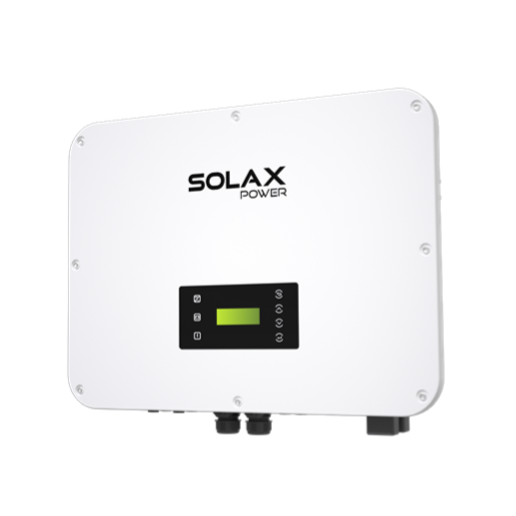
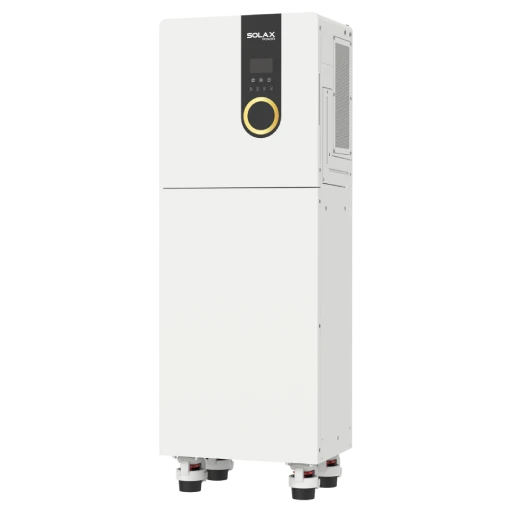
SolaX's briefed residential range includes expandable battery options and integrated ESS paths such as X1-IES-A, which suits buyers comparing modular and all-in-one formats within one residential smart energy ecosystem. If your budget is limited now, that kind of structure can be more practical than paying for unused capacity from the start.
Check app visibility before you buy, not after installation
A battery monitoring app is not an optional extra anymore. If you cannot see state of charge, charging windows, or household energy flows, it becomes harder to judge whether the solar battery is actually saving money or supporting the loads you expected. According to Eurostat, EU household electricity prices were stable in 2025 rather than falling sharply, which means better visibility and time-of-use control still matter for households trying to improve energy value.
What to check in the app
State of charge and charging history
Import, export, and self-consumption views
Time-of-use scheduling where available
Fault alerts and maintenance visibility
Common mistake
Choosing a battery on kWh alone and ignoring daily control tools
Use this shortlist before you request quotes
Once you have narrowed the field, keep the buying test simple. A dependable home battery on a budget should cover essential loads first, fit your solar inverter, and leave room for sensible expansion. Moreover, good visibility through a battery monitoring app can be just as important as the battery hardware itself.
Practical shortlist criteria
Capacity matched to essential loads first
LFP home battery design preferred for residential use
Verified inverter and battery compatibility
Modular growth path if budget is tight
Clear app monitoring and support access
Troubleshooting signs to discuss with your installer
Problem | Likely cause | Practical fix |
Backup ends too soon | Too many loads | Recalculate essentials only |
Savings feel weak | Poor charge timing | Adjust TOU settings |
Upgrade cost looks high | Non-modular choice | Choose expandable architecture |
Monitoring feels unclear | Ecosystem mismatch | Use coordinated system |
Make the final decision around fit, not headline capacity
The main lesson for 2026 is straightforward: the cheapest-looking battery is rarely the safest value. The better choice is the home battery that fits your household loads, supports the right kind of battery backup for home, works with your inverter, and gives you monitoring you will actually use. If you are comparing routes within one residential ecosystem, SolaX offers both standalone battery options and broader Residential Solutions that support this practical approach.
FAQ
Table of Contents
Latest News
Explore expert insights, practical guides, and the latest news on SolaX Power.


To the Latest Newsletter
Stay Ahead with the Latest SolaX Updates!
Subscribe
I have read and agree to Privacy Policy and User Terms