












March 02, 2026
A Guide to Buy Certified Hybrid Inverters and 100% Self-Developed Storage Systems in Europe
Share my #SolaXStory


SolarPower Europe's report highlights the shift towards utility-scale storage, the ongoing growth of residential and commercial installations, and the evolving role of battery storage in supporting Europe's clean energy goals. This makes buying a compliant solar energy system in Europe more complicated than it should be. Each country has different grid connection paperwork requirements, and even a seemingly perfect inverter on a website may fail DSO commissioning if the documentation doesn't match your specific scenario.
To avoid this issue, this guide provides practical checks for choosing a certified hybrid inverter and a 100% self-developed energy storage system, focusing on conformity documents, grid code listings, battery chemistry, and monitoring readiness. The goal is simple: buy safely, install quickly, and avoid last-minute compliance surprises.
Throughout the guide, we will present real examples of SolaX hardware that fits common European solar PV and battery storage setups for homes, along with monitoring tools that support smart energy management, helping you make more informed decisions in practice.
7 Steps to Buy Certified Hybrid Inverters
Step 1: Confirm your grid-connection scenario
Start by writing down how your solar energy system must behave during normal operation and during outages. This determines your inverter class and the certifications you will need.
On-grid self-consumption: you mainly need stable export control and correct grid-code settings.
Backup power (EPS): you need a hybrid inverter with fast transfer and clear limits on backup loads.
Off-grid capable or weak-grid: you need stronger islanding logic, wider operating windows, and robust commissioning support.
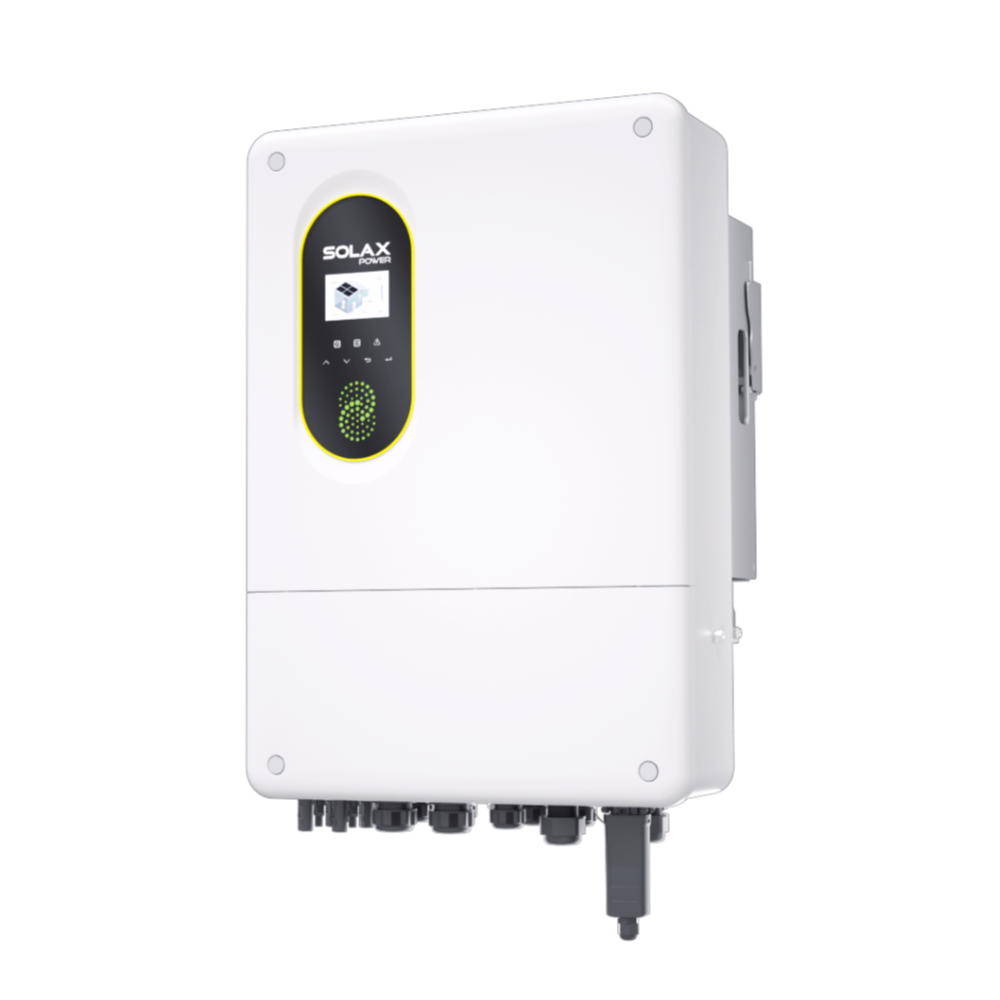
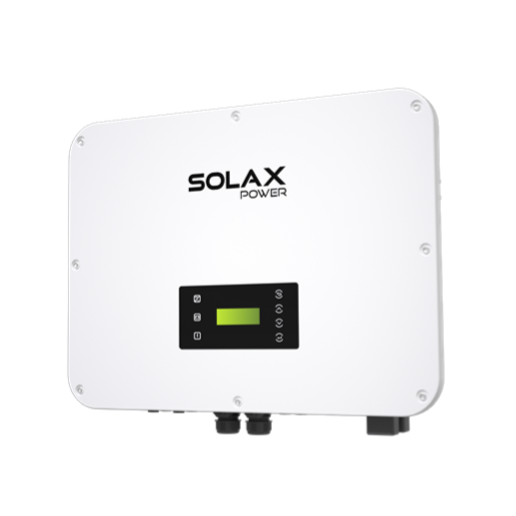
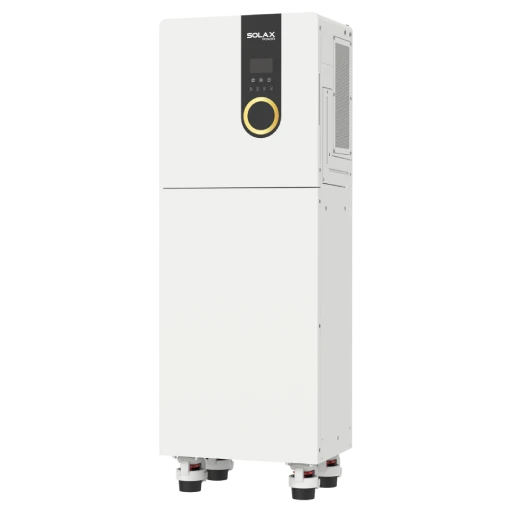
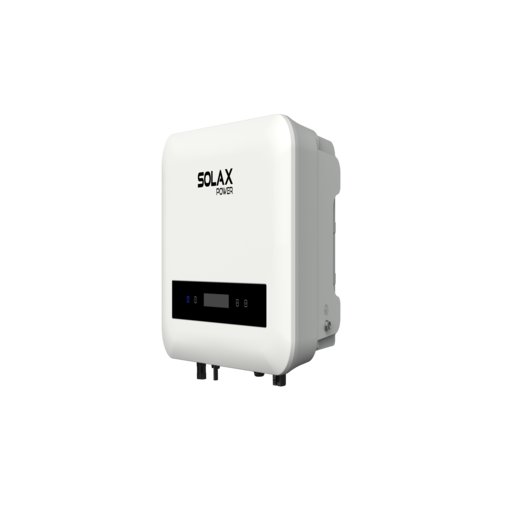
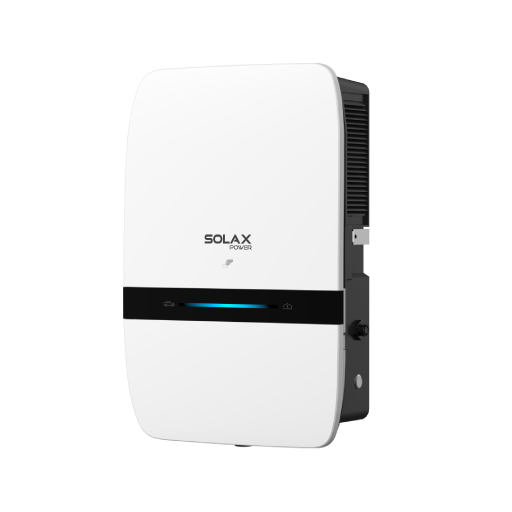
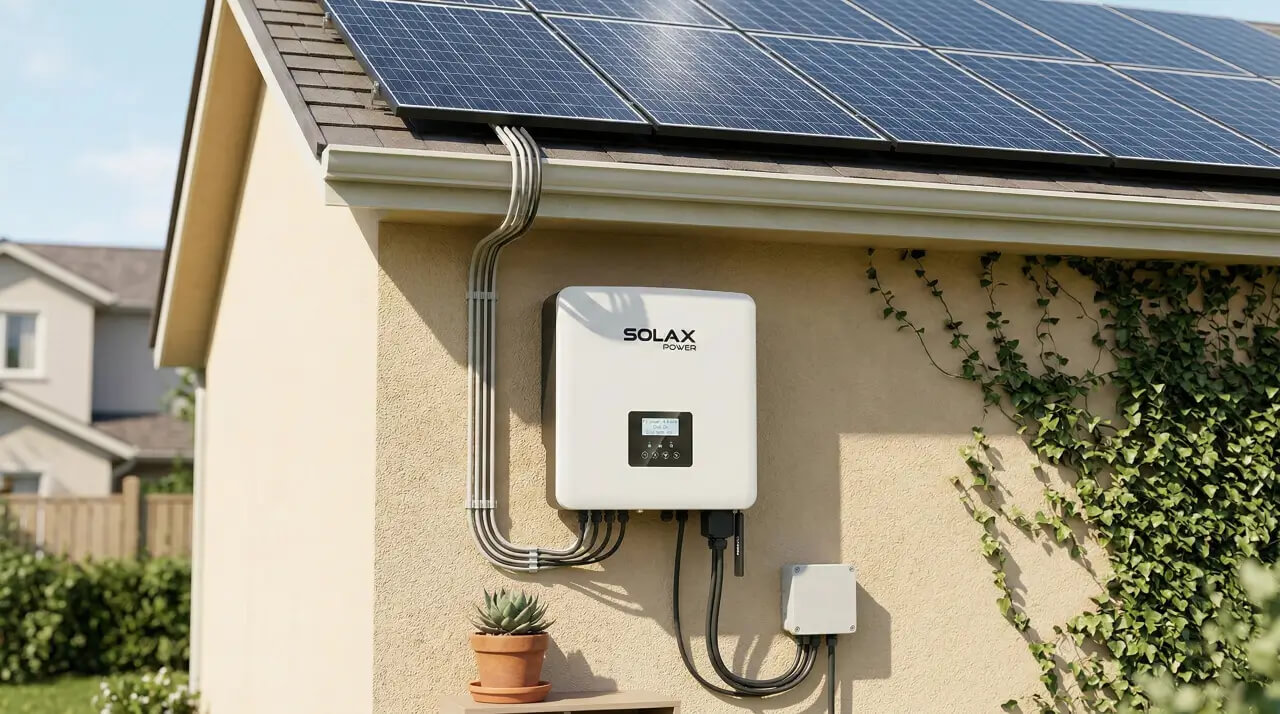
A practical example is the SolaX X1-Hybrid G4, which specifies UPS-level switchover time under 10 ms and up to 150% EPS output for 10 seconds. Those are the details that matter when you want an inverter battery backup mode that behaves like a small UPS for critical circuits.
Step 2: Choose hybrid inverter class
Next, match the hybrid inverter phase type and size to your property and interconnection limit. In Europe, the phase choice is a make-or-break commissioning detail.
Single-phase homes: prioritize correct nominal voltage (often 230 V) and clean EPS behavior for essential loads.
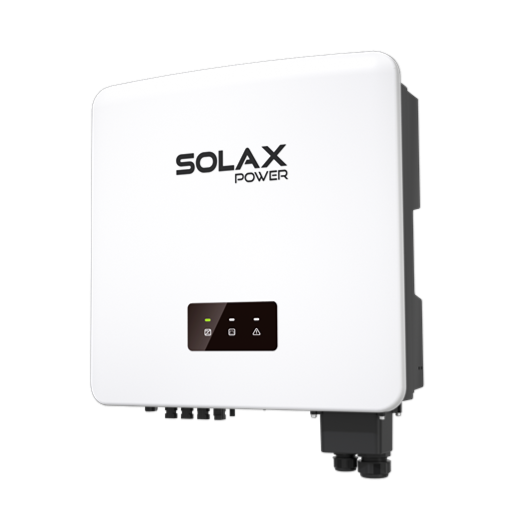
Three-phase homes or small C&I: prioritize balanced output and the right grid-code profile for your DSO.
When you compare inverters, do not stop at the headline kW. Look for limits that affect real-world PV sizing and future expansion. For example, the SolaX X1-Hybrid G4 lists up to 200% PV oversizing and a 70 to 550 V MPPT voltage range, plus 16 A input current per MPPT on some models. These parameters decide whether modern high-current modules will be a good fit, and whether your solar pv layout can be wired without awkward compromises.
Step 3: Verify Europe-required conformity documents
Before you choose a solar inverter, ask the seller or installer for the conformity set that supports legal placement on the EU market. This is not optional paperwork. It protects you from buying an inverter stand-in model that looks similar but is not certified for your region.
Minimum document checks:
CE Declaration of Conformity for the exact model name
EMC and LVD coverage in the DoC scope
RoHS statement for the relevant product family
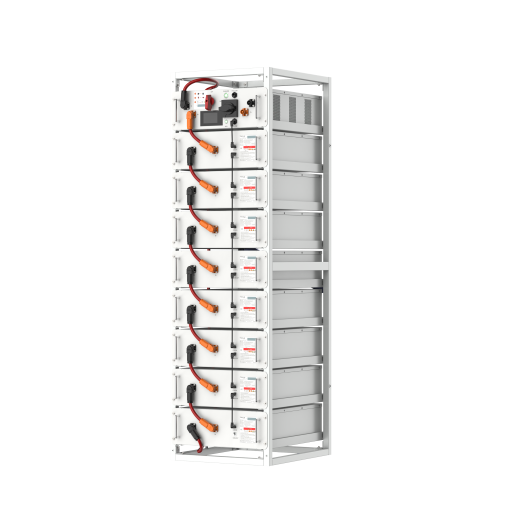
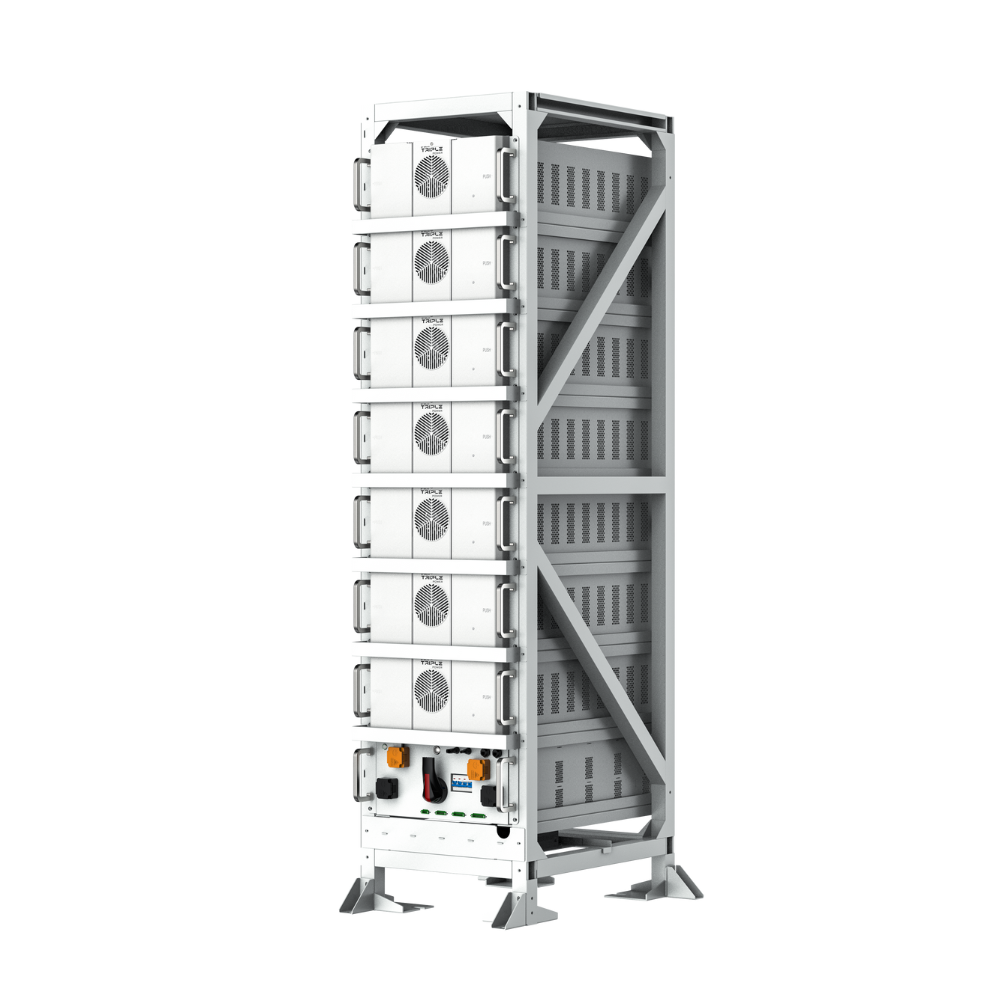
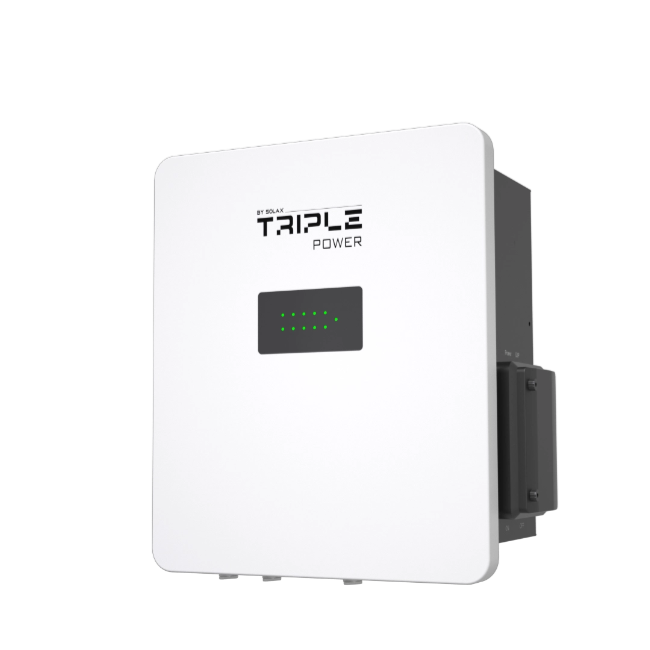
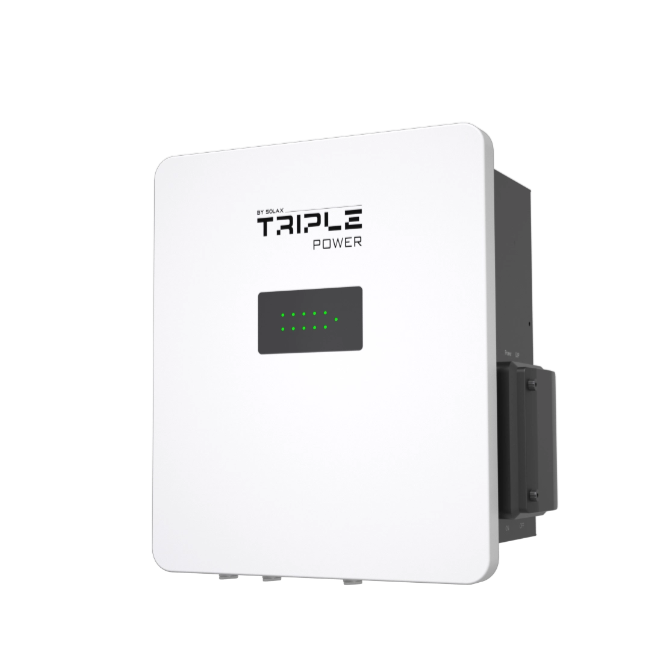
If you are buying battery storage for home, you also want battery safety certifications and transport test evidence. SolaX provides certification and test documents for some battery products such as Triple Power T30, including CE EMC, CE LVD, IEC 62619, and UN38.3 listings in its downloads area. This helps you verify that the solar battery side is treated as seriously as the inverter side.
Step 4: Validate country-specific grid code listings
After CE and core compliance, you still need the grid-code match for your country. This is where many solar energy companies see projects delayed: the system is installed, but the DSO rejects the configuration because the grid-code certificate or listing is missing or mismatched.
Use this checklist:
Confirm whether your DSO requires an EN 50549 based setting, and which national variant applies.
Confirm that the inverter model number on the certificate is identical to the unit you will install.
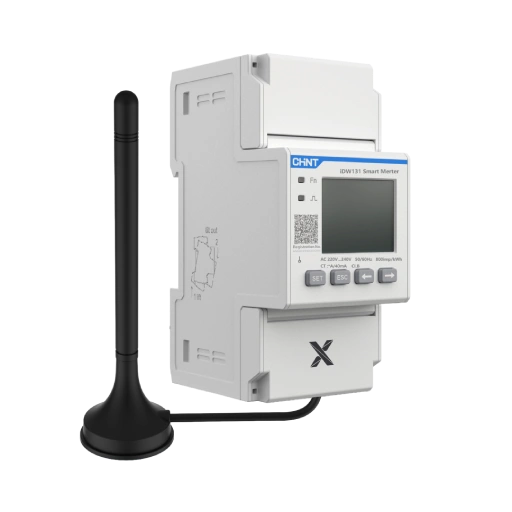
Confirm whether export limitation or zero-export is required, and how it is measured (CT clamp, meter integration, or both).
Tip: If you are using a string inverter without batteries today but plan to add a solar battery later, plan for compatibility now. A retrofit path is easier if your monitoring and export-control approach is already correct at commissioning.
Step 5: Select a 100% self-developed storage system
A 100% self-developed energy storage system reduces integration gaps. In practice, you want the battery modules, BMS behavior, inverter controls, and monitoring software to be designed to work together so your installer can commission the whole stack with fewer unknowns.
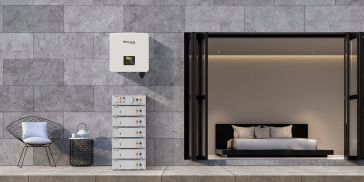
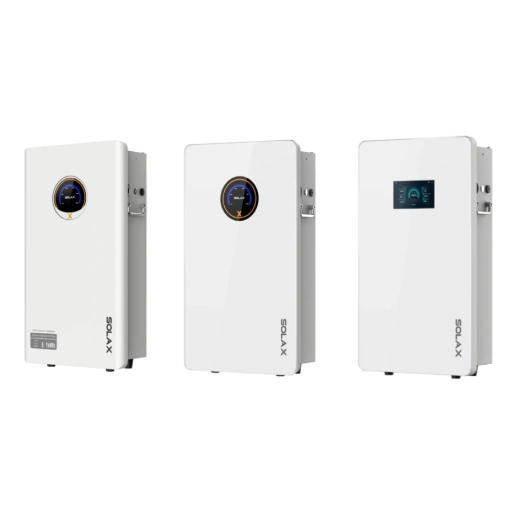
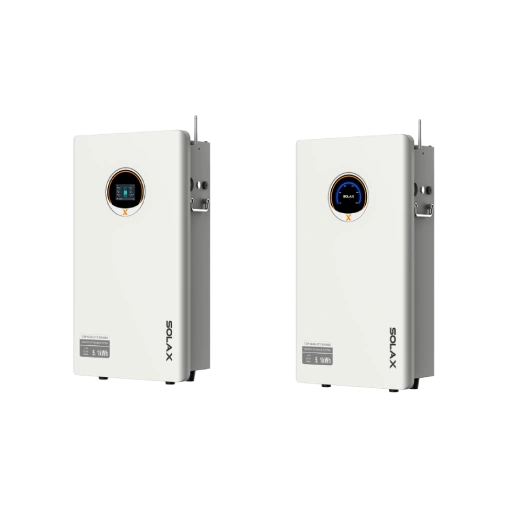
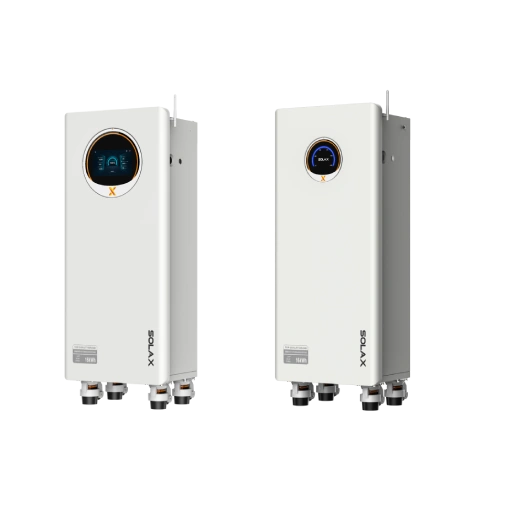
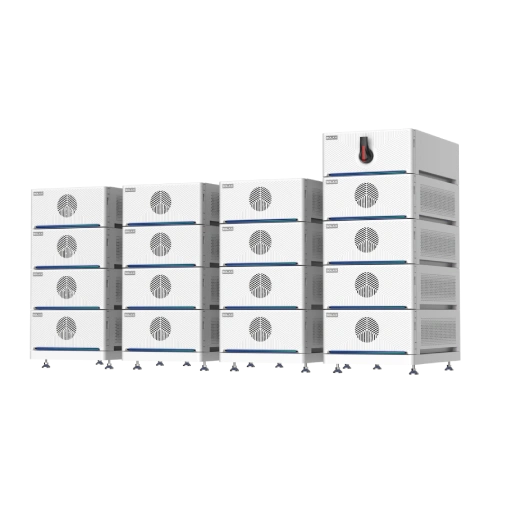
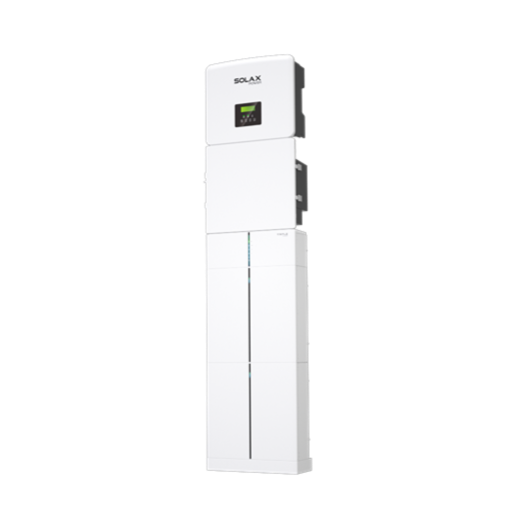
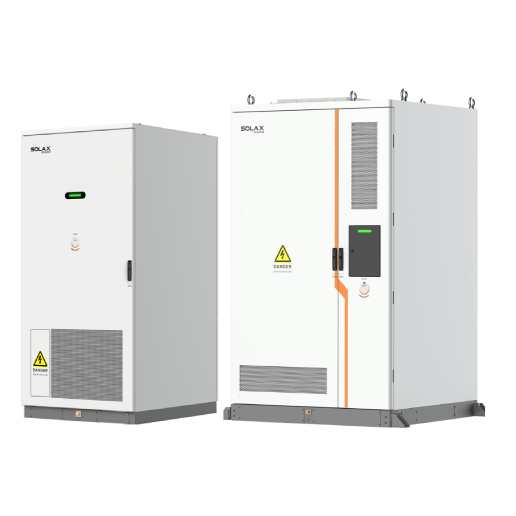
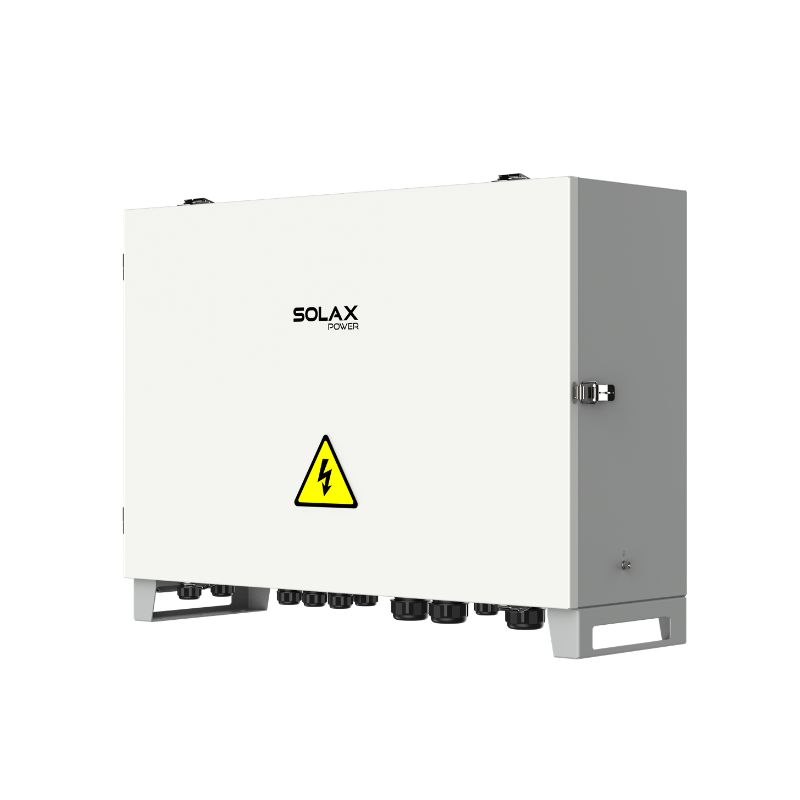
A concrete example is the SolaX X-ESS G4 concept, described as a combination of the X1-Hybrid G4 inverter, a T30 battery, and a Matebox. When one vendor designs the full stack, you typically get clearer support boundaries for firmware, diagnostics, and fault handling across the inverter battery interface.
When you evaluate a specific storage family, check:
Whether the battery is LFP or another chemistry
How the system expands (stackable modules vs. fixed cabinet)
Whether IP rating suits the install location
What the maximum charge and discharge current is, because it sets how hard you can push charging from solar pv and discharging during backup
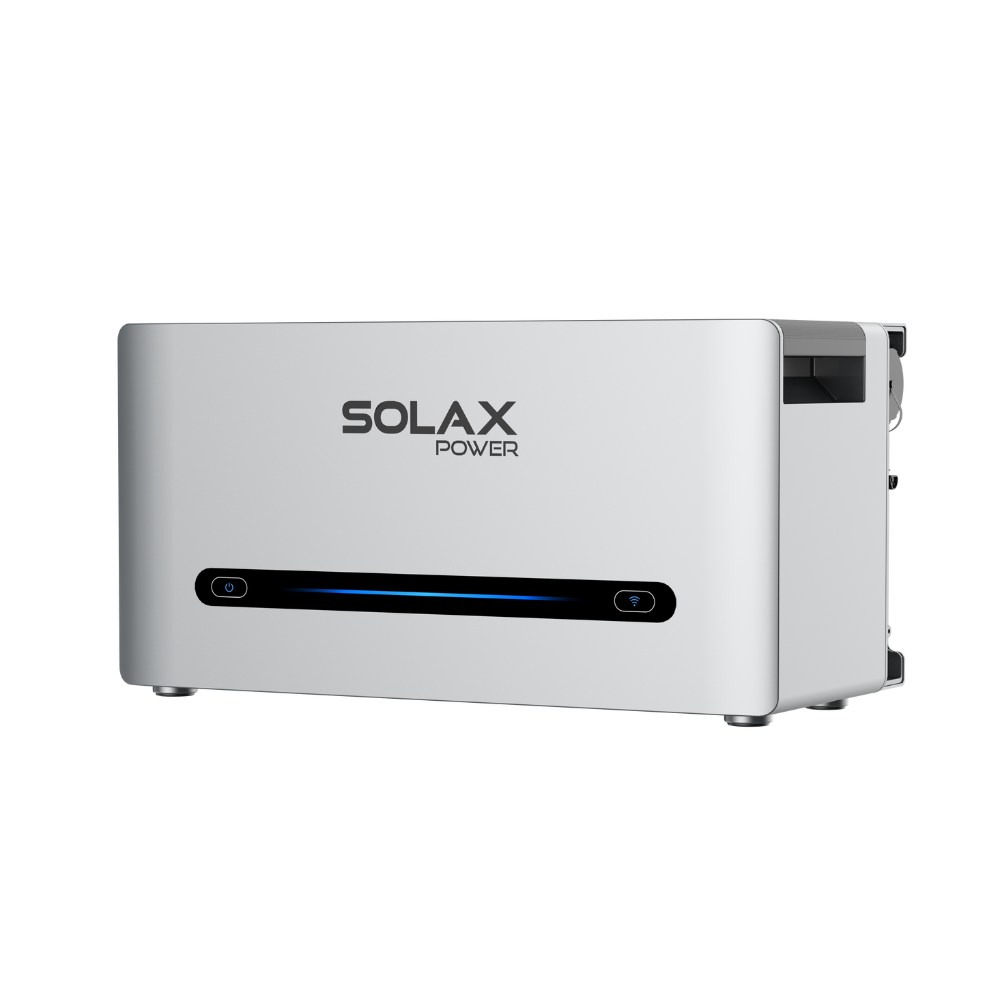
For example, the SolaX T-BAT-SYS-HV-S2.5 specifies LFP chemistry, an IP65 protection rating, a capacity range of 5.12 to 33.28 kWh, and a maximum charging and discharging current of 50 A. Those details help you confirm whether the solar battery storage can keep up with your backup and self-consumption goals.
Step 6: Confirm battery chemistry and transport tests
For residential solar battery use, many buyers prefer LFP because it is widely used in stationary storage and often chosen for stability-focused designs.
Your practical buying checks:
Choose an LFP option when your priority is home safety and cycle life.
Ask for UN38.3 transport test documentation if the battery must be shipped or stored before installation.
Confirm that the battery safety standard scope matches stationary ESS use, not only individual cells.
At the standards level, IEC 62933-5-2:2025 describes safety requirements for grid-integrated electrochemical energy storage systems across the lifecycle, which is a helpful reference point when you review vendor safety claims in a structured way.
Step 7: Require monitoring and diagnostics readiness
Monitoring is not a nice-to-have. It is how you prove performance, catch faults early, and shorten service time if something goes wrong. Therefore, verify monitoring capabilities before you sign the contract.
What to require for smart energy management:
Real-time and historical data for PV, load, battery, and grid import/export
Clear fault codes and event history
Remote diagnostics and the ability to update firmware safely
SolaX support documentation describes how SolaXCloud can be configured for live data refresh down to 10 seconds when used with specific Pocket Dongle models and compatible inverter families. Faster refresh is useful when you are tuning export control, testing backup transfer, or troubleshooting intermittent battery issues.
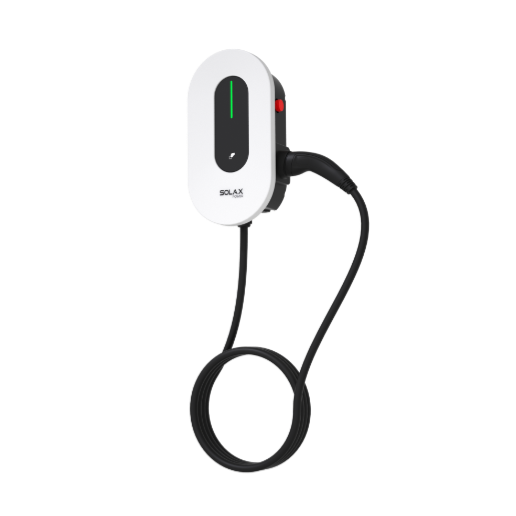
If you also want EV-first optimization, align monitoring with your charging control. The SolaX Smart EV Charger is positioned for integration with a solar power system and highlights features like smart dynamic load balancing and leakage protection (30 mA AC and 6 mA DC), which can help coordinate charging with PV surplus and home limits.
Troubleshooting
Problem | Likely cause | Practical solution |
DSO rejects application | Wrong grid code or missing listing | Re-check the exact country profile (EN 50549 national variant) and submit the matching certificate for your inverter model. |
Inverter derates often | Poor ventilation or high ambient temperature | Increase airflow, keep the unit out of direct sun, and maintain required clearances around the inverter box. |
Battery not charging | Battery profile or BMS communication mismatch | Confirm correct inverter battery profile, verify BMS cabling, and check whether firmware updates are needed before commissioning. |
Export limit does not hold | CT orientation or wrong metering point | Reinstall CT in the correct direction, confirm the measurement point is at the grid connection, and retest under a controlled load. |
Monitoring data is delayed | Dongle or settings not configured | Verify dongle model compatibility and enable live data where supported for faster diagnostics. |
Conclusion
A compliant European solar power system starts with documentation, not marketing claims. First, confirm your grid scenario and phase type, then verify CE-related conformity and the exact grid-code listing your DSO expects.
Next, choose a 100% self-developed storage system with clear LFP battery specs and transport test evidence. Finally, require monitoring that supports fast troubleshooting and long-term optimization, because smart energy management is how you protect performance over time.
FAQ
Table of Contents
Latest News
Explore expert insights, practical guides, and the latest news on SolaX Power.


To the Latest Newsletter
Stay Ahead with the Latest SolaX Updates!
Subscribe
I have read and agree to Privacy Policy and User Terms