











April 08, 2026
The Ultimate Guide to Smart Energy Management Systems
Share my #SolaXStory


Global energy costs are soaring, and grid instability is a growing threat. Whether you are running a household or managing a commercial facility, simply installing hardware isn't enough anymore. You don't just need panels and batteries—you need a "brain" to run them.
That brain is Smart Energy Management Systems (SEMS).
Today, this technology goes far beyond the living room. It is actively transforming how we optimize power across homes, commercial buildings, solar systems, and even massive smart grids.
Want to stop wasting power and start taking total control of your energy? Keep reading to discover how these intelligent energy management systems work, real-world examples, and how to choose the right solution for your needs.
What Is a Smart Energy Management System?
To truly take control of your power usage and costs, you first need to understand the technology driving it.
Energy Management System Definition
At its core, an Energy Management System (EMS) is a combination of hardware (like meters and sensors) and software used to monitor, control, and optimize energy consumption. Traditionally, an EMS simply tracks how and where power is being used within a facility, providing historical data for managers to review.
What Makes Energy Management "Smart"?
If a standard EMS is a digital dashboard, a smart energy management system is an automated control center. The transition from basic monitoring to intelligent energy management relies on three key capabilities:
IoT Connectivity: Devices (solar inverters, batteries, HVAC, and appliances) communicate with each other in real-time over a network.
Predictive Analytics: The system doesn't just look at the past; it looks at the future. It analyzes live weather forecasts, historical usage habits, and dynamic grid pricing to anticipate energy needs.
Automated Decision-Making: Instead of waiting for human input, it acts instantly. For example, it automatically switches to battery power when grid tariffs hit peak rates, ensuring maximum cost savings without disrupting your comfort.
Smart Energy Management Examples by Scenario
These highly adaptable technologies are deployed across various scales. Here are three common categories of smart energy management solutions in action:
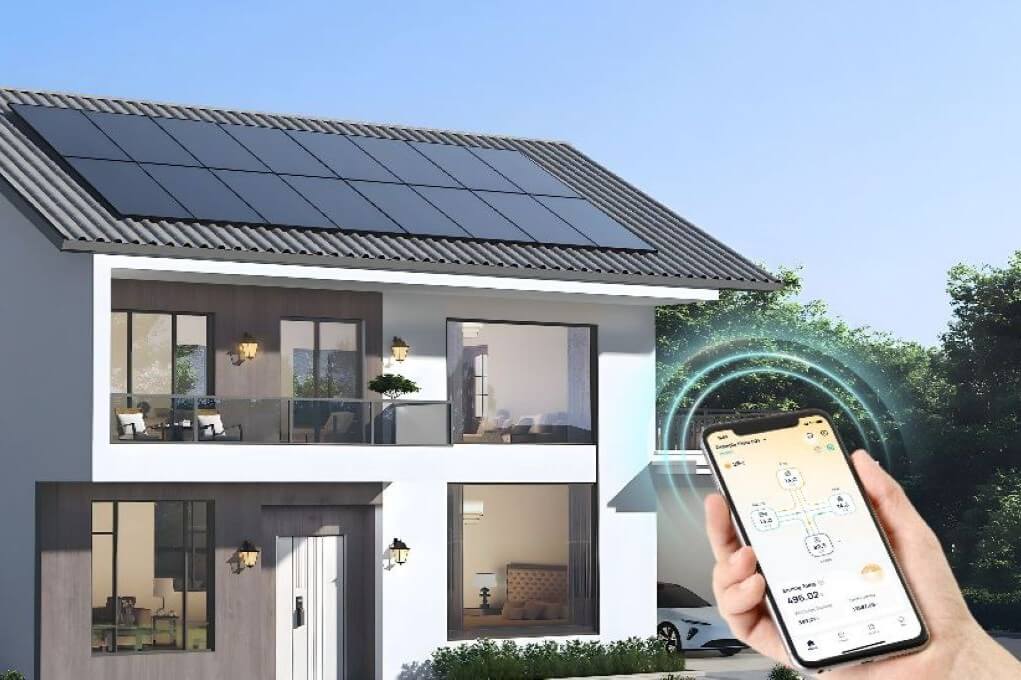
Smart Homes: A system that automatically directs excess rooftop solar power to charge an electric vehicle (EV) or heat water, rather than exporting it to the grid for pennies.
Smart Buildings: Commercial offices equipped with sensors that automatically adjust HVAC and lighting based on real-time room occupancy and natural sunlight levels, drastically cutting operational costs.
Smart Grids: Utility companies utilizing Virtual Power Plants (VPPs) to aggregate thousands of home batteries, discharging them simultaneously to stabilize the grid and prevent blackouts during extreme weather.
Key Components of Smart Energy Management Systems
A complete system relies on four key pillars working in perfect harmony:
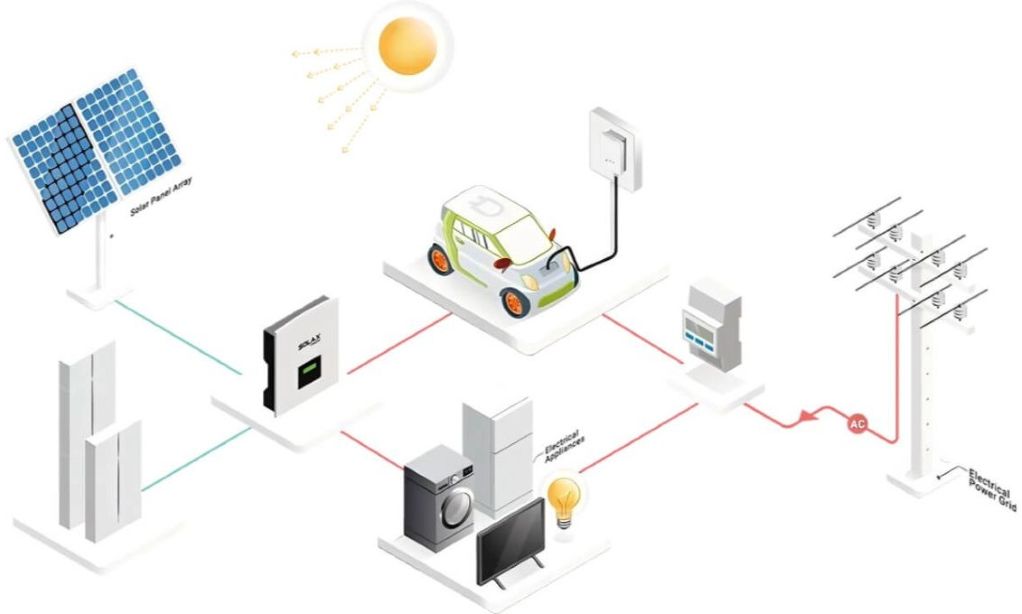
1. Generation (PV): The Power Source
This is the foundation of the ecosystem. High-efficiency solar panels capture sunlight and convert it into Direct Current (DC) electricity. While panels are the visible "muscle" that produces energy, they are reliant on the rest of the system to make that power usable and efficient.
2. Storage (ESS): The Flexibility Core
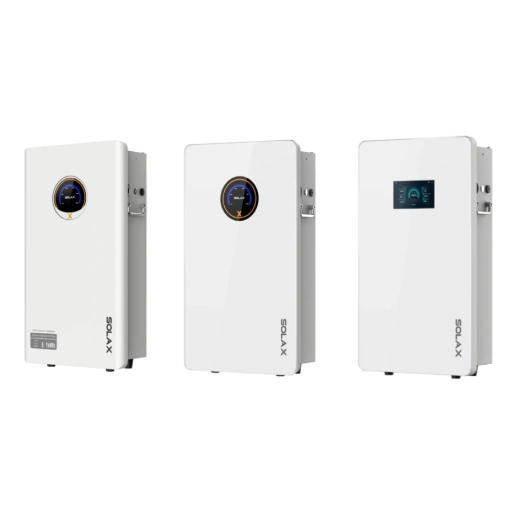
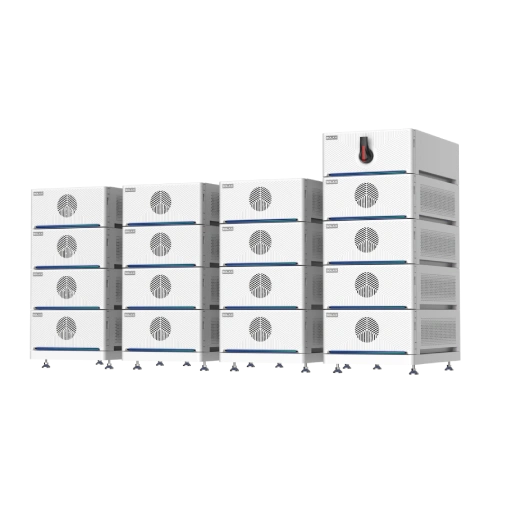
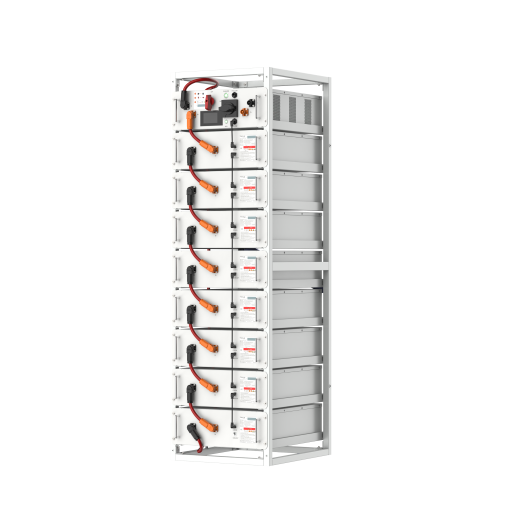
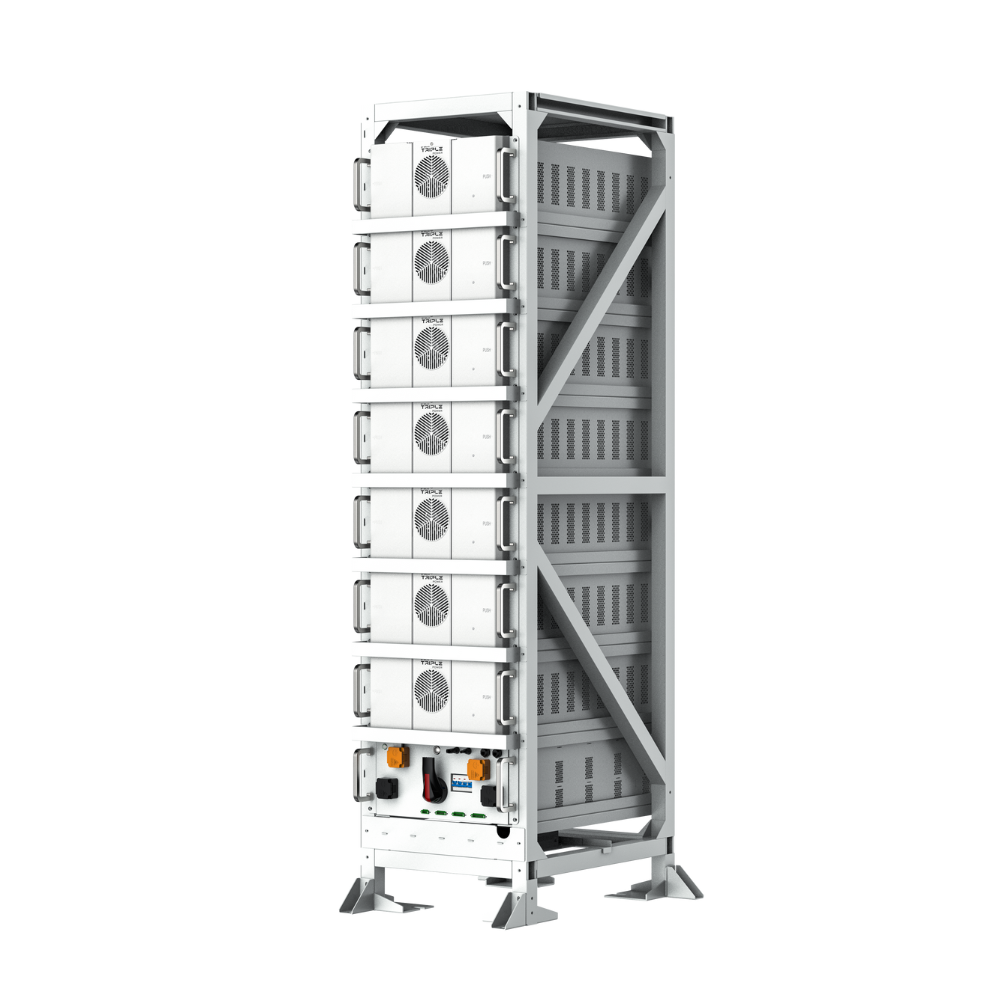
Batteries are no longer just for backup; they are the heart of smart management. An Energy Storage System (ESS) allows for "Peak Shaving and Valley Filling." By storing excess solar energy during the day (or cheap grid electricity at night) and discharging it during expensive peak hours, the battery maximizes your savings and ensures constant power availability.
3. Inverter: The Central Brain
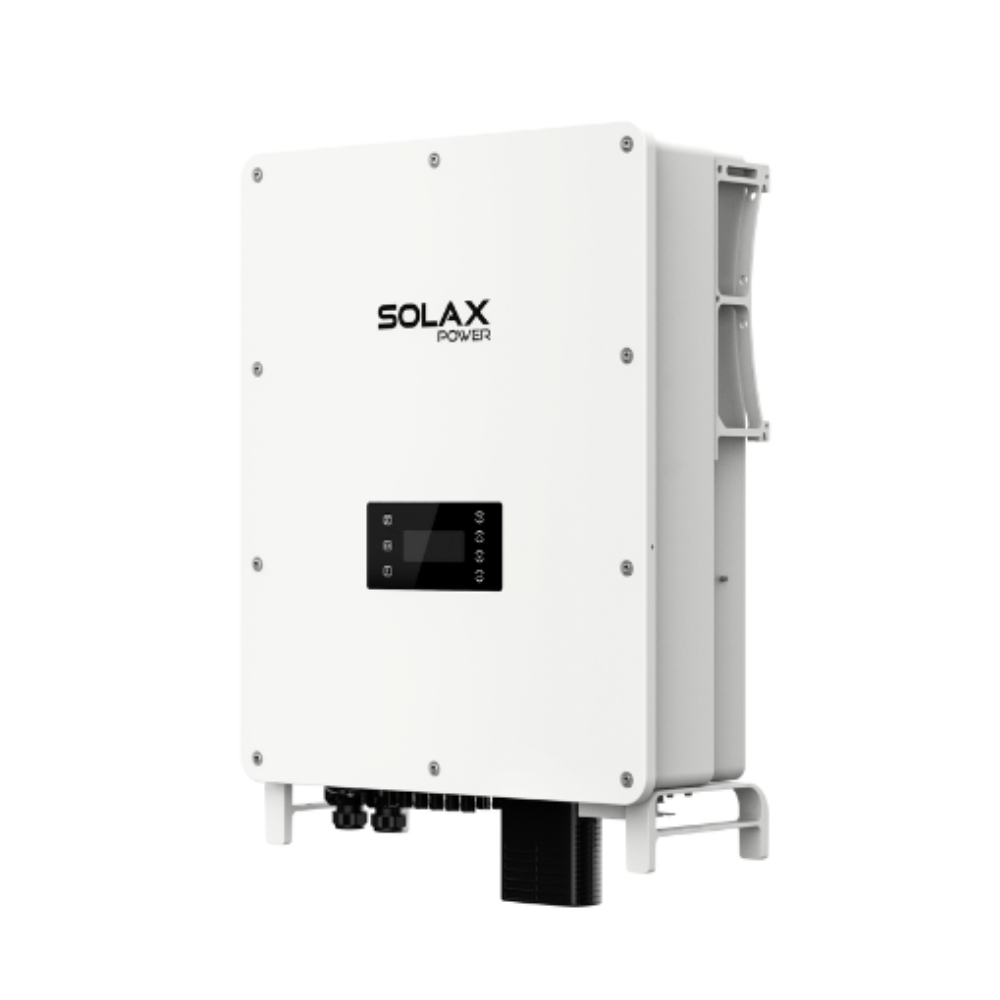
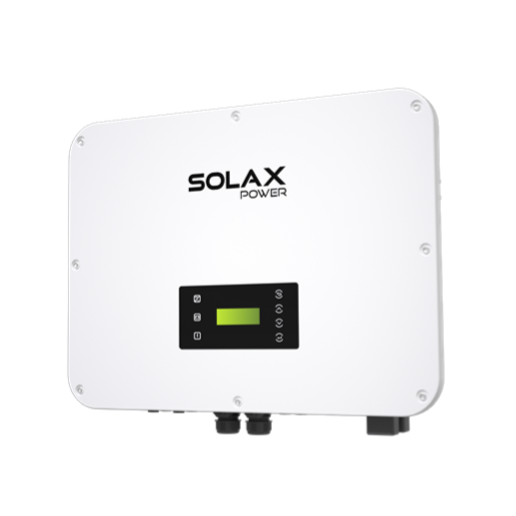
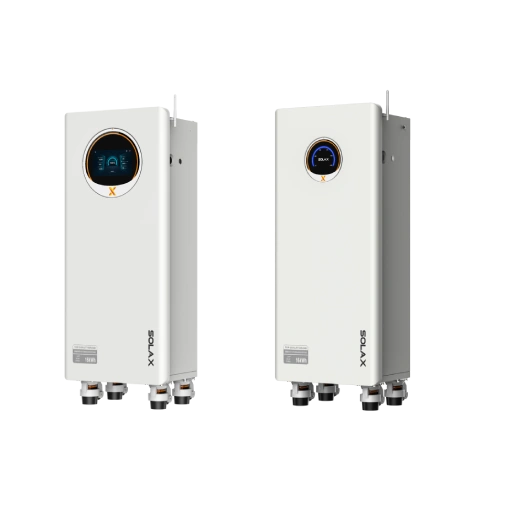
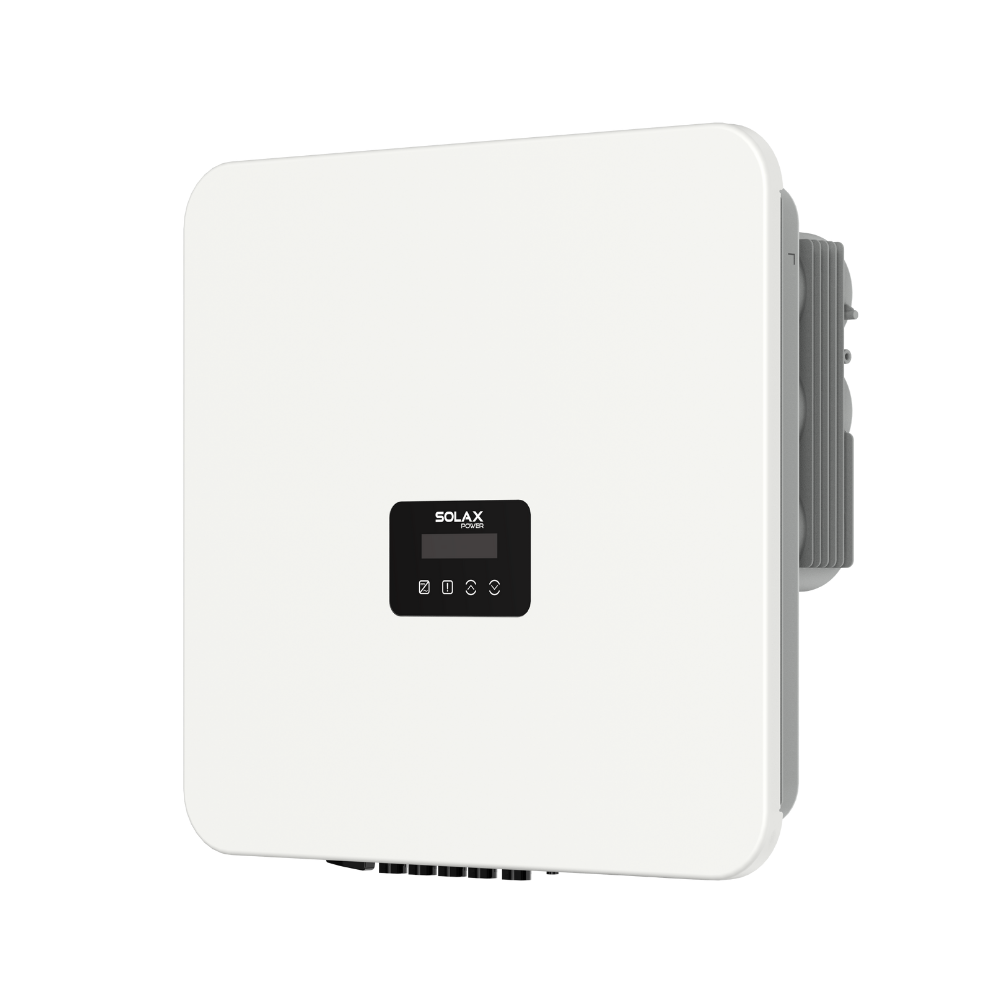
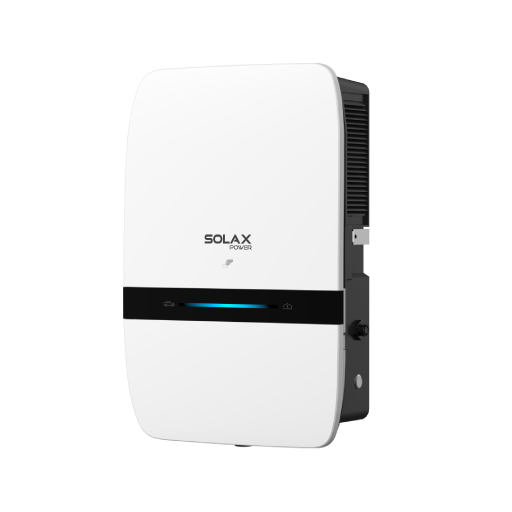
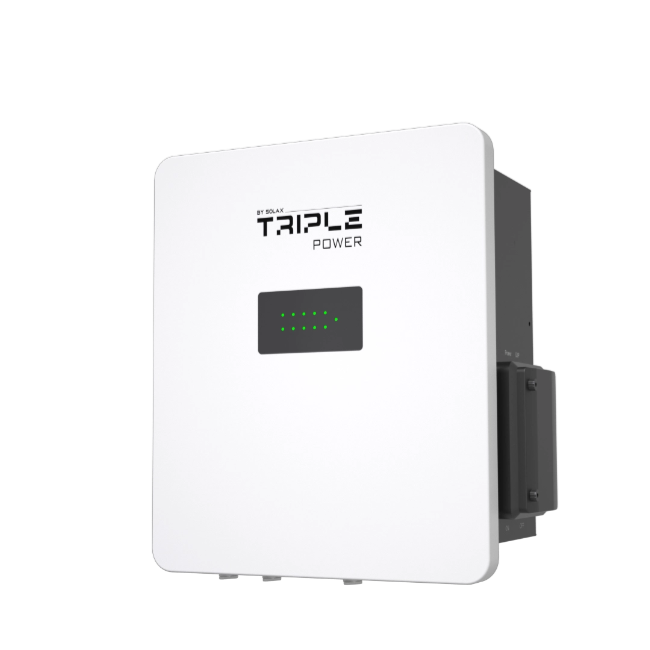
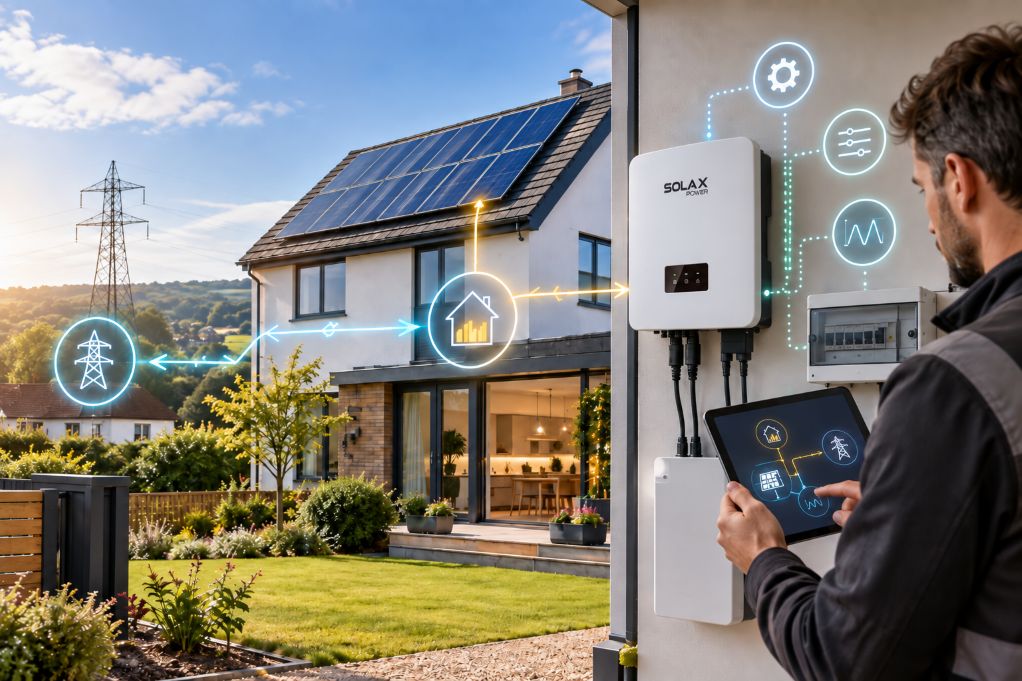
While panels produce power and batteries store it, the Hybrid Solar Inverter decides where it goes. This is where SolaX excels. Unlike standard inverters, a hybrid inverter acts as an intelligent hub that manages the bidirectional flow of electricity between your solar panels, batteries, the grid, and your home loads, ensuring every watt is routed to the most efficient destination.
4. Software/App: The Interface & AI
This is the bridge between you and your energy. Through a user-friendly app, you gain real-time visibility into your system's performance. Behind the scenes, AI-driven algorithms analyze weather forecasts and usage habits to automatically adjust settings, ensuring your system runs at peak efficiency without manual intervention.
Types of Smart Energy Management Systems
Smart energy management systems are not one-size-fits-all solutions. Depending on the scale and the specific needs of the user, these technologies are generally categorized into three primary types:
Smart Home Energy Management System
Designed for residential properties, a Home Energy Management System (HEMS) focuses on maximizing solar self-consumption, user convenience, and home security.
Integrated EV Charging: It seamlessly links rooftop solar with EV chargers, enabling a "green charging" mode where your car is powered purely by surplus solar energy.
Smart Appliance Control: The system intelligently schedules heavy loads, such as heat pumps, to operate automatically during peak solar production hours.
Whole-Home Backup: Beyond daily savings, it ensures true energy independence by keeping essential household appliances running continuously during unexpected grid outages.
Smart Building Energy Management System
For commercial and industrial (C&I) facilities, energy management is a critical strategic tool for operational cost control and corporate responsibility.
Slashing Demand Charges: Commercial electricity bills heavily penalize peak usage. These systems utilize precise Peak Shaving algorithms to discharge stored battery energy during high-demand periods, drastically lowering expensive demand charges.
Achieving ESG Goals: By maximizing the utilization of on-site renewable energy, businesses can significantly reduce their carbon footprint and meet rigorous Environmental, Social, and Governance (ESG) targets.
Smart Grid Energy Management System
At the macro level, utility companies and grid operators rely on these massive-scale systems to coordinate power distribution across entire regions.
Grid Stabilization: They aggregate distributed energy resources—like thousands of individual home batteries—into Virtual Power Plants to balance supply and demand in real time.
Demand Response: During extreme weather or critical power shortages, the system automatically adjusts energy flow to prevent city-wide blackouts, creating a more resilient public energy infrastructure.
Why Smart Energy Management Matters in Solar Systems?
Whether you are managing a household or a commercial facility, simply installing solar panels and batteries is no longer enough. Upgrading to smart energy management systems transforms your setup from a passive collection of hardware into an automated financial asset.
Automated Cost Savings: Peak Shaving & Load Shifting
You shouldn't have to manually check electricity rates every hour. Through intelligent energy management, the system analyzes real-time Time-of-Use tariffs and automatically executes two critical money-saving strategies:
Peak Shaving: During peak demand periods when grid electricity is most expensive, the system automatically discharges stored solar energy from your batteries, drastically reducing your utility bill.
Load Shifting: It shifts heavy energy consumption to lower-demand periods. For example, it automatically runs HVAC systems or EV chargers during the day when free solar energy is plentiful, avoiding high-cost evening hours.
True Energy Independence & EPS Functionality
In regions with fluctuating energy prices or unreliable grids, self-sufficiency is paramount for both residential and commercial users.
A major advancement in modern setups is the built-in EPS (Emergency Power Supply) functionality. When the grid goes down, the "brain" of the system instantly provides backup power. Instead of draining the battery blindly, it smartly prioritizes critical loads—ensuring essential appliances or business operations stay running without wasting energy on non-essentials.
Seamless Grid Integration & Future-Proofing
The energy landscape is changing rapidly. Your property is no longer an isolated island; it needs to interact dynamically with the utility network.
Earning Extra Income: A robust setup connects your system to the broader grid, allowing you to join VPPs. This enables you to earn revenue by discharging battery power to help stabilize the grid during critical shortages.
Staying Ahead of Regulations: With initiatives like the EU Commission's July 2025 guidance to accelerate storage infrastructure, having a grid-friendly system ensures your property is future-proofed against evolving network charges and regulations.
SolaX Power: Leading Smart Energy Management Solutions
As a leading provider of solar energy storage, SolaX Power is revolutionizing how we interact with renewable energy. Their cutting-edge smart energy management systems integrate solar generation, battery storage, and control technology into one unified platform, delivering enhanced performance and maximum efficiency for users.
Integration with Third-Party HEMS Platforms
A hallmark of modern smart energy management is broad compatibility. SolaX devices connect seamlessly with a diverse range of third-party Home Energy Management System platforms.
Automated Adjustments: The system automatically tweaks energy consumption based on household usage habits, real-time pricing, and weather forecasts.
Maximized Efficiency: This connectivity ensures peak performance while offering ultimate user convenience.
Real-Time Monitoring via SolaXCloud
Data visibility is essential for cost reduction. Through the cloud-based SolaXCloud platform, users can track energy production, consumption, and storage remotely from their smart devices.
Proactive Control: Homeowners can make informed decisions about when to store energy, when to use it, and when to export it back to the grid.
Commercial Savings: For businesses, live monitoring allows facility managers to optimize energy consumption against live electricity prices, leading to substantial reductions in operational costs.
Empowering the Grid with VPP Technology
Beyond individual buildings, SolaX offers robust tools for macro-level intelligent energy management. Their Virtual Power Plant solution enables utility companies to easily manage and coordinate diverse Distributed Energy Resources on a massive scale. Key capabilities include:
Rapid Grid Response: The system provides quick response capabilities to meet critical grid demands and maintain stability.
Developer-Friendly APIs: Utilizing the SolaX OpenAPI, utility projects gain access to highly efficient APIs for operation, maintenance, monitoring, and control.
Seamless Standard Integration: By fully supporting industry-standard protocols like IEEE 2030.5 and OpenADR, SolaX ensures fast integration with various utility networks. This paves the way for intelligent scheduling and grid-wide energy optimization.
FAQ
Table of Contents
Latest News
Explore expert insights, practical guides, and the latest news on SolaX Power.


To the Latest Newsletter
Stay Ahead with the Latest SolaX Updates!
Subscribe
I have read and agree to Privacy Policy and User Terms