















August 06, 2026
Time of Use (TOU) Rates: When is Electricity Cheapest and How to Slash Your Bills?
Share my #SolaXStory


According to the U.S. EIA, average residential electricity prices rose by about 18% from 2024 to 2026, pushing many homeowners to look for smarter ways to cut energy bills.
At the same time, growing grid pressure has led over two-thirds of major U.S. utilities to adopt Time-of-Use (TOU) rates—where electricity prices change by time of day.
If you assume power costs the same whenever you use it, TOU pricing changes everything. This guide explains how TOU rates work, when they save money, and how to take advantage of them with minimal effort.
What Are Time-of-Use (TOU) Rates?
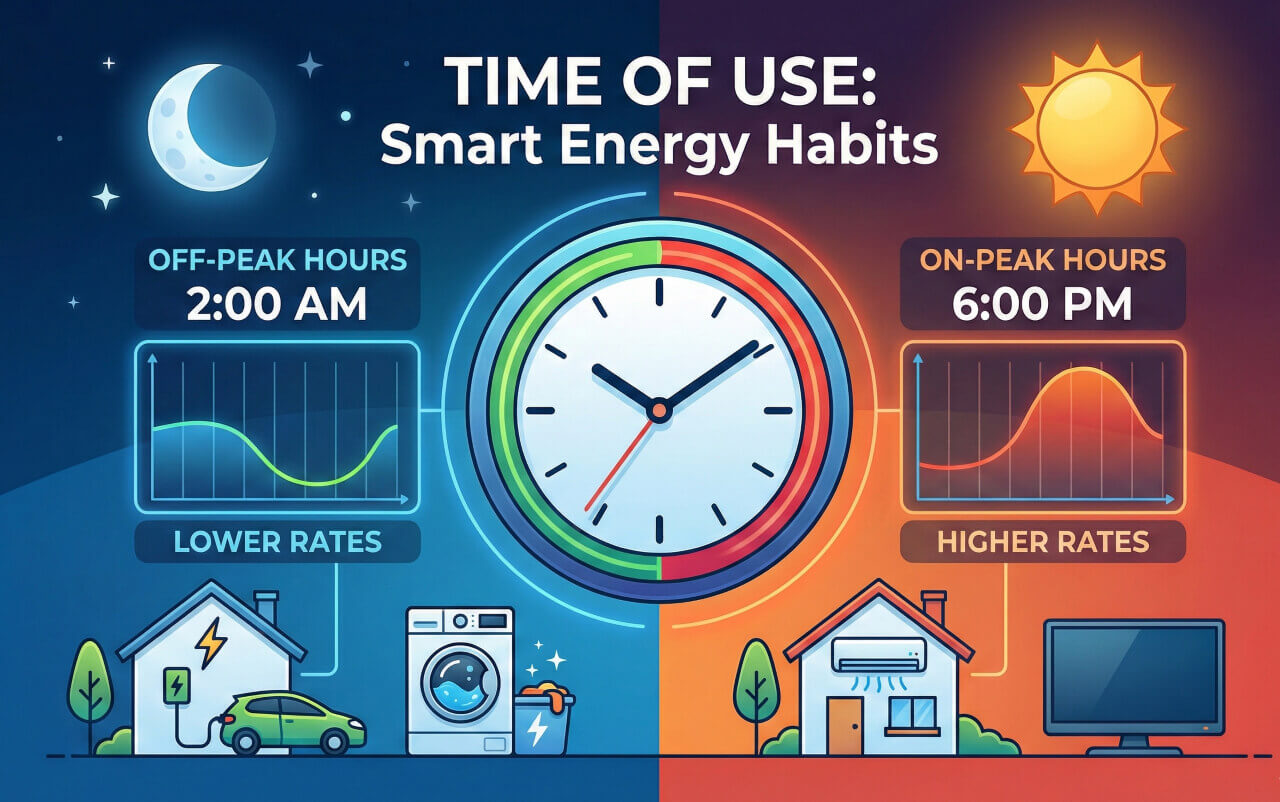
Time-of-Use (TOU) rates are electricity pricing plans where the cost per kilowatt-hour (kWh) varies depending on when you use power.
Instead of one flat price all day, utilities divide the day into pricing windows:
Peak hours – highest prices (high demand)
Off-peak hours – lowest prices (low demand)
Mid-peak or shoulder periods – moderate pricing (in some plans)
Example of a Typical TOU Schedule
Time Period | Typical Hours | Cost Level |
Off-peak | 9 PM – 4 PM | Lowest |
Peak | 4 PM – 9 PM | Highest |
(Exact hours vary by utility and season.)
How to Find TOU Charges on Your Bill?
Don't guess; check your statement. Look for these terms:
Usage Buckets: Look for line items labeled "Peak," "Off-Peak," and "Shoulder."
kWh Breakdown: See how many units you consumed in each window.
Rate Multiplier: Note the price difference. In states like California or Massachusetts, Peak rates can be 3x higher than Off-Peak rates.
How TOU Impacts Your Bill?
Let's look at a real-world scenario. Imagine you run a standard electric clothes dryer (which uses about 4 kWh per load).
Flat Rate: $0.25/kWh x 4 kWh = $1.00 per load.
TOU On-Peak ($0.52/kWh): $0.52 x 4 kWh = $2.08 per load.
TOU Off-Peak ($0.19/kWh): $0.19 x 4 kWh = $0.76 per load.
Running that one appliance during off-peak hours saves you $1.32 per load. Over a year (150 loads), that's $198 saved just by changing the time you press "Start."
Why Do Utility Companies Use TOU Rates?
Utility companies implement Time-of-Use tariff structures to address core grid challenges while creating long-term value:
Balance Grid Load During High-demand Windows
The greatest strain on grids falls during electricity peak hours. TOU pricing incentivizes customers to shift non-essential usage to off peak electricity times, smoothing out overall demand and reducing outage risks.
Cut Unnecessary Infrastructure Costs
Building extra power plants or upgrading grids solely to meet short daily peak demand is costly and inefficient. By flattening peak load with TOU rates, utilities avoid passing these excess capital expenses to customers.
Accelerate Renewable Energy Integration
Most solar and wind generation peaks during midday or off-peak periods. TOU rates encourage using power when clean energy is abundant, reducing reliance on fossil-fueled backup systems to support a greener grid.
For regional providers like PG&E, their TOU rates are tailored to local demand rhythms, with pricing aligned to pge peak hours to better match the unique grid needs of their service area.
TOU Rates vs. Flat Rates: Which is Better for You?
TOU rates offer flexibility with lower off-peak prices but variable costs tied to usage timing. Flat rates provide stability and predictable billing regardless of when you use power.
Feature | Flat Rate Plan | TOU Rate Plan |
Predictability | High - Same price all day | Moderate - Depends on habits |
Best For | Households with fixed daytime usage | EV owners, Remote workers, Solar owners |
Savings Potential | Limited | High (up to 30-50% bill reduction) |
Risk | Paying a "convenience premium" | Higher bills if usage isn't shifted |
Who Wins with TOU?
EV Owners: Charging overnight at super off-peak rates is the cheapest way to "fuel" a car.
Solar + Battery Owners: You can store free solar power and use it when grid prices triple.
Flexible Households: Those who can automate their HVAC and appliances.
Why Your Schedule Changes Twice a Year?
Most utilities (like PG&E, SCE, or Duke Energy) update their TOU windows seasonally:
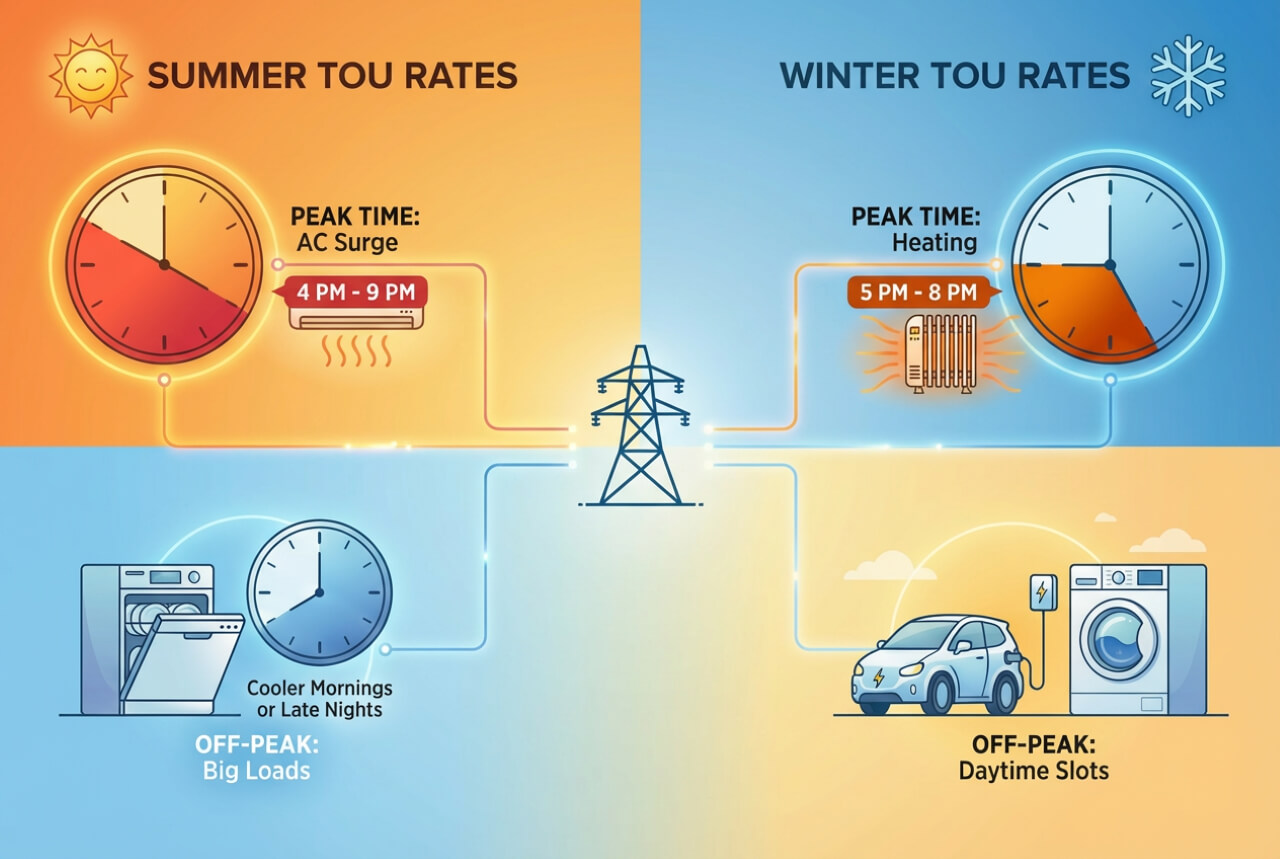
Summer (June – Sept): The "Peak" is driven by Air Conditioning. Expect the highest rates between 4 PM and 9 PM on weekdays.
Winter (Oct – May): The "Peak" might shift to early mornings or late evenings when heating demand is high. Many utilities offer "Super Off-Peak" midday windows in winter when solar production is high but demand is low.
4 Strategies to Slash Your Bill Under TOU Rates
1. Shift the "Big Three"
Laundry, dishwashing, and pool pumps account for a huge chunk of energy. Use your appliance's "Delay Start" feature to run them after 9 PM or before 8 AM.
2. Pre-Cool Your Home
In summer, set your AC to 70°F at 2 PM (Off-Peak) and turn it up to 78°F at 4 PM (On-Peak). Your home will stay cool using "cheap" thermal energy.
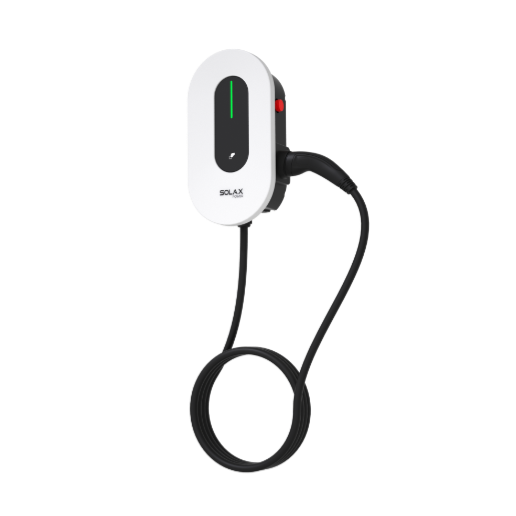
3. Smart EV Charging
Never plug in and charge immediately at 5 PM. Use an app to schedule charging to start at midnight.
4. The Ultimate Solution: Energy Arbitrage with Batteries
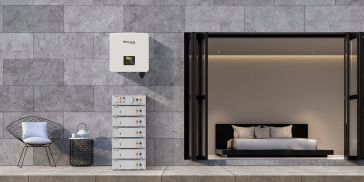
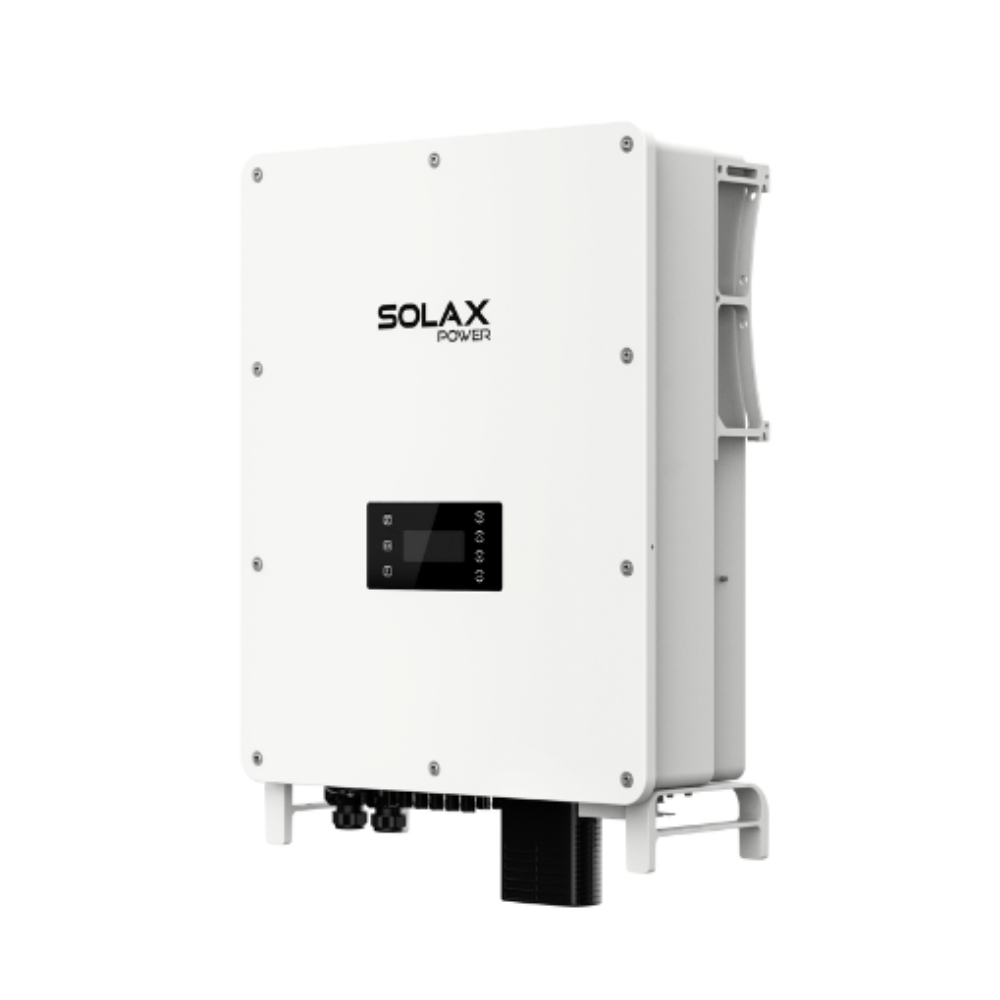
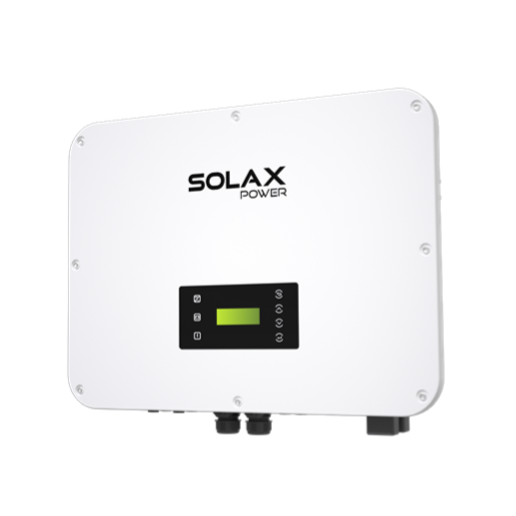
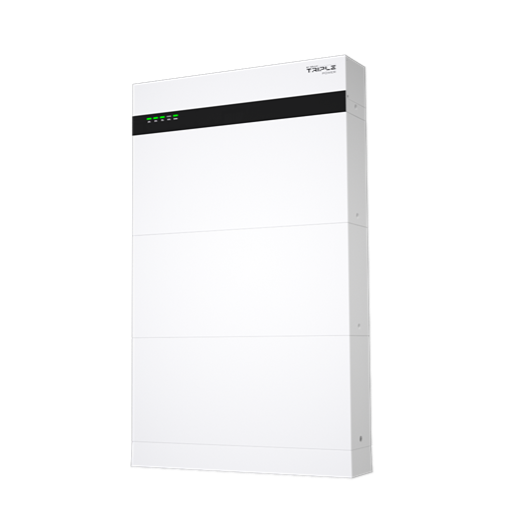
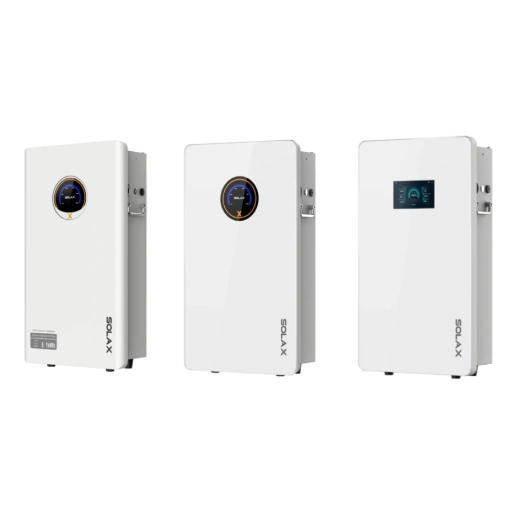
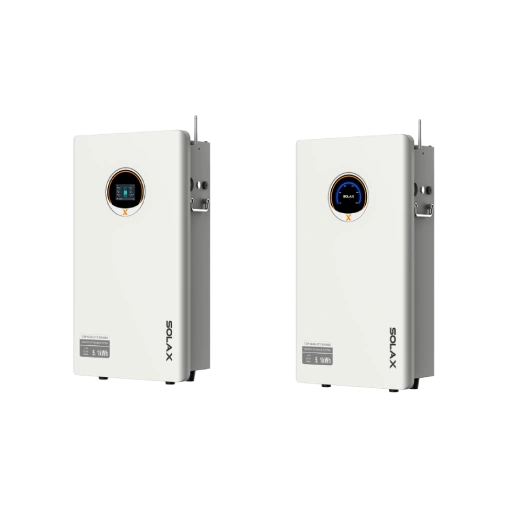
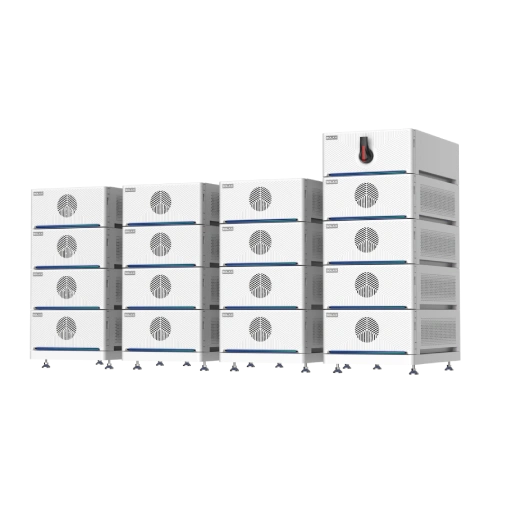
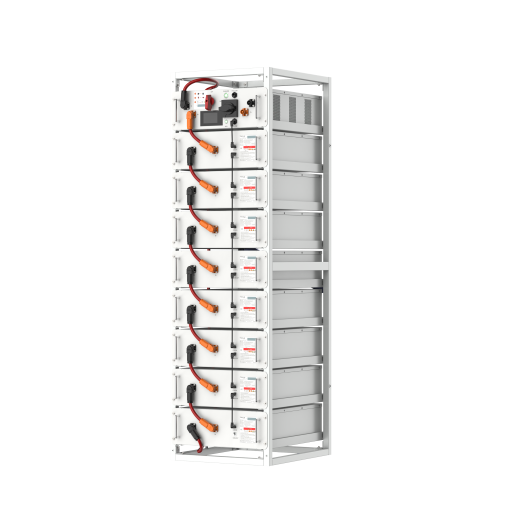
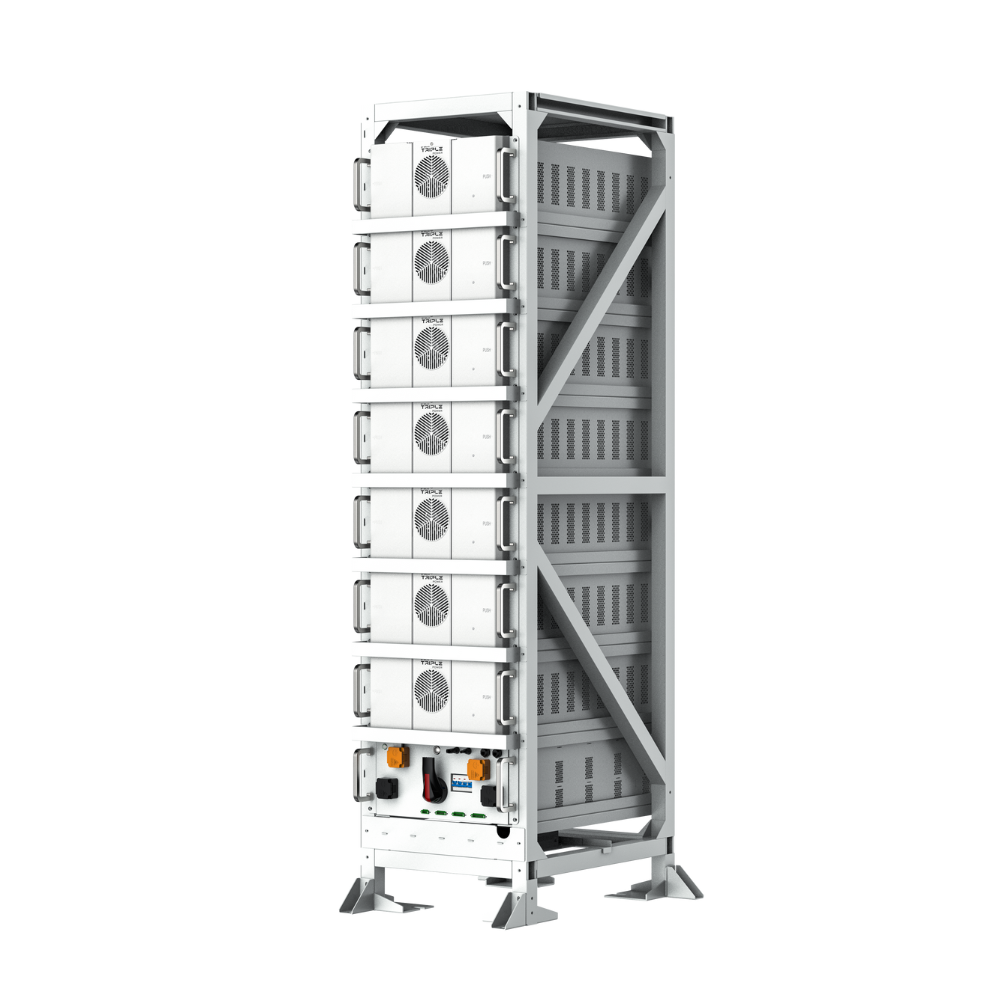
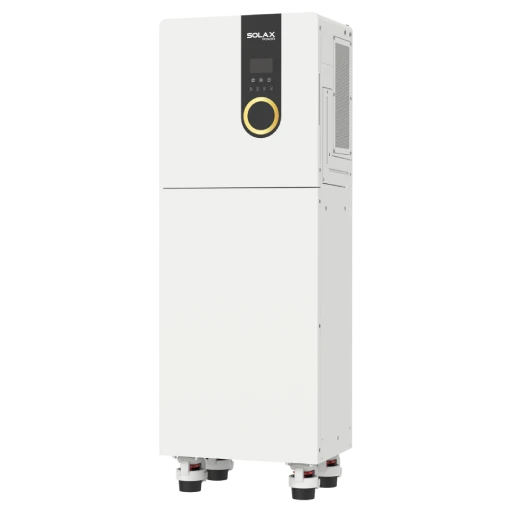
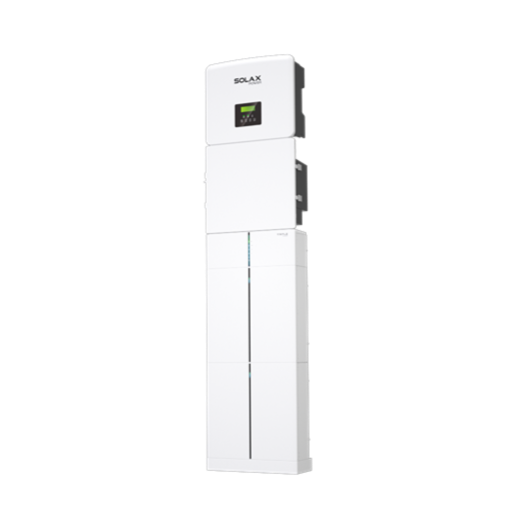
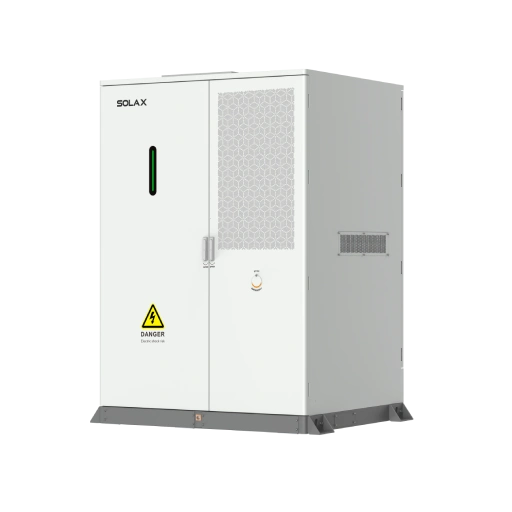
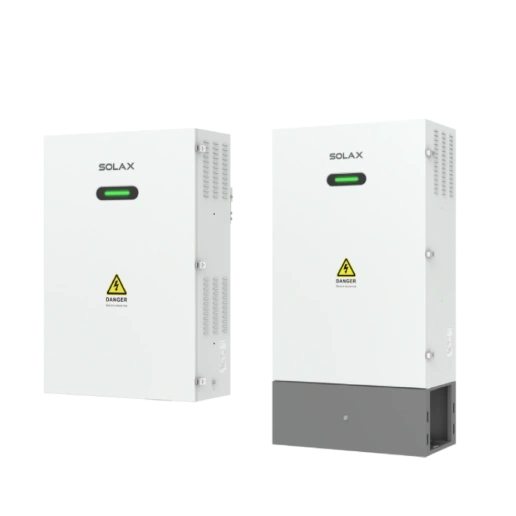
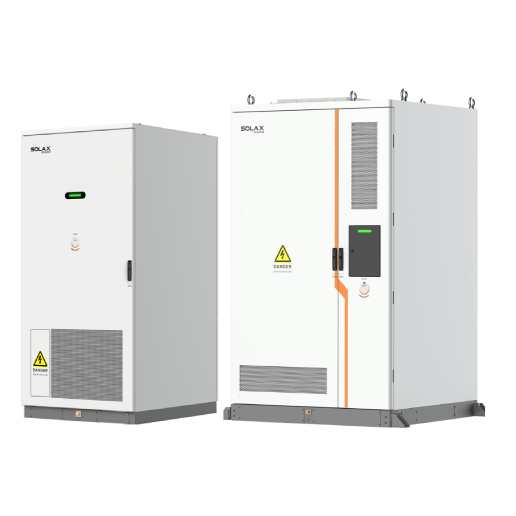
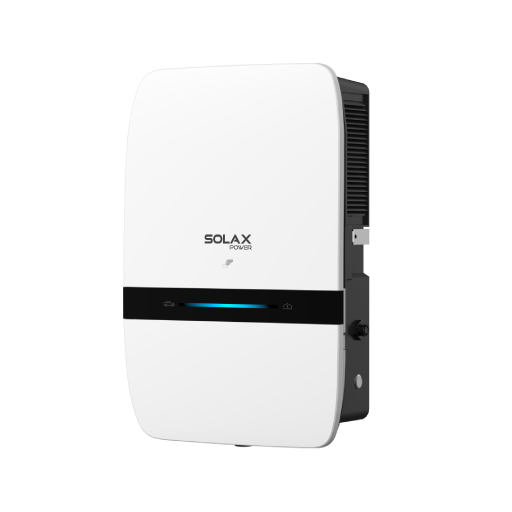
This is where the biggest savings happen. A home battery system, like SolaX Battery Storage, allows for Energy Arbitrage:
Step 1: Charge the battery at midday (using free solar) or at night (using cheap grid power).
Step 2: Discharge the battery to power your home during the 4 PM – 9 PM Peak.
You virtually never pay On-Peak prices, even if you are cooking dinner and running the AC. Solar owners with batteries often see bill reductions of 50% to 90% under TOU plans.
FAQ
Table of Contents
Latest News
Explore expert insights, practical guides, and the latest news on SolaX Power.


To the Latest Newsletter
Stay Ahead with the Latest SolaX Updates!
Subscribe
I have read and agree to Privacy Policy and User Terms