












March 13, 2026
Off-Grid vs Hybrid Inverter: The Ultimate Comparison & Buying Guide
Share my #SolaXStory


The inverter is the heart of any solar power system. But when it comes to choosing the right inverter, many people face a critical question: should you go with an off-grid inverter or a hybrid inverter?
While both can work with batteries and provide backup power, they're designed for completely different purposes. Choosing the wrong one can mean wasted investment or a system that doesn't meet your needs.
But don't worry, after reading this blog, you'll know exactly which inverter fits your solar goals. Let's drive in.
What is an Off-Grid Solar Inverter?
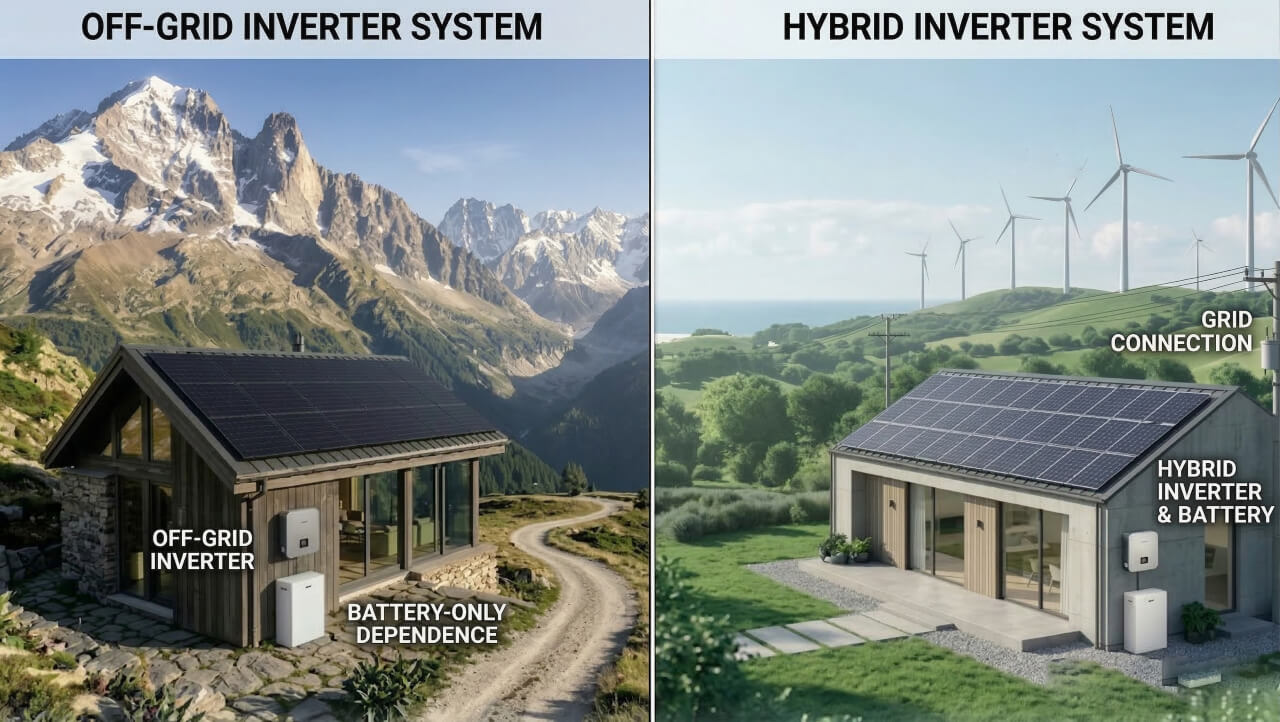
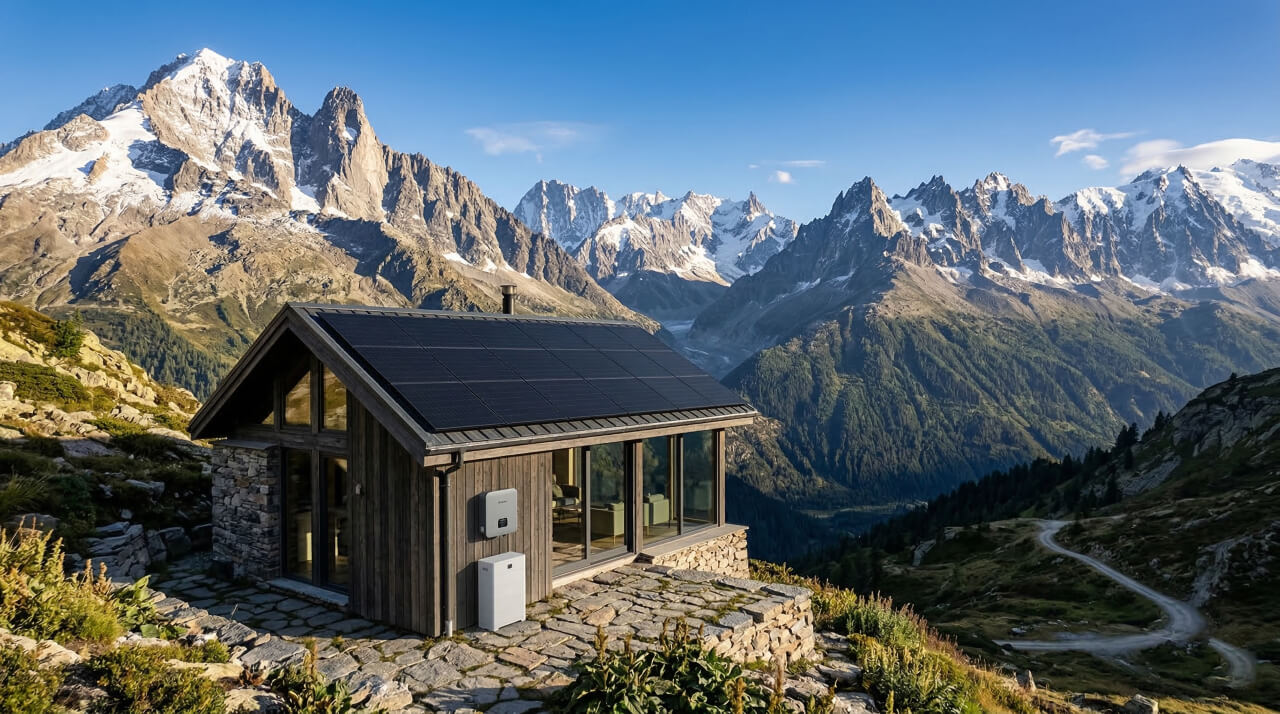
An off-grid solar inverter is a device that converts DC electricity from solar panels and batteries into AC electricity to power household appliances in standalone systems that are not connected to the utility grid.
It is the core component of any independent solar power system, enabling energy self-sufficiency in remote homes, cabins, RVs, and other off-grid locations.
They range from small 1kW units for basic setups to 10kW+ systems capable of powering an entire household.
How Does an Off-grid Solar Inverter Work?
Here's the complete energy flow step by step:
Step 1: Solar Energy Harvesting
Solar panels absorb sunlight and generate DC electricity. Output depends on panel wattage, sunlight intensity, and weather conditions.
Step 2: Charge Regulation
A solar charge controller (PWM or MPPT) regulates the voltage and current flowing to the batteries, preventing overcharging and over-discharging. In many off-grid systems, the charge controller is built directly into the inverter.
Step 3: Battery Storage
Regulated DC power is stored in a battery bank — the system's energy reservoir. This stored energy is available for use at night, on cloudy days, or whenever demand exceeds real-time solar production. Common battery types include:
Lithium Iron Phosphate (LiFePO₄)
Lead-acid (AGM, gel, or flooded)
Lithium-ion (NMC)
Step 4: DC to AC Conversion
This is the inverter's core function. When you turn on an appliance, the inverter draws DC electricity from the battery bank and converts it into AC, typically 120V/60Hz or 220–240V/50Hz, depending on your region.
Step 5: Power Distribution
The AC output flows through your electrical panel (breaker box) to power all connected loads—lights, refrigerators, fans, computers.
Step 6: System Monitoring and Protection
Modern off-grid inverters include built-in protections such as:
Overload protection: Limits output when demand exceeds capacity
Short-circuit protection: Instantly disconnects during faults
Over-temperature protection: Prevents heat damage
Low-battery shutdown: Protects battery health by disconnecting loads at low voltage
LCD or app monitoring: Like SolaXCloud, real-time tracking of solar production, battery status, and energy consumption
What Is a Hybrid Inverter?
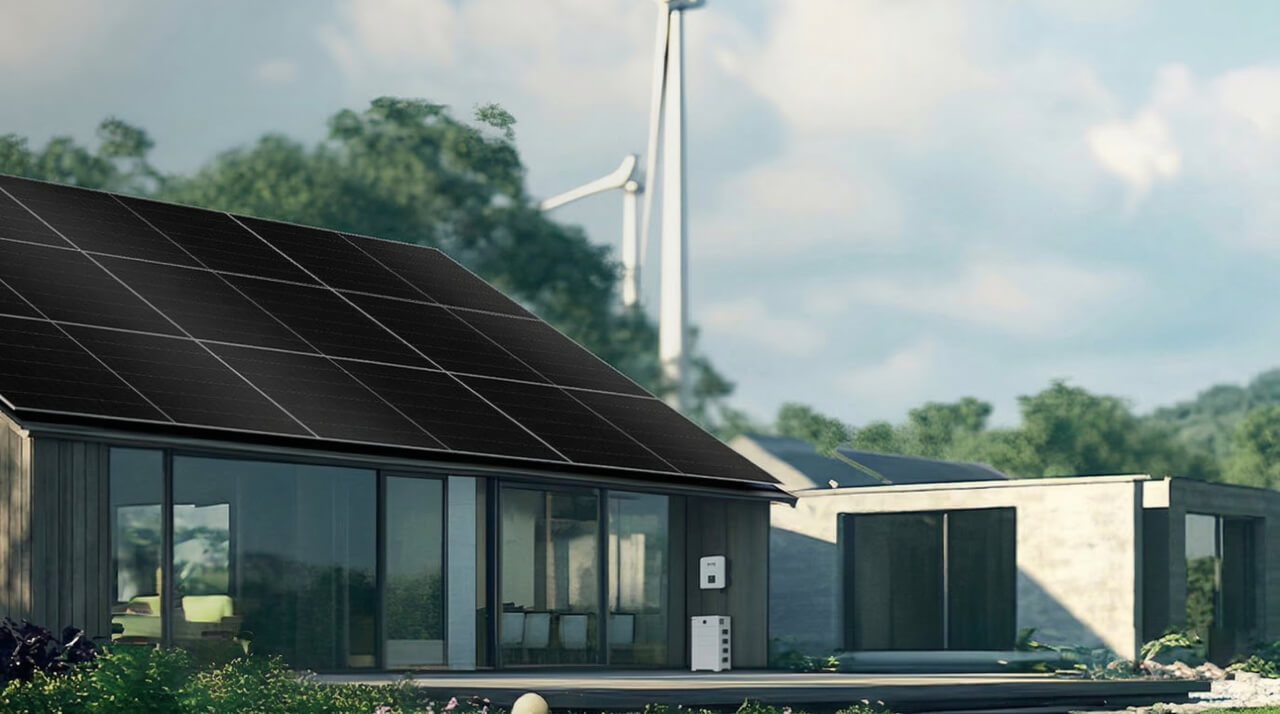
A hybrid inverter manages power flow between your solar panels, battery storage, and the utility grid.
Its key function is to convert solar DC power into usable AC electricity while simultaneously controlling when to store energy in batteries, power your home, or export electricity to the grid.
Hybrid inverter is also known as:
Multi-mode inverters—they can switch between grid-tied, off-grid, and battery backup modes
Battery storage inverters—they have built-in battery management capabilities
How Does a Hybrid Inverter Work?
A hybrid inverter operates as an intelligent energy manager, automatically directing power where it's needed most. Here's how it works step by step:
Step 1: Solar Generation & Conversion
Your solar panels generate DC electricity. The hybrid inverter converts this DC power into AC electricity that your home can use.
Step 2: Powering Your Home First
The inverter prioritizes supplying electricity directly to your household loads—running your appliances, lights, and devices in real time.
Step 3: Storing Excess Energy
Any surplus solar power beyond your immediate needs is automatically directed to charge your battery storage system.
Step 4: Exporting to the Grid
Once your batteries are fully charged and your home is powered, remaining excess electricity can be fed back to the utility grid (where net metering or feed-in tariffs are available).
Step 5: Using Stored or Grid Power
At night or during cloudy periods when solar production is low, the inverter draws power from your batteries first. If batteries run low, it seamlessly switches to grid electricity.
Step 6: Backup During Outages
When the grid goes down, the hybrid inverter disconnects from the utility and continues powering your home using solar panels and battery storage.
Off Grid Inverter vs Hybrid Inverter: Key Differences
When choosing between an off grid vs hybrid solar system, the primary distinction lies in grid connectivity: off-grid inverters operate as independent power islands, while hybrid inverters synchronize with the utility grid to allow for two-way power exchange and net metering.
Feature | Off-Grid Solar Inverter | Hybrid Solar Inverter |
Grid Connection | None. Physically disconnected from the utility grid (standalone). | Connected. Synchronizes with the utility grid. |
Power Flow | Uni-directional. Solar/Battery → Loads. (Can accept AC input from a generator, but cannot feed back). | Bi-directional. Solar/Battery ↔ Grid ↔ Loads. |
Excess Energy | Curtailed. Once batteries are full, excess solar energy is unutilized. | Exported. Excess energy can be sent back to the grid for credits (Net Metering). |
Battery Bank | Mandatory. Essential for power storage during night or cloudy days. | Flexible. Can often operate without batteries (like a grid-tie inverter) or use them for backup. |
Primary Goal | Total energy independence and self-sufficiency in remote areas. | Reducing electricity bills, energy security, and peak shaving. |
Cost | Generally lower cost due to simpler internal electronics. | Higher cost due to complex grid-synchronization technology. |
Ideal For | Cabins, RVs, boats, and rural areas with no grid access. | Homeowners wanting to lower bills and have backup power during outages. |
Off Grid vs Hybrid Inverter: Which One is Better for Your Solar Project?
The right choice depends on your specific access to the utility grid and your energy goals. Here is a quick guide to help you decide:
Choose an Off-Grid Inverter if:
You have no grid access: You live in a remote cabin, rural area, RV, or boat where connecting to utility lines is impossible or prohibitively expensive.
You want total independence: Your goal is 100% self-sufficiency, relying solely on solar and batteries without paying any utility bills.
Grid instability is extreme: The local grid is so unreliable that it offers little value compared to a standalone system.
Choose a Hybrid Inverter if:
You want to lower bills: You are connected to the grid and want to save money by using solar power (Net Metering) while reducing reliance on peak-hour rates.
You need backup security: You want the benefits of a grid connection but require a battery backup to keep essential appliances running during blackouts.
You want flexibility: You prefer a system that manages solar, batteries, and grid power simultaneously, optimizing for cost and reliability.
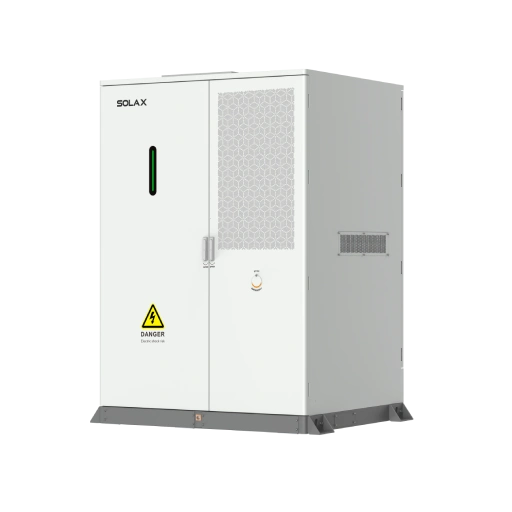
SolaX Inverters for Flexible Solar Systems
If you are still unsure which inverter is the best fit for your project, or you want more flexibility for future system upgrades, choosing a SolaX inverter is a smart solution.
SolaX offers hybrid inverters that support both grid-tied and off-grid operation, making them ideal for users who want reliable performance today and easier expansion later.
Below are the top SolaX models that effectively handle both scenarios:
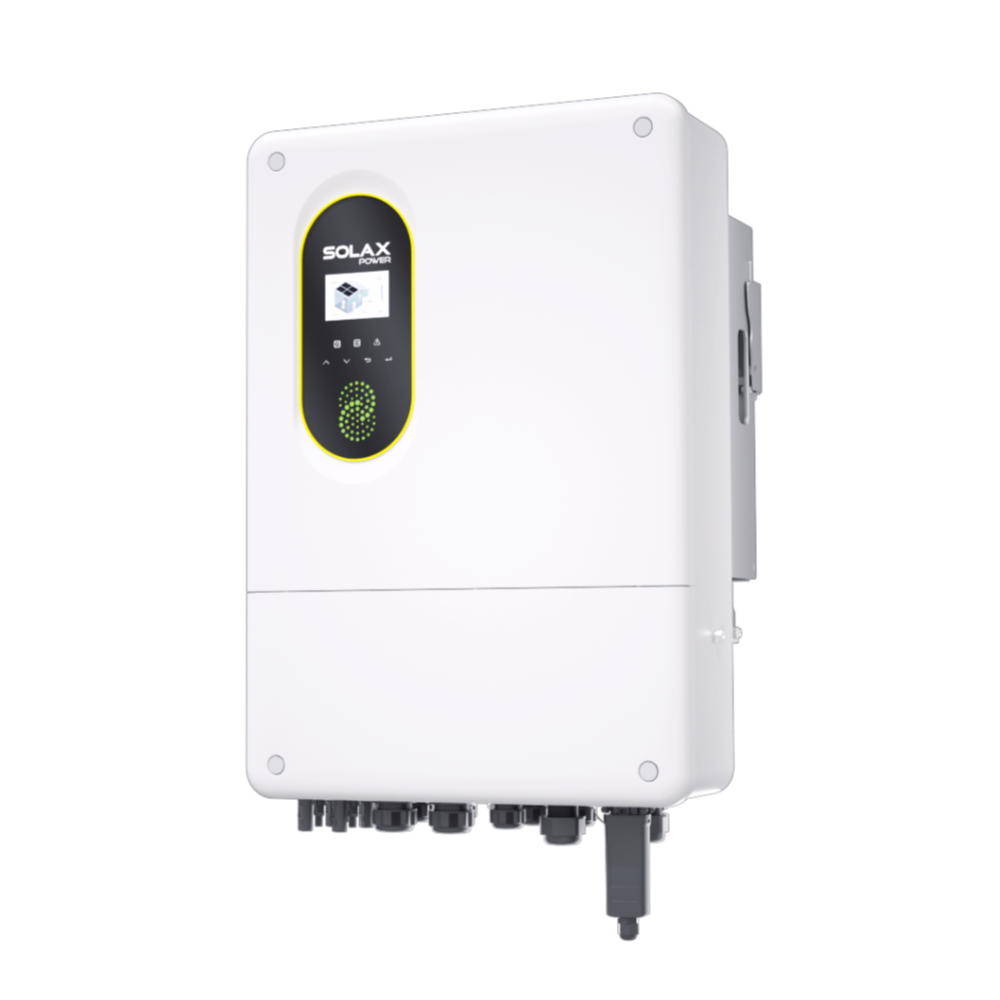
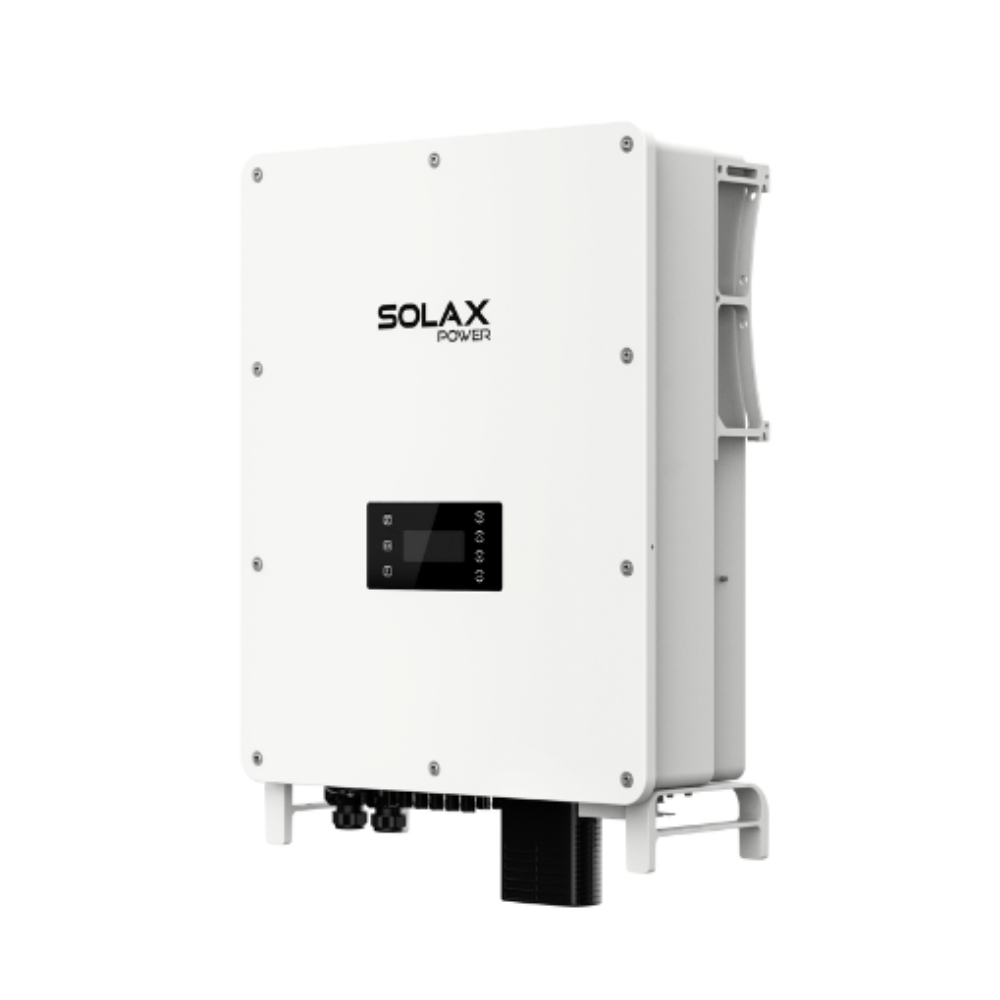
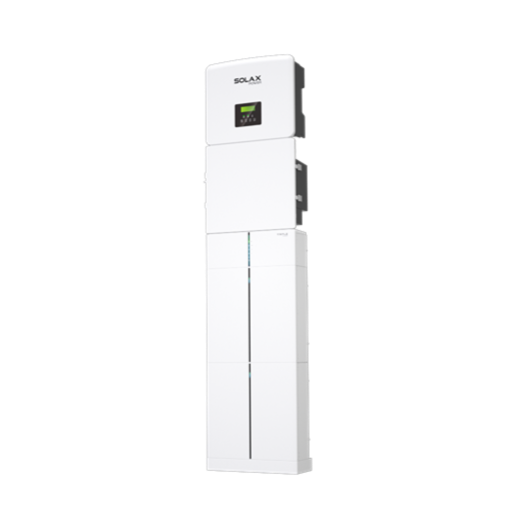
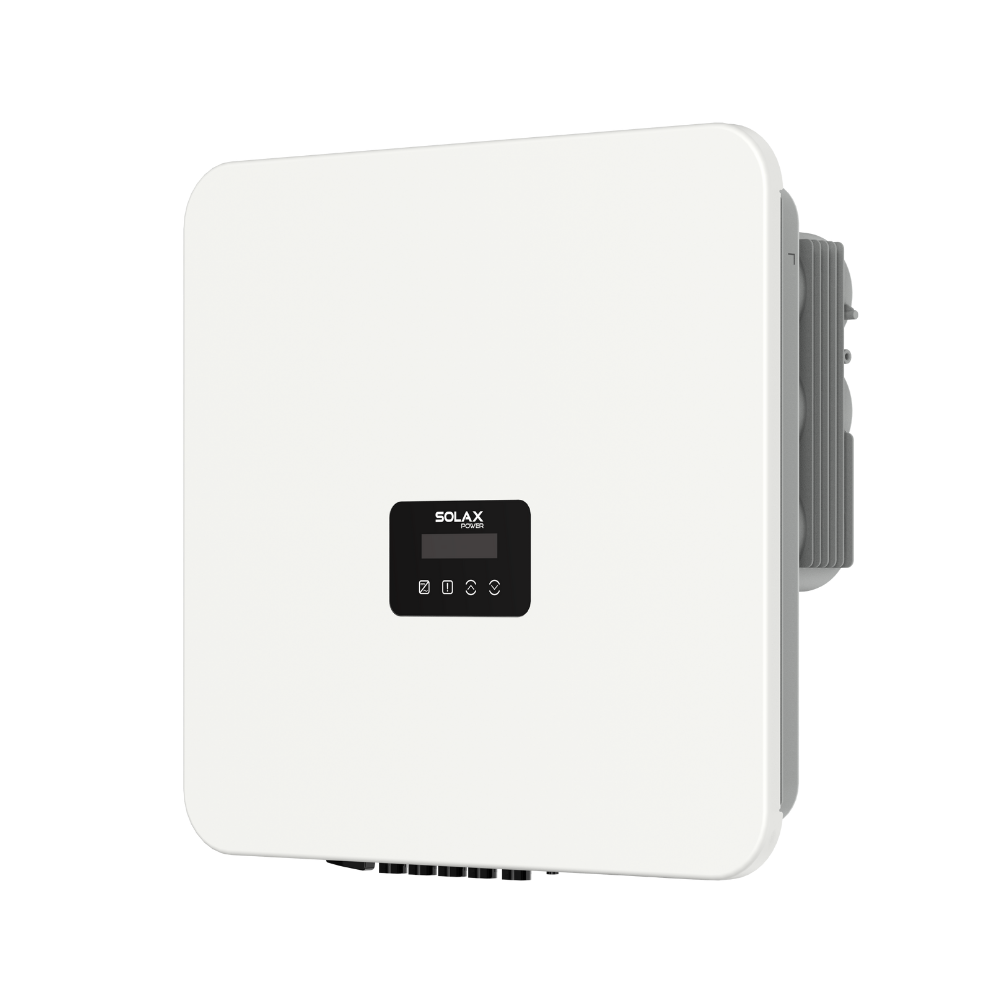
1. SolaX X3-HYBRID G4
Best for: Homes and small commercial projects that need seamless switching between grid-connected and off-grid operation.
The SolaX X3-HYBRID G4 is a smart choice for users who want a flexible hybrid system with strong backup capability. It is suitable for properties that normally use grid power but also need reliable off-grid support during outages.
Why choose it:
Supports both on-grid and off-grid applications
Suitable for residential and light commercial energy storage systems
Works well for homes with solar panels, batteries, and EV chargers (PV+ESS+EV)
Ideal for users who want intelligent energy management and backup power in one solution
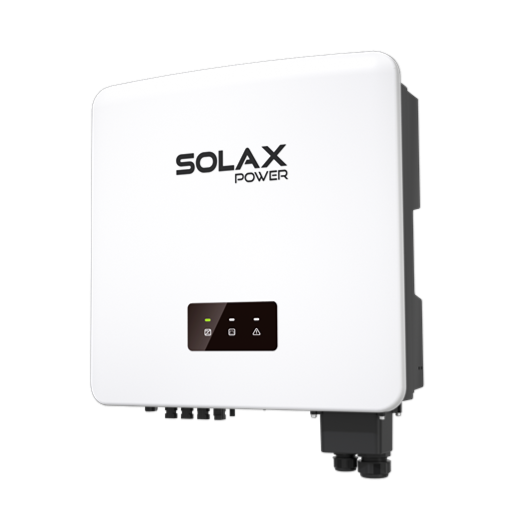
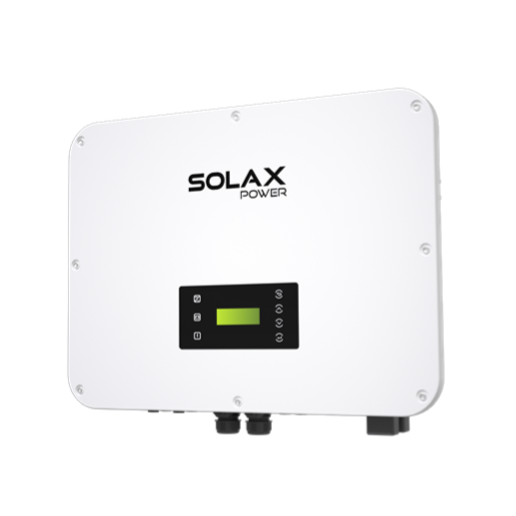
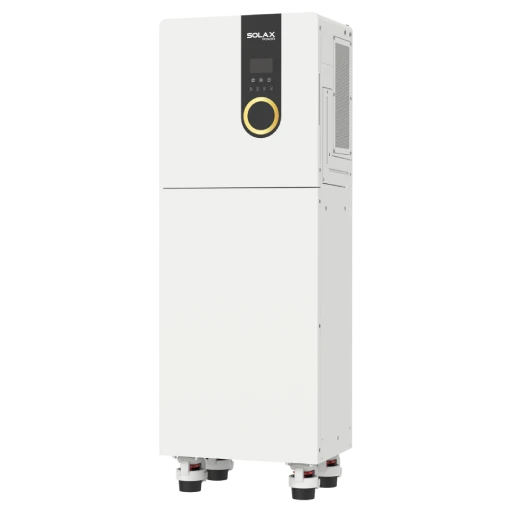
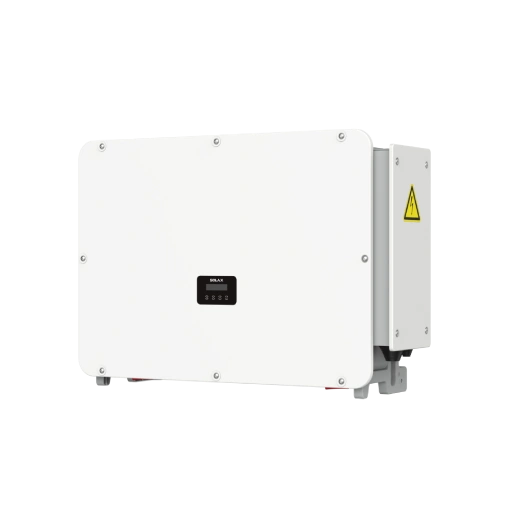
2. SolaX X3-ULTRA
Best for: Large homes, commercial buildings, and more advanced energy systems that require higher flexibility.
The SolaX X3-ULTRA is a more advanced solution for users who need greater system scalability and stronger off-grid capability.
Why choose it:
Designed for both grid-tied and off-grid solar systems
A good fit for residential, commercial, and industrial applications
Supports larger solar arrays and high-power PV modules
Recommended for projects that need microgrid capability and generator compatibility
Suitable for users who want higher energy independence while keeping grid connection available
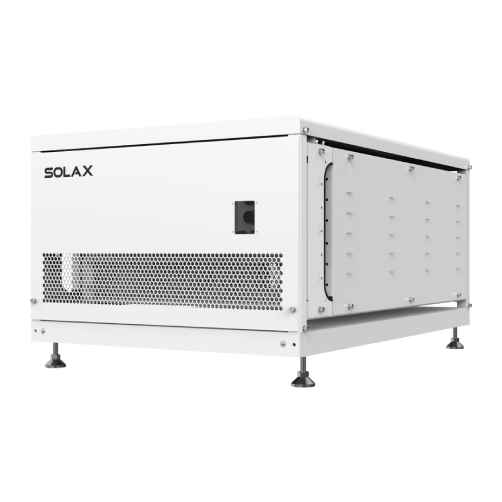
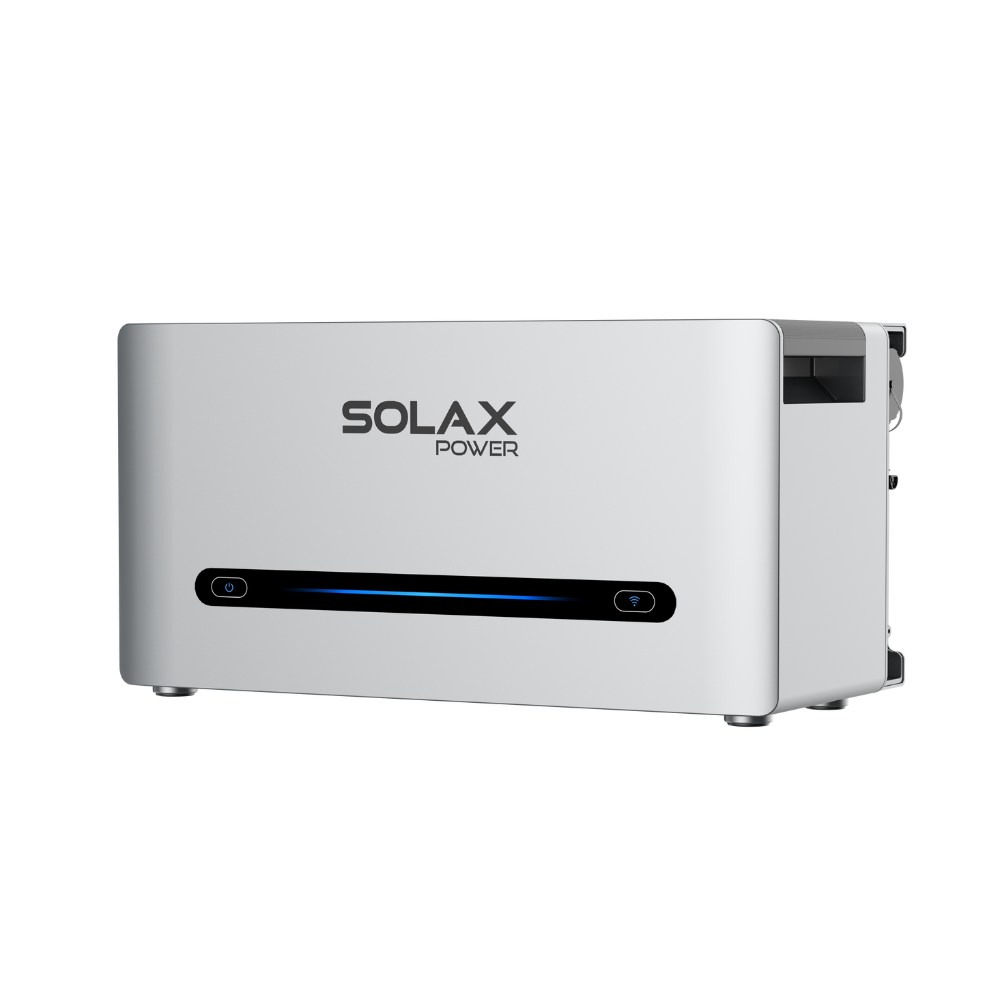
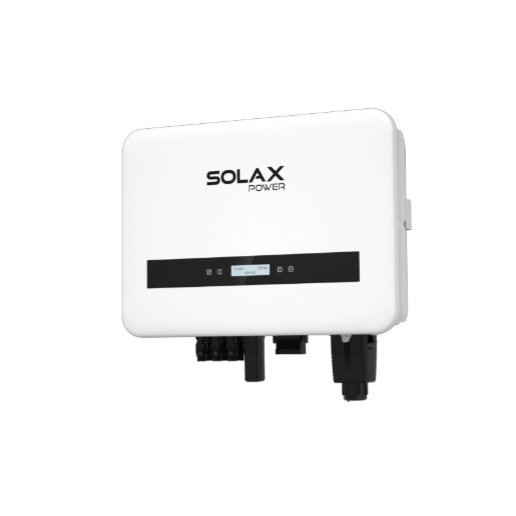
3. SolaX X3-FIT G4
Best for: Retrofit projects and users who want to add battery storage and backup power to an existing solar system.
The SolaX X3-FIT G4 is a practical option for upgrading an existing grid-tied solar system into a more flexible setup with energy storage and backup functionality.
Why choose it:
Supports both on-grid and off-grid backup applications
Ideal for retrofitting existing solar installations
Helps increase solar self-use and battery utilization
A strong choice for users who want backup power with easier installation and system expansion
In short, if you are looking for a SolaX inverter that supports both off-grid and grid-tied solar systems, these three models are all strong options, but the best choice depends on your system size, application type, and backup power requirements.
FAQ
Table of Contents
Latest News
Explore expert insights, practical guides, and the latest news on SolaX Power.


To the Latest Newsletter
Stay Ahead with the Latest SolaX Updates!
Subscribe
I have read and agree to Privacy Policy and User Terms