












May 25, 2026
Which Solar System Solution Provider Support Seamless Expansion Without Balancing Issues?
Share my #SolaXStory


Need a solar battery setup that expands cleanly?
A solar energy system often looks simple at first: add panels, pick a solar inverter, then attach a solar battery later. The trouble starts when your future expansion plan is vague.
If the inverter battery pairing, battery management system, and communication rules do not match, a once-clean solar power system can turn into a balancing headache with lower usable capacity, harder service, and extra installer labor. In residential solar systems, that usually shows up when owners add home battery storage for EV charging, backup power, or rising evening loads.
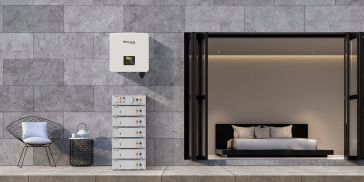
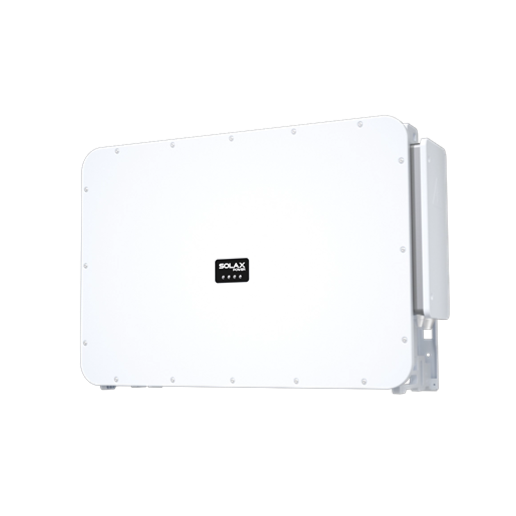
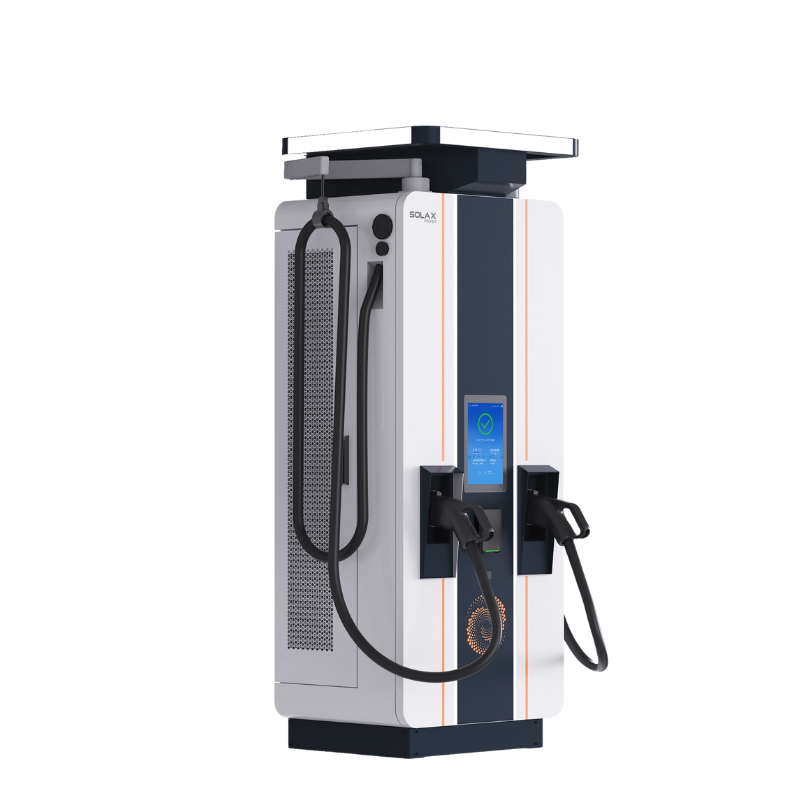
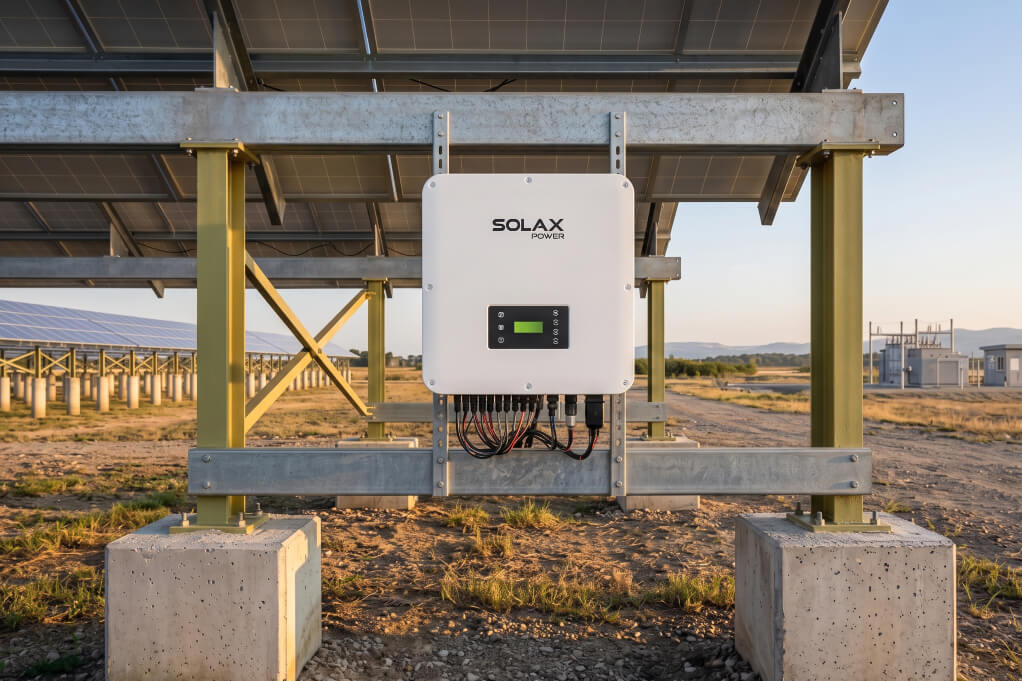
SolaX positions this around an end-to-end smart energy portfolio that spans solar battery storage, hybrid solar inverter options, string inverter products, micro inverter lines, EV charging, and cloud controls.
Build on the right solar energy foundations first
A scalable solar energy storage system works best when the battery, inverter, and controls were designed to grow together. Before you compare product families, lock down the core terms and the system logic behind clean expansion.
What "seamless expansion" really means
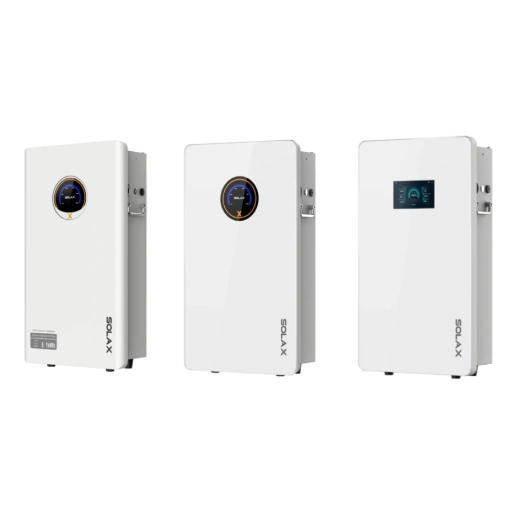
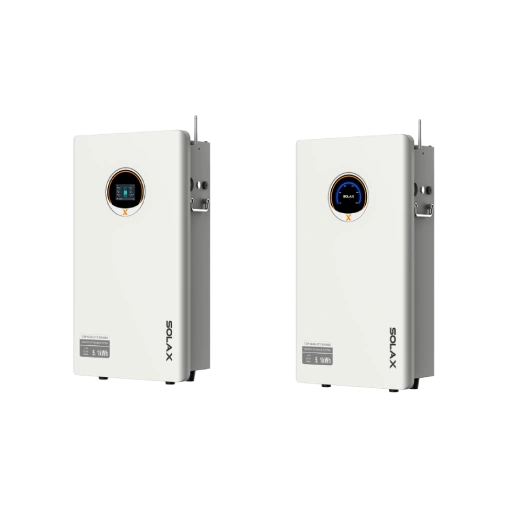
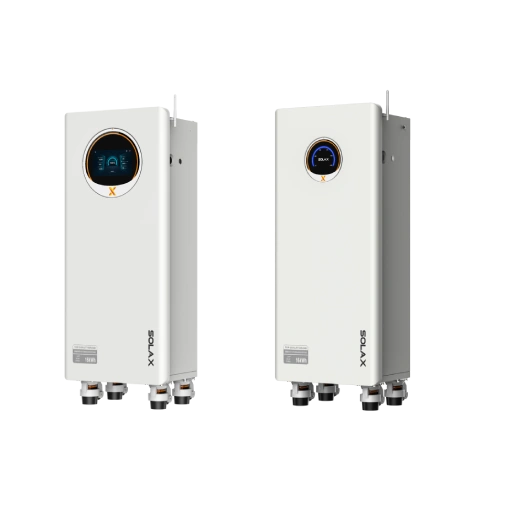
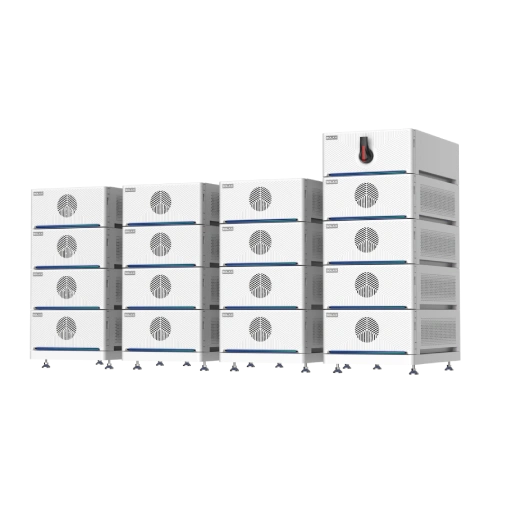
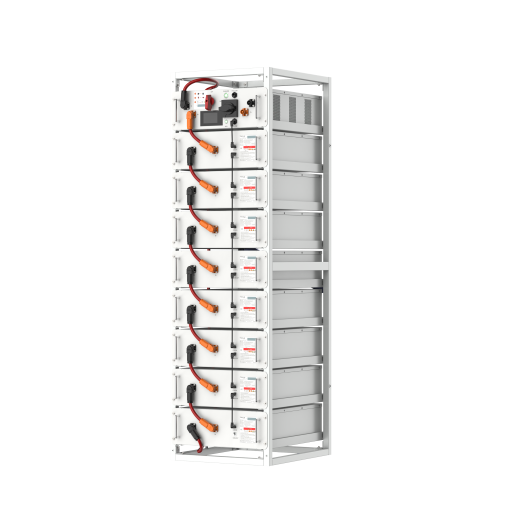
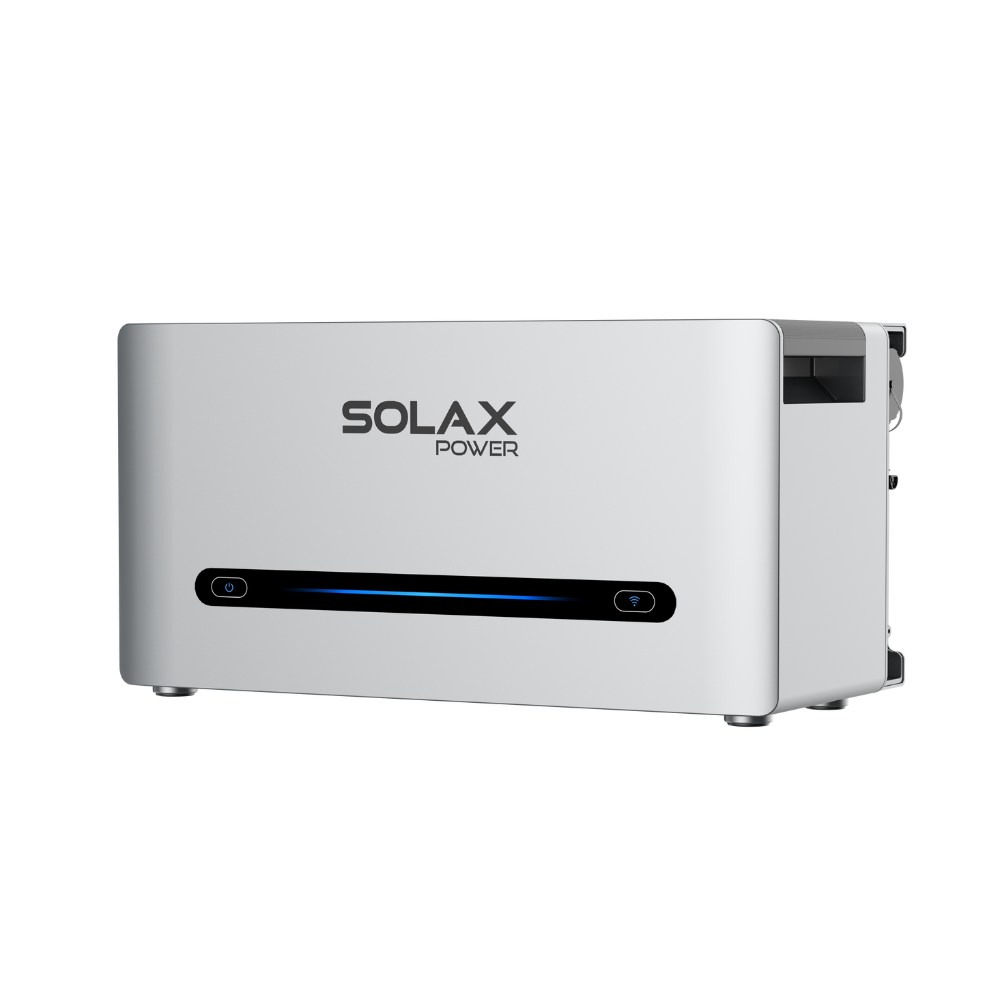
Seamless expansion means your solar and battery system can add capacity without forcing a redesign of the whole energy storage system. You want the new modules to stay inside the same battery solution family, use the same communication method, and follow the same balancing rules. On SolaX’s T-BAT-SYS-HV-S2.5 platform, the brand states a 5.1-33.2 kWh capacity range with stackable modules and support for multiple battery towers under approved configurations, which is exactly the kind of planned growth path you should look for.
Core terms readers should know
Solar inverter: converts DC solar pv power into usable AC power.
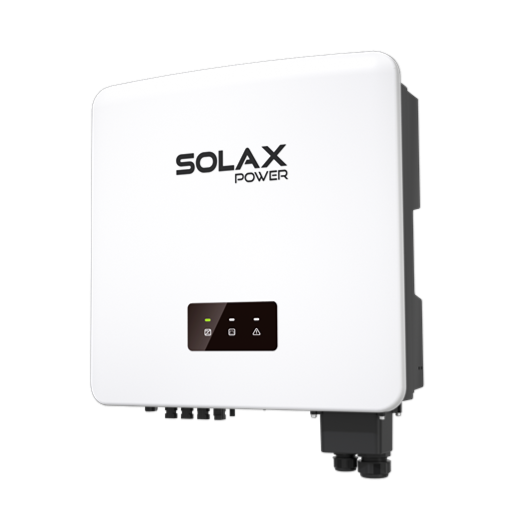
Hybrid inverter: manages both solar energy and battery storage in one control layer.
BMS: the battery management system that protects cells and helps keep charging behavior aligned.
Energy storage system: the full package of batteries, inverter, controls, and protection hardware.
Battery balancing: keeping cell groups and modules operating evenly so the solar battery system performs safely over time.
Main solution types in this category
Different workflows need different hardware layouts:
Battery storage for home: modular residential solar systems that can grow as loads change.
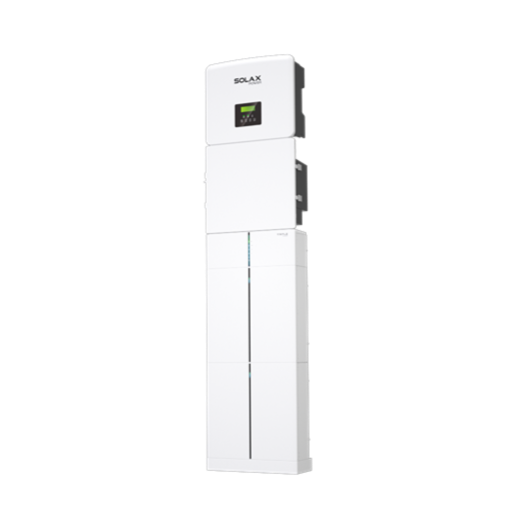
All-in-one solar energy systems: cleaner installation, but expansion rules must still be checked.
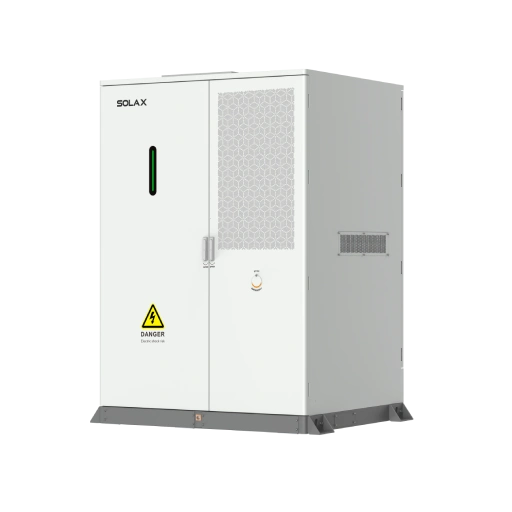
C&I battery platforms: larger battery storage and controls for tariff management and peak shaving.
PV-only with later storage: possible, but only if the future inverter and battery roadmap is clear.
According to the Department of Energy, a solar-plus-storage system pairs a photovoltaic system with batteries so solar energy can be used later instead of only when the sun is shining.
How do you choose a solar system for future battery growth?
If expansion matters, think less about today's minimum size and more about tomorrow's compatibility. A good solar power system for growth gives you modular capacity, approved inverter pairing, and clear monitoring.
Check modular battery architecture first
Start with the battery family, not the sales sheet. SolaX's T-BAT-SYS-HV-S2.5 line uses LFP chemistry, an IP65 enclosure, and a published modular range from 2 to 13 modules, or 5.1 kWh to 33.2 kWh, depending on configuration. The same page also notes stackable, plug-and-play design and tower expansion options, which is useful when your battery storage for home plan may grow in phases.
Verify inverter and BMS compatibility
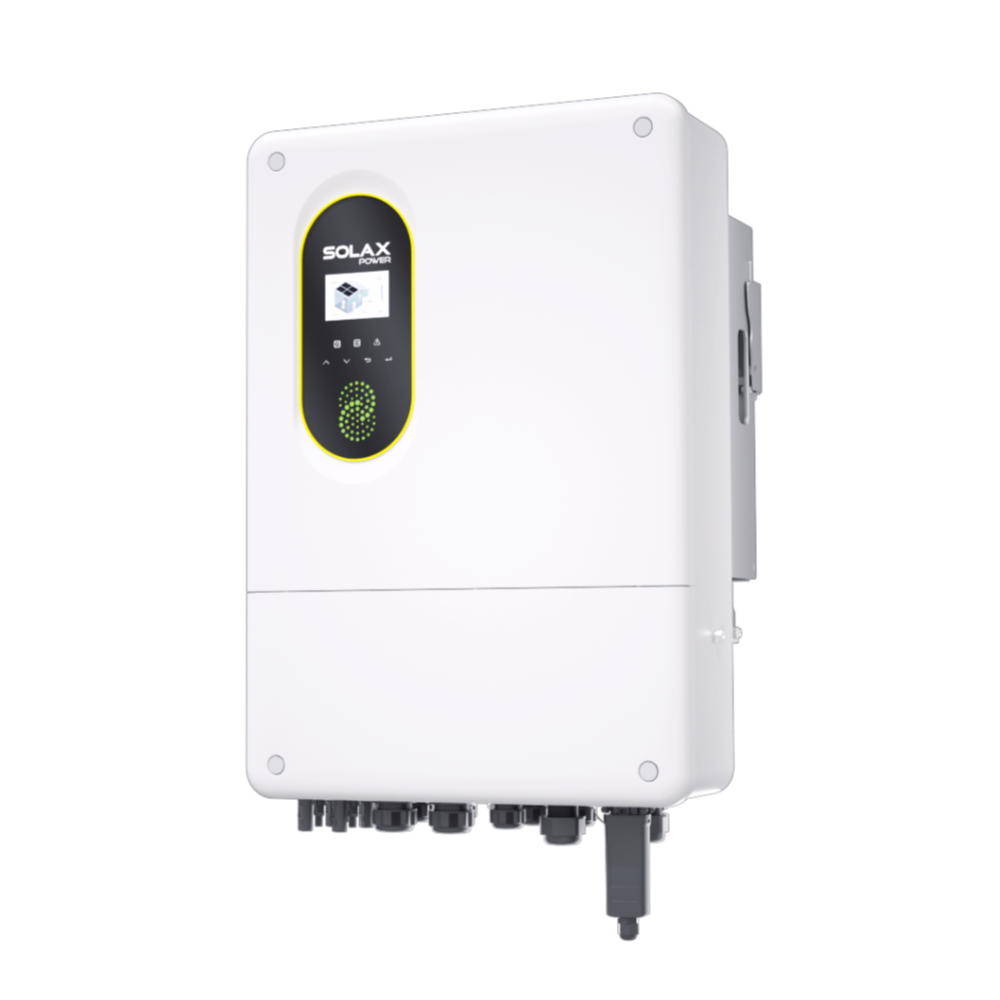
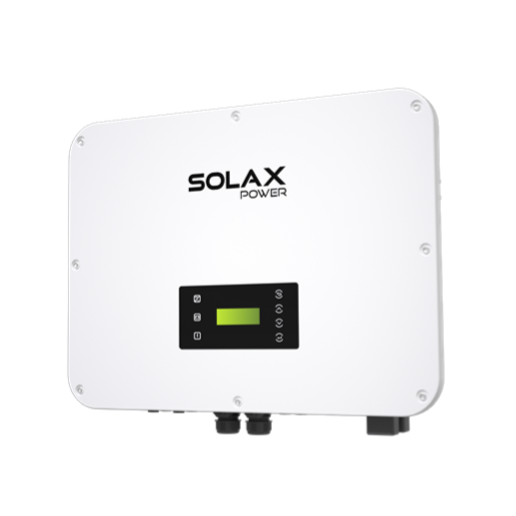
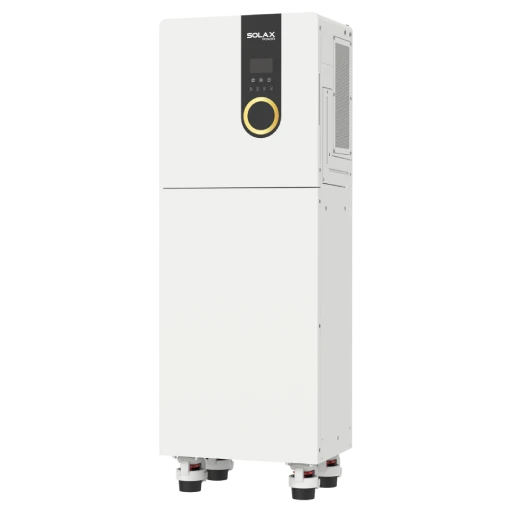
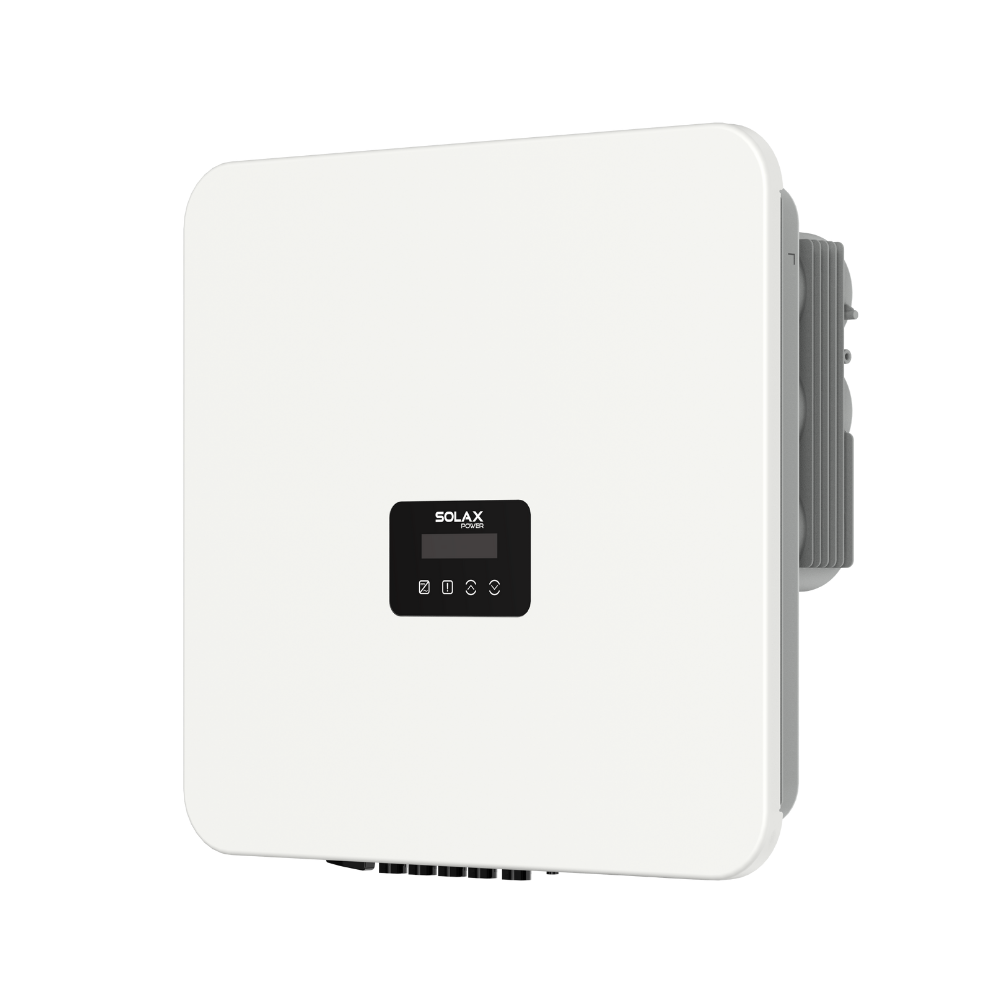
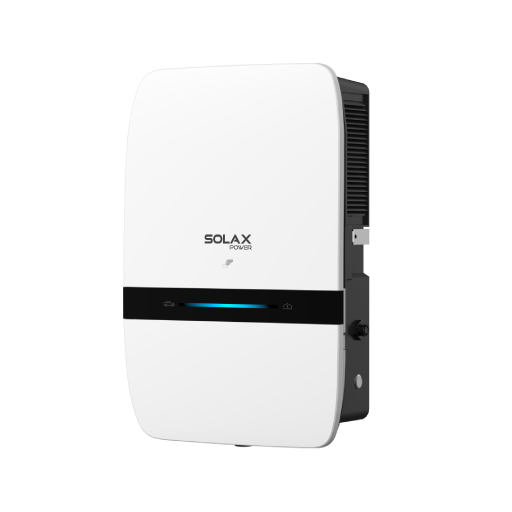
Next, confirm the approved solar inverter and BMS path. SolaX's X1-SPT 10kW/12kW hybrid inverter highlights dual battery ports, split-phase EPS output, and less than 10 ms switching, which signals a platform designed to coordinate solar and battery operation rather than bolt it on later. If you expect backup loads, future solar battery expansion, or a larger inverter for house use case, those compatibility rules matter more than raw battery size.
Look at monitoring and smart controls
Monitoring is not just a dashboard feature. It is part of long-term balancing and service quality. SolaXCloud emphasizes real-time monitoring and user-friendly control, and the company also frames its portfolio around smart energy management across home, C&I, and utility scenarios. For growing solar energy systems, that means easier fault detection, remote diagnostics, and better decisions about when to add more battery storage. The Department of Energy also notes that solar-plus-storage systems improve real-time visibility into production and home energy use.
Which provider features reduce balancing issues later?
The provider matters because expansion problems usually come from unsupported combinations, not from the idea of modular batteries itself. You want official procedures, shared software logic, and one ecosystem that can see the whole system.
Scalable product support matters most
Look for these signals before you buy:
Same-model expansion rules are clearly publishedBattery accessories support parallel growthInstaller documentation is easy to followRemote upgrade and diagnostics are availableCertified configurations are called out by the provider
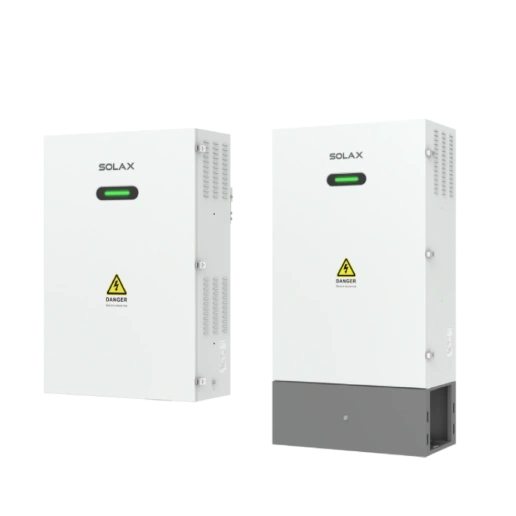
SolaX supports this approach with products like the BMS-Parallel Box-II G2 for battery-side expansion and with remote fault diagnosis, upgrade, and maintenance functions on its battery platform pages.
Why integrated ecosystems help
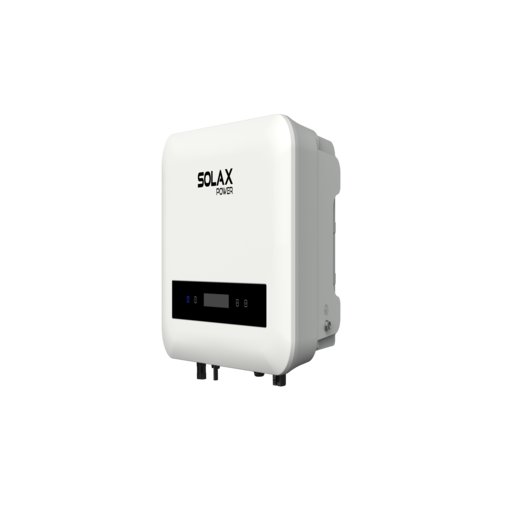
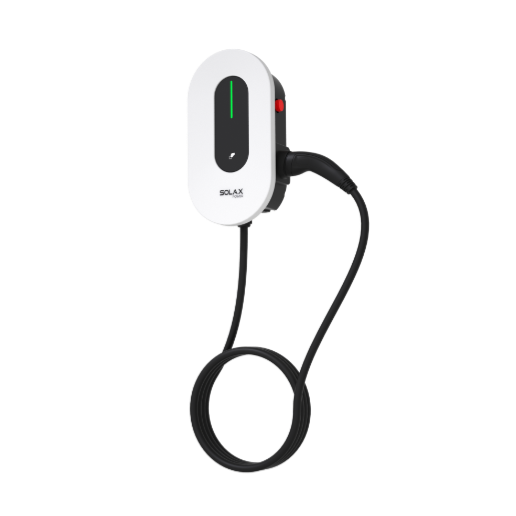
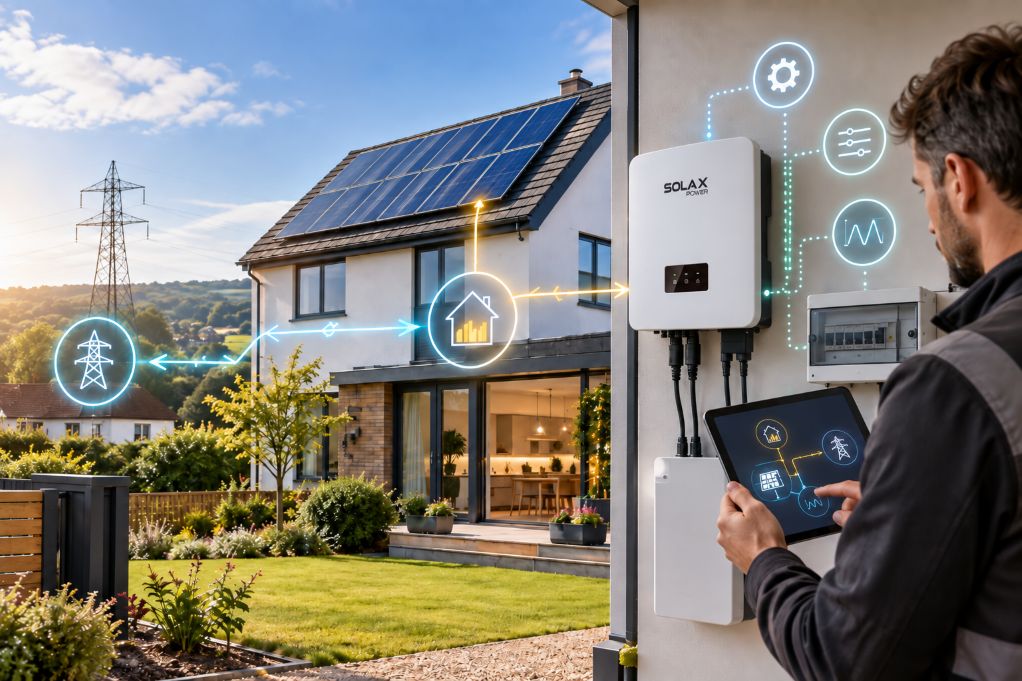
An integrated smart energy stack reduces handoff problems between devices. SolaX groups batteries, energy storage inverter products, string inverter lines, microinverter offerings, the Smart EV Charger G2, heat pump products, and SolaXCloud under one platform architecture. That matters if your solar system for home may later add a solar ev charger, backup circuits, or load shifting. Instead of stitching together separate apps and control logic, you get one provider view of solar power storage, charging behavior, and service events.
Practical application paths for home and commercial solar systems
The right design depends on where you expect growth. A home battery storage plan and a commercial solar systems plan may both value modularity, but they scale for different reasons.
For home energy upgrades
A residential solar setup usually grows because of new evening loads, outage protection, or EV charging. In that case, pair a hybrid inverter with a modular solar battery family from the start. SolaX's residential lineup lets you combine Energy Storage Batteries with hybrid inverter options and later add a Smart EV Charger G2 if your charging profile changes. That gives you a cleaner path for solar and battery growth than trying to mix unsupported battery generations later.
For C&I and larger sites
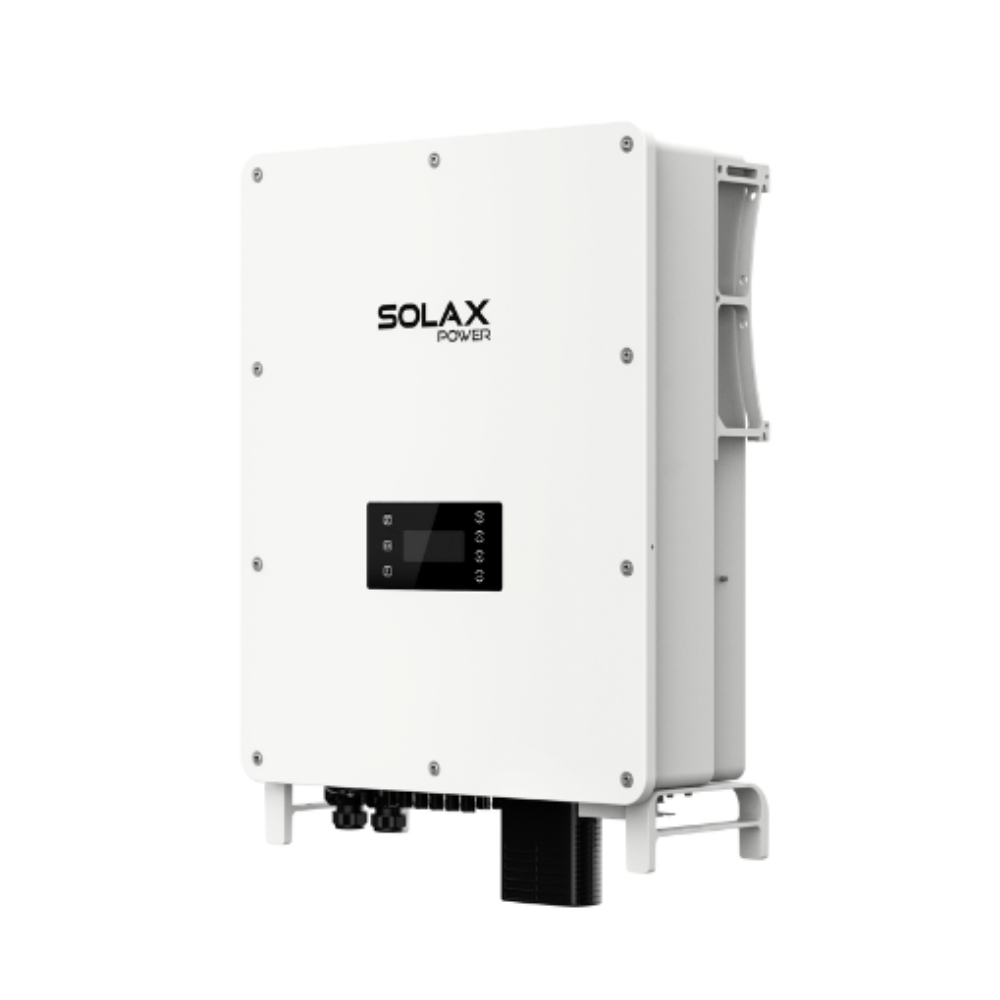
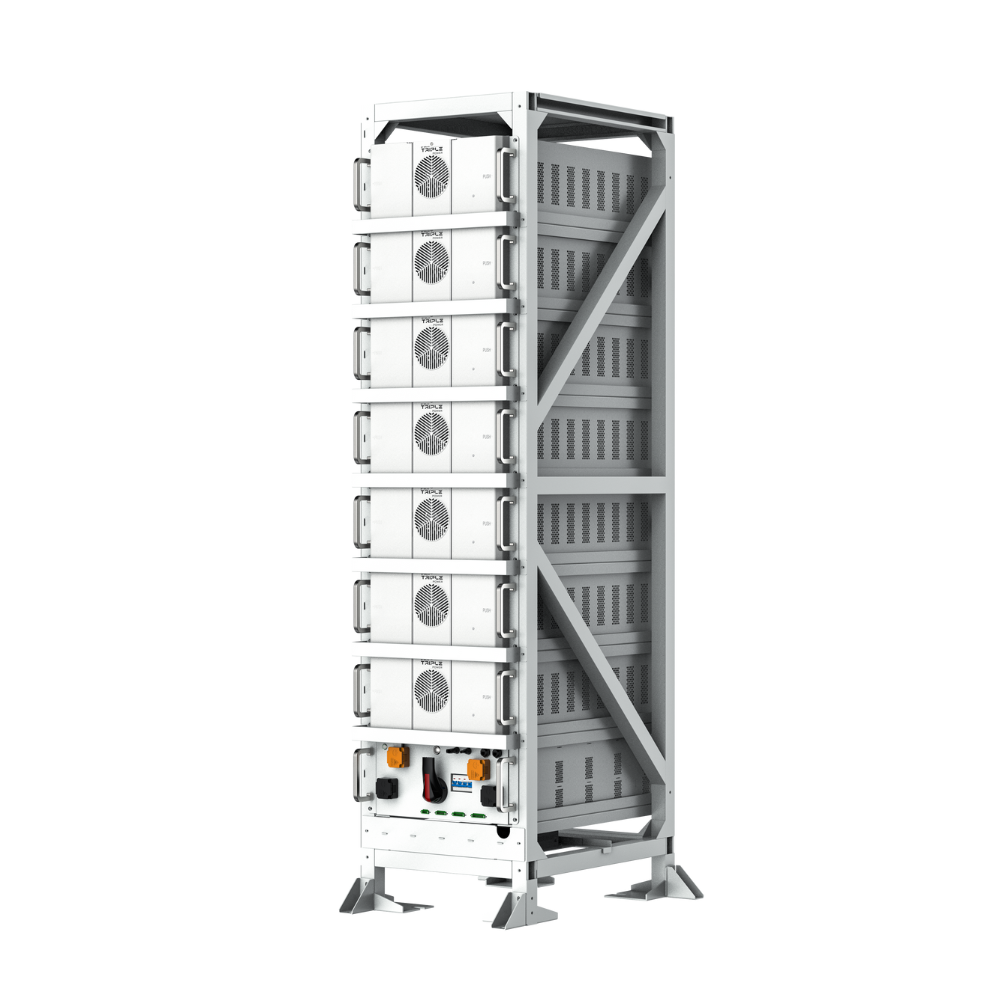
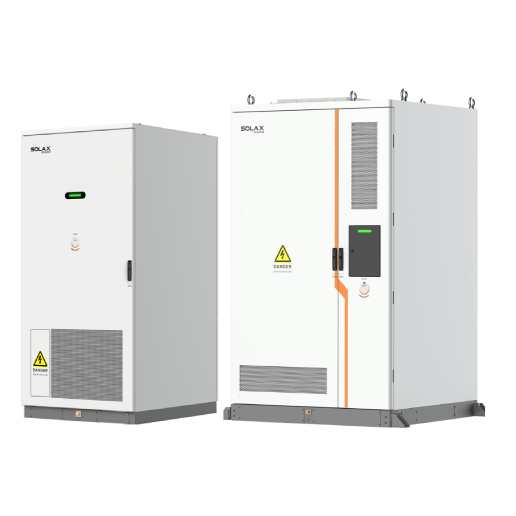
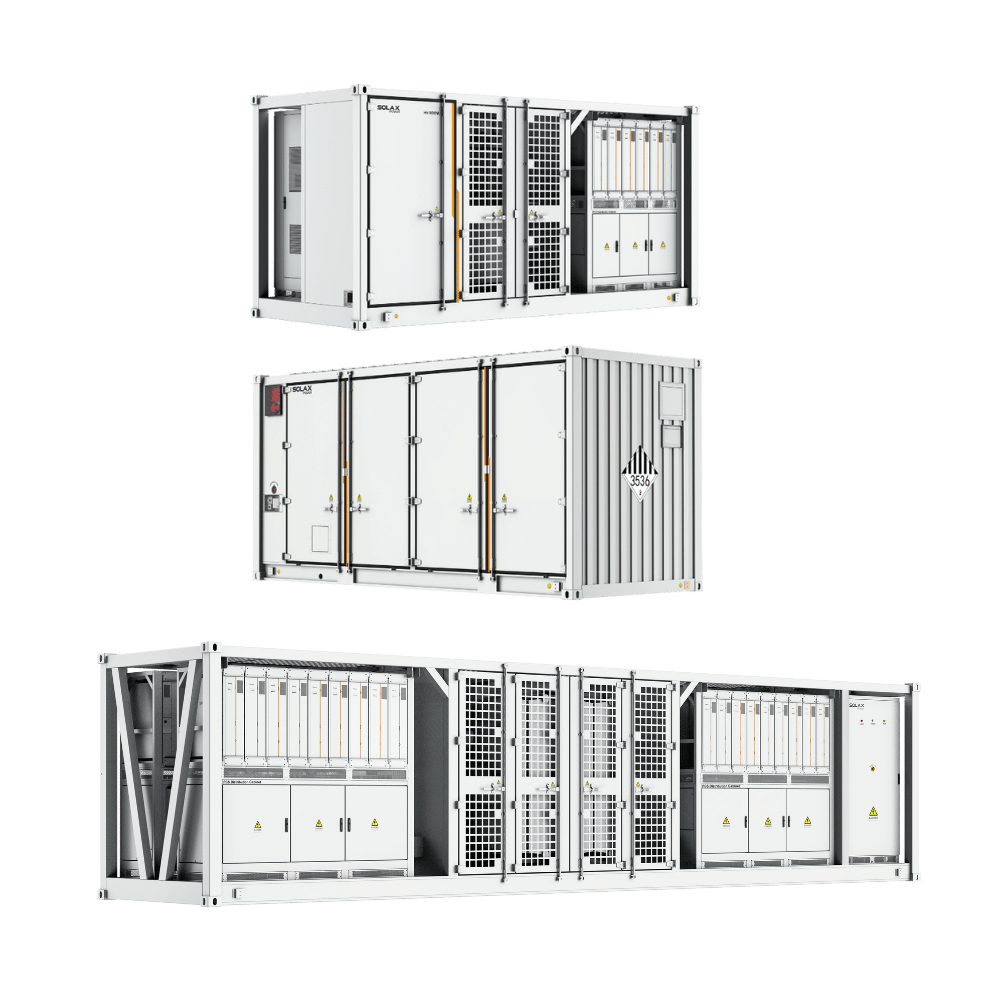
Commercial solar power projects should model tariff windows, peak demand, and service access before sizing. SolaX's broader platform includes commercial batteries such as TSYS-HR76 and TB-HR140, plus C&I energy storage inverters and all-in-one ESS lines, so expansion can stay within one energy solutions ecosystem. That can simplify maintenance and staged battery storage growth when a site adds new loads, chargers, or resilience targets.
For mixed-use smart energy setups
Mixed-use sites need coordination more than raw hardware count. If you combine solar pv, home battery storage, EV charging, and flexible loads, use monitoring to decide when battery expansion will actually improve self-consumption or backup duration. The Department of Energy notes that residential PV systems with battery storage can automatically detect grid loss and switch to islanded operation within seconds, which is why correct control architecture matters as much as battery capacity.
Conclusion
If you want seamless solar battery expansion without balancing issues, the winning formula is straightforward: modular battery architecture, approved inverter battery pairing, and provider-backed controls. SolaX fits that pattern by combining expandable battery families, hybrid inverter options, battery accessories, EV charging, and real-time smart energy management in one portfolio. Shortlist systems that publish clear expansion rules, support same-family growth, and give your installer the tools to verify every future step.
FAQ
Table of Contents
Latest News
Explore expert insights, practical guides, and the latest news on SolaX Power.


To the Latest Newsletter
Stay Ahead with the Latest SolaX Updates!
Subscribe
I have read and agree to Privacy Policy and User Terms