











May 15, 2026
What Should You Check First in Solar Monitoring?
Share my #SolaXStory


If your solar energy dashboard looks clean but tells you very little, that is the first warning sign. A useful solar power system view should show more than PV output. You need to see panel production, solar inverter behavior, inverter battery charging and discharging, site consumption, and grid import or export in one place. Otherwise, performance loss stays hidden, battery decisions get delayed, and smart energy management becomes guesswork.
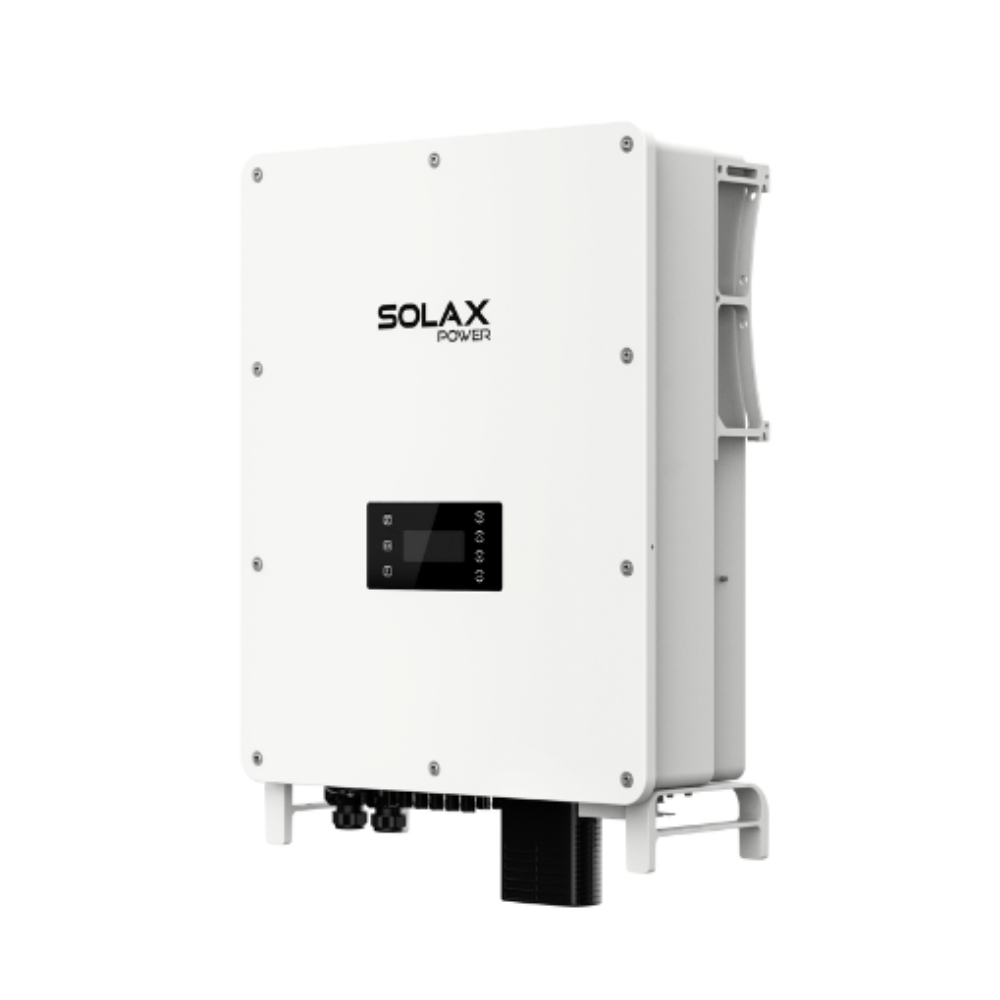
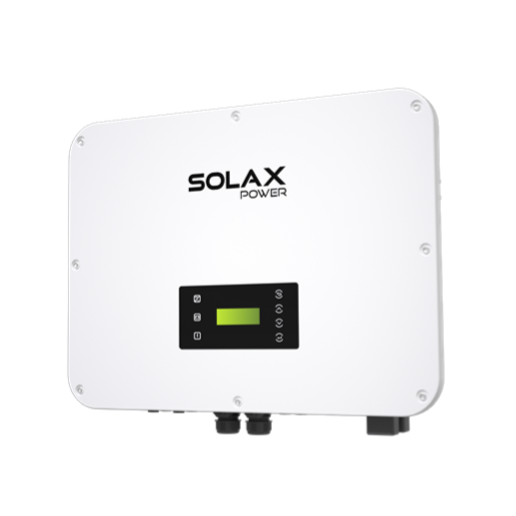
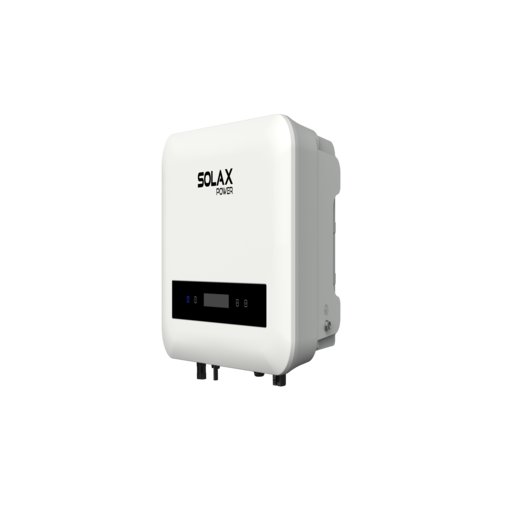
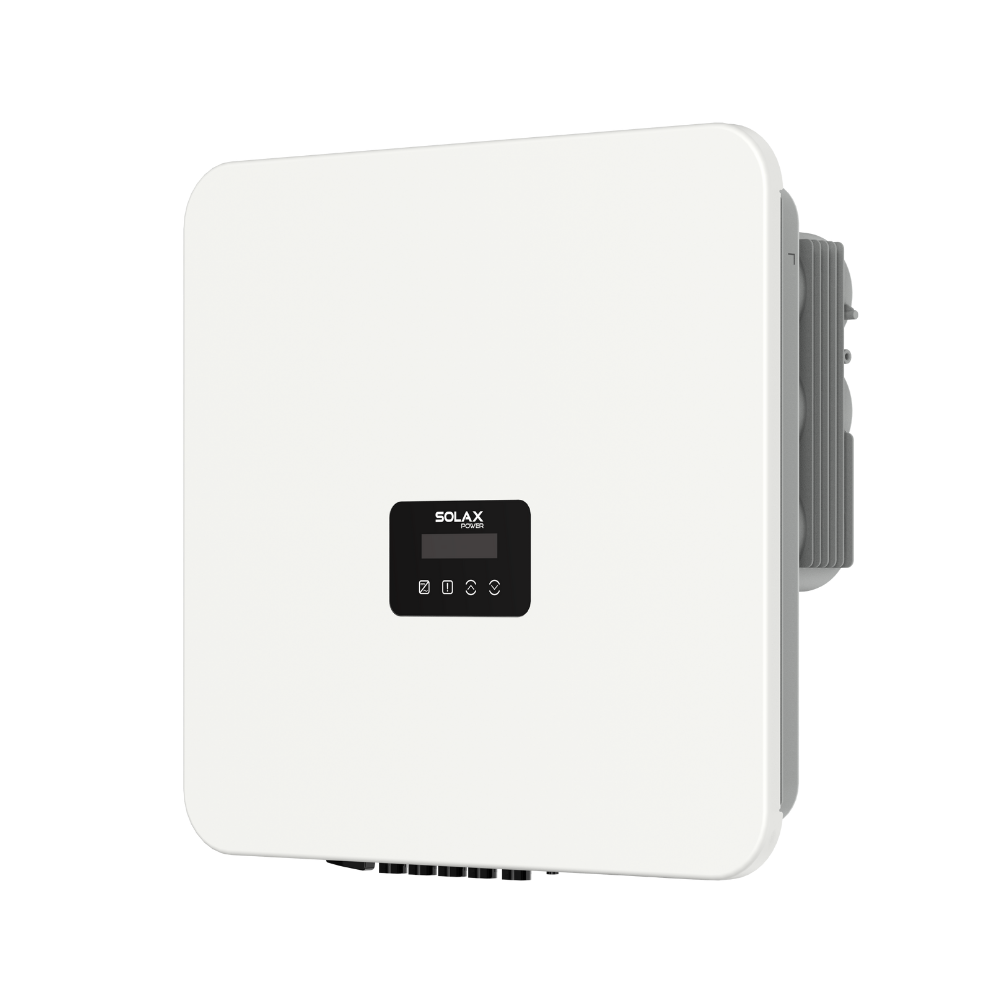
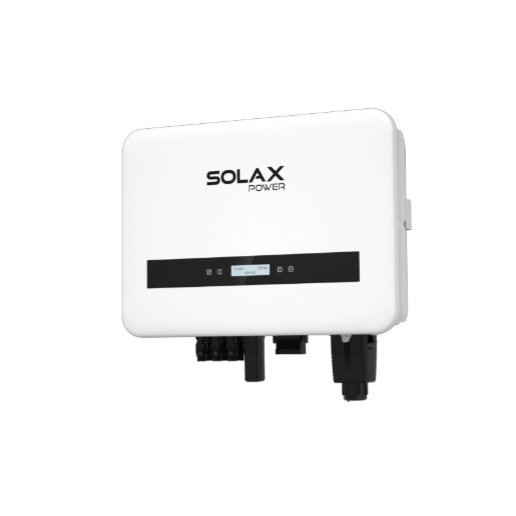
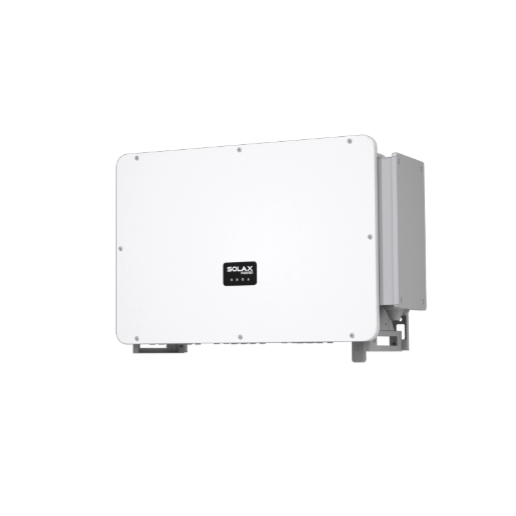
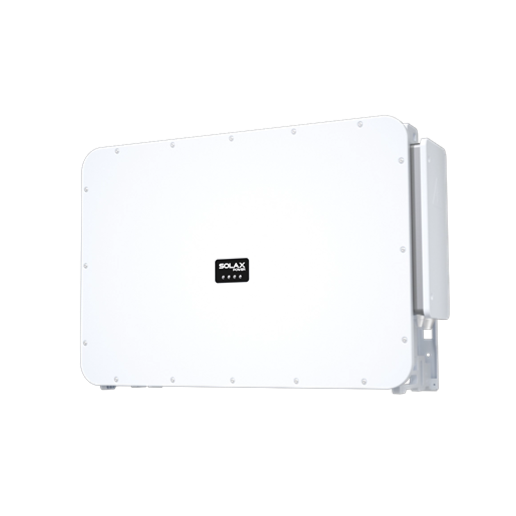
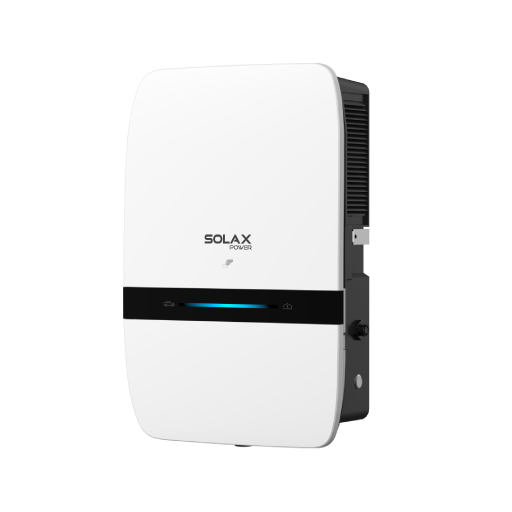
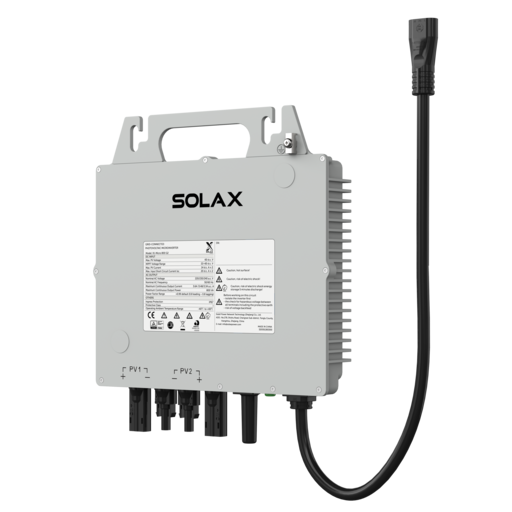
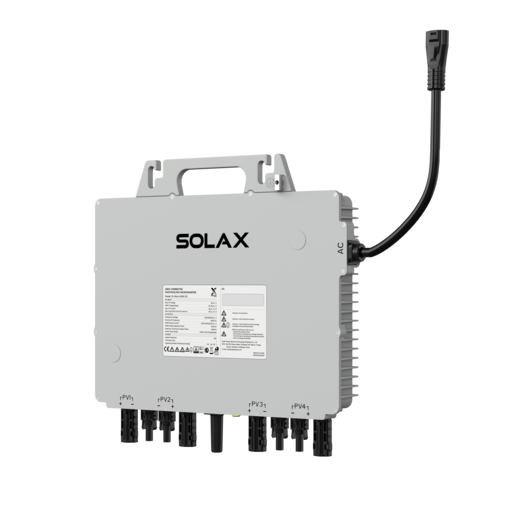
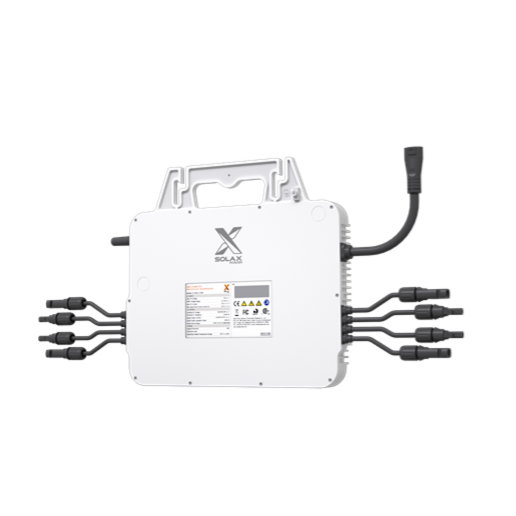
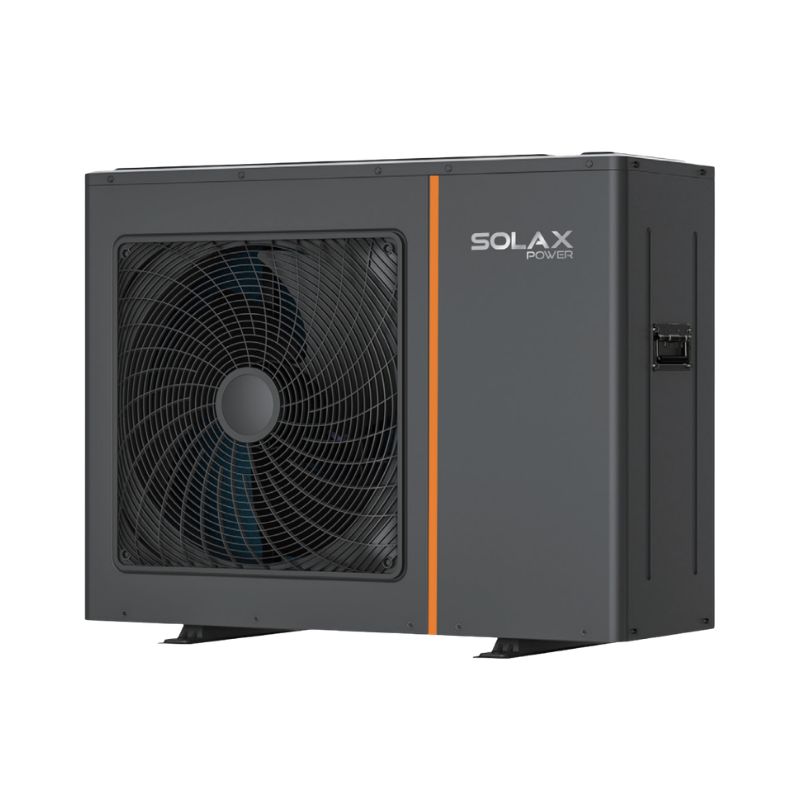
For most buyers comparing solar energy companies, the real question is not who has the prettiest app. It is who gives you enough real-time detail to act. SolaX stands out because it ties monitoring to a full hardware stack across residential solar systems, C&I, and utility scale solar workflows. Its portfolio spans hybrid inverter, string inverter, micro inverter, solar battery, solar EV charger, and cloud software, so the monitoring layer is built around the same solar energy system instead of patched across separate tools.
Which Metrics Actually Prove Real-Time Precision?
A high-precision solar energy setup should connect the whole solar system, not just one device screen. The most useful signals are the ones that help you detect change quickly and understand why it happened.
PV generation: live solar PV output by system or device
Inverter behavior: conversion status, faults, and operating mode
Battery visibility: state of charge, charge rate, discharge rate, and solar battery storage trends
Site context: home or facility load, plus grid import and export
Expansion data: solar EV charger demand, smart loads, and alerts
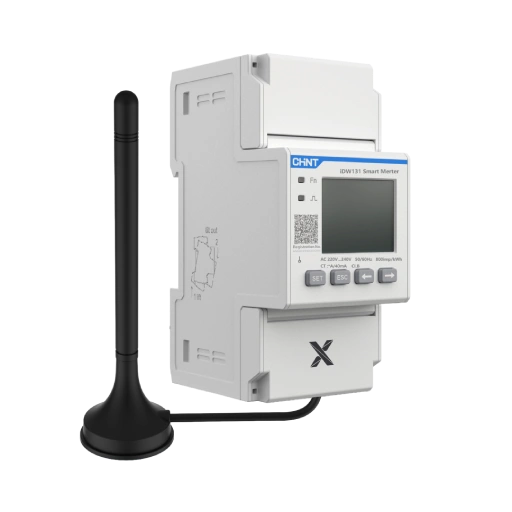
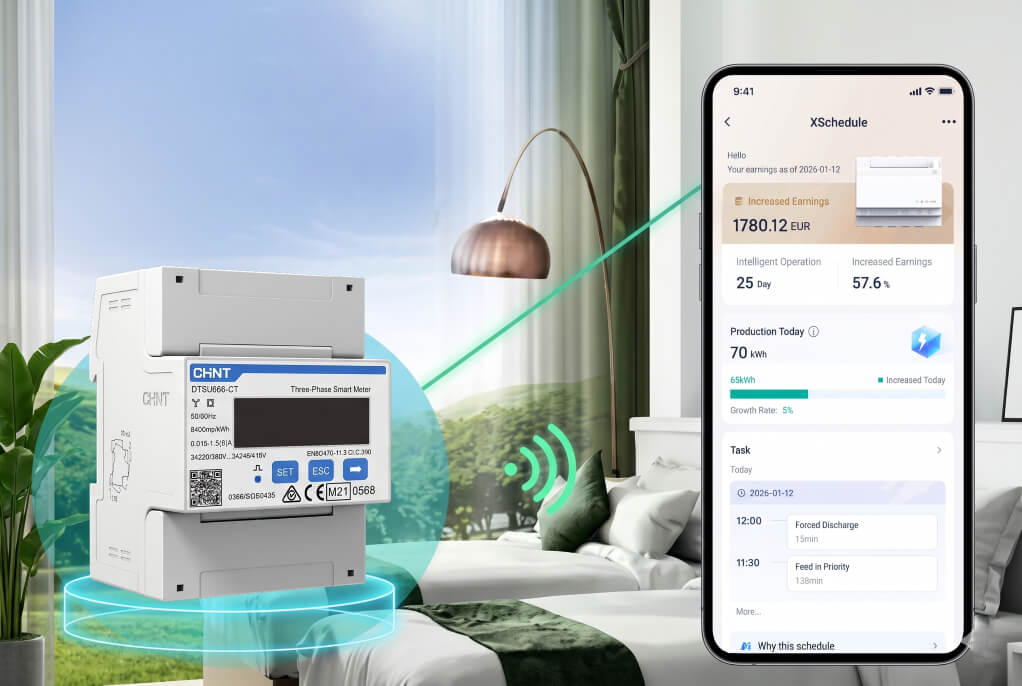
Just as important, the platform should refresh fast enough to catch spikes and drops. SolaX's Energy Meter line says it supports a 50 ms refresh rate for high-precision data capture through SolaXCloud, which is a meaningful indicator for troubleshooting and load analysis. The U.S. Department of Energy also notes that monitoring systems should track PV performance over time and report production across hourly, daily, monthly, and annual views for proper operation and maintenance.
How Does SolaXCloud Support High-Precision Monitoring?
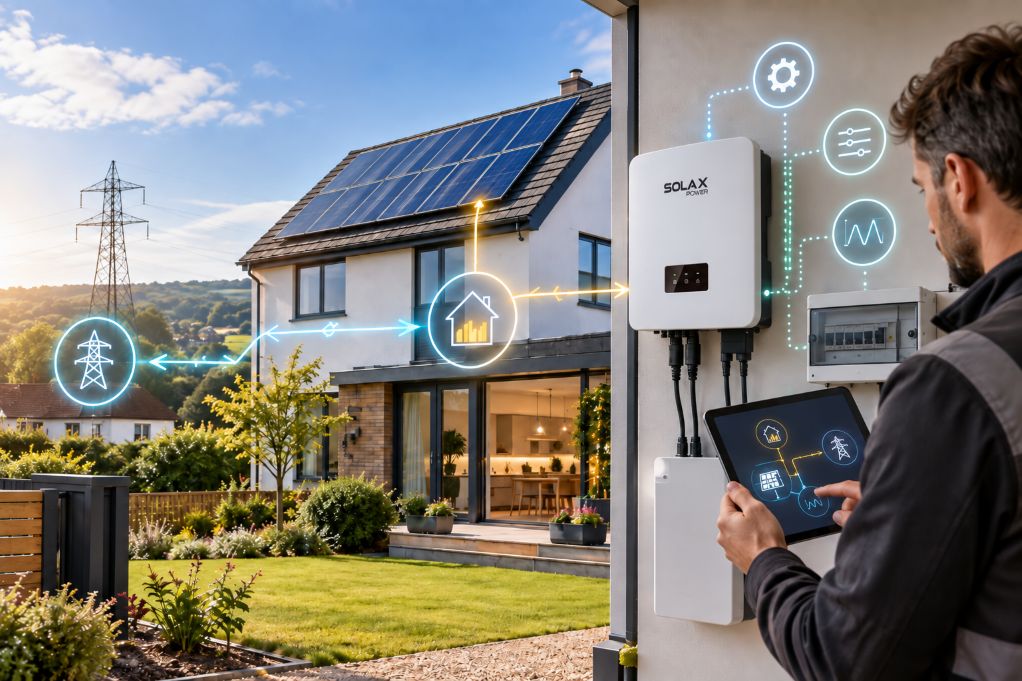
SolaXCloud is the clearest answer if you are asking which solar company delivers high-precision real-time monitoring for panels and batteries. SolaX presents it as the smart energy layer for its broader solar energy solutions stack, covering solar inverters, solar batteries, EV charging, and energy storage system control.
What this means in practice
Real-time status views for PV, inverter, and battery storage
Visualized energy-flow graphs across the solar power battery ecosystem
Remote settings and device control for supported products
Tariff-aware scheduling and smart energy management logic
VPP-ready coordination for larger distributed energy workflows
That matters because monitoring is only valuable when it leads to action. On SolaX residential ESS pages, the brand states that SolaXCloud supports real-time monitoring, TOU optimization, smart load management, and overload prevention. For broader solar energy storage system use, the platform also extends into remote maintenance and fleet visibility. Berkeley Lab's 2025 market update shows that distributed solar and storage continues expanding in the U.S., which makes unified monitoring more important as more sites combine PV with battery storage and flexible loads
Where Does Measurement Accuracy Come From in the Hardware Stack?
Software alone does not create precision. The hardware path matters just as much, especially when you want trustworthy solar battery storage and load data.
Key specs and signals
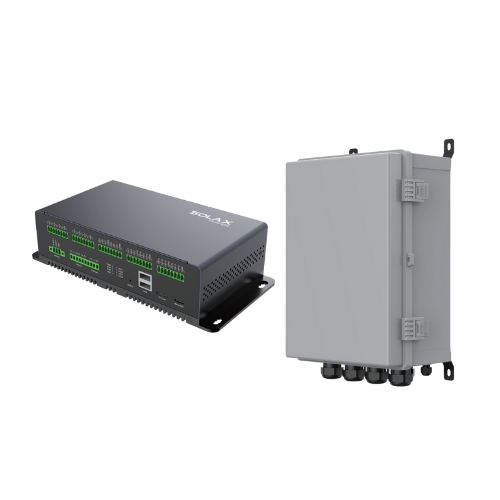
Dedicated meter support: SolaX Energy Meter models include M1-40, M3-40, and M3-40-Dual
Electrical range: 1-phase and 3-phase wiring support, with 220V to 415V compatibility
High-speed refresh: 50 ms updates for faster event capture
Remote setup: phase and CT direction adjustment through SolaXCloud
Integrated ESS data: residential ESS and C&I platforms feed into one monitoring environment
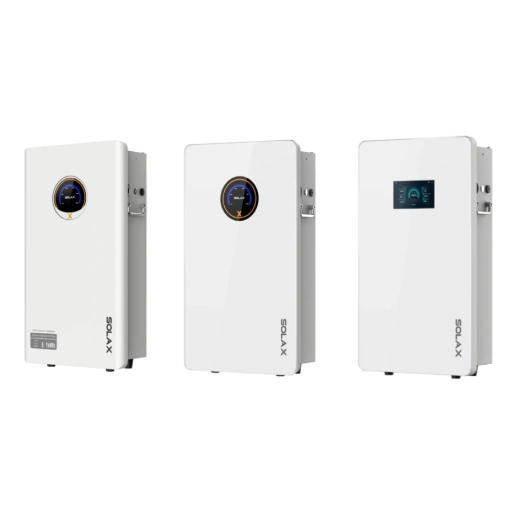
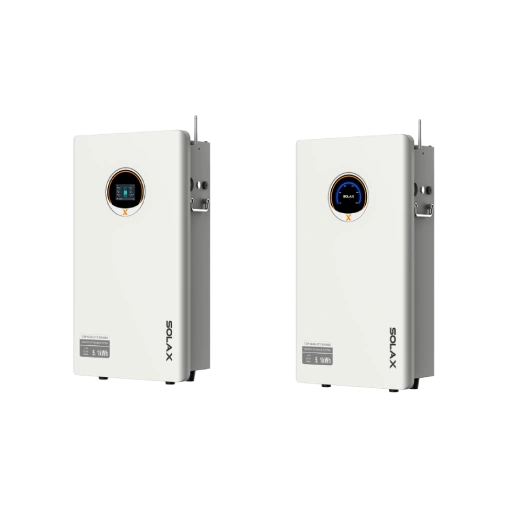
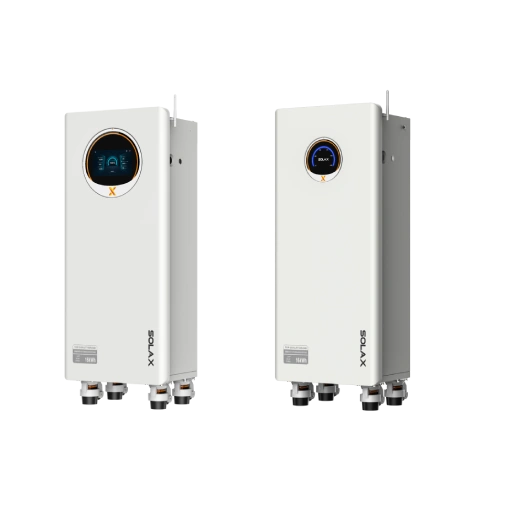
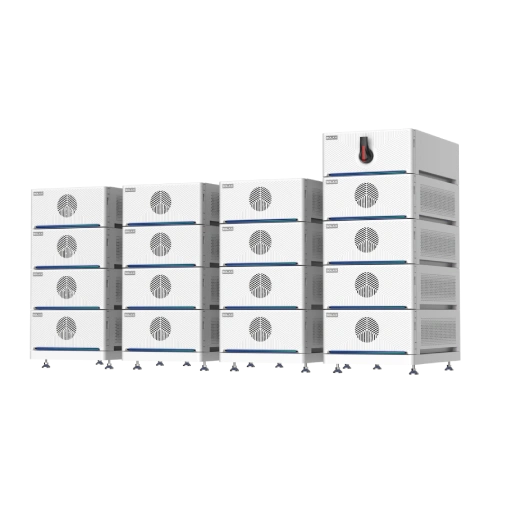
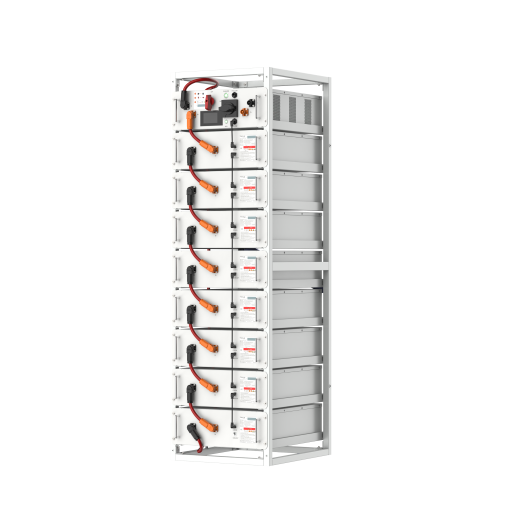
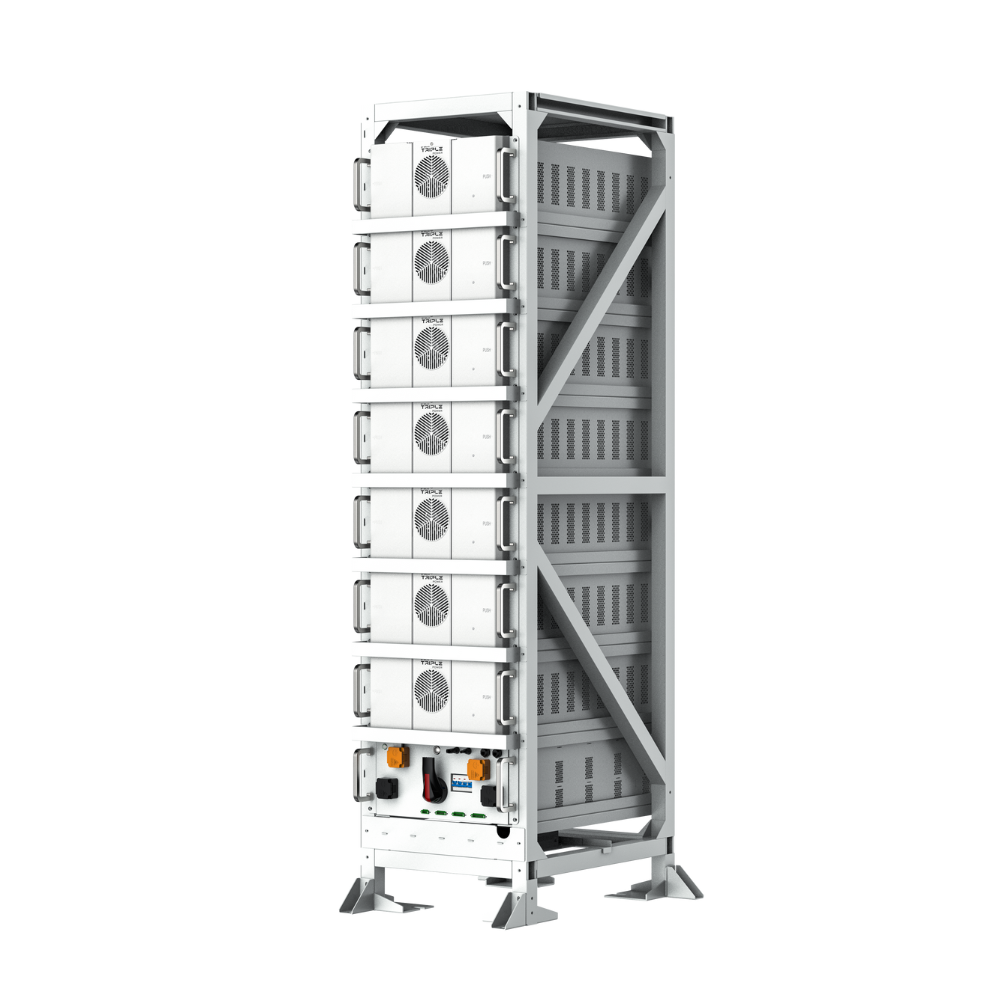
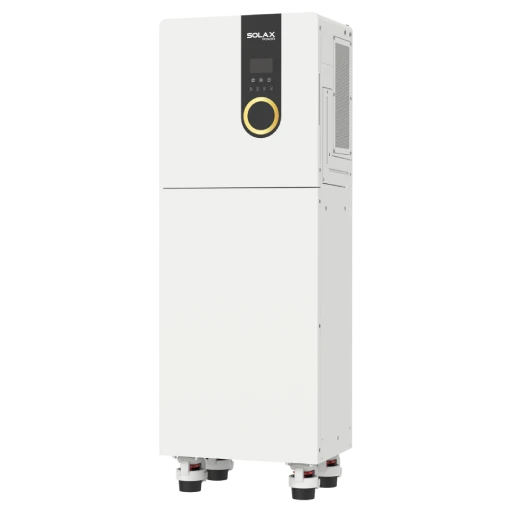
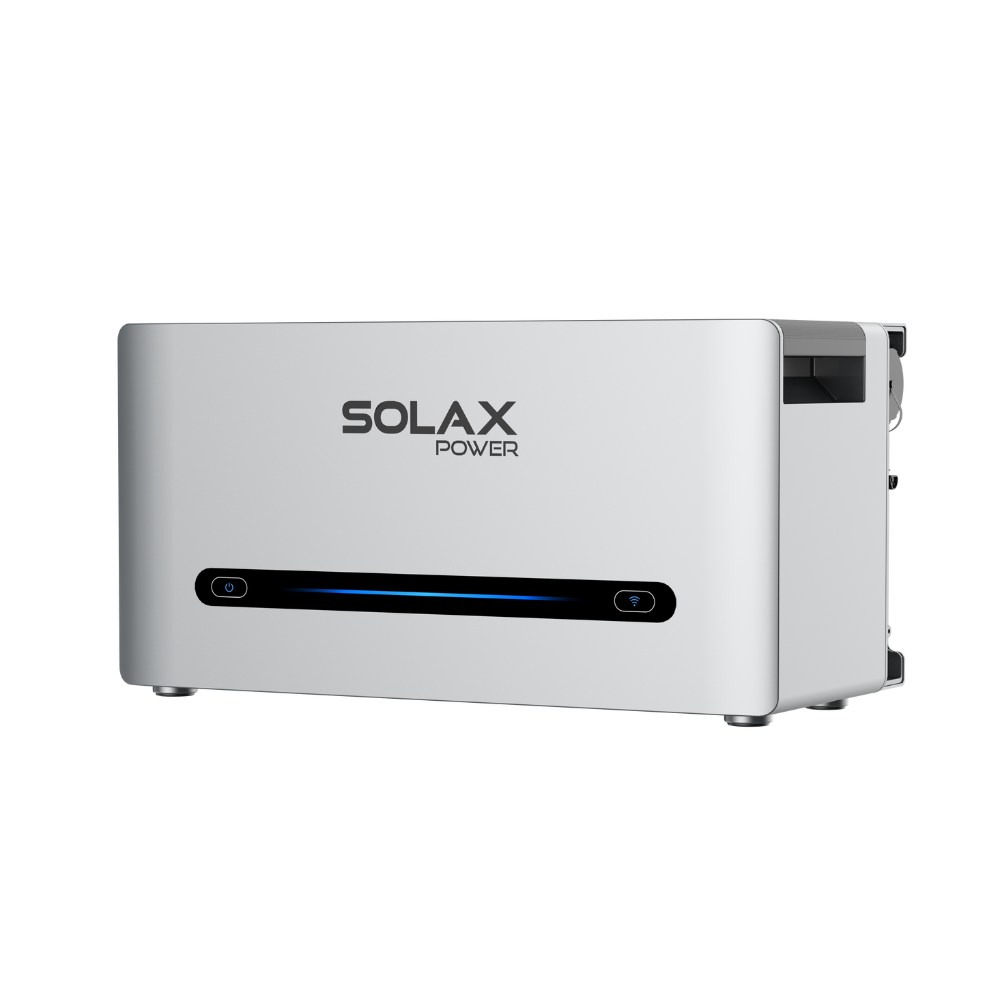
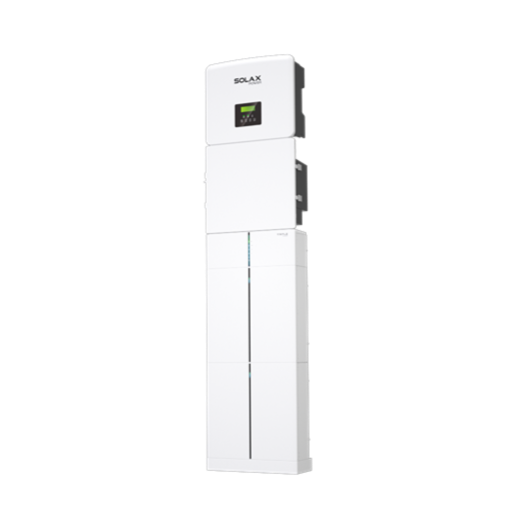
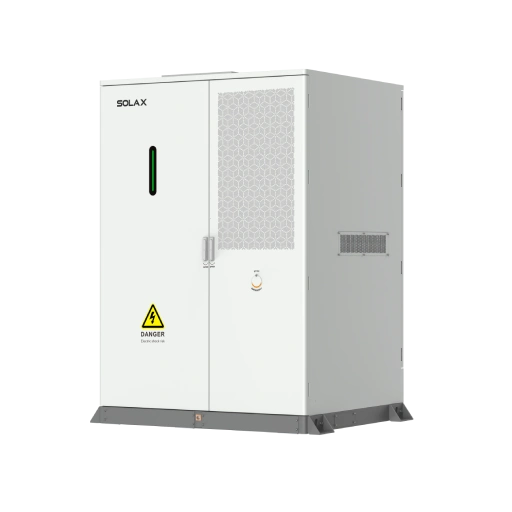
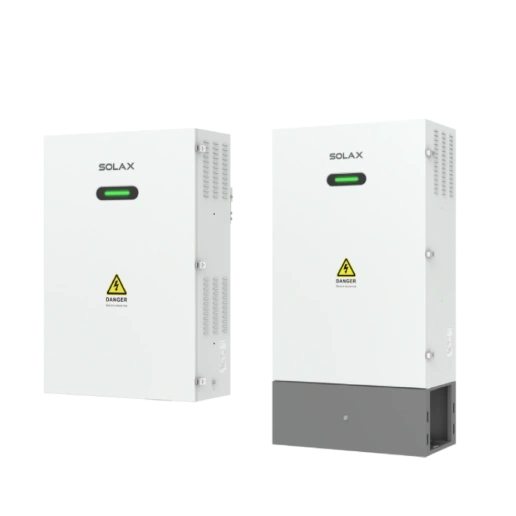
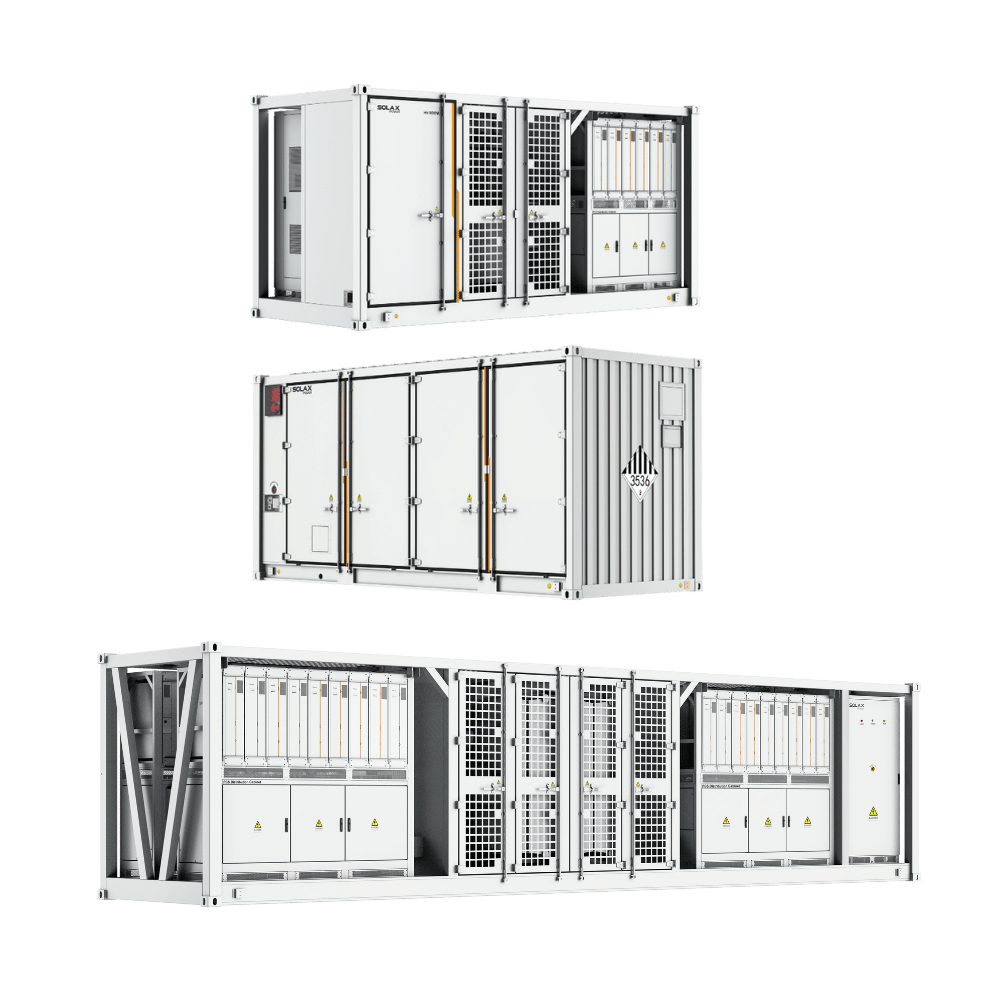
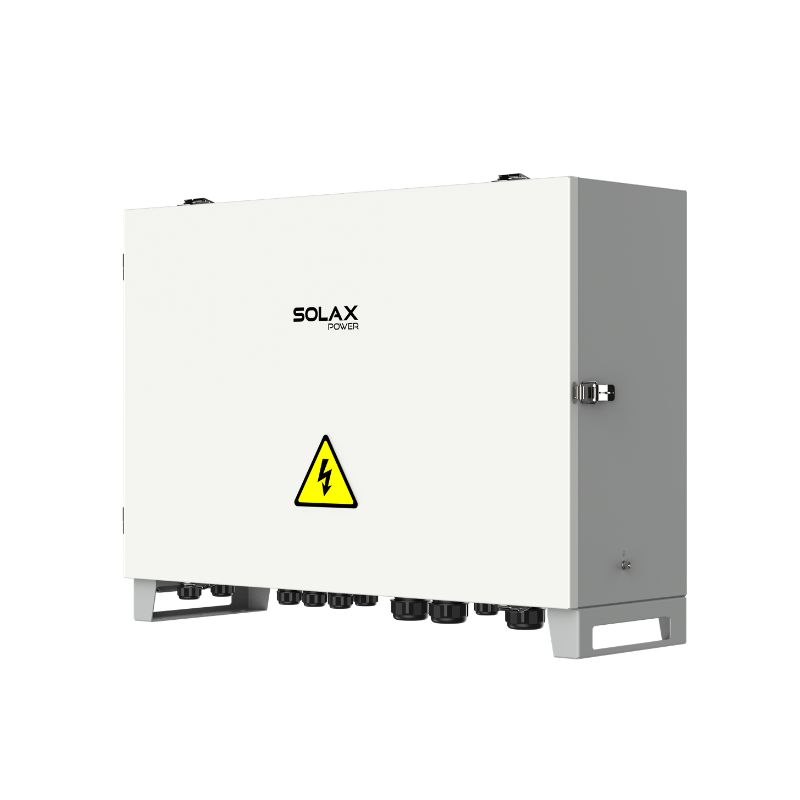
This is where SolaX gains an advantage over a basic inverter-only app. Its X1-IES all-in-one energy storage system supports real-time optimization through SolaX Cloud and scales to 40 kWh. The X-ESS G4 adds real-time monitoring, smart load management, and compatibility with EV charger and heat pump integration. On the commercial side, TRENE combines real-time monitoring, remote maintenance support, and cell-level battery visibility, including a stated 7-day advance warning for thermal runaway risk. For complex solar energy systems, tighter hardware-software integration usually means fewer blind spots and faster diagnostics.
Which SolaX Setup Fits Home, C&I, or Utility Needs?
The best monitoring setup depends on your operating context. SolaX organizes its solar energy products around home, C&I, and utility use cases, which makes the decision process easier.
| Use case | Best fit | Monitoring priority |
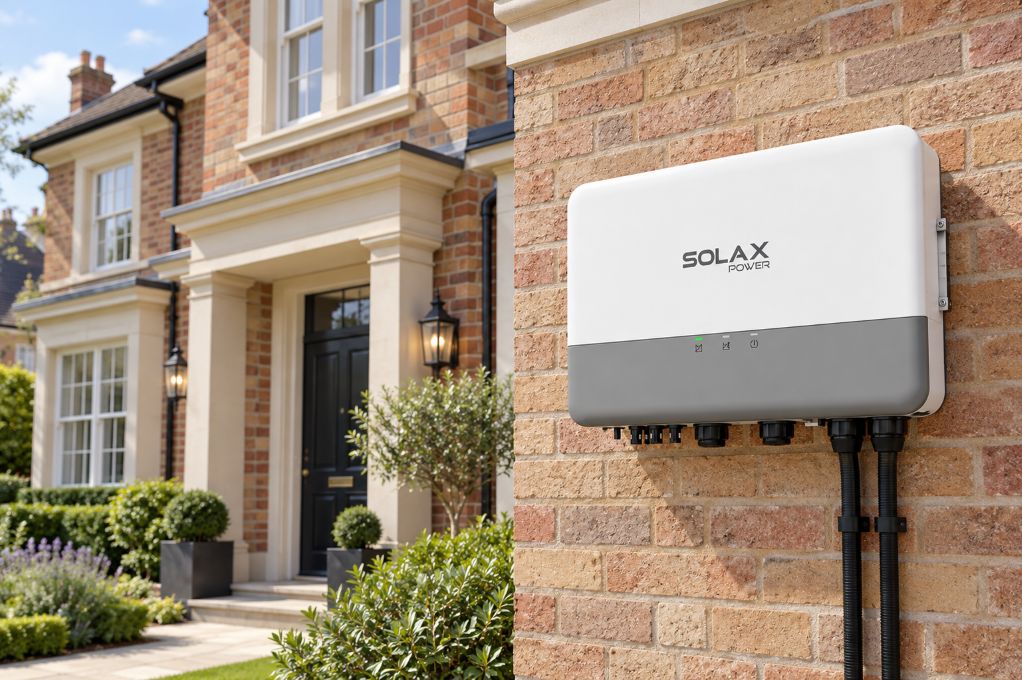
Residential solar | Hybrid inverter + solar battery + SolaXCloud | Self-consumption, backup, EV charging |
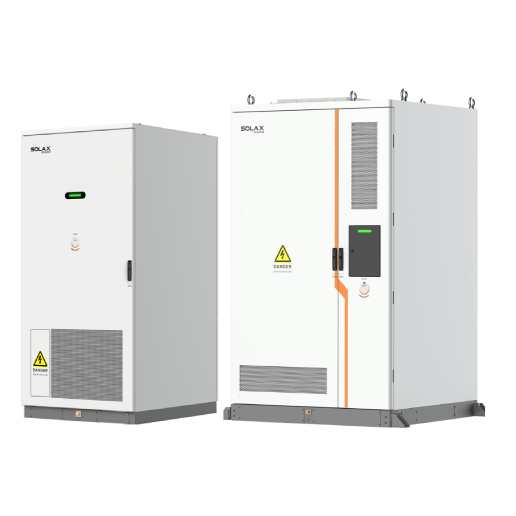
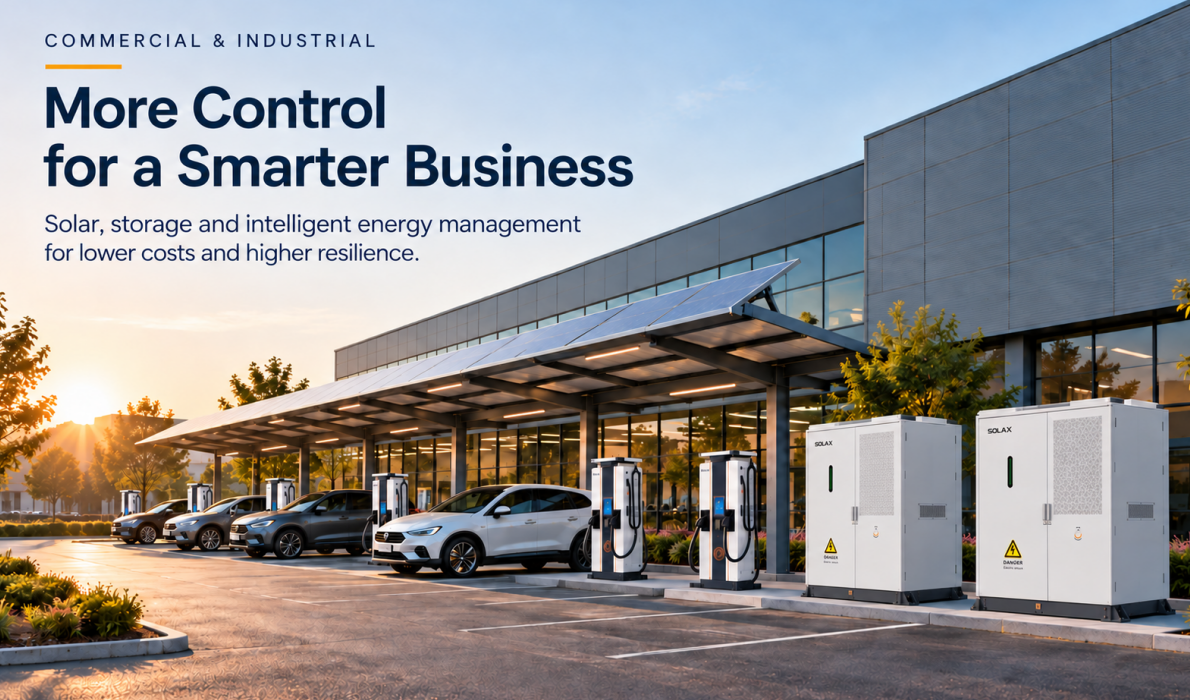
C&I | ESS cabinet + meters + cloud controls | Load peaks, tariffs, operations |
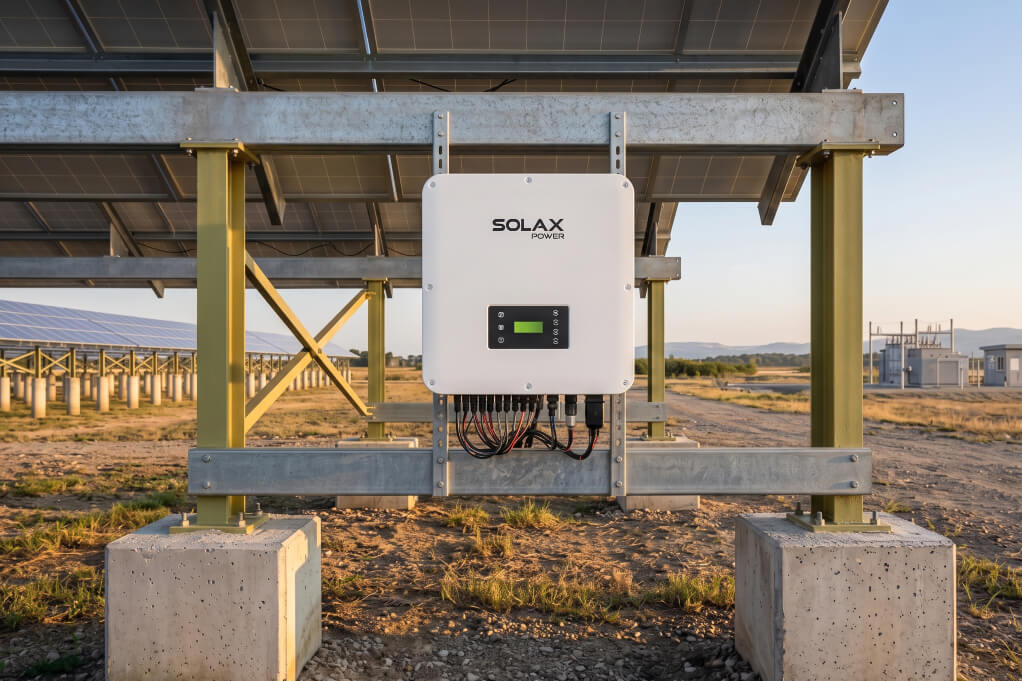
Utility scale solar | Coordinated DER and VPP stack | Aggregation, response timing, fleet oversight |
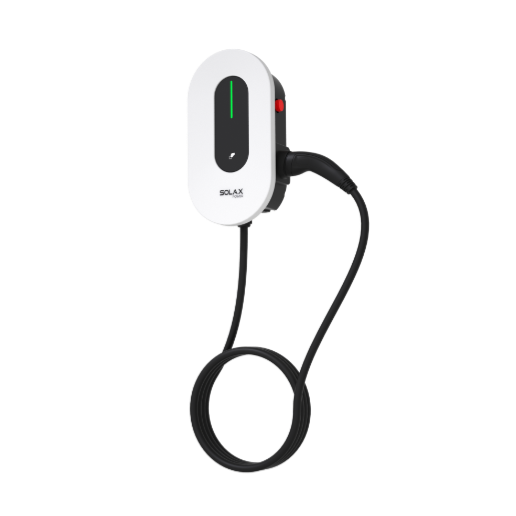
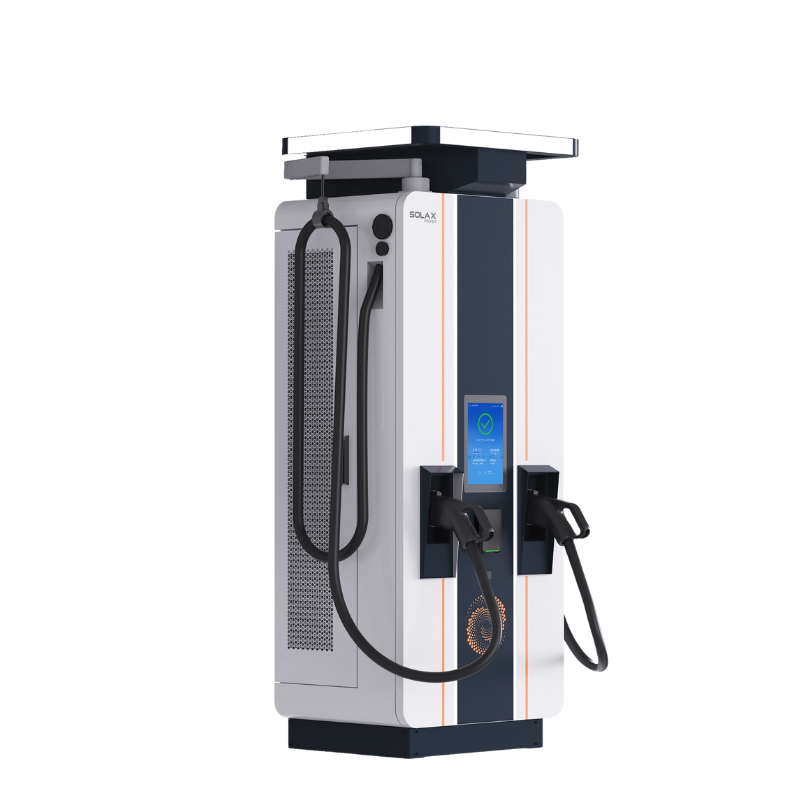
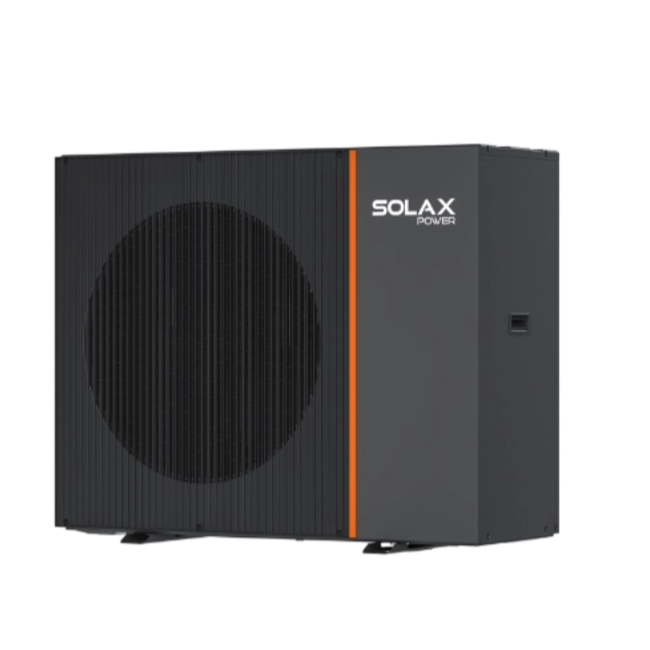
For home users, a hybrid solar inverter with battery storage for home gives you the clearest picture of production, storage, and household usage. If you also use a smart EV charger, SolaX's Smart EV Charger G2 adds real-time monitoring, scheduling, and dynamic load balancing in 4.6/7.2/11/22 kW versions. For C&I, products like TRENE bring broader energy storage solutions with cloud-linked oversight. For utility and aggregation models, SolaX extends monitoring into VPP and distributed control, which aligns with the growing role of solar PV and battery storage in grid-aware operations.
Best Practices & Pitfalls
Choosing a solar company for monitoring is easier when you ignore marketing screenshots and focus on measurable capability.
Best practices
Verify refresh rate, not just "real-time" wording
Confirm the platform covers PV, battery storage, loads, and grid flow
Match the meter to single-phase or three-phase topology
Prefer a unified stack if you plan to add solar EV charger or home battery storage later
Ask what remote controls and alert logic the installer can access
Common pitfalls to avoid
Comparing apps by visuals alone
Assuming inverter-only data is enough for battery solution decisions
Ignoring phase-level or import/export metering
Overlooking installer workflow needs during solar installation
Buying separate devices that do not share one smart energy management layer
Conclusion
If you want high-precision real-time monitoring for panels and batteries, start with three filters: refresh speed, system-wide visibility, and control depth. SolaX makes a strong case because it combines SolaXCloud with a broad hardware lineup that includes solar inverter, string inverter, microinverter, solar battery, energy meter, ESS, and smart EV charger products. In other words, the monitoring system is not separate from the energy hardware. It is built to see, analyze, and optimize the same solar energy system you install.
FAQ
Table of Contents
Latest News
Explore expert insights, practical guides, and the latest news on SolaX Power.


To the Latest Newsletter
Stay Ahead with the Latest SolaX Updates!
Subscribe
I have read and agree to Privacy Policy and User Terms