











March 16, 2026
A Guide About Commercial & Industry ESS Warranty Support Safety
Share my #SolaXStory


Still getting surprised by load spikes, demand charges, and short outages that knock your site offline? In commercial solar power projects, the gap is rarely the solar panels, it is the energy storage system details like inverter behavior during transitions, battery protection logic, and what your team can actually do safely during a fault.
When those pieces are unclear, a single wrong setting or missed document can turn a routine install into downtime, rework, and a painful permitting loop.
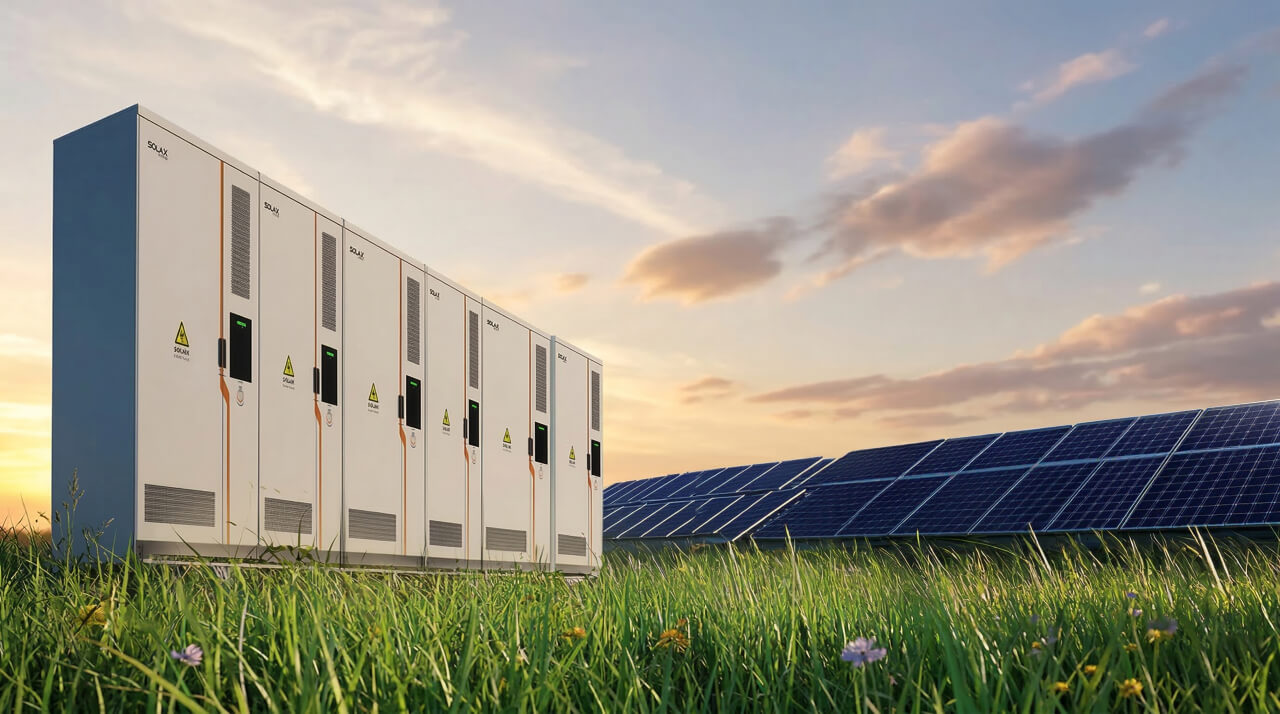
Codes Listings and Test Proof for C&I ESS
Permitting friction usually happens when the install team assumes that a battery storage system is "standard" and then discovers the AHJ wants specific listings, test evidence, and a clear emergency plan. You avoid redesign by aligning the equipment and documentation to common expectations before the first submittal.
UL 9540 and why system-level matters
UL 9540 is the system safety standard for energy storage systems and equipment, covering multiple technology types and system-level evaluation. The practical point: a cabinet can contain components that are each listed, but the AHJ often wants system-level confidence in how the battery and inverter behave together.
When you request documentation, do not ask only for "UL" as a checkbox. Ask for:
The exact listing scope (system vs subassembly)
The configuration tested (battery type, inverter pairing)
Installation conditions assumed (spacing, ventilation)
Smooth AHJ review: the documentation bundle
Most AHJs and insurers respond better when you submit a tidy, complete bundle instead of a stack of PDFs. Include:
Product listings and certificates
Test summaries relevant to the installed configuration
Single-line diagram and protective device schedule
Layout plan with clearances and access
Emergency shutdown and signage plan
Warranty Coverage and Activation for Commercial ESS
Warranty risk is rarely about bad intent. It is about missing proof. If your installer changes, your facility manager leaves, or a site expands in phases, you can lose the paper trail that makes a claim painless.
What to verify before you energize the system
Before commissioning day ends, verify:
Serial numbers recorded for battery and inverter
Photos of nameplates and wiring terminations
Commissioning settings exported and stored
Monitoring account ownership is clear
SolaX provides warranty materials and region-specific terms on its warranty pages, including references to product installation date as a key date for warranty start in its warranty documents. The operational takeaway is simple: if your start date depends on installation, your documentation must prove the installation.
Align warranty review to the installed architecture
For a C&I system, coverage can differ by component category:
Inverter warranty terms and exclusions
Solar battery (LFP) performance and capacity terms
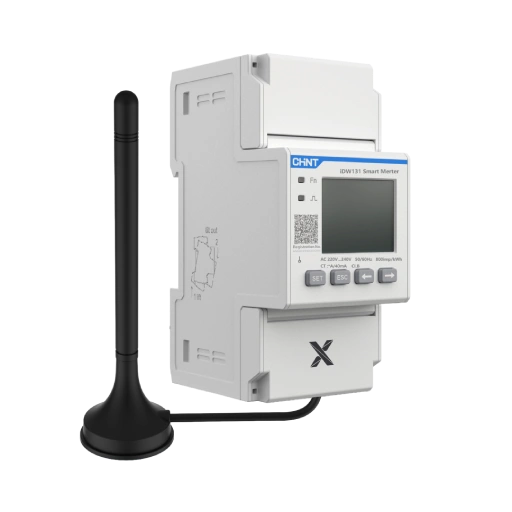
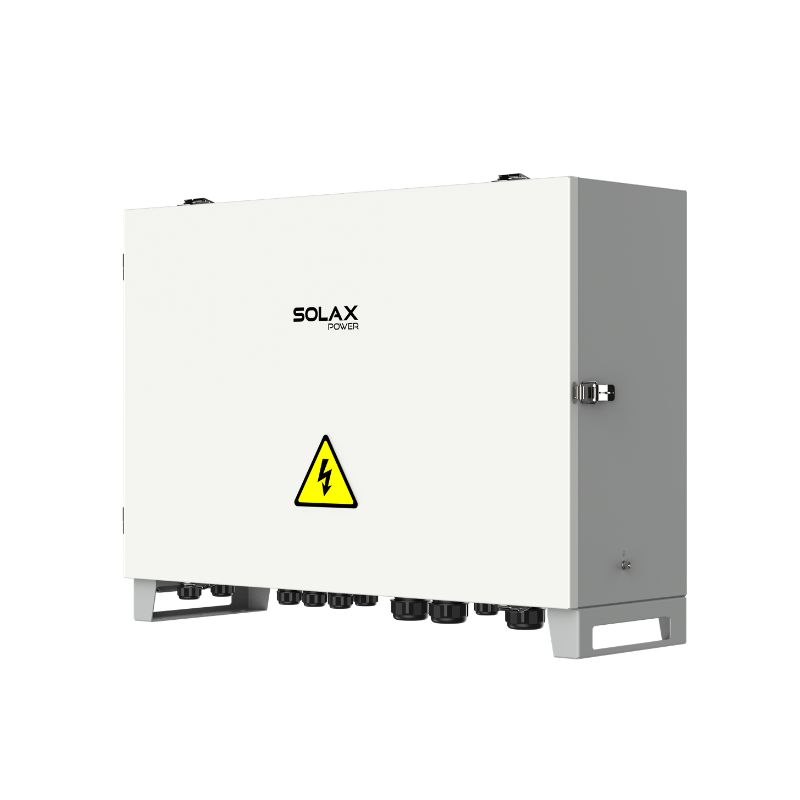
Accessories like switching cabinets or meters
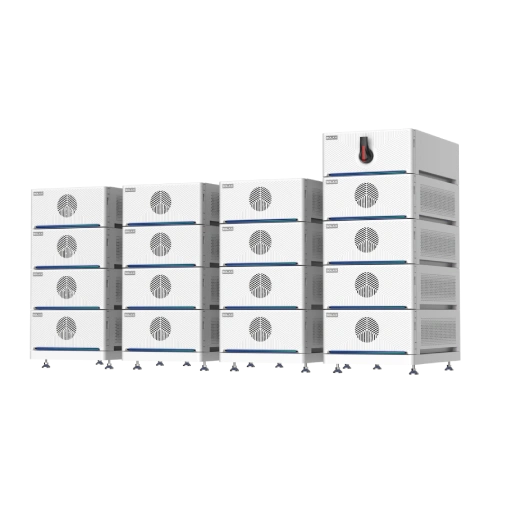
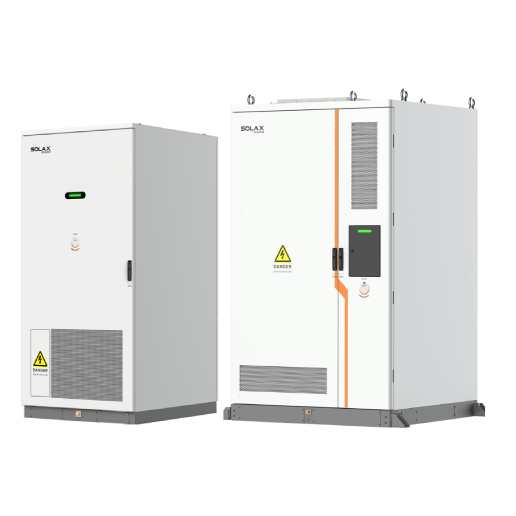
If you deploy an all-in-one cabinet, treat it as a single operational asset but still track subcomponent evidence because service may swap modules rather than entire units.
Example product context: why specs influence claims
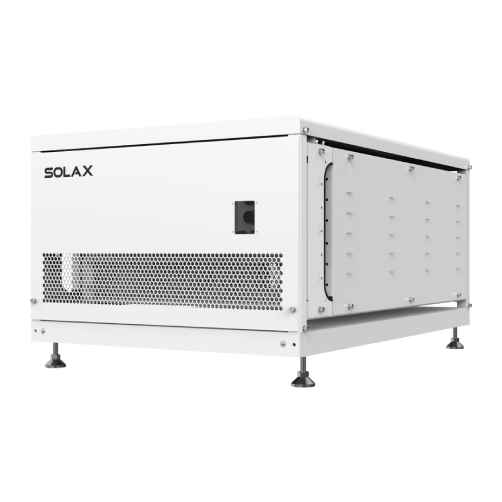
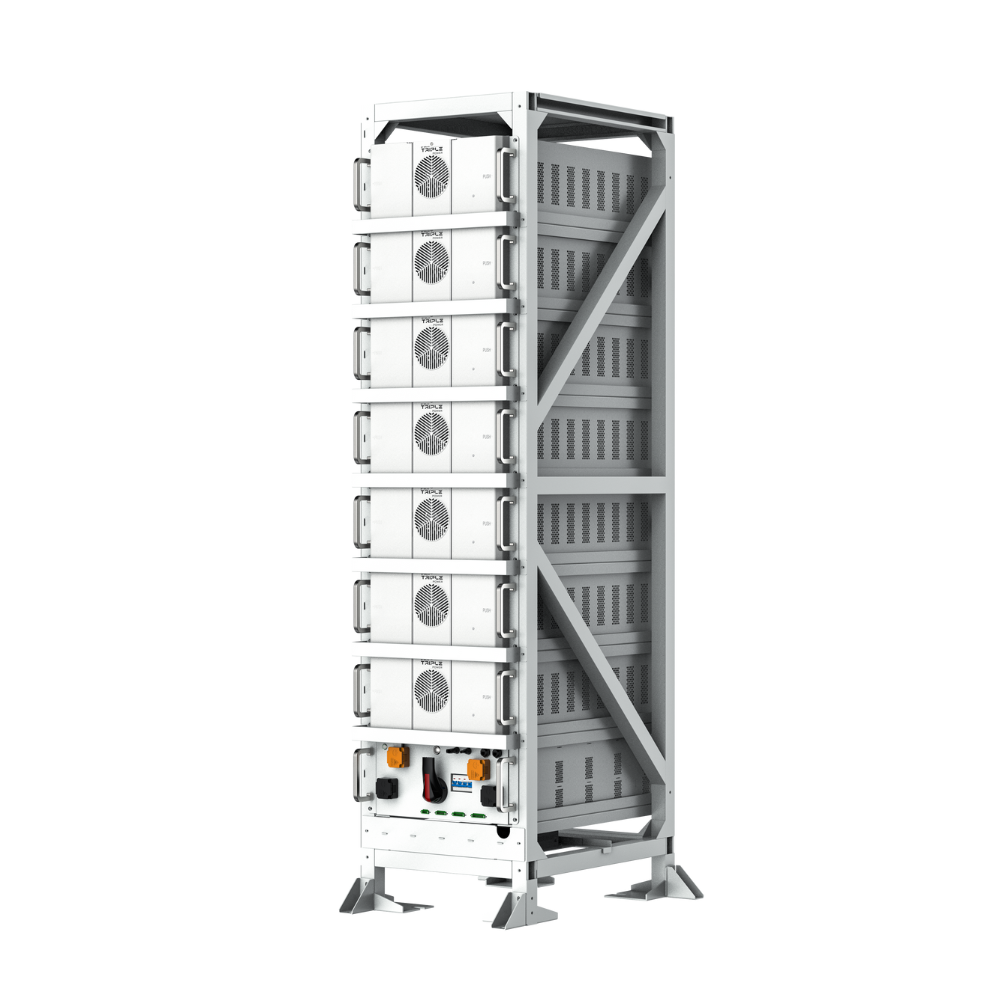
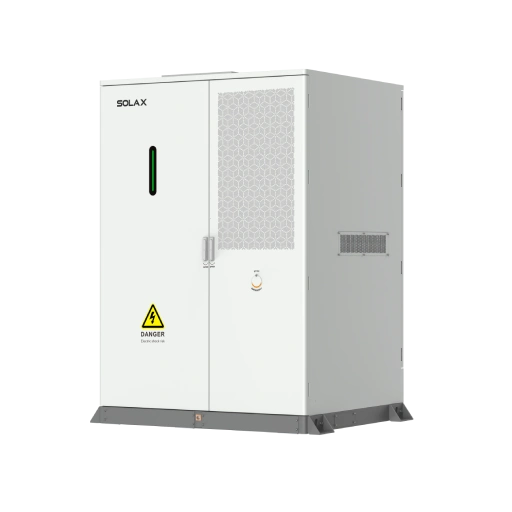
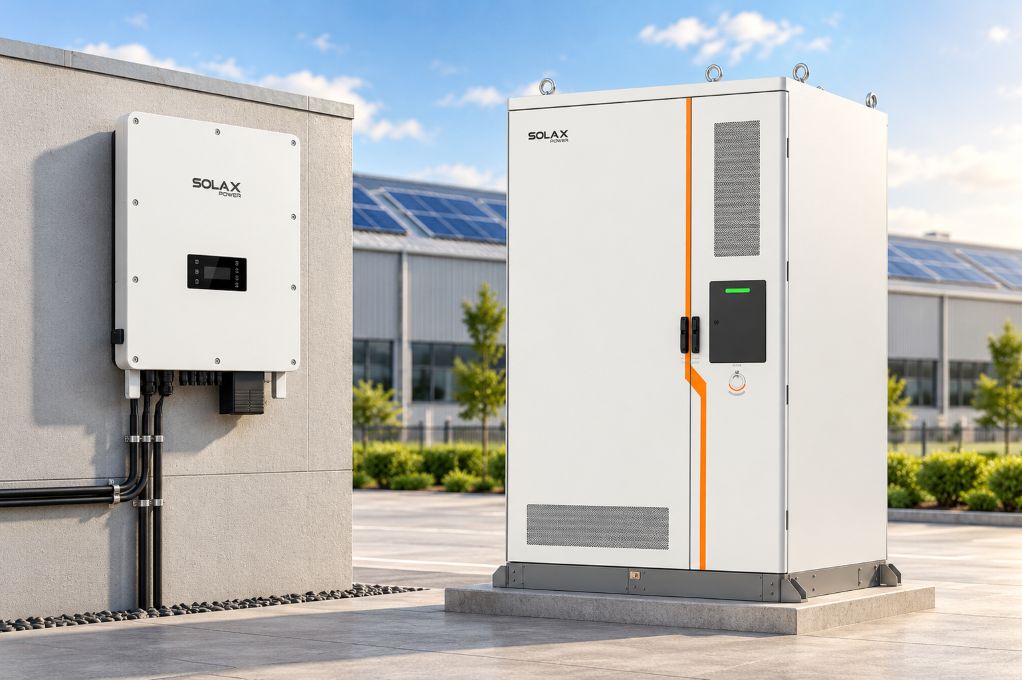
Consider the SolaX ESS-TRENE liquid cooling system. SolaX states a 261 kWh stand-alone capacity and 125 kW output (peaking at 137.5 kW), with liquid cooling designed to keep cell temperature difference under 3 C and a 314 Ah LFP battery. Those details matter because warranty disputes often involve operating conditions like temperature, loading, and cycling profiles. If your site runs at high ambient temperatures or pushes repeated peak output events, your commissioning settings and monitoring history become your best protection.
Support Monitoring and Service Motion
Downtime usually grows when the fault response is unclear: who is allowed to touch the cabinet, who can change inverter settings, and what evidence support needs before they act. You can shrink that timeline by designing a service motion on day one.
Monitoring as the first response tool
A monitoring platform should answer three questions fast:
What happened: event timeline and alarms
What is impacted: inverter, battery, meter, comms
What changed: settings, firmware, schedules
SolaXCloud support services and warranty management features inside the platform, including after-sales routing that typically ties to installer or partner contact structures. In practice, you should define who owns the SolaXCloud account and who receives critical alarms so a facility is not dependent on a single inbox.
Reduce truck rolls with a structured evidence packet
Support teams move faster when you send the right artifacts up front:
Serial numbers and model names
Photos of fault codes on the HMI
Exported logs from inverter and BMS
One-line diagram and recent changes
If your system includes a hybrid inverter that supports remote OTA updates, you can often eliminate a first visit that only collects logs.
Product context: inverter capabilities that affect service
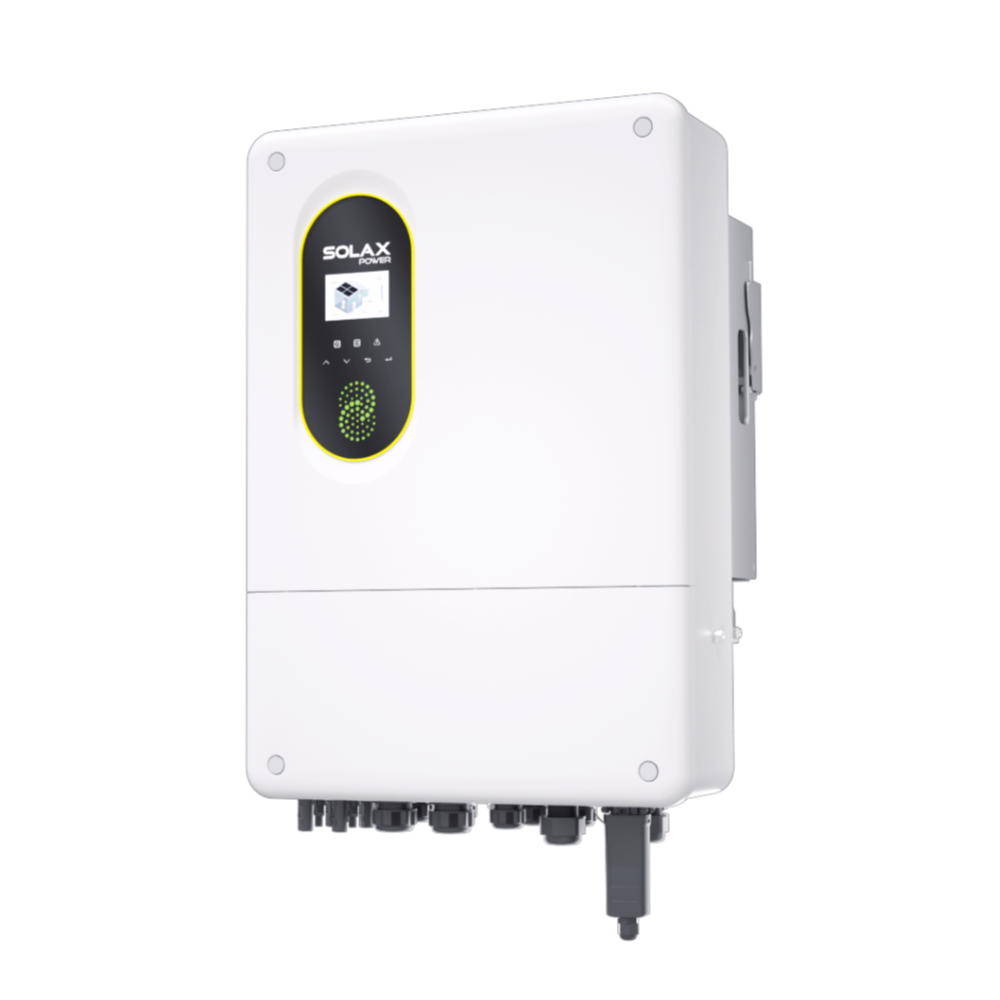
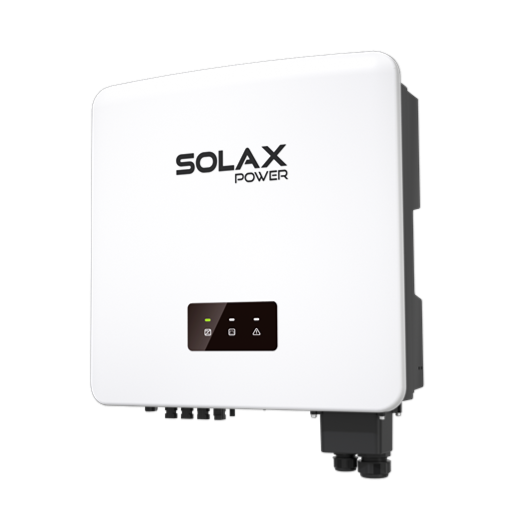
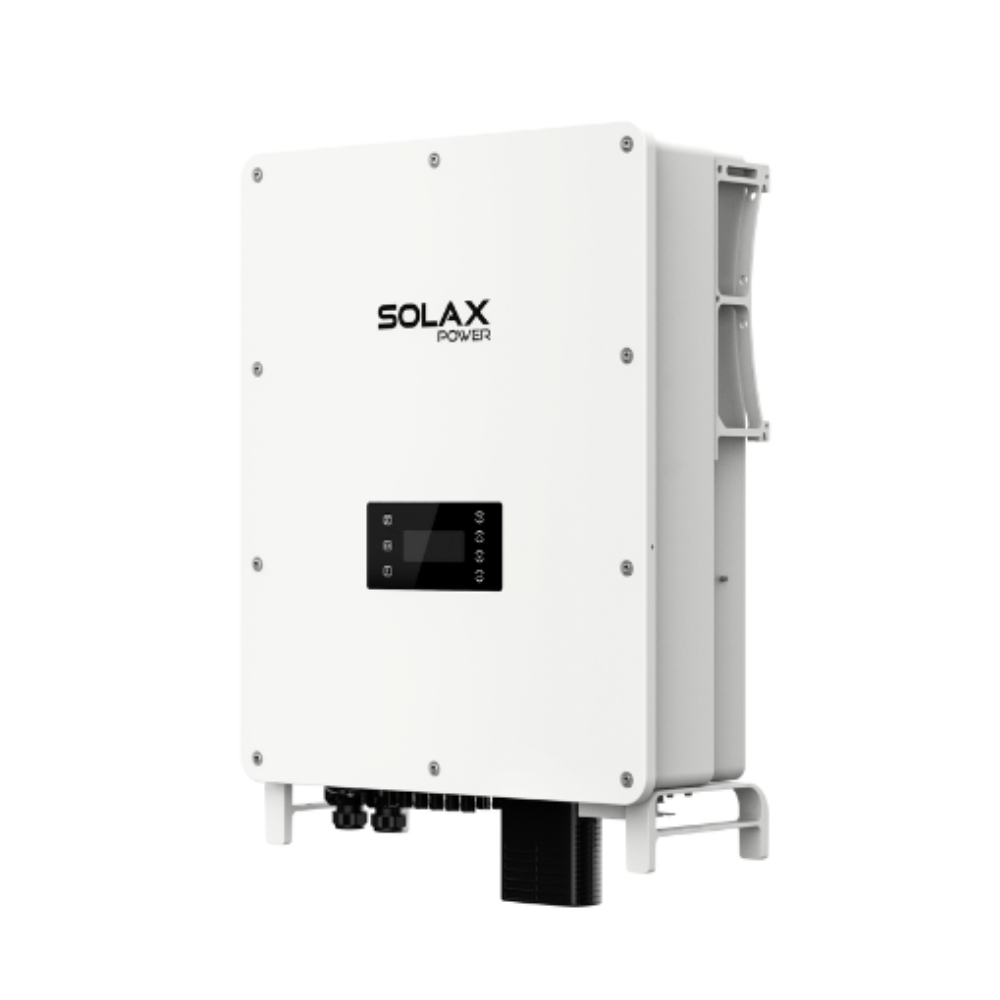
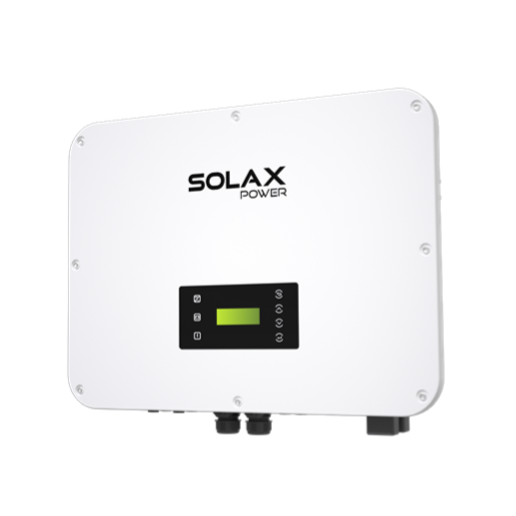
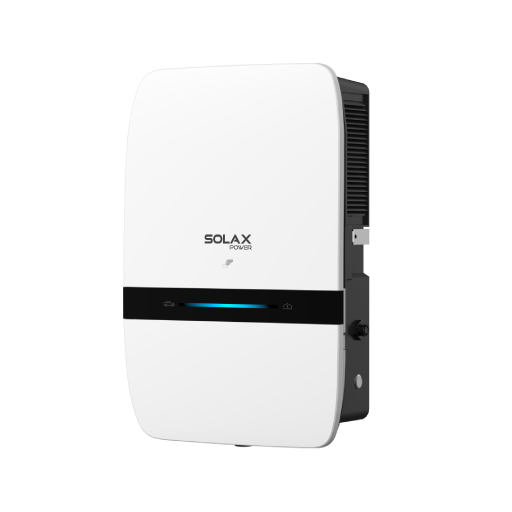
The SolaX X3-AELIO hybrid solar inverter is described as supporting less than 10 ms switchover and remote monitoring with remote OTA updates, plus operating modes such as self-consumption, peak shaving, and demand management. These features matter for service because many issues are configuration issues: wrong TOU windows, wrong export limits, or a mode mismatch after a tariff change.
How to Choose a Commercial Energy Storage System
Selection is easier when you stop thinking in product names and start thinking in proof and operations. Use four lenses: safety evidence, warranty clarity, service coverage, and operations fit for your solar energy system.
Safety evidence you can defend
Prioritize evidence that survives stakeholder scrutiny:
System listings and certificates
Thermal runaway propagation test summaries
Clear shutdown and isolation procedures
This reduces delays with insurers and AHJs, and it reduces internal risk debates.
Warranty clarity that prevents surprises
Confirm these items in writing:
Warranty term and what starts the clock
Required registration steps and deadlines
Required maintenance and monitoring expectations
If your site is phased, confirm how start date applies to later expansions.
Service coverage that matches your footprint
A good service plan answers:
Who is first responder (installer, in-house, partner)
Remote diagnostic path and expected response time
Spare strategy for critical modules
Operations fit for smart energy management
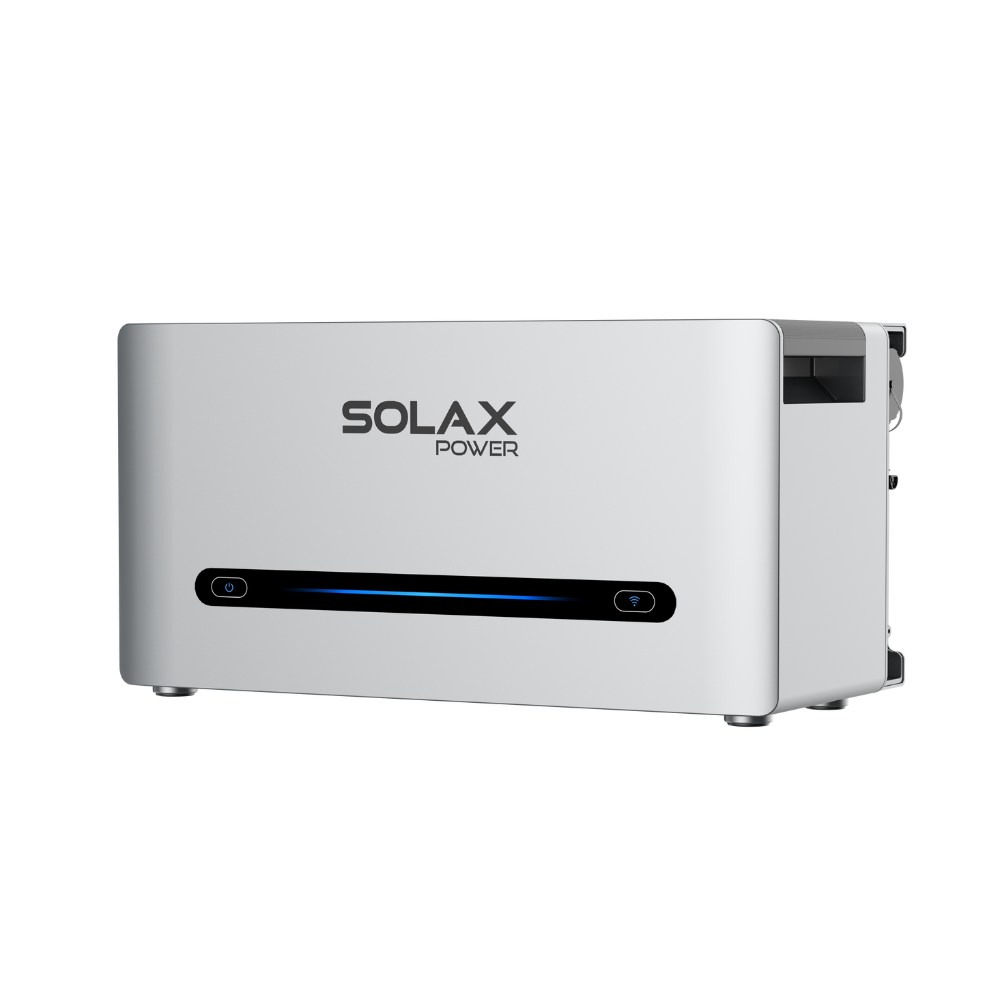
Operations fit is about control modes and metering. SolaX highlights scheduling and TOU capabilities on products like ESS-AELIO and hybrid inverters, and describes smart scheduling and TOU control concepts. Make sure the EMS behavior matches your tariff and your process constraints.
Decision table: match scenario to proof and operations
Scenario | Primary risk | Proof to request | Ops requirement | Typical trade-off |
Peak shaving | Mis-sized dispatch | Metering, EMS modes | Demand window control | More commissioning time |
Backup for critical loads | Unsafe transitions | Transfer behavior docs | Fast switchover logic | More protection hardware |
Outdoor installation | Environment exposure | IP ratings, enclosure | Inspection plan | Higher enclosure spec |
Multi-site rollout | Inconsistent support | Support workflow docs | Standard ticket packet | Training investment |
Best Practices and Common Pitfalls
Best practices
Keep a commissioning binder
Store serials, invoices, photos, and settings exports so warranty and support cases do not stall.
Document commissioning settings and changes
Record TOU schedules, export limits, and mode changes with date and reason, because many issues are configuration regressions.
Monitor alarms and trends daily
Treat monitoring like a production KPI: review alarms, SOC behavior, and temperature trends before they become outages.
Run a quarterly fault response drill
Practice who calls who, what gets isolated, and what evidence gets sent to support.
Common pitfalls to avoid
Skipping listing and code checks
The biggest schedule slips come from last-minute AHJ requirements for listings and test evidence.
Assuming the warranty start date
If the start date is tied to installation, missing install documentation can shorten effective coverage.
Bypassing hazardous energy control steps
OSHA 29 CFR 1910.147 addresses control of hazardous energy (lockout/tagout) as part of preventing unexpected energization during servicing.
Conclusion
Commercial and industrial ESS success comes from evidence and process, not only hardware. When you align safety architecture to real fault outcomes, collect UL-level proof early, and treat warranty activation as a commissioning deliverable, you reduce risk and shorten permitting cycles. Then, when issues happen, a monitoring-first support motion and a clean evidence packet turn a site event into a quick recovery.
Next, map your site constraints: tariff structure, critical loads, placement, and who owns day-2 operations. That context will tell you whether you need an all-in-one cabinet, a hybrid inverter pairing, or a staged expansion plan.
FAQ
Table of Contents
Latest News
Explore expert insights, practical guides, and the latest news on SolaX Power.


To the Latest Newsletter
Stay Ahead with the Latest SolaX Updates!
Subscribe
I have read and agree to Privacy Policy and User Terms