












March 17, 2026
Why Hybrid Solar Systems Are the Next Step for Homes in Latin America
Share my #SolaXStory


Residential solar in Latin America is growing quickly. But the conversation is changing. For many years, installing solar panels at home was mainly about reducing electricity bills.
Today, homeowners are asking different questions. They want systems that can provide backup power when the grid goes down. They want to store more of the solar energy they generate. And they want a system that can adapt as their household energy needs evolve.
In many ways, residential solar is moving beyond simple rooftop installations. Homes are gradually becoming small energy systems, combining solar generation, storage, and smarter energy management.
This shift is why hybrid solar systems are becoming more important across Latin America.
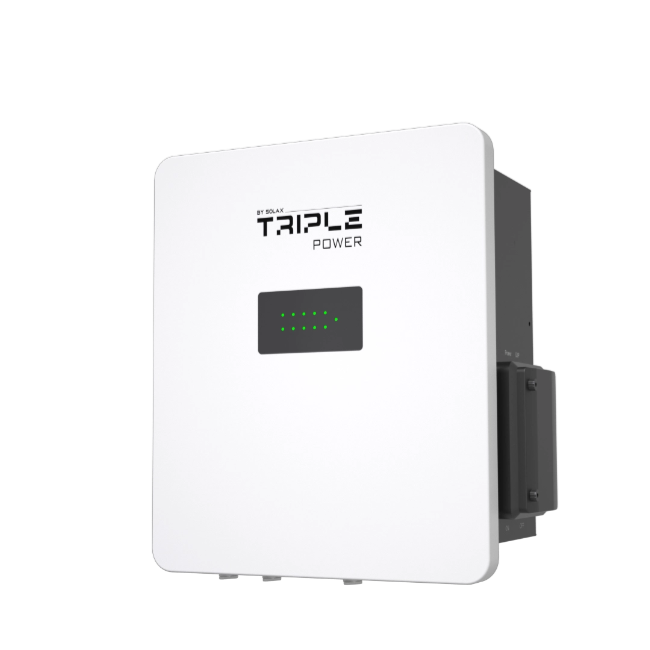
Why X1-SPT Was Designed for This Stage
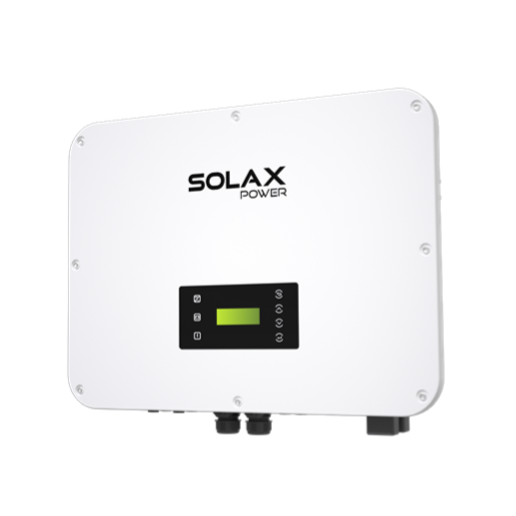
The X1-SPT was developed with these changes in mind.
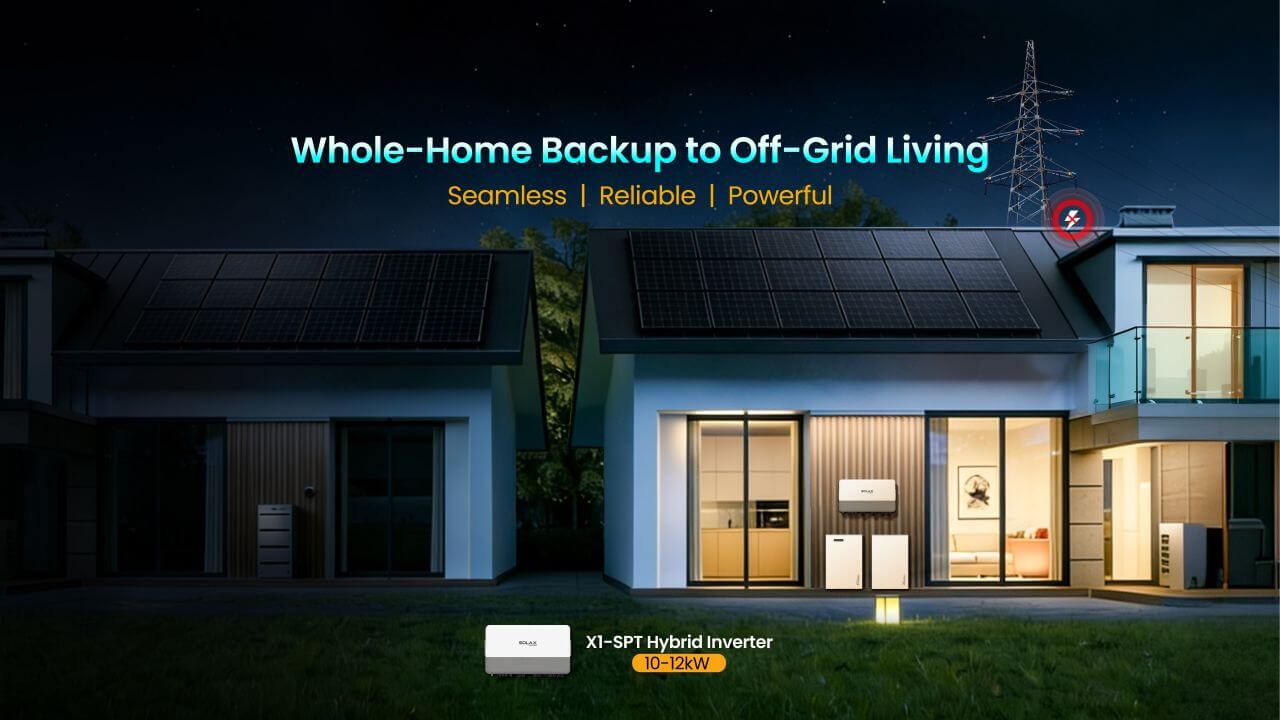
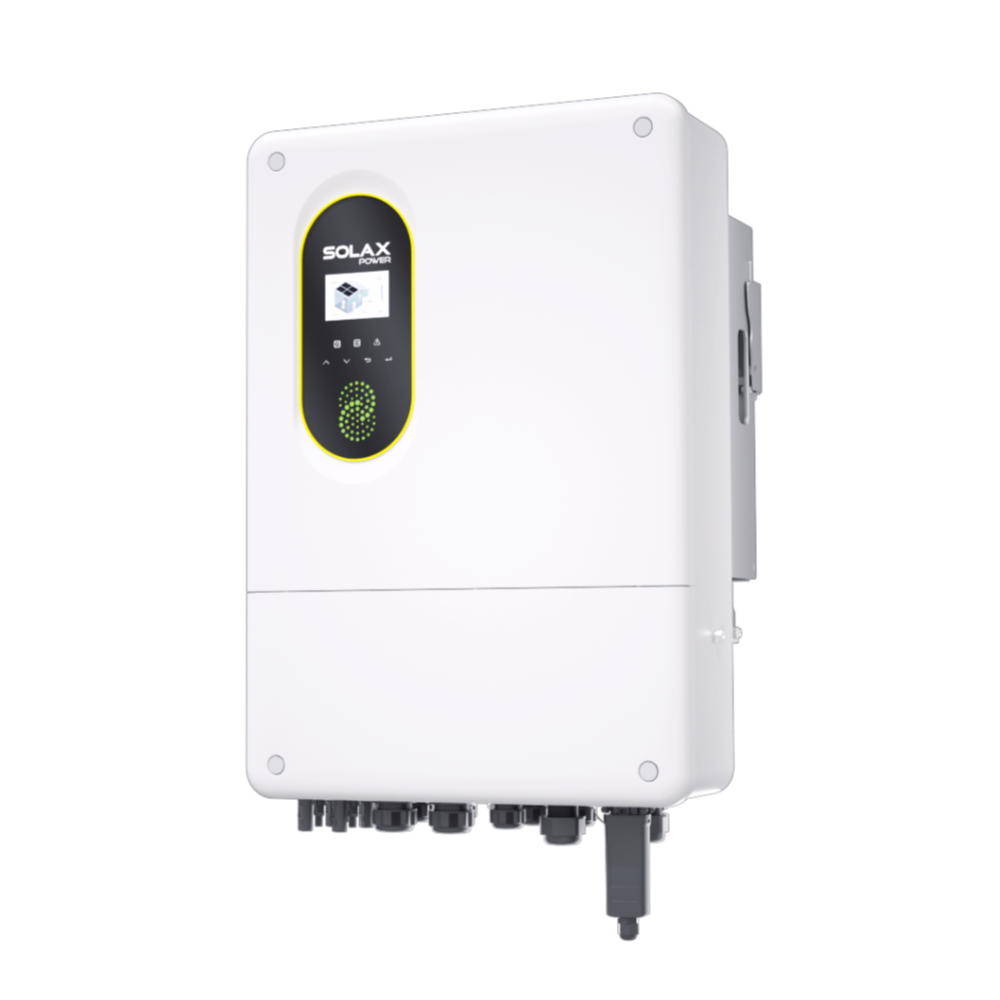
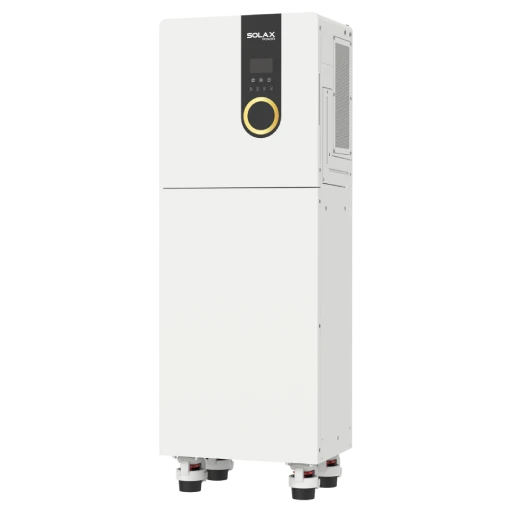
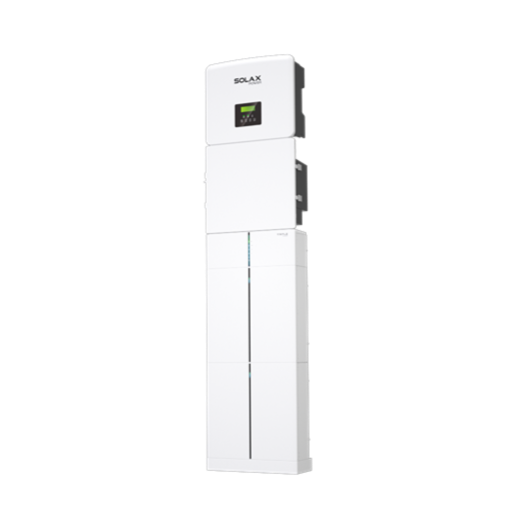
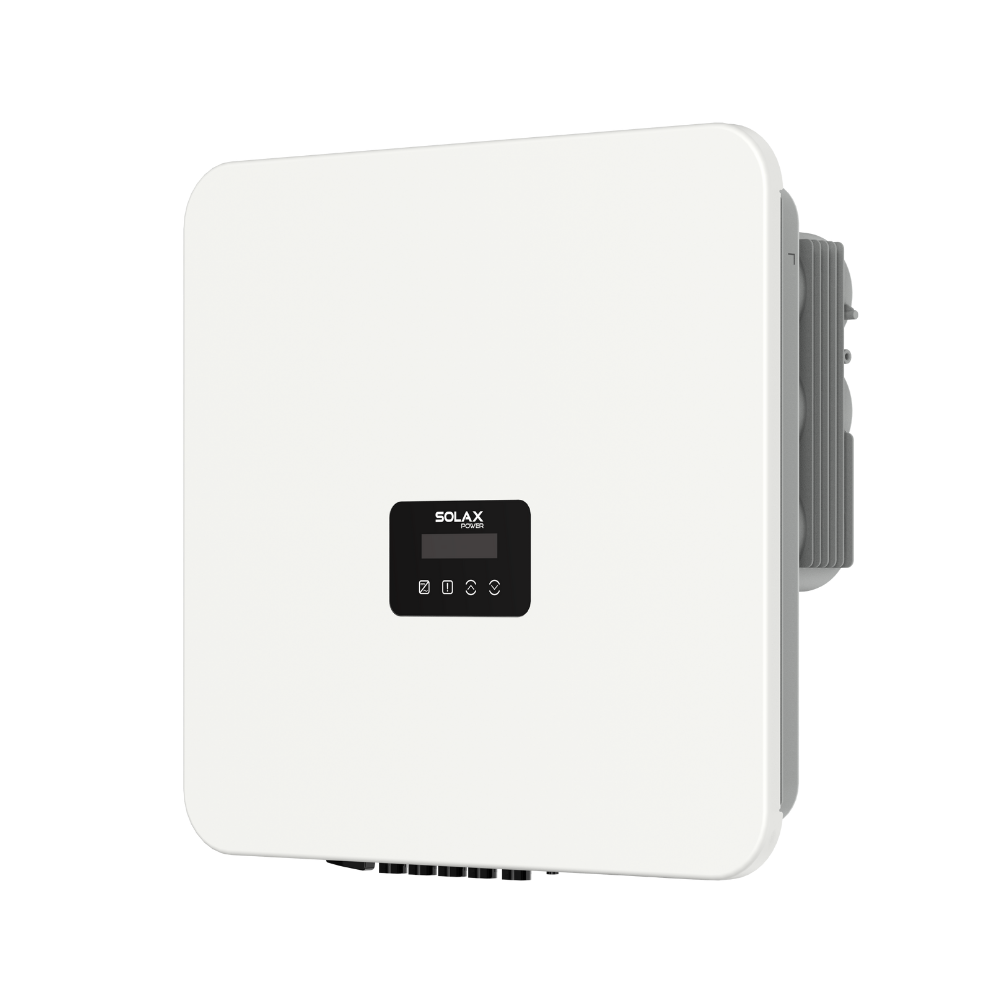
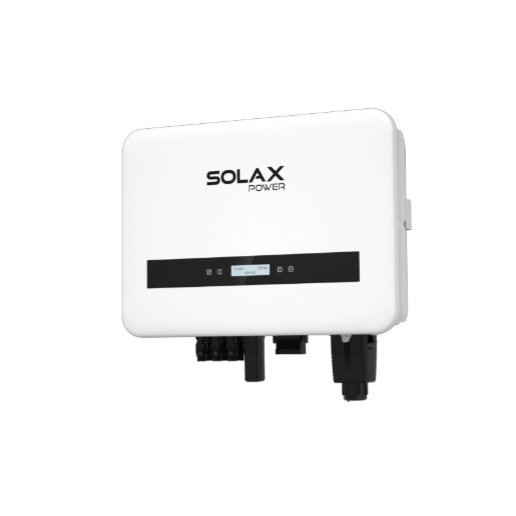
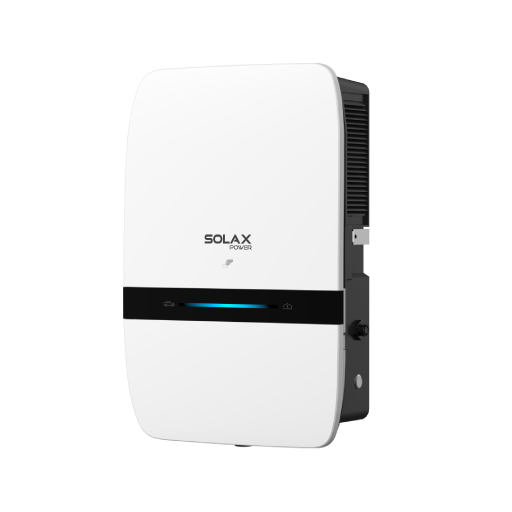
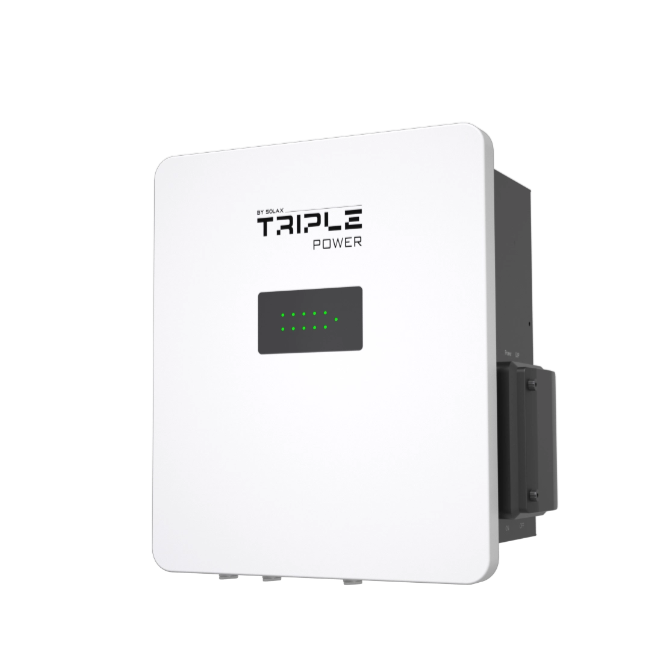
As a new generation hybrid solar inverter, it is designed for split-phase residential applications, supporting both 120 V and 240 V loads. This allows installers to design systems that can handle larger household appliances and enable true whole-home backup.
The hybrid inverter is available in 10 kW and 12 kW models, with less than 10 ms switchover time and up to 200% EPS output for 10 seconds. In practical terms, this means the system can maintain stable power even when larger devices start up during a grid outage.
But specifications are only part of the story.
What really matters for residential projects is flexibility. Homes across Latin America are not all the same, and the way people use electricity can vary widely.
In practice, most residential systems fall into three typical energy scenarios.
Hybrid Solar Systems vs Traditional Solar Systems
For many years, residential solar systems were relatively simple. Panels generated electricity during the day, and any unused power was exported back to the grid. When the sun went down, homes relied entirely on grid electricity again.
Hybrid solar systems work differently.
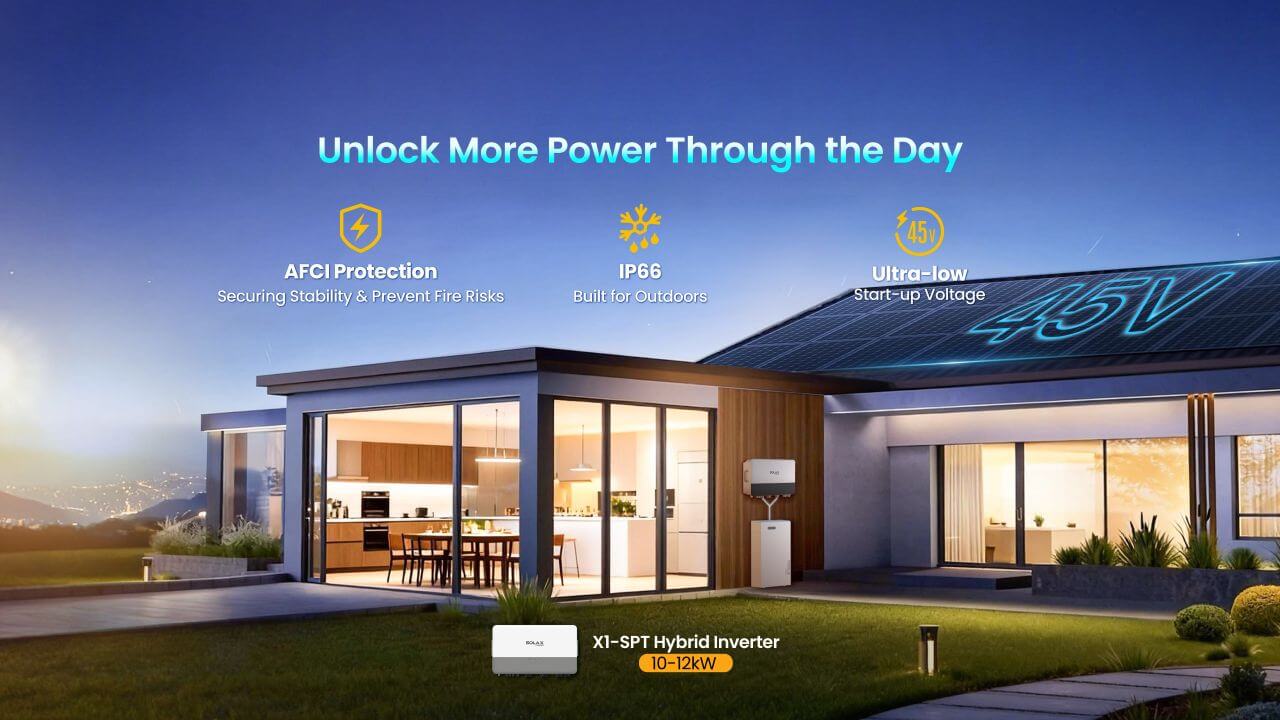
Instead of sending most excess solar energy to the grid, hybrid solar systems store that energy in batteries for later use. This allows households to continue using solar power in the evening or during peak electricity price periods.
In regions where electricity prices fluctuate or where grid reliability is not always guaranteed, this makes a significant difference. Homeowners can rely more on their own energy and less on the grid.
For installers, hybrid solar systems also provide more flexibility when designing residential projects. Systems can be sized and expanded based on the home's energy demand rather than relying only on grid export rules.
Why Energy Storage Matters in Latin America
Energy storage is becoming an increasingly important part of residential solar systems across Latin America, and it is one of the main reasons homeowners are choosing hybrid solar inverters instead of traditional grid-tied inverters.
In some markets, electricity prices are rising and homeowners want to reduce long-term energy costs. In other areas, power outages remain a common concern. Both situations increase the value of having energy stored locally at home.
Battery storage allows households to keep using solar energy even when the grid is unavailable or when electricity prices are high. Instead of depending entirely on external supply, homeowners gain more control over how and when they use their energy.
This is one reason why hybrid inverters are becoming more popular across the region. They offer not only solar generation, but also flexibility and resilience in everyday energy use.
Three Typical Energy System Scenarios
Energy conditions across Latin America can vary significantly. Some urban areas have relatively stable grids, while other regions experience frequent outages. In rural areas, grid access may be limited or unreliable.
Because of this, residential solar systems increasingly rely on hybrid solar inverters that can support multiple operating modes.
X1-SPT is designed to support three common residential setups:
grid-tied hybrid solar systems
off-grid or generator-supported systems
microgrid-ready solar systems
1. Grid-Tied Hybrid Solar for Residential Homes
For many households, the starting point is a grid-connected hybrid solar system.
In this configuration, solar panels generate electricity during the day. The home uses this energy first, and any excess solar production can charge the battery.
Later in the evening, when solar generation decreases, the battery can supply power to the home. This helps reduce electricity imports from the grid and increases solar self-consumption.
If the grid goes down, the system can switch quickly into backup mode. Essential loads—or even the whole home—can continue running depending on the system configuration.
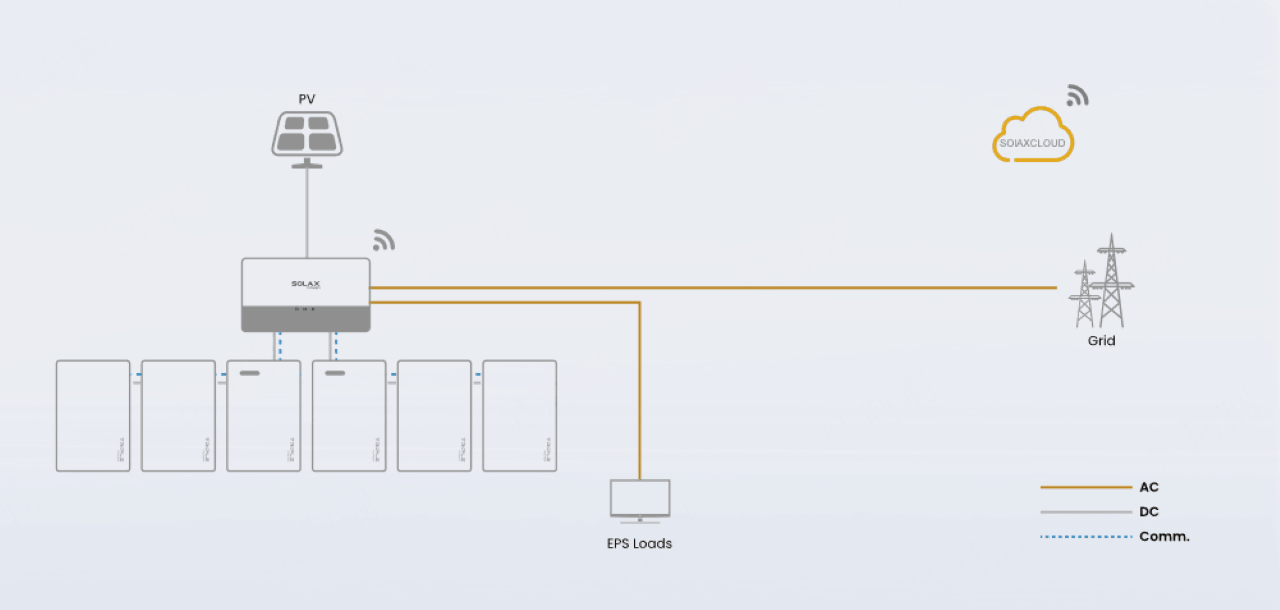
Because X1-SPT supports both 120 V and 240 V loads, it can power a wide range of household equipment such as air conditioners, water pumps, and kitchen appliances.
Another important advantage is expandability.
Home energy needs rarely stay the same. Families add appliances, cooling demand grows, and backup expectations may change over time.
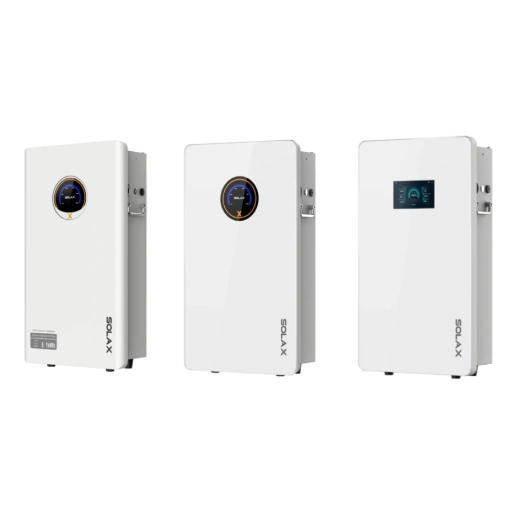
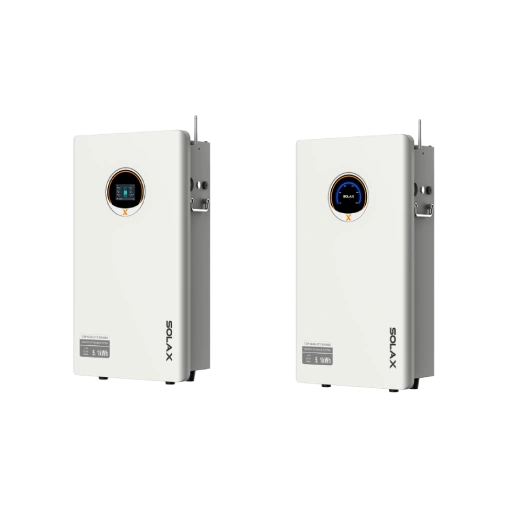
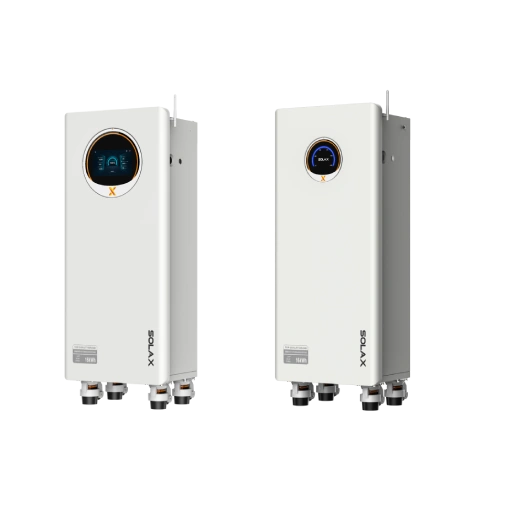
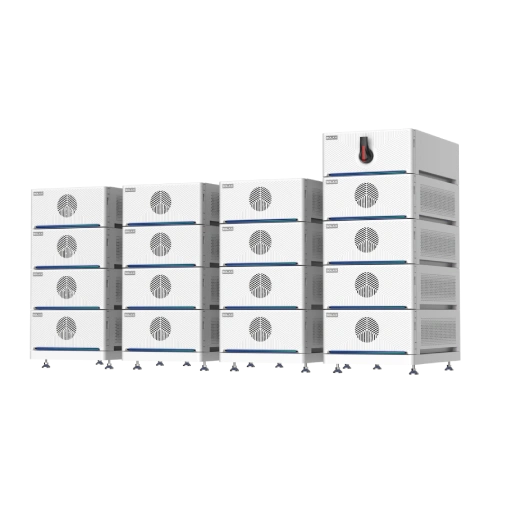
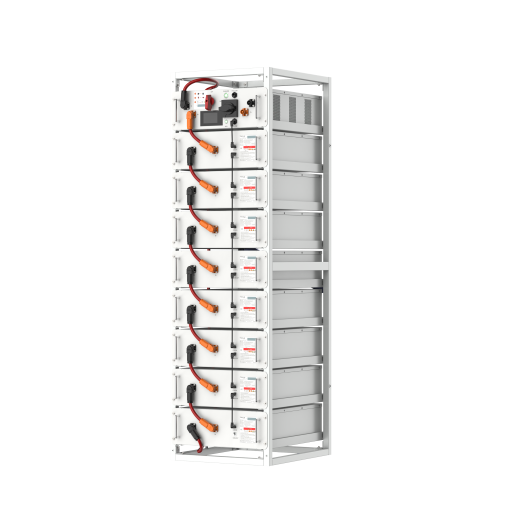
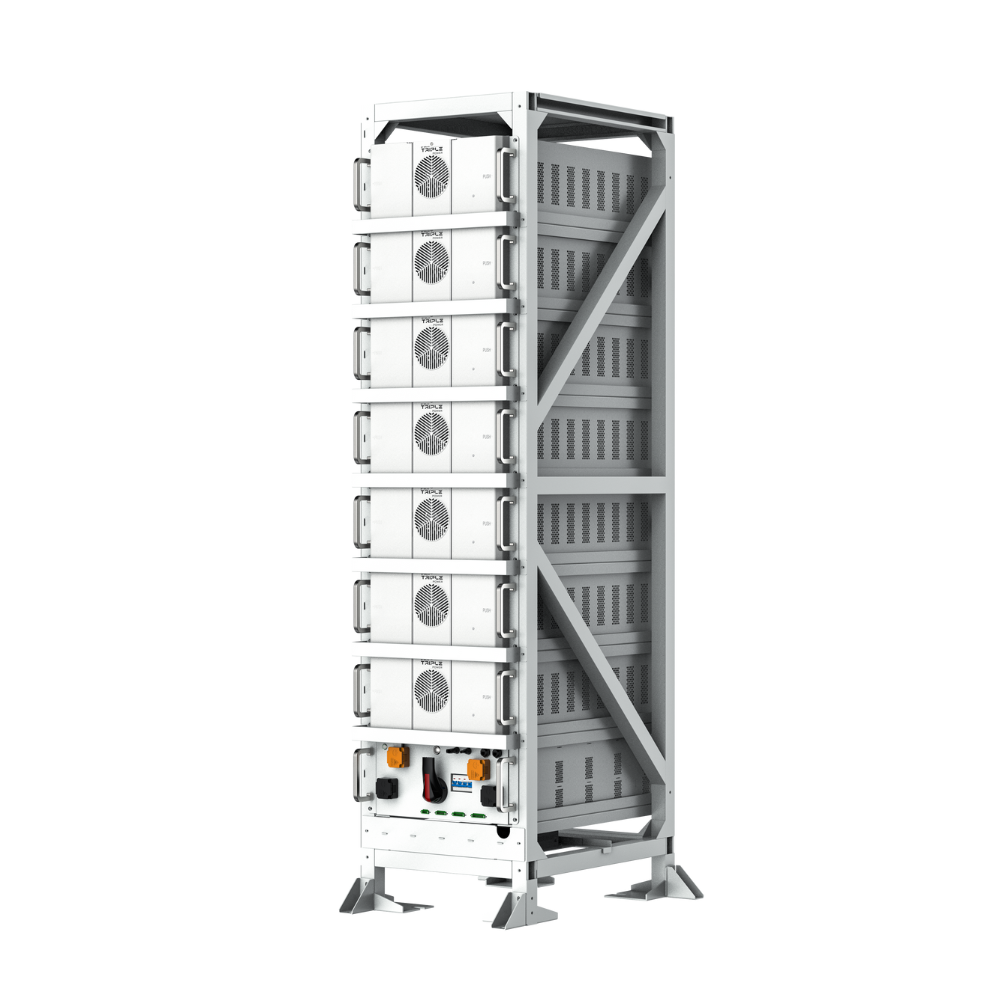
With dual battery ports, the system supports storage expansion from 5.8 kWh up to 34.8 kWh. This allows homeowners to start with a smaller system and expand later as their needs evolve.
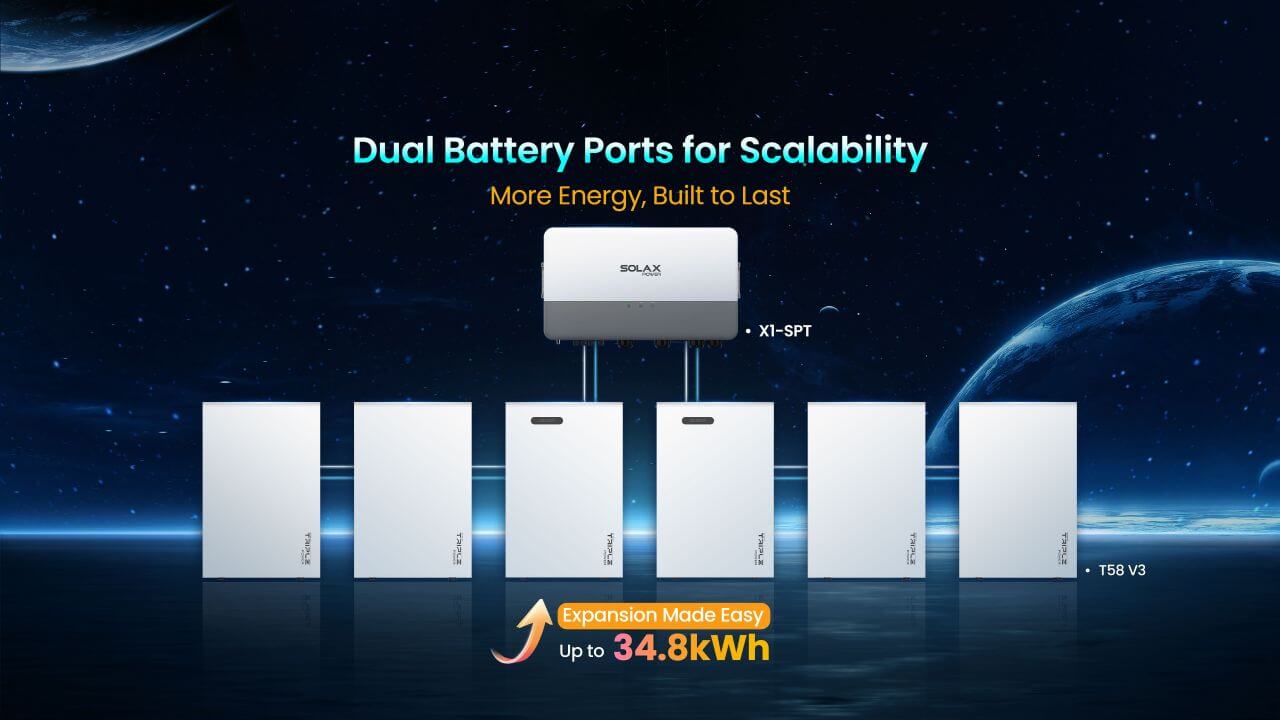
Instead of installing the largest system on day one, homeowners can build their energy system step by step.
2. Off-Grid and Generator Hybrid Systems
In some parts of Latin America, reliable grid access is not always available.
Remote locations and rural communities may experience frequent outages or weak grid infrastructure. In these situations, energy independence becomes much more important.
X1-SPT supports off-grid operation as well as generator integration.
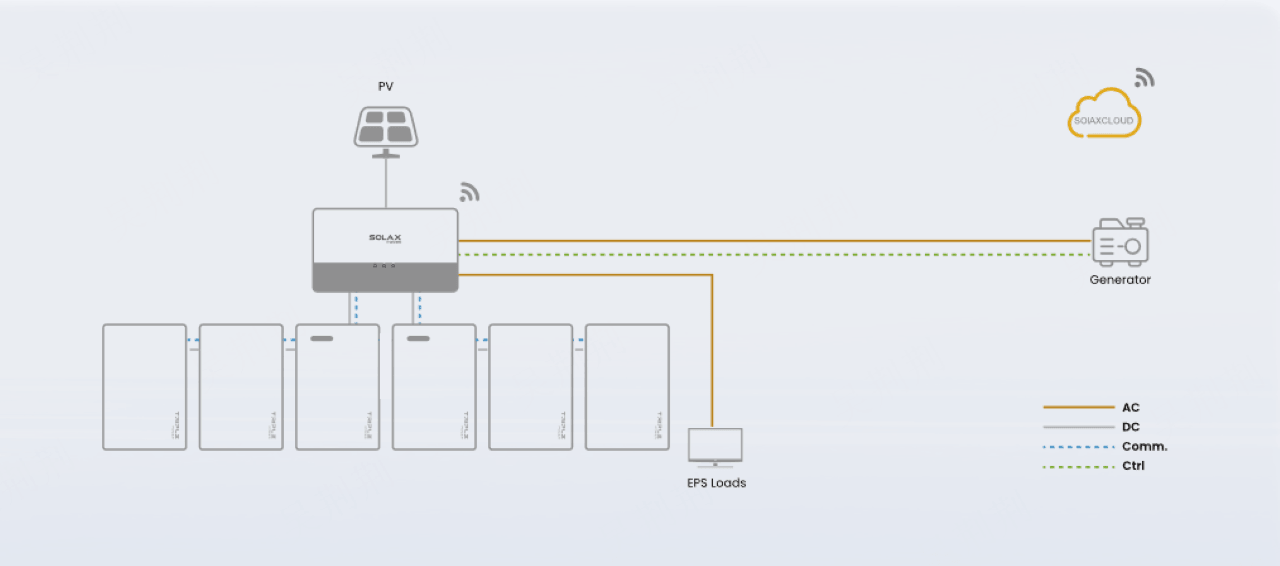
In a typical setup, solar panels power the home during the day while charging the battery. When solar production drops, the battery continues supplying electricity.
If additional energy is needed—for example during extended cloudy periods or heavy electricity use—a generator can provide additional power.
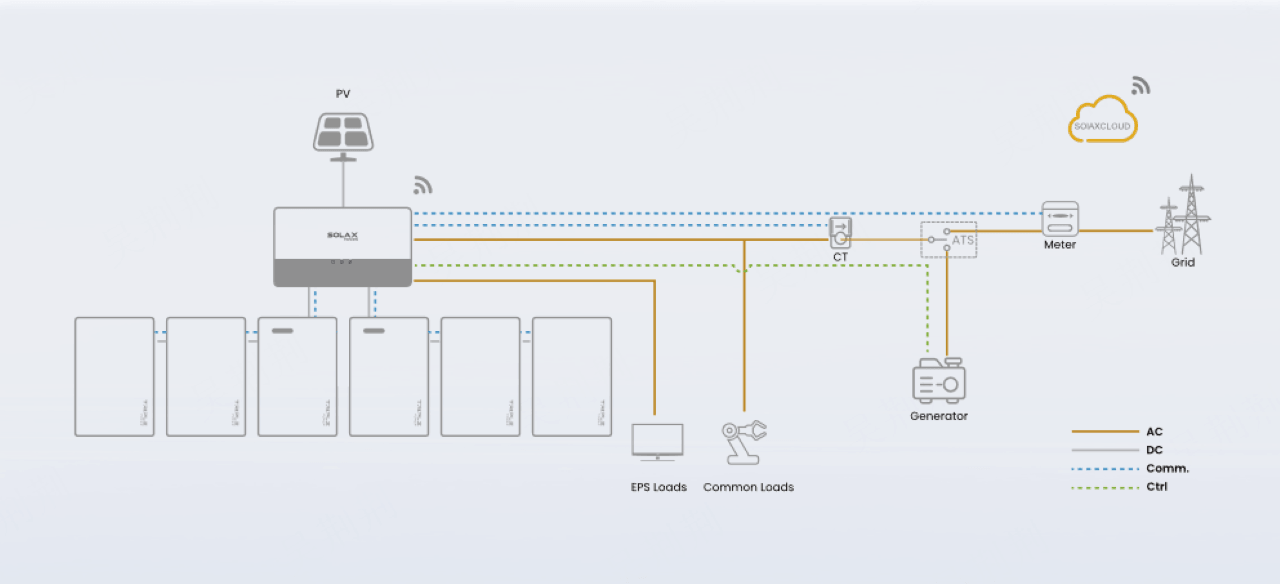
Compared with generator-only systems, this hybrid inverter configuration reduces fuel consumption and improves overall energy stability.
3. Microgrid-Ready Solar Systems
Another challenge in many Latin American markets is that solar systems often stop generating electricity during a grid outage.
Even if the sun is shining, traditional grid-tied systems may shut down for safety reasons.
X1-SPT is designed with microgrid-ready capability, which is a feature increasingly found in the best solar hybrid inverters available today.
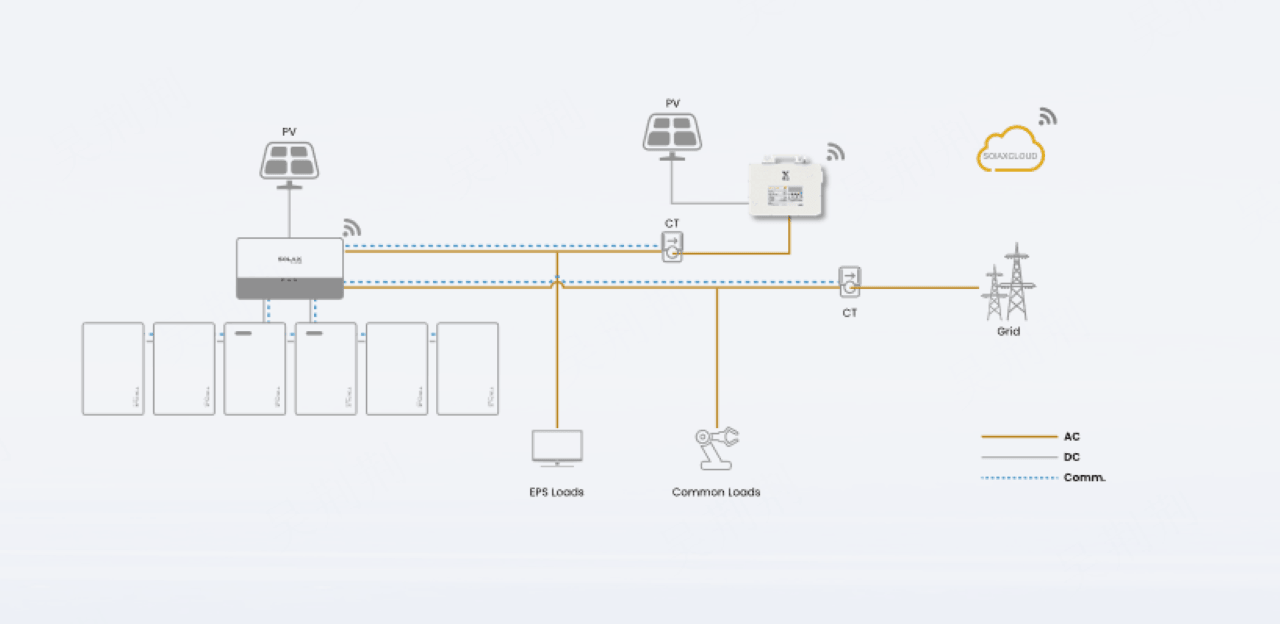
When the grid fails, the system can create a small independent energy network. Solar panels, battery storage, and household loads continue working together in island mode.
This allows solar generation to keep powering the home and charging the battery during an outage.
For homeowners, this means the solar energy on their roof continues working when it is needed most.
What This Means for Installers
Residential energy systems are becoming more complex.
Customers are no longer asking only about inverter size or panel numbers. They want systems that match the way their homes actually use electricity.
Flexible platforms like X1-SPT help installers design projects for different scenarios—grid-connected homes, off-grid locations, or hybrid systems that include generators.
The ability to expand storage later also makes it easier to offer solutions for different budgets.
Homeowners can start with a smaller system and upgrade over time, which helps installers deliver practical solutions for a wider range of customers using modern hybrid solar inverters.
What This Means for Homeowners
For homeowners, the role of solar energy is changing.
It is no longer only about generating electricity during the day. Instead, solar systems are becoming part of a broader home energy solution.
This includes:
lower electricity bills
reliable backup power during outages
the ability to store energy for later use
flexibility to expand the system as household needs grow
A hybrid solar system allows homeowners to use more of the energy they generate themselves and rely less on the grid.
For many families, this brings both economic benefits and greater peace of mind.
The Direction of the Next Residential Solar Market
The residential solar market in Latin America is expanding rapidly, but it is also becoming more sophisticated.
Homeowners are asking better questions. They are looking beyond installation cost and focusing more on reliability, flexibility, and long-term value.
Because of this, the next stage of home solar will not be defined by panels alone.
It will be shaped by smarter energy systems designed around how people actually live and use electricity. Solutions like X1-SPT represent the next generation of hybrid inverters designed for this shift.
FAQ
Table of Contents
Latest News
Explore expert insights, practical guides, and the latest news on SolaX Power.

To the Latest Newsletter
Stay Ahead with the Latest SolaX Updates!
Subscribe
I have read and agree to Privacy Policy and User Terms