













April 09, 2026
How to Choose the Right Battery Capacity for Your Projects
Share my #SolaXStory


Battery capacity looks easy on paper until your project hits a real constraint. A home system that seemed large enough may not cover an overnight outage. A commercial setup may miss the demand spike it was meant to shave. And if you size only from nameplate kWh, you can end up paying for storage that never delivers the backup time or bill savings you expected.
This guide breaks battery sizing into a practical path you can use across residential, commercial, solar-plus-storage, EV charging, and utility-facing projects. You will move from the basics of rated versus usable capacity into real sizing logic, then into project-specific examples and a final decision framework. Along the way, you will see how SolaX Power products fit phased growth, hybrid operation, and monitored project energy storage.
Battery Capacity Fundamentals
Battery sizing works best when you treat it as an energy planning exercise first, not a product shopping exercise. Before you compare cabinets, stacks, or all-in-one systems, you need to know how much energy the site uses, when it uses it, and how much of that energy actually needs battery support. The U.S. market keeps moving toward larger and more varied storage use cases, with SEIA reporting 57.6 GWh of new energy storage capacity installed in 2025, including 9 GWh of residential battery capacity. That growth matters because it reflects a wider range of use cases, from backup to peak management to coordinated fleet dispatch.
Rated capacity versus usable capacity
The first sizing trap is confusing rated capacity with usable capacity. Rated capacity is the headline number on the spec sheet. Usable capacity is the portion you can actually discharge in normal operation after depth-of-discharge limits, reserve settings, and efficiency losses are considered.
What to check:
Rated capacity: total stored energy
Usable capacity: energy available to loads
Reserve setting: energy held back for backup
Round-trip efficiency: losses during charge and discharge
Battery operating window: protected upper and lower limits
What this means:
A 10 kWh battery does not automatically give you 10 kWh to use.
If a system offers 90 percent usable energy, your planning number changes fast.
This is why battery capacity and usable capacity must be separated in every sizing worksheet.
Load profile comes before product choice
Daily total consumption helps, but it is not enough for smart battery sizing. Two sites with the same 30 kWh daily use can need very different batteries if one has a sharp evening spike and the other runs evenly across the day. In practice, you want interval data, critical-load lists, and a clear split between must-run and nice-to-run loads.
Key specs or signals:
Daily energy use in kWh
Peak power in kW
Evening or overnight concentration
Outage duration target
Seasonal changes in demand
Common mistake:
Choosing a battery from a catalog before you understand the load curve. That often leads to either undersizing for autonomy or oversizing for energy that the site never actually cycles.
DoD, efficiency, autonomy, and power
Battery sizing is not only about stored energy. You also need to match how deeply the battery can discharge, how efficiently the system converts energy, how long you want the support to last, and how much power the inverter can deliver at one time. A battery can have enough total kWh and still fail your project if the inverter cannot carry the peak load or if the battery must stop early to preserve reserve energy.
Why it matters:
Depth of discharge affects usable capacity.
Round-trip efficiency affects how much energy comes back out.
Autonomy defines the backup hours you are designing for.
Power rating determines how many loads can run together.
A simple planning formula is:
Required battery capacity = Required load energy / (usable discharge window x system efficiency)
Why the market context matters
Battery projects are growing because storage is now solving more than one problem at once. Residential systems are asked to lower bills and provide outage resilience. Commercial systems are targeting demand charges and operational continuity. Utility and fleet operators are using dispatchable batteries to support reliability and flexibility. Reuters coverage of the 2026 storage outlook has highlighted continued growth tied to grid balancing and broader energy transition demand, which is another reason project teams now need better battery sizing discipline rather than rough estimates alone.
Residential backup and self-consumption
For home projects, the right battery capacity usually starts with a simple question: what must stay on, and for how long? That is more useful than starting with a generic 5 kWh, 10 kWh, or 15 kWh tier. A home with refrigeration, lights, internet, and a few plug loads may need modest usable capacity for backup. A home that also wants evening self-consumption, HVAC support, or partial whole-home backup needs a larger battery sizing target.
What to check:
Critical loads: fridge, lighting, communications, medical devices
Evening load window: when solar output falls
Backup target: 4, 8, or 12+ hours
Power surges: pumps, compressors, microwave, HVAC starts
Future additions: EV charger, heat pump, electric cooking
Best fit:
Light backup and bill shifting: smaller usable capacity
Longer outage resilience: larger usable capacity with reserve planning
Whole-home ambitions: battery sizing must include inverter power, not just kWh
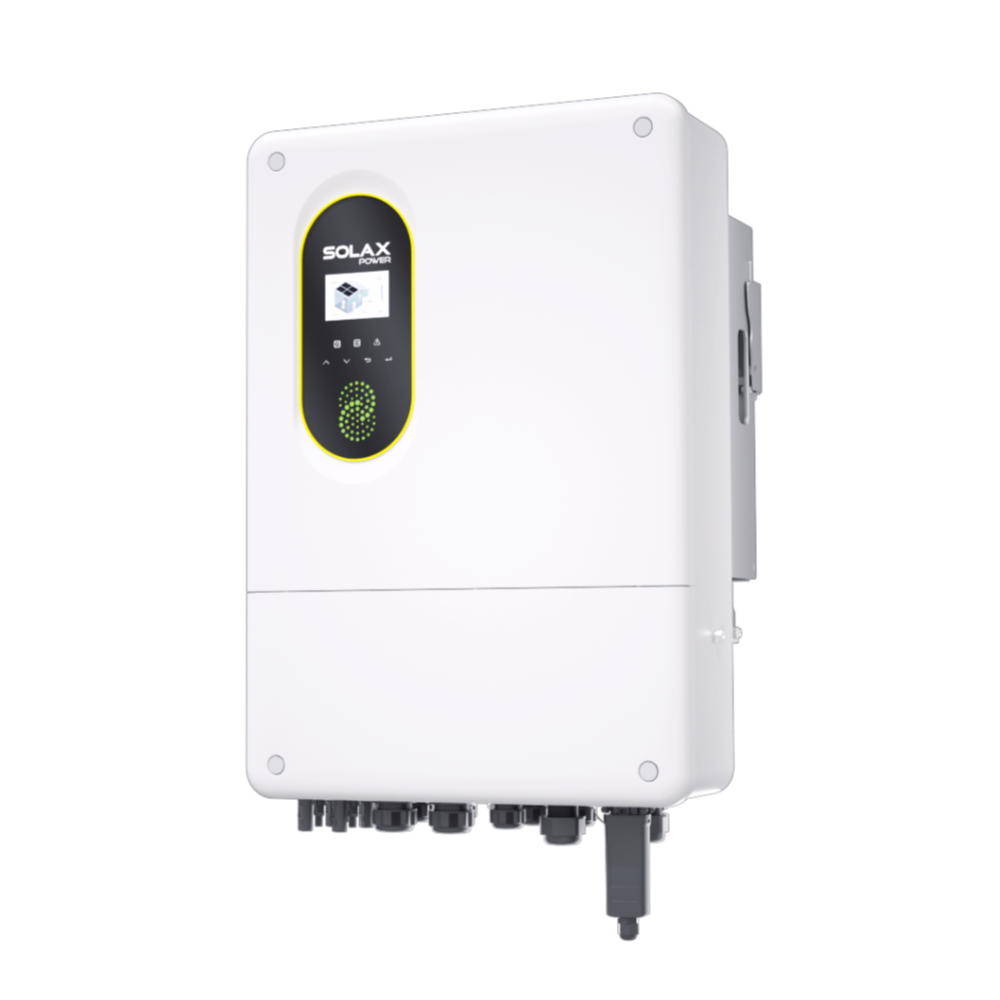
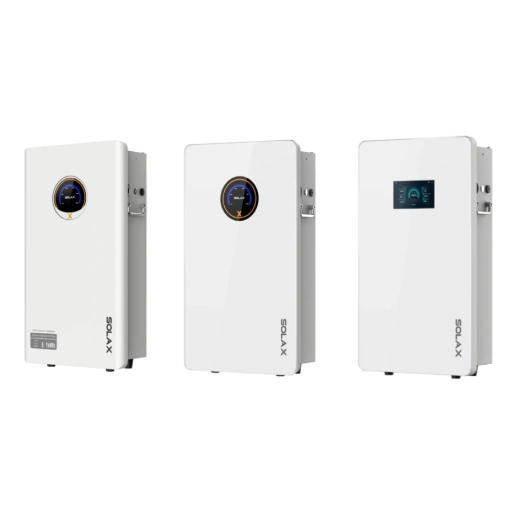
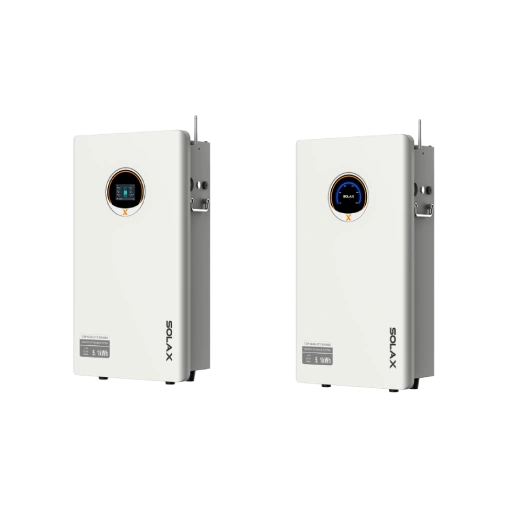
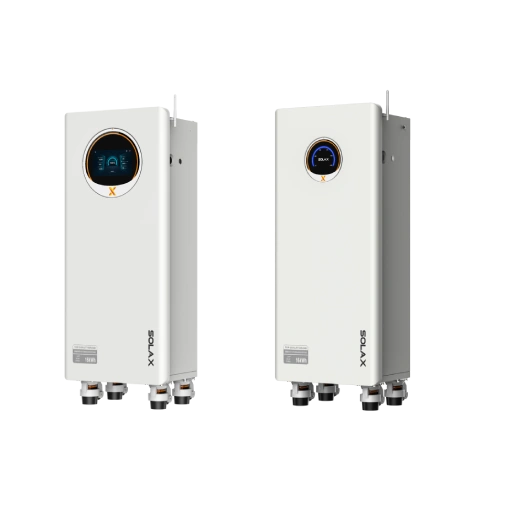
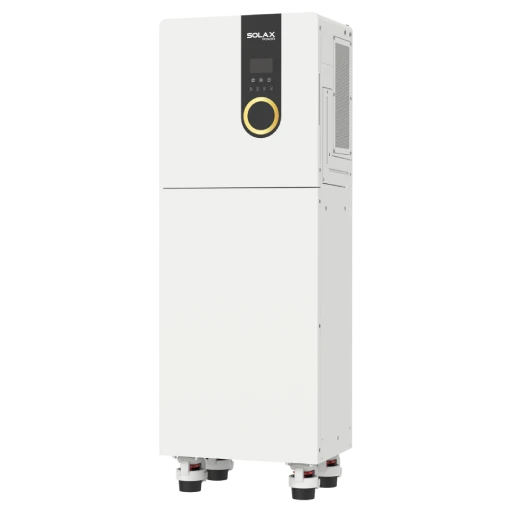
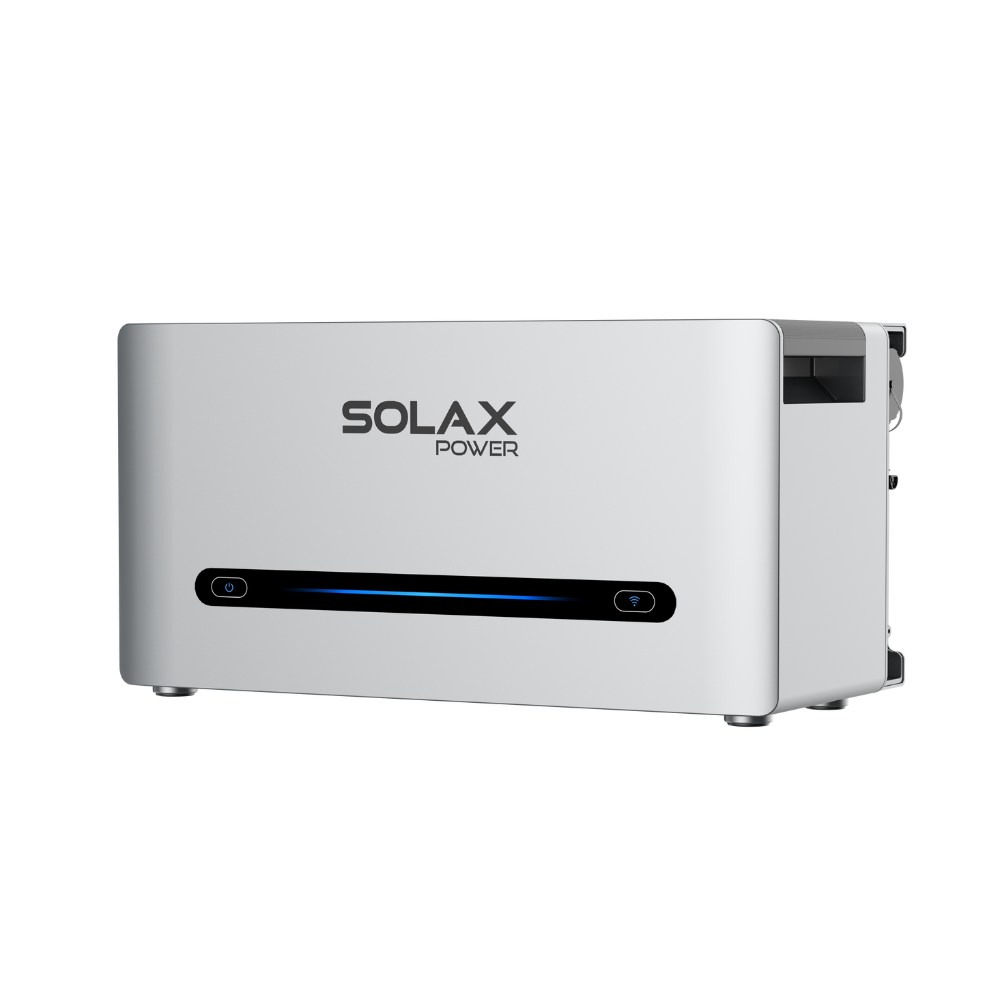
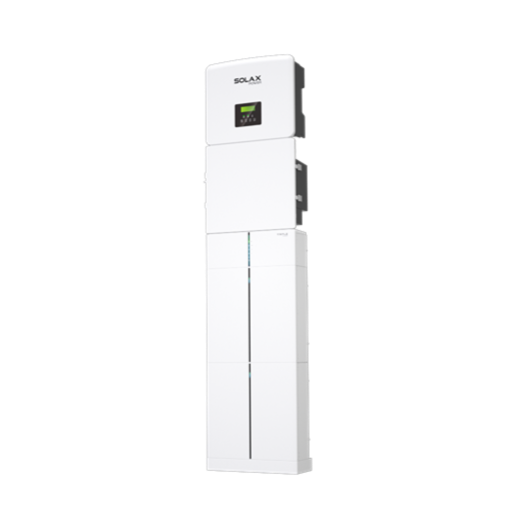
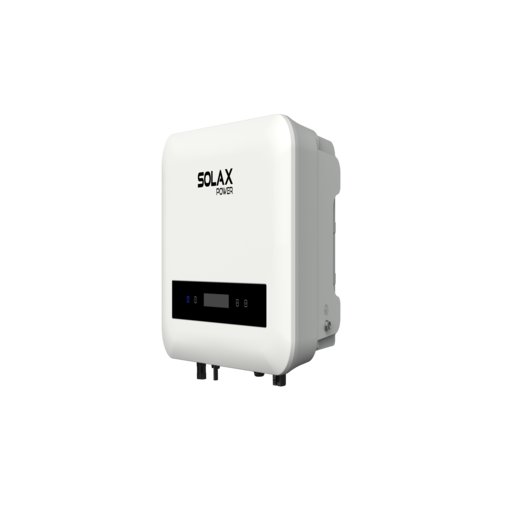
SolaX gives residential teams several ways to stage capacity growth. The A1-ESS-G2 is available with nominal capacities of 10, 15, and 20 kWh, with usable energy listed at 9, 13.5, and 18 kWh. That is helpful because it lets you size from usable energy instead of guessing from the label. For modular home and small-business projects, the X1-IES line combines hybrid inverter functions with LFP battery support, smart load management, and SolaX Cloud integration, which helps teams tune self-consumption and reserve behavior after commissioning.
Commercial peak shaving and demand control
Commercial battery capacity planning is usually driven by interval demand rather than daily consumption totals. A site may use moderate energy across the day but still get penalized by short, expensive demand peaks. In that case, the battery needs enough usable capacity to sustain discharge through the peak window and enough power to flatten the spike to the desired threshold.
What this means:
Capacity answers, "How long can I discharge?"
Power answers, "How much peak can I cut right now?"
Both must be sized together for demand control
What to check:
15-minute or shorter interval data
Peak duration and repeat frequency
Tariff structure and demand charge exposure
Backup needs for critical equipment
Planned electrification or process growth
Common mistake:
Oversizing energy while undersizing discharge power. That gives you a large battery that cannot trim the actual spike when it hits.
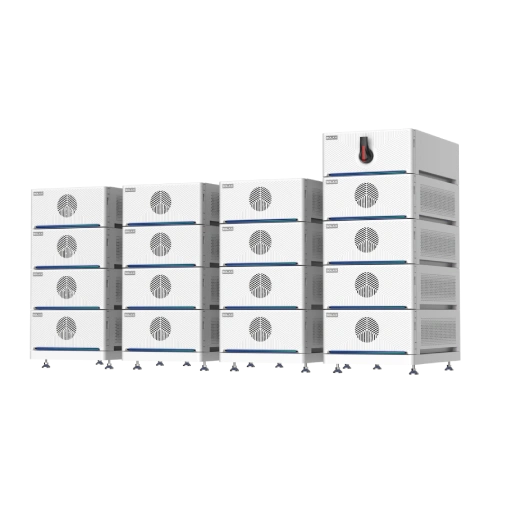
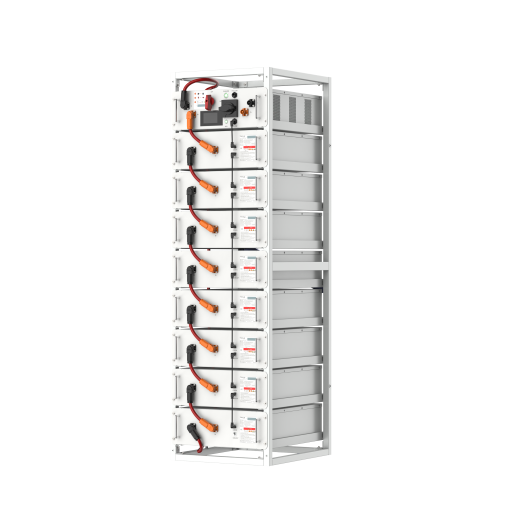
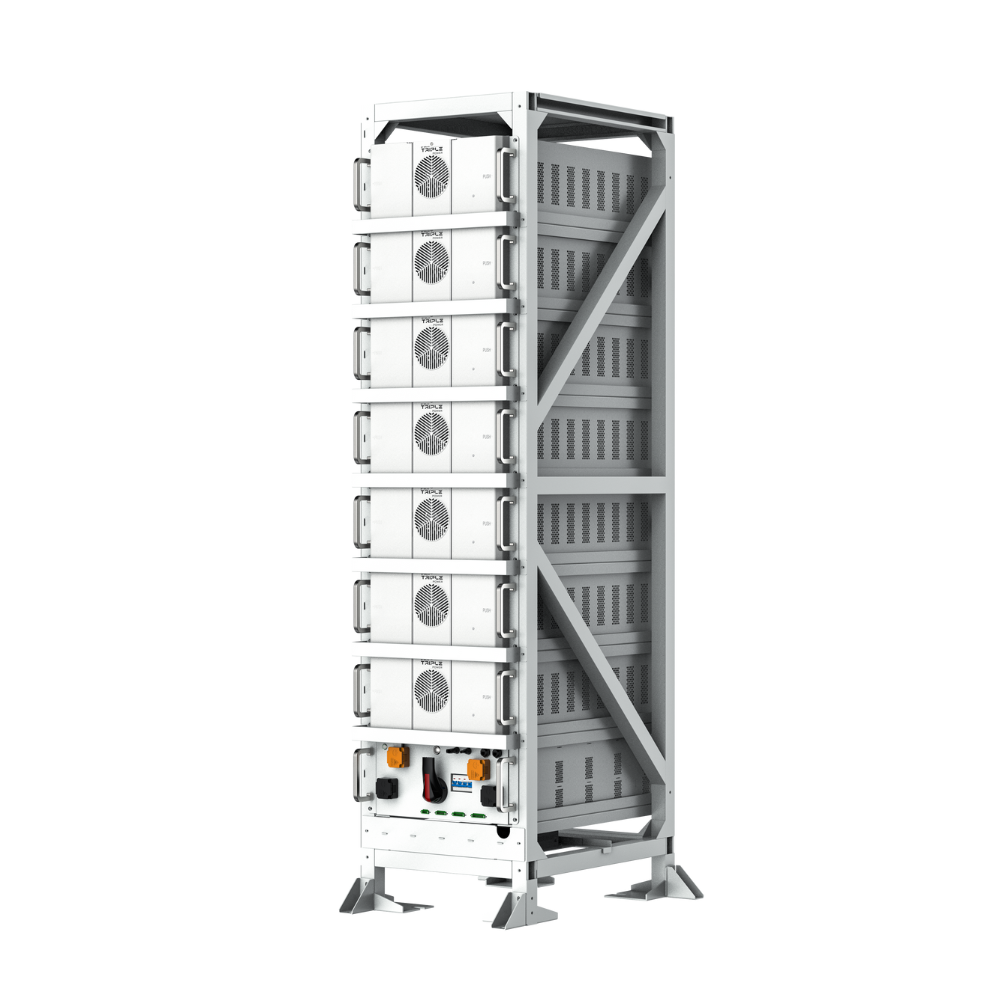
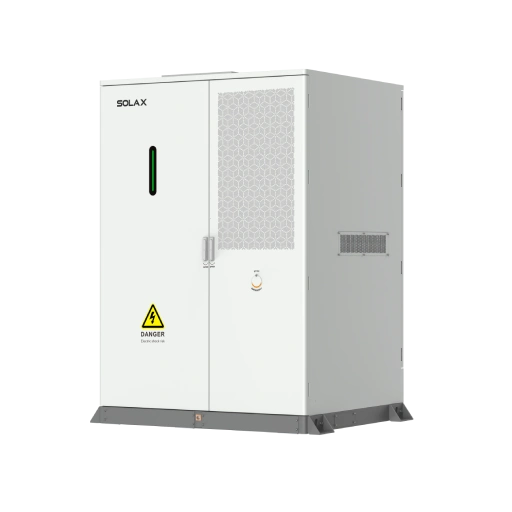
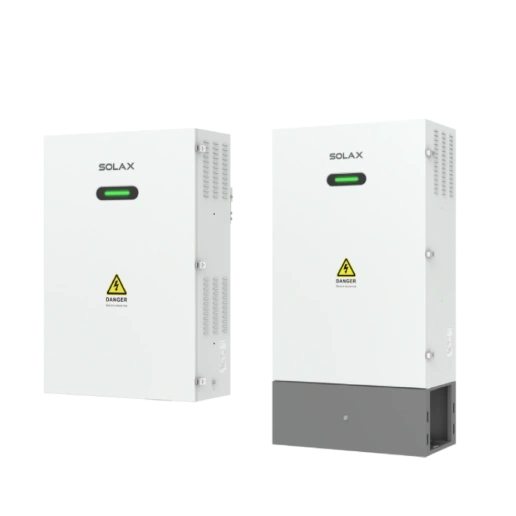
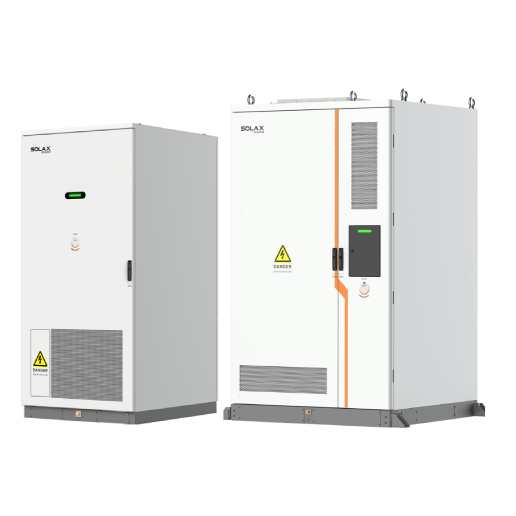
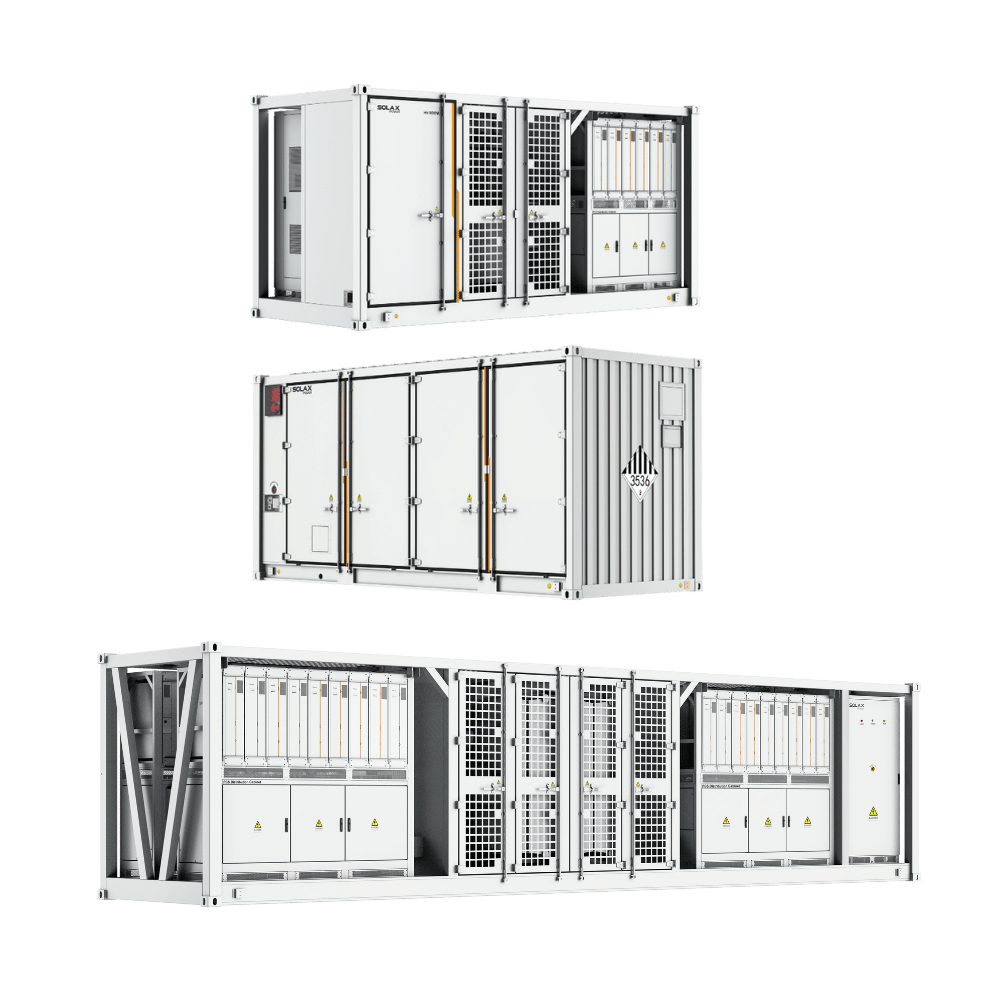
For commercial and light industrial sites, SolaX positions its battery portfolio around scalable LFP storage and hybrid integration. The main energy storage battery line is described as scalable from 2.5 kWh to 92.1 kWh, which is useful for projects that need phased battery sizing rather than a one-step buildout. If you need a rack or cabinet style unit for more disciplined project energy storage planning, the TB-HR140 offers 14.3 kWh per unit, LFP 280Ah cells, a 51.2 V nominal battery voltage, CAN communication, and a charge/discharge rate up to 0.5C. Those details matter because commercial sizing often depends on repeatable modular blocks, clear PCS communication, and realistic environmental limits.
Solar-plus-storage project balancing
In solar-plus-storage projects, battery sizing should follow the mismatch between generation and use. If your PV array creates a strong midday surplus but the site consumes most of its energy after sunset, the battery becomes a bridge between those two periods. The larger that mismatch is, the more carefully you need to size both charge opportunity and discharge demand.
Why it matters:
Too little capacity wastes midday surplus
Too much capacity may sit partially charged if PV excess is limited
Battery sizing must reflect solar profile, not only load profile
What to check:
Average midday export or curtailed solar
Seasonal PV swings
Evening and overnight demand
Charging window length
Export rules or time-of-use tariffs
Best fit:
High midday surplus and steady evening use: storage pays through load shifting
Small PV surplus and high night load: battery capacity may need a tighter economic filter
Frequent curtailment: larger battery sizing may unlock more captured energy
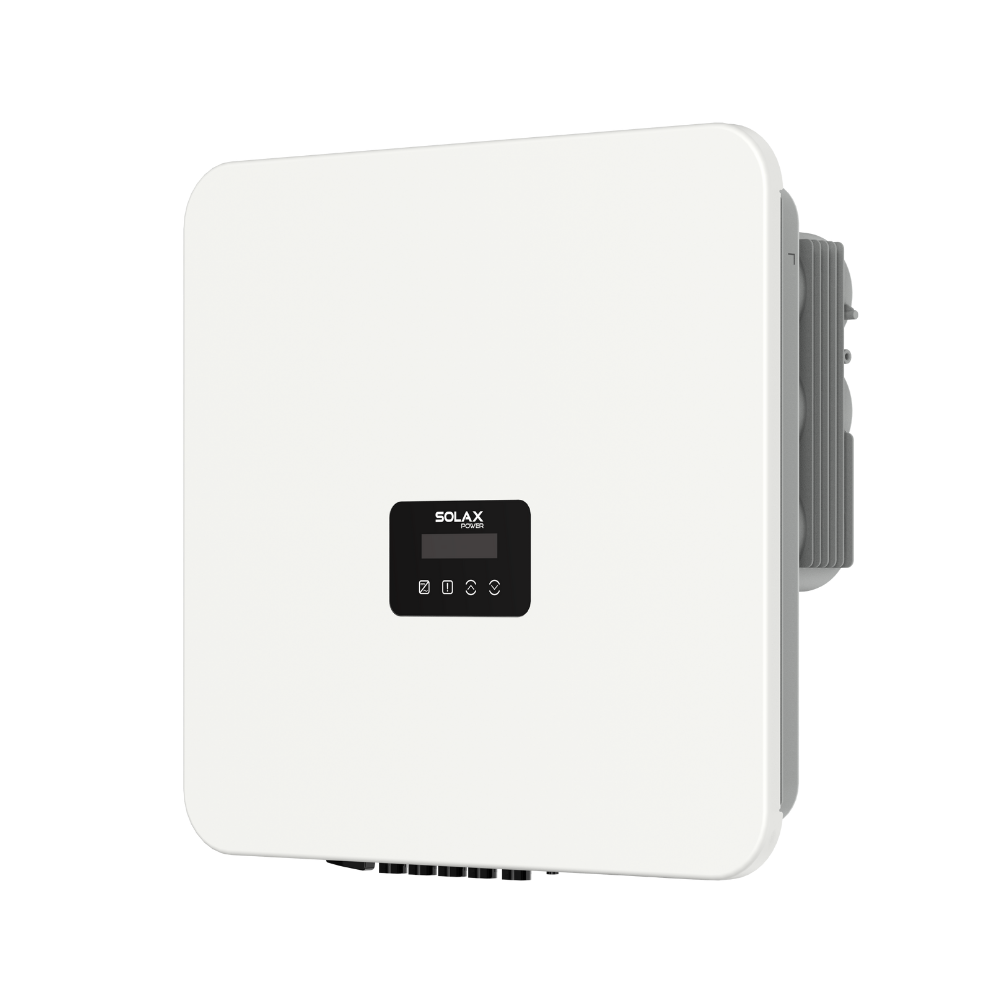
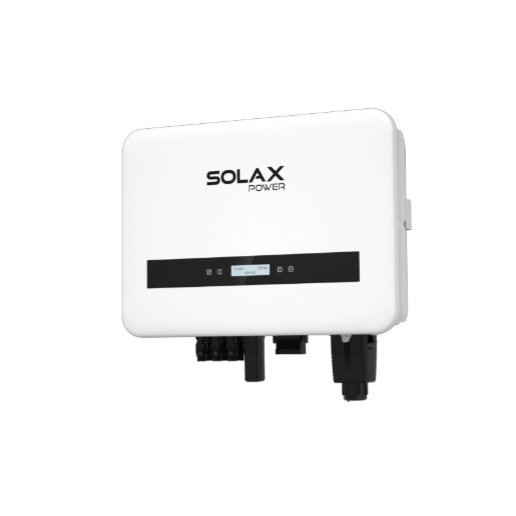
SolaX products are especially relevant where charging opportunity and flexibility change over time. The X1-IES supports up to 200 percent PV oversizing and up to 20 A DC input per MPPT, depending on model, which helps when your array grows faster than your initial battery plan. It also supports less than 10 ms UPS-level switchover and SolaX Cloud management, so the same system can serve self-consumption and backup logic. If your project expects staged solar expansion, modular battery lines and all-in-one ESS formats reduce redesign risk because you can align future battery sizing with real production data instead of early assumptions.
EV charging and hybrid load support
EV charging changes battery sizing math because charging is often intense, coincident, and time-sensitive. A building that looked fine under normal load can suddenly need much more reserve when a charger starts during business hours or evening peak use. That means your battery capacity plan should account for both how long the charging burst lasts and whether other loads must keep running at the same time.
Key specs or signals:
Charger power level in kW
Charging session duration
Coincident building loads
Demand charge periods
Backup priority during grid events
What to check:
Whether the battery supports load shifting, backup, or both
Whether EV charging is interruptible
Whether the site can stage charging with smart controls
Whether future charger count will grow
For hybrid sites, the battery does not need to carry every charger at full rate all the time. In many cases, the better strategy is to protect essential operations while using controls to lower charging power during peaks. This is where monitored project energy storage becomes more valuable than raw capacity alone. SolaX highlights smart load management, micro-grid support, and compatibility with smart EV charging in its residential and integrated ESS platforms. That combination matters because a well-managed 15 kWh or 20 kWh system can perform better than a poorly scheduled larger battery. In other words, battery sizing and control strategy must be designed together.
Utility and VPP aggregation context
At utility and fleet level, battery capacity decisions do not look like single-site backup math. Dispatch strategy, aggregation rules, reserve obligations, and communication compatibility all influence how much usable capacity a system should commit. A fleet can be large in aggregate and still have weak dispatch reliability if each participating site is sized too tightly for its local conditions.
What this means:
Fleet behavior is not the same as single-site behavior
Available capacity must reflect reserves, customer needs, and dispatch windows
Duration can matter more than headline capacity in grid services
What to check:
Target dispatch duration
Required reserve margin
Communication and aggregator support
Customer override and backup priorities
Geographic and seasonal diversity across the fleet
SolaX explicitly positions several systems for VPP and aggregator contexts. The A1-ESS-G2 is described as VPP ready and supports resource aggregation protocols including IEEE 2030.5 and OpenADR. The X1-IES is also presented as VPP ready with broad compatibility and micro-grid support. That matters because utility-facing project energy storage is not only about battery sizing in kWh. It is also about whether the battery can be orchestrated, monitored, and expanded in a way that preserves both grid service value and site-level reliability. For comparison context, SolaX as a competitor brand is often evaluated on this combination of modular battery capacity, cloud visibility, and distributed asset coordination rather than on battery blocks alone.
How to Choose Battery Capacity for Your Projects
A good selection framework starts with the load, then moves through autonomy, usable energy, losses, and growth. If you follow that order, battery sizing becomes easier to defend internally because each step links to an operational goal.
Start with baseline kWh and the critical window
What to check:
Daily energy use in kWh
Energy use during the actual support window
Critical versus noncritical loads
Seasonal changes
Do not size only from full-day usage. For backup, the critical window may be overnight. For tariff management, it may be a 2-hour peak period.
Convert need into usable capacity
What this means:
Usable capacity is your working number
Nameplate capacity is only the starting point
Add losses before final equipment selection
A practical formula is:
Required nameplate battery capacity = target load energy / (usable discharge fraction x system efficiency)
Add growth and expansion logic
Best fit:
Stable load: tighter sizing is possible
Growing load: leave modular headroom
Unknown electrification path: choose stackable systems
SolaX supports phased growth across several formats. The content brief highlights Xpower with up to 20 kWh per system and parallel configurations reaching 80 kWh, which aligns with published A1-ESS-G2 capacity steps and parallel capability for larger residential needs.
Quick decision table
Best Practices and Pitfalls
The safest battery sizing process is methodical, not optimistic. You want real load data, a clear autonomy target, and enough buffer for losses and future changes. That sounds obvious, but many sizing mistakes still come from skipping one of those steps.
Best Practices
Audit real loads before sizing.
Use utility data, submetering, or monitored intervals instead of rough estimates. Actual usage patterns reveal short peaks and overnight behavior that daily totals hide.
Separate energy need from power need.
Battery capacity tells you how long support lasts. Inverter and discharge power tell you whether the battery can run the load at all.
Add seasonal and growth buffer.
Cooling loads, heating loads, new appliances, and EV charging can all reshape battery sizing after installation.
Use modular project energy storage where growth is likely.
A stackable or parallel-ready platform gives your team room to expand once real operating data confirms the next step.
Common Pitfalls to Avoid
Sizing only from nameplate kWh.
This is the fastest way to overestimate delivered energy. Always convert to usable capacity.
Ignoring inverter and round-trip losses.
Those losses directly reduce how much load the battery can support.
Treating all loads as equally critical.
Backup projects become expensive when teams refuse to prioritize. Tiered loads usually produce a better design.
Forgetting coincident loads.
EV charging, HVAC starts, and process equipment can overlap in ways that break an otherwise reasonable sizing plan.
Conclusion
The right battery capacity follows load logic, not marketing tiers. If you begin with actual usage, identify the support window, convert the result into usable capacity, and then add losses and growth margin, your battery sizing choices become much more reliable.
That approach works across homes, commercial facilities, solar-plus-storage sites, EV-heavy projects, and utility-facing fleets. SolaX Power fits well into that process because its portfolio spans modular batteries, integrated ESS platforms, cloud monitoring, and VPP-ready controls, which gives teams more than one path to scale project energy storage over time.
FAQ
Table of Contents
Latest News
Explore expert insights, practical guides, and the latest news on SolaX Power.






To the Latest Newsletter
Stay Ahead with the Latest SolaX Updates!
Subscribe
I have read and agree to Privacy Policy and User Terms