












April 13, 2026
Backup Power Options for Remote Cabins: 7 Batteries for Reliable Energy
Share my #SolaXStory


Tired of guessing which solar battery will actually keep your remote cabin running when the weather turns bad? A weak match can mean spoiled food, dead phone service, frozen pipes, and one more long drive just to reset your power system. That is why picking an inverter battery or energy storage system is not just about bigger numbers. It is about choosing the right fit for your real loads, your climate, and your backup expectations.
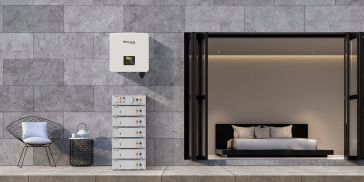
This list compares seven SolaX options that can support a smarter solar power system for remote cabins, from compact battery storage for home setups to all-in-one ESS platforms with hybrid inverter control.
The goal is simple: help you match battery capacity, output power, and expansion potential without overbuying. If you want a more reliable off grid solar system with smart energy management, start here.
7 Battery Picks for Remote Cabin Power
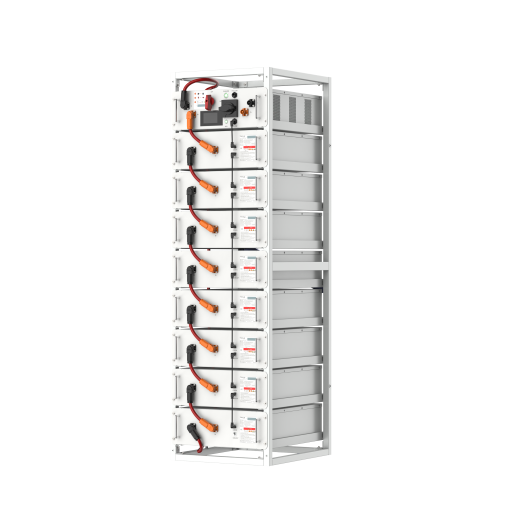
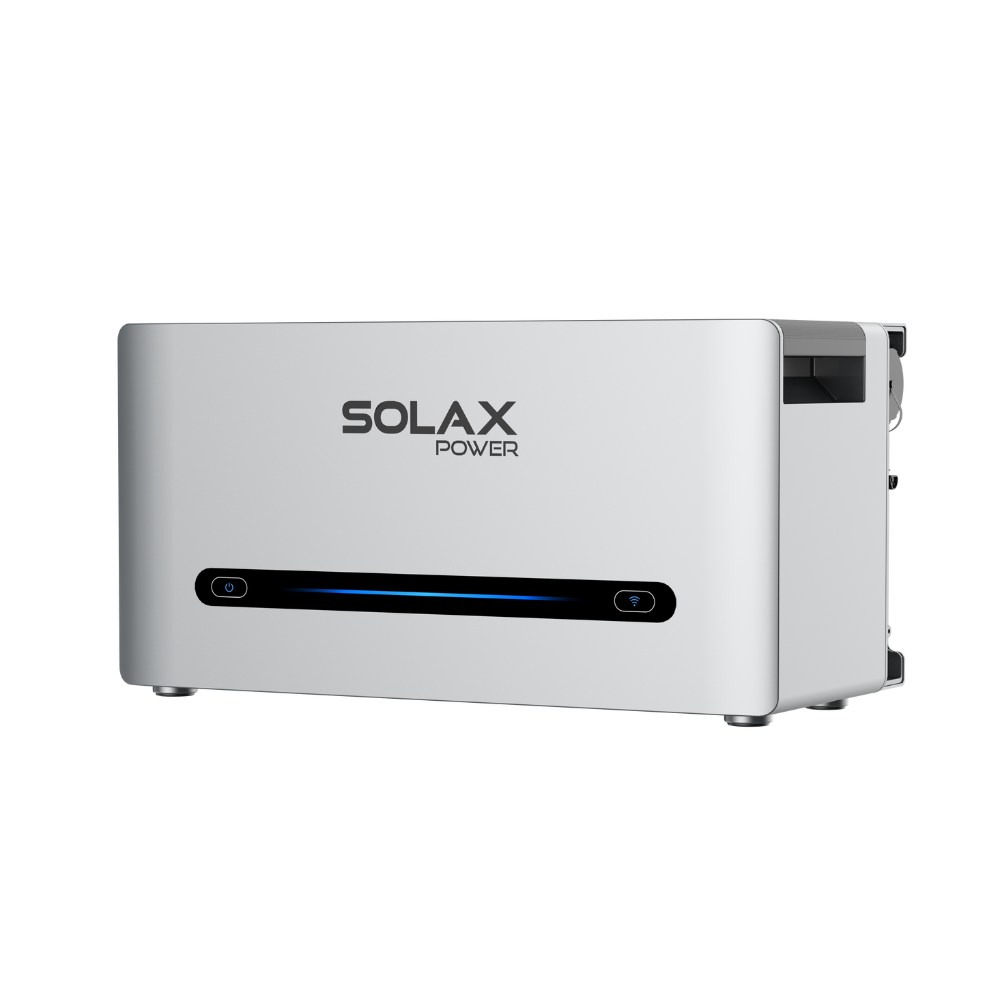
1. T-BAT H 3.0 V2
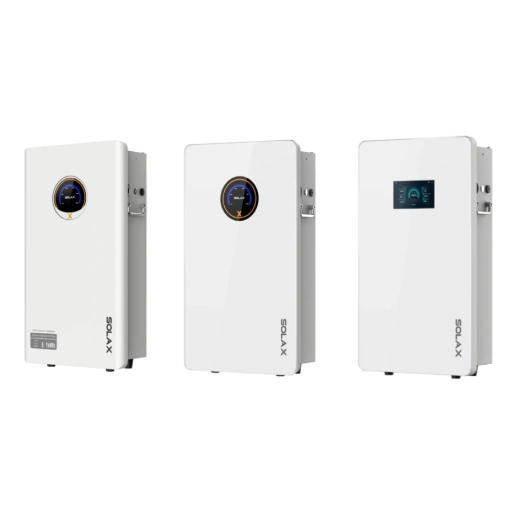
If your cabin has modest daily loads and you want a solar battery that stays easy to size, transport, and expand, this is the cleanest starting point. The full product name is SolaX T-BAT H 3.0 V2, and it gives you a 3.1 to 12.3 kWh modular range with safe LFP chemistry and an IP65 enclosure for indoor or outdoor placement. For a smaller solar energy system that mainly supports refrigeration, lighting, device charging, and light pump use, that range makes practical sense because you can start small and grow later instead of buying a large battery bank too early. It also supports remote diagnostics, upgrades, and low-temperature battery heating, which matters when your cabin sits far from the nearest installer.
T-BAT H 3.0 V2 for: Smaller cabins and seasonal use
What stands out: Modular sizing, LFP chemistry, IP65 rating
What to watch: Better for lighter power demand than workshop-style loads
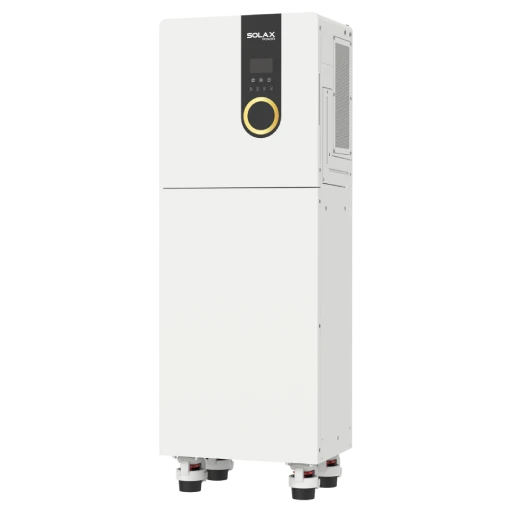
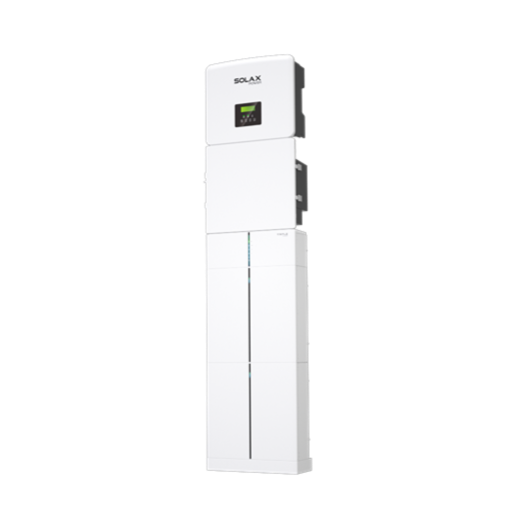
2. X-ESS G4
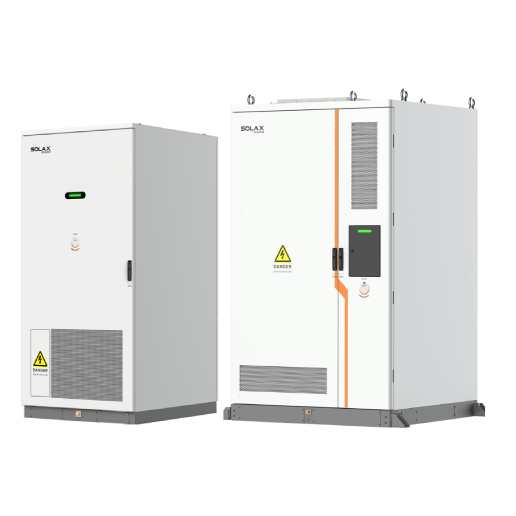
If you want a simpler solar inverter and battery package with fewer moving parts, X-ESS G4 is the easier pick. This all-in-one energy storage system is positioned at 3 to 7.5 kW with 3 to 12 kWh storage, and SolaX says one person can complete installation in about 30 minutes. That matters for remote cabins because cleaner installation often means fewer coordination issues between the battery, hybrid inverter, and monitoring layer. The platform also supports up to 200% PV oversizing, 110% AC output, EV charger compatibility, and heat pump compatibility, so it fits a cabin that may become a full-time property later. In plain terms, this system works well when you want dependable backup and a more integrated solar power battery storage layout instead of assembling each component separately.
X-ESS G4 for: Fast all-in-one backup builds
What stands out: Plug-and-play format, quick install, strong PV headroom
What to watch: Less modular than a battery-first path
3. X1-IES style single-phase setup
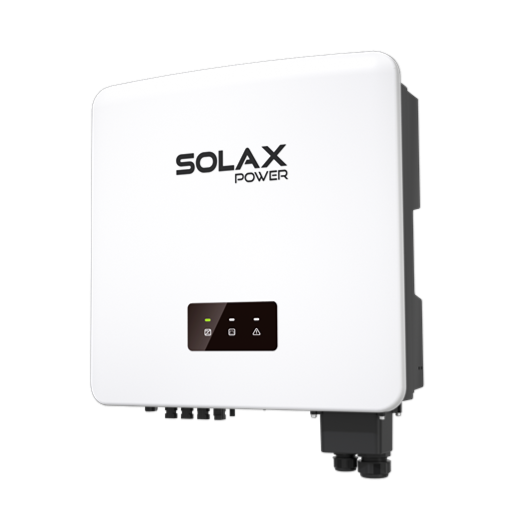
If your cabin runs on single-phase service and you want a compact energy storage solution with fewer separate boxes, the single-phase SolaX X1-IES approach is worth shortlisting. While the provided product pages emphasize the broader residential ESS family, the key appeal for cabin use is the same: integrated control, smart energy planning, and a cleaner path to backup power than a pieced-together system. In a remote site, that matters because troubleshooting a hybrid solar inverter, battery, and controls package is usually easier when the platform is designed to work as one stack.
For buyers comparing a classic inverter plus battery setup against an all-in-one solar energy storage system, this style makes sense when your loads are moderate but your expectations are not. You still need to size for your real overnight demand, yet the simplified architecture can reduce installation friction and help keep your solar power system easier to monitor from a distance through the SolaX smart energy ecosystem.
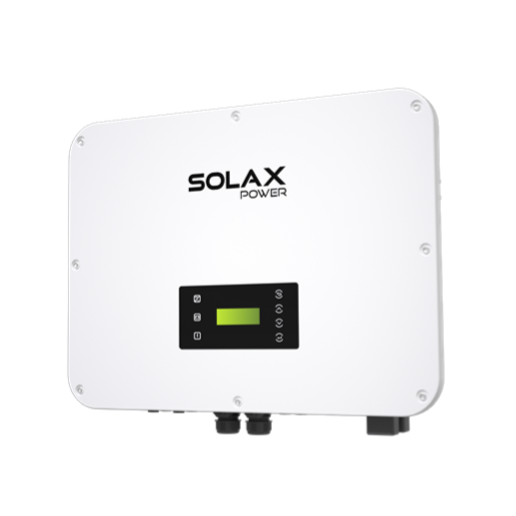
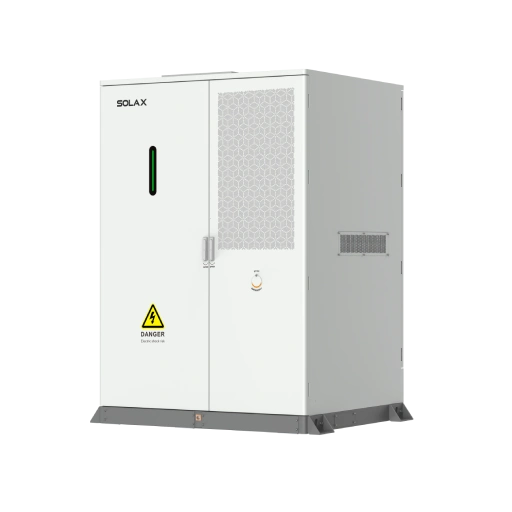
4. X3-IES-P
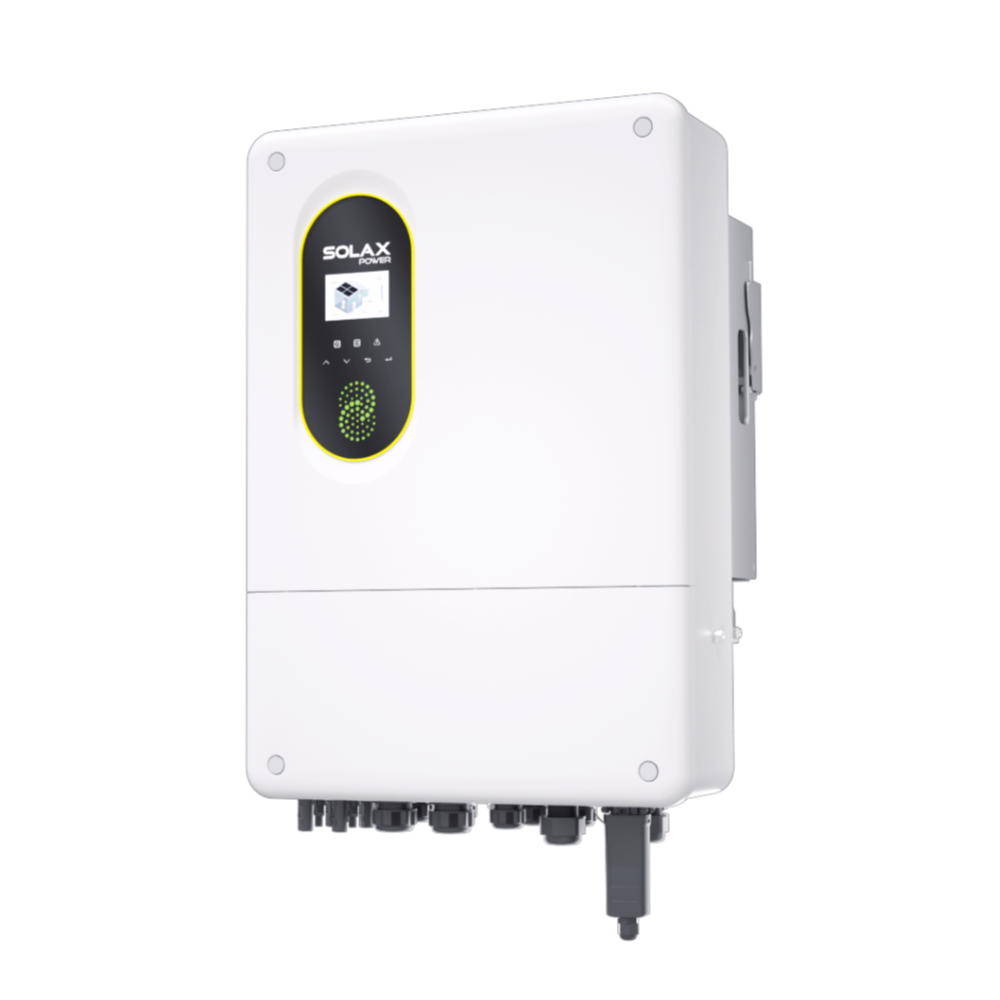
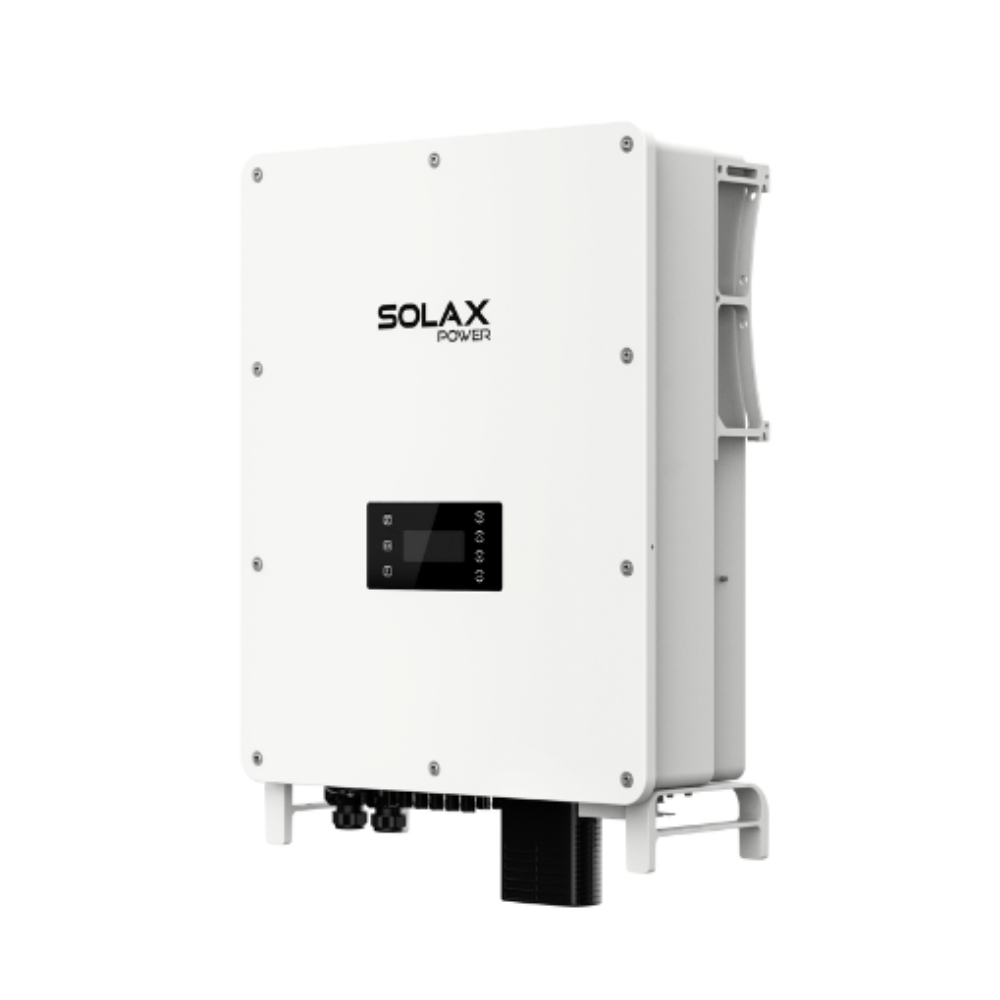
If your cabin behaves more like a full property, with larger pumps, heavier tools, or a dedicated workshop, the SolaX X3-IES-P is the stronger fit. This three-phase residential ESS spans 4 kW to 15 kW, supports up to 200% PV input power, and offers UPS-level switchover under 10 ms. It also carries IP66 protection and battery heating support, which helps in rough weather and mountain conditions. For remote cabins, that combination matters because high-output loads can expose weak inverter sizing very quickly, especially when several appliances start at once.
What makes this system appealing is not just raw output. It also supports smart scheduling, micro-grid support, remote monitoring, EV charger integration, and heat pump scenarios. So if your solar system may grow from basic backup into a bigger residential solar setup, this platform gives you more room than a compact cabin-only battery solution.
X3-IES-P for: Large cabins, shops, and multi-load properties
What stands out: Three-phase power, fast switchover, high PV headroom
What to watch: More system than a weekend cabin usually needs
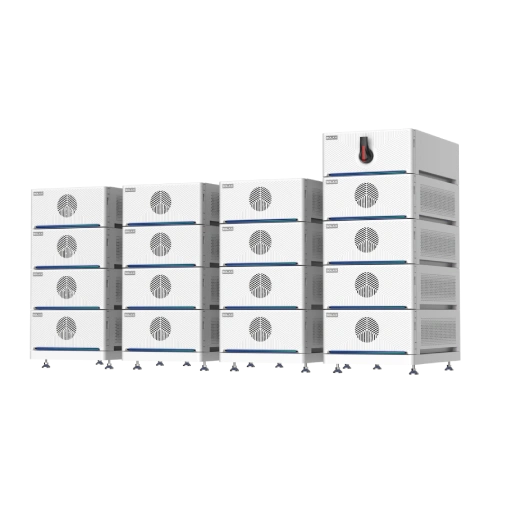
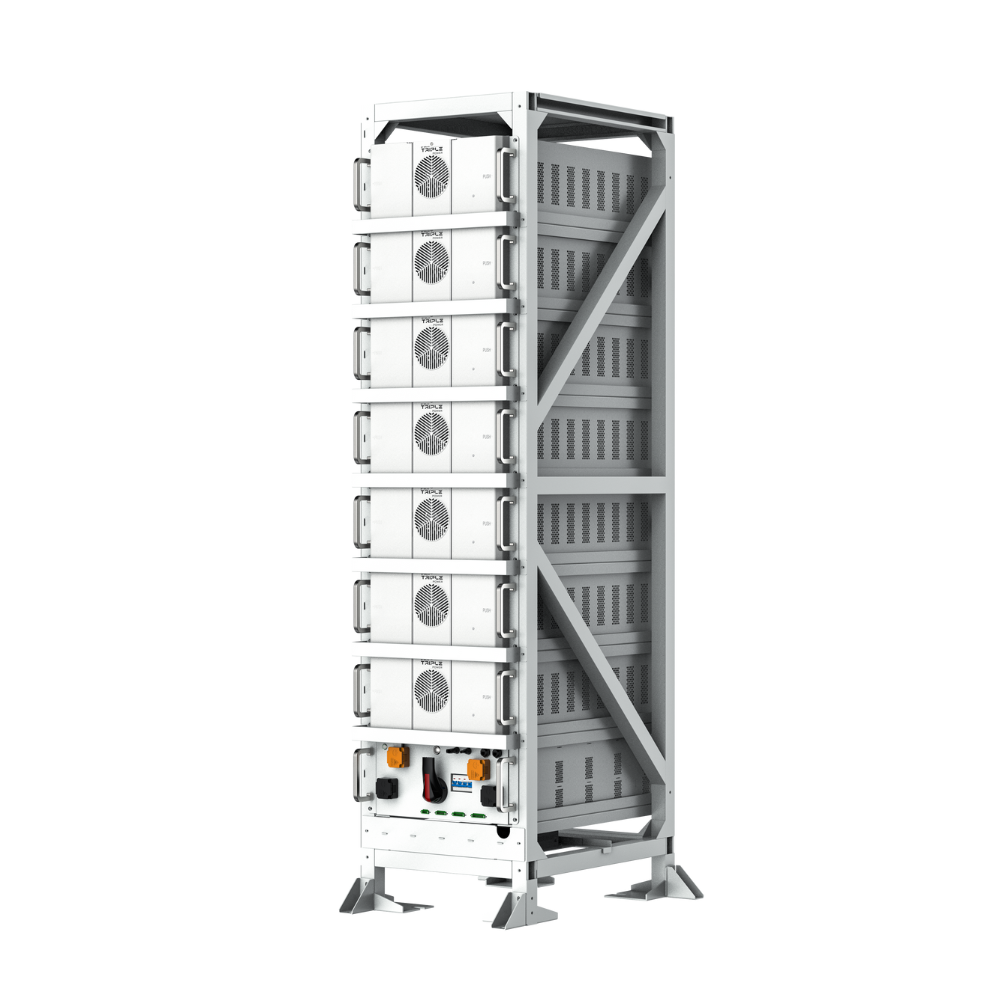
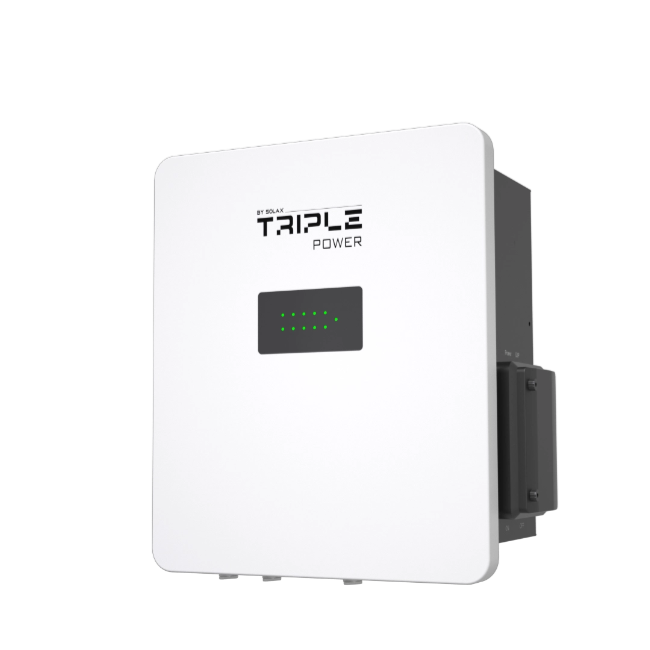
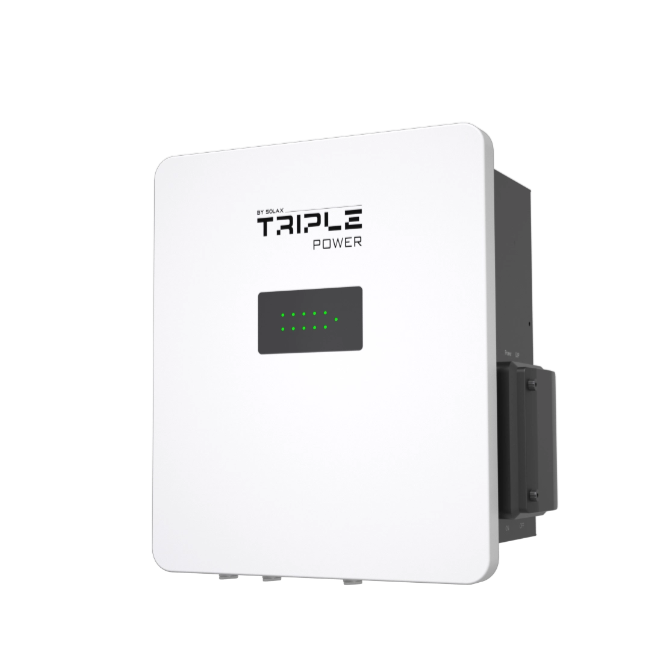
5. Triple Power S2.5
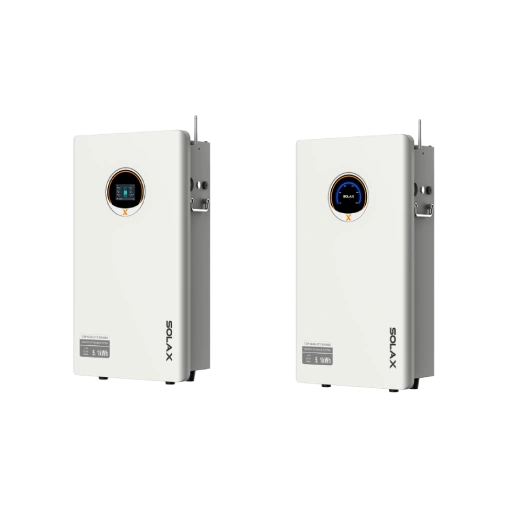
If you care most about flexible expansion, the SolaX T-BAT-SYS-S2.5 gives you a practical middle path. It offers a 5.1 to 33.2 kWh capacity range, up to 50 A charging and discharging current, and cycle life above 6000 times. That makes it useful for a cabin that starts with refrigeration, lighting, and communications, then later adds a well pump, mini-split, or bigger inverter load. It also includes LFP cells, IP65 protection, remote diagnosis, and unique battery heating for low-temperature operation.
In buying terms, this is a good pick when you do not want to lock yourself into one exact usage pattern. You can build around today's needs and keep a clear expansion path for a larger solar battery storage system later.
6. Triple Power S3.6
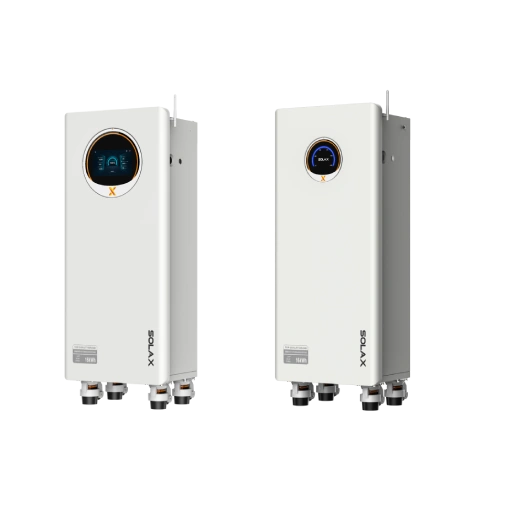
If your winter risk is high and you want more storage headroom from the start, the SolaX T-BAT-SYS-S3.6 deserves attention. It expands from 7.3 to 47.9 kWh, supports up to 50 A charging and discharging current, and is rated for more than 6000 cycles. Like the S2.5 family, it uses LFP chemistry, includes IP65 protection, and adds battery heating for low-temperature operation. That makes it a sensible fit for cabins in freezing climates where a battery solution must do more than just survive summer weekends.
The tradeoff is simple: more scale can mean more planning. Still, if your cabin includes cold-weather occupancy, water systems, or longer off-grid stretches, that extra room can make your solar battery system much more forgiving.
7. T-BAT H 5.8 V3
If you want a residential solar storage option that sits between small modular stacks and larger expandable platforms, T-BAT H 5.8 V3 is a sensible bridge. SolaX lists it at 5.8 to 34.6 kWh with LFP chemistry in the residential battery lineup, making it useful for cabins that already know they need more than entry-level storage but do not need a large three-phase ESS. It fits buyers who want a battery storage for home style platform with enough capacity for longer nights, shoulder-season weather swings, and future solar installation growth.
This pick is especially practical when your cabin use is no longer occasional. If the property is moving toward full-time occupancy, a larger inverter with battery for home planning path becomes easier when your battery platform already has real headroom.
How to Choose the Right Cabin Battery
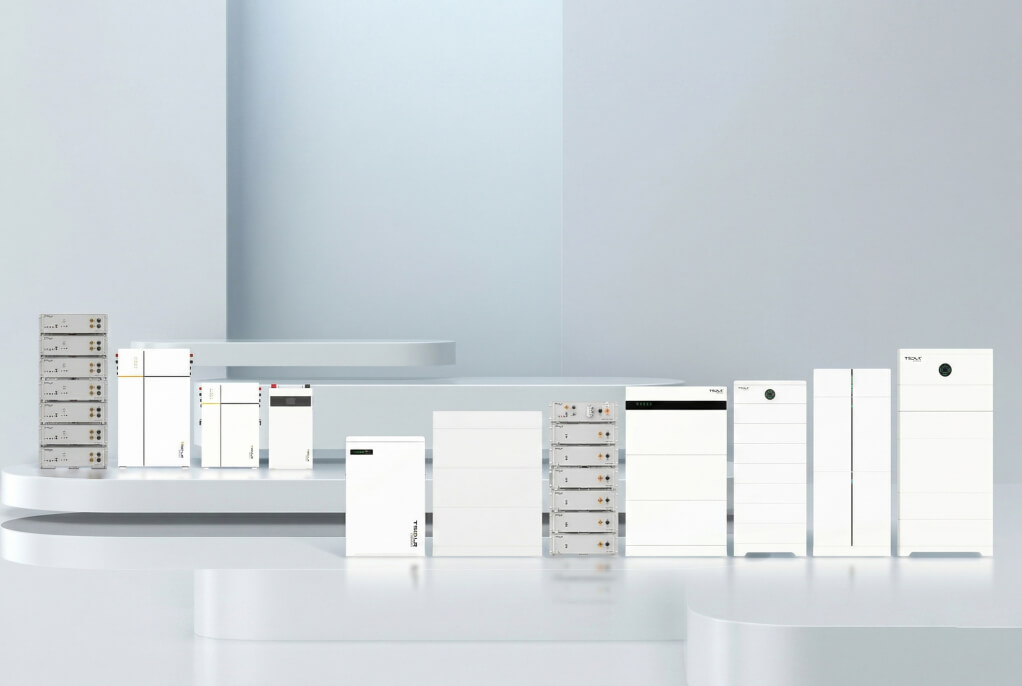
The best solar battery is the one that matches your must-run loads first. Start with refrigeration, lights, communications, water pressure, and any heating controls you cannot afford to lose. Then separate those from comfort loads like microwave use, workshop tools, or extra entertainment devices. NREL, off-grid residential storage may need up to several days of autonomy depending on design goals, which is why a remote cabin solar power system should be sized around real backup duration, not just nameplate battery capacity.
Next, make sure you understand the difference between kW and kWh. kW is output power, so it determines whether your inverter can start pumps, tools, or kitchen appliances. kWh is stored energy, so it determines how long your solar batteries can run those loads. The U.S. Department of Energy notes that battery storage can make surplus energy available during outages, but that only helps if both your power rating and energy capacity fit the cabin load profile.
Comparison Table
Pick | Best use case | Capacity or power | Main advantage | Trade-off |
T-BAT H 3.0 V2 | Small cabin | 3.1-12.3 kWh | Modular and IP65 | Limited heavy-load output |
X-ESS G4 | Easy ESS install | 3-7.5 kW, 3-12 kWh | Fast all-in-one setup | Less modular path |
X1-IES style setup | Single-phase cabin | Integrated ESS path | Cleaner system planning | Verify exact model fit |
X3-IES-P | Large property loads | 4-15 kW | Three-phase backup strength | Bigger than basic needs |
Triple Power S2.5 | Expansion planning | 5.1-33.2 kWh | 50A and 6000-plus cycles | More components to size |
Triple Power S3.6 | Cold climates | 7.3-47.9 kWh | Heating plus larger range | Higher system complexity |
T-BAT H 5.8 V3 | Full-time cabin use | 5.8-34.6 kWh | More storage headroom | May exceed seasonal needs |
Conclusion
If your remote cabin needs a simple solar battery for lighter daily loads, start with T-BAT H 3.0 V2. If you want a cleaner all-in-one energy storage system with hybrid inverter control, X-ESS G4 is the easier fit. And if your property includes workshop demand, larger pumps, or a path toward full residential solar systems, X3-IES-P and the larger Triple Power options give you more room to grow. SolaX stands out here because its lineup connects batteries, ESS hardware, solar inverter platforms, EV charging options, and smart energy management through one broader ecosystem.
FAQ
Table of Contents
Latest News
Explore expert insights, practical guides, and the latest news on SolaX Power.

To the Latest Newsletter
Stay Ahead with the Latest SolaX Updates!
Subscribe
I have read and agree to Privacy Policy and User Terms