












April 09, 2026
Load Shifting: The Ultimate Guide to Smart Energy Management
Share my #SolaXStory


Ever wondered why your electricity bill stays high despite switching to LED bulbs? The culprit isn't just how much power you use—it's when you use it.
According to the IEA's 2024 Electricity Market Report, global retail prices have fluctuated wildly as grids struggle with supply imbalances, causing peak-hour rates to soar far beyond off-peak costs. To escape this "peak-price trap," simple conservation is no longer enough.
You need Load Shifting: the strategy of moving energy consumption to times when electricity is cheaper and greener.
In this guide, we'll show you how to master load management systems and storage technology to slash your costs and finally take control of your energy future.
What is Load Shifting in Power Systems?
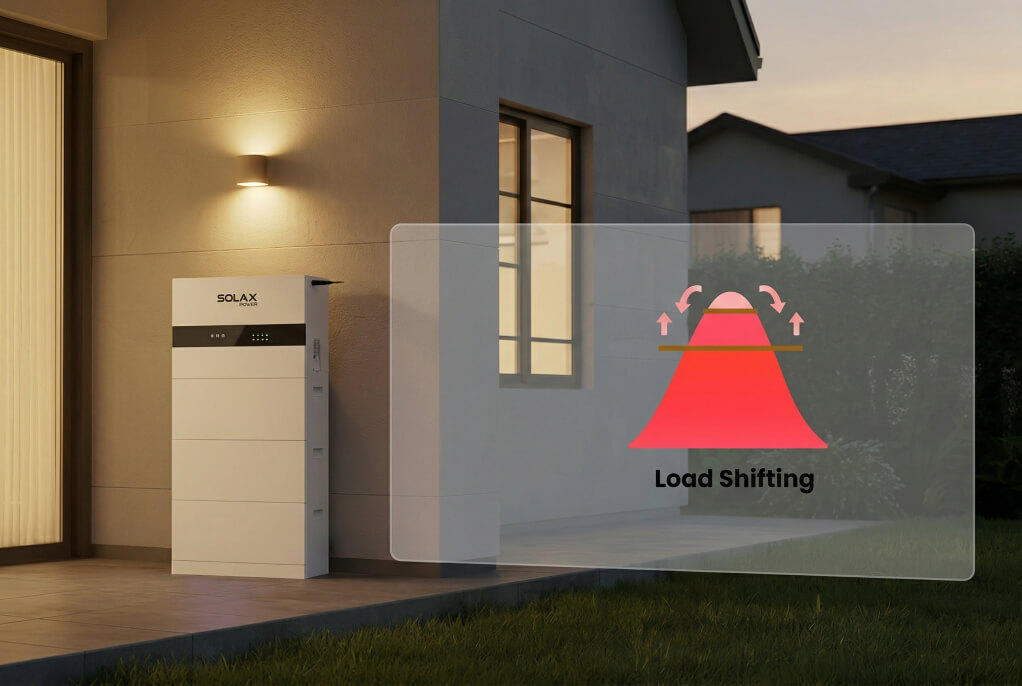
Load shifting electricity is the strategic redistribution of electricity demand across a 24-hour cycle. It involves moving flexible energy usage from "peak" periods—when electricity is most expensive and grid stress is highest—to "off-peak" windows where load shifting energy is cheaper, cleaner, and more abundant.
Common misconceptions (clarified)
To understand how this works in practice, it is important to clarify a few common misunderstandings about load shifting energy:
Load Shifting ≠ Reducing Total Consumption: Unlike energy efficiency (such as installing LEDs), which aims to use less total electricity, load shifting is entirely about the timing of that usage.
Focus on "When," Not "How Much": You may consume the exact same amount of kilowatt-hours (kWh) in a day, but by shifting when those hours occur, you can cut your costs by 30% or more.
Flexibility Over Conservation: Load shifting leverages flexible loads, like EV charging, dishwashers, or pool pumps, that can be scheduled without impacting your lifestyle or business output.
What Causes Load Shifting?
Load shifting happens when there's a strong reason (signal) and an ability (flexibility) to move electricity use from one time period to another. In power systems, the main causes are:
Time-varying electricity prices (economic signal)
Time-of-use (TOU), real-time pricing, demand charges, or wholesale-linked tariffs make peak-hour electricity more expensive, motivating customers to shift usage to off-peak hours.
Renewable generation patterns (clean-energy signal)
Solar peaks midday and wind may be stronger at night in many regions. When renewable output is high, electricity is often cheaper and lower-carbon—encouraging load shifting electricity consumption into those windows.
Grid constraints and peak demand (operational signal)
When the grid is stressed (evening peaks, heatwaves, congestion), utilities encourage shifting to reduce peak load and improve reliability—this is closely tied to peak load shifting.
Utility programs and incentives (market/program signal)
Demand response events, "solar sponge" midday incentives, rebates, or dynamic pricing programs explicitly reward customers for shifting load.
How Does Load Shifting Work?
Load shifting works by changing the timing of electricity use so more consumption happens when power is cheaper, cleaner, or less constrained, and less happens during peak hours.
Step 1: Identify peak vs off-peak periods
The system (utility tariff, energy app, or a load management system) determines when electricity is high-price/high-demand (peak) and low-price/high-renewable (off-peak). This can be based on time-of-use rates, real-time prices, or grid signals.
Step 2: Choose "shiftable" loads
You target loads that don't need to run immediately—e.g., EV charging, dishwashers, laundry, water heating, pool pumps, or HVAC pre-cooling/pre-heating. These are the easiest to move without affecting comfort or operations.
Step 3: Move consumption to off-peak hours (manual or automated)
Manual load shifting: use timers, delayed start functions, and habit changes (run appliances midday or overnight).
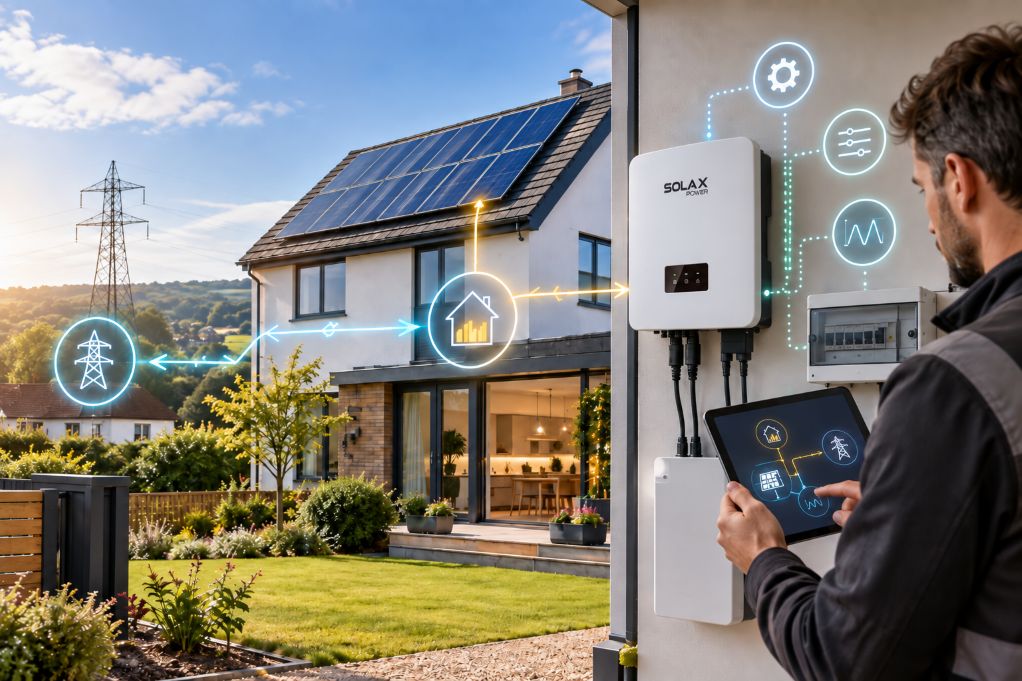
Automated load shifting (load shifting management): a load management system or smart home EMS schedules devices based on prices, solar output, or demand response events.
Step 4: Use energy storage
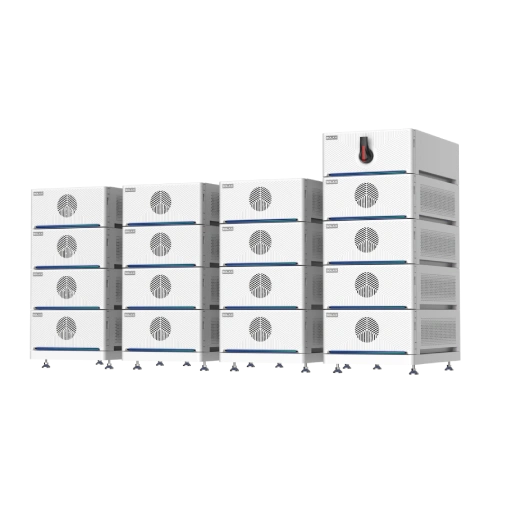
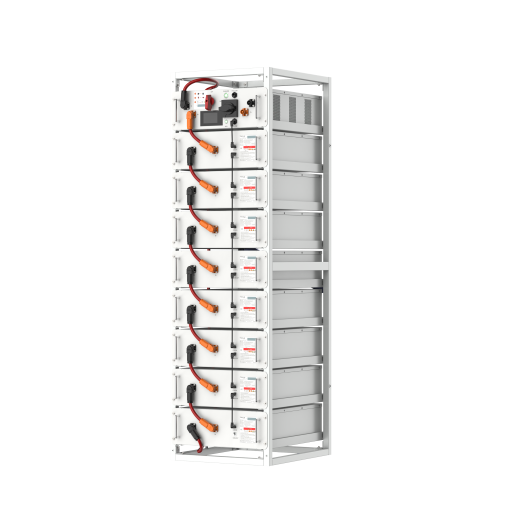
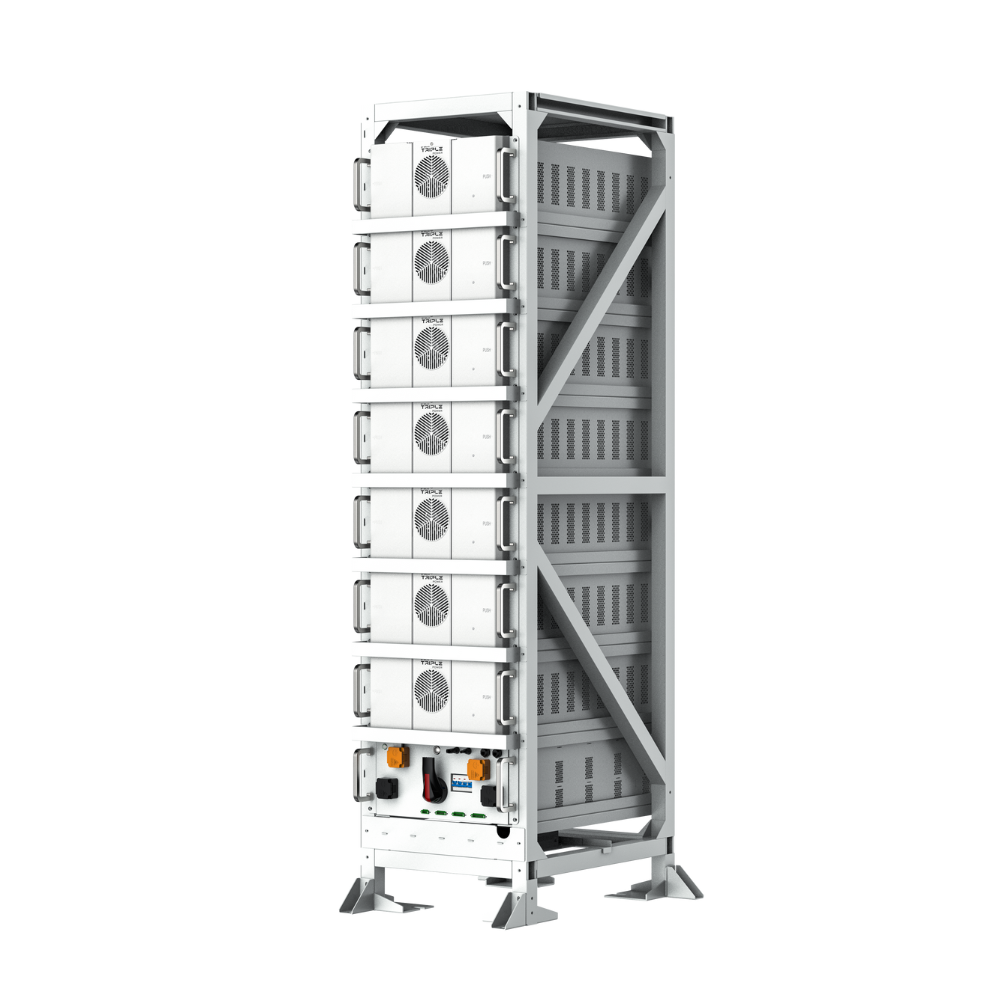
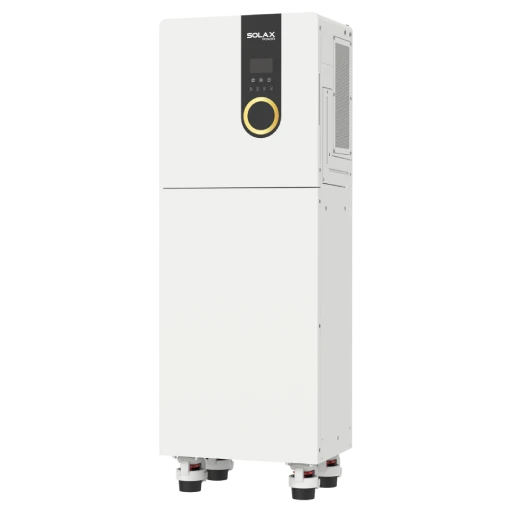
With a load shifting battery or load shifting BESS, you can:
Charge the battery during off-peak/low-price or high-solar periods
Discharge during peak hours
This is load shifting energy storage: it "moves" energy across time even if the appliance must run during peak hours.
Step 5: Measure results and refine
Track peak demand (kW), energy use (kWh) by time block, and bill changes. Over time, you adjust schedules or battery dispatch to maximize savings and reduce peak load shifting needs.
In one line: load shifting works by rescheduling flexible loads and/or using energy storage to avoid expensive peak electricity and consume more off-peak renewable power.
Peak Shaving vs Load Shifting: Key Differences
Peak Shaving: "Shaves" the highest demand during peak periods—typically by discharging a battery (BESS), using a generator, or curtailing non-critical loads to lower the site's maximum demand.
Load Shifting: "Shifts" flexible consumption to a different time window—moving demand from peak/high-price hours to off-peak/low-price (often cleaner) hours through scheduling or automation.
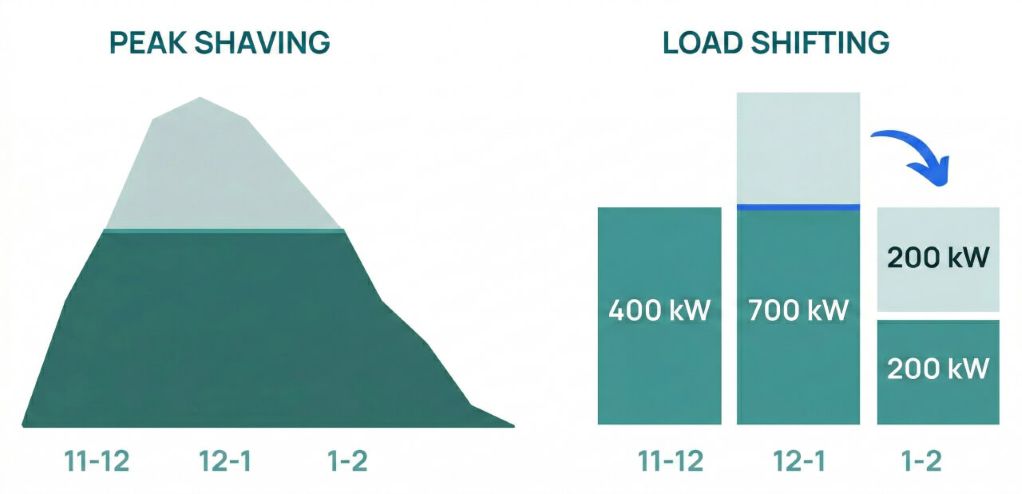
In practice, many sites combine both: use load shifting first for flexible loads, then apply peak shaving to cap the remaining unavoidable peaks.
How to Implement Load Shifting Today?
Implementing load shifting doesn't always require a massive infrastructure overhaul. Whether you are a homeowner looking to lower monthly bills or a facility manager aiming to optimize operational costs, there are actionable steps you can take right now to utilize load shifting energy more effectively.
For Residential Users: Smart Habits for Sustainable Homes
At the household level, the goal is to move discretionary power use away from the expensive 5 PM–9 PM window and into the "solar sponge" hours of 10 AM–3 PM.
Smart appliance scheduling: Use "Delay Start" on dishwashers, washers, and dryers to run at midday solar/off-peak times, reducing reliance on expensive peak-grid power.
EV charging management: Schedule charging via an app or the car's settings for off-peak hours (often after midnight) or daytime when home solar is available—avoid plugging in during the evening peak.
Thermal pre-conditioning: Treat your home like a "thermal battery"—pre-cool (or pre-heat) before peak hours, then raise the setpoint or reduce HVAC use during the 5–9 PM peak to maintain comfort at lower cost.
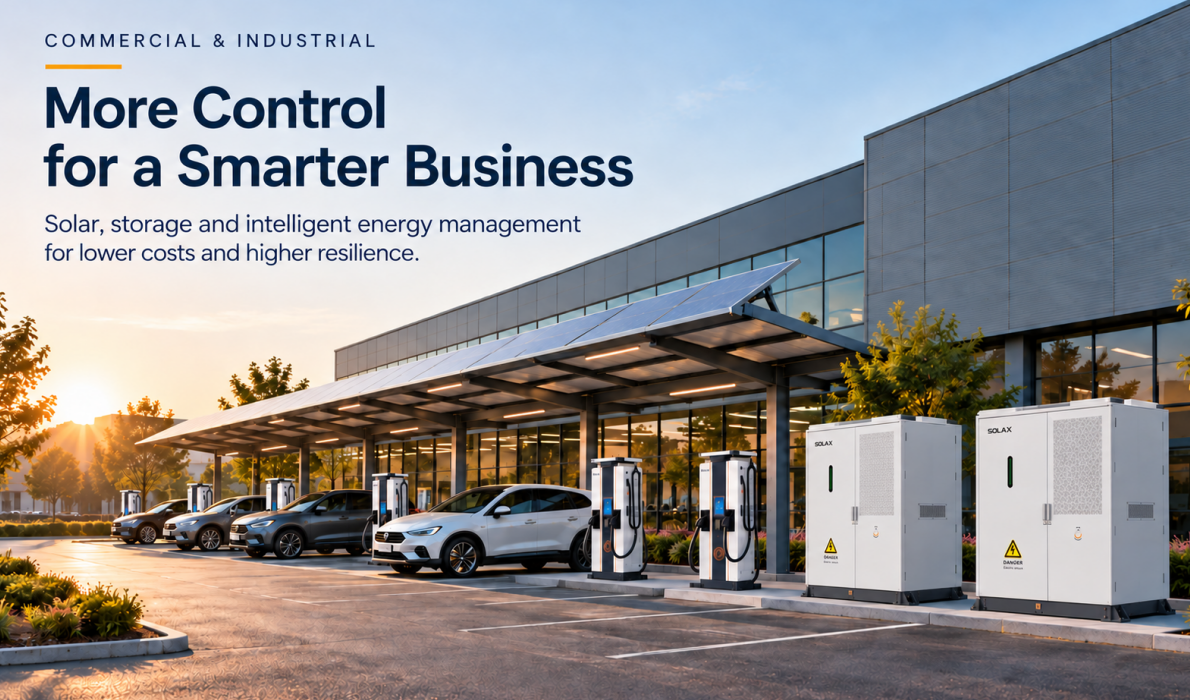
For Industrial and Commercial Users: Scaling Efficiency
For businesses, load shifting energy management is about protecting the bottom line from volatile wholesale prices and high demand charges.
Production shift adjustments: Reschedule energy-intensive tasks (heavy machinery, industrial drying, wastewater treatment) to morning/night to flatten the site's demand peak.
Large-scale energy storage: If schedules can't move, use load shifting energy storage to charge during low-cost hours and discharge during peak production.
Automated load shedding: Electrical load management systems can automatically cut non-essential loads when demand nears the "agreed capacity" limit, helping avoid peak-demand penalties.
By combining behavioral changes with the right load shifting energy storage technology, both homes and businesses can transform from passive energy consumers into active, cost-efficient participants in the modern power grid.
Conclusion
As we transition to a decarbonized world, peak load shifting has evolved from a simple cost-saving tactic into an indispensable pillar of global energy strategy. Every shifted kilowatt-hour contributes to a cleaner, more affordable energy future. Load shifting isn't just about managing your bill; it's about leading the charge toward a sustainable energy transition.
FAQ
Table of Contents
Latest News
Explore expert insights, practical guides, and the latest news on SolaX Power.




To the Latest Newsletter
Stay Ahead with the Latest SolaX Updates!
Subscribe
I have read and agree to Privacy Policy and User Terms