












March 18, 2026
Best Heat Pumps 2026: Expert Reviews & Brand Comparison
Share my #SolaXStory


Choosing the right heat pump is one of the most important decisions you'll make for your home's comfort and energy bills. With heating costs rising and environmental regulations tightening, air-to-water heat pumps have emerged as the preferred solution for homeowners across Europe, Asia, and beyond.
This comprehensive guide compares the top heat pump brands, examining real-world performance, efficiency ratings, reliability, and value. Whether you're replacing an old boiler or building a new home, you'll find the insights you need to make a confident decision.
Quick Comparison: Top Heat Pump Brands at a Glance
Brand | Type | Max SCOP | Working Range | Noise Level | Standout Feature |
SolaX | Air to Water Heat Pump | A+++ | -25 ~ 46 °C | 35~38 dB(A) @1m | Integrated with PV and ESS to maximize green energy self-consumption |
Daikin | Air to Water Heat Pump | 4.71 | -28 ~ 43 °C | 38 dBA @3m | Leaves water temperatures of up to 70°C without electric heater |
Panasonic | Air to Water Heat Pump | A+++ | -28 ~ 35 °C | 47~55 dB(A) | T-CAP maintains nominal capacity even at -20°C without electrical booster |
Wondrwall | Air to Water Heat Pump | Not marked | -25 ~ 45 °C | 43~46 dB(A) | Predictive weather compensation & grid flexibility |
Detailed Comparison: How Top Brands Stack Up
Energy Efficiency Comparison
Efficiency matters because it directly impacts running costs over the 15-20 year lifespan of your heat pump.
Brand/Model | SCOP (Average Climate) | COP at 7°C/35°C | R290 Available |
SolaX Thermal R290 Series | A+++ | 4.55 - 5.15 | Yes |
Daikin Altherma 3 H HT | 4.51 - 4.71 | 4.50 - 4.86 | No (R32) |
Panasonic Aquarea | A+++ | 4.13 - 5.08 | No (R410A / R134a) |
Wondrwall Air Source HP | Not marked | 4.77 - 4.96 (30°C/35°C) | Yes |
Note: SCOP values based on EN 14825 testing. Actual performance varies with installation quality, system design, and operating conditions.
Noise Level Comparison
Sound levels matter significantly for urban installations, properties with close neighbors, or units placed near living spaces.
Brand | Normal Operation (dB) | Quiet Mode Available |
SolaX | 35~38 dB(A) Sound pressure level 1m | Yes |
Daikin | 38 dBA Sound pressure level 3m | Yes (Low sound mode) |
Panasonic | 47~55 dB(A) Sound pressure level | Yes (night mode/super quiet option) |
Wondrwall | 43~46 dB(A) Sound pressure level | Not marked |
Note: Sound measurements at 1 meter distance. Actual perceived noise depends on unit placement, acoustic barriers, and ambient sound levels.
Cold Climate Performance
For homes in regions with harsh winters, heating capacity retention at low temperatures is crucial.
Brand | Min. Operating Temp | High-Temp Capability |
SolaX | -25°C | Maximum Water Outlet Temp 80°C |
Daikin | -28°C | Straight out 70°C (up to 75°C with electric auxiliary heat) |
Panasonic | -28°C | Maximum Water Outlet Temp 65°C (HT) |
Wondrwall | -25°C | Maximum Water Outlet Temp 75°C |
Best Heat Pump Brands: In-Depth Reviews
SolaX Thermal R290 Series — Best for Solar Integration
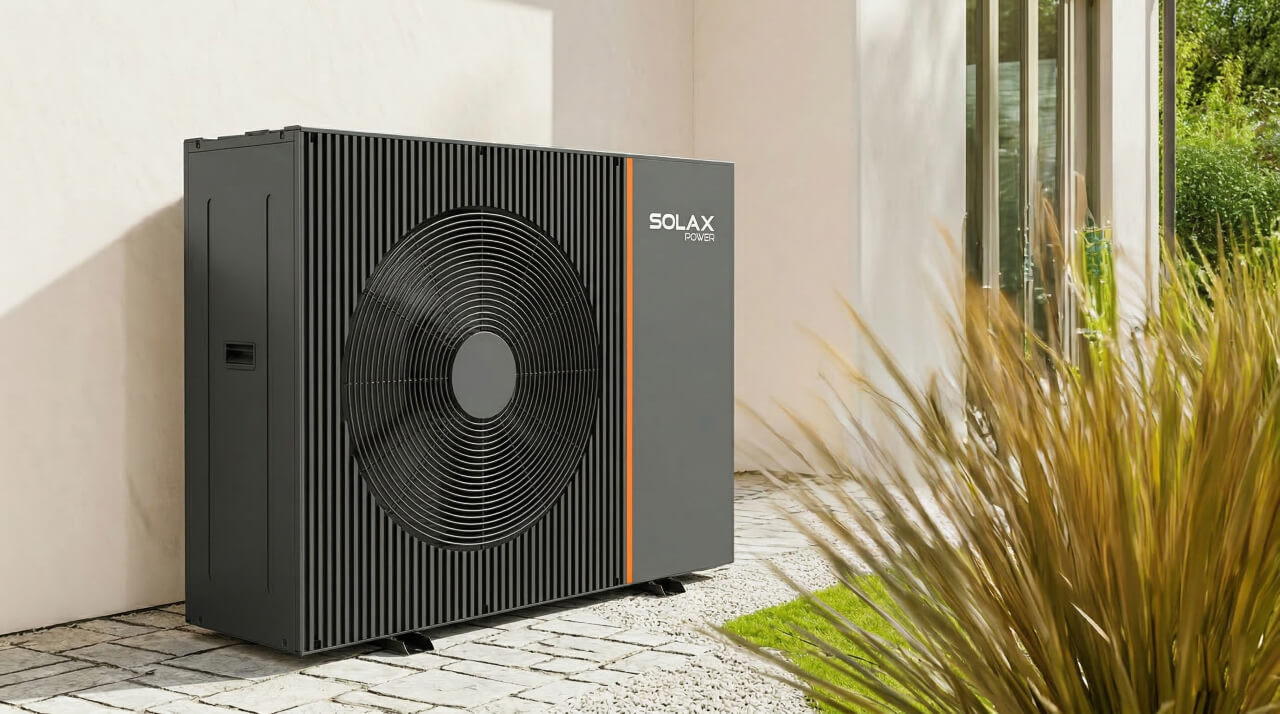
SolaX brings proven solar and battery expertise into heat pump technology, creating an intelligent energy ecosystem that maximizes self-consumption.
The R290 series achieves industry-leading SCOP up to 5.44 with ultra-quiet operation at just 35-38 dB(A), delivering water temperatures up to 80°C while operating efficiently down to -25°C using eco-friendly R290 refrigerant.
Key Features
Native integration with SolaX solar inverters and batteries
SolaX Cloud app with remote monitoring and OTA updates
Brushless DC motor for stepless speed regulation
Three indoor configuration options for flexible installation
Best For: Solar PV owners seeking maximum self-consumption; eco-conscious buyers wanting top efficiency at competitive pricing.
Daikin Altherma 3 — The Industry Benchmark
Daikin's decades of HVAC expertise deliver proven reliability backed by the industry's most extensive service network. The Altherma 3 achieves SCOP up to 4.71 with direct water temperatures up to 70°C, operating reliably down to -28°C without backup heating—making it a trusted choice for harsh European winters.
Key Features
Modulated airflow adjusts fan speed based on heating demand
DC inverter technology minimizes electricity consumption
Wide range of controller options
Best For: Homeowners prioritizing proven reliability and quiet operation; new builds where comprehensive service support and established brand heritage matter most.
Panasonic Aquarea — The Cold Climate Specialist
Panasonic's 60 years of heat pump heritage delivers exceptional cold-weather performance through T-CAP technology, maintaining 100% heating capacity even at -20°C.
Key Features
Single system delivers heating, cooling and domestic hot water
Compatible with radiators, underfloor heating and fan coils for easy retrofit
Solar panel connectivity for further energy reduction
External positioning saves valuable internal living space
Best For: Properties in severe winter climates or without mains gas access; retrofit installations seeking up to 80% reduction in heating bills with proven reliability.
Wondrwall Air Source Heat Pump — The Smart Home Choice
Wondrwall combines heat pump technology with intelligent energy management, auto-tuning to your building's actual heat loss and adapting to weather patterns.
Key Features
Auto-tunes to building heat loss and predictive weather compensation
Occupancy-based controls
Remote monitoring for performance tracking and early failure detection
Grid flexibility support adjusts energy demand
Best For: Tech-forward homeowners seeking intelligent automation; properties wanting reduced running costs through adaptive learning and smart energy management.
Buying Guide: How to Choose the Best Air to Water Heat Pump
Purchasing an air to water heat pump is a significant investment. Follow this guide to ensure you choose the right system from reliable air to water heat pump manufacturers.
Assess Your Home's Heating Requirements
Calculate your property's heat loss based on size, insulation quality, and climate zone. A well-insulated 150m² home typically needs 6-8 kW capacity, while poorly insulated properties may require 12-14 kW. Oversizing wastes money; undersizing causes comfort issues.
Match the System to Your Energy Setup
If you have solar PV or battery storage, prioritize heat pumps with native integration capabilities. Systems like SolaX maximize self-consumption, potentially reducing running costs by 40-60%. Without solar, look for smart tariff optimization and grid flexibility features.
Compare Total Cost of Ownership
When searching for an air to water heat pump for sale, look beyond equipment price. Factor in installation complexity, annual running costs, maintenance requirements, and available government incentives. The cheapest unit rarely delivers the best long-term value.
How to Choose the Most Reliable Heat Pump Brands
Finding the most reliable heat pump brands requires looking beyond marketing claims. Use air to water heat pump reviews and these criteria to identify top heat pump manufacturers that deliver long-term performance.
Verify Manufacturer Heritage and Certifications
The best brands have decades of dedicated heat pump engineering—not rebranded air conditioning units. Look for Eurovent, EHPA Quality Label, and MCS certifications confirming published performance ratings meet rigorous standards.
Evaluate Warranty and Service Network
Confident air to water heat pump manufacturers offer comprehensive warranty coverage with straightforward claims. Check compressor warranty length, labour inclusion, and parts availability in your region. Strong service networks ensure rapid response during winter breakdowns.
Research Real Owner Experiences
When reading air to water heat pump reviews, focus on feedback from installations three years or older. Short-term reviews reflect installation quality; long-term satisfaction reveals true reliability. Ask installers which brands generate fewest callbacks.
Confirm Installer Certification
Even the best air to water heat pumps underperform with poor installation. Before you buy air to water heat pump systems, ensure your installer holds manufacturer-specific certification—proper sizing and commissioning matter as much as brand selection.
FAQ
Table of Contents
Latest News
Explore expert insights, practical guides, and the latest news on SolaX Power.



To the Latest Newsletter
Stay Ahead with the Latest SolaX Updates!
Subscribe
I have read and agree to Privacy Policy and User Terms