













March 18, 2026
Air to Air vs Air to Water Heat Pump: Complete Comparison Guide
Share my #SolaXStory


As energy costs rise globally and homeowners seek more sustainable heating solutions, heat pumps have become increasingly popular alternatives to traditional heating systems.
Among the various options, air to air and air to water heat pumps are the two most common choices for residential applications. But which one is right for your home?
This comprehensive guide compares air to air vs air to water heat pumps. By the end, you'll have a clear understanding of which heat pump best suits your specific needs.
Quick Comparison: Air to Air vs Air to Water Heat Pump
Before diving into the details, here's a quick overview of the key differences between these two systems:
Feature | Air to Air Heat Pump | Air to Water Heat Pump |
Primary Function | Space heating & cooling | Space heating & hot water |
Heat Distribution | Warm/cool air via indoor units | Warm/cool air via indoor units |
Hot Water Production | No | Yes |
Efficiency (COP) | 3.0–4.0 | 3.5–4.5 |
Installation Time | 1–3 days | 3–7 days |
Installation Complexity | Simple | Complex |
Space Requirements | Minimal | Requires hot water cylinder |
Best Climate | Mild to moderate | Cold to moderate |
Lifespan | 15–20 years | 20–25 years |
Works With Existing Radiators | No | Yes |
Ideal Home Size | Small to medium (<150 m²) | Medium to large (>150 m²) |
Let's examine how each system works and when to choose one over the other.
Air to Air Heat Pump: Complete Breakdown
What is an Air to Air Heat Pump?
An air to air heat pump is a heating and cooling system that extracts thermal energy from outdoor air and transfers it inside as warm air. During summer, the process reverses to provide cooling, functioning similarly to an air conditioner.
How Does an Air to Air Heat Pump Work?
Heating Mode (Winter)
The outdoor unit draws in ambient air, and even when temperatures are below freezing, the refrigerant absorbs heat from this air. The compressor then increases the refrigerant's pressure and temperature, raising it to 50–60°C.
This hot refrigerant travels to the indoor unit, where a fan blows room air across the warm coils. The heated air—typically 30–45°C—is distributed throughout the space. The refrigerant then returns to the outdoor unit to repeat the cycle.
Cooling Mode (Summer)
The process simply reverses. The indoor unit absorbs heat from your home's air, and the outdoor unit releases that heat outside, functioning exactly like a traditional air conditioner.
Pros and Cons of Air to Air Heat Pumps
Pros | Cons |
Dual heating and cooling from one system | Cannot produce hot water |
Lower installation cost ($3,000–$7,000) | Efficiency drops below -15°C |
Quick heating response (minutes) | Multiple indoor units affect aesthetics |
No radiators or water infrastructure needed | Can circulate dust if filters not maintained |
Easy 1–3 day installation | Indoor units produce some noise (25–45 dB) |
Zone control for individual rooms | Less effective in very large homes |
Simple maintenance requirements | No heating during power outages |
Air to Water Heat Pump: Complete Breakdown
What is an Air to Water Heat Pump?
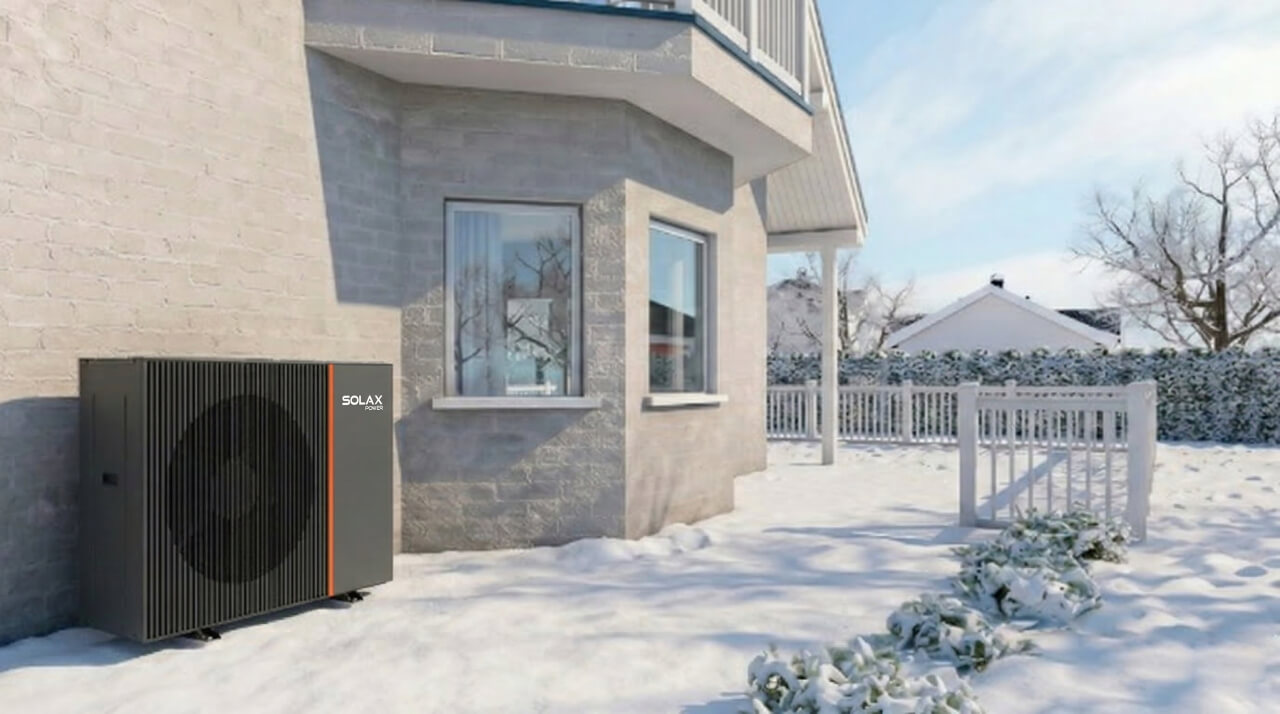
An air to water heat pump extracts heat from outdoor air and transfers it to water, which then circulates through your home's heating system. This heated water flows through radiators, underfloor heating pipes, or a hot water cylinder to provide both space heating and domestic hot water.
How Does an Air to Water Heat Pump Work?
The outdoor unit draws in ambient air and the refrigerant absorbs thermal energy—even when temperatures are as low as -25°C. The compressor increases the refrigerant's temperature to 55–70°C depending on the system type.
This hot refrigerant passes through a heat exchanger where it transfers heat to water. A circulation pump then moves this heated water through your radiators or underfloor heating to warm your home. A portion of heated water is diverted to a storage cylinder for domestic hot water—showers, baths, and taps.
The cooled water returns to be reheated, while the refrigerant cycles back to absorb more heat from outside.
Pros and Cons of Air to Water Heat Pumps
Pros | Cons |
Provides heating AND hot water | Higher installation cost ($8,000–$15,000) |
Works with existing radiators | Requires space for hot water cylinder |
Better efficiency in cold climates | Slower heating response (30–60 minutes) |
Even radiant heat without drafts | Complex installation (3–7 days) |
Quiet indoor operation | Usually no cooling capability |
Longer 20–25 year lifespan | May require radiator upgrades |
Increases property value | Requires good home insulation |
Lower long-term operating costs | More complex annual maintenance |
Air to Air vs Air to Water: Head-to-Head Comparison
Now that we've examined each system individually, let's compare them directly across the factors that matter most.
Efficiency Comparison
Air to water heat pumps typically achieve slightly higher efficiency ratings—especially when paired with underfloor heating.
At 0°C outdoor temperature, air to air achieves COP of 3.0–3.5, while air to water reaches 3.2–3.8. The difference comes from radiant heating operating at lower temperatures where heat pumps work best.
Cost Comparison
Installation costs differ significantly. Air to air systems typically cost $3,000–$7,000 installed, while air to water systems range from $8,000–$15,000. The difference comes from simpler equipment, less plumbing work, and shorter installation time for air to air.
Government incentives available in many countries can reduce installation costs by 20–50%, significantly improving payback periods for both systems.
Installation Comparison
Air to air systems are simpler to install. They typically take 1–3 days, require minimal structural modifications, and rarely need permits.
Air to water systems are more complex. Installation takes 3–7 days, often requires plumbing modifications, and may need permits in some regions.
Climate Suitability
Both systems work across a range of climates, but their sweet spots differ.
Air to air heat pumps excel in mild to moderate climates where winter temperatures stay above -10°C.
Air to water heat pumps perform better in cold climates with harsh winters. Cold-climate models maintain good efficiency down to -25°C.
Hot Water Considerations
This is often the deciding factor between systems.
Air to air systems cannot produce hot water. You'll need a separate solution—electric cylinder, tankless heater, gas water heater, or heat pump water heater.
Air to water systems provide integrated hot water from the same system. A portion of the heated water goes to a storage cylinder (typically 150–300 liters) for domestic use.
How to Choose: Air to Air or Air to Water Heat Pump?
Choosing between air to air and air to water heat pumps depends on your home size, climate, budget, and hot water needs. Here's a quick guide to help you decide.
When to Choose an Air to Air Heat Pump
An air to air heat pump is the better choice if:
Your home is smaller than 150 m²
You need both heating AND cooling
Your budget is under $7,000
You don't have existing radiators or underfloor heating
You live in a mild climate (winter temps above -10°C)
You already have a good hot water solution
You want quick installation with minimal disruption
You're renting or may move within 5–10 years
When to Choose an Air to Water Heat Pump
An air to water heat pump is the better choice if:
Your home is larger than 150 m²
You need integrated hot water production
You have existing radiators or underfloor heating
You live in a cold climate (winter temps below -10°C)
You prioritize long-term savings over upfront costs
You're replacing a gas, oil, or propane boiler
Your home is well-insulated
You plan to stay in your home for 10+ years
FAQ
Table of Contents
Latest News
Explore expert insights, practical guides, and the latest news on SolaX Power.




To the Latest Newsletter
Stay Ahead with the Latest SolaX Updates!
Subscribe
I have read and agree to Privacy Policy and User Terms